
ในภาษาในชีวิตประจำวัน "ยา" และ "ยา" มักจะใช้สลับกัน. ในอุตสาหกรรมยา, อย่างไรก็ตาม, โดยปกติแล้วจะหมายถึงขั้นตอนต่างๆ ของวงจรชีวิตผลิตภัณฑ์. ก ยา โดยทั่วไปเป็นสารออกฤทธิ์ทางเภสัชวิทยา (API) ที่ให้ผลการรักษา. ก ยา (บางครั้งเรียกว่าก ผลิตภัณฑ์ยา) เป็นผลิตภัณฑ์สำเร็จรูป – เป็นยาที่จัดทำและบรรจุสำหรับผู้ป่วย. ความแตกต่างนี้ส่งผลต่อวิธีการพัฒนาผลิตภัณฑ์, ผลิต, และบรรจุ. ในแง่ง่ายๆ, ยาทุกชนิดเริ่มต้นด้วยยา (สารออกฤทธิ์), แต่ไม่ใช่ว่ายาทุกตัวจะกลายเป็นยาที่วางขายในท้องตลาดได้. ความแตกต่างในข้อกำหนดเหล่านี้สามารถมีอิทธิพลได้ แบบฟอร์มการให้ยา ออกแบบ, สถานะการกำกับดูแล, และ การเลือกใช้เครื่องจักรบรรจุภัณฑ์.
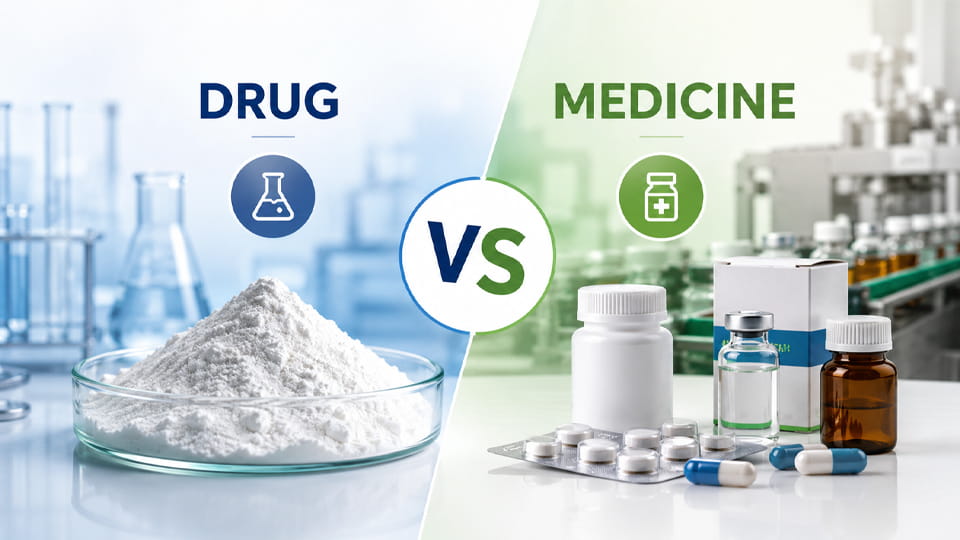
ในแง่เภสัชกรรม, อัน ยา เป็นสารเคมีหรือสารชีวภาพที่ออกฤทธิ์ที่ใช้ในการวินิจฉัย, รักษา, บรรเทา, รักษา, หรือป้องกันโรคได้. อย.ให้คำจำกัดความกว้างๆ ว่า “เป็นสารที่มีวัตถุประสงค์เพื่อใช้ในการวินิจฉัย, รักษา, การบรรเทาผลกระทบ, การรักษา, หรือการป้องกันโรค”ในมนุษย์หรือสัตว์. ในทางปฏิบัติ, "ยา" มักหมายถึงสารออกฤทธิ์ที่บริสุทธิ์ (API) ตัวมันเอง. ตัวอย่างเช่น, ไอบูโพรเฟนหรือแอมม็อกซีซิลลินในรูปแบบผงจะเรียกว่าสารยาก่อนที่จะสร้างเป็น แท็บเล็ตหรือแคปซูล.
ประเด็นสำคัญเกี่ยวกับ ยาเสพติด ในการผลิตยา:
โดยสรุป, อัน ยา คือสารบำบัดแบบดิบหรือ API ซึ่งเป็น "อะไร" ที่ทำให้ยาเกิดผล. คำนี้เป็นเรื่องปกติในการพัฒนาและควบคุมการผสมสูตร.
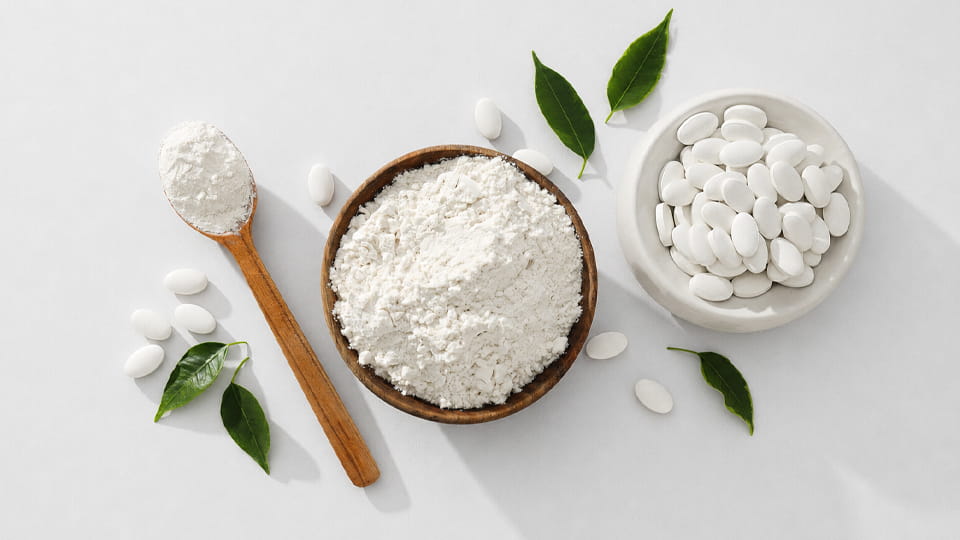
ก ยา (หรือ ผลิตภัณฑ์ยา) คือ ผลิตภัณฑ์ยาสำเร็จรูป มีไว้สำหรับการใช้งานของผู้ป่วย. ประกอบด้วยยาตั้งแต่หนึ่งชนิดขึ้นไป (API) บวกกับส่วนประกอบที่ไม่ใช้งาน (สารเพิ่มปริมาณ) และบรรจุเพื่อการจ่ายและใช้งานอย่างปลอดภัย. กล่าวอีกนัยหนึ่ง, เมื่อกำหนดสูตรยาเป็นรูปแบบยาแล้ว (แท็บเล็ต, แคปซูล, ของเหลว, ฯลฯ) และติดฉลากไว้ในภาชนะ, กลายเป็นยาพร้อมจำหน่าย.
ในแง่ง่ายๆ, อัน ยา เป็นของที่บรรจุแล้ว, ผลิตภัณฑ์ที่พร้อมสำหรับผู้ป่วยที่ใช้ในการวินิจฉัยหรือรักษาอาการ. โดยมีตัวยาเป็นส่วนประกอบหลัก, แต่รวมถึงสิ่งอื่นๆ ทั้งหมดด้วย (สารเพิ่มปริมาณ, คอนเทนเนอร์, ฉลาก).
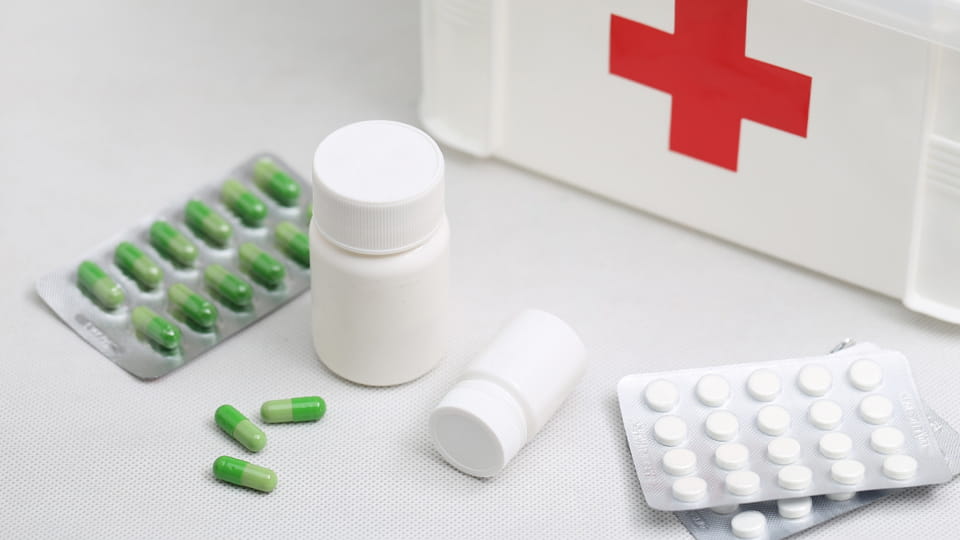
ด้านล่างนี้เป็นบทสรุปของ ความแตกต่างที่สำคัญ ระหว่างยากับยา. ความแตกต่างนั้นละเอียดอ่อนในภาษาธรรมดา แต่มีความสำคัญในบริบทการผลิตและกฎระเบียบ:
| ด้าน | ยา | ยา (ผลิตภัณฑ์ยา) |
| ความหมายพื้นฐาน | สารออกฤทธิ์ (API) ด้วยผลการรักษา | ผลิตภัณฑ์สำเร็จรูปที่มีตัวยา, พร้อมสำหรับการใช้งานของผู้ป่วย |
| เวที | มักหมายถึงส่วนผสมในระยะเริ่มแรกหรือสารประกอบการวิจัย | หมายถึงรูปแบบขนาดการใช้สุดท้ายเมื่อมีการผสมสูตรและบรรจุหีบห่อ |
| องค์ประกอบ | สารออกฤทธิ์บริสุทธิ์ (E.G. ผงแอสไพริน) | รวมถึง API + สารเพิ่มปริมาณ, คอนเทนเนอร์, ฉลาก (E.G. แอสไพรินชนิดเม็ดในพุพอง) |
| ใช้บริบท | การผลิต, ร&ดี, กฎระเบียบ (กระบวนการอนุมัติ) | การใช้งานทางคลินิก, การสั่งจ่ายยา, การจ่ายยา (ในสถานพยาบาล) |
| ระเบียบข้อบังคับ | คำจำกัดความกว้างๆ ของคำว่า “ยา” ของ FDA รวมถึง API | ผลิตภัณฑ์สำเร็จรูปที่มีการควบคุมอย่างเข้มงวด (การอนุมัติจาก FDA/EMA, GMP) |
| ตัวอย่าง | ไอบูโพรเฟน เอพีไอ, โปรตีนอินซูลิน (สารจำนวนมาก) | แท็บเล็ตไอบูโพรเฟน, การฉีดอินซูลินในขวด |
ในแง่ธรรมดา: ก ยา เป็นสารเคมี/ชีวภาพที่ออกฤทธิ์ซึ่งมีผลทางเภสัชวิทยา. ก ยา คือตัวยาบวกสูตรและบรรจุภัณฑ์, มีไว้สำหรับการใช้งานที่ปลอดภัยโดยผู้ป่วย. ดังที่แหล่งยาแห่งหนึ่งกล่าวไว้, “ยาทุกชนิดเริ่มต้นจากการเป็นยา, แต่ไม่ใช่ว่ายาทุกตัวจะกลายเป็นยา”. เช่น, มอร์ฟีนบริสุทธิ์เป็นสารตัวยา; เมื่อกำหนดเป็นปริมาณที่ฉีดได้ด้วยน้ำเกลือและปิดผนึกในขวด, มันกลายเป็นยา (ผลิตภัณฑ์บรรเทาอาการปวด).
จุดสำคัญก็คือว่า ยา หมายถึงมีการควบคุม, สินค้าอุปโภคบริโภค, ในทางตรงกันข้าม ยา อาจหมายถึงเพียงสารออกฤทธิ์ดิบหรือสารประกอบประเภทหนึ่งที่กว้างกว่า. ตารางด้านบนเน้นความแตกต่างเหล่านี้.
เพื่อให้เข้าใจอย่างถ่องแท้ว่า "ยากับยา",” ช่วยชี้แจงคำศัพท์ที่เกี่ยวข้องซึ่งมักใช้ในยา:
บรรทัดล่าง: ในการผลิตยา, “สารเสพติด” คือ API, “ผลิตภัณฑ์ยา” คือรูปแบบขนาดการใช้ที่ถูกกำหนดไว้ (แท็บเล็ต, แคปซูล, การฉีด, ฯลฯ), และ "ยา" คือสิ่งที่คุณเรียกว่าผลิตภัณฑ์ยาเมื่อเป็นผลิตภัณฑ์รักษาโรคที่พร้อมออกสู่ตลาด. ตัวอย่างเช่น, เมตฟอร์มินเป็นสารตัวยา, ยาเม็ดเมตฟอร์มินขนาด 500 มก. คือผลิตภัณฑ์ยา, และแท็บเล็ตนั้น (ในบรรจุภัณฑ์) คือยาที่ผู้ป่วยรับประทาน.
การทำความเข้าใจข้อกำหนดเหล่านี้เป็นสิ่งสำคัญ: เมื่อเราทราบรูปแบบขนาดยาของผลิตภัณฑ์ยาแล้ว, เราสามารถเลือกสิ่งที่ถูกต้องได้ สายการบรรจุ เพื่อเปลี่ยนเป็นยาที่มั่นคง.
สูตร & การพัฒนารูปแบบขนาดยา: แบบดิบ สารยา โดยตัวมันเองไม่พร้อมสำหรับผู้ป่วย. จะต้องกำหนดสูตรให้อยู่ในรูปแบบยาที่เหมาะสม (แท็บเล็ต, แคปซูล, น้ำเชื่อม, การฉีด, ฯลฯ) – นี่คือส่วนสำคัญของการพัฒนาการผลิต. รูปแบบขนาดการใช้แต่ละรูปแบบต้องการส่วนเพิ่มปริมาณและการประมวลผลเฉพาะ (การผสม, การทำเม็ดเล็ก, การทำหมัน) ที่จะกลายเป็น ผลิตภัณฑ์ยา. ตัวอย่างเช่น, API ที่ละเอียดอ่อนสำหรับสารชีวภาพแบบฉีดจำเป็นต้องมีการประมวลผลแบบปลอดเชื้อ, ในขณะที่ API ที่เสถียรสำหรับยาเม็ดจะต้องผ่านการทำให้แห้งและการบีบอัดแท็บเล็ต.
การอนุมัติตามกฎข้อบังคับ: หน่วยงานต่างๆ เช่น FDA หรือ EMA จะตรวจสอบข้อมูลเกี่ยวกับสารตัวยาดังกล่าว และ ผลิตภัณฑ์ยา/ยา. พวกเขาประเมินความปลอดภัยของ API และประสิทธิภาพของการกำหนดสูตรขั้นสุดท้าย. ยาสำเร็จรูปต้องเป็นไปตามมาตรฐานที่เข้มงวด (GMP, ความมั่นคง, การติดฉลาก). อย CGMP กฎเกณฑ์ครอบคลุมกระบวนการและอุปกรณ์บรรจุภัณฑ์อย่างชัดเจน รวมถึงวิธีบรรจุยาด้วย (ยิ่งกว่ายาดิบเสียด้วยซ้ำ) มีการควบคุมอย่างเข้มงวด.
บรรจุภัณฑ์และการติดฉลาก: ความแตกต่างกำหนดความต้องการบรรจุภัณฑ์. สารตัวยามักจะมีบรรจุภัณฑ์น้อยที่สุด (กลอง, ขวดสำหรับจัดเก็บ). ยา, อย่างไรก็ตาม, กำหนดให้มี บรรจุภัณฑ์หลัก ที่ช่วยปกป้องปริมาณยา (E.G. แพ็คแผลพุพอง, ขวด, ขวด) และ บรรจุภัณฑ์รอง (กล่อง) เพื่อเป็นข้อมูลและตรวจสอบย้อนกลับ. ตัวอย่างเช่น, แท็บเล็ต (ผลิตภัณฑ์สำเร็จรูป) จำเป็นต้องมีบรรจุภัณฑ์พุพองกันความชื้นหรือระบบปิดขวดเพื่อรับประกันอายุการเก็บรักษา. ยาฉีดต้องใช้ขวดแก้วหรือหลอดแก้วปลอดเชื้อ พร้อมด้วยซีลป้องกันการงัดแงะ. การผสมผสานระหว่าง API และรูปแบบขนาดยาแต่ละครั้งจะมีโซลูชันบรรจุภัณฑ์ที่เข้ากัน.
การเลือกอุปกรณ์: หากคุณคิดถึงแต่ API, คุณอาจพิจารณาใช้เครื่องปฏิกรณ์หรือเครื่องผสม. แต่เมื่อสารกลายเป็นผลิตภัณฑ์ยาที่ต้องบรรจุหีบห่อ, คุณต้องมีสายการบรรจุที่เหมาะสม. เครื่องบรรจุภัณฑ์พุพอง, เครื่องเติมแคปซูล, ฟิลเลอร์ของเหลว, เส้นเติมขวด, เครื่องเขียนกล่อง – ทั้งหมดมีความเกี่ยวข้อง. การรับรู้ "ยา" หมายถึงผลิตภัณฑ์ในบรรจุภัณฑ์พร้อมท์ให้จัดซื้อเครื่องจักรเหล่านี้.
ในระยะสั้น, การทำความเข้าใจ "ยากับยา" ช่วยให้ทีมงานโครงการรู้ เมื่อใดและอย่างไร เพื่อบูรณาการบรรจุภัณฑ์เข้ากับขั้นตอนการผลิต. ช่วยให้มั่นใจได้ว่าผลิตภัณฑ์ยาไม่ได้เป็นเพียงสูตรเท่านั้น, แต่ได้รับการปกป้องและนำเสนอสู่ตลาดอย่างเหมาะสม.
บรรจุภัณฑ์เป็นขั้นตอนสุดท้ายที่สำคัญในการเปลี่ยนสูตรยาให้เป็นยาที่ผู้ป่วยสามารถใช้ได้อย่างปลอดภัย. ใน บรรจุภัณฑ์ยา, บรรจุภัณฑ์หลัก เป็นการสัมผัสโดยตรงกับขนาดยา (ผลิตภัณฑ์ยา) และเป็นอุปสรรคแรกในการย่อยสลาย. ตัวอย่างเช่น, แคปซูลและยาเม็ดเจลาตินแข็งมักจะใส่เข้าไป อลูมิเนียมพลาสติก แพ็คแผลพุพอง, ในขณะที่น้ำเชื่อมลงไป พลาสติก (พีอีที/เอชดีพีอี) ขวด. จะมีการเติมยาฉีดเข้าไป ขวดแก้วหรือหลอดแก้วฆ่าเชื้อ. แต่ละคอนเทนเนอร์หลักจะถูกเลือกเนื่องจากความเฉื่อยและคุณสมบัติอุปสรรค.
เมื่อบรรจุภัณฑ์หลักถูกปิดผนึกแล้ว, บรรจุภัณฑ์รอง (กล่อง, ฉลาก, แผ่นพับ) ให้ข้อมูลผู้ป่วยและข้อมูลแบทช์. เช่น, บรรจุภัณฑ์พลาสติกหรือขวดจะถูกจัดกลุ่มลงในกล่องกระดาษแข็งที่มีตราสินค้าพร้อมแผ่นพับคำแนะนำ, หมายเลขแบทช์, และบาร์โค้ด ซึ่งมีความสำคัญอย่างยิ่งต่อการปฏิบัติตามกฎระเบียบและความปลอดภัยของผู้ป่วย.
ที่ JinLuPacking, เครื่องจักรของเราทำตามขั้นตอนเหล่านี้โดยอัตโนมัติ. แบบอัตโนมัติ เครื่องบรรจุตุ่ม สามารถปิดผนึกเม็ดยาได้หลายพันเม็ดต่อชั่วโมง; อัน เครื่องบรรจุแคปซูล จ่ายยาเป็นแคปซูล; อัน สายการบรรจุและปิดฝาขวด นับเม็ดยาหรือเติมน้ำเชื่อมลงในขวด; และก เครื่องบรรจุกล่อง ห่อและบรรจุกล่องผลิตภัณฑ์สำเร็จรูป. ทุกขั้นตอนเหล่านี้คือการเติม, สูงสุดที่กำหนด, การห่อ – ตรวจสอบให้แน่ใจว่ามีการจ่ายยาขั้นสุดท้ายอย่างถูกต้อง, ปลอดภัย, และพร้อมจำหน่าย.
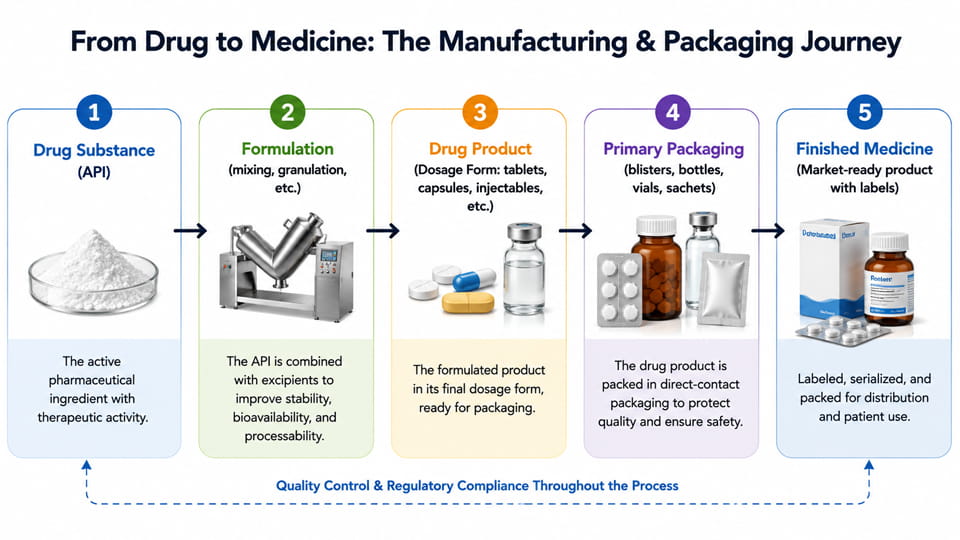
รูป: ผังงานของยา → ยา: ที่มีความกระตือรือร้น สารยา (API) ถูกจัดทำขึ้นเป็น ผลิตภัณฑ์ยา (รูปแบบของยาเฉพาะ). แล้วมันเคลื่อนเข้ามา บรรจุภัณฑ์หลัก (E.G. ก้อนตุ่มสำหรับแท็บเล็ต, ขวดน้ำเชื่อม, ขวดแก้วสำหรับฉีด). ในที่สุด, มันกลายเป็น ยาเสร็จแล้ว ด้วยบรรจุภัณฑ์รอง (กล่อง/ฉลาก) เพื่อการใช้งานของผู้ป่วย.
รูปแบบยาที่แตกต่างกันต้องใช้โซลูชันบรรจุภัณฑ์ที่แตกต่างกัน. ตารางด้านล่างสรุปการจับคู่ทั่วไป:
| แบบฟอร์มการให้ยา | บรรจุภัณฑ์หลักทั่วไป | ตัวอย่าง JinLuEquipment |
| แท็บเล็ต (ช่องปากแข็ง) | แพ็คแผลพุพอง (ฟอยล์พีวีซี/PVDC), หรือพลาสติก ขวด พร้อมฝาเกลียว | เครื่องบรรจุตุ่ม; การนับแท็บเล็ต & สายการบรรจุขวด |
| แคปซูล (ออรัล) | แพ็คแผลพุพอง, หรือขวดที่มีลักษณะคล้ายแท็บเล็ต | เครื่องบรรจุแคปซูลอัตโนมัติ; เครื่องตุ่ม |
| ของเหลวในช่องปาก (น้ำเชื่อม) | พลาสติก (พีอีที/เอชดีพีอี) ขวด พร้อมฝาปิดที่ปลอดภัยสำหรับเด็ก | ระบบบรรจุและปิดฝาของเหลว; เครื่องถอดรหัสขวด |
| ผง / ซอง | แพ็คซองขนาดเดียว (ถุงฟอยล์หรือลามิเนต) | เครื่องบรรจุซอง/สติ๊ก; สายกระเป๋าสำเร็จรูป |
| ฉีด (ปลอดเชื้อ) | กระจก ขวด, หลอดบรรจุ, หรือเข็มฉีดยาที่บรรจุไว้ล่วงหน้า, แถมซีลฟอยล์ด้วย | การบรรจุขวด/หลอด & เส้นกั้น; เครื่องซีลแบบเหนี่ยวนำ |
| ขี้ผึ้ง/ครีม | หลอดลามิเนต (อลูมิเนียมหรือพลาสติก) | เครื่องบรรจุและปิดผนึกหลอด |
| แคปซูลซอฟเจล | ขวด (สัตว์เลี้ยง) หรือแพ็คตุ่ม | เครื่องทำพุพองแคปซูลซอฟเจล; เส้นการนับ |
ทางเลือกขึ้นอยู่กับปัจจัยต่างๆ เช่น ความคงตัวของรูปแบบขนาดยา, ความเป็นหมัน, และความสะดวกของผู้ป่วย. ตัวอย่างเช่น, มักใช้แท็บเล็ตและแคปซูล เครื่องพุพอง หรือ สายการบรรจุขวด, ในขณะที่ของเหลวต้องการ เครื่องล้างขวด, การกรอก, และเครื่องปิดฝา. แบบฉีดได้ ยาต้องใช้ระบบเติมฆ่าเชื้อภายใต้สภาวะห้องปลอดเชื้อ. แต่ละโซลูชันได้รับการสนับสนุนโดยเครื่องจักรบรรจุภัณฑ์แบบพิเศษเพื่อให้แน่ใจว่าผลิตภัณฑ์ยาได้รับการคุ้มครอง, ติดป้ายกำกับ ยา ที่ตรงตาม มาตรฐานจีเอ็มพี.
เพื่อให้เป็นรูปธรรม, ต่อไปนี้คือตัวอย่างบางส่วนที่แสดงให้เห็นว่ายาบางชนิดกลายเป็นยาได้อย่างไร:
แต่ละตัวอย่างแสดงให้เห็น: ยา (API) → สูตร (การทำแท็บเล็ต, การกรอก, ฯลฯ) → การบรรจุหีบห่อ (พุพอง, ขวด, ขวด, ซอง) → ยา (สินค้าชิ้นสุดท้ายพร้อมฉลาก).
ไม่จำเป็น. ยาทุกชนิดเริ่มต้นจากยา, แต่ไม่ใช่ว่ายาทุกตัวจะกลายเป็นยา. สารประกอบทางเคมีหรือชีวภาพหลายชนิด (ยาเสพติด) ไม่เคยเข้าถึงผู้ป่วย. ยาบางชนิดยังคงอยู่ในอาร์&D หรือใช้เพื่อการวิจัยเท่านั้น, และอื่นๆ ที่ใช้นอกสถานพยาบาล (E.G. ยาเพื่อความบันเทิง). เมื่อมีการกำหนดสูตรยาเท่านั้น, ทดสอบแล้ว, และอนุมัติให้เป็นยาได้.
เป็นบันทึกคำตอบคำถามที่พบบ่อยหนึ่งข้อ, “แอสไพรินเป็นทั้งยาและยารักษาโรค. เป็นยาที่อยู่ในรูปทางเคมี (กรดอะซิติลซาลิไซลิก) และกลายเป็นยาเมื่อปรุงและใช้รักษาอาการไข้, ความเจ็บปวด, หรืออักเสบ”. สิ่งสำคัญคือจุดประสงค์ในการใช้งานและการนำเสนอ: ใช้เป็นผลิตภัณฑ์ที่พร้อมสำหรับผู้ป่วยทำให้เป็นยา.
โดยสรุป, ได้รับการอนุมัติเท่านั้น, ผลิตภัณฑ์ที่มีไว้สำหรับผู้ป่วย เป็นยา. การทำความเข้าใจสิ่งนี้ช่วยให้ผู้ผลิตและผู้ควบคุมสามารถแยกแยะระหว่างสารทดลองและผลิตภัณฑ์ในตลาดจริงได้.
โดยสรุป, "ยา" มักหมายถึงสารออกฤทธิ์หรือตัวแทนทางเภสัชกรรมใดๆ, ในขณะที่ "ยา" (ผลิตภัณฑ์ยา) หมายถึงเสร็จสิ้น, ผลิตภัณฑ์พร้อมสำหรับผู้ป่วยที่มียานั้นอยู่. ความแตกต่างนี้มีความสำคัญต่อการผลิตยา: มันนำทางอาร์&ดี, สถานะการกำกับดูแล, และการเลือกบรรจุภัณฑ์. การทำความเข้าใจข้อกำหนดเหล่านี้ช่วยให้แน่ใจว่าเราเคลื่อนย้ายสารตัวยาผ่านการกำหนดสูตรและ บรรจุภัณฑ์ อย่างถูกต้องเพื่อให้เกิดความมั่นคง, ยาที่สอดคล้อง.
เมื่อไร การพัฒนารูปแบบยาใหม่, จดจำ: สายการบรรจุที่เหมาะสม (เครื่องบรรจุตุ่ม, ฟิลเลอร์แคปซูล, สายขวด, ฟิลเลอร์ขวด, ผู้บรรจุกล่อง, ฯลฯ) เป็นสิ่งจำเป็นสำหรับ ปกป้องยา และได้มาตรฐาน GMP. ตัวอย่างเช่น, ผู้ผลิตแท็บเล็ตไว้วางใจ เครื่องบรรจุหีบห่อ และ เส้นการนับ/การเติม, ในขณะที่ผลิตภัณฑ์แบบฉีดต้องการ เครื่องบรรจุและปิดฝาขวด/แอมพูล และบรรจุรองอย่างปลอดภัย. JinLuPacking นำเสนออย่างเต็มรูปแบบของ เครื่องจักรบรรจุภัณฑ์ยา ปรับให้เหมาะกับรูปแบบยาแต่ละรูปแบบ – จาก แท็บเล็ต & พุพองของแคปซูล ถึง บรรจุซอง และ การบรรจุกล่อง.
พร้อมเปลี่ยนยาของคุณให้เป็นยาที่พร้อมออกสู่ตลาด? สำรวจโซลูชันของเรา: แท็บเล็ต & เครื่องบรรจุตุ่มแคปซูลสำหรับปริมาณของแข็ง, เครื่องบรรจุแคปซูลสำหรับผง/แคปซูลเหลว, ซอง & เครื่องผลิตถุงสำเร็จรูป สำหรับผง, และเครื่องแพ็คกล่องสำหรับมวยขั้นสุดท้าย. อุปกรณ์ของเราช่วยปกป้องคุณภาพของผลิตภัณฑ์, มั่นใจในความปลอดภัยของผู้ป่วย, และปรับปรุงสายการผลิตของคุณตั้งแต่ยาไปจนถึงยาสำเร็จรูป.
ไม่อย่างแน่นอน. ในการสนทนาแบบสบาย ๆ พวกเขาทับซ้อนกัน, แต่ในทางเทคนิคแล้วยามักหมายถึงสารออกฤทธิ์หรือสารทางเภสัชวิทยาใดๆ, ในขณะที่ยาเป็นผลิตภัณฑ์สำเร็จรูปที่มอบให้ผู้ป่วย. อาจกล่าวได้ว่า “ยาทุกชนิดมีตัวยา, แต่ตัวยาเองมิอาจเป็นยาได้จนกว่าจะมีสูตร”.
โดยพื้นฐานแล้วเป็นแนวคิดเดียวกันในบริบททางเภสัชกรรมส่วนใหญ่. ผลิตภัณฑ์ยาคือรูปแบบขนาดยาที่สมบูรณ์ (แท็บเล็ต, แคปซูล, การฉีด) พร้อมขาย. ยาคือสิ่งที่เรียกว่าผลิตภัณฑ์ยาเมื่อบรรจุหีบห่อเพื่อใช้สำหรับผู้ป่วย. ในทางปฏิบัติ, ผลิตภัณฑ์ยาที่ได้รับอนุมัติ (ด้วยการติดฉลาก) เป็นยา.
เป็นสารเสพติด (หรือเอพีไอ) เป็นสารออกฤทธิ์บริสุทธิ์ – สารเคมีหรือชีววิทยาที่มีผลการรักษา. ผลิตภัณฑ์ยาคือสูตรสุดท้ายที่มีสารนั้น, บวกกับสารเพิ่มปริมาณ, ในรูปแบบยา (ยา, สารละลาย, ฯลฯ). คิดถึงเกลือและเครื่องปั่นเกลือ: เกลือ (สารยา) เป็นส่วนผสม; เกลือที่มีสารป้องกันการจับตัวเป็นก้อนในขวด (ผลิตภัณฑ์ยา) เป็นสินค้าที่ใช้งานได้.
บรรจุภัณฑ์เป็นสิ่งสำคัญในการเปลี่ยนยาให้เป็นยา. ตามที่ทราบทรัพยากรของ JinLuPacking, บรรจุภัณฑ์ยา (แพ็คแผลพุพอง, ขวด, ขวด) ปกป้องความเสถียรและปริมาณของผลิตภัณฑ์ยา, และรับรองการปฏิบัติตามกฎระเบียบ. บรรจุภัณฑ์และการติดฉลากที่เหมาะสมจะเปลี่ยนสารตัวยาที่หลุดลอยให้เป็นตู้นิรภัย, ยาที่เป็นมิตรต่อผู้ใช้.
ใช่. สารประกอบเช่นไอบูโพรเฟนหรืออะเซตามิโนเฟนเป็นสารตัวยา. เมื่อนำมาทำเป็นแท็บเล็ต OTC พร้อมคำแนะนำ, มันก็เป็นยาด้วย. ขึ้นอยู่กับรูปแบบและการใช้งาน. ตามที่ระบุไว้ข้างต้น, แอสไพรินเป็นยาทางเคมี แต่จะเรียกว่ายาเมื่ออยู่ในยาเม็ดเพื่อบรรเทาอาการปวด. เช่นเดียวกับยาแก้ปวดหลายชนิด, ยาปฏิชีวนะ, ฯลฯ.
แพทย์มักจะใช้ “ยา” ในความหมายที่เป็นกลางของตัวแทนยาใดๆ. ในศัพท์แสงทางคลินิกและกฎหมาย (เช่นเดียวกับพระราชบัญญัติอย), “ยา” เป็นคำที่เป็นทางการสำหรับสารรักษาโรค. ครอบคลุมทุกอย่างตั้งแต่ยาแก้ไอไปจนถึงเคมีบำบัด. ในขณะเดียวกัน, “ยา” เป็นมิตรกับคนไข้มากขึ้น. ดังนั้นแพทย์อาจสั่งยาไอบูโพรเฟนให้ (ยา) เป็นยาแก้ปวด (ยา).
อ้างอิง:
1.Drugs@FDA อภิธานศัพท์ข้อกำหนด -- เรา. สำนักงานคณะกรรมการอาหารและยา
2.การจำแนกประเภทผลิตภัณฑ์เป็นยาและอุปกรณ์ และประเด็นการจำแนกประเภทผลิตภัณฑ์เพิ่มเติม -- เรา. สำนักงานคณะกรรมการอาหารและยา
3.อภิธานศัพท์ (เงื่อนไข P: ผลิตภัณฑ์ยา, สารเพิ่มปริมาณ, วัสดุเริ่มต้น) -- WHO
4.อภิธานศัพท์คุณสมบัติเบื้องต้น -- WHO
5.แบบฟอร์มการให้ยา | อย -- เรา. สำนักงานคณะกรรมการอาหารและยา
6.คำถามที่ 7A คำแนะนำวิธีปฏิบัติที่ดีในการผลิตสำหรับส่วนผสมออกฤทธิ์ทางเภสัชกรรม -- เรา. สำนักงานคณะกรรมการอาหารและยา
