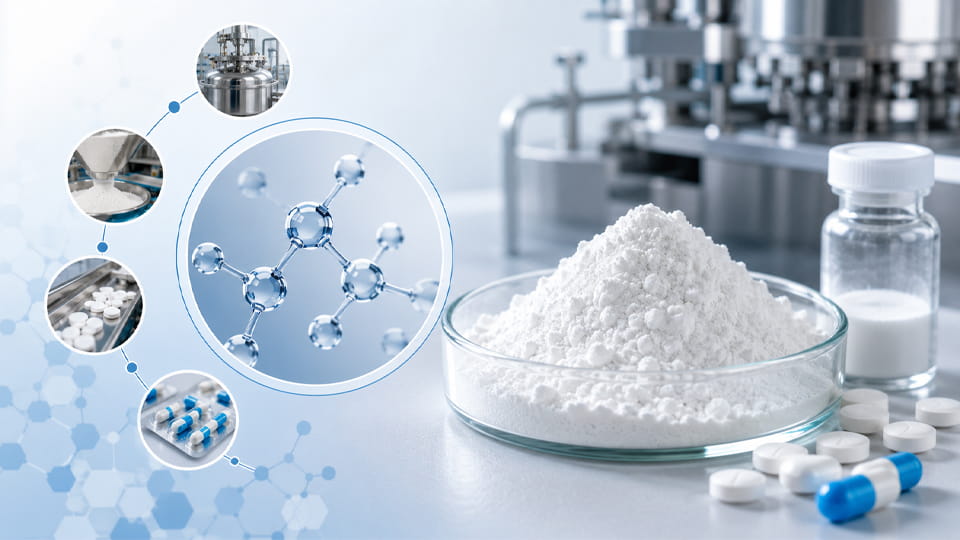

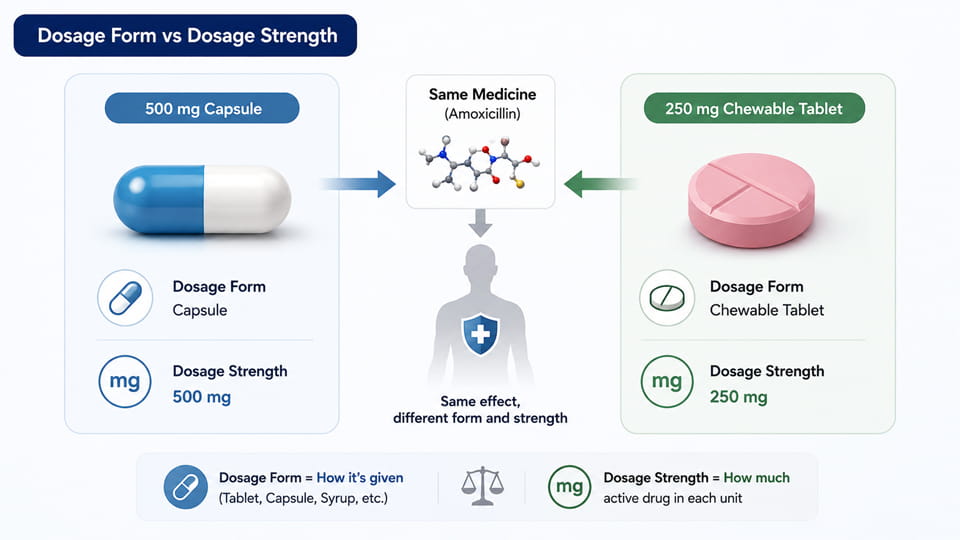
ยาไม่ได้มาแค่ในขวดหรือกล่องเท่านั้น แต่ยังเข้ามาอีกด้วย แบบฟอร์มการให้ยา. ก แบบฟอร์มการให้ยา คือทางกายภาพ รูปร่าง ซึ่งมีการเตรียมและจ่ายยา. ในร้านขายยา, นี่หมายถึงยา สารออกฤทธิ์ รวมกับวัสดุอื่นๆ (สารเพิ่มปริมาณ) และขึ้นรูปเป็นแท็บเล็ต, แคปซูล, ของเหลว, ครีม, หรือรูปแบบอื่นๆ. ในแง่ง่ายๆ, ที่ คำจำกัดความของรูปแบบยา คือ “วิธีการปรุงยาและการส่งยา” เพื่อให้ปริมาณยาที่เหมาะสมเข้าถึงร่างกายของคุณได้อย่างปลอดภัย. ตัวอย่างเช่น, ยาทั่วไปตัวหนึ่งอาจขายเป็น 500 มก. แคปซูล หรือ ก 250 มก. ชนิดเม็ดเคี้ยว เป็นยาชนิดเดียวกัน, แตกต่าง แบบฟอร์มการให้ยา.
การทำความเข้าใจรูปแบบขนาดยาเป็นสิ่งสำคัญสำหรับทุกคนในการผลิตหรือจัดซื้อยา. การเลือกแบบฟอร์มส่งผลต่อการใช้งานของผู้ป่วย, ความคงตัวของยา, และวิธีการผลิต. ในคู่มือนี้, เราจะพังทลาย รูปแบบของยาหมายถึงอะไรในร้านขายยา, ทำไมมันถึงสำคัญ, และ ประเภทของรูปแบบยา คุณจะพบ. เราจะได้สัมผัสถึงความทันสมัยของอุปกรณ์ด้วย (เช่น เครื่องอัดยาเม็ดและตัวเติมแคปซูล) ทำให้การผลิตและบรรจุภัณฑ์แบบฟอร์มเหล่านี้ง่ายขึ้น.
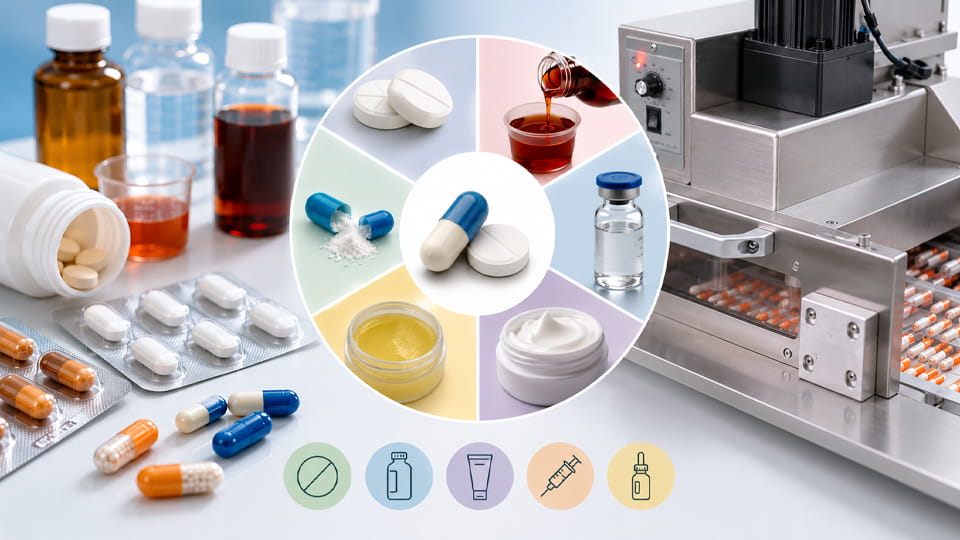
ตามคำนิยาม, อัน แบบฟอร์มการให้ยา เป็น รูปแบบทางกายภาพของผลิตภัณฑ์ยา. กล่าวอีกนัยหนึ่ง, เป็นวิธีการผสมผสานและนำเสนอยาที่ออกฤทธิ์และส่วนผสมเฉื่อยเพื่อการบริหาร. ความเงาของ NIH ให้คำจำกัดความง่ายๆ ว่า “รูปแบบทางกายภาพที่ใช้ผลิตหรือจ่ายยา”. อีกแหล่งหนึ่งอธิบายว่ารูปแบบของยาคือผลิตภัณฑ์ยา “นำเสนอในรูปแบบเฉพาะเพื่อการใช้งาน,- ที่มีส่วนผสมของส่วนประกอบที่ใช้งานและไม่ใช้งาน, ถูกกำหนดให้เป็นแบบฟอร์มเฉพาะ.
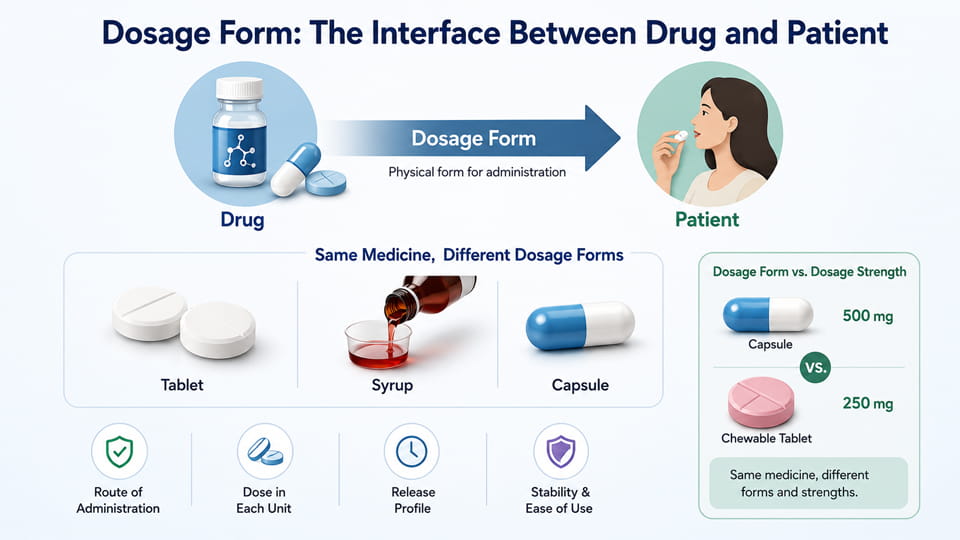
คิดว่ารูปแบบยาเป็น อินเตอร์เฟซ ระหว่างยากับผู้ป่วย. ตัวอย่างเช่น, พาราเซตามอลมาในรูปแบบเม็ด, น้ำเชื่อม, และแม้แต่ยาเหน็บ; เหล่านี้ล้วนเป็นรูปแบบยาที่แตกต่างกันของสารออกฤทธิ์เดียวกัน. แต่ละแบบคือแบบ การกำหนดขนาดยา – สูตรเฉพาะของยาออกฤทธิ์ + สารเพิ่มปริมาณที่มีรูปร่างเป็นสิ่งที่สะดวก. ดังที่คู่มือ JinLuPacking ฉบับหนึ่งระบุไว้, การสร้างรูปแบบยาที่เป็นของแข็งนั้นเกี่ยวกับ “เปลี่ยนโมเลกุลยาให้กลายเป็นของแข็งที่คงตัว” โดยการผสมสารออกฤทธิ์ด้วย ผู้ยึดติด และฟิลเลอร์. แบบฟอร์มที่เสร็จแล้วอาจเป็นเม็ดกลม, เปลือกแคปซูล, หรือผงซอง แต่ละซองได้รับการออกแบบเพื่อให้สามารถส่งยาได้อย่างมีประสิทธิภาพ.
ในทางปฏิบัติ, เมื่อเภสัชกรหรือผู้ผลิตพูดถึง แบบฟอร์มการให้ยา, พวกเขากำลังพิจารณาปัจจัยต่างๆ เช่น:
ตัวอย่างเช่น, ยาชนิดเดียวกัน (พูด, แอมม็อกซิซิลลิน) อาจมาในรูปแบบ “ขนาดยา” เช่น 500 มก. แคปซูล หรือก 250 มก. เม็ดเคี้ยว”. ทั้งส่งแอมม็อกซีซิลลิน, แต่รูปแบบและขนาดยาต่างกัน. สิ่งนี้เน้นถึงความแตกต่างระหว่างรูปแบบยา (แคปซูล vs แท็บเล็ต) และ ความแรงของปริมาณ (500 มก. เทียบกับ 250 มก.).
การเลือกรูปแบบยาที่เหมาะสมเป็นสิ่งสำคัญด้วยเหตุผลหลายประการ:
ในระยะสั้น, รูปแบบของยาเป็นมากกว่าแค่ "บรรจุภัณฑ์" พวกเขามีบทบาทสำคัญในการทำงานของยาและวิธีที่ง่ายในการผลิตและนำไปใช้อย่างปลอดภัย.
ยาสามารถกำหนดได้หลายรูปแบบ, แต่ละอันเหมาะสมกับวัตถุประสงค์เฉพาะ. ด้านล่างนี้เป็นหมวดหมู่หลัก:
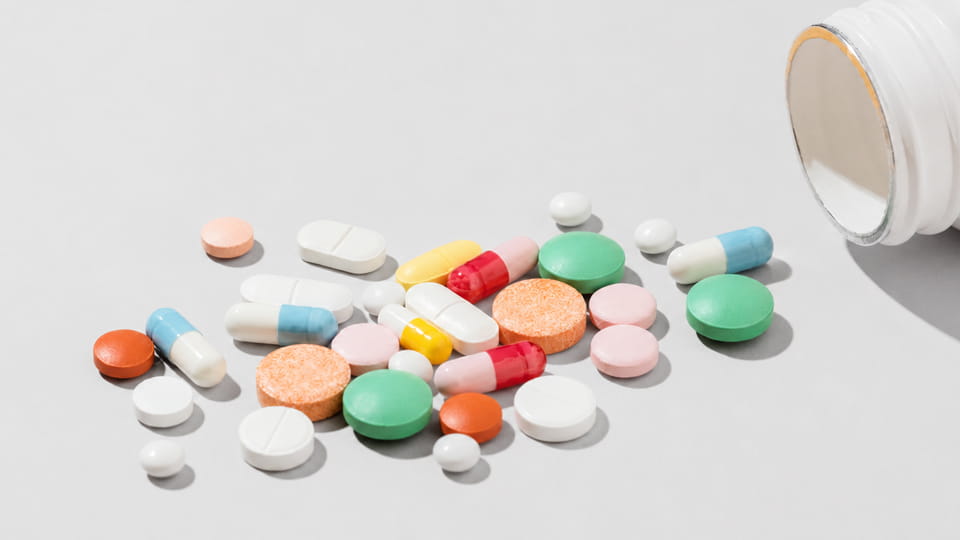
รูป: แคปซูลและแท็บเล็ต คือตัวอย่างของรูปแบบขนาดการให้ยาที่เป็นของแข็งที่ใช้สำหรับการจัดส่งทางปาก.
รูปแบบยาที่เป็นของแข็ง คือ ที่พบบ่อยที่สุด ในอุตสาหกรรมยา. ซึ่งรวมถึงแท็บเล็ต (ยาเม็ดอัดเม็ด), แคปซูล (เจลาตินหรือ HPMC เปลือกหอยที่เต็มไปด้วยผงหรือเม็ด), และผงหรือเม็ดจำนวนมาก. แท็บเล็ตสามารถออกแบบได้หลายแบบ (E.G. เคี้ยวได้, ฟู่, ขยายออก) เพื่อควบคุมความเร็วของการปล่อยยาเข้าสู่ร่างกาย. แคปซูลมักใช้เปลือกละลายที่จะแตกตัวในกระเพาะอาหารเพื่อปล่อยยา.
ทำไมต้องแข็ง? มีความเสถียรและสะดวกสบาย. โดยทั่วไปยาเม็ดแข็งจะอยู่บนชั้นวางได้นานกว่าและไม่จำเป็นต้องแช่เย็น. แต่ละหน่วยมีปริมาณยาที่แม่นยำ, ดังนั้นการให้ยาจึงแม่นยำ. สำหรับการผลิต, รูปแบบแข็งมีประสิทธิภาพ: ทันสมัย เครื่องกดแท็บเล็ต และ เครื่องเติมแคปซูล (เหมือนของ JinLu) สามารถผลิตยาได้หลายแสนเม็ดต่อชั่วโมง. เครื่องบรรจุตุ่มและสายการบรรจุขวด จากนั้นบรรจุยาเม็ดหรือแคปซูลเหล่านี้ให้เป็นผลิตภัณฑ์ขั้นสุดท้าย (บัตรตุ่ม, ขวด, แถบ, ฯลฯ).
ตัวอย่างของรูปแบบการให้ยาที่เป็นของแข็ง:
หมายเหตุอุปกรณ์: การผลิตรูปทรงที่เป็นของแข็งต้องใช้เครื่องจักรเฉพาะทาง. ตัวอย่างเช่น, เครื่องอัดยาเม็ดแบบหมุน (เหมือนเครื่องกดแท็บเล็ตของ JinLu) อัดผงเป็นเม็ด. เครื่องบรรจุแคปซูล (คู่มือหรืออัตโนมัติ) หยอดผงลงในเปลือกแคปซูล. หลังจากขึ้นรูปแล้ว, เม็ด/แคปซูลอาจผ่านการเคลือบผิวได้, การนับ, และอุปกรณ์บรรจุภัณฑ์.
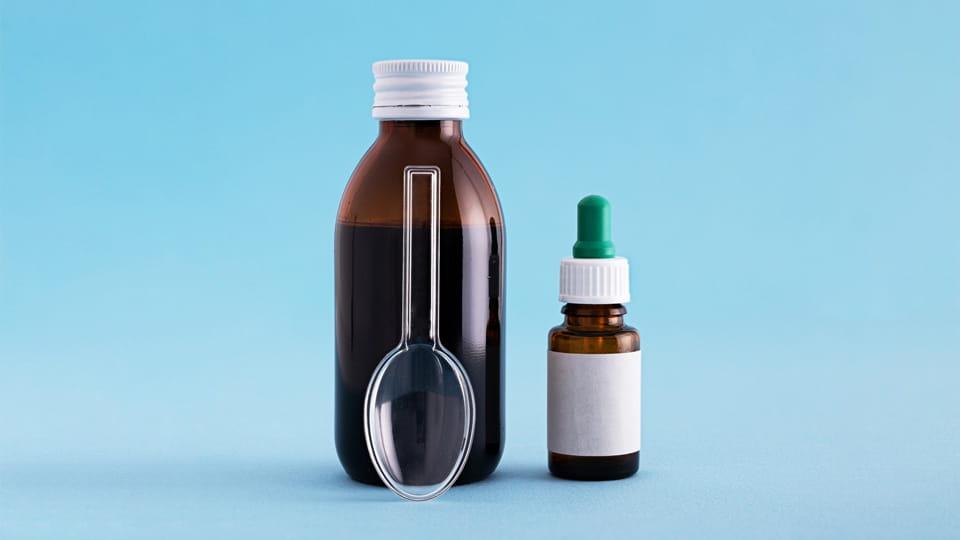
รูป: น้ำเชื่อม เป็นรูปแบบยาของเหลวทั่วไป, มีประโยชน์สำหรับผู้ป่วยที่มีปัญหาในการกลืนของแข็ง.
รูปแบบขนาดการใช้ของเหลวประกอบด้วย โซลูชั่น, สารแขวนลอย, อิมัลชัน, และน้ำเชื่อม. สิ่งเหล่านี้เหมาะอย่างยิ่งเมื่อกลืนของแข็งได้ยาก (เช่นสำหรับเด็กหรือผู้สูงอายุ) หรือเมื่อจำเป็นต้องเริ่มมีอาการอย่างรวดเร็ว. ตัวอย่างคือยาแก้ไอ (มีรสหวานเพื่อกลบรสชาติของยา), หยดในช่องปาก, และโซลูชั่น IV.
ทำไมต้องของเหลว? พวกเขาอนุญาต การให้ยาแบบยืดหยุ่น (คุณสามารถตวงได้หนึ่งช้อนเต็ม) และทำงานได้ดีเมื่อต้องการการดูดซึมอย่างรวดเร็ว. เช่น, ยาในรูปสารละลายจะเข้าสู่กระแสเลือดได้เร็วกว่ายาเม็ด. ของเหลวยังช่วยให้มั่นใจ เล็กกว่า ผู้ป่วยจะได้รับปริมาณที่น้อยลงอย่างแม่นยำ.
หมายเหตุอุปกรณ์: รูปแบบของเหลวมักต้องใช้ถังผสมและเครื่องบรรจุ. หลังจากผสมแล้ว (E.G. ในเครื่องบดย่อยแบบผสมความเร็วสูงหรือเครื่องอบแห้งแบบฟลูอิดเบด), ยาน้ำก็เต็มไปด้วย เครื่องบรรจุขวด หรือสูบใส่ขวด (เหมือนหลอดบรรจุ). ตัวอย่างเช่น, ข้อเสนอ JinLuPacking สายการบรรจุขวด ที่สามารถล้างออกได้, เติม, และปิดฝาหลายร้อยขวดต่อนาทีสำหรับน้ำเชื่อมหรือสารละลาย.
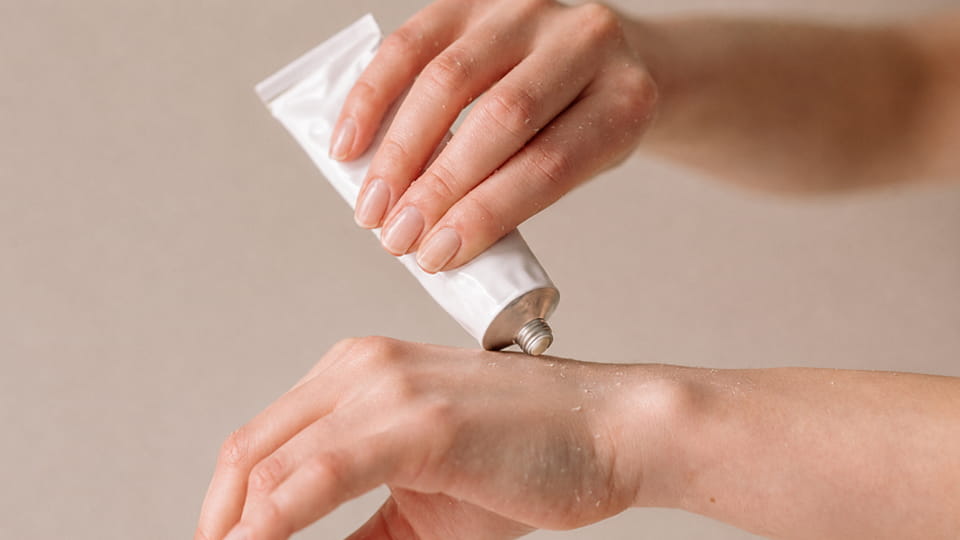
รูป: ครีมและขี้ผึ้ง เป็นรูปแบบยาเฉพาะที่กึ่งแข็งที่ใช้กับผิวหนัง.
รูปแบบขนาดการใช้กึ่งแข็งคือ ส่วนใหญ่ใช้สำหรับเฉพาะที่ – นั่นคือ, ทาบนผิวหนังหรือเยื่อเมือก. เหล่านี้รวมถึง ครีม, ขี้ผึ้ง, เจล, โลชั่น, และน้ำพริก. ตัวอย่างเช่น, ครีมต้านเชื้อราหรือครีมไฮโดรคอร์ติโซนช่วยให้ยาทำงานโดยตรงกับปัญหาผิวหนัง. เครื่องสำอางมากมาย (โลชั่นบำรุงผิว) เป็นรูปแบบยาเฉพาะสำหรับสารออกฤทธิ์ด้วย.
ทำไมต้องกึ่งแข็ง? พวกเขาส่งยา ในท้องถิ่น โดยมีผลกระทบต่อระบบน้อยที่สุด. ยาจะไปยังบริเวณที่ได้รับผลกระทบโดยไม่ต้องเดินทางทั่วร่างกาย, ลดผลข้างเคียง. ตัวอย่างเช่น, ครีมทาผิวส่วนใหญ่จะอยู่บนผิวหนัง.
สูตรและอุปกรณ์: การทำครีมและโลชั่นจำเป็นต้องผสมเฟสน้ำมันและน้ำกับอิมัลซิไฟเออร์. จินลู เครื่องผสมอิมัลซิไฟเออร์สุญญากาศ ได้รับการออกแบบมาเพื่อรวมของเหลวที่ไม่สามารถละลายได้เหล่านี้ให้เป็นครีมหรือโลชั่นที่มีความเสถียร. หลังจากผสมแล้ว, อัน เครื่องบรรจุหลอด หรือสายการบรรจุขวดบรรจุผลิตภัณฑ์ลงในหลอด, ขวด, หรือขวดโหล. ตามที่ JinLu อธิบาย, อิมัลซิไฟเออร์สุญญากาศ “รวมของเหลวที่ละลายไม่ได้ (น้ำมัน & น้ำ) ให้เป็นอิมัลชันที่คงตัว” ภายใต้สุญญากาศ. ขั้นตอนนี้จำเป็นสำหรับครีมและเจลที่มีความสม่ำเสมอ.
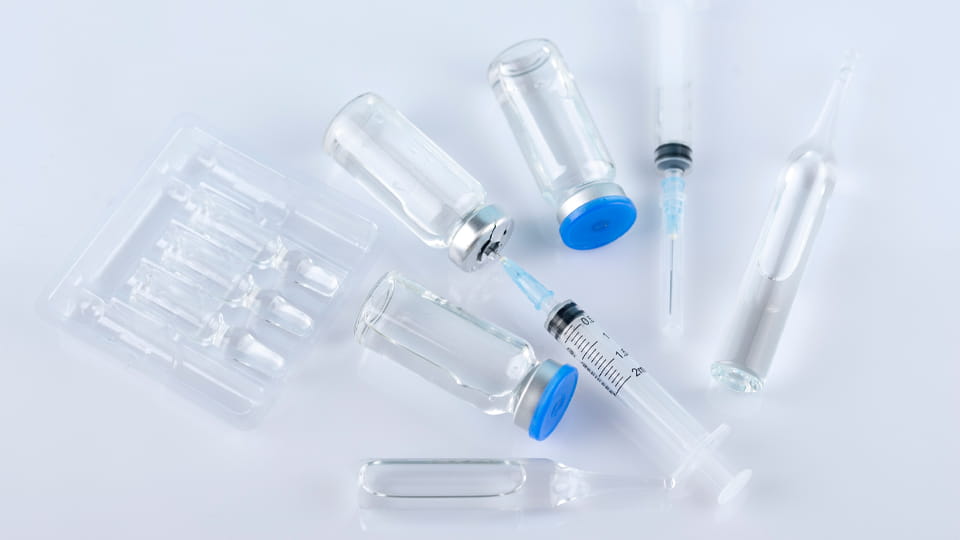
รูป: เตรียมแบบฉีดในขวดหรือหลอด.
นอกเหนือจากช่องปากและเฉพาะที่, ทางหลอดเลือดดำ (ฉีดได้) รูปแบบ มีความสำคัญ. ยาฉีดได้แก่ ทางหลอดเลือดดำ (IV), เข้ากล้าม (ฉัน), ใต้ผิวหนัง (เอสซี) การฉีดและการฉีดยา. รูปแบบยาของเหลวเหล่านี้ผ่านการฆ่าเชื้อและออกแบบมาเพื่อเลี่ยงการย่อยเพื่อการดำเนินการที่รวดเร็ว. ยาช่วยชีวิตหลายชนิด (E.G. วัคซีน, อินซูลิน, ยาปฏิชีวนะบางชนิด) ใช้แบบฟอร์มฉีด.
แต่ละรูปแบบคือรูปแบบขนาดยาพิเศษที่เลือกไว้เพื่อข้อดีเฉพาะ (ความเร็ว, ผลกระทบในท้องถิ่น, ความสะดวก). การออกแบบโดยรวมของรูปแบบขนาดการใช้เป็นส่วนสำคัญของ สูตรยา – วิศวกรและเภสัชกรจะปรับแต่งสูตร (ปริมาณและรูปแบบ) เพื่อให้เหมาะสมกับความต้องการและคุณสมบัติของยาของผู้ป่วย.
เภสัชกรและวิศวกรพิจารณาปัจจัยหลายประการเมื่อเลือกรูปแบบขนาดยาสำหรับยา:
ไม่น่าแปลกใจเลยที่มีตัวเลือกรูปแบบยามากมาย. แต่ละความสมดุลของความสะดวกสบาย, ประสิทธิผล, และความเป็นไปได้. สูตรทางเภสัชกรรมที่ดีพบ "จุดที่น่าสนใจ" ระหว่างความต้องการของผู้ป่วยและลักษณะของยา.
สิ่งสำคัญคือต้องไม่สับสน แบบฟอร์มการให้ยา กับ ความแรงของปริมาณ. ที่ แบบฟอร์มการให้ยา เป็น ยามีลักษณะอย่างไรและรับประทานอย่างไร (แท็บเล็ต, น้ำเชื่อม, ฯลฯ), ในขณะที่ ความแรงของปริมาณ เป็น แต่ละหน่วยมียาออกฤทธิ์มากน้อยเพียงใด. ตัวอย่างเช่น, อาจเป็นยาปฏิชีวนะ amoxicillin สองเวอร์ชัน: 500 มก. แคปซูล และ 250 มิลลิกรัมเม็ดเคี้ยว. ที่นี่, แคปซูล/ยาเม็ดคือรูปแบบยา, และตัวเลข (500 มก., 250 มก.) คือจุดแข็งของขนาดยา. ทั้งส่งแอมม็อกซีซิลลินให้กับผู้ป่วย, แต่ในรูปแบบและจุดแข็งที่แตกต่างกัน.
ในทางปฏิบัติ, ผู้ผลิตมีจุดแข็งหลายประการสำหรับแต่ละแบบฟอร์ม เพื่อให้แพทย์สามารถปรับขนาดยาได้อย่างง่ายดาย. แบบฟอร์ม (แข็ง, ของเหลว, ฯลฯ) ส่วนใหญ่จะตอบว่า “ให้มายังไง.?" คำถาม, ขณะที่ความแรงตอบว่า “แต่ละโดสมีปริมาณยาเท่าไร”
แบบฟอร์มการให้ยา เป็นสะพานเชื่อมระหว่างการพัฒนายาและการใช้ยาของผู้ป่วย. ในร้านขายยา, พวกเขาหมายถึงเฉพาะ สูตร – แท็บเล็ต, แคปซูล, น้ำเชื่อม, ครีม, การฉีดยา, และอื่นๆ อีกมากมาย – ที่นำสารออกฤทธิ์เข้าสู่ร่างกาย. การเลือกแบบฟอร์มที่เหมาะสมเป็นสิ่งสำคัญ: มันส่งผลต่อการดูดซึมยา, มันง่ายแค่ไหนสำหรับผู้ป่วย, และสามารถผลิตและบรรจุหีบห่อได้อย่างมีประสิทธิภาพเพียงใด.
อุปกรณ์ทางเภสัชกรรมสมัยใหม่ทำให้สามารถผลิตรูปแบบยาใดๆ ได้อย่างน่าเชื่อถือ. ตัวอย่างเช่น, JinLuPacking นำเสนอโซลูชั่นที่สมบูรณ์: เครื่องอัดยาเม็ดความเร็วสูงสำหรับของแข็งในช่องปาก, เครื่องบรรจุแคปซูลสำหรับเม็ด, สายการบรรจุของเหลวสำหรับน้ำเชื่อมและสารฉีด, และเครื่องบรรจุภัณฑ์ (เครื่องบรรจุตุ่ม, ฝาขวด, เครื่องนับ) เพื่อทำงานให้เสร็จ. ด้วยความเชี่ยวชาญและเครื่องจักรที่เหมาะสม, รูปแบบขนาดยาใดๆ ไม่ว่าจะเป็นยาเม็ดที่มีความเสถียรหรือครีมเชิงซ้อน สามารถผลิตให้มีคุณภาพสูงได้.
สรุปแล้ว, ความเข้าใจ คำจำกัดความของรูปแบบยาในร้านขายยา หมายถึงการตระหนักถึงสิ่งนั้น แบบฟอร์มมีความสำคัญ. เป็นตัวกำหนดประสบการณ์ของผู้ป่วย, การกระทำของยา, และวิธีการผลิต. โดยการออกแบบและเลือกรูปแบบยาที่มีประสิทธิภาพ, วิศวกรด้านเภสัชกรรมช่วยให้แน่ใจว่ายาปลอดภัยและสะดวกสำหรับผู้ใช้.
พร้อมที่จะหารือเกี่ยวกับความต้องการในการผลิตยาของคุณ? ไม่ว่าคุณจะทำแท็บเล็ต, แคปซูล, ครีม, หรือน้ำเชื่อม, ทีมของเราสามารถช่วยได้. ติดต่อ JinLuPacking เพื่อสำรวจสายการผลิตและโซลูชันบรรจุภัณฑ์แบบกำหนดเองสำหรับรูปแบบยาทุกรูปแบบ. เรานำเสนอ อุปกรณ์แบบครบวงจร จากการกดแท็บเล็ตความเร็วสูงไปจนถึงการบรรจุตุ่มอัตโนมัติและสายการบรรจุขวด - ทั้งหมดนี้ได้รับการออกแบบเพื่อให้มีความสม่ำเสมอ, รูปแบบยาคุณภาพสูงสำหรับผลิตภัณฑ์ของคุณ.
รูปแบบขนาดยาคือรูปแบบทางกายภาพที่ผลิตและจ่ายยาให้กับผู้ป่วย. มันรวมส่วนผสมทางเภสัชกรรมที่ใช้งานอยู่ (API) พร้อมสารเพิ่มปริมาณเพื่อสร้างผลิตภัณฑ์เช่นยาเม็ด, แคปซูล, ของเหลว, ครีม, การฉีดยา, หรือผง. รูปแบบของยาที่ถูกต้องช่วยให้มั่นใจได้ถึงการให้ยาที่แม่นยำ, ความมั่นคงของผลิตภัณฑ์, และการนำส่งยาอย่างมีประสิทธิผล.
หลายคนสับสนสองคำนี้.
• รูปแบบการให้ยาหมายถึงรูปแบบทางกายภาพของยา, เช่นแท็บเล็ต, แคปซูล, น้ำเชื่อม, หรือครีม.
• ความแรงของขนาดยาหมายถึงปริมาณของสารออกฤทธิ์ที่มีอยู่ในแต่ละหน่วย, เช่น 250 มก. หรือ 500 มก..
ตัวอย่างเช่น, อัน 500 มก. แท็บเล็ตและเอ 500 มิลลิกรัม แคปซูลมีความแรงของขนาดยาเท่ากัน แต่มีรูปแบบขนาดยาต่างกัน.
โดยทั่วไปรูปแบบยาจะแบ่งออกเป็นหลายประเภท:
• รูปแบบยาที่เป็นของแข็ง (แท็บเล็ต, แคปซูล, ผง)
• รูปแบบการให้ยาของเหลว (โซลูชั่น, สารแขวนลอย, น้ำเชื่อม)
• รูปแบบยากึ่งแข็ง (ครีม, ขี้ผึ้ง, เจล)
• รูปแบบยาฉีด
• รูปแบบยาทางสูดดมและทางผิวหนัง
แต่ละประเภทได้รับการออกแบบมาเพื่อตอบสนองความต้องการด้านการรักษาและผู้ป่วยที่แตกต่างกัน.
รูปแบบยาที่ถูกต้องส่งผลโดยตรง:
• การดูดซึมยา
• การปฏิบัติตามข้อกำหนดของผู้ป่วย
• ความแม่นยำของปริมาณยา
• ความเสถียรของผลิตภัณฑ์
• ประสิทธิภาพการผลิต
ตัวอย่างเช่น, เด็กอาจชอบรูปแบบยาที่เป็นของเหลว, ในขณะที่ผู้ใหญ่มักเลือกรูปแบบยาเม็ดหรือแคปซูลเพื่อความสะดวก.
ตัวอย่างรูปแบบขนาดการใช้ทางเภสัชกรรมทั่วไปประกอบด้วย:
• รูปแบบยาเม็ด
• รูปแบบยาแคปซูล
• น้ำยาบ้วนปาก
• น้ำเชื่อม
• ระบบกันสะเทือน
• สารละลายแบบฉีด
• ครีม
• ครีม
• เจล
• ผงสำหรับคืนสภาพ
สูตรทางเภสัชกรรมแต่ละสูตรได้รับการพัฒนาตามคุณสมบัติของยาและเส้นทางการบริหารที่ตั้งใจไว้.
รูปแบบขนาดยาชนิดแข็งในช่องปากเป็นรูปแบบขนาดยาทางเภสัชกรรมที่ใช้กันอย่างแพร่หลายทั่วโลก.
รูปแบบยาแท็บเล็ตและแคปซูลเป็นที่นิยมเนื่องจากมีให้:
• ประสิทธิภาพการผลิตสูง
• อายุการเก็บรักษายาวนาน
• การจ่ายยาที่แม่นยำ
• การคมนาคมสะดวก
• การผลิตที่คุ้มค่า
นี่คือสาเหตุที่สายการผลิตยาส่วนใหญ่ได้รับการออกแบบมาเพื่อการผลิตขนาดยาที่เป็นของแข็งในช่องปาก.
สายการผลิตขนาดการใช้ขนาดยาของแข็งทางปากโดยทั่วไปอาจรวมถึง:
• อุปกรณ์การผลิตแท็บเล็ต
• เครื่องบรรจุแคปซูล
• เครื่องผสมแรงเฉือนสูง
• เครื่องอบแห้งแบบฟลูอิดเบด
• เครื่องเคลือบแท็บเล็ต
• เครื่องนับแท็บเล็ต
• เครื่องบรรจุตุ่ม
• สายการบรรจุขวด
• เครื่องแพ็คกล่อง
สายการผลิตยาสมัยใหม่ผสานรวมเครื่องจักรเหล่านี้เพื่อการผลิตแบบอัตโนมัติและเป็นไปตามมาตรฐาน GMP.
แบบฟอร์มตอบสนองความต้องการที่แตกต่างกัน. ตัวอย่างเช่น, ยาปฏิชีวนะอาจมีจำหน่ายในรูปแบบแท็บเล็ต (สำหรับผู้ใหญ่), การระงับ (สำหรับเด็ก), และแบบฉีดได้ (สำหรับผู้ป่วยที่เข้ารับการรักษาในโรงพยาบาล). แต่ละรูปแบบจะเพิ่มประสิทธิภาพความเสถียร, ความสะดวก, หรือการดูดซึมตามจุดประสงค์การใช้งาน.
dose คือปริมาณยาที่รับประทานในคราวเดียว (E.G. 250 มก). รูปแบบขนาดยาคือรูปแบบทางกายภาพที่ประกอบด้วยยานั้น (E.G. แท็บเล็ต 250 มก. หรือแคปซูล 250 มก). กล่าวอีกนัยหนึ่ง, ปริมาณ = ปริมาณยา; รูปแบบการให้ยา = ยาเม็ด, ของเหลว, ฯลฯ.
ยาละลายได้เร็วแค่ไหน. แท็บเล็ตจะต้องสลายตัวก่อนที่ยาจะถูกดูดซึม, ในขณะที่ของเหลวออกฤทธิ์เร็วกว่า. ยาเม็ดควบคุมการปลดปล่อยจะชะลอการละลายเพื่อขยายผล. เฉพาะที่จะถูกดูดซึมผ่านผิวหนัง, ในขณะที่การฉีดข้ามสิ่งกีดขวางโดยสิ้นเชิง. การเลือกรูปแบบจะสอดคล้องกับคุณสมบัติของยาและเป้าหมายในการรักษา.
อ้างอิง:
1.แบบฟอร์มการให้ยา -- เรา. สำนักงานคณะกรรมการอาหารและยา
2.รูปแบบการให้ยาและเส้นทางการบริหาร -- เรา. สำนักงานคณะกรรมการอาหารและยา
3.แบบฟอร์มการให้ยา —— usp.org
4.การออกแบบสูตร, ความท้าทาย, และข้อควรพิจารณาในการพัฒนาสำหรับการใช้ขนาดยาคงที่ร่วมกัน (เอฟดีซี) ของรูปแบบยาที่เป็นของแข็งในช่องปาก —— tandfonline.com
5.แบบฟอร์มการให้ยา —— วิกิพีเดีย
6.รูปแบบของยาที่กระจายตัวได้: การปรับปรุงชีวเภสัชภัณฑ์และข้อกำหนดด้านกฎระเบียบ —— วิทยาศาสตร์โดยตรง