ก เครื่องตรวจสอบน้ำหนักบนสายพาน เป็นอุปกรณ์ชั่งน้ำหนักแบบอินไลน์ที่ใช้ในการตรวจสอบน้ำหนักผลิตภัณฑ์ในสายการผลิต. ช่วยให้มั่นใจได้ว่าทุกบรรจุภัณฑ์จะมีน้ำหนักตรงตามเป้าหมาย, ปฏิเสธโดยอัตโนมัติภายใต้- หรือหน่วยน้ำหนักเกิน. นี่เป็นสิ่งสำคัญในการปฏิบัติงานด้านเภสัชกรรมและบรรจุภัณฑ์เพื่อความถูกต้องแม่นยำของปริมาณยา, การปฏิบัติตามมาตรฐาน GMP, และการลดของเสีย. เครื่องตรวจสอบน้ำหนักบนสายพานประกอบด้วยสายพานลำเลียง, โหลดเซลล์ที่มีความแม่นยำสูง, ตัวควบคุม/HMI, และกลไกการปฏิเสธ. ในด้านเภสัชกรรม สายการบรรจุขวด, โดยปกติเครื่องตรวจสอบน้ำหนักบนสายพานจะอยู่ด้านหลังเครื่องนับแคปซูลหรือเครื่องบรรจุของเหลวทันที และก่อนเครื่องปิดฝา, ช่วยให้ขวดที่เติมแล้วทุกขวดได้รับการตรวจสอบก่อนที่จะเข้าสู่ขั้นตอนการบรรจุภัณฑ์ที่เหลือ. ประโยชน์ที่สำคัญรวมถึง 100% การตรวจสอบน้ำหนัก, แจกของรางวัลลดลง, และการควบคุมคุณภาพอัตโนมัติ. ในคู่มือนี้, เราอธิบายว่าเครื่องตรวจสอบน้ำหนักบนสายพานคืออะไร, มันทำงานอย่างไร, ส่วนประกอบของมัน, ประเภท, ประโยชน์, และวิธีการเลือกหนึ่งรายการสำหรับสายของคุณ.
เครื่องตรวจสอบน้ำหนักบนสายพานคืออะไร?
ก เครื่องตรวจสอบน้ำหนักบนสายพาน(หรือเครื่องตรวจสอบน้ำหนัก) เป็นระบบชั่งน้ำหนักอัตโนมัติที่วางอยู่บนสายการผลิตเพื่อชั่งน้ำหนักแต่ละรายการและมั่นใจว่าตรงกับน้ำหนักเป้าหมาย. ในทางปฏิบัติ, 100% ของผลิตภัณฑ์จะได้รับการชั่งน้ำหนัก "ทันที" ขณะเคลื่อนผ่านเครื่องชั่ง. พัสดุใดๆ ที่มีน้ำหนักน้อยเกินไปหรือมีน้ำหนักเกินจะถูกทำเครื่องหมายหรือลบออก, ตรวจสอบให้แน่ใจว่าเฉพาะรายการที่กรอกอย่างถูกต้องเท่านั้นที่จะดำเนินต่อไปในบรรทัด. อุปกรณ์เหล่านี้พบได้ทั่วไปในบรรจุภัณฑ์และการผลิต: ตัวอย่างเช่น, เครื่องตรวจสอบน้ำหนักบนสายพาน มีการใช้กันอย่างแพร่หลายในการนับแคปซูล, การบรรจุขวด, การบรรจุตุ่มและสายการบรรจุหีบห่อ. ต่างจากเครื่องชั่งแบบแมนนวลหรือแบบตั้งโต๊ะ, เครื่องตรวจสอบน้ำหนักบนสายพานทำงานแบบอินไลน์: ผลิตภัณฑ์จะอยู่บนสายพานลำเลียงและชั่งน้ำหนักขณะเคลื่อนที่แบบไดนามิก. ช่วยให้ตรวจสอบได้รวดเร็วมาก (มักจะหลายร้อยหน่วยต่อนาที) โดยไม่ทำให้สายช้าลง.
โดยสรุป, เครื่องตรวจสอบน้ำหนักบนสายพานคือสายพานลำเลียงที่มีระบบอิเล็กทรอนิกส์ชั่งน้ำหนักในตัวและการคัดแยกอัตโนมัติ. มันให้ การตรวจสอบน้ำหนักแบบเรียลไทม์ และกำจัดผลิตภัณฑ์ที่หนักหรือเบาเกินไปออกโดยอัตโนมัติ, ตรวจสอบให้แน่ใจว่าเฉพาะพัสดุที่บรรจุอย่างถูกต้องเท่านั้นที่จะดำเนินต่อไปในสายการผลิต. กลไกนี้มีความสำคัญในการปกป้องความสอดคล้องของผลิตภัณฑ์และการปฏิบัติตามข้อกำหนดในอุตสาหกรรมต่างๆ เช่น เภสัชภัณฑ์.
 เครื่องตรวจสอบน้ำหนักบนสายพานที่มีความแม่นยำสูง
เหตุใดเครื่องตรวจสอบน้ำหนักบนสายพานจึงมีความสำคัญในการผลิตยา?
ตรวจสอบเครื่องชั่งน้ำหนักคือ สำคัญสำหรับเภสัชกรรม เนื่องจากตรวจพบข้อผิดพลาดในการเติมและรับรองความถูกต้องของปริมาณยา, ปกป้องทั้งความปลอดภัยของผู้ป่วยและการปฏิบัติตามกฎระเบียบ.
- ปริมาณที่ถูกต้องและความปลอดภัย: ในการผลิตยา, แม้แต่การเบี่ยงเบนของน้ำหนักเพียงเล็กน้อยก็อาจหมายถึงการพลาดหรือเพิ่มปริมาณของสารออกฤทธิ์ได้. เครื่องตรวจสอบน้ำหนักบนสายพานรับประกันทุกแท็บเล็ต, ขวดแคปซูล, ขวดหรือบรรจุภัณฑ์มีปริมาณที่ถูกต้อง. ในทางปฏิบัติ, นี่หมายถึงความมั่นใจ แต่ละ หน่วยอยู่ภายในพิกัดความคลาดเคลื่อนของน้ำหนักที่จำกัด. ตัวอย่างเช่น, หากบรรจุขวดแท็บเล็ตไม่เพียงพอ, เครื่องตรวจสอบน้ำหนักบนสายพานจะปฏิเสธก่อนที่จะจัดส่ง. วิธีนี้จะช่วยป้องกันเหตุการณ์การใช้ยาเกินขนาดหรือการใช้ยาเกินขนาดที่มีค่าใช้จ่ายสูง.
- การปฏิบัติตามกฎระเบียบ (cGMP/อย): หน่วยงานกำกับดูแล (อย.ในสหรัฐอเมริกา, EMA/GMP ในยุโรป, MHRA ในสหราชอาณาจักร, ฯลฯ) กำหนดให้มีเกณฑ์ความคลาดเคลื่อนของน้ำหนักที่เข้มงวดในบรรจุภัณฑ์ยา. เครื่องตรวจสอบน้ำหนักบนสายพานจะให้เอกสารหลักฐานว่าทุกหน่วยได้รับการชั่งน้ำหนักและไม่มีน้ำหนักน้อยเกินไป (หรือมีน้ำหนักเกิน) สินค้าหลุดออกไป. เครื่องตรวจสอบน้ำหนักบนสายพานด้านเภสัชกรรมสมัยใหม่ได้รับการออกแบบเพื่อให้ตรงตามมาตรฐานเหล่านี้ด้วยโครงสร้างสแตนเลสสตีลที่ถูกสุขลักษณะและสามารถตรวจสอบย้อนกลับได้เต็มรูปแบบ. ตัวอย่างเช่น, Jinlu Packing เน้นย้ำว่าเครื่องตรวจสอบน้ำหนักบนสายพานของเราช่วยให้บริษัทยาบรรลุบรรจุภัณฑ์ "ข้อผิดพลาด 0" และปฏิบัติตามข้อกำหนด GMP/FDA ในปัจจุบัน.
- การป้องกันการเรียกคืนและของเสีย: การตรวจจับข้อผิดพลาดของน้ำหนัก แบบอินไลน์ ลดความเสี่ยงของ การเรียกคืนแบทช์. เครื่องตรวจสอบน้ำหนักบนสายพานรับประกันการปฏิบัติตามกฎระเบียบ (มฮรา, อย, EMA) และ “ลดความเสี่ยงที่เกี่ยวข้องกับการใช้ยาเกินขนาด, ข้อผิดพลาดในการใช้ยาเกินขนาดและบรรจุภัณฑ์. พวกเขาจะดีดหน่วยที่ไม่สอดคล้องออกโดยอัตโนมัติ, ป้องกันไม่ให้มีการจัดส่ง. การปฏิเสธอัตโนมัตินี้ (ผ่านแขนดัน, เครื่องบินไอพ่น, ฯลฯ) รักษาคุณภาพโดยไม่ทำให้การผลิตช้าลง. ในทางกลับกัน, จำนวนแบทช์ที่ไม่ดีน้อยลงและการแจกผลิตภัณฑ์น้อยลง (หลีกเลี่ยงการเติมมากเกินไป) หมายถึงการประหยัดต้นทุน. ในระยะสั้น, เครื่องตรวจสอบน้ำหนักบนสายพานปกป้องชื่อเสียงของแบรนด์โดยรับรองว่าทุกบรรจุภัณฑ์ตรงตามการอ้างสิทธิ์บนฉลาก.
- การตรวจสอบคุณภาพอย่างต่อเนื่อง: เพราะทุกรายการมีการตรวจสอบ, ผู้ผลิตได้รับ 100% ข้อมูลน้ำหนัก. การควบคุมคุณภาพระดับสูงนี้ (ตรงข้ามกับการสุ่มตัวอย่างเป็นระยะ) หมายถึงการเคลื่อนตัวของกระบวนการหรือปัญหาเกี่ยวกับอุปกรณ์จะถูกตรวจพบทันที. คุณสมบัติการบันทึกข้อมูล (21 ส่วนซีเอฟอาร์ 11 การปฏิบัติตาม, เส้นทางการตรวจสอบ) ยังช่วยตอบสนองผู้กำกับดูแลในระหว่างการตรวจสอบอีกด้วย.
โดยสรุป, เภสัชกรรม เครื่องตรวจสอบน้ำหนักบนสายพาน เป็นมากกว่าขนาด: เป็นจุดควบคุมคุณภาพที่สำคัญซึ่งรับประกันความถูกต้องแม่นยำของปริมาณยา, การปฏิบัติตามกฎระเบียบ, และความปลอดภัยของลูกค้าในการผลิตด้วยความเร็วสูง. โดยการตรวจจับข้อผิดพลาดในการเติมในบรรทัด, มันป้องกันภายใต้- หรือสินค้าล้นเกินออกจากโรงงาน.
เครื่องตรวจสอบน้ำหนักบนสายพานทำงานอย่างไร?
เครื่องตรวจสอบน้ำหนักบนสายพานทำงานอย่างต่อเนื่องบนสายพานลำเลียง. นี่คือขั้นตอนการทำงานทั่วไป:
กระบวนการทั้งหมดนี้ ตั้งแต่การตรวจจับ การชั่งน้ำหนัก ไปจนถึงการปฏิเสธ เกิดขึ้นภายในเสี้ยววินาทีสำหรับแต่ละรายการ. ผลลัพธ์ก็คือ 100% การตรวจสอบน้ำหนักแบบอินไลน์ ด้วยความเร็วในการผลิตเต็มที่. ตรวจสอบการทำงานของเครื่องชั่งน้ำหนัก แบบไดนามิก โดยไม่รบกวนการผลิต, ช่วยให้ผู้ผลิต “ติดตามน้ำหนักผลิตภัณฑ์ได้โดยไม่กระทบต่อขั้นตอนการผลิต”.
นี่คือบทสรุปของขั้นตอนการทำงานของเครื่องตรวจสอบน้ำหนักบนสายพาน:
- เซ็นเซอร์และการป้อนเข้า: สายพานลำเลียงป้อนผลิตภัณฑ์; เซ็นเซอร์จะกระตุ้นกระบวนการชั่งน้ำหนัก.
- การชั่งน้ำหนัก: โหลดเซลล์จะวัดน้ำหนักของแต่ละรายการขณะเคลื่อนไหว.
- การเปรียบเทียบ: หน่วยควบคุมจะเปรียบเทียบน้ำหนักกับขีดจำกัดเป้าหมายที่ตั้งไว้ล่วงหน้า.
- ปฏิเสธ: ผลิตภัณฑ์ที่ไม่ยอมรับได้จะถูกดีดออกโดยอัตโนมัติ (ผ่านทางตัวเร่งเร้า, แอร์เจ็ท, ฯลฯ).
- บันทึก: ข้อมูลน้ำหนักและจำนวนการปฏิเสธจะถูกบันทึกไว้เพื่อการควบคุมคุณภาพ.
วงจรอัตโนมัตินี้, ทำซ้ำทุกรายการ, คือสิ่งที่ทำให้เครื่องตรวจสอบน้ำหนักบนสายพานเป็นสิ่งที่ขาดไม่ได้ในสายการผลิตยาสมัยใหม่.
ส่วนประกอบหลักของเครื่องตรวจสอบน้ำหนักบนสายพาน
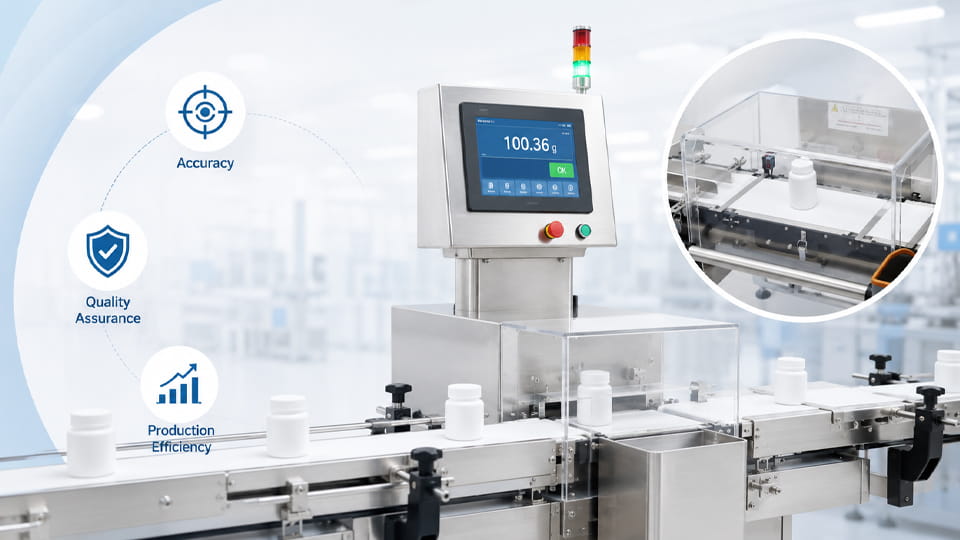
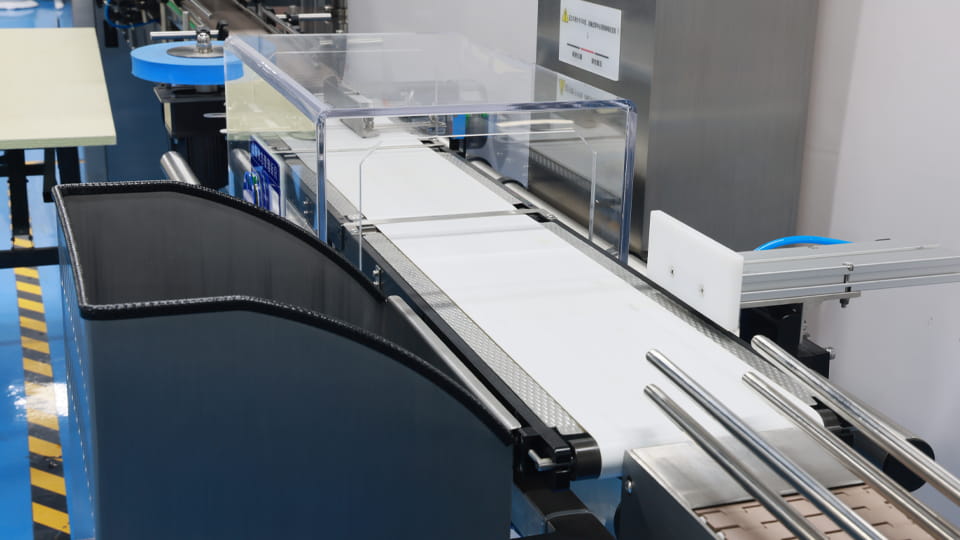
เครื่องชั่งน้ำหนักตรวจสอบอัตโนมัติทั่วไปประกอบด้วยส่วนสำคัญหลายส่วน, มักสร้างไว้ในกรอบโมดูลาร์ (ดูภาพตัวอย่างของ Jinlu):
- สายพานลำเลียง: โดยทั่วไปจะมีสามส่วน – ป้อนเข้า, โซนการชั่งน้ำหนัก, และจำหน่าย. แบบจำลองของ Jinlu ใช้สายพานลำเลียงสามส่วนเพื่อการบำรุงรักษาง่าย. สายพานป้อนผลิตภัณฑ์ได้อย่างราบรื่นและสม่ำเสมอภายใต้โหลดเซลล์.
- โหลดเซลล์ (เซ็นเซอร์ชั่งน้ำหนัก): เซ็นเซอร์ความแม่นยำสูง (สเตรนเกจหรือชนิด EMFR) ติดตั้งอยู่ใต้ส่วนชั่งน้ำหนักเพื่อชั่งน้ำหนัก. ทุกครั้งที่สินค้าผ่าน, โหลดเซลล์จะแปลงน้ำหนักเป็นสัญญาณไฟฟ้า. เครื่องตรวจสอบน้ำหนักบนสายพานของ Jinlu ใช้โหลดเซลล์ที่มีความแม่นยำสูงเพื่อให้ได้ความแม่นยำ ±0.1g.
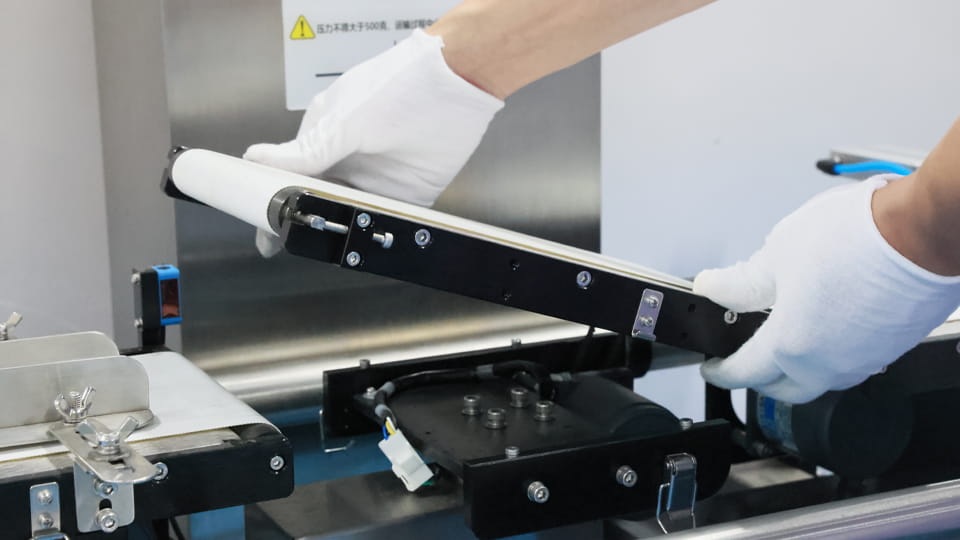 รูป: ระบบสายพานตรวจสอบน้ำหนักบนสายพานแบบโมดูลาร์ของ Jinlu (ส่วนสายพานลำเลียงแบบ snap-on) ทำให้การบำรุงรักษาง่ายขึ้น. มีการติดตั้งโหลดเซลล์ไว้ใต้สายพาน, และผลิตภัณฑ์จะถูกนำเข้าสู่ส่วนชั่งน้ำหนัก.
- หน่วยควบคุมและ HMI: บมจ (ตัวควบคุมลอจิกที่ตั้งโปรแกรมได้) ประมวลผลข้อมูลน้ำหนัก. หน้าจอสัมผัส HMI ช่วยให้ผู้ปฏิบัติงานตั้งค่าน้ำหนักเป้าหมายได้, ดูสถิติ, และปรับการตั้งค่า. เครื่องตรวจสอบน้ำหนักบนสายพานความเร็วสูงของ Jinlu, ตัวอย่างเช่น, มีอินเทอร์เฟซหน้าจอสัมผัสขนาด 7 นิ้ว. หน่วยควบคุมประกอบด้วยเฟิร์มแวร์ที่ใช้ตัวกรองดิจิทัลและการชดเชยความเร็วเพื่อให้แน่ใจว่าการอ่านน้ำหนักแม่นยำ.
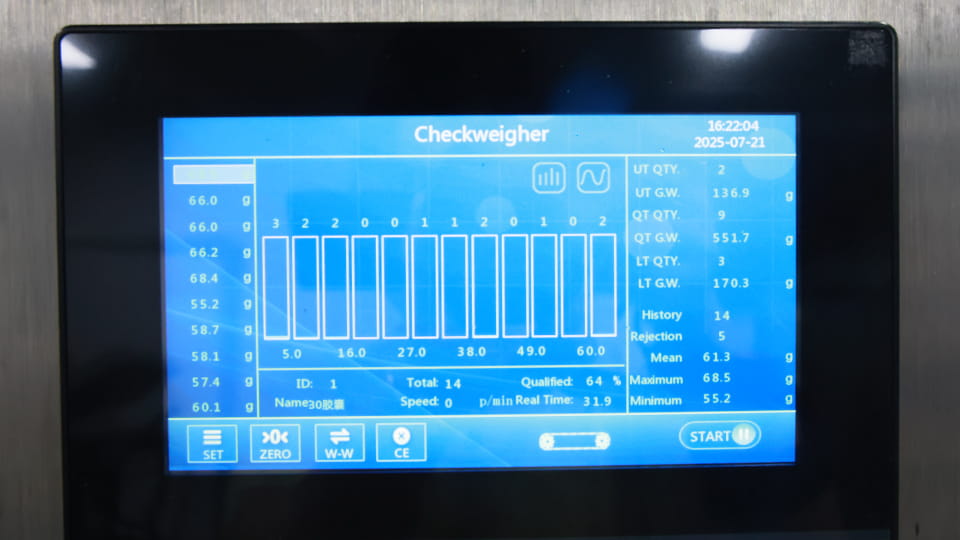
- กลไกการปฏิเสธ: แอคทูเอเตอร์อัตโนมัติช่วยขจัดผลิตภัณฑ์ที่ไม่ดี. ขึ้นอยู่กับรุ่นและผลิตภัณฑ์, นี่อาจเป็นก้านกระทุ้งแบบนิวแมติก, แอร์เจ็ท, วาง fl ap หรือระบบไดเวอร์เตอร์. อุปกรณ์คัดแยกอยู่ในตำแหน่งทันทีหลังจากส่วนชั่งน้ำหนัก.
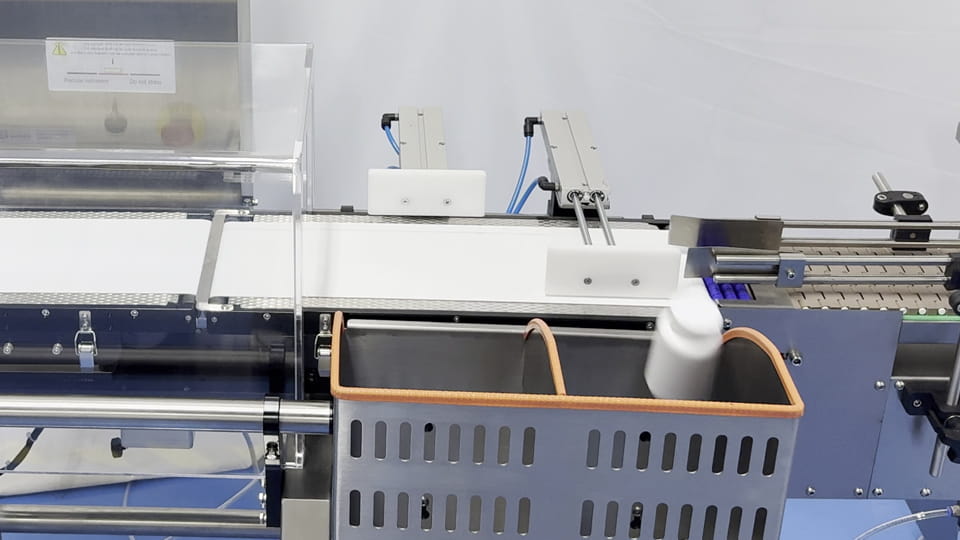
- กรอบและฝาครอบ: โครงสร้างสแตนเลสที่ถูกสุขลักษณะ (สำหรับ cGMP) สร้างกรอบ. เครื่องตรวจสอบน้ำหนักบนสายพานหลายรุ่นมีฝาปิดโปร่งใสเหนือส่วนชั่งน้ำหนักเพื่อป้องกันกระแสลมและฝุ่น, ทำให้การวัดน้ำหนักมีความเสถียร. ตัวอย่างเช่น, การออกแบบของ Jinlu ใช้ฝาครอบลูกแก้ว "กันลมและกันฝุ่น" เหนือพื้นที่โหลดเซลล์ เพื่อป้องกันไม่ให้กระแสลมบิดเบือนน้ำหนัก.
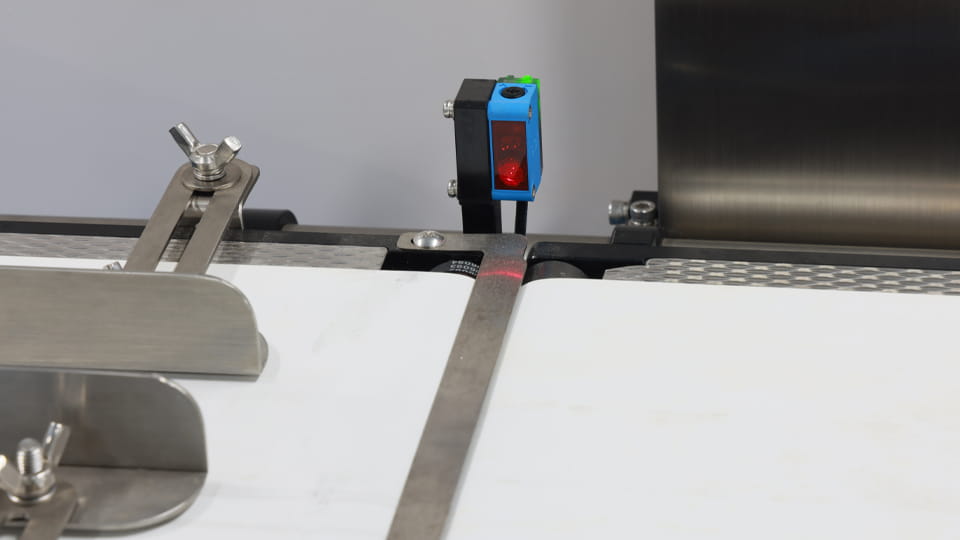
- เซ็นเซอร์และไกด์: โฟโตอายหรือเซ็นเซอร์เลเซอร์ตรวจจับการมีอยู่ของผลิตภัณฑ์. รางหรือช่องนำช่วยให้ขวดหรือกล่องอยู่ตรงกลางสายพานระหว่างการชั่งน้ำหนัก.
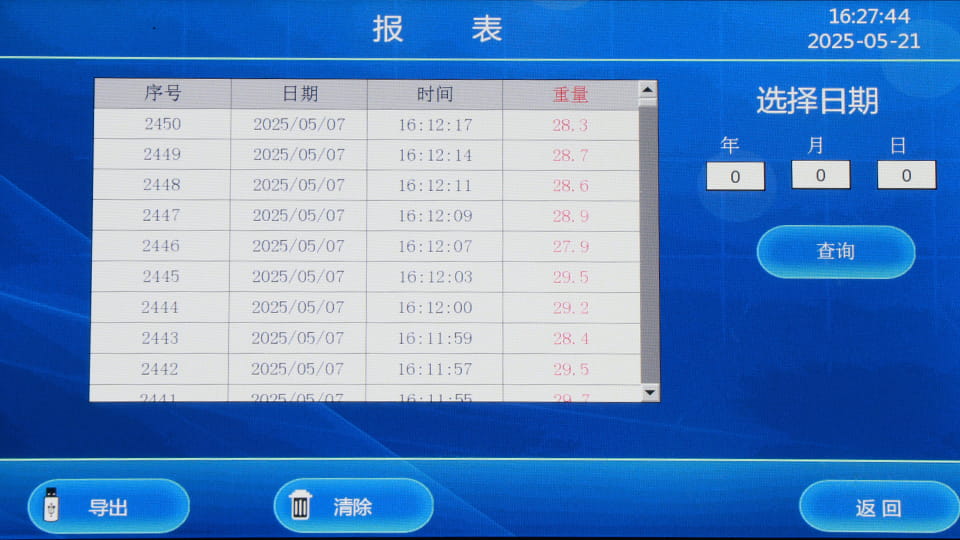
- โมดูลข้อมูล/เครือข่าย: เครื่องตรวจสอบน้ำหนักบนสายพานสมัยใหม่ประกอบด้วยพอร์ตข้อมูลและเครือข่ายเพื่อส่งออกบันทึกไปยังคอมพิวเตอร์หรือระบบโรงงาน. มักจะรองรับการบันทึกหรือการเชื่อมต่อการ์ด USB/SD (อีเทอร์เน็ต/โปรฟิเน็ต) เพื่อการตรวจสอบย้อนกลับของข้อมูล.
แต่ละส่วนประกอบทำงานร่วมกันเพื่อให้แน่ใจว่ารวดเร็ว, การชั่งน้ำหนักที่แม่นยำ. ส่วนสายพานโมดูลาร์ (ด้วยดีไซน์แบบสแน็ปอิน) ช่วยให้ผู้ปฏิบัติงานถอดและทำความสะอาดสายพานลำเลียงได้อย่างรวดเร็วโดยไม่ต้องใช้เครื่องมือ. โครงสร้างสแตนเลสและตัวเครื่องที่ปิดสนิททำให้เครื่องล้างทำความสะอาดได้ง่ายและตรงตามข้อกำหนดของห้องปลอดยาทางเภสัชกรรม.
ประเภทของเครื่องตรวจสอบน้ำหนักบนสายพาน
เครื่องตรวจสอบน้ำหนักบนสายพานมีหลายรูปแบบเพื่อให้เหมาะกับความต้องการในการผลิตที่แตกต่างกัน:
- พลวัต (แบบอินไลน์) เครื่องตรวจสอบน้ำหนักบนสายพาน: ประเภทที่พบบ่อยที่สุด, ติดตั้งบนสายพานลำเลียงการผลิตโดยตรง. โดยจะชั่งน้ำหนักผลิตภัณฑ์ที่เคลื่อนไหวและขับข้อบกพร่องออกโดยไม่ต้องหยุดสายการผลิต. เหมาะสำหรับบรรจุภัณฑ์ความเร็วสูงต่อเนื่อง (E.G. ของเหลวบรรจุขวด, ขวดแท็บเล็ต). JL-CW ของ Jinlu เป็นตัวอย่างของเครื่องตรวจสอบน้ำหนักบนสายพานแบบอินไลน์สำหรับไลน์การนับและบรรจุกล่อง.
- คงที่ (ม้านั่ง) เครื่องตรวจสอบน้ำหนักบนสายพาน: เวอร์ชันแบบแมนนวลหรือแบบตั้งโต๊ะที่ใช้สำหรับการสุ่มตัวอย่างและการควบคุมคุณภาพ. ผู้ปฏิบัติงานวางบรรจุภัณฑ์แต่ละชิ้นบนเครื่องชั่งด้วยตนเอง. สิ่งเหล่านี้ช้ากว่าและไม่ได้ใช้ 100% การตรวจสอบ, แต่ดีสำหรับการตรวจทางห้องปฏิบัติการหรือการแก้ไขปัญหา.
- เครื่องตรวจสอบน้ำหนักบนสายพานแบบหลายช่องทางความเร็วสูง: ออกแบบมาสำหรับสายที่เร็วมาก, มักใช้ในเครื่องนับยาหรือแบ่งส่วนอาหาร. เหล่านี้อาจมีเลนคู่ขนานหลายเลน (แทร็ค) ของการชั่งน้ำหนักสายพานลำเลียงเพื่อจัดการสิ่งของนับพันรายการต่อนาที. ตัวอย่างเช่น, กลุ่มผลิตภัณฑ์แท็บเล็ตและแคปซูลอาจต้องใช้เครื่องตรวจสอบน้ำหนักบนสายพานแบบหลายรางที่สามารถชั่งน้ำหนักสิ่งของหลายรายการพร้อมกันได้.
- เครื่องตรวจสอบน้ำหนักบนสายพานแบบผสม/แบบผสมผสาน: สิ่งเหล่านี้จะรวมเครื่องตรวจสอบน้ำหนักบนสายพานเข้ากับอุปกรณ์ตรวจสอบอื่น (E.G. เครื่องตรวจสอบน้ำหนักบนสายพานเครื่องตรวจจับโลหะหรือเอ็กซ์เรย์) ในสถานีเดียว. ซึ่งช่วยประหยัดพื้นที่และดำเนินการควบคุมคุณภาพแบบคู่ในขั้นตอนเดียว.
- การออกแบบพิเศษ: เครื่องตรวจสอบน้ำหนักบนสายพานบางรุ่นได้รับการปรับแต่งสำหรับผลิตภัณฑ์ที่มีรูปร่างแปลก (เข็มฉีดยา, ขวด) หรือสำหรับสภาพแวดล้อมที่ระเบิดได้. เครื่องตรวจสอบน้ำหนักบนสายพานในฟาร์มามักจะมีมอเตอร์แบบชะล้างหรือควบคุมด้วย VFD สำหรับช่วงความเร็วที่กว้าง.
แต่ละประเภทมีหลักการทำงานพื้นฐานที่เหมือนกัน, แต่คุณเลือกตามความเร็วของสายการผลิตและประเภทผลิตภัณฑ์. แท็บเล็ตและแคปซูล (ปริมาณช่องปากที่เป็นของแข็ง) ต้องการอย่างรวดเร็ว, เครื่องชั่งไดนามิกที่ทนทานต่อการสั่นสะเทือน. ของเหลวหรือผงอาจต้องใช้เครื่องชั่งที่มีการตอบสนองต่อระบบตัวเติม.
ประโยชน์ของการใช้เครื่องตรวจสอบน้ำหนักบนสายพานในสายการบรรจุ
การใช้เครื่องตรวจสอบน้ำหนักบนสายพานในสายการผลิตบรรจุภัณฑ์ให้ประโยชน์หลายประการ:
- 100% การควบคุมคุณภาพ: ทุกบรรจุภัณฑ์ได้รับการตรวจสอบความถูกต้องของน้ำหนัก. ช่วยให้มั่นใจได้ถึงคุณภาพของผลิตภัณฑ์และความแม่นยำในการติดฉลากที่สม่ำเสมอ. แม้จะขาดยาหรือซองผงเพียงเม็ดเดียวก็ตาม, มันจะถูกจับได้.
- การปฏิบัติตามกฎระเบียบ: โดยการตรวจสอบพิกัดน้ำหนักที่ยอมรับได้โดยอัตโนมัติ, เครื่องตรวจสอบน้ำหนักบนสายพานช่วยให้ผู้ผลิตปฏิบัติตามข้อกำหนดทางกฎหมาย (อย, EMA, ฯลฯ). โดยจัดทำบันทึกอิเล็กทรอนิกส์ที่เป็นมิตรต่อการตรวจสอบของการชั่งน้ำหนักแต่ละรายการ, สำคัญมากสำหรับเอกสารการปล่อยแบทช์.
- ลดของเสียและการแจกของรางวัล: บรรจุภัณฑ์ที่บรรจุมากเกินไปทำให้เสียผลิตภัณฑ์และอัตรากำไร. บรรจุภัณฑ์ที่บรรจุน้อยเกินไปอาจเสี่ยงต่อการถูกเรียกคืน. เครื่องตรวจสอบน้ำหนักบนสายพานช่วยลดทั้งสองอย่างด้วยการควบคุมน้ำหนักอย่างเข้มงวด. ดังแหล่งบันทึกแห่งหนึ่ง, ระบบเหล่านี้ “ป้องกันไม่ให้ผลิตภัณฑ์ที่ไม่ถูกต้องเข้าถึงผู้บริโภค, รับรองการปฏิบัติตามกฎระเบียบด้านน้ำหนัก [และ] การลดของเสีย”. ในทางปฏิบัติ, นี่หมายถึงการแจกของรางวัลที่มากเกินไปน้อยลง (ประหยัดวัตถุดิบ) และมีเศษวัสดุเหลือทิ้งน้อยลง.
- ประสิทธิภาพที่สูงขึ้น: การชั่งน้ำหนักอัตโนมัติรวดเร็วและเชื่อถือได้มากกว่าการสุ่มตัวอย่างด้วยตนเอง. ช่วยให้ผู้ปฏิบัติงานจัดการข้อยกเว้นได้อย่างอิสระ แทนที่จะต้องชั่งน้ำหนักสิ่งของด้วยมืออย่างต่อเนื่อง. เครื่องตรวจสอบน้ำหนักบนสายพานจะรักษาความเร็วของสายการผลิตและยังสามารถป้อนกลับการแก้ไขได้อีกด้วย (E.G. ปรับการตั้งค่าฟิลเลอร์หากน้ำหนักมีแนวโน้มลดลง).
- ปรับปรุงความพึงพอใจของลูกค้า: สม่ำเสมอ, บรรจุภัณฑ์ที่ถูกต้องทำให้ลูกค้าสามารถไว้วางใจผลิตภัณฑ์ได้. โดยการหลีกเลี่ยงพัสดุที่มีน้ำหนักต่ำกว่าเกณฑ์ (และข้อร้องเรียนของลูกค้าที่ตามมา) บริษัทรักษาชื่อเสียงของตน. นอกจากนี้ยังหลีกเลี่ยงการเรียกคืนที่มีค่าใช้จ่ายสูงอีกด้วย; การตรวจจับข้อบกพร่องตั้งแต่เนิ่นๆ จะช่วยป้องกันไม่ให้แบตช์ทั้งหมดเสีย.
- ข้อมูลเชิงลึกที่ขับเคลื่อนด้วยข้อมูล: เครื่องตรวจสอบน้ำหนักบนสายพานสมัยใหม่จะรวบรวมข้อมูลน้ำหนักและการผลิต. สามารถวิเคราะห์เพื่อเพิ่มประสิทธิภาพกระบวนการได้, ติดตามแนวโน้ม, และระบุปัญหาได้อย่างรวดเร็ว. ตัวอย่างเช่น, หากทุกๆ ขวดที่ 500 มีน้ำหนักน้อยกว่าเล็กน้อย, วิศวกรรมสามารถตรวจสอบการเติมของเหลวเป็นระยะได้. บันทึกข้อมูลเหล่านี้สนับสนุนการปรับปรุงอย่างต่อเนื่อง.
โดยรวม, ระบบตรวจสอบน้ำหนักบนสายพานทำหน้าที่เป็นจุดควบคุมคุณภาพที่มีประสิทธิภาพ. มันเพิ่มผลผลิต (โดยการลดของเสีย) และปกป้องการปฏิบัติตาม. ในการแข่งขัน การผลิตยา, ข้อดีเหล่านี้แปลโดยตรงถึงการประหยัดต้นทุนและความสมบูรณ์ของแบรนด์.
วิธีเลือกเครื่องตรวจสอบน้ำหนักบนสายพานที่เหมาะสม
เมื่อเลือกเครื่องตรวจสอบน้ำหนักบนสายพานสำหรับสายการผลิตของคุณ, พิจารณาปัจจัยสำคัญต่อไปนี้:
- ประเภทและขนาดสินค้า: ปรับแต่งเครื่องจักรให้เหมาะกับผลิตภัณฑ์ของคุณ. ยาเม็ดหรือแคปซูลมักต้องใช้ความเร็วสูง, เกล็ดที่ละเอียดอ่อน. ของเหลวหรือผงอาจต้องใช้เครื่องตรวจสอบน้ำหนักบนสายพานที่มีเซ็นเซอร์วัดระดับมาด้วย. ขวดแข็งเทียบกับ. ถุงที่มีความยืดหยุ่นเทียบกับ. แผลพุพองต่างก็มีความต้องการในการจัดการที่แตกต่างกัน. ตัวอย่างเช่น, Jinlu แนะนำให้เลือกระบบ ตรงกับสินค้า (E.G. หลายแทร็กสำหรับแท็บเล็ตเทียบกับ. กันการสั่นสะเทือนสำหรับผง).
- ช่วงน้ำหนักและความแม่นยำ: ตรวจสอบให้แน่ใจว่าช่วงและความละเอียดของเครื่องตรวจสอบน้ำหนักบนสายพานเหมาะสมกับการใช้งานของคุณ. รุ่นมาตรฐานของ Jinlu ครอบคลุมน้ำหนัก 5–1,000 กรัม ด้วยความแม่นยำ 0.1 กรัม. หากคุณบรรจุสิ่งของที่มีน้ำหนักเบามาก (E.G. <5 ก), เลือกขนาดที่ละเอียดอ่อนมากขึ้น (โหลดเซลล์แม่เหล็กไฟฟ้า). ถ้าหนัก (หลายกก), จำเป็นต้องใช้เครื่องตรวจสอบน้ำหนักบนสายพานที่มีน้ำหนักมาก.
- ความเร็วในการผลิต: จับคู่ปริมาณงานของเครื่องกับความเร็วของสายการผลิตของคุณ. โมเดลของ Jinlu จัดการได้ถึง 100 พีซี/นาที. หากสายของคุณวิ่งเร็วขึ้น, พิจารณาเครื่องตรวจสอบน้ำหนักบนสายพานความเร็วสูงหรือหลายเลน. สำหรับสายที่ช้ากว่า, รุ่นความเร็วต่ำก็เพียงพอแล้ว.
- บูรณาการและรอยเท้า: เครื่องตรวจสอบน้ำหนักบนสายพานต้องติดตั้งได้อย่างลงตัว. ควรสอดคล้องกับความกว้างและความสูงของสายพานลำเลียงที่คุณมีอยู่. หลายรุ่น (เหมือนของจินลู่) เป็นแบบโมดูลาร์เพื่อให้พอดีกับเครื่องอื่นๆ โดยไม่ต้องเปลี่ยนเค้าโครงที่มีราคาแพง. พิจารณาไฟฟ้าและอากาศที่จำเป็นด้วย (สำหรับนิวแมติกส์) การเชื่อมต่อ. ตรวจสอบให้แน่ใจว่าการติดตั้งช่วยให้เข้าถึงการทำความสะอาดและบำรุงรักษาได้ง่าย.
- ความแม่นยำและความละเอียด: การใช้งานทางเภสัชกรรมมักต้องมีพิกัดความเผื่อที่แคบมาก. เลือกเครื่องจักรที่มีเทคโนโลยีโหลดเซลล์ขั้นสูง (สเตรนเกจหรือ EMFR) และการกรองแบบดิจิทัล. รุ่นไฮเอนด์สามารถบรรลุ ±0.01g หรือดีกว่าสำหรับน้ำหนักขนาดเล็ก.
- กลไกการปฏิเสธ: ตัดสินใจว่าการคัดแยกประเภทใดดีที่สุดสำหรับผลิตภัณฑ์ของคุณ. ขวดหรือกล่องใช้งานได้ดีกับแขนดันหรือแผ่นปิด; รายการที่มีน้ำหนักเบา (แท็บเล็ต, กระเป๋า) มักใช้เครื่องบินไอพ่น. บางบรรทัดก็ใช้ทั้งสองอย่าง. ตรวจสอบให้แน่ใจว่าการคัดแยกที่เลือกสามารถดึงผลิตภัณฑ์ออกได้อย่างน่าเชื่อถือโดยไม่ทำให้เกิดปัญหากระดาษติด.
- การปฏิบัติตามมาตรฐาน GMP: มองหาโครงสร้างเกรดยา. คุณสมบัติได้แก่ สแตนเลส กรอบ, การออกแบบที่ถูกสุขลักษณะ (ไม่มีรอยแยก), และทำความสะอาดง่าย. พิจารณาคุณสมบัติของซอฟต์แวร์ด้วย: ระบบรองรับหรือเปล่า. 21 ส่วนซีเอฟอาร์ 11 (การเข้าสู่ระบบของผู้ใช้, เส้นทางการตรวจสอบ)? สามารถสร้างรายงาน CSV หรือ PDF สำหรับบันทึกแบบแบตช์ได้หรือไม่?
- ข้อมูลและการเชื่อมต่อ: หากคุณต้องการรวมข้อมูลน้ำหนักลงใน MES/ERP, ตรวจสอบว่าเครื่องรองรับ Ethernet/IP, โอพีซี ยูเอ, หรือระเบียบการทางอุตสาหกรรมอื่นๆ. USB หรือการ์ด SD สำหรับการสำรองข้อมูลก็มีประโยชน์เช่นกัน.
- การสนับสนุนผู้ขาย: เลือกซัพพลายเออร์ที่มีชื่อเสียงที่สามารถช่วยเหลือได้ เอกสารการตรวจสอบ IQ/OQ/PQ, การสอบเทียบ, และบริการ. จินลู่บรรจุ, ตัวอย่างเช่น, ให้การสนับสนุน IQ/OQ สำหรับเครื่องตรวจสอบน้ำหนักบนสายพาน, พร้อมด้วยคู่มือโดยละเอียดและการรับประกัน.
โดยคำนึงถึงปัจจัยเหล่านี้ – คุณลักษณะของผลิตภัณฑ์, ความเร็ว, ความแม่นยำ, ความต้องการด้านกฎระเบียบ, และความเข้ากันได้ของสายการผลิต คุณสามารถเลือกเครื่องตรวจสอบน้ำหนักบนสายพานที่จะเพิ่มประสิทธิภาพสูงสุดให้กับการใช้งานเฉพาะของคุณได้. เช่น, เครื่องตรวจสอบน้ำหนักบนสายพาน JL-CW ของ Jinlu ได้รับการปรับให้เหมาะกับสายการผลิตบรรจุขวดและบรรจุภัณฑ์พุพอง, ด้วยขนาดที่เล็กและอินเทอร์เฟซหน้าจอสัมผัส.
เครื่องตรวจสอบน้ำหนักบนสายพานในการบูรณาการสายการบรรจุ
เครื่องตรวจสอบน้ำหนักบนสายพานให้คุณค่าสูงสุดเมื่อติดตั้งที่จุดที่ถูกต้องในสายการผลิต. ในบรรจุภัณฑ์ขวดยา, ตำแหน่งที่พบบ่อยที่สุดคือหลังเคาน์เตอร์แท็บเล็ต, เคาน์เตอร์แคปซูล, หรือเครื่องบรรจุของเหลว. ในขั้นตอนนี้, ระบบสามารถตรวจสอบได้ว่าทุกขวดมีจำนวนผลิตภัณฑ์ที่ถูกต้องก่อนที่ขั้นตอนการบรรจุเพิ่มเติมจะเพิ่มต้นทุนและความซับซ้อน. ขวดที่อยู่นอกช่วงน้ำหนักที่ยอมรับได้จะถูกปฏิเสธโดยอัตโนมัติก่อนที่จะถึงสถานีปิดฝา. ซึ่งจะช่วยป้องกันไม่ให้ผลิตภัณฑ์ที่มีข้อบกพร่องเคลื่อนตัวต่อไปในสายการผลิต และลดของเสียที่ไม่จำเป็น.
สายการบรรจุขวดยาทั่วไปอาจเป็นไปตามลำดับนี้: เครื่องถอดรหัสขวด → เครื่องนับแท็บเล็ต/แคปซูล (หรือ ฟิลเลอร์เหลว) → เครื่องตรวจสอบน้ำหนักบนสายพาน → เครื่องตัดแต่ง → เครื่องซีลแบบเหนี่ยวนำ → เครื่องติดฉลาก → คาร์โตเนอร์. ในบางแอพพลิเคชั่น, ผู้ผลิตอาจเพิ่มระบบชั่งน้ำหนักตรวจสอบครั้งที่สองเมื่อใกล้สิ้นสุดกระบวนการบรรจุภัณฑ์เพื่อตรวจสอบความสมบูรณ์ของกล่องสำเร็จรูป. จุดติดตั้งที่เหมาะสมที่สุดขึ้นอยู่กับสิ่งที่ผู้ผลิตต้องการตรวจสอบ นั่นคือความแม่นยำในการเติมผลิตภัณฑ์, ความสมบูรณ์ของขวด, หรือการตรวจสอบแพ็คเกจขั้นสุดท้าย.
บทสรุป
เครื่องตรวจสอบน้ำหนักบนสายพานเป็นส่วนประกอบที่ขาดไม่ได้ในสายการผลิตบรรจุภัณฑ์ยาสมัยใหม่. โดยตรวจสอบน้ำหนักของทุกบรรจุภัณฑ์โดยอัตโนมัติ, ช่วยให้มั่นใจได้ถึงความแม่นยำของปริมาณ, การปฏิบัติตามมาตรฐาน GMP, และคุณภาพของผลิตภัณฑ์. เราได้กล่าวถึงวิธีการทำงานของเครื่องตรวจสอบน้ำหนักบนสายพานแล้ว, เหตุใดจึงมีความสำคัญในด้านเภสัชกรรม, ส่วนหลักของพวกเขา, ประเภท, และวิธีการเลือกสิ่งที่ถูกต้อง. นอกจากนี้เรายังเปรียบเทียบเครื่องตรวจสอบน้ำหนักบนสายพานกับเครื่องชั่งแบบดั้งเดิมและเน้นย้ำถึงคุณประโยชน์หลักๆ เหล่านี้: ปรับปรุงความแม่นยำ, ลดของเสีย, ปริมาณงานที่เร็วขึ้น, และสามารถตรวจสอบย้อนกลับได้ครบถ้วน.
หากคุณต้องการเพิ่มเครื่องตรวจสอบน้ำหนักบนสายพานหรืออัพเกรดสายการผลิตของคุณ, จินลู่บรรจุ ให้ความแม่นยำสูง, โซลูชันที่สอดคล้องกับ cGMP. เครื่องตรวจสอบน้ำหนักบนสายพาน JL-CW ของ Jinlu, เช่น, จัดเตรียมให้ 0.1 ก ความแม่นยำสูงสุด 100 พีซี/นาที และใช้กันอย่างแพร่หลายในขวด, พุพอง, และติดไลน์บรรจุภัณฑ์. บูรณาการกับเครื่องอื่นๆ ของ Jinlu (ผู้ถอดรหัส, เคาน์เตอร์, แคปเปอร์, ผู้ติดฉลาก, ผู้บรรจุกล่อง), มันสามารถสร้างระบบอัตโนมัติที่สมบูรณ์ได้ สายการบรรจุยา. ด้วยคุณสมบัติเช่น HMI ขนาด 7 นิ้ว, โครงสแตนเลส, และระบบคัดแยกที่ได้รับการพิสูจน์แล้ว, ช่วยให้บรรจุภัณฑ์มี "ข้อผิดพลาดเป็นศูนย์".
หากต้องการรายละเอียดเพิ่มเติมหรือเพื่อหารือเกี่ยวกับความต้องการเฉพาะของคุณ, เยี่ยมชม Jinlu Packing's สินค้าเครื่องตรวจสอบน้ำหนักบนสายพาน หน้าหรือ ติดต่อทีมขายของเรา. ผู้เชี่ยวชาญของเราสามารถช่วยปรับแต่งโซลูชันได้ (รวมถึงการสนับสนุน IQ/OQ) สำหรับสายการผลิตของคุณ, ทำให้มั่นใจได้ถึงการตรวจสอบน้ำหนักที่เป็นไปตามข้อกำหนดและมีประสิทธิภาพ.
คำถามที่พบบ่อยเกี่ยวกับเครื่องตรวจสอบน้ำหนักบนสายพาน ในฟาร์มา
เครื่องตรวจสอบน้ำหนักบนสายพานใช้ทำอะไร?
เครื่องตรวจสอบน้ำหนักบนสายพานใช้ในการตรวจสอบน้ำหนักของผลิตภัณฑ์ที่เคลื่อนผ่านสายการผลิตโดยอัตโนมัติ. ช่วยให้ผู้ผลิตระบุน้ำหนักที่ต่ำกว่าเกณฑ์ได้, น้ำหนักเกิน, หรือสินค้าที่ไม่สมบูรณ์และลบออกจากไลน์โดยอัตโนมัติ. ในบรรจุภัณฑ์ยา, เครื่องตรวจสอบน้ำหนักบนสายพานสามารถตรวจจับขวดจำนวนน้อยได้, ภาชนะที่บรรจุมากเกินไป, หรือส่วนประกอบที่ขาดหายไปก่อนที่สินค้าจะออกสู่ตลาด.
เครื่องตรวจสอบน้ำหนักบนสายพานทำงานอย่างไร?
เครื่องตรวจสอบน้ำหนักบนสายพานใช้โหลดเซลล์และสายพานลำเลียงเพื่อตรวจวัดน้ำหนักผลิตภัณฑ์ในขณะที่ผลิตภัณฑ์กำลังเคลื่อนที่. ระบบจะเปรียบเทียบน้ำหนักที่วัดได้กับขีดจำกัดบนและล่างที่กำหนดไว้ล่วงหน้า. หากน้ำหนักอยู่นอกช่วงที่ยอมรับได้, กลไกการคัดแยกอัตโนมัติจะนำผลิตภัณฑ์ออกจากสายการผลิต.
ควรติดตั้งเครื่องตรวจสอบน้ำหนักบนสายพานไว้ที่ใดในสายการบรรจุยา?
ในสายการบรรจุขวดยาส่วนใหญ่, เครื่องตรวจสอบน้ำหนักบนสายพานจะถูกติดตั้งทันทีหลังจากเคาน์เตอร์แท็บเล็ต, เคาน์เตอร์แคปซูล, หรือเครื่องบรรจุของเหลว. ช่วยให้ผู้ผลิตสามารถตรวจสอบความแม่นยำในการเติมได้ก่อนที่ขวดจะดำเนินการปิดฝา, การปิดผนึก, การติดฉลาก, และกระบวนการบรรจุกล่อง. การตรวจจับตั้งแต่เนิ่นๆ ช่วยลดต้นทุนของเสียและการทำงานซ้ำ.
เครื่องตรวจสอบน้ำหนักบนสายพานสามารถตรวจจับเม็ดยาหรือแคปซูลที่หายไปได้หรือไม่?
ใช่. หากเม็ดยาหรือแคปซูลหายไปทำให้เกิดความแตกต่างของน้ำหนักที่วัดได้, เครื่องตรวจสอบน้ำหนักบนสายพานสามารถระบุความคลาดเคลื่อนและคัดแยกขวดที่ได้รับผลกระทบได้. นี่เป็นหนึ่งในเหตุผลหลักที่ผู้ผลิตยาใช้เครื่องชั่งน้ำหนักตรวจสอบอัตโนมัติหลังกระบวนการนับจำนวน.
อุตสาหกรรมใดบ้างที่มักใช้เครื่องตรวจสอบน้ำหนักบนสายพาน?
เครื่องตรวจสอบน้ำหนักบนสายพานถูกนำมาใช้อย่างแพร่หลายในอุตสาหกรรมเภสัชกรรม, อาหารและเครื่องดื่ม, เครื่องสำอาง, เกี่ยวกับสารอาหาร, เคมี, และอุตสาหกรรมโลจิสติกส์. อุตสาหกรรมใดๆ ที่ต้องการการตรวจสอบน้ำหนักผลิตภัณฑ์และการควบคุมคุณภาพอย่างถูกต้องจะได้รับประโยชน์จากระบบตรวจสอบน้ำหนักบนสายพานแบบอินไลน์.
ส่วนประกอบหลักของเครื่องตรวจสอบน้ำหนักบนสายพานมีอะไรบ้าง?
เครื่องตรวจสอบน้ำหนักบนสายพานทั่วไปประกอบด้วยสายพานลำเลียงป้อนเข้า, สายพานลำเลียงชั่งน้ำหนัก, โหลดเซลล์, ระบบควบคุม, อินเทอร์เฟซผู้ปฏิบัติงาน, และปฏิเสธอุปกรณ์. ด้วยกัน, ส่วนประกอบเหล่านี้ก่อให้เกิดระบบสายพานลำเลียงเครื่องตรวจสอบน้ำหนักบนสายพานที่สมบูรณ์แบบที่สามารถตรวจสอบผลิตภัณฑ์ด้วยความเร็วในการผลิตสูง.
เหตุใดผลิตภัณฑ์บางอย่างจึงถูกปฏิเสธโดยเครื่องตรวจสอบน้ำหนักบนสายพาน?
สินค้าอาจถูกปฏิเสธเนื่องจากมีน้ำหนักน้อยเกินไป, น้ำหนักเกิน, ส่วนประกอบที่ขาดหายไป, หรืออยู่นอกช่วงพิกัดความเผื่อที่กำหนดไว้ล่วงหน้า. ในบางกรณี, ระยะห่างของผลิตภัณฑ์ไม่เหมาะสม, การสั่นสะเทือนมากเกินไป, หรือการตั้งค่าเครื่องที่ไม่ถูกต้องอาจทำให้เกิดการคัดแยกที่ผิดพลาดได้, ซึ่งเป็นเหตุผลว่าทำไมการสอบเทียบและการตั้งค่าที่เหมาะสมจึงมีความสำคัญ.
เครื่องตรวจสอบน้ำหนักบนสายพานสามารถใช้งานร่วมกับเครื่องบรรจุภัณฑ์อื่นๆ ได้หรือไม่?
ใช่. เครื่องชั่งน้ำหนักเช็คสมัยใหม่สามารถบูรณาการเข้ากับเคาน์เตอร์แท็บเล็ตได้, ฟิลเลอร์ของเหลว, เครื่องปิดฝา, เครื่องปิดผนึกแบบเหนี่ยวนำ, เครื่องติดฉลาก, กล่องกระดาษ, และระบบซีเรียลไลซ์เซชั่น. สิ่งนี้จะสร้างสายการบรรจุอัตโนมัติเต็มรูปแบบพร้อมการควบคุมคุณภาพและการตรวจสอบการผลิตแบบเรียลไทม์.
การใช้เครื่องตรวจสอบน้ำหนักอัตโนมัติมีข้อดีอย่างไร?
เครื่องชั่งน้ำหนักตรวจสอบอัตโนมัติช่วยปรับปรุงคุณภาพผลิตภัณฑ์, ลดการแจกสินค้า, ลดการร้องเรียนของลูกค้า, สนับสนุนการปฏิบัติตามกฎระเบียบ, และเพิ่มประสิทธิภาพการผลิต. อีกทั้งยังให้ 100% การตรวจสอบน้ำหนัก, ทำให้มั่นใจได้ว่าทุกบรรจุภัณฑ์เป็นไปตามมาตรฐานคุณภาพก่อนจัดส่ง.
ฉันจะเลือกเครื่องตรวจสอบน้ำหนักบนสายพานที่เหมาะกับสายการผลิตของฉันได้อย่างไร?
เมื่อเลือกเครื่องตรวจสอบน้ำหนักบนสายพาน, พิจารณาปัจจัยต่างๆ เช่น ช่วงน้ำหนักของผลิตภัณฑ์, ขนาดบรรจุภัณฑ์, ความเร็วในการผลิต, ความแม่นยำที่ต้องการ, เค้าโครงสายพานลำเลียง, วิธีการปฏิเสธ, และข้อกำหนดในการบูรณาการ. สำหรับการใช้งานด้านเภสัชกรรม, การบันทึกข้อมูล, การสนับสนุนการตรวจสอบ, และควรประเมินการปฏิบัติตาม GMP ด้วย.
อ้างอิง:
1.ตรวจสอบเครื่องชั่งน้ำหนัก —— วิกิพีเดีย
2.การพัฒนาเกณฑ์ความคลาดเคลื่อนแบบขั้นตอนซึ่งครอบคลุมช่วงการชั่งน้ำหนักทั้งหมดเพื่อการตรวจสอบเครื่องตรวจสอบน้ำหนักบนสายพานอัตโนมัติอย่างมีประสิทธิภาพ —— ไซแอนซ์ไดเร็ค
3.ระบบชั่งน้ำหนักแบบไดนามิกตามแบบจำลอง FIR ที่มีความแม่นยำสูง —— รีเสิร์ชเกท
4.วิธีการกรองแบบปรับเปลี่ยนได้เพื่อการชั่งน้ำหนักแบบไดนามิก: กรณีศึกษาเครื่องตรวจสอบน้ำหนักบนสายพาน —— ไซแอนซ์ไดเร็ค
5.อัลกอริทึมการชั่งน้ำหนักสำหรับการตรวจสอบส่วนประกอบที่หายไปในสายการผลิตยา —— วารสารปราชญ์
6.คู่มือ 112, โครงร่างขั้นตอนการตรวจสอบสำหรับอุปกรณ์ชั่งน้ำหนักและตรวจวัดเชิงพาณิชย์: คู่มือสำหรับเจ้าหน้าที่ชั่งตวงวัด —— NIST