
สำหรับผู้รับเหมาผลิตยา, ที่ เครื่องบรรจุแคปซูลที่ดีที่สุดมักจะไม่ใช่เครื่องที่มีความเร็วป้ายชื่อสูงสุด. เป็นเครื่องจักรที่สามารถเคลื่อนย้ายระหว่างผลิตภัณฑ์จริงของคุณได้อย่างน่าเชื่อถือโดยใช้เวลาในการผลิตน้อยที่สุด.
นั่นหมายถึงการมองข้าม “แคปซูลต่อชั่วโมง” CMO หรือ CDMO หลายผลิตภัณฑ์จำเป็นต้องพิจารณา ขนาดแคปซูล, พฤติกรรมของผง, เม็ด, ไมโครแท็บเล็ต, ผลิตภัณฑ์ผสมผสาน, ข้อกำหนดในการทำความสะอาด, การเปลี่ยนแปลงเครื่องมือ, การบรรจุ, เวลาดำเนินการ, การตรวจสอบ, และการควบคุมคุณภาพปลายน้ำ. วิชาเอก ผู้จำหน่ายอุปกรณ์บรรจุแคปซูล สร้างจุดเดียวกันในรูปแบบที่แตกต่างกัน: ความยืดหยุ่นมาจากระบบจ่ายสารที่เปลี่ยนได้, ความเข้ากันได้ของผลิตภัณฑ์ในวงกว้าง, การเปลี่ยนแปลงระยะสั้น, ทำความสะอาดง่าย, และการควบคุมน้ำหนักแบบผสมผสาน ไม่ใช่ความเร็วเพียงอย่างเดียว.
สำหรับการจัดการตามสัญญาของผู้ผลิตส่วนใหญ่ SKU หลายรายการในระดับเชิงพาณิชย์, มีความยืดหยุ่น เครื่องเติมแคปซูลอัตโนมัติเต็มรูปแบบ ในช่วงความเร็วปานกลางมักเป็นจุดเริ่มต้นที่ดีที่สุด. อุปกรณ์กึ่งอัตโนมัติยังคงเหมาะสมเมื่อแบทช์มีขนาดเล็กและมีการเปลี่ยนแปลงบ่อยครั้ง. เครื่องจักรความเร็วสูงมากเหมาะสมเมื่อแคมเปญขนาดใหญ่ครอบงำกำหนดการ. และหากมีสารประกอบที่มีศักยภาพเข้ามาเกี่ยวข้อง, การควบคุมอาจแทนที่เกณฑ์การคัดเลือกอื่นๆ ทั้งหมด. อุปกรณ์บรรจุแคปซูลแบบพิเศษมีจำหน่ายใน OEB 4/OEB 5 ระบบกักเก็บและระบบทำความสะอาดแบบเปียกหรือระบบล้างแบบในสถานที่, ซึ่งแสดงให้เห็นว่าข้อกำหนดนั้นแตกต่างจากการซื้อเครื่องห่อหุ้มเอนกประสงค์แบบมาตรฐานอย่างไร.
กฎการปฏิบัตินั้นง่าย:
เลือกเครื่องบรรจุแคปซูลที่ให้ผลผลิตสูงสุดต่อวันสำหรับส่วนผสมผลิตภัณฑ์ทั้งหมดของคุณ ไม่ใช่ผลผลิตรายชั่วโมงตามทฤษฎีสูงสุดสำหรับผลิตภัณฑ์ง่ายๆ ชิ้นเดียว.
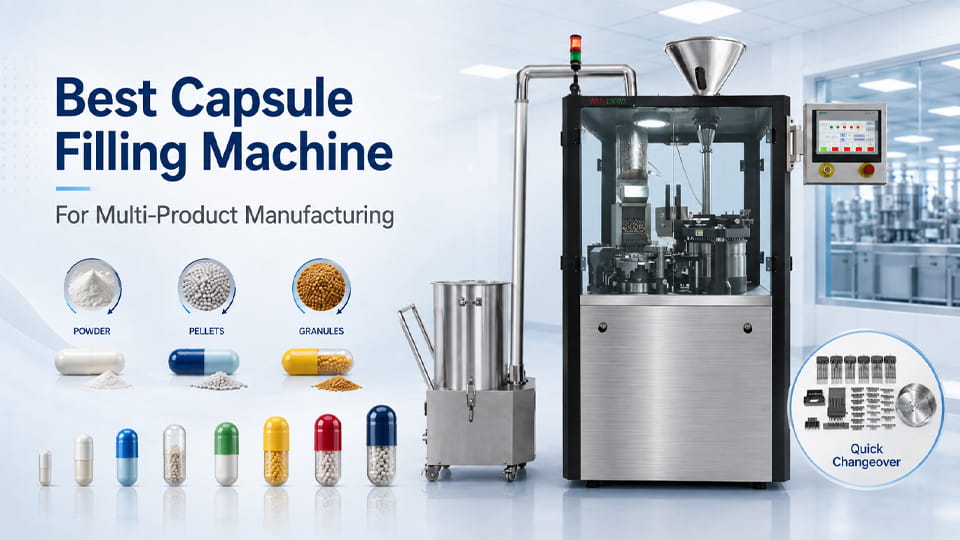
CMO ทางเภสัชกรรม (ผู้ผลิตตามสัญญา) ใช้งาน SKU จำนวนมากบนสายที่ใช้ร่วมกัน. พวกเขามักจะต้องสลับระหว่างผลิตภัณฑ์ต่างๆ, ขนาดแคปซูล, และสูตรได้อย่างรวดเร็ว. เครื่องเอนกประสงค์ (กำหนดค่าสำหรับหนึ่งขนาดหรือผลิตภัณฑ์) ไม่สามารถตอบสนองความหลากหลายนี้ได้หากไม่มีหลายยูนิต. ฟิลเลอร์ที่มีความสามารถหลายขนาดครอบคลุม #000–#5 (แคปซูลแข็งที่ใหญ่ที่สุดถึงเล็กที่สุด) ในเครื่องเดียว. สิ่งนี้ทำให้ CMO รวมอุปกรณ์, ประหยัดพื้นที่และเงินทุน. อีกทั้งยังเร่งเปิดตัวผลิตภัณฑ์ใหม่อีกด้วย: แทนการสั่งซื้อเครื่องห่อหุ้มใหม่สำหรับ SKU แต่ละอัน, เครื่องปรับได้สามารถผลิตได้หลายสูตร.
อย่างไรก็ตาม, ความยืดหยุ่นนำมาซึ่งการแลกเปลี่ยน. การเปลี่ยนแปลงจะกลายเป็นปัญหาคอขวดหากการแลกเปลี่ยนเครื่องมือช้าหรือซับซ้อน (ดูหัวข้อถัดไป). การทำความสะอาดและการตรวจสอบ ก็มีความสำคัญเช่นกัน: เครื่องบรรจุแคปซูล CMO จะต้องฆ่าเชื้อระหว่างยาต่างๆ ได้ง่ายเพื่อหลีกเลี่ยงการปนเปื้อนข้าม (อุปกรณ์ที่ไม่เฉพาะเจาะจง ต้อง ทำความสะอาดระหว่างชุด). ในระยะสั้น, CMO จำเป็นต้องมีตัวเติมแบบแคปซูลที่ออกแบบมาเพื่อการเปลี่ยนแปลงแม่พิมพ์อย่างรวดเร็ว, ทำความสะอาดอย่างอ่อนโยน, และการกำหนดปริมาณที่แม่นยำ ดังนั้นเครื่องจักรหนึ่งเครื่องจึงสามารถผลิตผลิตภัณฑ์จำนวนมากภายใต้ความน่าเชื่อถือได้ GMP กฎ.
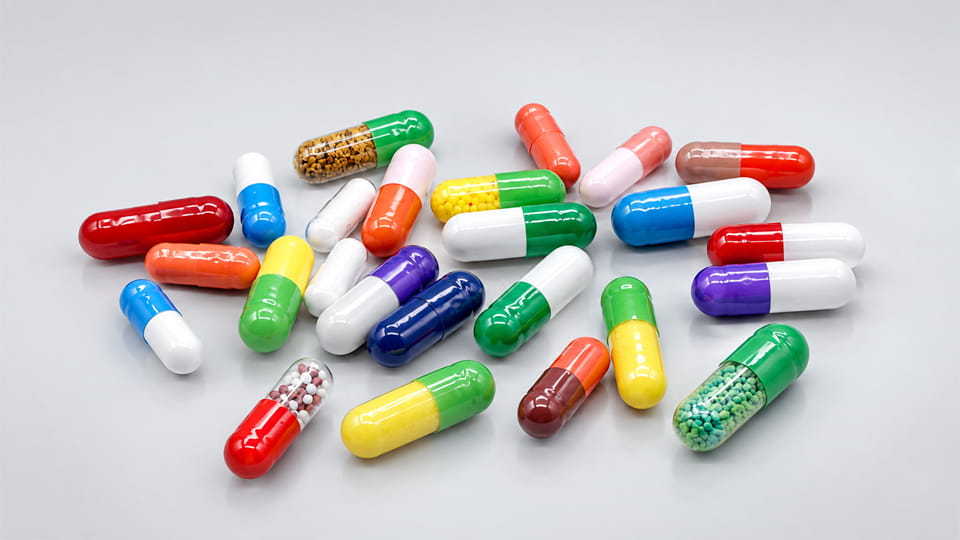
เมื่อประเมินเครื่องจักรสำหรับสภาพแวดล้อมที่มีหลายผลิตภัณฑ์, มุ่งเน้นไปที่ปัจจัยเหล่านี้ (ตารางด้านล่าง), แล้วค่อยอ่านรายละเอียดทีหลัง. ตัวเลือกที่สมดุลช่วยลดการประนีประนอมในพอร์ตโฟลิโอของคุณ.
| ปัจจัย | สิ่งที่มองหา |
| ช่วงขนาดแคปซูล | รองรับทุกขนาดที่ต้องการ (#000–#5 เป็นเรื่องธรรมดาในยา) โดยไม่มี mod พิเศษ. สิ่งที่สำคัญไม่แพ้กันคือการเปลี่ยนขนาดอย่างรวดเร็ว. |
| ประเภทของสูตร | จัดการกับผง/เม็ดของคุณ. ตรวจสอบว่าสามารถเติมผง API เฉพาะของคุณได้หรือไม่, เม็ดหรือไมโครแท็บเล็ต. บางรุ่นถึงกับใส่ของเหลวด้วยซ้ำ (ต้องใช้หัวฉีดพิเศษ). |
| ความเร็วในการผลิต | จัดอันดับเอาท์พุท (แคปซูล/ชม) ควรเกินอัตราการวิ่งสูงสุดของคุณ. แต่ความเร็วที่ยกมาถือเป็นเงื่อนไขในอุดมคติ (ขนาด #00, ผงไหลอิสระ). |
| ความง่ายดายในการเปลี่ยนแปลง | มองหาเครื่องมือแบบโมดูลาร์และการออกแบบที่ปรับเปลี่ยนได้อย่างรวดเร็ว. เครื่องจักรสมัยใหม่สามารถเปลี่ยนชุดแม่พิมพ์ได้ <30 นาที (15 นาทีในรุ่นขั้นสูง). |
| การทำความสะอาด/การออกแบบ CIP | GMP กำหนดให้ต้องมีการทำความสะอาดที่ผ่านการตรวจสอบระหว่างผลิตภัณฑ์ต่างๆ. ต้องการชิ้นส่วนสัมผัสที่ทำจากสแตนเลสและความสามารถ CIP หรือการถอดชิ้นส่วนโดยไม่ต้องใช้เครื่องมือ. |
| ความแม่นยำในการเติม | ตรวจสอบระบบจ่ายยา (สว่าน/แผ่นดิสก์, หมุดตอก) และสเปคที่แม่นยำ. ฟิลเลอร์ที่ดีมีความผันแปรของน้ำหนักประมาณ ±1–3%. โฆษณาสายระดับไฮเอนด์ >97% เติมความแม่นยำ. |
| ระดับอัตโนมัติ | เครื่องจักรอัตโนมัติทำงานอย่างต่อเนื่องโดยใช้แรงงานน้อยที่สุด (โหลดอัตโนมัติ / ล็อค, การควบคุม PLC), ในขณะที่รถกึ่งอัตโนมัติต้องใช้ผู้ปฏิบัติงานแต่ต้นทุนน้อยกว่า (ดูด้านล่าง). |
| การสนับสนุนการตรวจสอบ | ยืนยันว่าเครื่องรองรับโปรโตคอล IQ/OQ/PQ, บันทึกข้อมูลและส่วน CFR21 11 ถ้าจำเป็น. ตรวจสอบว่าซัพพลายเออร์ให้เอกสารยืนยันหรือความช่วยเหลือหรือไม่. |
| รอยเท้า & ความยืดหยุ่น | สำหรับ CMO, พื้นที่ใช้สอยและการเติบโตในอนาคต. เครื่องจักรที่มีความยืดหยุ่นเพียงเครื่องเดียวช่วยประหยัดพื้นที่เมื่อเทียบกับยูนิตเฉพาะหลายยูนิต, แต่ให้แน่ใจว่ามันสามารถขยายขนาดได้ (E.G. การเพิ่มสถานีหรือการเชื่อมโยงฟิลเลอร์หากปริมาณเพิ่มขึ้น). |
แต่ละปัจจัยข้างต้นควรได้รับการปรับให้เหมาะกับสถานการณ์ของคุณ. ตัวอย่างเช่น, ถ้าคุณจัดการอย่างมีศักยภาพ API, ที่ การทำความสะอาด/การออกแบบ CIP กลายเป็นเรื่องสำคัญอย่างยิ่ง (คุณจะต้องมีการกักเก็บอย่างเต็มรูปแบบหรือการทำความสะอาดที่ผ่านการตรวจสอบบ่อยครั้งเพื่อปกป้องผู้ปฏิบัติงานและป้องกันการปนเปื้อนข้าม). หากคุณสลับขนาดแคปซูลหลายๆ ขนาดบ่อยๆ, ดังนั้น “ความง่ายในการเปลี่ยนแปลง” จึงเป็นสิ่งสำคัญยิ่ง; ตามที่ระบุไว้ด้านล่าง, การข้ามระบบอัตโนมัติในการเปลี่ยนขนาดอาจทำให้ต้องเสียเวลาหลายชั่วโมงในการหยุดทำงาน.
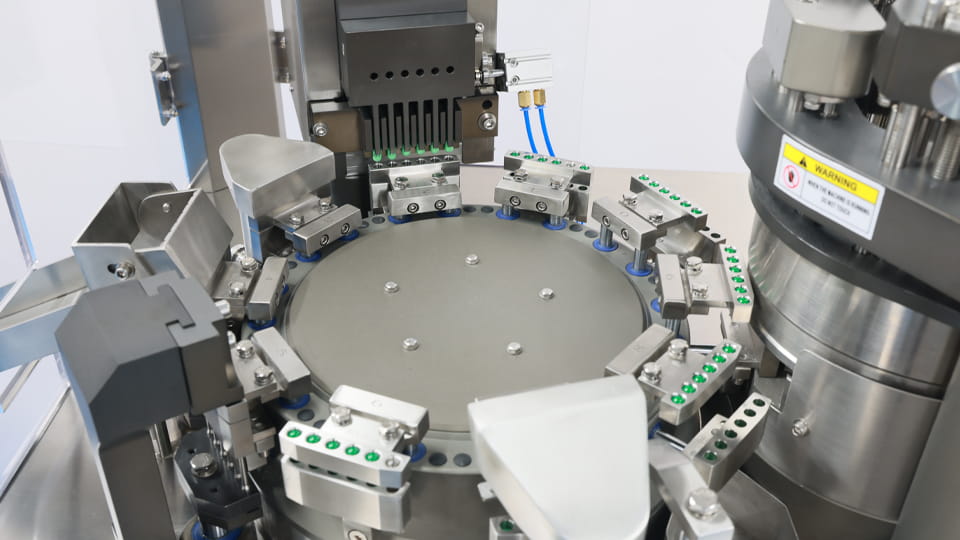
ปริมาณงานของแคปซูลที่สูงนั้นน่าดึงดูด, แต่ประสิทธิภาพในโลกแห่งความเป็นจริงนั้นขึ้นอยู่กับมากกว่าความเร็วสูงสุด. ผู้ผลิตมักเสนอราคาความจุของเครื่องจักรภายใต้สภาวะที่เหมาะสม, แต่ผลลัพธ์ที่แท้จริงสามารถเป็นได้ ต่ำกว่ามาก หากสินค้าของคุณมีความท้าทาย. เช่น, ผงละเอียดหรือเหนียวอาจทำให้สว่านติดได้, หรือแคปซูลขนาดเล็กจะทำให้อัตราการเต้นช้าลง. ควรคำนึงถึงผลกระทบของขนาดแคปซูลเสมอ, การไหลของผง, และการหยุดทำงาน.
สำหรับการวางแผนกำลังการผลิต, เริ่มต้นด้วยผลลัพธ์ที่คุณต้องการ (แคปซูลต่อชุดหรือต่อปี) และทำงานย้อนหลัง. กำหนดจำนวนชั่วโมงการผลิตที่คุณสามารถดำเนินการได้ตามความเป็นจริง (E.G. สองกะเทียบกับเต็ม 24 × 7). จากนั้นแบ่งแคปซูลที่คุณต้องการตามชั่วโมงทำการเพื่อให้ได้แคปซูลเป้าหมาย/ชั่วโมง. เปรียบเทียบสิ่งนี้กับความเร็วที่มีประสิทธิภาพของเครื่อง (มักจะ 80–90% ของคะแนนสูงสุด). บันทึก: การเพิ่มขนาดอาจส่งผลย้อนกลับหากอุปกรณ์สายอื่นๆ (การนับ, สูงสุดที่กำหนด, การติดฉลาก) ติดตามไม่ได้. ดังที่ไกด์คนหนึ่งกล่าวไว้, การติดตั้งฟิลเลอร์ 150k/ชม. บนเส้น 80k/ชม 47% เวลาว่าง, เสียเงิน. มุ่งเป้าไปที่ปริมาณงานของสายที่สมดุลเสมอ.
เพื่อดักจับประสิทธิภาพ, ยังคำนึงถึงการเปลี่ยนแปลงและการสูญเสียการทำความสะอาดอีกด้วย. แม้แต่การเปลี่ยนแปลง “30 นาที” ก็ลดกำลังการผลิตหากเกิดขึ้นระหว่างทุกชุด. หากสายงานของคุณสลับ SKU บ่อยครั้ง, รวมกรอบเวลาหยุดทำงานเหล่านั้นไว้ในการคำนวณของคุณ. ในทางปฏิบัติ, กำหนดเป้าหมายไปที่ฟิลเลอร์ที่มี มีประสิทธิภาพ ความจุ (เอาท์พุตรันไทม์จริง) เกินความต้องการสูงสุดของคุณ, เพื่อให้คุณมีพื้นที่เหลือสำหรับการเปลี่ยนแปลงหรือการชะลอตัวเล็กน้อย.
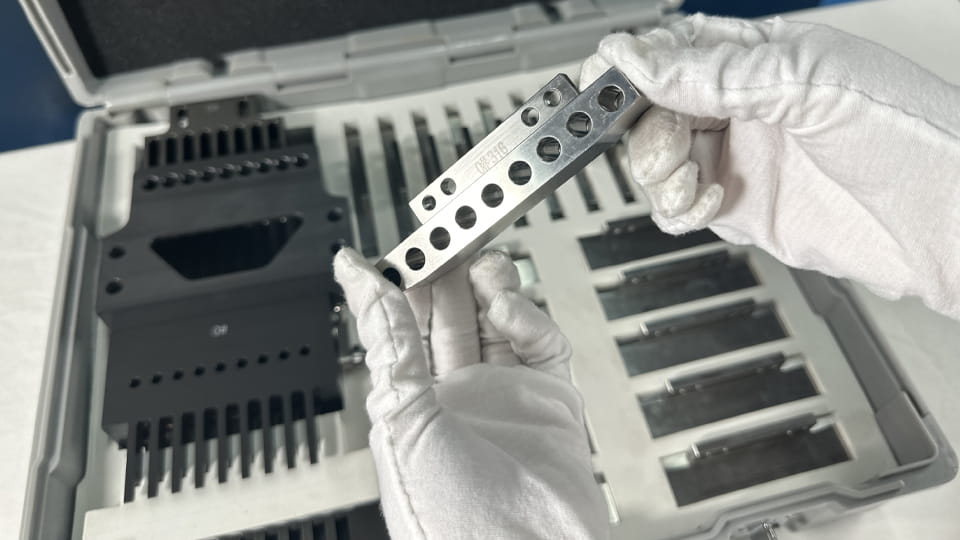
การเปลี่ยนเครื่องเป็นเวลานานสามารถกัดกร่อนประโยชน์ของเครื่องจักรที่มีความยืดหยุ่นได้. มักจำเป็นต้องใช้เครื่องบรรจุแคปซูลแบบหมุนแบบดั้งเดิม 4–6 ชั่วโมง สำหรับการเปลี่ยนขนาด. การออกแบบสมัยใหม่ใช้เซอร์โวไดรฟ์และแผ่นแม่พิมพ์แบบล็อคด่วนเพื่อตัดชิ้นส่วนนั้นอย่างมาก - บ่อยครั้ง 30–45 นาที เพื่อการแลกเปลี่ยนขนาดเต็ม. เมื่อทำการประเมิน, ขอให้ซัพพลายเออร์สาธิตการเปลี่ยนแปลงขนาดขนาดแคปซูลของคุณ.
ความง่ายในการเปลี่ยนแปลงมาจากส่วนประกอบแบบโมดูลาร์: โดยทั่วไปจะเป็นสถานีให้อาหารแบบแคปซูล, แผ่นแม่พิมพ์บน/ล่าง, จานจ่ายยาและมีดโกน, แท่งเติม, และต้องเปลี่ยนรางปล่อยทั้งหมดเป็นขนาดใหม่. เครื่องจักรที่ใช้แคลมป์แบบไม่ต้องใช้เครื่องมือหรือตัวเรือนแม่พิมพ์แบบกำหนดดัชนีสามารถช่วยประหยัดเวลาได้ที่นี่. ตัวอย่างเช่น, ซีรี่ส์ NJP ของ Jinlu ใช้ การออกแบบแม่พิมพ์แบบโมดูลาร์ ที่ช่วยให้สามารถเปลี่ยนแปลงเชื้อราได้เต็มที่ด้านล่าง 15 นาที. ในโลกแห่งความเป็นจริงกรณีหนึ่ง, เปลี่ยนจากฟิลเลอร์ที่ขับเคลื่อนด้วยลูกเบี้ยวไปเป็นการเปลี่ยนแปลงแบบตัดเดียวที่ขับเคลื่อนด้วยเซอร์โว 6 ชั่วโมงถึง 35 นาที, ประหยัดมากกว่า \$120,000 ต่อปี.
โดยสรุป, ลดการเปลี่ยนแปลงให้เหลือน้อยที่สุด: มองหาเครื่องจักรที่มีการถอดแม่พิมพ์อย่างรวดเร็ว, คุณสมบัติการปรับที่ตั้งไว้ล่วงหน้า, และจัดเก็บ “สูตรอาหาร” เพื่อให้ผู้ปฏิบัติงานไม่ต้องปรับแต่งออฟเซ็ตด้วยตนเองในแต่ละครั้ง. หากคุณคาดว่าจะมีการเปลี่ยนแปลงขนาดหลายสิบครั้งต่อไตรมาส, ความเร็วในการเปลี่ยนควรเป็นเกณฑ์การคัดเลือกสูงสุด.
CMO ทางเภสัชกรรมต้องบังคับใช้การควบคุมการทำความสะอาดและการปนเปื้อนอย่างเข้มงวดเมื่อใช้ผลิตภัณฑ์หลายรายการในเครื่องเดียว. คำแนะนำขององค์การอาหารและยา (และตรรกะ GMP อย่างง่าย) ระบุว่า ต้องทำความสะอาดอุปกรณ์ที่ไม่เฉพาะเจาะจงระหว่างผลิตภัณฑ์ต่างๆ เพื่อป้องกันการปนเปื้อนข้าม. ในความเป็นจริง, จดหมายเตือนของ FDA ระบุเมื่อเร็วๆ นี้ว่า “เป็นเรื่องของ CGMP ที่ยอมรับไม่ได้ในการผลิตยาโดยใช้อุปกรณ์เดียวกัน … นอกจากนี้ยังใช้ในการผลิตผลิตภัณฑ์ที่ไม่ใช่ยาด้วย” โดยไม่ต้องทำความสะอาดอย่างเข้มงวด.
เพื่อให้เป็นไปตามข้อกำหนดเหล่านี้, เลือกฟิลเลอร์แบบแคปซูลยาด้วย การออกแบบสุขาภิบาล: โครงสร้างสแตนเลส 316L ที่เรียบลื่น, ขอบโค้งมน, รอยแยกน้อยที่สุด, และตลับลูกปืนแบบปิดผนึกหากเป็นไปได้. ขณะนี้มีหลายเครื่องรองรับ ทำความสะอาดในสถานที่ (ซีไอพี): สเปรย์บอลในตัวและระบบทำความสะอาดแบบหมุนเวียนที่ช่วยให้คุณล้างพื้นผิวภายในโดยไม่ต้องถอดแยกชิ้นส่วนทั้งหมด. หาก CIP ไม่พร้อมใช้งาน, ตรวจสอบว่ากรวยทั้งหมด, แผ่นจ่ายยา, และถาดป้อนอาหารสามารถถอดหรือเปิดออกได้โดยไม่ต้องใช้เครื่องมือเพื่อทำความสะอาดด้วยตนเอง.
จัดทำระเบียบปฏิบัติการทำความสะอาดที่ได้รับการตรวจสอบแล้วด้วย: ความสกปรกที่เลวร้ายที่สุด (E.G. ส่วนผสมที่มีศักยภาพสูงหรือเหนียว) จะต้องถอดออกได้จนถึงขีดจำกัดสารตกค้างที่ยอมรับได้. ผู้จำหน่ายอุปกรณ์ทางเภสัชกรรมควรให้คำแนะนำในการทำความสะอาด หรือแม้แต่การทดสอบการปนเปื้อนจำลอง. ในที่สุด, รักษาบันทึกการทำความสะอาดอย่างละเอียดตามที่กำหนดภายใต้ 21 ซีเอฟอาร์ 211.67(ข). (ตามที่ผู้ตรวจสอบ FDA คนหนึ่งเตือนไว้, การตรวจสอบการทำความสะอาดที่ไม่เพียงพอถือเป็นการละเมิดซ้ำ) ในระยะสั้น: ออกแบบเพื่อความสะอาดและบันทึกทุกอย่าง. การตรวจสอบให้แน่ใจว่าการเปลี่ยนเครื่องอย่างรวดเร็วเป็นเรื่องที่ต้องสงสัย หากไม่สามารถทำความสะอาดเครื่องจักรได้อย่างรวดเร็วและเชื่อถือได้ระหว่างชุดงาน.
แต่ละสูตรไม่ไหลเหมือนกัน. อุปกรณ์บรรจุแคปซูลใช้กลไกการจ่ายที่แตกต่างกันเพื่อจัดการกับความแปรปรวนของผลิตภัณฑ์. ระบบทั่วไปได้แก่:
มุ่งเป้าไปที่ความแม่นยำของน้ำหนักบรรจุภายใน ±1–3% ของเป้าหมาย. เครื่องจักรระดับท็อป (เหมือนยาระดับไฮเอนด์ เครื่องทำแคปซูล) โฆษณาความแม่นยำในช่วงนี้. ตัวอย่างเช่น, รักษาฟิลเลอร์อัตโนมัติ NJP-3800D ของ Jinlu >97% ความแม่นยำของน้ำหนัก. ตรวจสอบกับข้อมูลทดสอบเสมอ: สอบถามผู้ขายเกี่ยวกับการเปลี่ยนแปลงน้ำหนักโดยทั่วไปตามขนาดและน้ำหนักแคปซูลเป้าหมายของคุณ.
การเลือกระบบการจ่ายควรตรงกับวัสดุของคุณ. ถ้าจัดการได้ดีมาก, ไฟฟ้าสถิต, หรือผงแป้งเหนียว, ตรวจสอบให้แน่ใจว่ามีคุณสมบัติต่างๆ เช่น การเคลือบป้องกันไฟฟ้าสถิตหรือแท่นฟลูอิดไดซ์. และตรวจสอบให้แน่ใจเสมอว่าวัสดุส่วนสัมผัสเหมาะสมกับเคมีของคุณ (โดยทั่วไป 304 หรือ 316 สแตนเลส เป็นมาตรฐาน). โดยสรุป, จับคู่เทคโนโลยีการจ่ายสารกับผลิตภัณฑ์ของคุณ และยืนยันสเปคความแม่นยำพร้อมหลักฐาน.
การเลือกระหว่างเครื่องจักรหลายขนาดหนึ่งเครื่องหรือเครื่องจักรเฉพาะหลายเครื่องถือเป็นข้อดีข้อเสียแบบคลาสสิก. พิจารณาข้อดีข้อเสียเหล่านี้ (ตารางด้านล่าง) ในบริบทของ SKU และปริมาณของคุณ.
| ด้าน | เครื่องหลายขนาดหนึ่งเครื่อง | เครื่องจักรเฉพาะหลายเครื่อง |
| กลุ่มผลิตภัณฑ์แคปซูล | จัดการได้เต็มรูปแบบ (E.G. #000–#5) ด้วยการเปลี่ยนแปลง. ต้องมีการแลกเปลี่ยนเครื่องมือระหว่างขนาด. | แต่ละเครื่องได้รับการปรับแต่งให้มีขนาดเดียว (ไม่จำเป็นต้องเปลี่ยนเครื่องต่อเครื่อง). |
| ต้นทุนเงินทุน | ช่วงล่างด้านหน้า: ซื้อหน่วยระดับไฮเอนด์หนึ่งหน่วยแทนที่จะเป็นหลายหน่วย. | สูงกว่า: หลายเครื่อง (มักมีลักษณะทับซ้อนกัน). |
| พื้นที่ชั้น | ประหยัดพื้นที่ด้วยรอยเท้าเดียว. | รอยเท้าที่ใหญ่ขึ้น; หลายยูนิตต้องการพื้นที่มากขึ้น. |
| ปริมาณงาน | จำกัดด้วยความเร็วสูงสุดเพียงเครื่องเดียว. หากมีปริมาณมาก, คุณอาจต้องการเครื่องจักรที่ใหญ่มาก. | ปริมาณงานรวมอาจสูงกว่านี้ (การวิ่งแบบขนาน); ขนาดสามารถตรงกับปริมาณของแต่ละผลิตภัณฑ์ได้. |
| ความยืดหยุ่นในการผสมผลิตภัณฑ์ | สูงมาก: สินค้าใดๆก็สามารถใช้เครื่องเดียวกันได้ (ด้วยการเปลี่ยนแปลง). เหมาะสำหรับ SKU จำนวนมาก. | ซ่อมด้วยเครื่อง; การสลับผลิตภัณฑ์หมายถึงการเคลื่อนย้ายชุดงานระหว่างเครื่องจักรหรือการซื้อหน่วยเพิ่มเติม. |
| การเปลี่ยนแปลง & เวลาหยุดทำงาน | คุณจะต้องหยุดทำงานเมื่อมีการเปลี่ยนแปลงทุกขนาด (และการทำความสะอาด) ในบรรทัดนั้น. | ไม่มีการหยุดทำงานของการเปลี่ยนแปลงขนาดในแต่ละยูนิต (พวกเขาเตรียมพร้อมอยู่เสมอ); แต่คุณจะต้องทำความสะอาดอยู่ดี. |
| ความเสี่ยงจากการปนเปื้อนข้าม | การทำความสะอาดทุกชุดระหว่างผลิตภัณฑ์, ความเสี่ยงต่อการปนเปื้อนข้ามจะสูงขึ้นหากทำความสะอาดไม่ดี. | หากมีเฉพาะต่อ SKU หรือการบรรจุ, ลดความเสี่ยงจากการปนเปื้อนข้าม (โดยต้องใช้รอบการทำความสะอาดน้อยลง). |
| การซ่อมบำรุง | มีเครื่องจักรเพียงเครื่องเดียวที่ต้องบำรุงรักษาและสต๊อกอะไหล่. | เครื่องจักรที่เพิ่มขึ้นหมายถึงการบำรุงรักษาที่มากขึ้นและชิ้นส่วนที่ต้องจัดการ. |
| การใช้ประโยชน์ | อาจมีเวลาว่างหากความต้องการบางขนาดมีน้อย. | เครื่องจักรแต่ละเครื่องสามารถทำงานได้อย่างต่อเนื่องตามขนาดที่กำหนด หากมีความต้องการ. |
| การปรับขนาดในอนาคต | ปรับขนาดโดยการอัพเกรดเป็นรุ่นที่เร็วกว่าหรือเพิ่มเครื่องประเภทเดียวกันในภายหลัง. | เพื่อเพิ่มความจุให้มีขนาด, เพิ่มหน่วยขนาดนี้อีก. |
โดยทั่วไปแล้วฟิลเลอร์แบบยืดหยุ่นตัวเดียวจะดีที่สุดหาก: คุณมีมากมาย ชุดขนาดเล็กถึงขนาดกลาง และต้องการพื้นที่หรือประสิทธิภาพของเงินทุน, และคุณสามารถกำหนดเวลาการเปลี่ยนแปลงได้. เครื่องจักรเฉพาะหลายเครื่องจะดีกว่าหาก: สินค้าหนึ่งหรือสองชิ้นครองปริมาณ (พิสูจน์เครื่องจักรของตัวเอง), หรือหากความเสี่ยงในการปนเปื้อนต้องแยกจากกันอย่างเข้มงวด (E.G. เครื่องเดียวสำหรับศักยภาพสูง, อีกอันสำหรับมาตรฐาน สูตร). สำหรับ CMO ส่วนใหญ่ด้วย หลายรายการ ผลิตภัณฑ์ที่มีปริมาณปานกลาง, เครื่องจักรที่ปรับเปลี่ยนได้หนึ่งเครื่องหรือเครื่องจักรที่ยืดหยุ่นได้หนึ่งคู่มักจะเหมาะสมที่สุด.
เครื่องบรรจุแคปซูลแบบกึ่งอัตโนมัติและอัตโนมัติเต็มรูปแบบต่างก็มีกรณีการใช้งาน. โดยทั่วไปแล้ว:
| คุณสมบัติ | ฟิลเลอร์กึ่งอัตโนมัติ | ฟิลเลอร์อัตโนมัติเต็มรูปแบบ |
| เอาท์พุต (หมวก/ชม) | ปานกลาง: ~10,000–40,000 (ทั่วไป) | สูง: ~30,000–200,000+ (มากถึง 468,000 รุ่นในรุ่นท็อป) |
| ต้นทุนการลงทุน | ต่ำกว่า (หมื่นเหรียญสหรัฐ). | สูงขึ้นมาก (โดยทั่วไปแล้วจะมีป้ายราคาหกหลัก). |
| ผู้ประกอบการแรงงาน | กำหนดให้มี 1 เจ้าหน้าที่กำลังโหลดแคปซูลและผง. | น้อยที่สุด (1–2 ตัวดำเนินการ) - เครื่องป้อนและดีดออกอัตโนมัติ. |
| ความยืดหยุ่น | ดี: หลายคนสามารถเปลี่ยนขนาดได้, แต่การโหลดแบบแมนนวลจะเพิ่มรอบเวลา. | ดี: บางคนสามารถเปลี่ยนขนาดได้เช่นกัน, แต่ด้วยโปรแกรมที่ตั้งไว้ล่วงหน้า; วิ่งต่อเนื่องเร็วมาก. |
| การเปลี่ยนแปลง | โดยทั่วไปง่ายกว่า (สถานีน้อยลง), แต่ยังใช้เวลาหลายนาทีในการเปลี่ยนชิ้นส่วน. | ใช้เวลาเป็นนาทีด้วย, แต่เครื่องจักรมักจะมีการปรับอัตโนมัติและการจัดเก็บสูตรสำหรับการเปลี่ยนแปลง. |
| พื้นที่ชั้น | รอยเท้าที่เล็กลง. | ใหญ่กว่า, มีสถานี/ป้อมปืนเพิ่มมากขึ้น. |
| ผู้ใช้ทั่วไป | บริษัทขนาดเล็ก, โภชนเภสัช, ห้องปฏิบัติการสัญญา, หรือ CMO ด้วย <40ความต้องการ k/ชม (เป็นโซลูชั่น "สะพาน"). | ผู้ผลิตยา/โภชนาการรายใหญ่ที่มีความต้องการสูง. ดีกว่าถ้าความต้องการสมเหตุสมผล >50ปริมาณงาน k/ชม. |
ในทางปฏิบัติ, ผู้ทำสัญญาหลายรายพบว่า เครื่องบรรจุแคปซูลกึ่งอัตโนมัติ เหมาะสำหรับปริมาณเริ่มต้นหรือชุดนำร่อง, เนื่องจากพวกเขาลดแรงงานลงอย่างมากเมื่อเทียบกับการใช้แรงงานคนโดยไม่ต้องใช้จ่ายเกินสาย. แต่เมื่อสายผลิตภัณฑ์เติบโตหรือหลากหลาย, ความสม่ำเสมอและความเร็วของเครื่องจักรโรตารี่อัตโนมัติเต็มรูปแบบนั้นน่าดึงดูดใจ. ที่ ตารางด้านบน เน้นย้ำว่าความเร็วการค้าแบบกึ่งอัตโนมัติเพื่อต้นทุนและความเรียบง่าย, ในขณะที่ระบบอัตโนมัติมีความโดดเด่นในปริมาณมาก แต่ต้องใช้การลงทุนจำนวนมากและทักษะทางเทคนิคในการทำงาน.

เมื่อได้พูดคุยกับ ผู้ผลิตเครื่องจักรยา หรือ OEM, ถามโดยตรง:
โบนัส: “คุณสมบัติด้านความปลอดภัย/การกักกันสำหรับ API ที่มีศักยภาพมีอะไรบ้าง?- ถ้ามี, ตรวจสอบตัวแยกช่องเก็บของหน้ารถหรือระบบกรอง. ความเต็มใจของผู้ขายที่จะตอบคำถามเหล่านี้อย่างละเอียดจะช่วยแยกแยะคู่ค้าที่เข้าใจความต้องการของ CMO.
กำหนดขนาดอุปกรณ์หรือเลือกปริมาณเครื่องจักร, ทำตามขั้นตอนเหล่านี้:
มักจะผิดพลาดอยู่ข้างๆ ความยืดหยุ่นพร้อมเฮดรูม. สำหรับงานเหมา, ความต้องการอาจเพิ่มขึ้นหรือเปลี่ยนแปลงได้. คัดเครื่องที่ตอบโจทย์ ที่แน่นอน พื้นฐานอาจทำให้เกิดการจำกัดกำลังการผลิตในภายหลัง. หากงบประมาณเอื้ออำนวย, เครื่องที่มีความจุพิเศษ 20–30% (หรือตัวเลือกในการเพิ่มหน่วยอื่นได้อย่างง่ายดาย) มักจะปลอดภัยกว่า.
สรุปข้อพิจารณา:
ในทางปฏิบัติ, CMO ส่วนใหญ่เริ่มต้นด้วยเครื่องแคปซูลแบบกึ่งอัตโนมัติหรืออัตโนมัติขนาดเล็กที่มีความยืดหยุ่นหนึ่งเครื่อง (เพื่อทำหน้าที่เป็นนายพล) และเพิ่มเครื่องจักรพิเศษเฉพาะเมื่อปริมาณของผลิตภัณฑ์หรือความต้องการด้านกฎระเบียบเหมาะสมเท่านั้น.
เป็นตัวอย่างของเครื่องหลายผลิตภัณฑ์, Jinlu เครื่องเติมแคปซูลอัตโนมัติรุ่น NJP แสดงให้เห็นคุณสมบัติที่ต้องการมากมาย. เช่น, ที่ NJP-1500D แบบอย่าง:

Jinlu ยังสนับสนุนเครื่องจักรพร้อมการรับประกันและเอกสารประกอบ (ดูของเรา รับใบเสนอราคา และหน้าติดต่อ). ในขณะที่เราเน้นข้อมูลจำเพาะของ NJP เพื่อเป็นภาพประกอบ, ผู้จำหน่ายรายใดควรจับคู่หรือเกินกว่าคุณสมบัติเหล่านี้สำหรับแอปพลิเคชัน CMO.
ใช้รายการตรวจสอบนี้เพื่อเปรียบเทียบผู้ขายแบบเทียบเคียงกัน. ที่สุด อุปกรณ์บรรจุแคปซูล เพื่อให้ CMO ของคุณจะตอบสนองความต้องการในปัจจุบันของคุณ และ เหลือพื้นที่ว่างไว้สำหรับโครงการในวันพรุ่งนี้.
การเลือกเครื่องทำแคปซูลที่เหมาะสมคือความสมดุลของความยืดหยุ่น, ความเร็ว, และคุณภาพ. สำหรับ CMO หลายผลิตภัณฑ์, เครื่องบรรจุแคปซูลอัตโนมัติระดับไฮเอนด์มักจะมอบความคล่องตัวที่จำเป็น: รองรับทุกขนาด (#000–#5), การเปลี่ยนแปลงแม่พิมพ์อย่างรวดเร็ว, และได้รับการรับรองการทำความสะอาด. ซีรีส์ NJP ของ Jinlu เป็นตัวอย่างหนึ่งของอุปกรณ์ดังกล่าว, แต่หลักการนี้ใช้กับโมเดลของซัพพลายเออร์รายใดก็ได้. ประเมินเครื่องจักรโดยเทียบกับพอร์ตโฟลิโอและลำดับความสำคัญเฉพาะของคุณ, และอย่าลังเลที่จะมีส่วนร่วมกับทีมวิศวกรรมและ QA ตั้งแต่เนิ่นๆ.
เมื่อคุณพร้อมที่จะดำเนินการต่อ, สำรวจข้อเสนอฟิลเลอร์แคปซูลของ Jinlu (ดูของเรา เครื่องบรรจุแคปซูล ส่วน) หรือติดต่อวิศวกรฝ่ายขายของเราเพื่อขอใบเสนอราคาที่กำหนดเอง. ตรวจสอบให้แน่ใจว่าผู้จำหน่ายเข้าใจขั้นตอนการทำงานหลาย SKU และข้อกำหนดด้านกฎระเบียบของคุณ. ด้วยเครื่องที่เหมาะสม, CMO ของคุณสามารถผลิตผลิตภัณฑ์ได้หลากหลายอย่างมีประสิทธิภาพ, เป็นไปตามมาตรฐาน GMP, และตอบสนองความต้องการของลูกค้าได้อย่างฉับไว.
พร้อมหารือเกี่ยวกับความต้องการบรรจุแคปซูลของคุณ? ติดต่อ Jinlu Packing ผ่านทางเรา ได้รับการติดต่อ หรือขอใบเสนอราคาโดยละเอียดเพื่อเป็นแนวทางในการแก้ปัญหาที่ดีที่สุด.
สำหรับ CMO เชิงพาณิชย์ที่มีหลายผลิตภัณฑ์ส่วนใหญ่, ทางเลือกที่ดีที่สุดคือเครื่องบรรจุแคปซูลอัตโนมัติเต็มรูปแบบที่มีความยืดหยุ่น โดยมีขนาดตามปริมาณการผลิตจริง แทนที่จะเป็นความเร็วสูงสุดที่เป็นไปได้. จัดลำดับความสำคัญความเข้ากันได้ของสูตร, การเปลี่ยนแปลงทางกลอย่างรวดเร็ว, ความสามารถในการทำความสะอาด, ช่วงขนาดแคปซูล, การให้ยาซ้ำ, การสนับสนุนการตรวจสอบและผลผลิตรายวันที่มีประสิทธิภาพ.
ใช่, โดยที่เครื่องได้รับการออกแบบให้มีชิ้นส่วนที่ต้องเปลี่ยน. Jinlu อยู่ในรายการปัจจุบัน #000, #00, #0, #1, #2, #3, #4 และ #5 แคปซูลแข็งสำหรับ NJP-1200C, NJP-1500D และ NJP-7800D. โดยปกติแล้วการเปลี่ยนขนาดแคปซูลจะต้องเปลี่ยนรูปแบบ/เครื่องมือ, ดังนั้นผู้ซื้อควรรวมทุกขนาดที่วางแผนไว้ใน URS และใบเสนอราคา.
ใช่, ตัวเติมแคปซูลอุตสาหกรรมที่เหมาะสมสามารถแปรรูปผงและเม็ดได้, และสถาปัตยกรรมบางอย่างสามารถเติมส่วนผสมลงในแคปซูลเดียวกันโดยใช้สถานีจ่ายยาแยกกัน. ACG, Syntegon และ MG2 ต่างก็บันทึกความสามารถในการบรรจุวัสดุหลายชนิดหรือแบบผสมผสานไว้ในพอร์ตโฟลิโอการบรรจุแคปซูลของพวกเขา. ควรตรวจสอบการกำหนดค่าที่แน่นอนเนื่องจาก "รองรับผงและเม็ด" ไม่ได้หมายความว่าการรวมการบรรจุแบบผสมพร้อมกันจะรวมอยู่ในมาตรฐาน.
แยกการเปลี่ยนกลไกออกจากการเปลี่ยนผลิตภัณฑ์ที่ผ่านการตรวจสอบแล้วเสมอ. Jinlu เผยแพร่ตัวเลขการเปลี่ยนแม่พิมพ์ประมาณ 15 นาทีสำหรับ NJP-1200C, NJP-1500D และ NJP-7800D, แต่การเปลี่ยนผลิตภัณฑ์ทั้งหมดอาจรวมถึงการเว้นบรรทัดด้วย, ถอดชิ้นส่วน, ทำความสะอาด, การทำให้แห้ง, การตรวจสอบ, การตรวจสอบและเอกสารเผยแพร่. FDA คาดว่ากระบวนการทำความสะอาดจะแสดงให้เห็นว่ามีประสิทธิผล, ดังนั้นเวลาเปลี่ยนทั้งหมดจึงขึ้นอยู่กับผลิตภัณฑ์และขั้นตอนการทำความสะอาดที่ผ่านการตรวจสอบของสถานที่เป็นอย่างมาก.
เครื่องเติมแคปซูลแบบกึ่งอัตโนมัติอาจเป็นทางเลือกที่ดีสำหรับการผลิตจำนวนมาก เนื่องจากต้นทุนเงินทุนต่ำกว่าและอุปกรณ์ค่อนข้างง่าย. เครื่องบรรจุแคปซูลอัตโนมัติเต็มรูปแบบมีความน่าสนใจมากขึ้นตามปริมาณเชิงพาณิชย์, ค่าแรง, ข้อกำหนดในการทำซ้ำและระบบอัตโนมัติดาวน์สตรีมเพิ่มขึ้น. CGN-208D กึ่งอัตโนมัติปัจจุบันของ Jinlu อยู่ในรายการสูงสุด 30,000 แคปซูล/ชม, เปรียบเทียบกับ 72,000, 90,000 และ 468,000 แคปซูล/ชั่วโมง สำหรับรุ่นอัตโนมัติสามรุ่นที่กล่าวถึงข้างต้น.
เริ่มต้นด้วยการออกแบบที่ถูกสุขลักษณะ, ชิ้นส่วนสัมผัสผลิตภัณฑ์ที่เข้าถึงได้, การควบคุมฝุ่นที่มีประสิทธิภาพและขั้นตอนการทำความสะอาดตามหลักวิทยาศาสตร์. จากนั้นตรวจสอบการทำความสะอาดตามที่กำหนดโดยระบบคุณภาพของสถานที่. สำหรับผลิตภัณฑ์ที่มีศักยภาพ, ประเมินว่าจำเป็นต้องใช้อุปกรณ์เฉพาะหรือภาชนะบรรจุที่ออกแบบตามวัตถุประสงค์ แทนที่จะอาศัยการดูดฝุ่นแบบธรรมดา. FDA ระบุว่าการป้องกันการปนเปื้อนและการส่งต่อเป็นเหตุผลหลักในการทำความสะอาดอุปกรณ์, ในขณะที่อุปกรณ์แคปซูลเฉพาะทางมีจำหน่ายพร้อมบรรจุภัณฑ์ระดับ OEB และการทำความสะอาด WIP.
ไม่มีราคาเครื่องบรรจุแคปซูลเดี่ยวที่มีประโยชน์สำหรับการผลิตยาหลายผลิตภัณฑ์เนื่องจากการกำหนดค่าขับเคลื่อนต้นทุน. เอาท์พุต, เครื่องมือแคปซูล, โมดูลการจ่ายสาร, เครื่องป้อนแบบผงหรือแบบเม็ด, การบรรจุ, การตรวจสอบน้ำหนัก, ระบบอัตโนมัติ, เอกสารการตรวจสอบ, การติดตั้ง, อะไหล่และบริการล้วนส่งผลต่อโครงการ. เปรียบเทียบต้นทุนรวมในการเป็นเจ้าของและราคาต่อแคปซูลที่ขายได้, ไม่ใช่ราคาซื้อเพียงอย่างเดียว.
กลยุทธ์การรับรองคุณสมบัติที่แน่นอนเป็นของระบบคุณภาพของผู้ผลิตยาและข้อกำหนดของตลาดที่เกี่ยวข้อง. ภาคผนวก GMP ของสหภาพยุโรป 15 อธิบาย IQ อย่างชัดเจน, OQ และ PQ และยังกล่าวถึง URS และ FAT/SAT. คำแนะนำในการตรวจสอบความถูกต้องของกระบวนการของ FDA คาดหวังให้อุปกรณ์มีคุณสมบัติตามความเหมาะสมสำหรับการใช้งานตามวัตถุประสงค์ก่อนที่จะผ่านการรับรองกระบวนการเชิงพาณิชย์ในทำนองเดียวกัน. เอกสารประกอบของผู้ขายสามารถรองรับงานนี้ได้, แต่ไม่ได้แทนที่คุณสมบัติที่ได้รับอนุมัติและความรับผิดชอบในการตรวจสอบความถูกต้องของผู้ใช้เอง.
ระบบจ่ายสารที่เหมาะสมที่สุดขึ้นอยู่กับคุณลักษณะของผลิตภัณฑ์.
• Powder formulations often use tamping pin or dosator systems.
• Granules require dedicated feeding mechanisms.
• Pellets and micro-tablets may need specialized dosing units.
เครื่องบรรจุแคปซูลแบบยืดหยุ่นควรรองรับวิธีการบรรจุหลายวิธีเพื่อให้ตรงตามข้อกำหนดการผลิตที่เปลี่ยนแปลงไป.
ขึ้นอยู่กับกลยุทธ์การผลิต. เครื่องบรรจุแคปซูลแบบยืดหยุ่นเครื่องเดียวมักเหมาะสำหรับผู้ผลิตที่มี SKU จำนวนมาก, การเปลี่ยนแปลงผลิตภัณฑ์บ่อยครั้ง, และปริมาณการผลิตปานกลาง. เครื่องจักรเฉพาะด้านอาจมีประสิทธิภาพมากกว่าสำหรับผลิตภัณฑ์ที่มีปริมาณมากหรือการใช้งานเฉพาะทาง.
อ้างอิง:
1.ผลของคุณสมบัติการไหลของผงต่อความสม่ำเสมอของน้ำหนักบรรจุแคปซูล —— เทย์เลอร์ & ฟรานซิสออนไลน์
2.แคปซูลบรรจุผลิตภัณฑ์สูดดมขนาดต่ำ: คุณลักษณะที่สำคัญของวัสดุและพารามิเตอร์กระบวนการ —— หอสมุดแห่งชาติแพทยศาสตร์
3.ผลกระทบของคุณลักษณะของวัสดุและพารามิเตอร์กระบวนการต่อความสม่ำเสมอของผงเบดในระหว่างกระบวนการบรรจุแคปซูลที่ใช้โดเอเตอร์ขนาดต่ำ —— วิทยาศาสตร์โดยตรง
4.การสร้างแบบจำลองกระบวนการบรรจุโดซาเตอร์แคปซูลสำหรับแคปซูลเปลือกแข็ง —— ห้องสมุดออนไลน์ WILEY
5.ผงบรรจุลงในแคปซูลเจลาตินแข็งบนเครื่องบรรจุแทมป์ —— วิทยาศาสตร์โดยตรง