
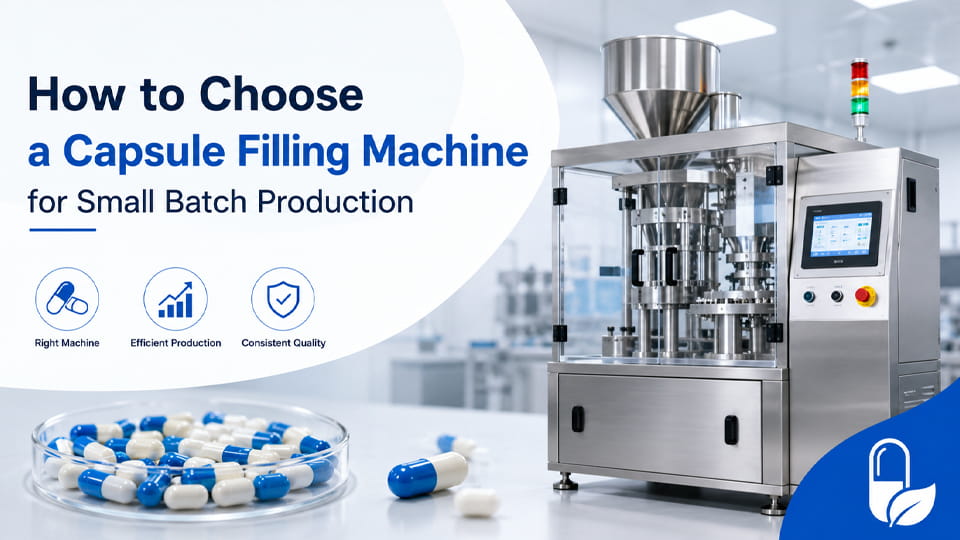
การผลิตแคปซูลในปริมาณน้อยเป็นเรื่องปกติในโภชนเภสัช, อาหารเสริมสมุนไพร, การทดลองทางคลินิก, ร&ดี, การดำเนินการนำร่องและการผลิตตามสัญญา. การเลือกสิ่งที่ถูกต้อง เครื่องบรรจุแคปซูล เป็นสิ่งสำคัญสำหรับแบรนด์และห้องปฏิบัติการในระยะเริ่มแรกในการรักษาสมดุลต้นทุน, ความยืดหยุ่น, และ การปฏิบัติตามมาตรฐาน GMP. ต่างจากไลน์การผลิตยาปริมาณมาก, การดำเนินการเหล่านี้มักจะรองรับการวิ่งที่จำกัด, SKU หลายรายการ, และการพัฒนาสูตร. ด้านขวา ฟิลเลอร์แคปซูล เพิ่มปริมาณงานและความสม่ำเสมอโดยไม่ต้องลงทุนมากเกินไป. เมื่อเทียบกับการเติมด้วยมือ (ถาดแคปซูลแบบแมนนวล), เครื่องจักรสามารถคูณผลผลิตจากไม่กี่ร้อยถึงหมื่นแคปซูลต่อชั่วโมง, ในขณะเดียวกันก็ปรับปรุงความแม่นยำของปริมาณยา. แต่ระบบอัตโนมัติมีหลายรูปแบบ. ผู้ผลิตบางรายเริ่มต้นด้วย ฟิลเลอร์แคปซูลแบบแมนนวล (ไม่ต้องใช้ไฟฟ้า, ต้นทุนต่ำ) หรือก เครื่องบรรจุแคปซูลกึ่งอัตโนมัติ (การดำเนินการช่วยเหลือ) ก่อนที่จะเปลี่ยนมาใช้ระบบอัตโนมัติเต็มรูปแบบเมื่อมีปริมาณเพิ่มขึ้น. คู่มือนี้จะตัดผ่านศัพท์เฉพาะ, อธิบายวิธีการจับคู่ เครื่องจักรห่อหุ้ม ประเภทและข้อมูลจำเพาะตามความต้องการชุดเล็กของคุณ.
เครื่องบรรจุแคปซูล ถูกนำมาใช้ในเภสัชภัณฑ์, อาหารเสริม, และผลิตภัณฑ์สมุนไพร, สำหรับผง, เม็ด, และแม้กระทั่งของเหลว. เราจะสำรวจความสามารถและคุณสมบัติการออกแบบเพื่อช่วยคุณตัดสินใจว่าคุณสมบัติใดที่เหมาะกับขนาดของคุณ. นอกจากนี้เรายังครอบคลุมปัจจัยด้านกฎระเบียบ เช่น สุขอนามัย GMP และข้อกำหนดของผู้ปฏิบัติงาน, เนื่องจากแม้แต่เส้นเล็กๆ ก็ต้องได้มาตรฐานคุณภาพ.
โดยทั่วไป "ชุดการผลิตขนาดเล็ก" หมายถึงปริมาณการผลิตที่ค่อนข้างต่ำหรือการดำเนินการผลิตที่ยืดหยุ่น. คำจำกัดความแตกต่างกันไป, แต่เกณฑ์มาตรฐานเชิงปฏิบัติหนึ่งรายการคือเอาต์พุตต่อการรันหรือต่อชั่วโมง. ตัวอย่างเช่น, โดยทั่วไปแล้วฟิลเลอร์แบบแมนนวลจะใช้สำหรับ ชุดเล็กมาก (ต่ำกว่า ~ 500 แคปซูลต่อการวิ่ง). เหมาะกับเครื่องจักรกึ่งอัตโนมัติ วิ่งขนาดเล็กถึงขนาดกลาง (ตามคำสั่งของ 1,000–5,000 แคปซูลต่อชั่วโมง). ตัวเติมอัตโนมัติจะเหมาะสมเมื่อความต้องการเอาต์พุตเกิน ~5,000–10,000 แคปซูลต่อชั่วโมง. กฎทั่วไปเหล่านี้ตรงกับข้อสังเกตของอุตสาหกรรม: เมื่ออุปสงค์รายวันเพิ่มขึ้นอย่างเหนือระดับโดยประมาณ 15,000 แคปซูล, ผู้ผลิตหลายรายอัพเกรดจากอุปกรณ์แบบใช้มือเป็นแบบกึ่งอัตโนมัติเพื่อลดต้นทุนค่าแรง.
ในแง่การปฏิบัติ, เราสามารถแบ่งสเกลได้เป็น: ร&สเกล D/แล็บ (หลายร้อยต่อวัน), ชุดเล็ก (หลายพันต่อวัน), ปานกลาง/เชิงพาณิชย์ (วันละหลายหมื่น), ปริมาณสูง (100k+ ต่อชั่วโมง). ผู้ผลิตรายย่อยมักจะจัดการ SKU หลายรายการหรือเปลี่ยนแปลงสูตร, ดังนั้นพวกเขาต้องการความยืดหยุ่น. คู่มือนี้เน้นไปที่ อุปกรณ์แบบแมนนวลและกึ่งอัตโนมัติ ที่ประสบความสำเร็จภายใต้ระบอบการปกครองที่ต่ำกว่า 50,000 แคป/วัน, ในขณะที่ยังคงสัมผัสเครื่องจักรอัตโนมัติหากคุณวางแผนที่จะขยายขนาด.
เครื่องบรรจุแคปซูลแบ่งออกเป็นสามประเภทกว้าง ๆ: คู่มือ, กึ่งอัตโนมัติ, และ อัตโนมัติ. แต่ละคนมีการแลกเปลี่ยนความเร็วที่แตกต่างกัน, ค่าใช้จ่าย, แรงงาน, และความซับซ้อน. (มีตัวแปรพิเศษอยู่, E.G. ฟิลเลอร์แคปซูลเหลว หรือ สารห่อหุ้มซอฟเจล, แต่ที่นี่เราเน้นที่อุปกรณ์แคปซูลแบบแข็งสองชิ้น)
ฟิลเลอร์แคปซูลแบบแมนนวล (บางครั้งเรียกว่า ถาดแคปซูล หรือ ฟิลเลอร์จาน) ไม่ต้องใช้ไฟฟ้าและใช้เครื่องมือ tamping แบบง่ายๆ. ผู้ปฏิบัติงานโรยผงลงในถาดที่บรรจุตัวแคปซูล, แทมด้วยมือ, และปิดฝาด้วยมือ.
โดยสรุป, การเติมด้วยมือมีราคาไม่แพงมากและเรียนรู้ได้ง่าย, แต่เกินสองสามร้อยแคปซูลต่อการวิ่ง อย่างรวดเร็วจะกลายเป็นใช้งานไม่ได้เนื่องจากความเหนื่อยล้าของผู้ปฏิบัติงานและความไม่สอดคล้องกัน.
เครื่องเติมแคปซูลกึ่งอัตโนมัติ ผสมผสานการควบคุมผู้ปฏิบัติงานเข้ากับความช่วยเหลือของเครื่องจักร. โดยทั่วไป, ผู้ปฏิบัติงานบรรจุแคปซูลเปล่าลงในกรวยและผงลงในระบบจ่ายยา, แต่เป็นเครื่อง อัตโนมัติ ขั้นตอนสำคัญ เช่น การวางแนวแคปซูล, การกรอก, และบางครั้งก็ปิดฝา. ตัวอย่างเช่น, หลายรุ่นใช้ถังแคปซูลแบบสั่นและสุญญากาศแบบนิวแมติกเพื่อแยกและนำเสนอตัวแคปซูลและฝาปิด, จากนั้นใช้สว่านหรือหมุดตอกเพื่อเติมผง, และระบบกลไกล็อคแคปซูล.

รูป: จินหลู CGNT-209 เครื่องบรรจุแคปซูลกึ่งอัตโนมัติ, ใช้ได้กับแคปซูลขนาด #000–#5 และสามารถรองรับ ~40,000 แคปซูล/ชั่วโมง.
เครื่องเติมแคปซูลอัตโนมัติเต็มรูปแบบทำงาน ทุกขั้นตอนอย่างต่อเนื่อง โดยมีส่วนร่วมของมนุษย์น้อยที่สุด. พวกเขาโหลดแคปซูลเปล่าอัตโนมัติ, แยกและปรับทิศทางพวกเขา, เติมวัสดุเติมได้อย่างแม่นยำ, รวมครึ่งหนึ่งอีกครั้ง, ตรวจสอบข้อบกพร่อง, และนำแคปซูลที่เสร็จแล้วออกมา. เครื่องจักรเหล่านี้มักใช้โต๊ะหมุนที่ซับซ้อนกับสถานีจ่ายสารจำนวนมาก.

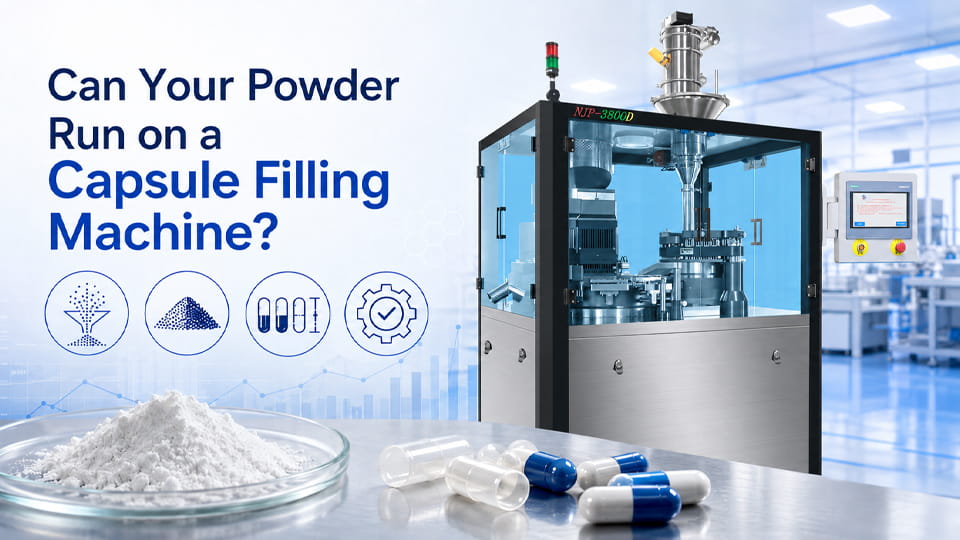
รูป: มีความเร็วสูง เครื่องบรรจุแคปซูลอัตโนมัติ (จินลู่ NJP-3800D) ประเมินที่ ~228,000 แคปซูล/ชั่วโมง. หน่วยเหล่านี้ให้ปริมาณงานที่ไม่มีใครเทียบได้ แต่ดีที่สุดสำหรับการผลิตขนาดใหญ่.
ฟิลเลอร์แคปซูลเหลว (หมายเหตุพิเศษ): เครื่องแคปซูลบางรุ่นได้รับการออกแบบสำหรับการเติมของเหลวหรือน้ำมัน. พวกเขาใช้ปั๊มขนาดเล็กหรือหัวฉีดเพื่อจ่ายของเหลวลงในแคปซูลที่มีเปลือกแข็ง. โดยทั่วไปเครื่องจักรเหล่านี้ยังคงเป็นแบบหมุนและอาจทำได้หลายหมื่นต่อชั่วโมง. ในขณะที่มีคุณค่าสำหรับน้ำมันและสารแขวนลอย, พวกเขาต้องการการทำความสะอาดอย่างระมัดระวังและมักจะมีความพิเศษ เจลาตินหรือแคปซูล HPMC เพื่อป้องกันการรั่วไหล. เราจะเน้นไปที่เครื่องบรรจุผงแห้งที่นี่, แต่จำไว้เสมอว่า เครื่องที่ใช้ของเหลวได้ เป็นตัวเลือกหากสูตรของคุณต้องการ.
โดยสรุป, ที่ การเลือกประเภทเครื่อง ขึ้นอยู่กับขนาดการผลิตและงบประมาณของคุณ. ฟิลเลอร์ด้วยตนเอง (<~500/วัน) ง่ายและถูกที่สุด; กึ่งอัตโนมัติ (สูงถึง ~40,000/ชั่วโมง) ให้บริการแก่ผู้ผลิตรายย่อยส่วนใหญ่; และเครื่องอัตโนมัติ (>~50,000/ชั่วโมง) มีไว้สำหรับความต้องการปริมาณมาก.
เมื่อประเมินเครื่องบรรจุแคปซูล, มุ่งเน้นไปที่ข้อมูลจำเพาะและคุณสมบัติการออกแบบที่สำคัญที่สุดสำหรับการผลิตจำนวนน้อย. โดยมีปัจจัยสำคัญได้แก่:
จับคู่ความเร็วของเครื่องให้ตรงกับความต้องการด้านปริมาณงานของคุณ. การเติมสารด้วยตนเองนั้นมีค่าใช้จ่ายเพียงไม่กี่ร้อยถึงสองพันแคปซูลต่อชั่วโมง. เครื่องจักรกึ่งอัตโนมัติพุ่งทะลุหลักหมื่น: วิ่งหลายรุ่น 10,000–40,000 แคป/ชั่วโมง ในการใช้งานอย่างต่อเนื่อง. อุปกรณ์อัตโนมัติเต็มรูปแบบมีมากกว่า 100,000 แคปซูล/ชม.
การรักษาพื้นที่ว่างไว้เป็นเรื่องฉลาด: หากความต้องการอาจเพิ่มขึ้นเป็นสองเท่า, พิจารณารุ่นที่เร็วกว่าหรือรุ่นที่มีการอัพเกรดแบบโมดูลาร์. แต่หลีกเลี่ยงการมีขนาดใหญ่เกินไป (ดูข้อผิดพลาดด้านล่าง).
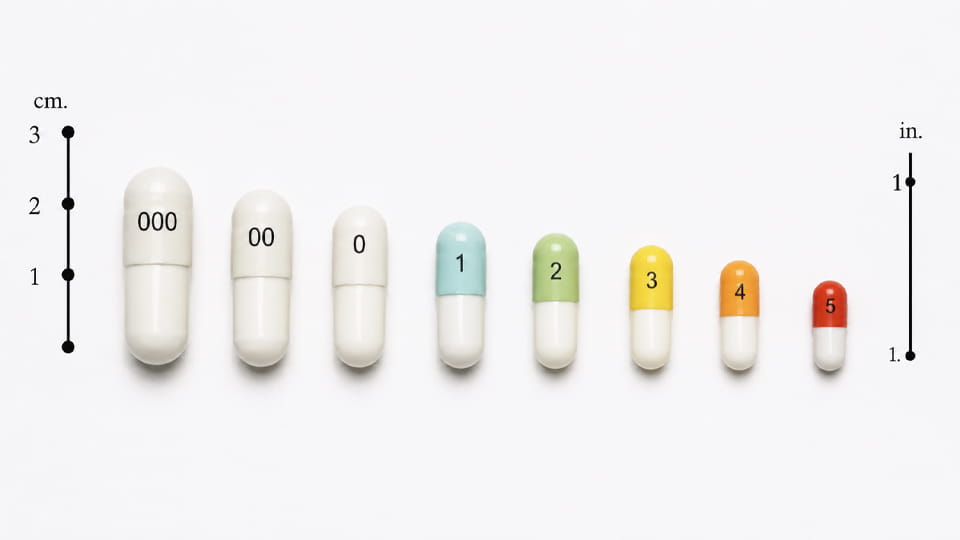
ฟิลเลอร์ของคุณจะต้องจัดการกับ ขนาดแคปซูล คุณใช้. ฮาร์ดแคปซูลมีตั้งแต่ 000 (ใหญ่ที่สุด) ถึง 5 (เล็กที่สุด). โภชนาการและยามักใช้ #00, 0, 1, 2, ฯลฯ. ตรวจสอบให้แน่ใจว่าเครื่องรองรับขนาดของคุณตั้งแต่แกะกล่อง.
ความยืดหยุ่นในการกำหนดขนาดถือเป็นสิ่งสำคัญสำหรับผู้ผลิตรายย่อยที่มีผลิตภัณฑ์หลายรายการ. ในคู่มือผู้ซื้อ Jinlu ตั้งข้อสังเกตว่าความเข้ากันได้หลายขนาดเป็นข้อดีอย่างมาก, ประหยัดต้นทุนและพื้นที่.
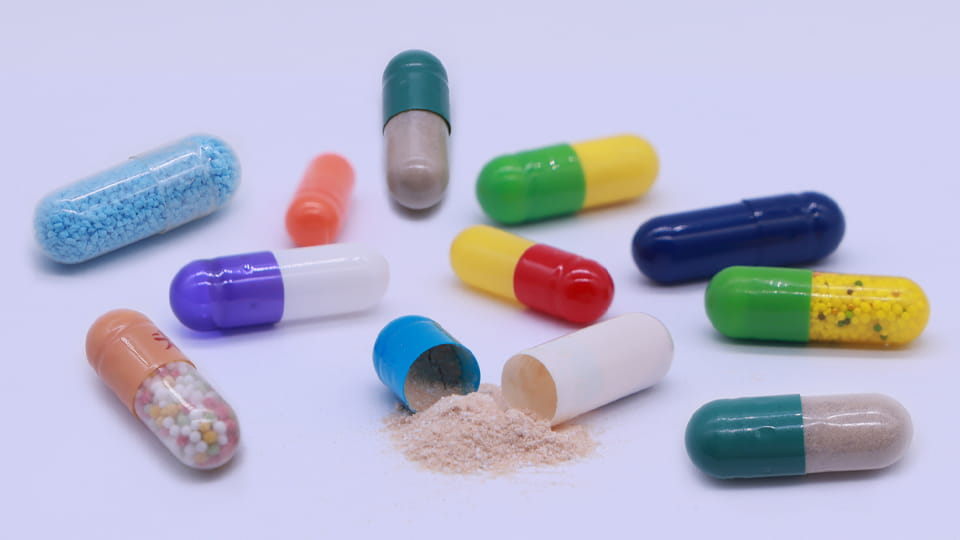
วัสดุบรรจุแคปซูลมีความแตกต่างกันอย่างมากในการไหล, ความหนาแน่น, และความเหนียว. เครื่องของคุณควรจัดการกับผงหรือเม็ดเฉพาะที่คุณใช้.
ในระยะสั้น: ถามผู้ขายว่าพวกเขากรอกสูตรเหมือนของคุณหรือไม่, และพิจารณาขอทดสอบการทำงานหรือการสาธิตตัวอย่างหากเป็นไปได้.
น้ำหนักบรรจุที่ถูกต้องไม่สามารถต่อรองได้ในการผลิตแคปซูล. มองหาเครื่องจักรที่มีการควบคุมปริมาณที่แม่นยำ:
ขอข้อมูลหรือคำรับรองเกี่ยวกับการกรอกข้อมูลอย่างสม่ำเสมอ. แม้แต่ข้อผิดพลาดด้านน้ำหนักเล็กน้อยในแคปซูลก็อาจหมายถึงผลิตภัณฑ์ที่ไม่ตรงตามมาตรฐานได้. จดจำ, การเร่งความเร็วไม่ควรลดความแม่นยำลง เครื่องจักรที่ดีที่สุดจะรักษาสมดุลระหว่างความเร็วสูงกับการควบคุมที่รัดกุม.
การผลิตยา/อาหารเสริมต้องการความสะอาดและการควบคุมการปนเปื้อน:
สำหรับผู้ผลิตรายย่อย, การหยุดทำงานเพื่อการทำความสะอาด. เครื่องจักรที่ทำความสะอาดได้ยากจะทำให้การผลิตช้าลงและเสี่ยงต่อการปนเปื้อนข้าม. ทำ ความสะอาดเป็นปัจจัยสำคัญในการซื้อ.
ประเมินองค์ประกอบของมนุษย์:
ในระยะสั้น, เปรียบเทียบ ค่าแรงทั้งหมด (ค่าจ้าง + ค่าใช้จ่าย) เทียบกับต้นทุนเครื่องจักร. โปรดจำไว้ว่าเครื่องจักรกึ่งอัตโนมัติใช้ความพยายามของผู้ประกอบการค้าเพื่อรายจ่ายฝ่ายทุน.
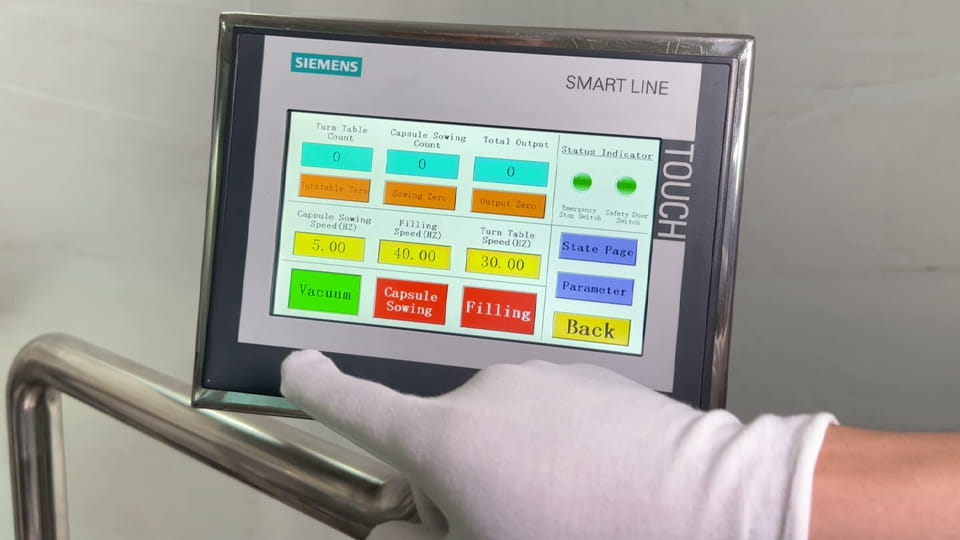
วันนี้แม้จะเป็นชุดเล็กๆก็ตาม, คิดล่วงหน้า:
วางแผนที่จะ เติบโตอย่างสง่างาม. บริษัทขนาดเล็กหลายแห่งเติบโตเร็วกว่าฟิลเลอร์แคปซูลตัวแรก; เลือกอันที่มีเส้นทางการอัพเกรดหรือซื้อที่มากกว่าความต้องการในปัจจุบันเล็กน้อย ประหยัดค่าใช้จ่าย ไปตามถนน.
| คุณสมบัติ | เครื่องเติมแคปซูลแบบแมนนวล | ฟิลเลอร์กึ่งอัตโนมัติ | เครื่องเติมอัตโนมัติ |
| การลงทุนทั่วไป | ต่ำมาก (หลายร้อย $) | ปานกลาง (~$5,000–$20,000+) | สูง (หกหลัก) |
| เอาท์พุต (แคปซูล/ชม) | 500–2,000 (สูงสุด) | 10,000–40,000 (ช่วงที่มั่นคง) | 30,000+ ถึง 200,000+ |
| ต้องใช้แรงงาน | สูง (หนึ่งคนต่อถาด) | ปานกลาง (1 ผู้ปฏิบัติงานต่อเครื่อง) | ต่ำ (1–2 ตัวดำเนินการต่อบรรทัด) |
| ทักษะผู้ใช้ | ต่ำมาก | ปานกลาง (การฝึกอบรมบางอย่าง) | สูง (ต้องมีการฝึกอบรมด้านเทคนิค) |
| ความแม่นยำ & ความสม่ำเสมอ | ตัวแปร (ขึ้นอยู่กับผู้ปฏิบัติงาน) | ดี (ควบคุมด้วยเครื่องจักร) | ยอดเยี่ยม (ควบคุมอย่างเข้มงวด) |
| การปฏิบัติตามมาตรฐาน GMP | ขั้นพื้นฐาน (เปิดถาด, อะคริลิก) | ดี (ยาที่แนบมา, เอสเอสอะไหล่) | ยอดเยี่ยม (ปิดล้อมอย่างเต็มที่, เอสเอส316) |
| ดีที่สุดสำหรับ | ร&ดี, ห้องปฏิบัติการ, งานอดิเรก, <500/วัน | โรงงานขนาดเล็กถึงขนาดกลาง (~พัน/วัน) | การผลิตขนาดใหญ่ (>100k/ชม) |
| ตัวอย่างสินค้า | ถาดรองมือ, 300/400-แผ่นหลุม | จินลู่ CGN-208D (30k/ชม), CGNT-209 (40k/ชม) | จินลู่ NJP-3800D (228k/ชม) |
สำหรับบริษัทสตาร์ทอัพด้านอาหารเสริมหรือยาขนาดเล็กส่วนใหญ่, อัน เครื่องบรรจุแคปซูลกึ่งอัตโนมัติ เข้าถึงจุดที่น่าสนใจ. เครื่องจักรเหล่านี้มีราคาถูกกว่าระบบอัตโนมัติขนาดใหญ่มาก แต่ให้ความเร็วและความสม่ำเสมอสูงกว่าวิธีการแบบแมนนวลมาก. แบบกึ่งอัตโนมัติ (30–40,000 แคป/ชั่วโมง) สามารถรองรับความต้องการด้านการผลิตที่เพิ่มขึ้นโดยไม่ต้องใช้กำลังคนจากการบรรจุด้วยตนเอง. พวกเขายังมีแนวโน้มที่จะเป็นไปตามข้อกำหนดการออกแบบ GMP (ชิ้นส่วนสแตนเลส, กรวยปิด) สำคัญสำหรับผู้ผลิตรายแรก.
ฟิลเลอร์ด้วยตนเอง ยังคงมีที่ว่างหากปริมาณของคุณต่ำมาก (การผสมแบบกำหนดเองหรือสูตรพิเศษ) หรืองบประมาณเป็นข้อจำกัดหลัก. แต่ต้องระวังจุดเปลี่ยน: เป็นบันทึกย่อของ JinluPacking, ครั้งหนึ่ง ผลผลิตรายวันเกิน ~15,000 แคปซูล, ต้นทุนที่ซ่อนอยู่ของคู่มือ (ทำงานซ้ำ, การทำงานล่วงเวลา) มักจะทำให้เครื่องจักรกึ่งอัตโนมัติต้องเสียค่าใช้จ่ายเอง.
เครื่องจักรอัตโนมัติ มักจะเกินความต้องการของสตาร์ทอัพ; ให้พิจารณาเฉพาะในกรณีที่คุณคาดการณ์ว่าจะขยายขนาดได้รวดเร็วมากหรือมีสัญญาที่มีปริมาณมากอยู่แล้ว. ตัวอย่างเช่น, ผู้ผลิตตามสัญญาที่ให้บริการลูกค้าหลายรายอาจปรับหน่วยอัตโนมัติขนาดเล็กให้เหมาะสม (<$50เค) หรือเครื่องจักรที่ใช้แล้วเพื่อรองรับคำสั่งซื้อจำนวนมาก.
โดยสรุป: คู่มือสำหรับคนตัวเล็ก, แบทช์เป็นครั้งคราว; รถกึ่งอัตโนมัติสำหรับบริษัทที่กำลังเติบโตส่วนใหญ่; อัตโนมัติสำหรับปริมาณมาก. พูดคุยกับซัพพลายเออร์เกี่ยวกับการคาดการณ์ของคุณ บางคนอาจแนะนำโมเดลระดับกลางได้. jinlupacking, เช่น, ส่งเสริมให้ธุรกิจต่างๆ “ก้าวขึ้นมา” ด้วยสายการผลิตแบบกึ่งอัตโนมัติเพื่อเป้าหมายการผลิตในระดับต่อไป.
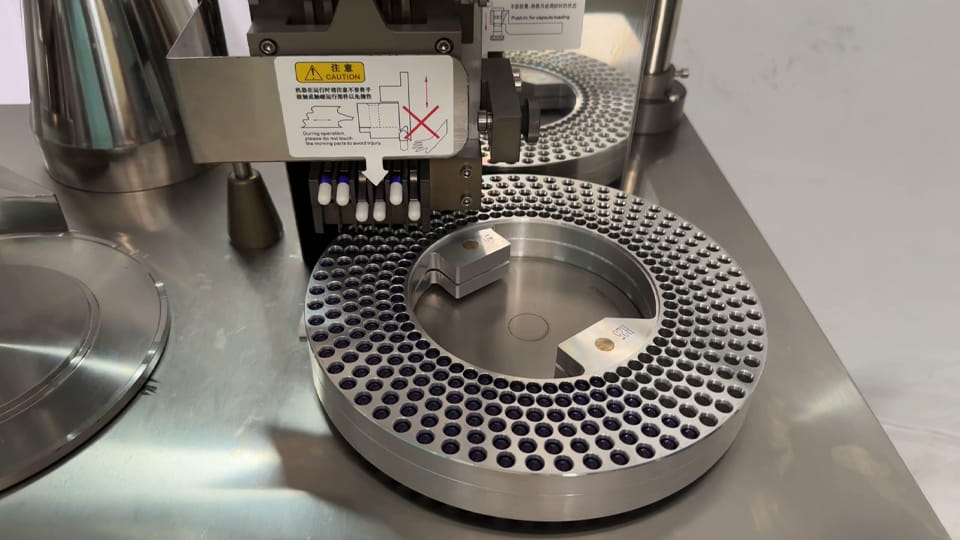
หลีกเลี่ยงข้อผิดพลาดเหล่านี้โดยการจับคู่เครื่องจักรอย่างระมัดระวัง ของคุณ วางแผนการผลิตและทำงานอย่างใกล้ชิดกับซัพพลายเออร์ที่มีชื่อเสียงซึ่งสามารถแนะนำคุณได้. ตามที่ไกด์ Jinlu คนหนึ่งสรุป, การตัดสินใจครั้งนี้ควรเป็นหุ้นส่วน – เลือกอุปกรณ์ที่จะ เติบโตไปพร้อมกับธุรกิจของคุณ.
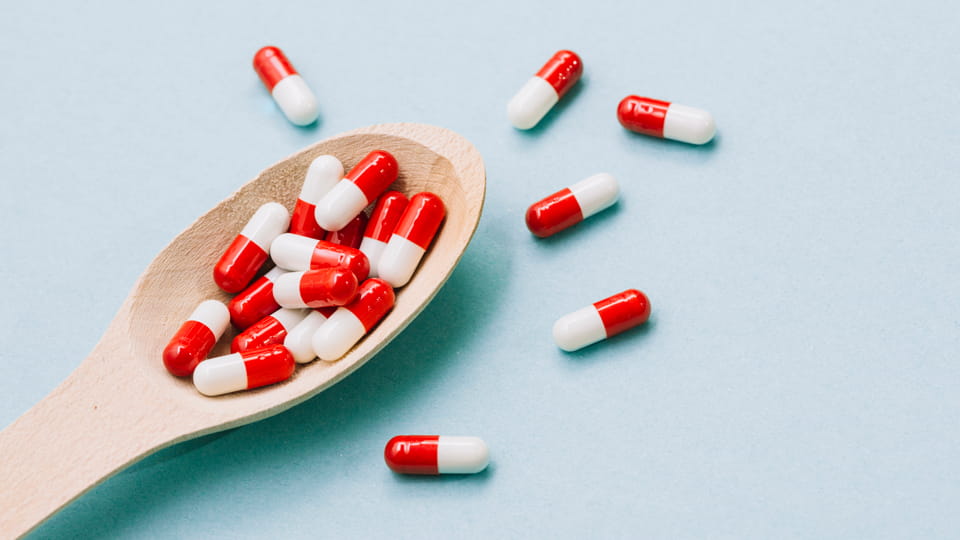
การเลือกเครื่องบรรจุแคปซูลคือการตัดสินใจที่สำคัญสำหรับผู้ผลิตรายย่อย. มันจะส่งผลต่อประสิทธิภาพของคุณ, คุณภาพของผลิตภัณฑ์, และความยืดหยุ่น. โดยสรุปประเด็นสำคัญ:
เหนือสิ่งอื่นใด, ทำงานร่วมกับซัพพลายเออร์ที่มีประสบการณ์ และขอเอกสารอ้างอิงหรือกรณีศึกษา (ข้อเสนอเว็บไซต์ของ Jinlu ข่าว และ กรณีศึกษา) เมื่อเสร็จสิ้นการเลือกของคุณ. ด้วยเครื่องที่เหมาะสม, การผลิตแคปซูลชุดเล็กของคุณจะดำเนินไปอย่างราบรื่น, ผลิตสม่ำเสมอ, แคปซูลคุณภาพสูงที่ตรงตามข้อกำหนดและสร้างความพึงพอใจให้กับลูกค้าของคุณ.
สำหรับสถานการณ์ที่มีปริมาณน้อยส่วนใหญ่, เครื่องบรรจุแคปซูลกึ่งอัตโนมัติให้ความสมดุลระหว่างต้นทุนและประสิทธิภาพที่ดีที่สุด. ให้ปริมาณงานสูง (~30,000–40,000 แคป/ชั่วโมง) โดยไม่ต้องเสียค่าสายอัตโนมัติเต็มรูปแบบ. การเติมแบบแมนนวลเหมาะสมที่สุดสำหรับปริมาณที่น้อยมากเท่านั้น (หลายสิบถึงสองสามร้อยแคปซูล). เครื่องจักรอัตโนมัติเต็มรูปแบบโดยทั่วไปมีไว้สำหรับการทำงานในปริมาณมาก.
โดยทั่วไปไม่แนะนำให้ใช้ตัวเติมแคปซูลแบบแมนนวลเกินกว่าขนาดที่เล็กมากหรืออาร์&ดีใช้. พวกเขาขาดความเร็วและความสม่ำเสมอที่จำเป็นสำหรับการดำเนินการเชิงพาณิชย์. ประสบการณ์ในอุตสาหกรรมแสดงให้เห็นว่าเมื่อความต้องการผลผลิตเกินสองสามพันแคปซูลต่อวัน, การเติมด้วยมือจะกลายเป็นปัญหาคอขวด. เพื่อคุณภาพและประสิทธิภาพที่สม่ำเสมอในการตั้งค่าการผลิต, แนะนำให้อัพเกรดเป็นฟิลเลอร์กึ่งอัตโนมัติ.
เครื่องแคปซูลแบบแข็งส่วนใหญ่ยอมรับขนาดแคปซูล 000 (ใหญ่ที่สุด) ลงไป 5 (เล็กที่สุด). ขนาดทั่วไปในโภชนเภสัชได้แก่ 00, 0, 1, และ 2. เช่น, ทั้งเครื่องกึ่งอัตโนมัติและอัตโนมัติจาก Jinlu ครอบคลุมทุกขนาด #000 ผ่าน #5. ตรวจสอบข้อมูลจำเพาะของผลิตภัณฑ์เพื่อให้แน่ใจ; การสลับขนาดมักต้องเปลี่ยนถาดเติมหรือแม่พิมพ์, แต่การออกแบบจำนวนมากทำให้การเปลี่ยนแปลงนี้เกิดขึ้นอย่างรวดเร็ว.
สารตัวเติมแคปซูลที่มีชื่อเสียงสำหรับการใช้ยาถูกสร้างขึ้นตามมาตรฐาน cGMP. มักมีโครงสเตนเลส SUS304/316, ห้องจ่ายยาแบบปิด, และพื้นผิวเรียบเพื่อทำความสะอาดง่าย. ค้นหาใบรับรอง CE/FDA หรือการกล่าวอ้างการปฏิบัติตาม cGMP. เครื่องจักรจากซัพพลายเออร์ที่มีคุณภาพ (เช่น JinluPacking) ได้รับการออกแบบให้มีมุมโค้งมน, เปลือกหุ้มที่ถูกสุขลักษณะ, และมักจะมาพร้อมกับการสนับสนุนการตรวจสอบ. ตรวจสอบวัสดุและการออกแบบตามข้อกำหนด GMP เสมอ.
เครื่องจักรอัตโนมัติมักจะมีความแม่นยำสูงสุด (มักจะอยู่ภายใน ±1–3% ของน้ำหนักเป้าหมาย) เนื่องจากระบบสว่านที่แม่นยำและการควบคุมป้อนกลับ. ระบบกึ่งอัตโนมัติมักจะได้รับความแม่นยำใกล้เคียงกันหรือน้อยกว่าเล็กน้อย. การเติมด้วยมือมีความหลากหลายมากที่สุด (ขึ้นอยู่กับผู้ปฏิบัติงาน). หากการให้ยาที่แน่นอนมีความสำคัญ, เลือกเครื่องจักรที่มีระบบการจ่ายแบบปรับละเอียด และพิจารณารุ่นที่มีการตรวจสอบน้ำหนักในสายการผลิต. สอบถามผู้ขายเกี่ยวกับข้อมูลการเปลี่ยนแปลงของน้ำหนักโดยทั่วไปเสมอ.
อย่างน้อยที่สุด, มีตัวนับแคปซูลที่แม่นยำและการทดสอบการปฏิบัติตามข้อกำหนด (E.G. การตรวจสอบน้ำหนัก, ผู้ทดสอบการสลายตัว). คุณอาจต้องใช้บรรจุภัณฑ์พุพองหรือขวด, เครื่องปิดผนึก, และเครื่องติดฉลาก. Jinlu มีเครื่องนับแคปซูลและเครื่องบรรจุตุ่ม, ตัวอย่างเช่น. อย่าลืมอุปกรณ์ HSE (หน้ากากกันฝุ่น, เครื่องดูดฝุ่น) เพื่อจัดการกับการรั่วไหลของผง.
ข้อกำหนด (E.G. “100,000 แคปซูล/ชั่วโมง”) ขึ้นอยู่กับเงื่อนไขอย่างมาก. ขอให้มีการทดสอบการยอมรับจากโรงงานเสมอ (อ้วน) หรือเรียกใช้ตัวอย่างโดยใช้แคปซูลและผงจริงของคุณ. การทดสอบในโลกแห่งความเป็นจริงนี้เป็นวิธีที่แน่นอนที่สุดในการยืนยันกำลังการผลิต, ความแม่นยำ, และความเข้ากันได้. ถือเป็นแนวปฏิบัติมาตรฐานสำหรับซัพพลายเออร์ที่มีชื่อเสียงในการอนุญาตให้ผู้ซื้อทดสอบก่อนการซื้อขั้นสุดท้าย.
อ้างอิง:
1. แบบฟอร์มขนาดยา ผู้ผลิตยา cGMPs (10/93) -- เรา. สำนักงานคณะกรรมการอาหารและยา
2.ข้อมูลยา - แนวทางการผลิตแคปซูล -- WHO
3.บรรจุผงลงในแคปซูลแข็งสองชิ้น —— หอสมุดแพทยศาสตร์แห่งชาติ
4.การตรวจสอบปัจจัยต่างๆ ที่ส่งผลต่อการห่อหุ้มเครื่องบรรจุแคปซูลอัตโนมัติแบบมีฝาปิด —— หอสมุดแพทยศาสตร์แห่งชาติ