

В фармацевтическом производстве, эффективная очистка оборудования необходима для поддержания качества продукции и предотвращения перекрестного загрязнения между партиями.. Хорошо продуманный Очистка проверка Этот процесс помогает производителям доказать, что их процедуры очистки могут последовательно удалять остатки продукта и соответствовать требованиям. Требования GMP. Для производственных коллективов и покупателей оборудования, выбирая фармацевтическое оборудование Благодаря легко очищаемой конструкции также можно упростить валидацию, сократить время простоя, и повысить общую эффективность производства.
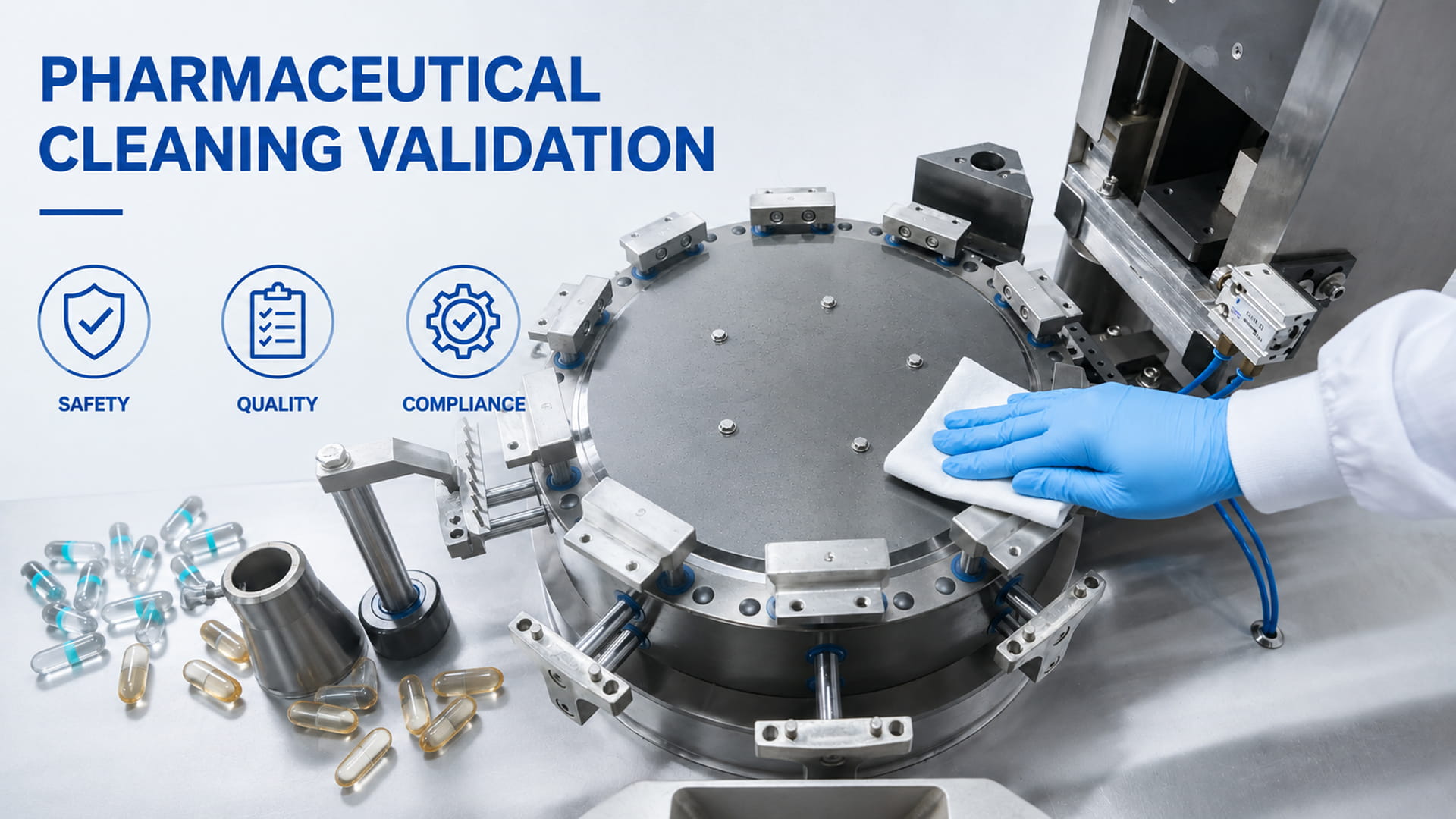
Проще говоря, Очистка проверка предоставляет объективные доказательства того, что процедура очистки постоянно соответствует заранее установленным стандартам.. Как говорит один из отраслевых источников, валидация очистки - это «документированная гарантия» что очистку можно выполнять надежно и многократно для достижения заданного уровня чистоты.. На практике, это значит показать, что остатки предыдущих продуктов, чистящие средства, и микробы удаляются до приемлемого уровня на всех поверхностях, контактирующих с продуктом..
Регуляторы согласны. Например, FDA 21 CFR 211.67(а) требуется все оборудование (специализированный или многоразовый) быть «очищено… чтобы предотвратить… загрязнение, которое могло бы нарушить безопасность, личность, сила, качество, или чистота лекарственного препарата». ВОЗ аналогичным образом объясняет, что цель валидации очистки состоит в том, чтобы доказать, что оборудование постоянно очищается от продукта., моющее средство, и микробные остатки до приемлемого уровня для предотвращения контаминации и перекрестного загрязнения.. Другими словами, валидация очистки связана с безопасностью пациентов: обеспечение того, чтобы одна партия продукта не «переносилась» и не загрязняла следующую.
Тщательная программа проверки очистки дает производителям уверенность. (и гарантии регуляторов) что перекрестное загрязнение контролируется. Без этого, остатки сильнодействующего API или аллерген из одной партии может попасть в следующий продукт, потенциально причинить вред пациентам или вызвать отзывать. FDA прямо заявляет, что фирмы «должен подтвердить, что процедуры очистки достаточны для предотвращения перекрестного загрязнения». Это особенно критично в многопродуктовые объекты (распространено в CDMO и производители пищевых добавок). В рекомендациях ВОЗ подчеркивается, что валидация очистки особенно важна на многопрофильных предприятиях., и должен применяться ко всему производственному оборудованию и санитарным процедурам..
За пределами загрязнения, Валидация очистки заключается в обеспечении качество продукции. Если оборудование не очищено должным образом, остаточные химические вещества или рост микробов могут поставить под угрозу личность, сила, и чистота последующих партий. Суммируя, Проверка очистки гарантирует качество продукции и здоровье пациентов. Это также нормативное требование. Находите ли вы под юрисдикцией FDA (21 CFR Part 211) или GMP ЕС (ЕМА/Я), власти требуют документального подтверждения очистки как часть полной программы GMP. Неспособность подтвердить очистку может привести к получению предупреждающих писем., продукт удерживается, и даже вспоминает.
Нормативные требования: FDA, ЕМА, ВОЗ, ПИК/С. Все основные рекомендации требуют подтверждения очистки., но с немного другим акцентом. В НАС, CGMP FDA (Заголовок 21 CFR 211.67) излагает основные требования: оборудование должно быть очищено, чтобы предотвратить перекрестное загрязнение.. Руководство FDA рекомендует использовать эффективные методы отбора проб и анализа для подтверждения чистоты.. Примечательно, FDA уточняет, что «Одно полоскание… неприемлемо» для проверки; Фирмы должны, когда это возможно, непосредственно протирать поверхности мазками. На практике это означает, что вы обычно комбинируете отбор проб мазком и промыванием, чтобы охватить все области..
В Евросоюз, EMA Приложение GMP ЕС 15 (2015) и рекомендации EMA требуют валидации очистки как части валидации процесса.. Приложение 15 прямо заявляет «Необходимо провести валидацию очистки, чтобы подтвердить эффективность любой процедуры очистки всего оборудования, контактирующего с продуктом».. В нем также говорится, что пределы переноса должны быть обоснованы токсикологическими соображениями. (основанный на здоровье) оценка. Другими словами, определите свои критерии приемлемости с научной точки зрения (см. ниже) и задокументировать обоснование. Подход ЕС подчеркивает основанный на риске, основанный на здоровье стратегия: рассчитать максимально допустимый перенос (милый) или разрешенное ежедневное воздействие (ПДЭ) значения для активных остатков.
ВОЗ и PIC/S также предложить руководство. The ВОЗ GMP TRS 1019 (2019) Приложение при проверке указано, что проверка очистки «предоставляет документальное подтверждение того, что утвержденная процедура очистки обеспечит чистоту оборудования., подходит для использования по назначению». Этот документ ВОЗ (общая ссылка во всем мире) подчеркивает, что проверка очистки не требуется для тривиальной очистки (полы, стены) но является необходим для критически важного оборудования, контактирующего с продуктом, на многопродуктовых заводах. Комитет PIC/S (консорциум регулирующих органов) аналогично определяет валидацию очистки как свидетельство того, что остатки будут удалены. «ниже научно установленного максимально допустимого уровня переноса».
Вместе, эти источники устанавливают основные элементы: определить допустимые пределы остатков, разработать надежные процедуры очистки, выборка с использованием проверенных методов, проанализировать с помощью подходящих анализов, и продемонстрировать, что каждую единицу оборудования можно очищать последовательно до этих пределов..
Валидация очистки — это, по сути, проект. Вот пошаговая схема типичного процесса:
В руководстве FDA ясно сказано, что «Одно полоскание неприемлемо» как единственный метод проверки. На практике, используется комбинация образцов тампона и полоскания. Выберите репрезентативные места отбора проб на каждой единице оборудования. (обычно самые трудные для очистки места). Перед тестированием, убедитесь, что ваши методы отбора проб извлекают достаточное количество целевых остатков (известные как исследования восстановления).
Валидация очистки часто сталкивается с препятствиями. Ключевые проблемы включают в себя:
Общий, лучшая защита это риск-ориентированный подход (в соответствии с рекомендациями ICH Q9 и отраслевыми рекомендациями). Сосредоточьте усилия по проверке на областях/продуктах высокого риска (мощные API, общее оборудование) и задокументировать этот фокус.
Огромным фактором успешной проверки очистки является проектирование оборудования. FDA прямо требует, чтобы оборудование было спроектировано так, чтобы облегчить очистку.. На практике, искать:
Указав эти конструктивные особенности, вы значительно сокращаете время очистки и усилия по проверке. Например, Машины для наполнения капсул Jinlu имеют легкосъемные бункеры, желоба из нержавеющей стали, и закрытые пылезащитные ограждения – все для минимизации накопления остатков. Сходным образом, волдырь и машины для упаковки в пакеты Панели доступа без инструментов помогают операторам добраться до всех поверхностей для очистки. Предварительный выбор правильного оборудования — это половина дела при проверке очистки..
Отдельного упоминания заслуживают капсульные наполнители.. Эти машины работают с порошками и капсулами., поэтому тщательная чистка обязательна. Ключевые моменты очистки линии наполнения капсул включают в себя::
Капсульные машины, обслуживающие GMP, часто выполняются в суровые условия (пыльный порошок). Наполнители капсул Jinlu решают эту проблему за счет использования антистатических покрытий и закрытых бункеров для ограничения высыпания порошка., делает очистку более безопасной и упрощает валидацию.
Чтобы связать все это вместе, вот некоторые общие рекомендации:
Изображение: Чистая аналитическая лабораторная среда (блистерная упаковка или лаборатория контроля качества). Хорошая проверка очистки требует как правильных процедур очистки, так и точного тестирования. (например. ВЭЖХ, ТОС) чтобы убедиться, что остатков не осталось. Контрольный список проверки очистки: Краткая сводная таблица ключевых позиций.
| Элемент | Требование |
| Идентифицировано оборудование | Перечислить все машины, контактирующие с продуктом |
| Процедура очистки | Написано, одобренный, и последовал за (СОП) |
| План выборки | Методы (тампон/промывка), локации, частота |
| Критерии приемки | Определенный (Ограничения MACO/PDE) |
| Аналитические методы | Валидированные тесты (ВЭЖХ, ТОС, и т. д.) |
| Отчет о проверке | Протокол завершен, результаты одобрены QA |
Правильная проверка очистки необходима для фармацевтического производства GMP.. Он защищает качество продукции и безопасность пациентов, предотвращая перекрестное загрязнение.. Хорошо спроектированное оборудование значительно снижает головную боль при проверке.: гладкие контактные детали из нержавеющей стали, минимальные мертвые зоны, и быстрая разборка означает, что очистка происходит быстрее и более последовательно.. И jeinlu собирать, мы разрабатываем наполнители капсул, блистерные упаковщики, и линии розлива с учетом этих принципов, чтобы помочь производителям соблюдать глобальные стандарты GMP..
В итоге, валидация фармацевтической очистки речь идет о доказательстве "чистый" с данными и документацией. Следуя структурированному процессу – выбирая продукты для наихудшего случая, установка ограничений (как МАКО), написание четких СОП по уборке, разумно отбирать пробы, и тестирование с помощью ВЭЖХ/ТОС – вы можете продемонстрировать соответствие требованиям как регулирующим органам, так и командам по обеспечению качества.. Помнить: инвестировать в GMP-совместимое оборудование сейчас (нержавеющий, эргономичный дизайн) чтобы сэкономить время на позднюю проверку. Если вы ищете машины для наполнения или упаковки капсул, которые просты в очистке и соответствуют требованиям, рассмотрите линейку Jinlu Packing Капсульные машины для заполнения, блистерные упаковщики, и фармацевтические линии розлива. Наше оборудование спроектировано для быстрой замены и тщательной очистки., помогая гарантировать, что ваша проверка пройдет гладко.
Готовы упростить проверку очистки? Связаться с Джинлу Упаковка чтобы узнать, как наши машины для наполнения и упаковки капсул, соответствующие требованиям GMP, могут удовлетворить ваши потребности в фармацевтическом производстве..
Валидация очистки — это документированный процесс, используемый для доказательства того, что процедуры очистки фармацевтического оборудования могут последовательно удалять остатки продукта., активные фармацевтические ингредиенты (API), чистящие средства, и потенциальных загрязнителей до приемлемого уровня.
В фармацевтическом производстве, валидация очистки обеспечивает доказательство того, что оборудование пригодно для производства следующей партии, не вызывая перекрестного загрязнения и не влияя на качество продукции..
Валидация очистки важна, поскольку фармацевтическое оборудование часто используется для производства различных продуктов или партий.. Без эффективной проверки, оставшиеся остатки могут загрязнить следующий продукт и повлиять на его безопасность., личность, сила, или чистота.
Правильно выполненный процесс проверки очистки помогает производителям:
• Предотвратить перекрестное загрязнение
• Соответствие требованиям GMP.
• Повышение безопасности производства
• Снизить риски качества при смене продукта.
Процесс проверки очистки обычно включает оценку оборудования., разработка процедуры очистки, установка критериев приемки, выборка, аналитическое тестирование, и подтверждающая документация.
Критерии приемлемости очистки определяют максимально допустимые уровни остатков после очистки., включая остатки API, чистящие средства, и потенциальные загрязнители.
Большинству фармацевтического производственного оборудования, контактирующего с продуктами, требуется валидация очистки., в том числе капсульные машины для наполнения, Пережи для планшетов, смесители, и оборудование для обработки порошков.
Двумя распространенными методами отбора проб являются отбор проб мазком и отбор проб смывом.. Производители часто выбирают методы, исходя из конструкции оборудования., доступность, и характеристики остатка.
Конструкция оборудования напрямую влияет на эффективность очистки.. Машины с гладкими поверхностями, меньше мертвых зон, легко снимаемые детали легче чистить и проверять.
Частота проверки очистки зависит от использования оборудования., изменения продукта, технологические риски, и нормативные требования. Повторная валидация может потребоваться после серьезных изменений в оборудовании или процедурах очистки..
Проверка очистки подтверждает, что конкретная операция по очистке соответствует требованиям., а валидация очистки доказывает, что процесс очистки надежен и повторяется с течением времени..
Производители оборудования могут поддержать валидацию очистки, предоставив конструкции машин, соответствующие требованиям GMP., легко очищаемые конструкции, характеристики материала, и документация, необходимая для квалификации и валидации.
Ссылки:
1.Валидация процессов очистки —— НАС. Управление по контролю за продуктами и лекарствами
2.Вопросы и ответы по текущим требованиям надлежащей производственной практики | Оборудование —— НАС. Управление по контролю за продуктами и лекарствами
3.Гид: Очистка жизненного цикла проверки – Приложения, Методы, & Управление —— ИСПЕ
4.Руководство по проверке очистки (графический интерфейс-0028) —— Здоровье Канады
5.ЮдраЛекс – Объем 4 – Хорошая производственная практика (GMP) руководящие принципы —— Европейская комиссия
6.Проверка очистки: Полное руководство по здоровью – Базовый подход в химическом кресте – Оценка риска загрязнения —— КПК JPST