
На первый взгляд, пищевые добавки и лекарства могут выглядеть очень похоже. Оба могут быть проданы как таблетки, капсулы, порошки, Печать, или жидкости, и оба часто используют сопоставимые процессы производства и упаковки.. Однако, на этом сходство во многом заканчивается.
При сравнении диетических добавок и лекарств, самые большие различия заключаются в их предполагаемом использовании, нормативные требования, стандарты качества, и обязательства по соблюдению. Диетические добавки предназначены для дополнения диеты и поддержания общего состояния здоровья., пока лекарства предназначены для диагностики, обращаться, предотвращать, или управлять болезнями. Из-за этих разных целей, производители должны следовать различным правилам при составлении рецептур, производство, проверка, маркировка, и упаковка.
Для производителей пищевых добавок и фармацевтических препаратов, понимание этих различий важно при выборе производственного оборудования., проектирование упаковочных линий, и обеспечение соблюдения нормативных требований. В этом руководстве, мы рассмотрим ключевые различия между диетическими добавками и лекарствами и их значение для современного производства и упаковочных операций..
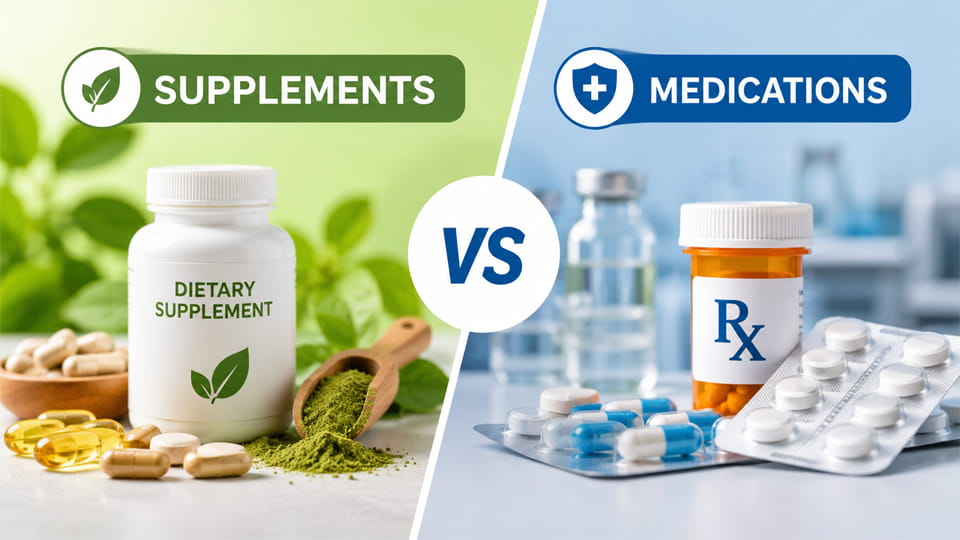
Диетические добавки (также называется нутрицевтики или пищевые добавки) продукты, принимаемые внутрь, повышают пищевую ценность. По законодательству США (ДШЭА 1994), добавка должна содержать один или несколько «диетических ингредиентов», таких как витамины., минералы, травы, аминокислоты или другие растительные вещества, предназначен для добавка диета. Примеры включают поливитаминные таблетки., капсулы с рыбьим жиром, травяные выдержки, или протеиновые порошки. В ЕС, термин пищевые добавки используется: они являются «концентрированными источниками питательных веществ или других веществ» в дозированной форме (капсулы, порошки, жидкости, и т. д.). Добавки могут обеспечить питательные вещества, недостающие в рационе, или поддержать общее состояние здоровья., но они нет уполномочен требовать лечения или профилактики заболеваний. На этикетках обычно имеется Дополнительные факты панель и отказ от ответственности (например. «не предназначен для диагностики», обращаться, излечивать, или предотвратить любую болезнь»). Законодательство ЕС гармонизирует допустимое содержание витаминов и минералов в добавках (Директива 2002/46/ЕС) и требует оценки риска новых ингредиентов со стороны EFSA..
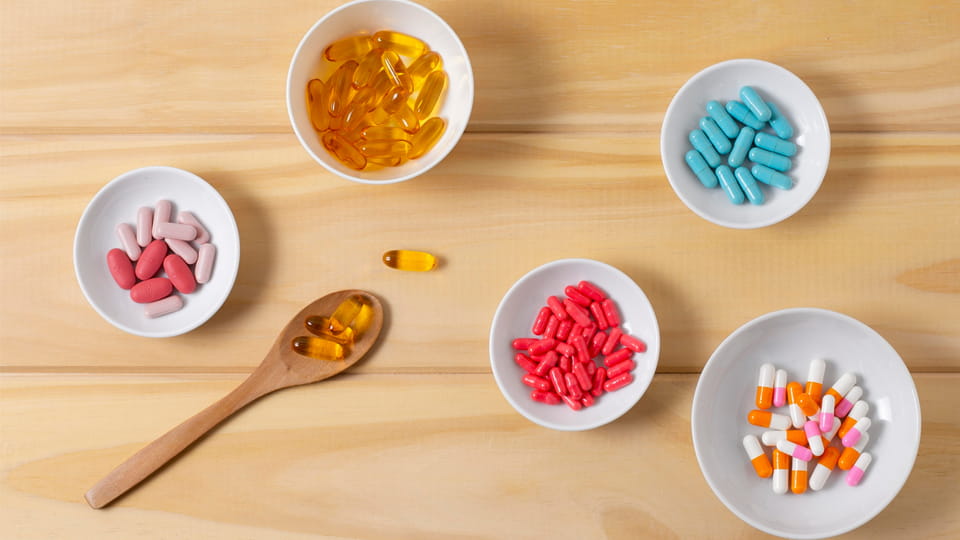
Ключевые моменты для добавок: рецепт не нужен; регулируется как продукты питания; на маркировке должны быть указаны ингредиенты и рекомендации по использованию.; производители должны следовать Диетические правила cGMP FDA (21 CFR111) для обеспечения личности, чистота, и прочность изделий. FDA делает нет проверяйте добавки на безопасность и эффективность перед продажей, так что ответственность лежит на производителе (кто должен уведомлять FDA о любых серьезных нежелательных явлениях, см. ниже).
Лекарства (наркотики) включают лекарства, отпускаемые по рецепту и без рецепта (внебиржевой) препараты, используемые для лечения, излечивать, смягчать или предотвращать болезни человека. FDA определяет лекарство как любое вещество, предназначенное для использования в диагностике, излечивать, смягчение последствий, уход, или профилактика заболеваний, или повлиять на структуру/функцию тела. Сюда входят как фирменные, так и непатентованные фармацевтические препараты., биологические препараты, и некоторые безрецептурные средства (обезболивающие, антациды, сиропы от кашля, и т. д.). Напротив, пищевые добавки специально исключают вещества, продаваемые для лечения заболеваний.
Лекарства должны соответствовать строгим нормативным стандартам.. В США, новые лекарства требуют подачи новой заявки на лекарство (Соглашение о неразглашении) или сокращенное соглашение о неразглашении (для дженериков), подтверждено данными клинических исследований, демонстрирующими безопасность и эффективность. Центр оценки и исследований лекарств FDA (CDR) отслеживает около 11 000 продаваемых лекарств, обеспечение соблюдения Текущая передовая производственная практика (CGMP) для фармацевтики (21 CFR210–211) для обеспечения стабильного качества. В ЕС, лекарства должны быть одобрены EMA или национальными агентствами., и производители должны соблюдать GMP ЕС (по координации EMA) обеспечить высокое качество и соответствие утвержденному досье. Упаковка лекарств обычно требует таких функций, как пломбы, защищающие от несанкционированного вскрытия., контейнеры с защитой от детей (Закон о предотвращении отравлений), сериализованное отслеживание (ДСКСА, ЕС ящура), и обширная маркировка (НДЦ-коды, инструкции, истечение срока действия) которые являются более строгими, чем добавки.
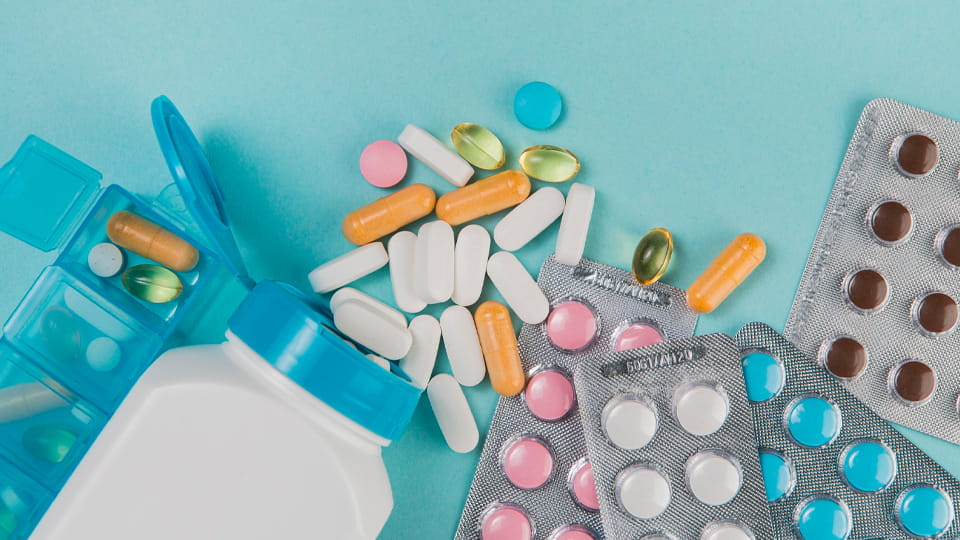
Основные моменты о лекарствах: Перед выходом на рынок требуется одобрение FDA/EMA.; клинические исследования и технические досье; строгое соответствие cGMP; регулируемая маркировка (Факты о наркотиках); и рецептурный препарат, и многие безрецептурные препараты требуют строгого контроля безопасности/качества..
Основное различие заключается в намерение. Лекарства предназначены специально для диагностики, обращаться, или лечить болезни. Добавки предназначены для дополнить диету. Таким образом:
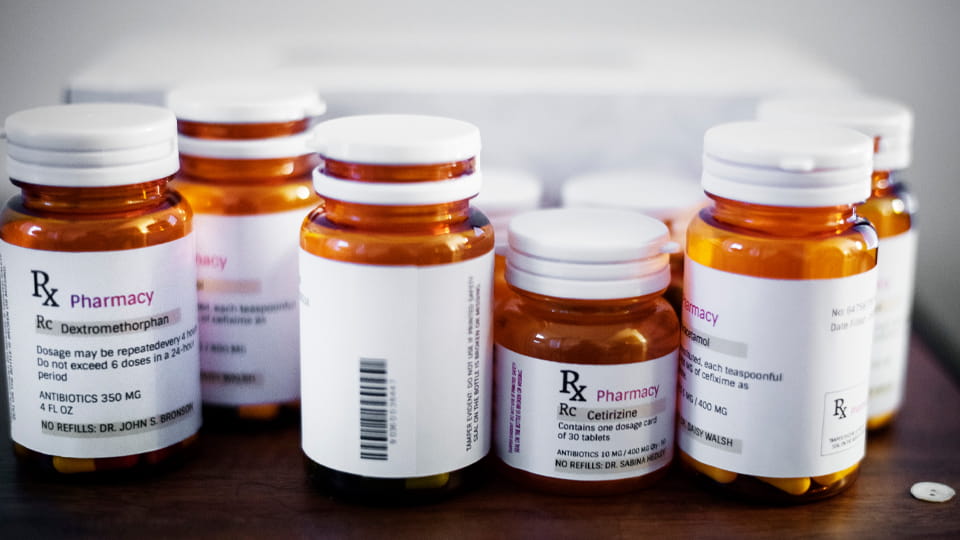
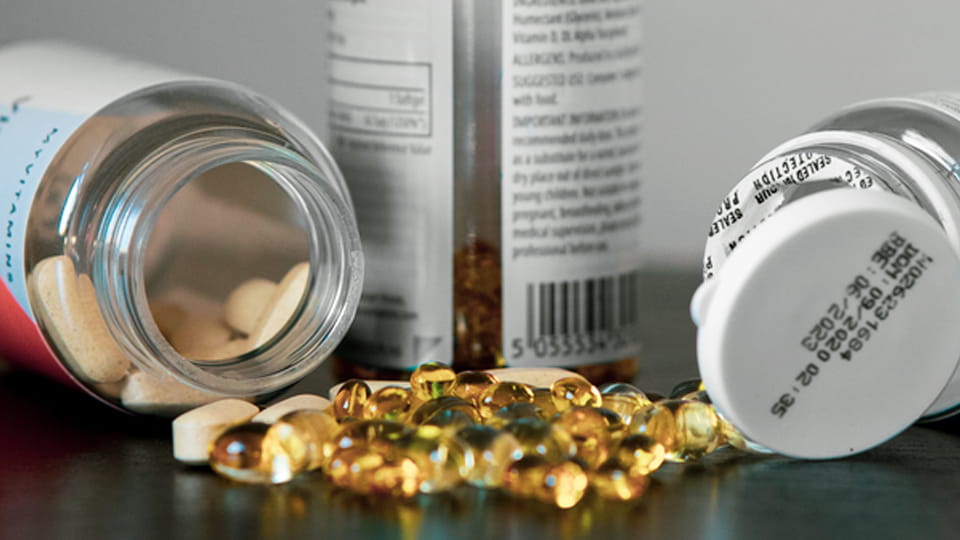
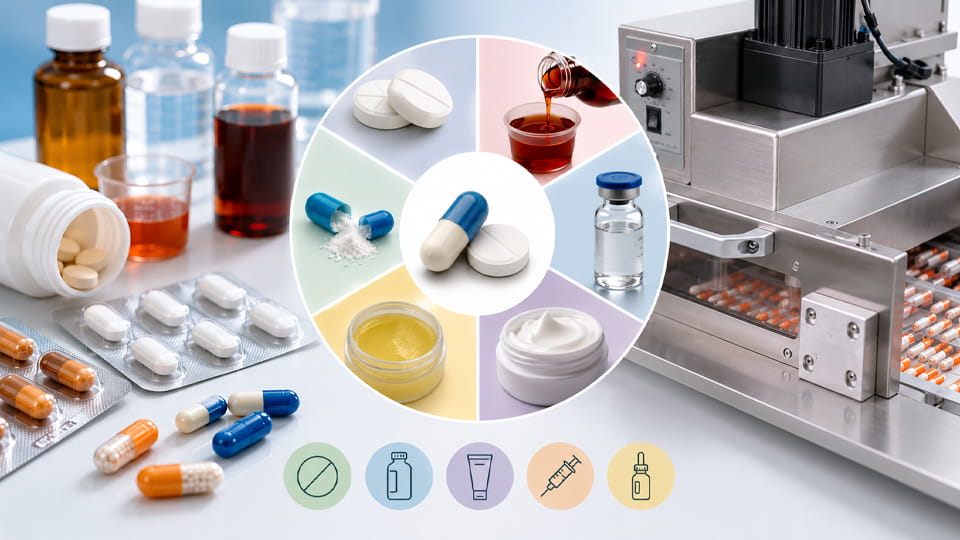
Многие лекарственные формы добавок и лекарств частично совпадают.. Оба могут быть:
С точки зрения оборудования, машины очень похожи. GMP-совместимый линия подсчета/заполнения который обрабатывает бутылки с витаминами емкостью 50 мл, часто может также наполнять фармацевтические бутылки аналогичного размера. (возможно с небольшими корректировками). Блистерные линии для твердых доз рассчитаны на любые таблетки.. Вращающиеся таблетировочные прессы или капсульные наполнители на стороне выше по течению производят лекарственные формы; ниже по течению, линии немного расходятся до маркировки/проверки. Основные различия в оборудовании связаны с масштабом производства и особенностями регулирования. (например. более сложные камеры контроля на фармацевтической линии).
При выборе оборудования, сосредоточиться на продукте формат, объем, и потребности в соответствии:
Таблицы ниже кратко изложены ключевые различия и предложено оборудование для каждого типа продукта..
| Атрибут | Диетические добавки | Лекарства (Наркотики) |
| Определение/Использование | Питательные вещества/травы для дополнения диеты | Лечить/диагностировать/предупреждать заболевания |
| Требуется одобрение | Нет предварительного одобрения FDA (ДШЭА) | Одобрение FDA/EMA (Соглашение о неразглашении/ВЫ/БЛА) |
| Клинические испытания | Нет обязательных клинических исследований | Строгие испытания безопасности/эффективности |
| Режим GMP | Диетический GMP (21 CFR111) | Фармацевтика GMP (21 CFR210–211, GMP ЕС) |
| Маркировка | Дополнительные факты; отказ от ответственности «не для лечения» | Факты о наркотиках; включает показания, дозировка, побочные эффекты |
| Претензии | Только утверждения о структуре/функции | Допускаются конкретные терапевтические заявления |
| Контроль упаковки | Стандартный пищевой; детские шапочки при необходимости | Обязательные замки с защитой от несанкционированного доступа и защитой от детей.; сериализация |
| Качественное тестирование | Тестирование партии производителем (личность, чистота) | Комплексный контроль качества (потенция, растворение, стабильность) |
| Примеры продуктов | Витамины, минералы, травы, аминокислоты | Аспирин, антибиотики, гормоны, безрецептурные анальгетики |
| Форма продукта | Типичные форматы упаковки | Рекомендуемое оборудование |
| Таблетки | Бутылки (считать & капля); Блистерные карты | Таблеточный пресс; Коатер; Счетная машина; Наполнитель для бутылок & Каппер; Блистерная машина; картонщик |
| Капсулы | Бутылки (с осушителем); Блистерные карты | Машина для наполнения капсул; Счетная машина; Наполнитель для бутылок & Каппер; Блистерная машина; картонщик |
| Порошки/гранулы | Пакеты-саше/стики; Стоячие сумки; Банки (ванны) | Миксеры/Грануляторы; Саше/стик-упаковщик; Готовый наполнитель для пакетов; Наполнитель для банок с порошком; Герметик; картонщик |
| Жидкости | Бутылки (капельница или колпачок); Ампулы | Линия розлива жидкостей; Укупорочная машина (защита от детей при необходимости); Этикетировщик; картонщик |
| Мармеладки/Жевательные конфеты | Блистерные упаковки; Бутылки | Желейный депозитор; Блистерная упаковочная машина; Счетная машина; Наполнитель для бутылок; картонщик |
В каждой ячейке указаны линии добавок и препаратов.: одна и та же машина часто может справиться с обеими задачами с небольшими изменениями.. Например, Джинлу Блистерные упаковочные машины можно упаковать витамины, таблетки или жевательные добавки, как и фармацевтические таблетки..
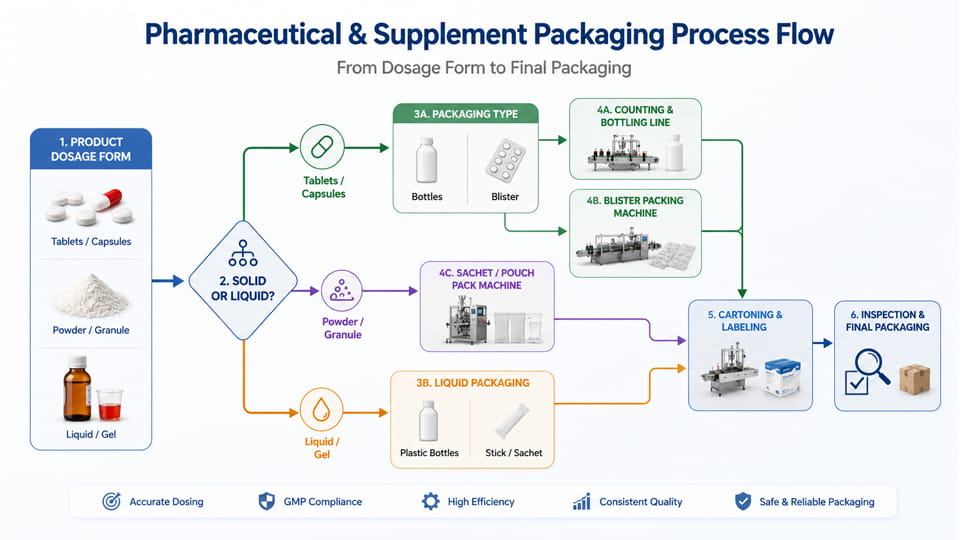
Схема Русалки: Приведенная выше блок-схема иллюстрирует упрощенный процесс принятия решения.. Начните с формы продукта (твердая таблетка, капсула, пудра, и т. д.), использовать подходящее производственное оборудование (нажимать, наполнитель, миксер), затем выберите упаковочную линию. Бутылки, волдыри, пакетики, и коробки являются общими конечными точками.
Обе отрасли могут использовать схожие единичные операции. (смешивание порошков, грануляция, сжатие планшета, капсульная начинка). Однако, некоторые шаги расходятся:
Несмотря на эти различия, Опыт Jinlu в фармацевтической упаковке означает, что ее оборудование подходит для пищевых добавок с минимальными изменениями.. Например, в нашей машине для подсчета капсул указано «для фармацевтического и медицинского применения»., Считайте таблетки, капсулы, таблетки, и т. д., 2-40мм, выход 100 бутылок/час, точность >99.98%». Эта же машина умеет считать липкие витамины или добавки для домашних животных так же легко, как таблетки.
Типичная линия бутылок в виде таблеток/капсул для пищевых добавок может включать в себя:: расшифровщик бутылок → счетчик таблеток/капсул → устройство для установки крышек/крутящий момент → индукционный запечатщик фольги → этикетировочная машина → струйный кодер → конвейер. Для лекарств, линия может быть очень похожа, но заключена в кожух с ламинарным потоком (для стерильных/незагрязненных сред) и будет включать в себя систему технического зрения для проверки этикеток и доказательств несанкционированного доступа.. Линия подсчета Jinlu может интегрироваться с оборудованием для укупорки и маркировки. решение «под ключ».

Для высокоскоростного фармацевтического производства, блистерная машина (например. JL DPP-270Макс) формирует и запечатывает блистерные листы, которые подаются непосредственно в картонажную машину. Упаковщик берет каждую блистерную карту и вкладывает ее в картонную коробку с печатью., затем закрывает, а иногда и запечатывает коробку. Весь этот поток может работать со скоростью несколько тысяч единиц в час.. Производители пищевых добавок часто используют аналогичные линии для таких товаров, как шипучие таблетки или витамины в блистерной упаковке.. Механизм во многом такой же (Наши блистерные упаковочные машины повышают производительность при упаковке таблеток., капсулы…), но функции чистого помещения и контроля могут быть масштабированы в соответствии с GMP..
[jl_youtube src=”https://www.youtube.com/embed/1Bb_J6rluac”]
Понимание различий между пищевыми добавками и лекарствами является ключевым моментом для проектировщиков оборудования и руководителей производства в индустрии товаров для здоровья.. В то время как активное обрабатывающее оборудование (Пережи для планшетов, капсульные наполнители, волдыри, подсчет линии, и т. д.) во многом разделяется, нормативные требования различаются: добавки подпадают под действие пищевых/диетических правил и зависят от безопасности, контролируемой производителем., тогда как лекарства требуют проверенных процессов и разрешений регулирующих органов.. При выборе упаковочного оборудования, покупатели должны привести машины в соответствие с формой продукта и нормативными требованиями.: гарантировать Соответствие GMP, правильная обработка материала, и любые особенности (устойчивый к детям, защищенный от несанкционированного доступа, сериализация) требуется для лекарств. Опытный партнер по оборудованию может адаптировать решения для каждого случая..
Тщательно сопоставляя тип продукта с оборудованием, используя такие ресурсы, как Джинлу УпаковкаМашины для наполнения капсул, Таблеточные прессы, Блистерные упаковщики, Подсчет линий, Наполнители для пакетиков/пакетов, и картонажники — производители могут создавать эффективные линии, отвечающие как рыночному спросу, так и нормативным стандартам.. Такая синергия технологических ноу-хау и подходящего оборудования обеспечивает безопасность., производство, соответствующее требованиям, независимо от того, производите ли вы добавки или лекарства.
Пищевые добавки предназначены для дополнения рациона и поддержания общего состояния здоровья., хотя лекарства предназначены для диагностики, обращаться, предотвращать, или управлять болезнями. Из-за этих разных целей, лекарства подлежат более строгому одобрению регулирующих органов, тестирование, и требования соответствия, чем добавки.
Нет. В большинстве юрисдикций, включая США, пищевые добавки регулируются иначе, чем лекарства. Добавки обычно классифицируются в соответствии с правилами, касающимися пищевых продуктов., поскольку лекарства регулируются как лекарства и должны соответствовать конкретным требованиям безопасности и эффективности перед выходом на рынок..
Часто да, с корректировками. Если линия построена по cGMP (нержавеющий, легко очищаемый, и т. д.), он может запускать любой тип продукта. Возможно, вам придется изменить формы или настройки.. Главное предостережение – нормативное регулирование.: убедитесь, что добавки имеют соответствующую маркировку, и если перейти на препарат, проверить все этапы стерилизации/очистки. Машины Jinlu универсальны – например,, Говорят, что счетный наполнитель идеально подходит для «почти всех форм таблеток и капсул»..
В целом, нет – Закон об упаковке для предотвращения отравления (ПППА) распространяется на лекарства и некоторые опасные вещества. Некоторые добавки (например. таблетки железа, которые могут быть токсичными для детей) может подпадать под действие PPPA. Для большинства витаминов и травяных таблеток по закону не требуются защитные колпачки., но многие производители используют их в качестве меры безопасности и маркетинга.. Лучше всего следовать ожиданиям потребителей..
У обоих есть GMP., но дополнительный GMP (21 CFR111) является частью фармацевтического GMP (21 CFR210/211). Например, добавки требуют проверки идентичности ингредиентов и некоторых проверок на примеси., но не требуют клинической проверки процессов. Однако, все GMP означает, что вы должны содержать вещи в чистоте, запись производственных данных, и тестируйте продукты, чтобы гарантировать заявленные на этикетке требования. Если FDA проверяет линию пищевых добавок, они проверят правильность уборки, документированные процедуры, и результаты испытаний так же, как на фармацевтическом заводе. Для фармацевтики, FDA ожидает дополнительных уровней: проверенные методы, исследования стабильности, более строгий экологический контроль, и т. д..
Это все еще важно. Хотя производители пищевых добавок не подают отчет в FDA, они все равно должны доказать, что их продукт соответствует тому, что они говорят. Это значит оборудование (как таблеточный пресс или блистерная машина) должен быть квалифицированным (ИК/Белый/PQ) чтобы гарантировать, что он постоянно производит правильную лекарственную форму. Как минимум, Стандарты USP или компании потребуют взвешивания и проверки содержания.. Хорошие современные практики качества (MQP) в добавках все чаще зеркальная фармацевтика, особенно для экспортных рынков. Рост, например, упоминает о соответствии «cGMP, CE, FDA, и EMA» для своих упаковочных машин., указывая, что они проектируют машины, отвечающие этим требованиям.
Ключевые факторы включают в себя: Скорость машины в зависимости от ожидаемого объема, гибкость (может ли он работать с бутылками различной формы или типами блистеров?), простота очистки (нержавеющие детали, СИП), и возможности автоматизации (как сервоприводы, ЧМИ, и осмотр). Также рассмотрите послепродажное обслуживание и запасные части.. Jinlu подчеркивает 7-дневную доставку и 3-летнюю гарантию на свои машины, отражая сильную послепродажную поддержку. Покупатели также должны спросить об интеграции (например. может ли счетная машина легко синхронизироваться с существующей картонажной машиной??). Окончательно, согласие: Убедитесь, что машина может производить упаковку «фармацевтического класса», если это необходимо., даже для добавок. Упаковочные линии Jinlu соответствуют стандартам CE и FDA., и они подчеркивают использование фирменных компонентов (как Омрон, Сименс) для надежности.
Ссылки:
1.Вопросы и ответы о пищевых добавках — НАС. Управление по контролю за продуктами и лекарствами
2.Текущая передовая производственная практика (CGMP) для продуктов питания и диетических добавок — НАС. Управление по контролю за продуктами и лекарствами
3.Диетические и растительные добавки — NCCIH
4.Руководство по соблюдению требований для малых предприятий: Текущая передовая производственная практика в производстве, Упаковка, Маркировка, или проведение операций по производству пищевых добавок – НАС. Управление по контролю за продуктами и лекарствами
5.Диетические добавки: Что вам нужно знать — Национальные институты здравоохранения
6.Рекомендации по качеству: Производство — Европейское агентство лекарственных средств