
В фармацевтическое производство, обеспечение поставщики оборудования соответствие стандартам GMP так же важно, как и проверка поставщиков сырья. Тщательный аудит поставщика помогает фармацевтическим компаниям проверять системы качества производителя оборудования, документация, и процессы, снижение риска поступления в производство неисправного или несоответствующего требованиям оборудования. Нормативное руководство (FDA, ЕМА, я, ВОЗ) подчеркивает программа качества поставщиков, основанная на рисках: проводить аудит квалификации поставщиков для критически важных поставщиков, просмотреть свою систему управления качеством и историю соответствия, и последующие корректирующие действия и утверждения.
В этой статье объясняется, зачем и когда проводить аудит поставщиков оборудования., описывает пошаговый процесс аудита (с блок-схемой), предоставляет контрольный список аудита оборудования, сравнивает на месте с. удаленные аудиты, и показывает, как FAT/SAT и ИК/Белый/PQ соответствовать квалификации поставщика. В таблицах суммированы типы аудита и уровни риска., и практические советы (с реальными примерами и нормативными цитатами) поможет с закупками, Команды контроля качества и инженеры проводят успешные аудиты. Суммируя, структурированная программа аудита, поддерживаемая исчерпывающая документация от поставщика, разбирающегося в правилах GMP, — гарантирует, что ваши новые машины будут доставлены «готовыми к аудиту» для квалификации IQ/OQ и использования GMP..

В регулируемой фармацевтике, ничто не может быть оставлено на волю случая. Даже если машина хорошо сконструирована, любые нарушения качества у поставщика (плохая система управления качеством, недокументированные изменения, некалиброванные инструменты, и т. д.) может поставить под угрозу ваш продукт. Потому что производители лекарств в конечном итоге ответственный за качество и соответствие конечной продукции, регулирующие органы ожидают, что они проведут аудит критически важных поставщиков. Например, Руководство FDA по ICH Q10 отмечает, что подрядчики «должны нести ответственность за оценку пригодности и компетентности» поставщиков, и все действия, связанные с качеством, должны быть определены в письменных соглашениях.. На практике, это означает аудит поставщиков оборудования, чтобы убедиться, что они соблюдают меры контроля, подобные GMP.. Как объясняет один отраслевой эксперт, аудиты поставщиков – это регулярные проверки, улучшающие качество сырья, оборудование, и поставки, которые получает компания… и помогают добиться соответствия строгим нормативным требованиям.
Ключевые причины для аудита поставщиков оборудования включают::
«Аудит поставщика — это независимая оценка процессов или продуктов поставщика на соответствие стандартным критериям… призванная выявить возможности улучшения продукта., процесс, или система,» объясняет источник в отрасли качества. В фармацевтике, это означает проверку соответствия руководству по качеству вашего поставщика оборудования., контроль изменений, КАПА, и документация соответствуют ожиданиям GMP. Надежная программа аудита (первоначальный и периодический) помогает убедиться в том, что оборудование будет безопасно работать в условиях GMP.
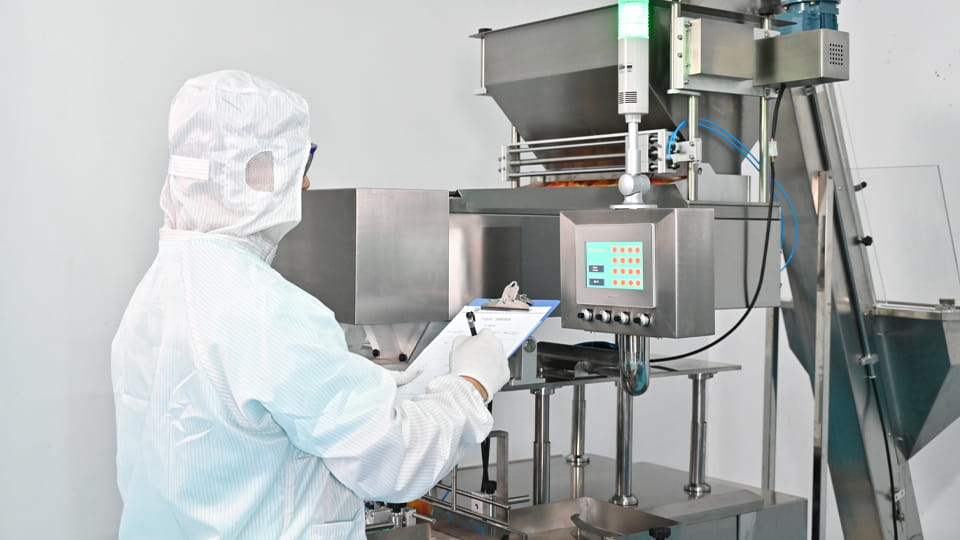
Аудиты следует планировать на ключевых этапах.. Типичные сроки включают в себя:
В таблице ниже приведены распространенные типы аудита и их цели.:
| Тип аудита | Цель |
| Исходный (Квалификация) | Оценить новый поставщик до утверждения; проверить СМК, документация, и возможности. |
| Периодический (Запланировано) | Переоценить существующего поставщика (например. ежегодно) для обеспечения постоянного соблюдения. |
| По причине (Курок) | Изучите конкретные проблемы (например. жалобы, отклонения, 483 наблюдения) у поставщика. |
| Следовать за | Убедитесь, что корректирующие/предупреждающие действия (КАПА) по итогам предыдущего аудита были реализованы. |
| Удаленный/камерный аудит | Виртуальный обзор систем и документации поставщика по обеспечению качества; дешевле/быстрее, но ограниченный объем. |
Во всех случаях, использовать риск-ориентированный подход решить масштаб. Поставщики высокого риска (критическое оборудование) гарантия более глубокого, выездные проверки, в то время как странам с низким уровнем риска могут потребоваться только кабинетные проверки или выборка. Вопрос EMA&Напоминает нам, что даже если у поставщика есть сертификат GMP или отчет об инспекции, юридическая ответственность производителя не будет выполнена до тех пор, пока он не проведет собственную программу аудита. Другими словами, используйте внешние оценки для информирования вашего списка приоритетов, но доверяйте – и проверяйте – посредством собственных проверок.
Простая матрица рисков помогает классифицировать поставщиков и определять частоту проверок.. Например:
| Уровень риска | Примеры | Действия аудита |
| Высокий | Асептические жидкие наполнители, стерилизаторы, капсульные наполнители; поставщики, работающие впервые или из одного источника | Тщательный первичный аудит на месте; ежегодные или двухгодичные аудиты; полный объем (СМК, средство, документы, ТОЛСТЫЙ). |
| Середина | Нестерильные упаковочные машины (например. волдыри, картотеры); вторые поставщики или известные поставщики | Детальный первичный аудит; аудит объекта каждые 2–3 года; умеренный объем (сосредоточиться на критических процессах, плюс документация). |
| Низкий | Вспомогательное оборудование (например. конвейеры, базовые насосы); продавцы товаров | Базовая квалификация (обзор документов, анкеты); выездные проверки только в случае возникновения проблем; периодическая переоценка (3–5 лет или по мере необходимости). |
Эта оценка риска должна учитывать влияние (насколько критично оборудование для безопасности/качества продукции?) и вероятность (были ли у поставщика проблемы в прошлом? новый дизайн? сложная технология?). Например, новая линия по наполнению капсул на стерильном заводе по производству лекарственных препаратов имеет высокую эффективность (прямой контакт, высокая точность), поэтому он остается в категории высокого риска и требует полного аудита. Напротив, простой конвейер, который никогда не контактирует с продуктом напрямую, может быть с низким уровнем риска — на начальном этапе может быть достаточно удаленного аудита или анкетирования, с выездными проверками только в случае изменения уровня риска.
Ниже приведена общая блок-схема процесса аудита., далее подробно о каждом шаге:
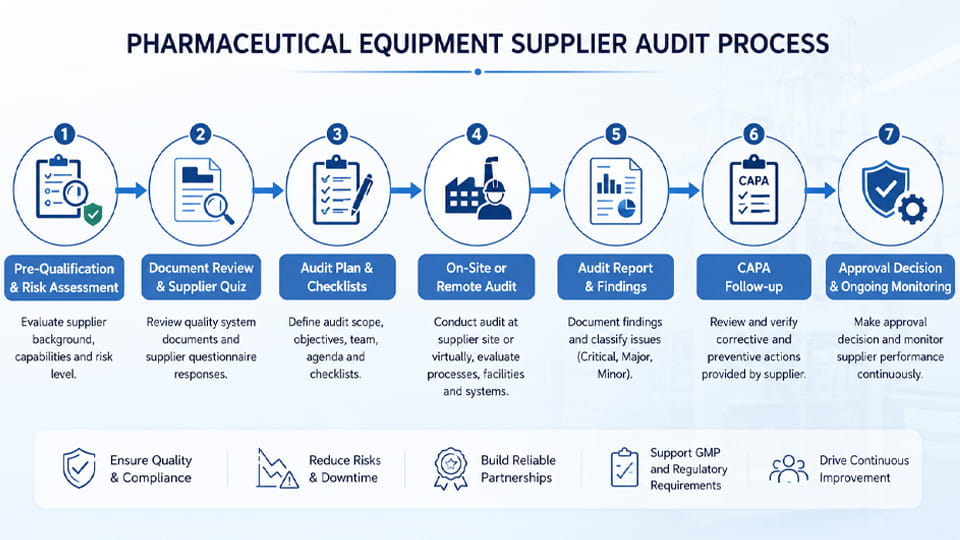
Каждый шаг описан ниже:
Если проводить удаленный аудит, сосредоточиться на проверке документов, живое видео прохождения, и интервью. Как отмечает EMA, удаленный аудит может предоставить информацию для вашей программы аудита, но они не такие тщательные, как проверки на месте поставщиков из группы высокого риска.. Всегда стремитесь проводить полный аудит действительно критического оборудования на месте..
Ниже приведен сокращенный контрольный список ключевых областей и примеры вопросов, которые следует учитывать во время аудита поставщика оборудования.. (Адаптируйте это к вашей конкретной машине и уровню риска.)
Этот контрольный список является отправной точкой. Адаптируйте его к конкретному оборудованию: например, а блистерный упаковщик аудит будет сосредоточен на калибровке нагревателя, кодеры даты, и обработка пленки, в то время как капсульный наполнитель аудит будет уделять особое внимание проверке точности дозы и проверке блокировки капсулы. Цель состоит в том, чтобы оценить оба что на бумаге (процедуры, записи) и что происходит на полу (наблюдаемая практика).
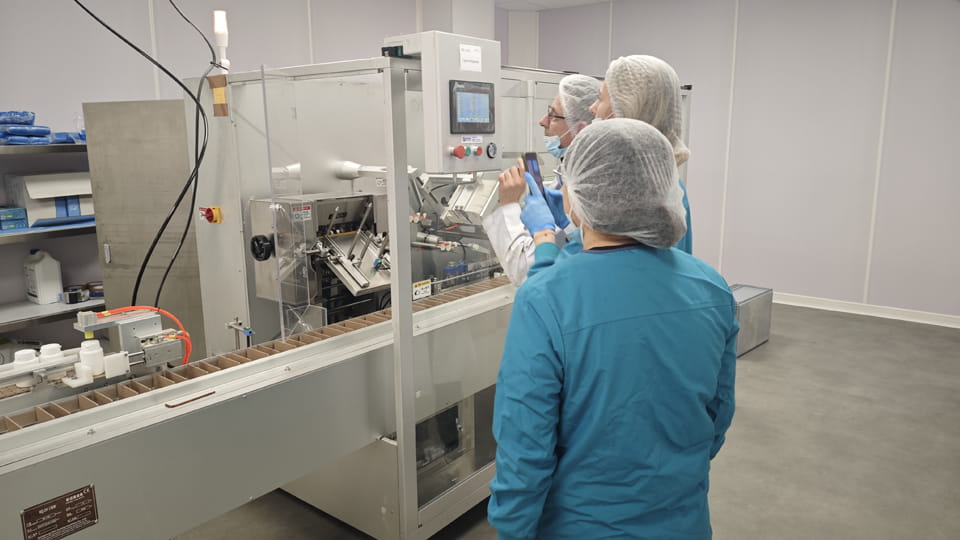
При проверке поставщиков оборудования, Некоторые из наиболее часто наблюдаемых проблем включают в себя:
Если вы столкнулись с чем-либо из этого, работать с поставщиком над разработкой корректирующих планов. Правильное закрытие результатов аудита имеет решающее значение перед окончательным утверждением.. Всегда записывайте действия и выполняйте последующие действия – поставщик не будет квалифицирован до тех пор, пока не будут проверены все критически важные CAPA..
| Аспект | Аудит на месте | Удаленный аудит |
| Объем | Полный доступ (удобства, люди, документы). | Ограничено документами, записи, и виртуальные туры. |
| Глубина проверки | Высокий: может физически осматривать машины, ведение домашнего хозяйства, невидимые практики. | Умеренный: в основном обзор документации и собеседования. |
| Расходы & Время | Выше (время и стоимость поездки, проблемы с планированием). | Ниже (никаких путешествий; более быстрое планирование). |
| Эффективность | Самый тщательный (предпочтительнее для поставщиков с высоким уровнем риска). | Подходит для последующих действий или поставщиков с низким уровнем риска.; временное решение для неотложных нужд. |
| Гибкость | Менее гибкий (необходимо синхронизировать расписание/доступность). | Более гибкий (часто может проверять несколько сайтов с помощью видео). |
| Аудиторские доказательства | Непосредственное наблюдение за процессами, фото/видео; легче обнаружить несоответствия. | Зависит от того, что показывает поставщик; риск пропустить скрытые проблемы. |
В общем, выездные проверки оставаться золотым стандартом, особенно для поставщиков с высоким уровнем риска или новых квалифицированных поставщиков. Регуляторы отмечают, что дистанционные «бумажные» аудиты не полностью заменяют гарантию присутствия на месте.. Однако, удаленный аудит может быть полезен (например, в качестве временной меры, если поездки ограничены) и может эффективно просматривать записи качества поставщика. Гибридный подход распространен: использовать удаленный аудит для проверки базовой документации, затем запланируйте визит на место для заключительного глубокого погружения, или чередуйте работу на месте и удаленно для плановых проверок.
При аудите оборудования следует уделять особое внимание документация по валидации. Перед покупкой, подтвердить, что у поставщика имеется надежная процедура FAT. Полная FAT подтверждает, что машина работает в соответствии с вашим URS в контролируемых условиях.. Во время аудита, просмотреть прошлые отчеты поставщика FAT для аналогичных машин: Убедитесь, что критерии и результаты испытаний четко задокументированы и соответствуют спецификациям.. Также убедитесь, что формальный план SAT будет выполнен после установки.. Эти приемочные испытания имеют решающее значение для квалификации..
Так же, убедитесь, что поставщик предоставляет полную поддержку IQ/OQ. Опыт Jinlu показывает, что надежные поставщики поставляют машины «с полной поддержкой IQ/OQ/PQ и услугами проверки под ключ». На практике, это означает, что они должны дать вам контрольные списки IQ, Сценарии тестирования OQ, и примеры протоколов PQ на ваше рассмотрение. Поставщик часто выполняет FAT и может помочь с IQ, предварительно выровняв и установив машину в контролируемых условиях.. Но помните: тот Окончательную ответственность несет команда контроля качества покупателя. для прохождения IQ/OQ/PQ на месте. Ваш аудит должен подтвердить, что поставщик имеет обученный персонал или подрядчиков для поддержки проверки и предоставит необходимые отчеты., рисунки, и записи калибровки.
Задавайте прямые вопросы, например: «У вас есть протокол FAT на основе нашей URS??», «Вы станете свидетелем проведения тестов IQ/OQ на месте?, и после этого предоставить подтвержденную документацию?». Хороший поставщик будет подготовлен с использованием шаблонов и будет относиться к этому как к рутине – это часть готовности GMP..
Во время аудита (или обсуждения перед аудитом), покупатели часто спрашивают поставщиков:
Ответы на эти вопросы помогают оценить зрелость поставщика.. Например, опытный поставщик должен с готовностью предъявить сертификаты качества (ИСО 9001/13485) и у вас не возникнет проблем с подробным описанием процесса проверки. Если поставщик колеблется или отклоняет эти вопросы, это может указывать на пробелы в их системе.
После проверки и сбора ответов, последний этап – одобрение поставщика. После того, как все результаты аудита будут закрыты или решены иным образом, официально утвердить поставщика в вашей системе качества. Это может включать внесение их в список утвержденных поставщиков и указание любых условий. (например, «Первоначальные заказы требуют моего подтверждения качества после SAT»). Сообщите об этом утверждении командам по закупкам и проектам., чтобы они знали, что поставщик квалифицирован. Убедитесь, что поставщик понимает все оставшиеся ожидания (например, предоставление обновленных данных CAPA или показателей эффективности в будущих отчетах.).
Даже после одобрения, продолжать мониторинг. Продолжайте отслеживать ключевые показатели поставщиков (своевременная доставка, полевые вопросы, результаты аудита). Интегрируйте новые требования FDA или EMA по мере их поступления. (если правила изменятся, вам может потребоваться повторный аудит или запросить новую документацию). По сути, программа аудита не ограничивается утверждением — она становится частью вашей постоянной гарантии качества для каждой единицы критически важного оборудования..
Структурированная программа аудита поставщиков — это инвестиции в безопасность продукции и доверие регулирующих органов.. Путем методической проверки системы качества производителя оборудования, документация, и процессов, руководствуясь принципами GMP, вы минимизируете неожиданности и гарантируете, что на вашу линию поступит только соответствующее требованиям оборудование.. Помнить: совместная подотчетность является ключевым. Поставщик должен предоставить машины, соответствующие требованиям GMP, с полными пакетами FAT/SAT/IQ/OQ., но ваша компания должна проверить их перед производством. Подход, основанный на оценке риска, концентрирует усилия там, где это важно., и любые результаты должны привести к CAPA и окончательным решениям об утверждении.
И jeinlu собирать, мы понимаем строгость аудита GMP: наши упаковочные машины спроектированы и документированы для удовлетворения этих потребностей.. Каждая машина поставляется с полным комплектом для проверки. (Протоколы FAT/SAT/IQ/OQ) чтобы оптимизировать свою квалификацию. Выбирая поставщика, имеющего опыт соблюдения фармацевтического законодательства., вы упрощаете аудит и следите за своими проектами.
Готовы провести аудит с уверенностью? Связаться с Джинлу Упаковка для фармацевтического оборудования, которое поставляется готов к аудиту. Наша команда может помочь определить вашу URS, запускать FAT, и предоставим документацию IQ/OQ/PQ под ключ, чтобы аудит и квалификация вашего поставщика прошли гладко.
Аудит поставщика – это систематическая оценка системы качества производителя фармацевтического оборудования., производственные процессы, технические возможности, и практики соблюдения требований. Цель состоит в том, чтобы убедиться, что поставщик может постоянно поставлять оборудование, соответствующее требованиям GMP., стандарты качества, и спецификации проекта.
Аудит поставщиков помогает фармацевтическим компаниям снизить риски проекта, проверить возможности поставщика, оценить готовность к соблюдению требований, и гарантировать, что производитель оборудования может предоставить документацию и поддержку валидации, необходимые для производства, регулируемого GMP..
Без надлежащего аудита поставщика, покупатели могут столкнуться с такими проблемами, как задержка проверки, плохая производительность машины, неполная документация, или проблемы с соблюдением нормативных требований.
Ключевые документы включают руководство по качеству поставщика., Сов (КАПА, контроль изменений, и т. д.), Сертификаты ISO/GMP, записи партии образца продукта, записи тренировок, журналы обслуживания/калибровки, и любые предыдущие аудиторские отчеты. Сертификаты анализов (Сертификат подлинности) для последних партий также важны данные о стабильности поставщика.. По сути, просмотреть все, что демонстрирует их системы качества и средства контроля выпуска продукции..
Да. Удаленный аудит поставщиков может проводиться с помощью видеоконференцсвязи., обзоры цифровых документов, и виртуальные туры по заводу.
Однако, для критического фармацевтического оборудования, такого как машины для наполнения капсул, Пережи для планшетов, Блистерные упаковочные машины, и асептическое технологическое оборудование, Обычно рекомендуется проводить аудит на месте, поскольку он позволяет покупателям напрямую оценить производственную практику., контроль качества, и условия объекта.
Квалификация поставщика — это общий процесс утверждения поставщика. (включает анкеты, рассмотрение документа, выборочное тестирование, и аудит). Аудит поставщика является одним из конкретных шагов в этом процессе. (или при периодическом мониторинге). Квалификация использует как документацию, так и аудит на месте.. После успешной квалификации, аудит становится периодической проверкой (переквалификация).
И FDA, и EMA ожидают, что производители лекарств будут контролировать свою цепочку поставок.. В Q10 FDA особое внимание уделяется оценке поставщиков на основе рисков и, в частности, содержится призыв к аудиту поставщиков для проверки качества поставщиков.. GMP ЕС (Приложение 16 и Часть I Глава 7) требует, чтобы результаты аудита всех площадок, участвующих в производстве или тестировании продукта, были доступны квалифицированному лицу.. я Q7 (для API) и рекомендации PIC/S также требуют строгого надзора за поставщиками.. Суммируя, регулирующие органы предполагают, что вы проверяете своих поставщиков в рамках соблюдения GMP..
Частота зависит от риска поставщика и прошлых результатов.. Поставщики высокого риска (API, стерильные компоненты) часто проходят ежегодные проверки, в то время как поставщики с низким уровнем риска могут быть любыми 2-3 годы. Также проводите аудит после серьезных изменений или событий, связанных с качеством.. Ваша система управления качеством должна определять определенные интервалы по категориям риска.. Имейте в виду, что события, связанные с плохой производительностью или безопасностью у поставщика, требуют проведения проверки «по причине» независимо от графика..
ТОЛСТЫЙ (Заводские приемочные испытания) официальное испытание, проводимое на предприятии поставщика перед отправкой оборудования..
ФАТ это подтверждает:
• Машина соответствует требованиям пользователя
• Критические функции работают правильно
• Системы безопасности работают должным образом
• Документация завершена
Успешный FAT помогает снизить риски при установке и упрощает последующие действия по аттестации..
Некоторые важные вопросы включают в себя:
• Сколько фармацевтических проектов вы завершили??
• Можете ли вы предоставить FAT, СБ, и документация IQ/OQ?
• Как вы управляете изменениями в дизайне??
• Какие сертификаты имеет ваша компания??
• Как вы обрабатываете жалобы клиентов и CAPA??
• Какова ваша политика поддержки запасных частей??
• Какие услуги обучения доступны после установки?
• Как вы обеспечиваете отслеживаемость и контроль документации??
Эти вопросы помогают покупателям оценить как техническую компетентность, так и потенциал долгосрочного партнерства..
Покупатели должны оценить:
• Опыт работы в инженерной команде
• Опыт автоматизации
• Возможность программирования ПЛК и ЧМИ.
• Опыт настройки
• Знание проектирования GMP
• Предыдущие фармацевтические проекты
• Опыт поддержки валидации
Технические возможности поставщика часто оказывают прямое влияние на надежность машины., масштабируемость, и долгосрочная производительность.
Ссылки:
1.ICH Q10 Фармацевтическая система качества – Научное руководство — Европейское агентство лекарственных средств
2.Q10 Фармацевтическая система качества — НАС. Управление по контролю за продуктами и лекарствами
3.ЮдраЛекс – Объем 4 – Хорошая производственная практика (GMP) руководящие принципы — Европейская комиссия
4.ВДИ 6306 – Аудит поставщиков в фармацевтической отрасли – Ассоциация немецких инженеров VDI e.V..