
Выбор правильного блистерная упаковочная машина является критически важным решением для фармацевтических производителей. Таблетки и капсулы различаются по размеру., форма, и чувствительность, а это значит, что машины, которые их упаковывают, тоже должны отличаться. В этом руководстве объясняются ключевые различия между блистерными машинами для таблеток и блистерными машинами для капсул., охватывает все: от геометрии полости и питателей до скорости производства и соответствия нормативным требованиям.. Мы сравниваем термоформование и холодное формование, а также плоские и ротационные системы., обозначить основные факторы, которые следует учитывать, и указать на распространенные ошибки при выборе неправильной машины. К концу, вы будете точно понимать, на что обращать внимание — нужна ли вам линия по производству таблеток с щеточной подачей или полностью автоматизированная линия по производству капсул с ориентационными податчиками — и вы сможете принять обоснованное решение о покупке..
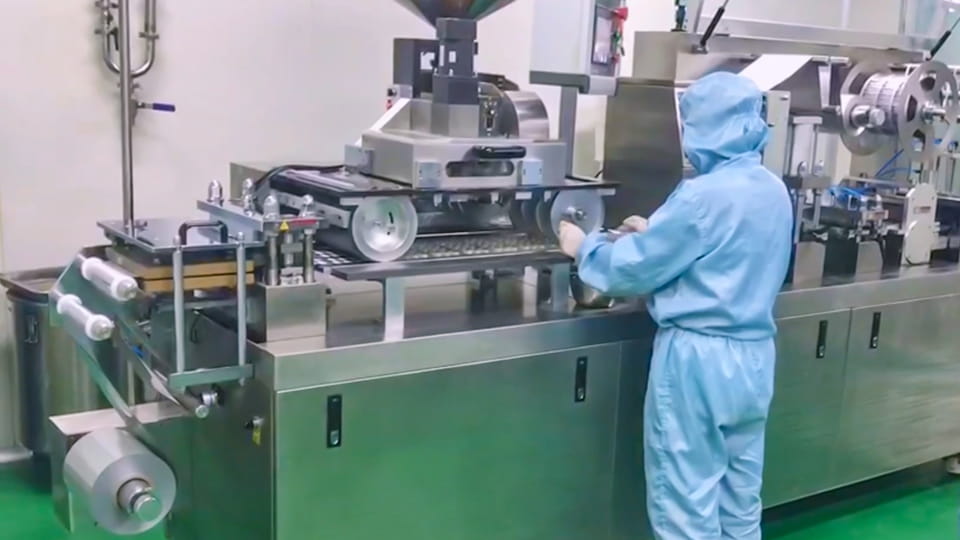
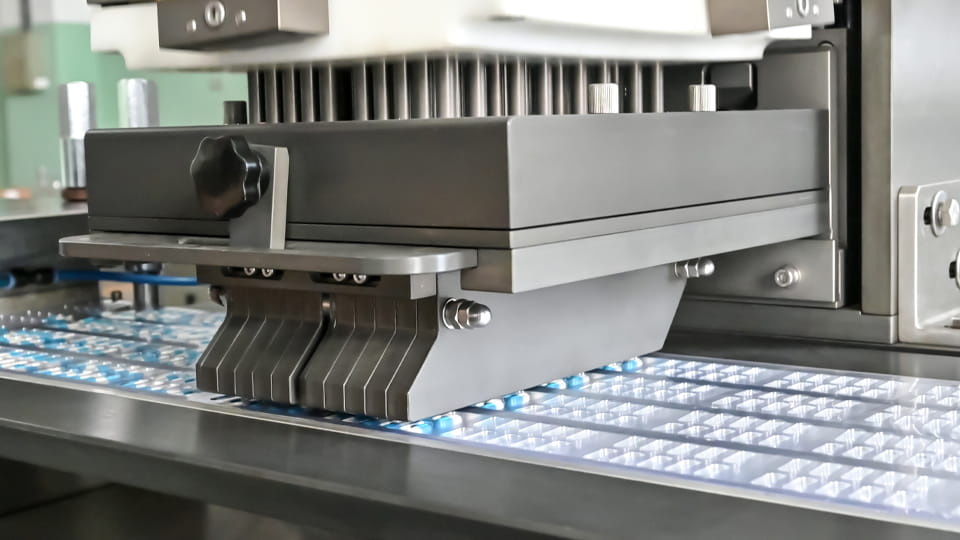
Фигура: Современная линия блистерной упаковки таблеток/капсул в чистом помещении, отвечающем требованиям GMP.. Блистерные машины автоматизируют формовку, наполнение, уплотнение, и резка ПВХ или алюминиевой пленки для создания упаковки для единичных доз..
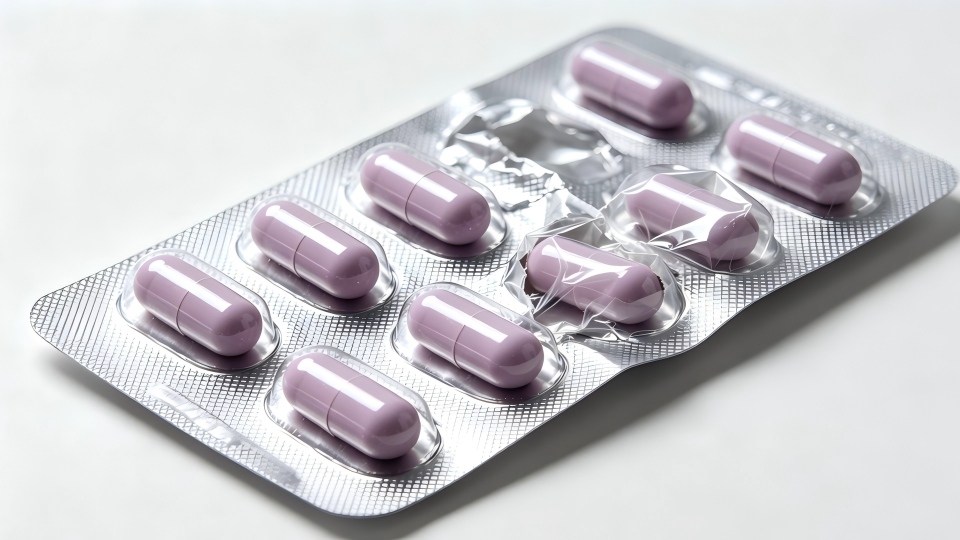
Блистерные упаковочные машины – это специализированное оборудование, формирующее отдельные полости. (волдыри) из пластиковой или алюминиевой пленки, наполните их продуктом, а затем запечатываем их фольгой. Они выполняют четыре основных шага:формирование, наполнение, уплотнение, и резка— производить порядок, пакеты с защитой от несанкционированного доступа. Эти машины повсеместно распространены в фармацевтике.: вы найдете их в упаковке таблеток, капсулы, или даже электронные сигареты и мелкие расходные материалы. Высококачественная блистерная упаковочная машина обеспечивает безопасность продукта и срок его хранения за счет точной герметизации каждой единицы., при соблюдении строгих стандартов GMP/FDA.
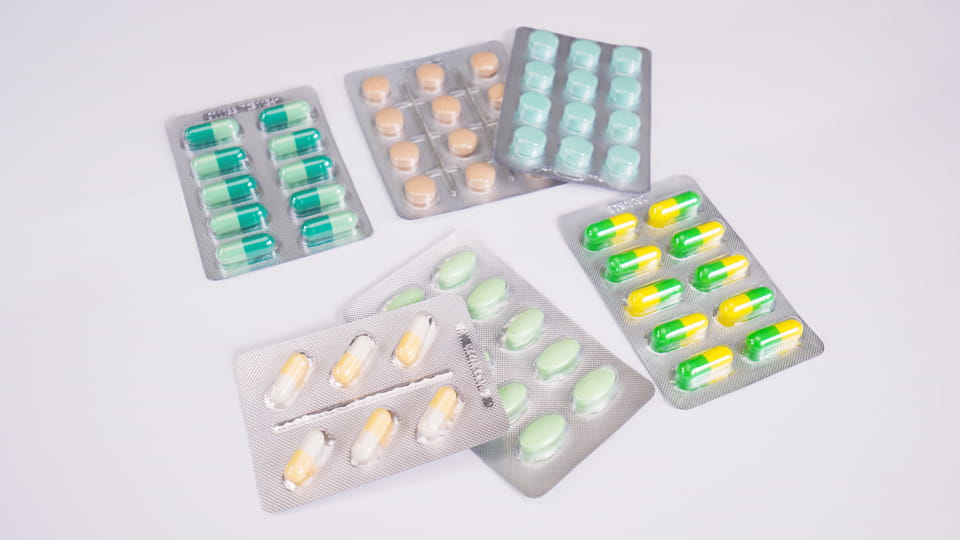
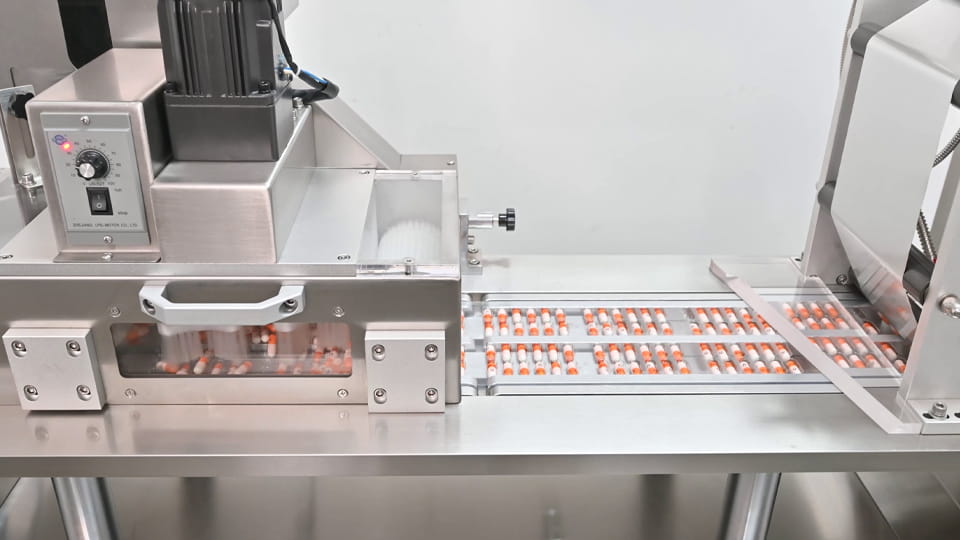
Блистерные линии для таблеток и капсул имеют одинаковую базовую архитектуру., но детали отличаются. Карман (полость) геометрия для круглого планшета сильно отличается от таковой для длинного, капсула из двух частей, и система подачи/ориентации должна соответствовать. Например, стандартному круглому планшету диаметром 10 мм требуется только неглубокая, круглый карман, в то время как 0# (21.7 мм) твердая желатиновая капсула требует глубокого, вытянутая овальная полость. Как результат, линия по производству блистеров для капсул обычно включает в себя «ориентирующий питатель» для правильного выравнивания капсул. (с головы до хвоста) прежде чем они войдут на заправочную станцию. Капсулы могут переворачиваться или переворачиваться., так что капсульно-переворачивающий питатель часто используется для переворачивания каждой капсулы в одинаковое положение. Напротив, таблетки легче кормить с помощью щеточный питатель или виброплита, поскольку большинство таблеток симметричны и их можно произвольно положить в круглые карманы.
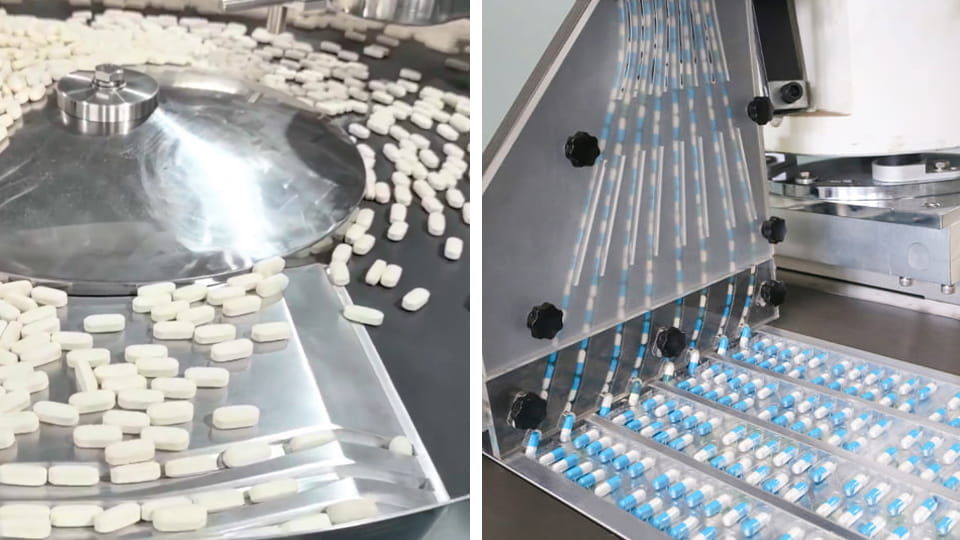
Фигура: Блистерные линии для капсул. Полости планшета (круговой) против капсульных полостей (вытянутый овал) диктуют различные конструкции питателей и условия формования.
А блистерная упаковочная машина представляет собой фармацевтическое оборудование, которое автоматизирует упаковку единичных доз.. Он образует полости (волдыри) в пластиковой или алюминиевой сетке, наполняет их продуктом, затем запечатывает их фольгой или бумажной подложкой. В фармацевтике, образующаяся пленка обычно ПВХ/ПВДХ или алюминий (для холодной формы), а крышка - алюминиевая фольга. Основная последовательность: размотка пленки → станция формирования → станция наполнения/подачи → станция запечатывания → штамповка/резка.
[jl_youtube src=”https://www.youtube.com/embed/hC-yo-ToX6s”]
В результате этого процесса получаются запечатанные блистерные упаковки, которые защищенный от несанкционированного доступа, гигиеничный, и прост в использовании для пациентов. Хорошая блистерная упаковочная машина обеспечивает стабильное качество формования и запечатывания., часто интегрируют системы технического зрения для обнаружения и отклонения пустых карманов или неправильно заполненных единиц продукции..
Хотя линейки таблеток и капсул на первый взгляд похожи., их ключевые различия означает, что вы не можете просто поменять продукты на любой машине без корректировок. Три основных аппаратных различия:: карманная форма (геометрия штампа), фидер/ориентация, и отвергнуть логику.
Ошибка может привести к разрушению производства.: неправильная форма кармана приводит к нарушению герметичности или деформации волдырей, ошибки подачи приводят к браку или отзывать. Как отмечает Джинлупакинг, геометрия оснастки, механизм подачи, и отказ от логики определяют, получите ли вы 98.5% эффективность или 84% эффективность в первую неделю производства».
Подводя итог в краткой справке, вот как типично блистерная машина для таблеток сравнивается с блистерная машина для капсул:
| Особенность | Блистерная машина для планшетов | Капсульная блистерная машина |
| Форма полости | Круглый или неглубокий овал (плоскодонный) | Вытянутый овал (более глубокая ничья) |
| Типичная глубина полости | ~4–8 мм | ~9–14 мм |
| Формирующий материал | ПВХ/ПВДХ или ПЭТ (для термоформования) | Часто ПВХ/ПВДХ или алюминий. (для термоформования или холодного формования) |
| Температура формования | ~120–140 °С (ПВХ) | ~145–165 °С (ПВХ; или без нагрева для холодной формы Alu-Alu) |
| Система подачи | Щеточный питатель или виброплита (неориентированный) | Ориентационный питатель (гравитационный желоб, направляющие, или орбитальный) |
| Ориентация продукта | случайный (симметричные таблетки) | От головы до хвоста фиксировано (капсулы должны быть обращены одинаково) |
| Видение/отклонение логики | Обнаружение пустых/сломанных планшетов | Обнаружить пропажу, перевернутый, или капсулы с перекрестной загрузкой |
| Скорость Эффективность | Обычно выше (более простая заливка) | Чуть ниже (из-за шагов ориентации) |
| Стоимость замены | Ниже (простые плоские формы) | Выше (сложные формы для формы капсул) |
| Управление рисками | Низкий (таблетки надежные) | Выше (капсулы можно разделить или укупорить отдельно) |
Ключевой вывод: Планшетные машины используйте простые плоские формы и стандартные питатели, пока капсульные машины часто добавляют желоба ориентации или вращающиеся питатели и более глубокие формы. Множество высококлассных машин (как модели Джинлу) созданы для работы с обоими, но для этого требуется проверенная смена инструмента/формы, а иногда и автоматическое переключение устройства подачи.. Если машина действительно двойного назначения, его система подачи должна поддерживать оба режима (например. регулируемая направляющая, которую можно отключить для планшетов).
При планировании упаковочной линии, учитывать технология формования (термоформование против холодного формования) и стиль машины (плоский против роторного):
Когда использовать какой: Выбирать термоформование если ваша продукция влагоустойчива и вам нужна скорость и наглядность (например. безрецептурные таблетки, добавки). Выбирать холодная форма (Все время) если ваши лекарства чувствительны к кислороду/влаге или требуют очень длительного срока хранения. Некоторые линии используют гибридные подходы. (термоформовочная пленка с алюминиевой крышкой или покрытием из ПВДХ) чтобы сбалансировать стоимость и барьер.
Блистерные машины также выпускаются в двух основных механических форматах.:
Что выбрать? Если вы производите много разных артикулов или вам нужна глубокая вытяжка (как Алу-Алу), а плоская пластина машина обычно лучше. Если вы запускаете очень большие партии одного продукта (например. миллионы блистерных упаковок в месяц), а ротари машина окупается пропускной способностью. Например, Джинлу DPP-180Pro — плоская модель. (макс ~4800 тарелок/час) хорошо для гибкости, Пока Роторная модель DPH-270Max может ударить 11,200 блистеров/час для высокоскоростного массового производства.
| Особенность | Плоская машина | Роторная машина |
| Формирование стиля | прерывистый (плита прессует каждый цикл) | Непрерывный (вращающийся барабан) |
| Макс. Скорость | Умеренный (от десятков до ~100 резов/мин) | Очень высокий (часто 180+ порезы/мин) |
| Лучше всего для | Маленькие/средние партии; глубокая вытяжка (Все время) пакеты | Пакеты из алюминия и ПВХ большого объема (массовое производство) |
| Стоимость пресс-формы | Ниже (плоские тарелки дешевле) | Выше (прецизионные цилиндрические формы) |
| Время переключения | Быстрый (замена формы проще) | Помедленнее (регулировка и замена сложна) |
| Занимаемая площадь на выход | Больше (для одного и того же результата требуется несколько машин) | Более компактный (одна машина равна многим плоским пластинам) |
При выборе линии блистерной упаковки, сосредоточьтесь на этих семи факторах, чтобы обеспечить наилучшее соответствие и избежать дорогостоящих ошибок в дальнейшем.:
Тщательно оценивая каждый фактор, ты избежишь распространенной ловушки: покупка более дешевой машины, которая соответствует сегодняшним потребностям, но не соответствует требованиям завтрашнего дня. (например, отсутствие питателя для новых капсульных артикулов или необходимость полной замены для более высоких скоростей).
Выбор блистерной машины – сложная задача., решение с высокими ставками. Команды закупок часто допускают эти ошибки:
Учась на этих ошибках, вы можете расставить приоритеты в отношении ценности и долгосрочной производительности, а не просто ставить галочки в технических характеристиках..
Если вы производите в основном таблетки:
Если вы производите в основном капсулы:
Если вы сделаете оба:
Не все блистерные упаковочные машины одинаковы. Вам нужен поставщик, который понимает фармацевтические потребности и предлагает надежную поддержку.. Джинлу Упаковка, например, основные моменты:
Выбор надежного производителя почти так же важен, как и характеристики машины.. Ищите тех, кто публикует подтверждающие документы, предложить обучение, и иметь опыт установки фармацевтических установок.
Выбор подходящей блистерной упаковочной машины является стратегическим решением.. Тщательно сопоставляя тип машины вашему продукт (таблетки против капсул) и производственные нужды, вы можете максимизировать эффективность и качество. Не забудьте учесть конструкцию питателя, машинный формат, Совместимость материала, и соответствие нормативным требованиям. Пропуск этих деталей может привести к простою и списанию продукта.. Вместо, следуйте подходу, основанному на контрольном списке покупателя: определите свои требования, сверить каждую машину с ними, и привлеките поставщика, которому вы доверяете (с твердыми гарантиями и поддержкой).
Выбор правильного Блистерная упаковочная машина это не просто оборудование — это обеспечение стабильного производства, качество продукции, и долгосрочная окупаемость инвестиций. Если вы планируете модернизировать свою фармацевтическую упаковочную линию или все еще сравниваете варианты таблеток и капсул., сейчас подходящее время, чтобы действовать.
👉 Поговорите с нашей командой Jinlu Packing сегодня
👉 Получите индивидуальное решение, основанное на вашем продукте и мощности
👉 Запросить ценовое предложение или техническую консультацию — без обязательств
Мы поможем вам подобрать правильную машину для блистерной упаковки в соответствии с вашими реальными производственными потребностями, а не просто спецификациями на бумаге..
Возможно, но это зависит от конструкции машины. По-настоящему двухформатная блистерная машина должна иметь сменные инструменты. (наборы пресс-форм) и система кормления, позволяющая как произвольное кормление таблетками, так и ориентированное кормление капсулами.. На практике, это означает дополнительные расходы (специальная оснастка для форм и устройство подачи капсул). Если смешанное производство является случайным, может работать одна машина с комплектами для замены, но для частых переключений, специальные машины могут быть более практичными.
Для лекарств, чувствительных к влаге или свету., холодная форма (Все время) блистерная упаковка предпочтительнее. Полный алюминиевый ламинат обеспечивает практически непроницаемый барьер., продление срока годности. Обратите внимание, что машина должна поддерживать холодную штамповку. (высокое давление, нет тепла). Если нужна скорость и обзорность, некоторые используют гибридные пакеты (термоформованные полости с покрытием из алюминия или ПВДХ) для промежуточной защиты.
Термоформование (ПВХ/ПЭТ) подходит для большинства планшетов, которые не очень чувствительны к влаге. Он предлагает быстрое производство и четкую, проверяемые пакеты. Однако, для таблеток с влажным гранулированием или гигроскопичным содержимым, вам может понадобиться пленка с покрытием ПВДХ или перейти на холодную форму. Также, некоторые материалы (как ретиноиды) может взаимодействовать с ПВХ, поэтому тестирование совместимости является разумным решением.
В капсульных линиях обычно используются ориентационные питатели.. Распространенные типы включают питатели с направляющими., гравитационные желоба, или устройства для поворота капсул. Цель состоит в том, чтобы ввести каждую капсулу головой вперед в полость.. Джинлу и другие предлагают для достижения этой цели орбитальные питатели или вибрационные каналы.. Всегда уточняйте у поставщика, подходят ли его устройства подачи для капсул вашего размера и формы..
• Оптимизируйте кормление: Обеспечьте плавность, кормление без варенья. Хорошо спроектированный питатель с правильным перемешиванием или ориентацией снижает количество остановок.
• Скорость против стабильности: Сопоставьте рабочую скорость с допусками продукта. Работа со скоростью ниже максимальной может снизить количество брака и время простоя..
• Сокращение переналадки: Если возможно, стандартизируйте размеры блистеров.. Используйте системы быстрой смены (как 15-минутная смена формы Джинлу).
• Профилактическое обслуживание: Держите оборудование откалиброванным (температура, давление) и чистый. Системы технического зрения следует регулярно проверять и очищать..
• Обучение операторов: Квалифицированные операторы, понимающие нюансы (НАПРИМЕР., корректировки кормления, установка формы) бесценны.
• Интеграция макета: Оптимизация потока материалов. Автоматизированное подключение к таблеточным и картонажным машинам сокращает время простоя.
• Мониторинг данных: Используйте данные ПЛК для выявления тенденций (перепады температуры, отклонять спайки) и исправить их заранее.
Устранив эти факторы, вы максимизируете производительность и время безотказной работы вашей блистерной линии.
Ссылки:
1.Блистерная упаковка —— Википедия
2.Полное руководство по блистерной упаковочной машине —— фармацевтика-tech.com
3.Оптимизация дизайна блистерной упаковки для твердых фармацевтических препаратов —— НаукаДирект
4.Аптечная блистерная упаковка., часть II: Машины и сборка —— ResearchGate
5.Обнаружение дефектов фармацевтической блистерной упаковки на основе сопоставления формы с шаблоном —— ResearchGate