Полное руководство по вариантам упаковки капсул: Типы, Материалы, и машины для фармацевтической упаковки
Полное руководство по вариантам упаковки капсул: Типы, Материалы, и машины для фармацевтической упаковки
Апрель 25, 2026
Без комментариев
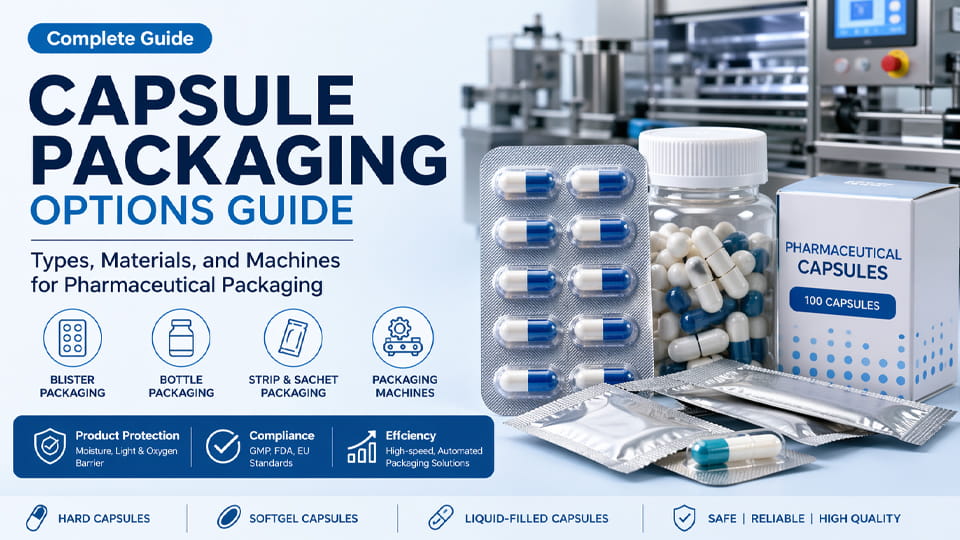
Упаковка капсул относится к тому, как фармацевтические капсулы (твердая оболочка или мягкая таблетка) прилагаются для распространения и использования. Он включает в себя первичная упаковка (непосредственный контейнер, контактирующий с капсулами, например. волдыри или бутылки) и вторичная упаковка (внешние коробки, коробки, и этикетки, которые дополнительно защищают и идентифицируют продукт.). Хорошая упаковка капсулы должна защищать препарат от влаги., свет, и загрязнение, обеспечить стабильность в течение всего срока годности, и соответствовать нормативным требованиям. Например, ВОЗ отмечает, что «Компоненты упаковки окружают продукт от производства до момента использования.,» и должен выполнять такие функции, как защита, стабильность, и идентификация. Правила GMP FDA (21 CFR 211) требовать письменных процедур проверки и тестирования упаковочных материалов при получении, и обязать безопасную маркировку и контроль несанкционированного доступа. На практике, мы должны соответствовать капсульный продукт (лекарственная форма, чувствительность, дозировка, и т. д.) к соответствующему формату упаковки и материалу.
Первичная упаковка фармацевтических капсул – критически важна для защита продукта, согласие, и безопасность пациентов: Сохраняет капсулы сухими, незагрязненный, и четко обозначены. Например, Известно, что блистерные упаковки и флаконы янтарного цвета идеально подходят для чувствительных к влаге лекарств.. Правильная упаковка также способствует соблюдению пациентами режима лечения. (блистерное дозирование единичных доз, бутылочки с защитой от детей, четкая маркировка) и потребности цепочки поставок (сериализация, логистика). Ниже мы подробно рассмотрим каждый вариант.
Виды упаковки капсул
Блистерная упаковка для капсул
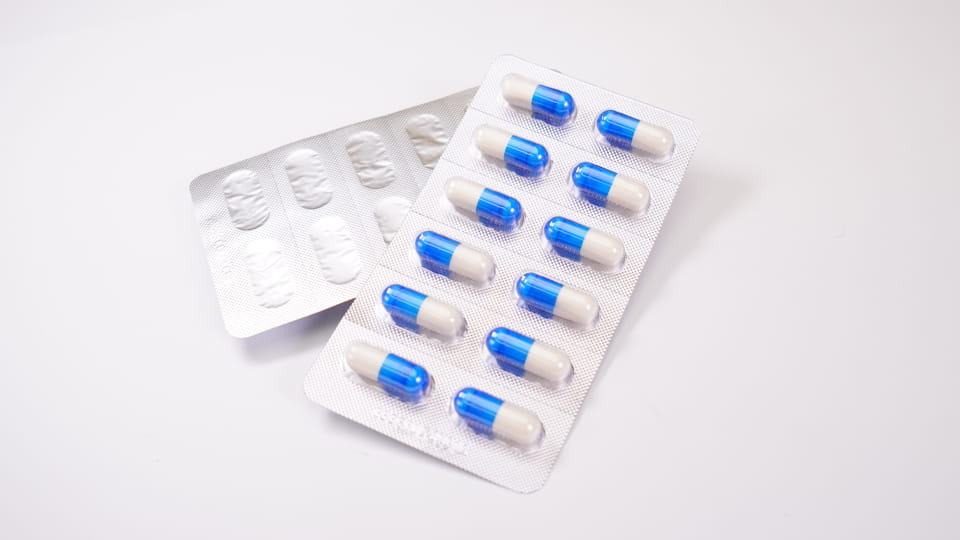
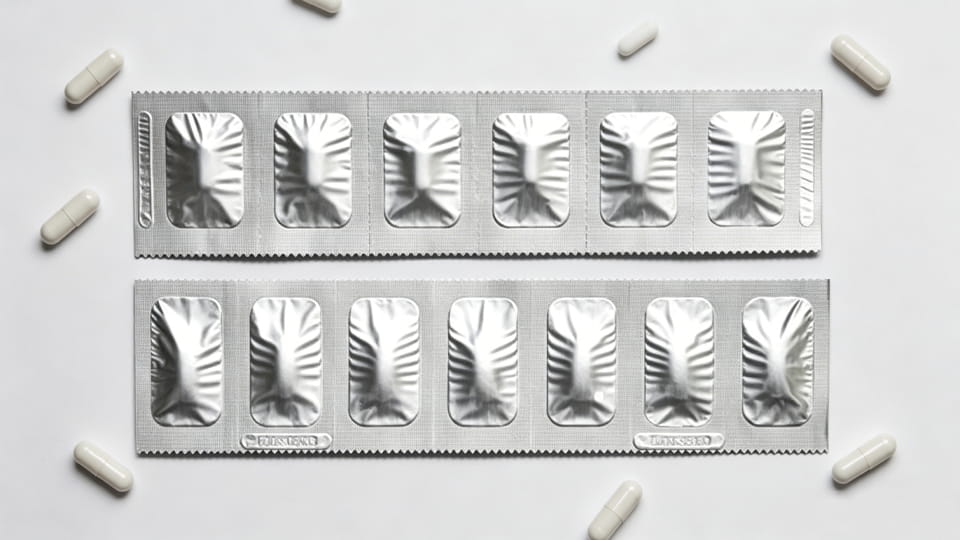
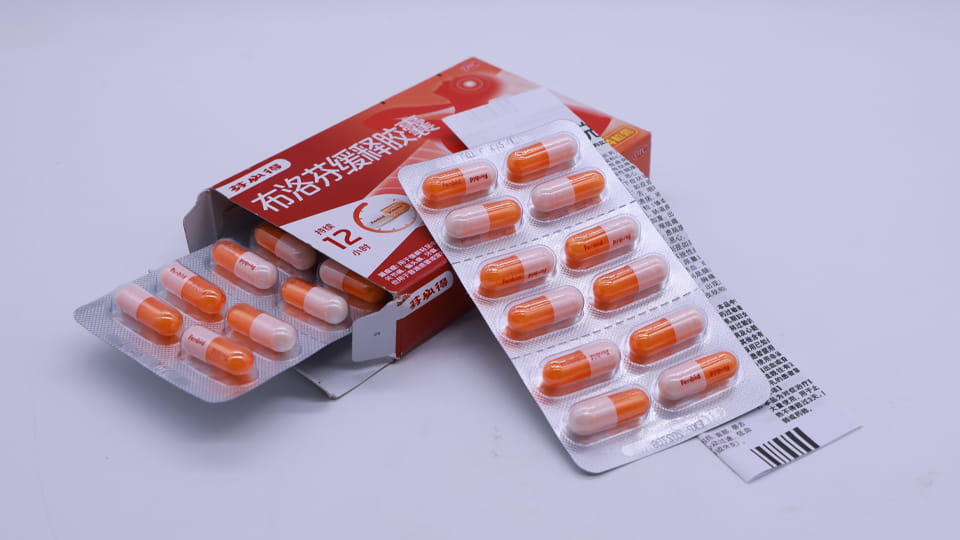
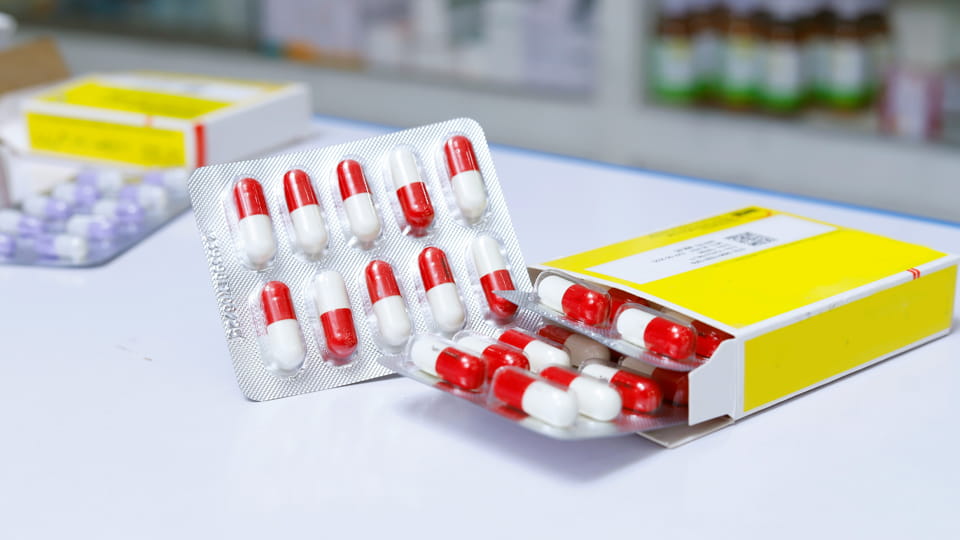
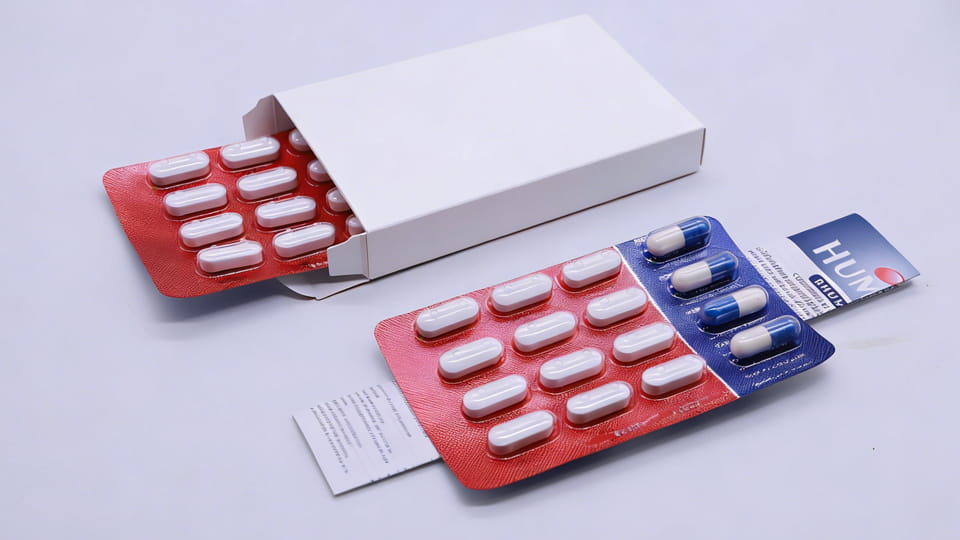
Блистерные пакеты состоят из предварительно сформированных пластиковых полостей («волдыри») которые содержат отдельные капсулы, запечатанный подложкой (фольга или пластик). Этот первичная упаковка предложения защита единичной дозой. Волдыри обеспечивают отличный барьер характеристики: их можно сделать с такие материалы, как ПВХ/ПВДХ или фольга. (Alu-Pvc, Все время) блокировать влагу, кислород и свет. Например, Блистерная машина DPP-180Pro компании Jinlu может формовать и запечатывать до 4,800 капсул-блистеров в час из ламината Алю-ПВХ или Алю-Алю. К основным особенностям блистерной упаковки капсул относятся::
Защита: Каждая полость герметично закрыта., защита капсулы от влаги, кислород и свет. Как отмечает одно исследование, волдыри «обеспечивают превосходную защиту от влаги и света» (лучше, чем бутылки). Высокобарьерная пленка (например. Все время) продлить срок хранения гигроскопичных или чувствительных к кислороду капсул.
Вмешивание доказательств: На блистере ясно видно, была ли доза удалена или нарушена герметичность.. Это обеспечивает целостность продукта и безопасность пациента..
Удобство: Блистеры с единичными дозами позволяют пациентам принимать по одной капсуле за раз., сокращение ошибок дозирования и отходов. Они особенно полезны для коротких схем дозирования или педиатрических рецептур..
Кастомизация: Блистерные упаковки могут быть изготовлены с различными формами и размерами полостей, чтобы соответствовать разным размерам капсул.. Современное оборудование (например, машины для термоформования или вспомогательные машины) легко адаптируется к размерам капсул.
Эффективность использования пространства: Блистеры компактны и штабелируются.. Они минимизируют пустое пространство по сравнению с бутылками., экономия на доставке и полочном пространстве.
Фигура:Блистерная упаковочная машина Jinlu JL-180Pro, формирующая блистеры для капсул (Alu-Pvc), 4,800 полостей/час.
Блистерные машины Jinlu (например. ДПП-180Про) может автоматически образовывать кариес, кормовые капсулы, тюлень, разрезать тарелки, и даже распечатать коды лотов. Обычно они работают на средней-высокой скорости. (тысячи полостей в час), Идеально подходит для массового производства. Различные форматы блистеров (Алю-ПВХ против Алу-Алу) выбираются по продукту: Все время (фольга-фольга) предлагает самый высокий барьер (лучше всего подходит для очень чувствительных к влаге лекарств), тогда как ПВХ/ПВДХ обычно используется для стандартных капсул.. Блистерная упаковка также упрощает подсчет и проверку.: большинство линий легко интегрируют машины для проверки с помощью камеры или машины для подсчета таблеток для проверки наполнения капсул..
Бутылка (Бутылка/капсула) Упаковка
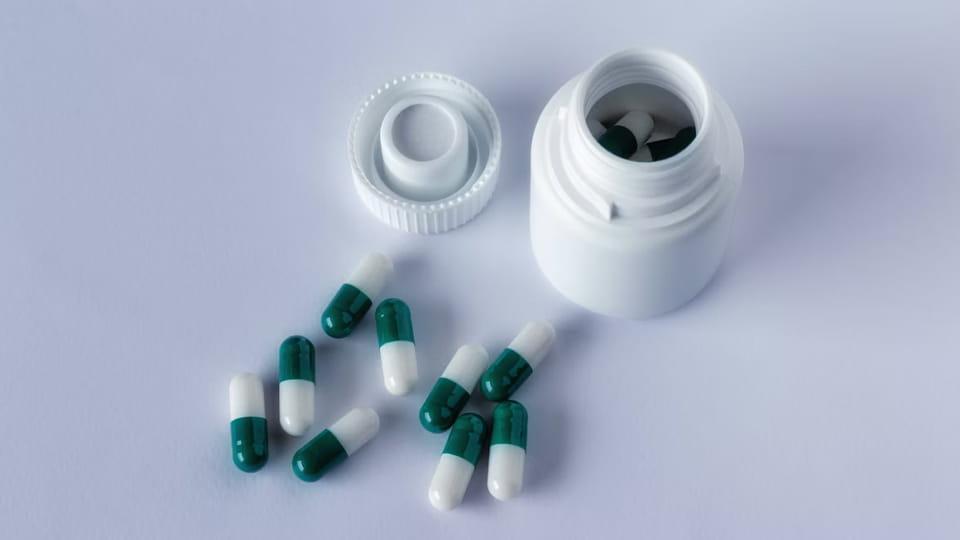
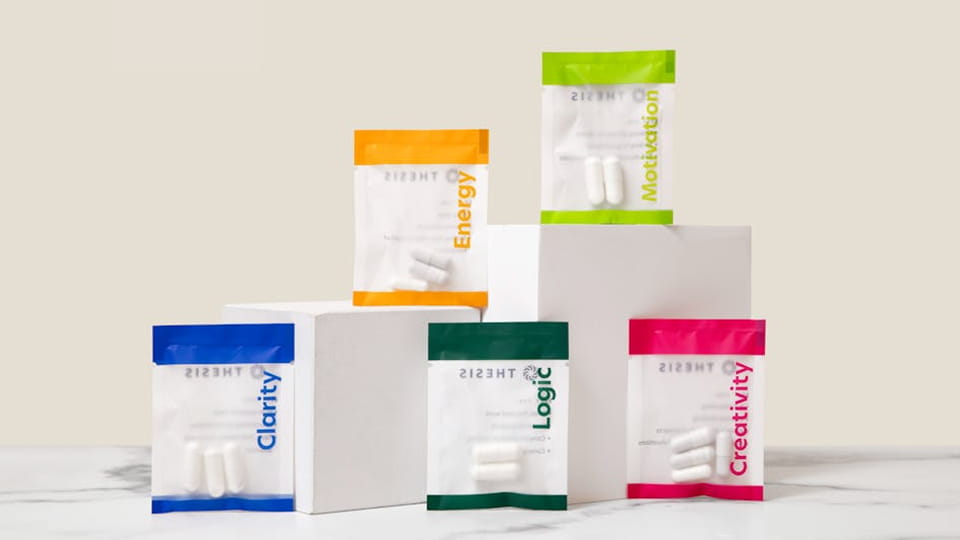
Бутылки представляют собой классический контейнер для нескольких доз.. Капсулы расфасовываются во флаконы. (пластик или стекло) которые затем ограничиваются. Этот формат хорошо известен витаминами., добавки, и много таблеток по рецепту. Ключевые особенности:
Универсальность: Бутылки могут вместить большое количество (50–1000+ капсул) и разнообразные продукты (таблетки, капсулы, порошки, даже жидкости). Обычно они изготавливаются из полиэтилена высокой плотности или полиэтилентерефталата., или стекло (для высокой химической инертности).
Массовая упаковка: Для капсул, предназначенных для многократного приема (ежедневные витамины, долгосрочная терапия), бутылки удобны. Пациенты могут вводить несколько доз одновременно..
Экономическая эффективность: Линии розлива в бутылки относительно просты.. Машины быстрее подсчитывают и взвешивают дозы (например. JL-16H компании Jinlu может заправляться до 100 бутылок/минуту). Стоимость единицы материала часто ниже, чем у блистера., особенно в масштабе.
Простота в обращении: Потребители знают, как открывать бутылки. Пожилым пациентам может быть легче открыть бутылку. (особенно с легко открывающимися или защищенными от детей крышками) чем чистить волдыри.
Вторичная упаковка: Бутылки позволяют включать в себя вспомогательные предметы, такие как пакеты с осушителем (для контроля влажности) или хлопок. Они также размещают полные этикетки продукта вокруг корпуса бутылки., и могут быть упакованы в картонные коробки.
Фигура: Линия розлива капсул/таблеток Jinlu JL-16H (100 бутылок/мин) с расшифровщиком, наполнитель, каппер, и этикетировщик.
Линии розлива капсул объединяют несколько машин: а бутылка безкрамблер (или загрузочный бункер), а счетно-наполнительная машина (который сбрасывает X капсул в каждую бутылку), а укупорочная/укупорочная машина (наденьте и затяните колпачки), и маркировка машина. Например, Линия JL-16H компании Jinlu может работать с капсулами диаметром 3–40 мм., достижение ~100 бутылок/мин с >99.8% Точность подсчета. Бутылки можно наполнять оптом очень быстро.. Чтобы соответствовать правилам, Линии бутылок часто включают в себя станцию для загрузки осушителей. (например. кремнеземные пакеты) и станция пломбирования с защитой от несанкционированного доступа. Крышки с защитой от детей — еще одна распространенная особенность педиатрических лекарств..
При выборе упаковки для бутылок, учитывать объем и стабильность продукта: крупносерийная продукция (например. ежедневные витамины) костюм бутылки, тогда как капсулы небольшого объема или высокочувствительные капсулы могут предпочитать блистеры. Бутылки для заметок обычно предлагают меньшая защита от влаги и кислорода, чем у высокобарьерных блистеров. Янтарное стекло или непрозрачные контейнеры могут обеспечить дополнительную защиту от света., и внутренние уплотнения (вкладыши из алюминиевой фольги) может улучшить барьер.
Саше & Пакеты палочек (Однодозовые пакеты)
Саше (и пакеты-стики) являются гибкие пакетыкоторые содержат одну дозу порошка, гранулы или жидкость. Хотя это не так часто встречается в капсулах., они актуальны для родственных лекарственных форм (например. нутрицевтические капсулы, измельченные в порошок, или сам порошковый наполнитель). Тем не менее, пакетики и стик-пакеты заслуживают упоминания в руководстве по упаковке капсул:
Саше обычно представляют собой плоские или подушечковые пакеты, запечатанные 3 или 4 стороны. Их часто используют для однодозовых порошков. (например. шипучие гранулы) или очень маленькие капсулы (некоторые аптеки отпускают капсулы в пакетиках для детского дозирования.). Современные машины для формования, наполнения и запечатывания могут наполнять пакеты точными небольшими объемами.. К преимуществам относится мобильность. (помещается в карман), удобство, и точное дозирование (нет частичных отходов). Пакеты также обеспечивают хорошую герметизацию.: герметичное уплотнение продлевает срок хранения и предотвращает загрязнение. Многие фармацевтические препараты (порошки, гели, мази, таблетки с разовой дозой) использовать пакетики; например, растворы для экстренной инъекционной регидратации или одноразовые порошки антибиотиков.
Пакеты палочек длинные, узкие пакетики (часто запечатывается по одному длинному шву плюс торцевому шву). Они популярны благодаря порошкообразным добавкам. (например. смеси растворимых напитков) и может использоваться для капсульных порошков. В упаковках-стиках обычно используется меньше материала, чем в пакетиках, а производительность машины выше. (30–50% быстрее). Они идеально подходят для сыпучих порошков благодаря тонкому отверстию..
И саше, и стик-упаковки производятся вертикальная форма-заполнение-уплотнение (Вффс) или горизонтальные машины FFS. Серия JL-VP от Jinlu, например, представляет собой многополосную машину FFS для производства палочек/саше. (40 сумки/мин/полоса, Точность ±0,02 г) для порошков, гранулы, жидкости или гели. Если бы сами капсулы расфасовывались в пакетики, можно было бы открыть пакетик, чтобы получить дозу, но чаще всего, капсулы упаковываются неповрежденными в блистер или флакон., в то время как пакетики/стики рассчитаны на порошкообразное содержимое.
Нормативное примечание: для твердых и полутвердых препаратов разрешены пакеты-саше и стик-упаковки. (согласно определениям ВОЗ). Они считаются первичной упаковкой, если непосредственно содержат продукт.. Как волдыри, Пакеты могут быть изготовлены с защитой от детей или с насечками для отрыва..
Полосовая упаковка
Стрип-упаковки (также называемые полосками фольги или «дозными полосками».) представляют собой еще одну форму первичной упаковки единичной дозы.. Полоса обычно представляет собой узкую паутину материала. (часто алюминий или многослойный ламинат) свернуто и запечатано, с перфорациями между дозами. В отличие от волдырей, Стрип-пакеты не образуют глубоких полостей – вместо этого, капсула зажата между двумя слоями пленки. Стрип-упаковки широко используются в Азии и для продуктов, где необходима высокая защита от влаги, но блистеры слишком громоздки.. Ключевые моменты:
Отличный барьер: В стрип-упаковках часто используется алюминиевая фольга, непроницаемая для влаги и кислорода.. Это делает их идеальными для чувствительных к влаге капсул или педиатрических лекарств, где необходим длительный срок хранения.. ВОЗ даже определяет стрип-упаковки как подходящие для «разовых доз… твердых или полутвердых препаратов»..
Компактный & Единичная доза: Как волдыри, Стрип-упаковки позволяют использовать одну дозу за раз.. Они легче и плоские, чем волдыри., экономия места.
Оборудование: Машины для упаковки в полоски формируют и запечатывают фольгу вокруг каждой капсулы.. Jinlu также предлагает упаковочные машины для стрип-упаковки.. Например, Подробные примечания к упаковке В стрип-упаковках используется алюминиевая или пластиковая ламинация, и их длина может достигать многих доз..
Фигура:Стрип -упаковочная машина
С точки зрения выбора, Стрип-упаковки занимают промежуточное положение между бутылочными (масса) и волдырь (жесткость). Их часто выбирают, когда очень высокий барьер влаги нужен, но в тонком виде, легкая форма. (Примечание: Стрип-упаковки могут не обеспечивать столь же четкие доказательства вскрытия, как блистеры, если не используются дополнительные пломбы.)
Вторичная упаковка & Маркировка
После выбора основного пакета, капсулы обычно помещают в вторичная упаковка например картонные коробки или упакованный в термоусадочную пленку случаи. Картонные коробки обеспечивают дополнительную защиту во время транспортировки., разрешить дополнительную маркировку (информация о препарате, брендинг, пломбы с защитой от несанкционированного вскрытия), и помогите организовать мультиупаковку продуктов. Ключевые соображения по вторичной упаковке:
Картонные коробки & Вставки: Медицинские картонные коробки должны включать в себя вкладыши с описанием продукта. (Листовки с инструкциями по дозировке, партийный номер, истечение срока действия, информация о производителе, и т. д.). Зачастую это бумажные листовки, вложенные в коробку..
Тамперные пломбы: Вторичная упаковка обычно имеет пломбы, защищающие от несанкционированного вскрытия. (например. ленты безопасности, термоусадочные ленты) чтобы показать, была ли открыта коробка.
Сериализация/Отслеживание & След: На многих рынках (США DSCSA, ЕС ящура), отдельные упаковки должны иметь уникальные серийные коды. (штрих-коды/QR) по борьбе с подделками. Надежное упаковочное решение включает в себя принтеры этикеток или струйные кодировщики для печати номеров партий и 2D-кодов на картонных коробках..
Защита от детей и функции безопасности: Для некоторых лекарств, правила (например. 21 CFR 211) обязательная упаковка, защищенная от детей. Сюда могут относиться блистерные пленки, которые детям трудно открыть., или специальные крышки на бутылки. Вторичные ящики также могут иметь замки или при необходимости требовать двухэтапного открытия..
Стабильность и соответствие: Комбинированная первичная+вторичная система должна обеспечивать стабильность продукта при соблюдении указанных условий хранения.. Например, Исследования стабильности ICH явно требуют тестирования конечной упакованной лекарственной формы..
В итоге, вторичная упаковка упаковывает продукт для окончательного распределения и обеспечивает наличие всех функций маркировки и соответствия требованиям.. Хороший дизайн повышает имидж бренда и удобство для пользователя. (легко открывающиеся коробки, четкая маркировка).
Материалы для упаковки капсул
Выбор правильного упаковочного материала имеет решающее значение для защиты капсул.. Материалы должны быть совместимы с препаратом., удовлетворить барьерные потребности, и соблюдать правила (ИСО 15378 GMP для упаковочных материалов, и т. д.). Общие материалы включают в себя:
Блистерные пленки:
ПВХ (Поливинилхлорид): Бюджетный, прозрачный пластик, часто используемый для волдырей. ПВХ влагопроницаем. (не такой защитный) без покрытия.
ПВХ/ПВДХ: ПВХ с покрытием ПВДХ (поливинилиденхлорид) существенно снижает попадание влаги (В обычном блистере из алюминия и ПВХ используется барьер из ПВДХ.).
Алю-ПВХ или Алу-Алю: Алюминиевая фольга, ламинированная ПВХ или ПЭТ. Алю-ПВХ обеспечивает хороший барьер для влаги/кислорода. (общий), в то время как Алу-Алу (фольга-фольга) обеспечивает самый высокий барьер (используется для очень гигроскопичных или светочувствительных капсул.).
Полипропилен (ПП): Становление устойчивой альтернативы. ПП блистеры (мономатериал) может быть полностью переработан, как и лайнер PharmaGuard от Südpack, и при этом хорошо работать на автоматизированных линиях.
Материалы для бутылок:
ПНД (Полиэтилен высокой плотности): Обычный пластик для фармацевтических бутылок; относительно инертен и экономически эффективен.
ДОМАШНИЙ ПИТОМЕЦ (Полиэтилентерефталат): Обеспечивает лучшую четкость и жесткость; хороший барьер против газов. Часто используется для нутрицевтиков/добавок..
Стекло (Тип I боросиликат): Используется для очень чувствительных к влаге или парентеральных препаратов.; стекло обеспечивает превосходную защиту от влаги и химическую инертность.. Янтарное стекло также блокирует ультрафиолетовое излучение..
Другие фильмы: Для пакетиков и стик-паковок, многослойные ламинированные пленки (например. ПЭТ/Гоу/ПЭ) используются для контроля влажности и герметизации.
В целом, выберите самый высокий барьер, который имеет смысл для вашей капсулы. Например, чувствительные к влаге желатиновые капсулы могут потребовать блистера Alu-Alu или флакона из янтарного стекла с влагопоглотителем.. В отличие, для нечувствительных капсул можно использовать стандартный блистер из ПВХ или флакон из полиэтилена высокой плотности.. Учитывайте также срок годности: долгосрочные продукты нуждаются в более надежном барьере.
Примечания по безопасности/переработке: Устойчивые тенденции отдают предпочтение упаковкам из мономатериала (например. ПП блистеры, перерабатываемые ПЭТ-бутылки). Тестирование материалов на экстрагируемые вещества, совместимость, и соответствие ограничениям FDA/ЕС (например. USP <661> для пластификаторов) является частью соблюдения требований к упаковке.
Типы капсул и влияние упаковки
Капсулы бывают разных типов, и их состав определяет потребности в упаковке.:
Твердые желатиновые капсулы: Самые распространенные двухсекционные снаряды.. Они содержат сухие порошки/гранулы.. Желатиновые оболочки удерживают немного влаги и становятся хрупкими, если они слишком сухие., или мягкий, если слишком влажный. В целом, твердые желатиновые капсулы требовать умеренный контроль влажности. Широко цитируемое условие хранения: 15–25°C и относительная влажность 35–65 %.. Упаковка должна поддерживать эту среду.: например, блистерные упаковки с вкладышами из ПВДХ или алюминия-алюминия., или флаконы с влагопоглотителями, помочь стабилизировать капсулы.
HPMC (Вегетарианец) Капсулы: Изготовлен из растительной целлюлозы, эти оболочки обычно имеют более низкую влажность, чем желатин, и выдерживают относительную влажность до ~ 70%.. Они часто используются для чувствительных к влаге API.. Однако, даже ГПМЦ капсулы требуется барьерная упаковка для очень гигроскопичных или светочувствительных наполнителей. На практике, ГПМЦ капсулы + Блистеров из ПВХ часто бывает достаточно., но высокий барьер все равно добавляет безопасности.
Мягкие капсулы (Заполненный жидкостью):Мягкие капсулы есть желатин (или модифицированный желатин) оболочка, наполненная маслом или другими жидкостями. Они содержат значительное количество воды (часто ~5–10%) в скорлупе и может терять влагу или окисляться. Мягкие капсулы очень чувствительны к влаге.: обычно им требуются бутылки из янтарного стекла (с осушителем) или высокобарьерные блистерные упаковки для предотвращения потери воды и поддержания эффективности. Поскольку оболочки мягких капсул чувствительны к температуре/влажности во время производства., иногда необходима холодовая цепь и специализированная упаковка.
Энтеросолюбильные капсулы/капсулы с модифицированным высвобождением: Они имеют специальное покрытие для задержки высвобождения в желудочно-кишечном тракте.. Покрытие добавляет еще один уровень чувствительности. (он может быть чувствительным к pH или более хрупким). Такие капсулы следует хранить сухими и обычно упаковывать в блистеры или флаконы, как и любые другие капсулы.. Покрытие требует постоянных условий; поэтому важна упаковка, обеспечивающая контроль температуры и относительной влажности во время распределения..
Суммируя, тот материал оболочки капсулы и тип наполнения повлияет на выбор упаковки. Составы с высокой чувствительностью к влаге всегда отдают предпочтение максимально прочному барьеру. (Алю-Алу блистер, пакетик из фольги, или запечатанный флакон с влагопоглотителем). Менее чувствительные составы имеют больше возможностей. Всегда проверяйте стабильность окончательная упакованная капсула (ICH Q1A требует стабильности в предлагаемом контейнере.).
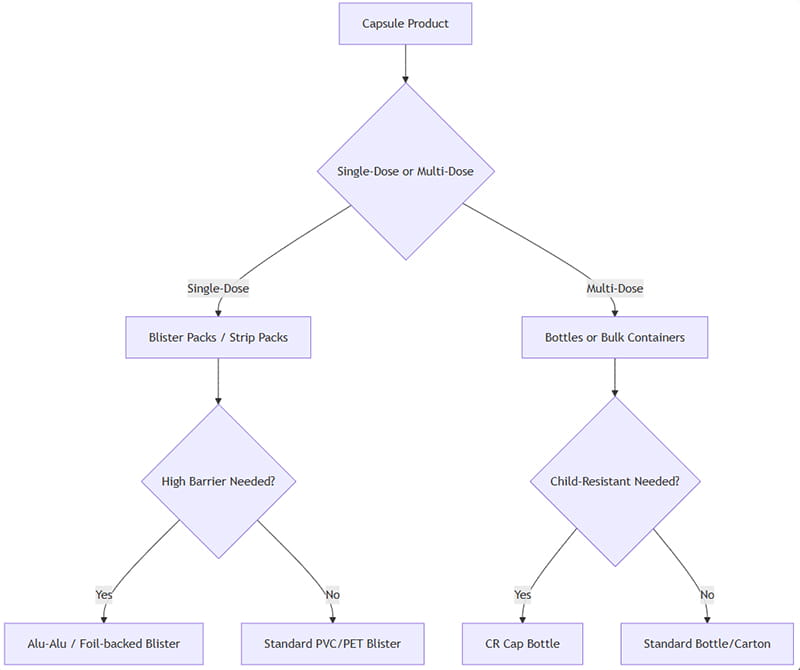
Выбор правильной упаковки (Блок-схема принятия решения)
Выбор оптимальной упаковки капсул включает оценку множества факторов.: лекарственная форма, согласие пациента, чувствительность продукта, срок годности, нормативные требования, и стоимость. Ниже представлена упрощенная схема принятия решений.:
Как это применить: Если капсулы предназначены как отдельные единицы (например. блистерные карты с плотной дозировкой или розничные блистеры), блистеры/полоски предпочтительнее. Для многократного приема (например. добавки или часто используемые лекарства), бутылки более эффективны. Если защита от влаги/света имеет решающее значение, выберите высокобарьерные варианты (Все время, янтарная бутылка). Если необходима педиатрическая безопасность, используйте крышки для бутылок с защитой от детей или блистеры с защитой от несанкционированного доступа..
Чувствительность продукта: Для чувствительных к влаге препаратов, используйте блистеры Alu-Alu или пакеты из фольги.. Для светочувствительных, используйте янтарные бутылки или непрозрачные пленки.
Регуляторный: Включите доказательства несанкционированного доступа и соблюдайте требования FDA/EMA к упаковке..
Срок годности: Для более длительного срока хранения необходимы материалы с более высокими барьерными свойствами. (Все время, многослойные пленки).
Масштаб производства: Блистерные машины высокоскоростные. (средний объем), линии по производству бутылок превосходно справляются с большими партиями, Машины для изготовления пакетиков работают с гибкой скоростью линии.
Расходы: Баланс материала и затрат на машину. Например, бутылки могут требовать меньше труда на единицу продукции, но более высокую стоимость пластика; в упаковках-стиках используется очень мало пленки на дозу.
В конечном счете, пилотное тестирование (исследования стабильности, исследования потребителей) и анализ общей стоимости будет определять окончательное решение. Приведенная выше блок-схема является отправной точкой для типичных сценариев..
Оборудование для упаковки капсул
Для упаковки капсул требуется специализированное оборудование.. После наполнения капсул (с помощью капсульных наполнителей), они передаются на упаковочные линии:
Блистерные машины: Мы уже отмечали Джинлу ДПП-180Про, высокоскоростная блистерная машина для термоформования. Он образует полости (Пленка ПВХ или ПЭТ.), кормит капсулы (или таблетки), и заклеиваем фольгой, все автоматически. Jinlu предлагает машины (например. ДПП-180, ДПП-270Макс) до 4800–11200 полостей/час. Блистерные машины оснащены счетными устройствами подачи, позволяющими выбрасывать ровно одну капсулу в карман., и часто имеют перфораторы для разделения блистеров на карточки.. Дополнительные модули (печать/проверка) убедитесь, что каждый блистер разборчив и правилен..
Считает & Линии розлива (Линии для бутылок): Они превращают свободные капсулы в бутылки.. Типичная линия имеет: расшифровщик бутылок (организует пустые бутылки), счетчик таблеток/капсул (вибрационная чаша или оптическая система, которая считает и опускает заданное количество в каждую бутылку), укупорочная машина, и этикетировочная станция. Джинлу JL-16H линия, например, взбивает бутылки, отсчитывает в них капсулы диаметром 3–40 мм., применяет ограничения, и этикетки до 100 бутылок/мин с 99.98% точность. Для большого объема (оптовая упаковка) операции, модульные линии с несколькими счетными головками или шнековыми наполнителями могут достигать более высоких скоростей. Для упаковки фольгой также могут быть добавлены индукционные или термоусадочные машины..
Машины для упаковки в саше/стик-пакеты: Это форма-заполнение-печать (ФФС) машины. Джинлу JL-ВП серия представляет собой многопоточную систему VFFS, которая может производить 30–40 пакетиков или упаковок в минуту на полосу.. Он точно дозирует порошок или жидкость. (шнековые шнеки для порошка, насосы для жидкости) и печати 3- или 4-сторонние пакеты или 3-сторонние пакеты-стики. Машины оснащены ПЛК для управления длиной мешка., сервопитатели для точности (±0,02 г), и герметичная термосварка. Такие машины идеально подходят для однодозовых продуктов., хотя сами капсулы редко бывают неповрежденными в «пакетиках».
Стрип-упаковочные машины: Стрип-упаковки изготавливаются на специализированных машинах, которые термосваривают фольгу или пленку внахлест.. Они часто напоминают блистерные машины, но используют плоскую пленку.. (Если Jinlu предлагает стрип-упаковщики, такая же интеграция, как и у машин для пакетиков.)
Машины для вторичной упаковки:Картонирующие машины можно собрать коробки, вставьте блистеры или флаконы и листовки, и закрыть коробки. Упаковщики фармацевтических товаров часто имеют дело с блистерными картонами из фольги или пакетами с капсулами.. Упаковщики в коробки (для внешних корпусов) и паллетайзеры дополняют линию для массового производства.
Соответствие оборудования: Все упаковочные машины для фармацевтических препаратов должны соответствовать требованиям GMP. (нержавеющая сталь, очищаемые поверхности, проверенная производительность). Машины Jinlu сертифицированы CE/cGMP., часто с настраиваемыми защитными устройствами и системами отбраковки некондиционных таблеток.. Интеграция – это ключ к успеху: например, блистерная машина может подавать непосредственно в картонажную машину, которая собирает коробки и упаковывает каждую блистерную карту.. Комплексные системы (от наполнения до финальной коробки) обеспечить комплексную автоматизацию упаковки капсул.
Вопросы регулирования и соответствия
Упаковка капсул для фармацевтических препаратов должна соответствовать строгим правилам.. Ключевые моменты включают в себя:
Требования GMP: FDA 21 CFR 211 Подраздел G требует письменных процедур получения и тестирования все упаковочные материалы перед использованием. Это означает волдыри, бутылки, этикетки, коробки и т. д.. должен соответствовать спецификациям (нет дефектов). Раздельное хранение упаковочных материалов по продуктам обязательно для предотвращения путаницы.. Приложение ВОЗ GMP 9 также подробности контроля упаковки. Надлежащая производственная практика требует прослеживаемости (номера партий на упаковке) и чистое обращение.
Стабильность и рекомендации ICH: Я Q1A(Р2) предусматривает, что исследования стабильности должны проводиться для продукта в его окончательном состоянии. система закрытия контейнера. На практике, это означает, что вы должны упаковать тестовые партии капсул точно так, как планировалось. (та же блистерная фольга, тот же тип бутылки) и подвергнуть их воздействию условий стабильности в реальном времени. Любое изменение в упаковке может потребовать нового тестирования стабильности..
Сериализация & Прослеживаемость: На многих рынках, уникальные идентификаторы (штрих-коды/2D-коды) на вторичной упаковке (а иногда и первичные волдыри) обязаны отслеживать наркотики по цепочке поставок. Линии должны включать принтеры или аппликаторы для этих кодов.. Дизайн упаковки также часто включает в себя защиту от несанкционированного вскрытия. (согласно законодательству США/ЕС).
Упаковка, устойчивая к детям и пожилым людям: Контролируемые вещества или некоторые лекарства требуют наличия функций защиты от детей.. Зачастую это означает наличие специальных крышек на бутылках. (например. нажми и поверни) или трудно отслаивающиеся волдыри. Однако, также необходимо учитывать доступность для пациентов (легко открывающийся для пожилых людей). Ознакомьтесь с Законом об упаковке для предотвращения отравления (НАС) или аналогичные региональные правила необходимы.
Стандарты ИСО: Поставщики первичной упаковки должны следовать ISO 15378 (GMP для первичных упаковочных материалов) чтобы гарантировать качество. Хотя здесь это не упоминается напрямую, это общепризнанный стандарт для производителей упаковки.. Сами машины должны соответствовать стандартам фармацевтического оборудования. (CE, UL, и т. д.) и 21 CFR Part 11 если есть запись данных.
Правила маркировки: На капсулах должно быть указано название продукта., дозировка, Дата окончания срока, производитель, и т. д.. Это распространяется на картонные коробки и блистеры. (иногда каждый сегмент блистера содержит печатную информацию). FDA и EMA предъявляют особые требования к тому, какая информация должна быть указана на первичной и вторичной этикетке..
Общий, встреча FDA, Рекомендации EMA и ВОЗ очень важны. Многие упаковщики работают с регулируемыми поставщиками. (как Джинлу) кто может предоставить проверенные машины и документацию (ИК/Белый/PQ).
Заключение
Выбор правильной упаковки капсул требует сбалансированной защиты., удобство использования, и стоимость. Блистерные пакеты, бутылки, пакетики, и полоски каждая имеет свое место в фармацевтическая упаковка. Такие факторы, как чувствительность к влаге, лекарственная форма, и потребности пациента определяют решение. Рядом, должны соблюдаться строгие нормативные требования и требования GMP..
В Джинлу Упаковка, мы специализируемся на комплексных фармацевтических упаковочных решениях. Наше оборудование – от высокоскоростные блистерные машины к полностью автоматизированный подсчет & линии розлива – помогает эффективно и с соблюдением требований упаковывать капсулы. Мы также поддерживаем устойчивый выбор (например. машины, которые запускают новые перерабатываемые пленки) и предложить комплексное обслуживание (настройка, проверка). Наша команда может помочь вам оценить лучшую систему упаковки капсул для вашего продукта..
Готовы оптимизировать упаковку ваших капсул?Свяжитесь с Jinlu Packing сегодня за экспертные рекомендации и предложения. Наши решения поддерживаются мировыми стандартами качества и более чем 3,000 довольные клиенты по всему миру. Давайте упакуем ваши капсулы для успеха!
Часто задаваемые вопросы об упаковке капсул
Что такое капсульная упаковка?
Упаковка капсул — это процесс заключения фармацевтических капсул в защитные материалы для сохранения стабильности., безопасность, и соответствие. Распространенные форматы включают блистерную упаковку., бутылки, и полосовая упаковка. В фармацевтической практике, упаковка — это не просто герметизация — она защищает капсулы от влаги, кислород, и загрязнение, что напрямую влияет на качество и срок годности препарата.
Какая упаковка для фармацевтических капсул лучше?
Не существует единственного «лучшего» варианта — это зависит от вашего продукта и рынка.. • Блистерная упаковка → лучше всего подходит для чувствительных к влаге или дорогостоящих лекарств. • Бутылочная упаковка → лучше всего подходит для хранения в больших количествах и пищевых добавок. • Ленточная упаковка → распространена на чувствительных к затратам рынках. Часто предпочтительнее блистерная упаковка, поскольку она обеспечивает защиту единичной дозы и лучшую изоляцию от окружающей среды..
Какие материалы мне следует использовать для защиты капсульного продукта??
Используйте материалы, блокирующие ключевые угрозы (влага, кислород, свет). Например, Блистеры из алюминиевой фольги или флаконы из янтарного стекла обеспечивают превосходный барьер для чувствительных к влаге капсул.. Блистеры из ПВХ или ПЭТ с покрытием из ПВДХ распространены и дешевле для стабильных продуктов.. Бутылки из ПЭВП входят в стандартную комплектацию, но может потребоваться пакет с влагопоглотителем, если капсулы чувствительны.. Оцените скорость передачи водяного пара. (ВВТР) фильмов. В производстве, ориентированном на устойчивое развитие, рассмотрите возможность вторичной переработки мономатериалов (например. ПП блистеры). Всегда проверяйте совместимость упаковки с помощью исследований стабильности..
Как упаковка капсул защищает стабильность лекарств?
Капсулы чувствительны к факторам окружающей среды, таким как влажность., кислород, и свет. Правильная упаковка: • Предотвращает впитывание влаги • Уменьшает окисление • Сохраняет химическую стабильность Блистерная упаковка, в частности, создает герметичную микросреду для каждой капсулы, значительно продлевает срок годности.
Какие упаковочные машины мне нужны для капсул?
Это зависит от формата. Для волдырей, вам нужна машина для формирования/запечатывания блистеров (с формами для полостей, подходящими для вашей капсулы) плюс возможно картонщик. Для бутылок, вам нужна линия розлива/укупорки бутылок (расшифровщик, контрнаполнитель, каппер, Лейбл). Для стик-паковок, используйте вертикальную машину для наполнения и запечатывания пакетов. Джинлу предлагает все это: например. наши блистеры серии DPP, Счетная линия JL-16H, и упаковщик в пакеты JL-VP. Выбор подходящей машины зависит от мощности, размер капсулы, и необходимые интеграции (системы технического зрения, отклонять станции, и т. д.).
Как мне сделать выбор между блистерной упаковкой и флаконом для капсул??
Учитывайте такие факторы, как дозировка (одиночный против. несколько), потребности в стабильности, и использование пациентами. Для удобства приема однократной дозы и высокой защиты (специально для капсул, чувствительных к влаге/свету), волдыри часто предпочтительнее. По причине большого объема или по экономическим причинам, бутылки обычно выбираются. Также, если необходимы функции, устойчивые к детям или пожилым людям, бутылки могут предложить больше возможностей. Как правило, сопоставьте свойства вашей капсулы с упаковкой: например. очень гигроскопичные капсулы → блистер Alu-Alu; добавки высокого спроса → бутылки.
Мелкий фу, Основатель компании Jinlupacking, приносит 20 многолетний опыт работы в секторе фармацевтического оборудования. Под его руководством, Jinlu превратилась в надежного поставщика, интегрирующего дизайн., производство, и продажи. Петти с радостью делится своими глубокими отраслевыми знаниями, чтобы помочь клиентам разобраться в сложностях фармацевтической упаковки., гарантируя, что они получат не только оборудование, но настоящее комплексное сервисное партнерство, адаптированное к их производственным целям..