
В сегодняшних условиях низкой рентабельности, производители лекарств должны сократить расходы на упаковку, не жертвуя при этом качеством и соблюдением требований.. Упаковка может составлять 10–40% стоимости продукта., поэтому даже небольшая эффективность складывается. Это руководство проходит через 10 практические стратегии – от анализа структуры затрат до автоматизации, бережливые практики, и экологичный дизайн – для сокращения расходов. Мы рассмотрим оптимизацию материалов, разумный выбор машины (как высокоскоростные блистерные машины Jinlu, системы счета, картотеры, и наполнители капсул), профилактическое обслуживание, Улучшения OEE и SMED, сокращение отходов, и как посчитать рентабельность инвестиций. В каждом разделе используются отраслевые данные и примеры машин Jinlu, чтобы сделать его более конкретным.. Интегрируя эти советы, Менеджеры по управлению фармацевтическими операциями могут превратить упаковку из центра затрат в конкурентное преимущество.
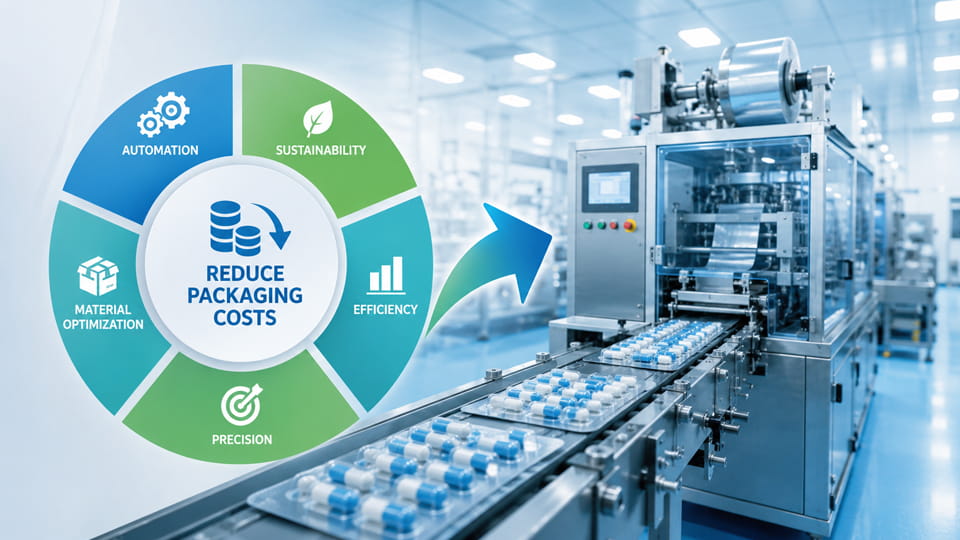
Стоимость упаковки находятся под сильным давлением с нескольких фронтов. Снижение рентабельности и инициативы по повышению цен на лекарства означают, что каждый доллар имеет значение, проталкивание упаковки в зал заседаний. Сырьевая инфляция, консолидированные поставщики (меньше вариантов, более высокие цены), и сложные правила (например, сериализация и новые экологические законы) все вгрызаются в бюджеты. Например, расширенная ответственность производителя (ЭПР) законы теперь возлагают на производителей ответственность за утилизацию отходов по окончании срока службы., эффективно добавляя скрытую плату к каждому грамму пластика или фольги. Суммируя, упаковка — это не просто «коробки и этикетки» — это стратегическая система, которая должна сбалансировать затраты., согласие, и опыт работы с клиентами.
Отраслевые эксперты сходятся во мнении, что скрытые расходы, такие как труд, время простоя, отходы и документы часто затмевают цену упаковочных материалов. Каждая дополнительная минута простоя приводит к оплате сверхурочных и задержке заказов.. Каждая ошибка в блистерной упаковке или этикетке является чистой потерей.. И обходные пути вручную (например, ручная сортировка или перемаркировка) отнимать время персонала. Когда так много поставлено на карту, фармацевтическим компаниям необходимо переосмыслить упаковку с нуля – используя аудит на основе данных, межфункциональные команды (Р&Д, качество, приобретение, производство), и стратегический подход к дизайну, который рассматривает упаковку как добавленную стоимость, а не как источник затрат.. В разделах ниже показано, как бороться с каждым основным фактором затрат..
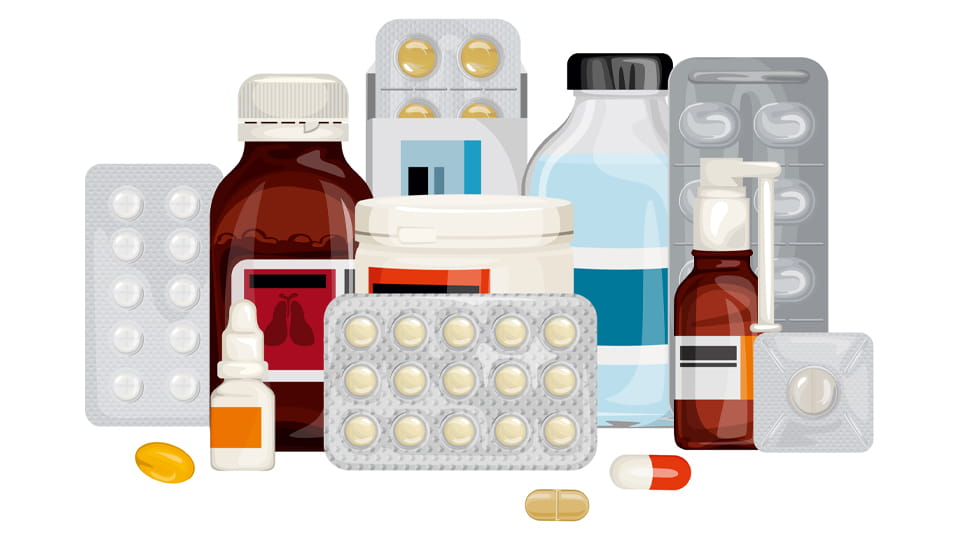
Прежде чем сокращать расходы, авария куда идут твои деньги. Типичные категории затрат на упаковку включают в себя Материал, Труд, Время простоя, Напрасно тратить, Энергия и Обслуживание. Например: материалы (фильмы, коробки, флаконы, этикетки) часто составляют 20–30% от общей стоимости; труд (линейные операторы, упаковщики) может составлять 15–25%; простои при переналадке и незапланированные остановки съедают мощности; металлолом и брак (использованный продукт или упаковка) добавить еще кусок; плюс меньшие доли на коммунальные услуги и содержание. Точное сочетание зависит от ваших продуктов и процессов., но в этой таблице указаны общие компоненты:
| Категория стоимости | Что это включает в себя | Как оптимизировать |
| Материалы | Блистерные пленки/фольга, коробки, бутылки, этикетки | Используйте более легкие или пригодные для вторичной переработки подложки.; оптовая закупка; упаковка подходящего размера для уменьшения количества материала. Рассмотрите менее дорогие, но соответствующие требованиям материалы посредством анализа необходимых затрат.. |
| Труд | Линейные операторы, упаковщики, инспекторы | Автоматизируйте повторяющиеся задачи (уплотнение, считает), использовать эргономичное оборудование. Персонал перекрестного поезда. (Одна только высокая текучесть кадров обходится примерно в 4000 долларов за замену одного работника.) |
| Время простоя | Переналадки, поломки, уборка | Внедрение профилактического обслуживания и быстрой замены (КУЗНЕЦ) протоколы для ускорения переналадки. Обеспечьте наличие запасных частей и калибровку линий.. |
| Напрасно тратить | Дефектные упаковки, переполняется, порча | Используйте визуальный контроль и прецизионные машины для раннего обнаружения дефектов.. Например, Блистерные машины индивидуально запечатывают дозы, чтобы свести к минимуму воздействие и порчу. (Капсульные наполнители Jinlu даже восстанавливаются 100% порошка.) |
| Энергия | Электричество для машин, ОВК | Выбирайте энергоэффективные двигатели и приводы.. По возможности запускайте высокоэнергетические процессы в непиковые часы.. Выключите простаивающее оборудование. |
| Обслуживание | Запчасти для ремонта, контракты на обслуживание, калибровка | Запланируйте регулярное обслуживание (смазка, калибровка), и используйте OEM-запчасти. Надежный план профилактического обслуживания позволяет избежать серьезных простоев.. |
Путем количественной оценки каждой категории (даже примерно), вы можете обнаружить самые большие утечки. Например, В обзоре фармацевтических упаковщиков, проведенном Jinlupacking, отмечается, что труд, простои и отходы часто являются молчаливыми убийцами затрат. Другое исследование также отмечает, что материалы и работа являются основными источниками затрат наряду с проектированием и логистикой.. Используйте эту разбивку, чтобы нацелиться на «легко висящие плоды» — будь то переговоры о более выгодных ценах на материалы., замена на перерабатываемую пленку (снижение сборов EPR), или инвестиции в машины для устранения затрат на рабочую силу.
Сокращение материальных затрат – быстрая победа, но это нужно делать с умом. Массовые скидки и предложения поставщиков помогают, но реальная экономия часто достигается за счет оптимизация дизайна. Посмотрите на дизайн вашей упаковки: Могут ли стенки коробки быть тоньше?? Могут ли волдыри быть подходящего размера? Можно ли поместить несколько блистеров в одну коробку?? Инновационные фармацевтические компании переходят от статических спецификаций к динамичному портфолио материалов.. Они каталогизируют материалы не только по стоимости и характеристикам, но также по возможности вторичной переработки и нормативному риску., чтобы они могли заменить более легкие или более экологичные альтернативы по мере необходимости..
Известный пример — уменьшение пустого пространства.. Упаковки большего размера могут выглядеть «премиум-классом».,», но любой дополнительный объем — это напрасная стоимость и штраф при доставке за объемный вес.. Путем разработки более компактных корпусов (сохраняя при этом защиту продукта), Фирмы часто сразу сокращают расходы на использование материалов и стоимость доставки.. Фактически, Packaging Digest сообщает, что продуманный дизайн может «сократить объем материала, одновременно улучшая человеческий фактор».,Это означает, что вы тратите меньше, а пациенты находят упаковку более простой в использовании.. Такой подход «элегантная замена лишнего» означает меньшее количество штампов., меньше доски, и более низкие обязательства по EPR – все это хорошие новости для чистой прибыли.
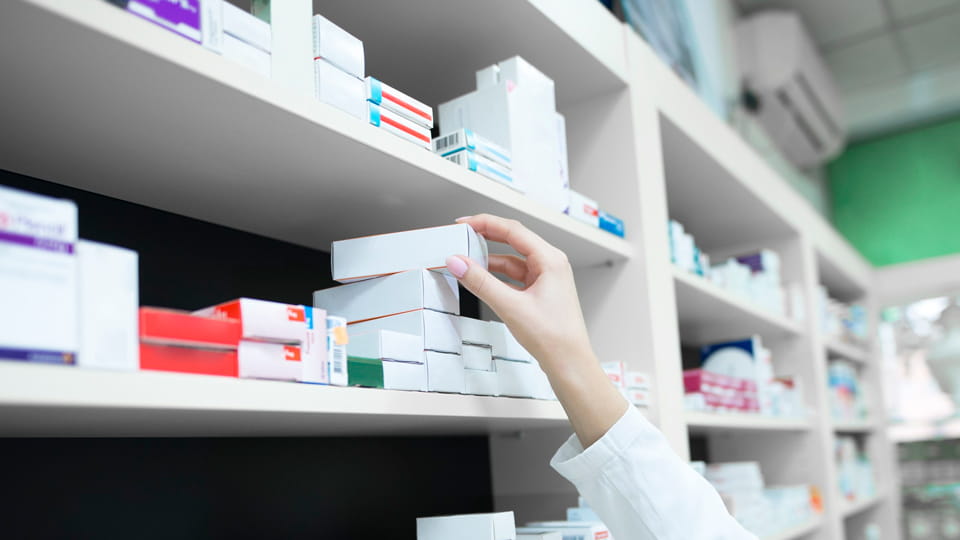
Автоматизация правильные шаги часто приводят к значительному сокращению затрат. Даже полуавтоматизация (по сравнению с полностью ручным) может повысить производительность 30%+ без увеличения численности персонала. The ключевое преимущество это экономия труда: машины работают 24/7 если необходимо, а работники могут быть перераспределены на более важные задачи (Контроль качества, обслуживание, и т. д.). Например, Автоматические счетные машины Jinlu обеспечивают невероятно высокую точность. (>99.98%) и скорости (до 6,000 бутылок/час), практически исключает ошибки ручного подсчета и время простоя из-за ошибок сортировки. Так же, Блистерные упаковочные машины Jinlu работают с производительностью до 4800–11 200 блистеров в час., обработка формовки, кормление, запечатывание и резка за один этап – уровень производительности и постоянства, невозможный вручную.
Даже простые полуавтоматические станции помогают. Хорошо продуманный эргономичный механизм открывания коробок и конус могут утроить скорость запечатывания коробок., экономия времени упаковщика для более квалифицированной работы. А современные картонажники могут выравнивать и складывать картонные коробки практически мгновенно.. Фактически, фирмы, установившие эргономичные системы конечной обработки, увидели пропускная способность скачок 30-40% без добавления труда. Суммируя, автоматизация окупается за счет более высокая скорость + меньше ошибок + более низкая стоимость рабочей силы.
Важно, экономия здесь не просто гипотетическая. Учитывайте это практическое правило: замена всего лишь нескольких операторов машинами может сэкономить десятки тысяч в год на заработной плате и льготах. На одной из иллюстраций из руководства по рентабельности инвестиций в упаковку показана автоматизированная линия, увеличивающая производительность от 100 к 300 пачек/час (с $2 прибыль с упаковки), спасение трех рабочих ($20/час каждый) и резка металлолома. Результат был около $800 чистая прибыль в день, достаточно, чтобы добраться примерно 40% Окупаемость оборудования. Ниже мы вернемся к расчетам рентабельности инвестиций..
Лучшие машины Jinlu, на которые стоит обратить внимание:
Хотя первоначальные затраты на оборудование могут показаться высокими, помните о скрытой экономии: стабильное качество (меньше брака), отмена надбавок за смену и сверхурочную работу, и возможность перераспределения персонала. Современное оборудование также отличает промышленность 4.0 технология – датчики для профилактического обслуживания и сбора данных – что еще больше сокращает отходы и время простоев.

Даже лучшие машины зарабатывают на жизнь только в том случае, если они продолжай бежать. Незапланированные остановки обходятся чрезвычайно дорого – не только ремонт., но задерживаются поставки, сверхурочно, чтобы наверстать упущенное, и даже отказ от целых партий при ухудшении качества. Как отмечается в одном из руководств по упаковке фармацевтических препаратов, простой «вызывает сверхурочную работу, отложенные заказы, запланируйте перестановки… и качество сохранится». Таким образом, сильный план технического обслуживания важно для снижения затрат на упаковку.
Ключевые практики включают в себя:
Рекомендации производителей машин имеют значение: Jinlupacking и другие компании подчеркивают трехлетнюю гарантию и глобальную сеть поддержки для быстрого обслуживания на месте.. Авторитетные поставщики также помогут вам заранее спланировать техническое обслуживание.: Профилактическое техническое обслуживание и правильное прогнозирование запасов запасных частей имеют важное значение. на автоматических линиях.
Не упускайте из виду затраты на документацию: надлежащее ведение записей о калибровке и валидации может фактически избежать переделок во время аудитов.. Наличие подробных журналов технического обслуживания (и доступ к OEM-поддержке) минимизирует время простоя и продлевает срок службы машины. В итоге, каждый доллар, потраченный на профилактическое обслуживание, дает экономию нескольких долларов за счет предотвращения простоев.
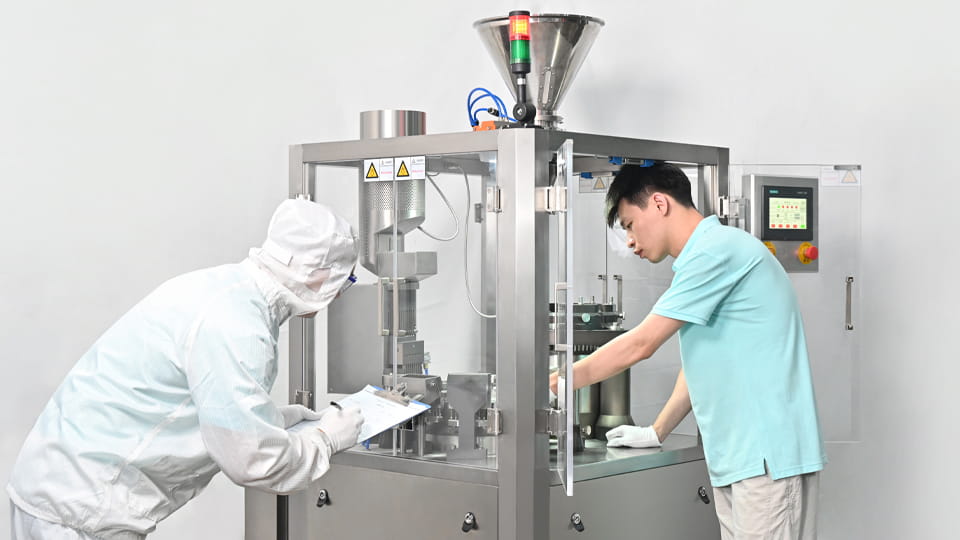
Со всеми элементами на месте, следующий фокус общая эффективность линии. Полезной метрикой здесь является ОЕЕ (Общая эффективность оборудования), который сочетает в себе доступность (время безотказной работы), производительность (скорость против. дизайн), и качественный урожай. Консультанты по бережливому производству говорят, что OEE во многих фармацевтических линиях имеет только средние показатели. 30% - значение 70% потенциального выпуска теряется из-за остановок, замедление или отказ. Фактически, случаев столь же низко, как 17% были зарегистрированы в фармацевтике. Напротив, цели мирового уровня – 65–75%, и верхние растения толкают 85%+. Этот разрыв представляет собой огромную возможность: каждое полученное очко OEE приносит больше прибыли без добавления оборудования.
Как повысить OEE:
Измерение OEE имеет решающее значение. Начните с определения базовой OEE для каждой линии. (даже при простом отслеживании вручную). Затем установите реалистичные цели для 5-10% годовая прибыль. Небольшая прибыль – все равно большие деньги: расширение линии производительностью 100 000 единиц в день от 30% к 40% OEE означает 10,000 больше продаваемых упаковок в день!
На этой блок-схеме показан упрощенный рабочий процесс упаковки фармацевтических препаратов.:

Фигура: Типичный процесс упаковки фармацевтических препаратов (от кормления до готовой продукции). Каждая стрелка — это возможность повысить эффективность, например, автоматизация переходов или стандартизация машинных интерфейсов.
Примечание: Для полностью интегрированного решения, Jinlu может поставить всю линию от питателей до окончательной упаковки в один пакет «под ключ»..
Потери – это видимые деньги на ветер – в буквальном смысле.. В фармацевтическая упаковка, отходы могут быть сырым продуктом (сломанные таблетки, неправильные капсулы), полуфабрикаты в упаковках (блистерные карты с опечатками), или упаковочный мусор (расплавленные кусочки, слишком длинный фильм, пустые коробки). Каждая дефектная упаковка — это не только трата материалов, но также трудозатраты и накладные расходы, затраченные на ее изготовление..
Стратегии сокращения отходов:
Джинлу подчеркивает одно явное преимущество сокращения отходов: блистерные упаковки индивидуально запечатывают каждую дозу, который «сводит к минимуму воздействие на продукт воздуха и влаги за счет индивидуальной герметизации каждой единицы., значительно сокращая порчу и отходы». На практике, это означает, что меньше таблеток выходят из строя на конвейере. Современные линии можно даже настроить для оптимизации отходов обрезки.: например, резак с сервоприводом может менять длину блистерных карт на лету, чтобы без излишков обрабатывать различное количество продуктов.
Сокращение отходов также связано с затратами: меньше отходов означает меньше закупок сырья, утилизация и простой. Каждая сохраненная отклоненная упаковка — это заработанная экономия.. Как мы увидим в ROI, Сокращение отходов является одним из жесткие сбережения в уравнении окупаемости нового оборудования.
«Экологичный» и «недорогой» не взаимоисключающие. Фактически, множество зеленых инициатив ниже затраты в долгосрочной перспективе. Например, использование пакетов из мономатериалов (например. весь картон) сокращает использование дорогих ламинатов, состоящих из нескольких материалов, и упрощает переработку. Легкие материалы сокращают транспортные расходы. Умно, нормативные «зеленые» правила (как ЭПР) на самом деле вознаграждает проекты с меньшими отходами. В той же статье Packaging Digest, процитированной выше, подчеркивается, что «сокращение затрат на упаковку и разработка экологически чистой упаковки не являются взаимоисключающими целями»..
Ключевые подходы для фармацевтики:
Джинлу даже отмечает тенденцию к использованию зеленых блистеров. (например. использование перерабатываемой бумаги или более тонких пленок). В будущем будет больше переработанных материалов, предназначенных для фармацевтической промышленности, и более бережный дизайн. (например, легко отрываемые этикетки, не требующие пластиковой упаковки.).
Помнить: мелкие отходы накапливаются. Здесь немного более толстая коробка, дополнительная вставка там, и они разрушают ваш упаковочный бюджет. Регулярно проверяйте потоки отходов (корзина для бумаги, пластиковый лом) – Кайдзен-мероприятие по отходам может выявить неожиданные утечки. Часто просто ставя цель «использовать 10% меньше пленки в этом квартале» может подтолкнуть инженеров к внедрению новых макетов или обрезке отходов..
Принципы бережливого производства в равной степени применимы и к упаковке.. Суть в том, удалить незначимые шаги. Некоторые предложения:
Хотя бережливое производство — это обширная тема, даже быстрые победы помогают. За одно консультационное задание, применение метода «бережливое производство + шесть сигм» на упаковочной линии позволило увеличить производительность примерно на 15 %.. Часто первая волна улучшений проходит легко. (сказать, реорганизация рабочего пространства так, чтобы каждый инструмент находился под рукой), но использование бережливого производства в качестве постоянной дисциплины предотвращает повторное увеличение затрат..
Инвестиции в меры по сокращению затрат нуждаются в обосновании. Рентабельность (Возврат инвестиций) твой друг. Основная формула: рентабельность инвестиций = (Чистая прибыль / Инвестиционная стоимость) × 100%. Проиллюстрируем простым примером, основанным на обновлении упаковки.:
| Сценарий | Ручной процесс | Автоматизированная линия | Разница |
| Производство (упаковок/час) | 100 | 300 | +200 |
| Чистая прибыль на упаковку | $2.00 | $2.00 | $0.00 |
| Ежедневный доход (8час) | $1,600 | $4,800 | +$3,200 |
| Рабочие (ежечасно $20, 8час) | 3 × $480 = $1,440 | 1 × $160 = $160 | –$1280 |
| Материальный лом (в день) | $100 | $20 | –$80 |
| Общий дневной прирост | – | – | +$1,840 |
| Ежегодный (250 дни) | – | – | +$460,000 |
| Новая линия инвестиций | – | $300,000 | –$300 000 |
| Рентабельность | – | – | ~153% |
(Показательный пример: предполагает, что автоматизированная линия утроит производительность, использует на один оператор меньше, и режет металлолом. Числа могут варьироваться в зависимости от случая.)
В этом сценарии, автоматизация дает $460,000 годовая чистая прибыль на $300,000 тратить, около 153% Рентабельность (о 10 окупаемость месяцев). Даже если ваши доходы скромнее, рентабельность большинства инвестиций достигает 20–50% в течение нескольких лет..
Отраслевые справочники приводят аналогичные расчеты: Таблица рентабельности инвестиций в одну упаковку демонстрирует экономию примерно 48 долларов США в день на труде и $80 в материальных отходах, с дополнительным $320 прибыль от выпуска (используя свою прибыль). Этот конкретный пример дал 40% Рентабельность инвестиций за год. Урок заключается в том, чтобы перечислить все преимущества (сэкономленный труд, избежать отходов, новая мощность, улучшение качества) по сравнению с общей стоимостью (машина, установка, обучение, финансирование).
Для чаевого: Всегда включать мягкий прибыль в обосновании рентабельности инвестиций. Сокращение оборота (и стоимость нового найма ~$4000), меньше инцидентов с качеством, и стратегическая гибкость (например. быстро запускаем новую линию) являются реальной ценностью, даже если труднее оценить количественно. Многие руководители заботятся о скорости выхода на рынок и надежности не меньше, чем о чистых деньгах..
Даже с лучшими технологиями, избежать этих ловушек, которые могут подорвать сбережения:
Сохраняя бдительность в отношении этих распространенных ошибок – особенно ждать слишком долго, чтобы действовать и плохой обзор проекта – вы гарантируете, что ваши меры по сокращению затрат действительно сэкономят деньги.
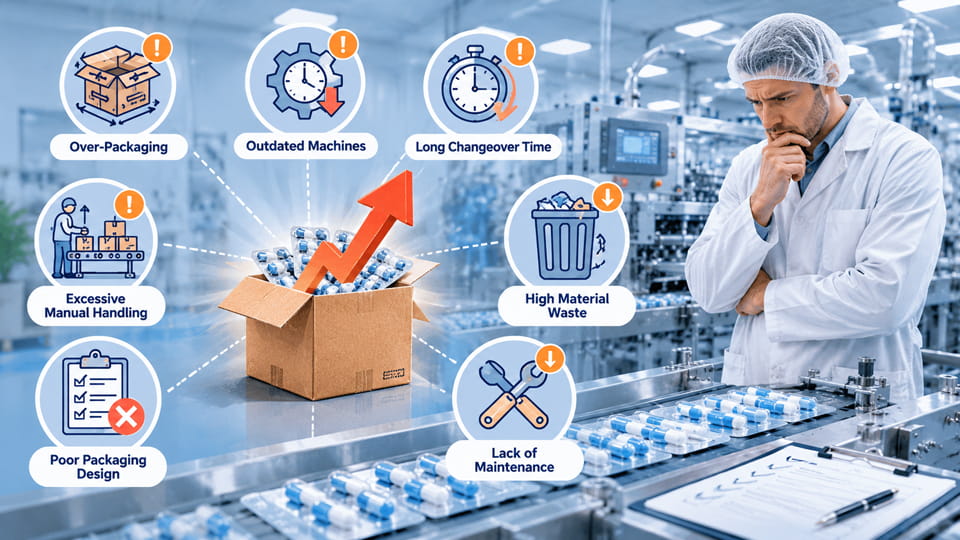
Стоимость фармацевтической упаковки сокращение – это многогранная задача, но возможности очевидны. Анализируя структуру затрат, оптимизация материалов, автоматизация с умом, обслуживание оборудования, принятие принципов бережливого производства, и даже внедрение устойчивого дизайна, вы можете разблокировать существенную экономию. Такие инструменты, как отслеживание OEE и калькуляторы рентабельности инвестиций, превращают догадки в решения, основанные на данных.. Следите за новыми тенденциями (умные этикетки, Промышленность 4.0) поэтому ваша стратегия меняется со временем.
Помнить: упаковка — это последняя точка контакта с пациентом. Эффективный, безотходный, и элегантная упаковка не только экономят деньги, но и повышают доверие к бренду и соответствие требованиям.. Как сказал один лидер отрасли: «Сокращение затрат на упаковку и разработка экологически чистой упаковки не являются взаимоисключающими целями».
Для практического старта, рассмотреть возможность консультации с Джинлу Упаковка. Мы предлагаем готовые и модульные решения (волдыри, картотеры, капсульные наполнители, подсчет и многое другое) рассчитан на максимальное время безотказной работы и Соответствие GMP. Наши машины имеют глобальную поддержку и сертификаты CE/cGMP., чтобы вы могли уверенно инвестировать.
Позвольте Jinlu помочь вам превратить вашу упаковочную линию в центр прибыли и эталон надежности – чтобы вы тратили меньше сегодня и зарабатывали больше завтра..
Занимаясь как материалами, так и процессами. Ключевые стратегии включают использование подходящего размера, перерабатываемые материалы; оптовые закупки; и применение экономичного дизайна для устранения лишних слоев. С оперативной стороны, автоматизация повторяющихся задач (волдыри, считает, монтаж коробки) сокращает трудозатраты и отходы. Методы профилактического обслуживания и быстрой замены (КУЗНЕЦ) чтобы очереди работали дольше. Отслеживание таких показателей, как OEE, выявляет узкие места, которые необходимо устранить.. На практике, компании снижают затраты за счет оптимизации материалов, автоматизация упаковки (Решения Jinlu могут помочь здесь), и процессы постоянного улучшения.
Самым важным фактором обычно являются упаковочные материалы., особенно алюминиевая фольга, ПВХ, коробки, этикетки, и специальные барьерные материалы. Труд, простой машины, отклоненные продукты, и потребление энергии также оказывают большое влияние на общую стоимость упаковки.. На многих фармацевтических заводах, неэффективные упаковочные линии со временем незаметно увеличивают эксплуатационные расходы.
Экономичная фармацевтическая упаковка направлена на устранение ненужных отходов во время производства.. Это включает в себя:
• Сокращение времени простоя оборудования
• Минимизация задержек при переналадке
• Снижение процента брака
• Упрощение упаковочных материалов.
• Улучшение структуры рабочего процесса.
Бережливые методы помогают фармацевтическим производителям повысить эффективность упаковочных линий и одновременно сократить операционные расходы..
Абсолютно. Система «под ключ», где один поставщик предоставляет комплексное решение, позволяет избежать скрытых затрат на интеграцию и проверку, связанных с объединением машин от разных поставщиков.. Вы получаете единую спецификацию, единый протокол проверки, и один контракт на поддержку. Это экономит время проектирования и обычно означает более короткий запуск. (и, следовательно, стоимость) при подключении линии к сети. Линии Jinlu «под ключ» поставляются «готовыми к работе» с унифицированным управлением., так что вы начнете производство быстрее и с меньшими усилиями по устранению неполадок. С точки зрения рентабельности инвестиций, тем быстрее запустится и продолжит работать ваша линия, тем быстрее вы возместите затраты.
Некоторые из наиболее эффективных машин для снижения затрат на рабочую силу включают в себя:
• Автоматические блистерные упаковочные машины
• Высокоскоростные машины для подсчета таблеток
• Автоматические картонажные машины
• Интегрированные линии фармацевтической упаковки
• Системы визуального контроля
Эти системы сокращают объем ручной работы и повышают стабильность производства..
Да. Автоматизированные фармацевтические упаковочные машины могут значительно снизить трудозатраты, ошибки упаковки, время простоя, и материальные отходы. Автоматические блистерные упаковочные машины, счетные машины, и системы упаковки в картонные коробки также улучшают стабильность производства и общую эффективность оборудования. (ОЕЕ).
Во многих случаях, компании видят долгосрочную окупаемость инвестиций за счет более быстрого производства и меньшего количества бракованных упаковок..
Да. Экологичная упаковка больше не связана только с экологическими целями. Легкие материалы, перерабатываемая упаковка, и оптимизированные размеры коробок могут снизить:
• Расход материала
• Транспортные расходы
• Складские расходы
• Отходы упаковки
Многие фармацевтические производители теперь сочетают цели устойчивого развития со стратегиями оптимизации затрат на упаковку..
Каждая минута простоя снижает эффективность производства и увеличивает трудовые и эксплуатационные затраты.. Незапланированные простои также могут привести к растрате материалов и задержке поставок..
Профилактическое обслуживание и обучение операторов — два наиболее эффективных способа сократить время простоев в операциях по упаковке фармацевтических препаратов.. Руководство GMP также подчеркивает необходимость надлежащего контроля и процедур обслуживания оборудования..
Требования GMP помогают фармацевтическим компаниям поддерживать качество продукции и избегать дорогостоящих отзывов., путаница, загрязнение, и ошибки в маркировке.
Хорошо спроектированные процессы упаковки, соответствующие требованиям GMP, повышают эксплуатационную стабильность и сокращают дорогостоящие производственные ошибки.. В рекомендациях FDA по упаковке также подчеркивается необходимость надлежащего контроля упаковки., процедуры маркировки, и системы отслеживания.
Современные блистерные упаковочные машины используют точную формовку., уплотнение, и системы резки для минимизации потерь материала. Системы с сервоприводом и технология визуального контроля могут еще больше сократить бракованную продукцию и количество отходов при запуске..
Оптимизированная блистерная упаковка также улучшает защиту продукта и снижает риск загрязнения или ошибок в маркировке..
Ссылки:
1.ТРС 986 – Приложение 2: Передовая практика ВОЗ по производству фармацевтической продукции: Основные принципы -- ВОЗ
2.Руководства CMC и GMP -- НАС. Управление по контролю за продуктами и лекарствами
3.Подход к экодизайну фармацевтической упаковки, основанный на оценке жизненного цикла —— НаукаДирект
4.Повышение цикличности упаковки в цепочке создания стоимости фармацевтических препаратов —— МДПИ