
Фармацевтические компании сегодня находятся под давлением со всех сторон. Больницы хотят более безопасного обращения с лекарствами. Розничные рынки хотят снизить затраты на упаковку. Регулирующие органы ожидают улучшения отслеживания и сериализации. В то же время, производители стараются повысить эффективность производства, не создавая ненужных упаковочных отходов. Именно поэтому дискуссия вокруг упаковка единичной дозы и оптовая упаковка стал гораздо более важным в последние годы. Один формат ориентирован на защиту уровня дозы и безопасность пациента., в то время как другой отдает приоритет скорости, простота, и экономическая эффективность. Ни один из вариантов не является автоматически лучшим для каждого продукта.. Правильный выбор зависит от типа вашего препарата., производственные цели, канал сбыта, и возможности упаковочной линии. Для фармацевтических производителей, группы закупок, и операционные менеджеры, понимание реальных различий между единичной дозой и массовой упаковкой имеет важное значение, прежде чем инвестировать в новую фармацевтическая упаковочная система или модернизировать существующий упаковочная линия.
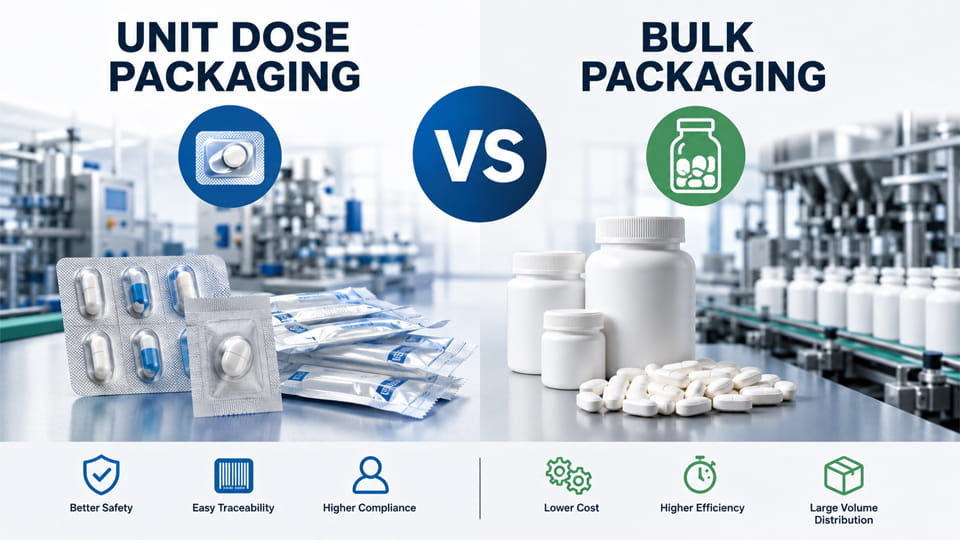
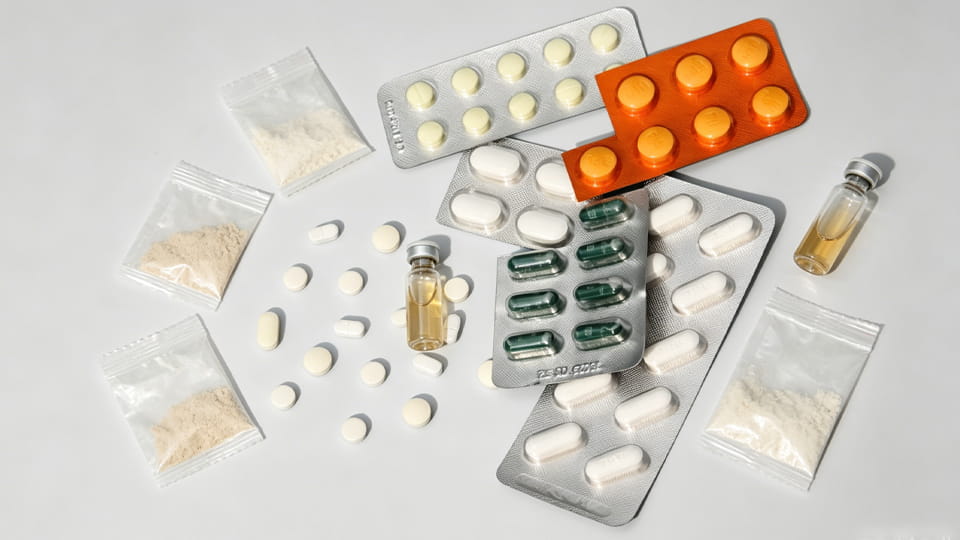
Упаковка единичной дозы (также называется однодозовая упаковка) означает, что каждая доза лекарства индивидуально запечатана в отдельной упаковке.. Например, одна таблетка может находиться в отдельном блистере или мешочке. Компания Jinlu Packing объясняет, что «упаковка разовой дозы означает, что каждая отдельная доза лекарства предварительно упакована и запечатана сама по себе».. На практике, это может быть блистерная карта на одну таблетку, стрип-пакет (одна таблетка на полость), предварительно заполненный шприц, флакон, или пакетик, содержащий одну дозу жидкости или порошка. На каждой упаковке имеются этикетки (название препарата, доза, истечение срока действия) чтобы медсестра или пациент могли подтвердить прием лекарства, не считая таблеток из флакона.. В больницах США, над 75% пероральных препаратов отпускаются в разовых дозах.
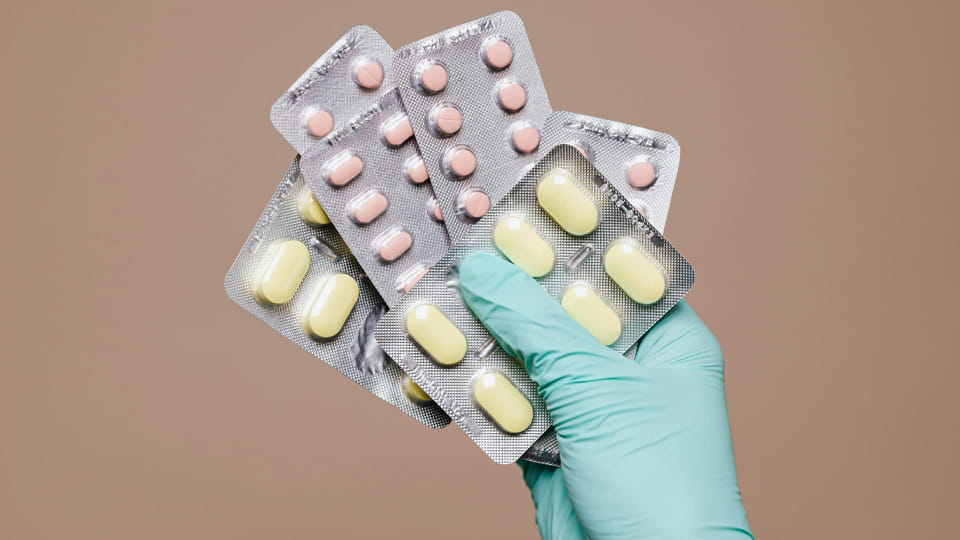
Упаковки с единичными дозами широко распространены в больницы, клиники, учреждения длительного ухода, и клинические испытания – практически везде точный контроль дозы и отслеживаемость имеют первостепенное значение. Они помогают предотвратить ошибки дозирования, поскольку каждый пакет содержит ровно одну дозу и четко маркируется.. Другими словами, и Джинлу отмечает, упаковки с единичными дозами не требуют подсчета – вы «просто берете одну упаковку и открываете ее», сокращение ошибок при обработке. Другие используемые термины включают однократная доза, единица использования, или единица лекарства упаковка. Типичные форматы включают в себя:
В итоге, упаковка единичной дозы изолирует каждую дозу индивидуально, обеспечение безопасности, согласие пациента, и отслеживаемость.
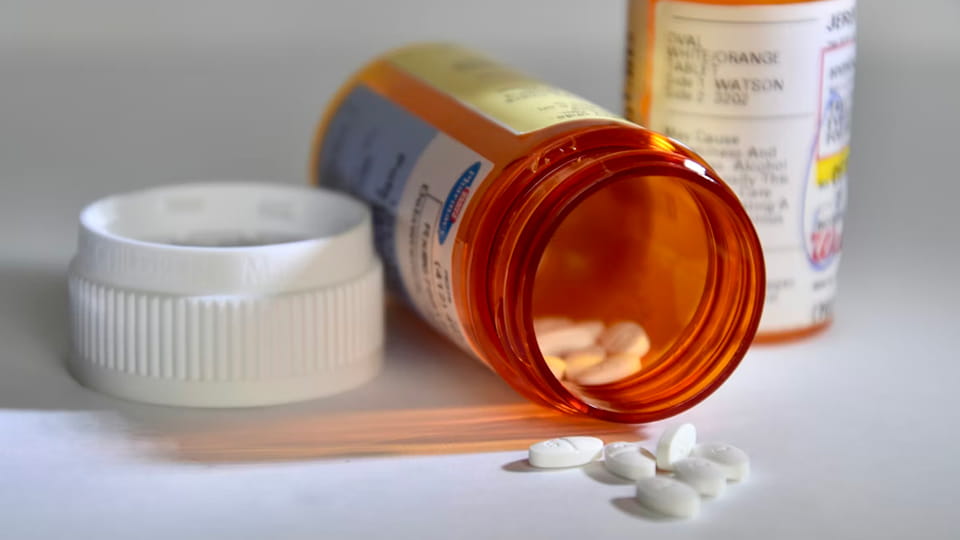
В отличие, оптовая упаковка относится к многодозовой или коллективной упаковке лекарств.. Распространенные объемные форматы включают большие флаконы для таблеток., банки, многодозовые пробирки, и мешки или сумки для больших объемов. Например, бутылочка по рецепту на 100 таблеток или баночка с витаминами 30 капсулы - это нерасфасованная упаковка. Эти контейнеры вмещают много дозы вместе. Массовая упаковка является нормой для потребительских аптечных товаров., лекарства, отпускаемые без рецепта, пищевые добавки, и большинство обычных таблеток. Он также используется на промежуточных этапах производства. (например. нерасфасованные пакетики или бочки).
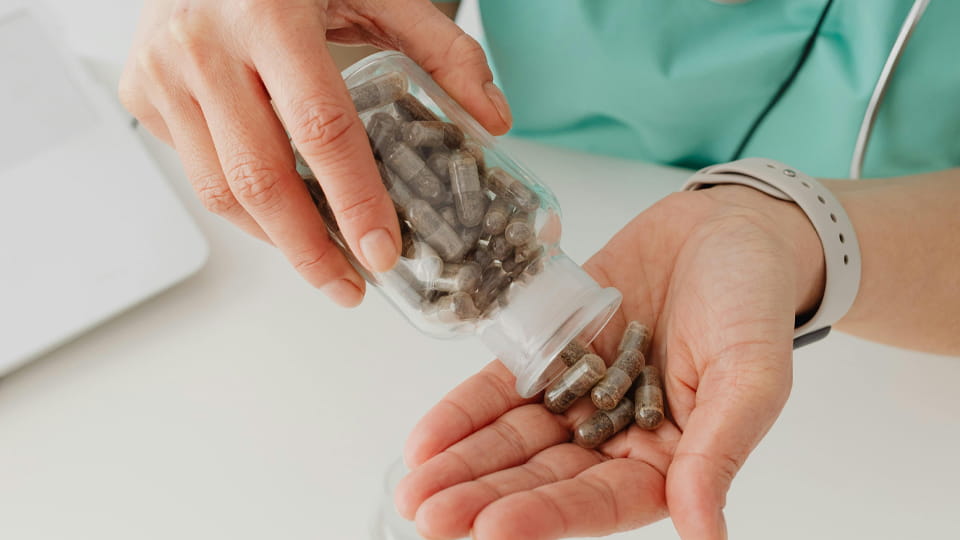
Массовая упаковка обычно более эффективна с точки зрения затрат на дозу и подходит для больших объемов., товарная продукция. В состав оборудования для насыпных линий входят машины для подсчета таблеток/капсул и машины для наполнения бутылок, укупорка, уплотнение, и этикетировочное оборудование. Например, линия подсчета таблеток может использовать автоматическую счетную машину для наполнения бутылок, колпачок, чтобы запечатать их, и этикетировщик для завершения. Массовые линии часто работают быстрее (считая сотни таблеток в минуту) но предлагают меньший контроль дозы за дозой, чем системы с единичной дозой. Массовая упаковка идеально подходит для безрецептурные препараты массового рынка, пищевые добавки, дженерики, и любой продукт, для которого цена за дозу имеет решающее значение, а индивидуальный контроль дозировки менее важен..
В таблице ниже сравниваются два подхода по важным факторам.:
| Фактор | Упаковка единичной дозы | Массовая упаковка |
| Безопасность лекарств | Высокий. Каждая доза запечатана, уменьшение загрязнения. | Ниже. Несколько доз в одном контейнере. |
| Соответствие пациенту | Лучше. Индивидуальные дозы четко обозначены.; легче проверить. | Ниже. Пациенты сами считают дозы. |
| Прослеживаемость & Сериализация | Отличный. Легко сериализовать/отслеживать каждую дозу. | Ограничен. Отслеживается только контейнер, не каждая таблетка. |
| Стоимость упаковки | Выше на дозу. Больше упаковочного материала & умение обращаться. | Ниже на дозу. В одной упаковке содержится много единиц. |
| Производительность | Умеренный. Больше шагов на дозу (например. образование волдырей). | Выше. Простой подсчет/заполнение происходит быстрее. |
| Отходы упаковки | Более. Однодозовые упаковки увеличивают расход материала. | Меньше. Минимальная упаковка на дозу (например. одна бутылка против. 100 волдыри). |
| Срок годности/Защита | Лучше. Блистеры/флаконы часто имеют высокобарьерную пленку.. | Умеренный. Бутылки большого объема защищают меньше на единицу, хотя срок годности может быть аналогичный. |
| Лучше всего для | Больницы, клинические испытания, дорогостоящие лекарства, контролируемые вещества, персонализированные лекарства. | Розничная внебиржевая торговля, дженерики, Витамины, добавки, потребительские товары в больших объемах. |
Как отмечает Jinlu Packing, думай об этом как о бутылке 100 таблетки (масса) по сравнению с блистером с одной таблеткой (единичная доза). Бутылки для больших объемов явно выигрывают по экономической эффективности и скорости., но форматы единичных доз превосходят другие по безопасности и контролю.. Например, блистерная упаковка индивидуально защищает каждую таблетку от влаги и несанкционированного вскрытия., тогда как в объемных бутылках все таблетки подвергаются воздействию одной и той же среды..
Системы единичных доз имеют несколько ключевых преимуществ.:
В итоге, разовая упаковка максимизирует безопасность, прослеживаемость, и дозирование, ориентированное на пациента, за счет более высоких затрат на упаковку и транспортировку. Как резюмирует Джинлу, единичные дозы «предназначены для хранения количества лекарственного средства, предназначенного для введения в виде однократной дозы», обеспечение того, чтобы «нужное лекарство в правильной дозировке достигло нужного пациента в нужное время», каждый раз".
Масса (многодозовый) упаковка имеет свои сильные стороны:
Массовая упаковка отличается экономичностью и масштабом, что делает его идеальным для продуктов больших объемов, где экономия на масштабе перевешивает необходимость индивидуального контроля дозы. Фактически, Опыт Jinlu как поставщика показывает, что линии по розливу бутылок (включая подсчет, укупорка, и маркировочные единицы) составляют основу многих линий по производству нутрицевтиков и непатентованных лекарств..
Различные конечные рынки и варианты использования имеют четкие предпочтения.. В таблице ниже приведены типичные варианты выбора отрасли.:
| Отрасль/вариант использования | Предпочтительная упаковка |
| Больницы & Здравоохранение (неотложная помощь) | Единичная доза (волдыри, полоски, шприцы) |
| Долгосрочный уход & ЛТЦ Аптека | Единичная доза (блистерные карты, предварительно заполненные пакеты) |
| Клинические испытания & Исследовать | Единичная доза (точный контроль дозировки для испытаний) |
| Высокая эффективность / Контролируемые вещества | Единичная доза (безопасность, дозирование) |
| Контрактное производство (Компании по маркетингу, производящие больничные лекарства) | Единичная доза |
| Без рецепта (внебиржевой) Наркотики | Масса (флаконы/тюбики с таблетками, капсулы) |
| Нутрицевтики & Добавки | Масса (витаминные бутылочки, пакетики) |
| Дженериковые фармацевтические препараты (массовый рынок) | Масса (фокус на затратах) |
| Развивающееся здоровье потребителей (косметика, нутрицевтические комбинации) | Масса |
| Ветеринария / Здоровье животных | Масса (часто продают многодозовые флаконы или кормовые добавки) |
| Аварийные комплекты / Первая помощь | Единичная доза (одноразовые пакеты для портативности) |
Например, Джинлу отмечает, что системы разовых доз зародились в больницах и теперь «значительно распространились» на другие области из-за преимуществ безопасности.. Действительно, над 75% США. больничные пероральные препараты являются единичными дозировками, отражающие предпочтения сектора. В отличие, На потребительских рынках, таких как добавки и безрецептурные обезболивающие, обычно используются контейнеры для массовых грузов, поскольку они требуют более низкой себестоимости единицы продукции и большего объема.. В клинических и больничных условиях предпочтение отдается контролю дозировки в блистерах или пакетиках., в то время как производители и розничные торговцы дженериками уделяют особое внимание эффективности бутылочных линий.
Выбор между единичной дозой и оптовой дозой имеет значительные финансовые последствия.. Учитывайте следующие факторы стоимости:
В итоге, упаковка единичной дозы обычно требует более высоких капитальных вложений и стоимости упаковки за единицу, но может дать экономию за счет меньшего количества ошибок и отходов. Массовая упаковка обеспечивает более низкие затраты на материалы и производство на дозу.. «Лучший» вариант зависит от анализа этих затрат наряду со стратегией ценообразования продукта и требованиями соответствия..
Линии упаковки единичных доз используют специализированное оборудование.. Ключевые машины включают в себя:
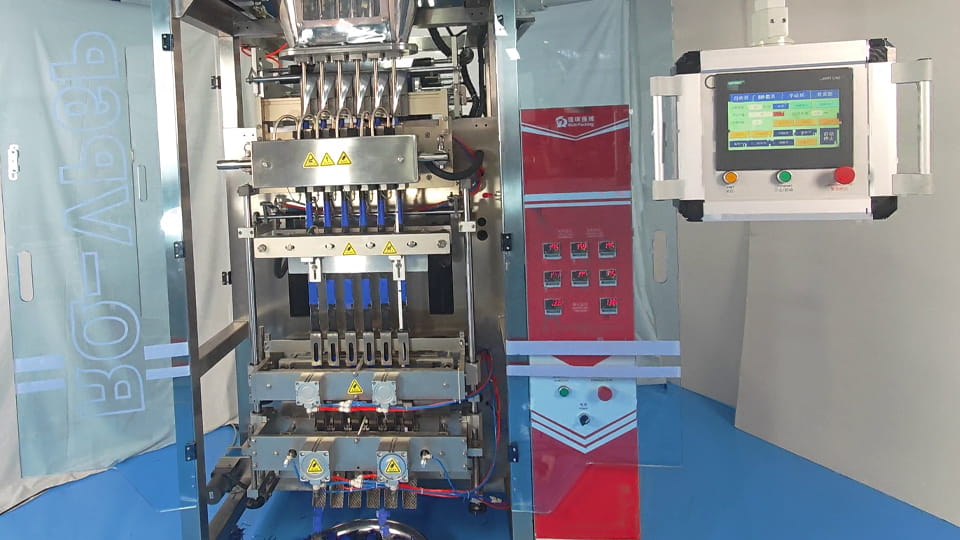
Суммируя, а линия разовой дозы может состоять из блистерной или пакетиковой машины (для первичной упаковки), за которым следует картонщик (и опционально этикетировщик или принтер). Например, типичная больничная линия лекарств: Устройство подачи таблеток → Блистерная машина → Автоматическая картонажная машина → Упаковщик в коробки. Оборудование Jinlu для этих этапов может быть объединено в один поток. (увидеть это»можно подключить к блистерным машинам»).
[jl_youtube src=”https://www.youtube.com/embed/k0uyyybgttcu”]
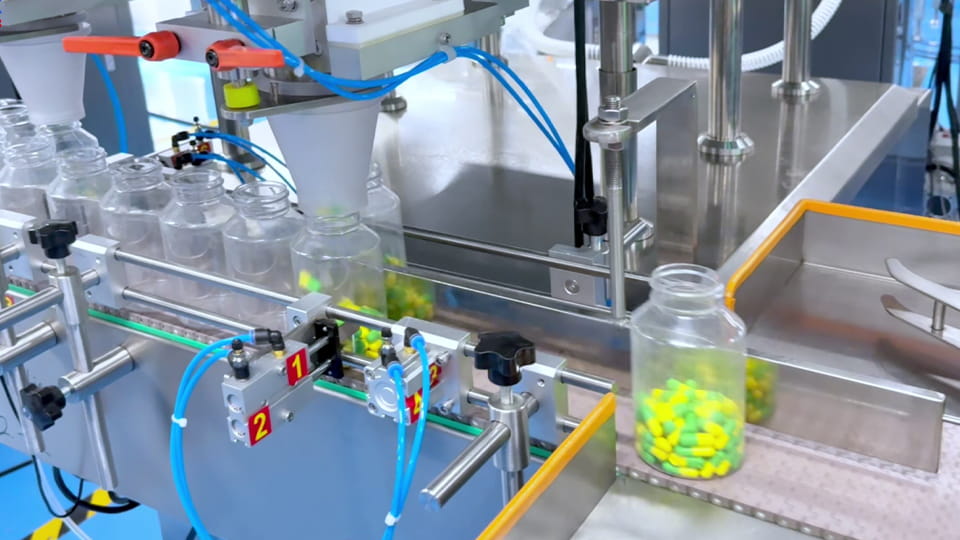
На оптовых линиях используется оборудование, оптимизированное по скорости и объему.:
Фактически, а линия массовой упаковки обычно выглядит так: Расшифровщик бутылок → Машина для наполнения счетчиков таблеток → Устройство для ввода осушителя → Укупорщик → (Уплотнитель фольги) → Этикетировочная машина → Картонер. Эти модульные машины также могут обрабатывать разнообразные продукты. (Печать, порошки, жидкости) при условии корректировки подсчета/наполнения и ограничения. Страницы Jinlu и страницы иллюстрируют, как такие линии интегрированы..
Например, линия жевательной резинки JL-16R «автоматически завершает весь процесс разборки бутылок», подсчет… вставка влагопоглотителя, укупорка, запечатывание и маркировка алюминиевой фольгой» на до 80 бутылок/мин. Эти усовершенствованные линии подчеркивают производительность и стабильность, что делает их идеальными для упаковки сыпучих продуктов..
Выбор правильного подхода зависит от множества факторов. Используйте контрольный список и блок-схему ниже в качестве руководства.:
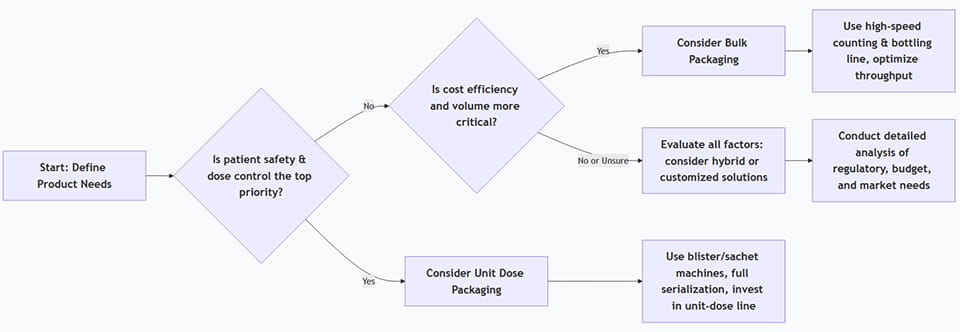
На этой диаграмме показано упрощенное руководство.: если медицинская безопасность/отслеживаемость перевешивают стоимость, склоняюсь к единичной дозе. Если бюджет и объем доминируют, большая часть, вероятно, лучше. В реальных случаях, смешанные стратегии (например. бутыль в серийной картонной упаковке) также можно рассматривать.
Не существует универсального ответа. Выбор между единичной дозой и массовой упаковкой зависит от требований вашего продукта и вашей бизнес-стратегии.. Упаковка единичных доз обеспечивает непревзойденную безопасность., согласие, и удобство для больниц, клинические испытания, и дорогие лекарства, но это требует больше инвестиций в оборудование (блистеры или пакеты-саше, картотеры) и упаковочный материал. Массовая упаковка (бутылки, банки, трубки) отличается низкой стоимостью и высокой пропускной способностью, идеально подходит для розничной торговли лекарствами и добавками, но дает меньший контроль над индивидуальным дозированием.
На практике, многие компании используют оба методы для разных продуктов. Например, препарат с узким терапевтическим индексом может быть упакован в однодозовые блистеры для продажи в больницах., в то время как безрецептурная версия того же лекарства продается во флаконах по 30 штук.. При разработке своей линии, Рассмотрим общую стоимость владения (оборудование + материалы + ошибки) и нормативные потребности.
Чтобы определить лучший подход, просмотрите факторы выше: целевой рынок, лекарственная форма, объем, правила соответствия, и бюджет. Эксперт по упаковочному оборудованию (или Команда настройки Jinlu) может разработать соответствующую линию. Например, Jinlu Packing предоставляет решения под ключ – от высокоскоростных блистерных машин до интегрированных линий подсчета таблеток и линий розлива – для удовлетворения потребностей как в единичных, так и в больших количествах.
Упаковка единичной дозы означает, что каждая доза лекарства индивидуально запечатана и маркирована., например, одна таблетка на полость блистера или один пакетик на использование. Массовая упаковка позволяет хранить несколько доз вместе в бутылке., контейнер, или больший пакет. Упаковка единичных доз больше ориентирована на безопасность, прослеживаемость, и контроль дозы, в то время как оптовая упаковка обычно более рентабельна для крупносерийного производства..
Для каждого фармацевтического продукта не существует однозначного ответа. Упаковка единичных доз зачастую лучше для больниц, клинические условия, и дорогостоящие лекарства, поскольку это повышает безопасность лекарств и отслеживание. Для нутрицевтиков обычно предпочтительна оптовая упаковка., безрецептурные продукты, и крупномасштабное розничное распространение, поскольку это снижает стоимость упаковки и повышает скорость производства..
Больницы обычно используют упаковку для единичных доз, поскольку каждая доза четко идентифицируется и защищена до момента введения.. Это помогает уменьшить количество ошибок при приеме лекарств., поддерживает системы сканирования штрих-кодов, и повышает безопасность пациентов во время выдачи.
Да, в большинстве случаев массовая упаковка требует меньших затрат на упаковочные материалы и более высокой эффективности линии.. Линии розлива в бутылки и системы подсчета таблеток обычно могут работать на более высоких скоростях, чем системы упаковки отдельных доз.. Однако, общая стоимость должна также учитывать отходы лекарств, труд, требования соответствия, и защита продукта.
Массовая упаковка широко используется для:
• Витамины и добавки
• Дженерики в таблетках и капсулах.
• Безрецептурные препараты
• Нутрицевтические продукты
• Крупные розничные фармацевтические препараты
Эти продукты часто упаковываются с помощью счетных машин., линии розлива бутылок, укупорочные машины, и системы маркировки.
Обычное оборудование для упаковки единичных доз включает в себя:
• Блистерные упаковочные машины
• Стрип-упаковочные машины
• Машины для упаковки в саше
• Машины для упаковки в палочки
• Картонирующие машины
• Системы визуального контроля
Эти фармацевтические упаковочные машины помогают создавать индивидуально запечатанные дозы с лучшей защитой продукта и отслеживаемостью..
Да. Упаковка единичных доз помогает снизить риск заражения, неправильная дозировка, и ошибки при обращении, поскольку каждая доза остается запечатанной до момента использования.. Многие медицинские учреждения используют системы единичных доз для обеспечения более безопасных рабочих процессов выдачи лекарств и процессов проверки штрих-кодов..
Да. Фармацевтическая блистерная упаковка является одной из наиболее распространенных форм упаковки единичных доз.. Каждая таблетка или капсула хранится в отдельной полости., что помогает защитить продукт от влаги, кислород, и загрязнение, а также улучшает отслеживание дозы.
Массовая упаковка обычно используется в:
• Производство нутрицевтиков
• Дополняющее производство
• Розничная фармацевтическая дистрибуция
• Ветеринария
• Высокопроизводительное производство таблеток и капсул.
Производители выбирают оптовую фармацевтическую упаковку, когда эффективность производства и снижение затрат на упаковку являются главными приоритетами..
Лучший выбор зависит от нескольких факторов, включая:
• Тип продукта
• Целевой рынок
• Нормативные требования
• Бюджет упаковки
• Объем производства
• Требования к сроку годности
• Каналы сбыта
Например, больницы и клинические продукты часто получают выгоду от упаковки единичных доз, в то время как розничные добавки и дженерики в больших объемах обычно больше подходят для систем массовой упаковки..
Ссылки:
1. CPG сек. 430.100 Маркировка единичных доз твердых и жидких лекарственных форм для перорального применения -- НАС. Управление по контролю за продуктами и лекарствами
2.Руководство по стандартам данных (монографии) Тип упаковки -- НАС. Управление по контролю за продуктами и лекарствами
3.Упаковка лекарств —— Википедия
4.Руководство по надлежащей производственной практике и надлежащей практике распределения: Вопросы и ответы —— Европейское агентство лекарственных средств
5.ИСО 15378 сертификация – Первичный упаковочный материал для медицинского стандарта