
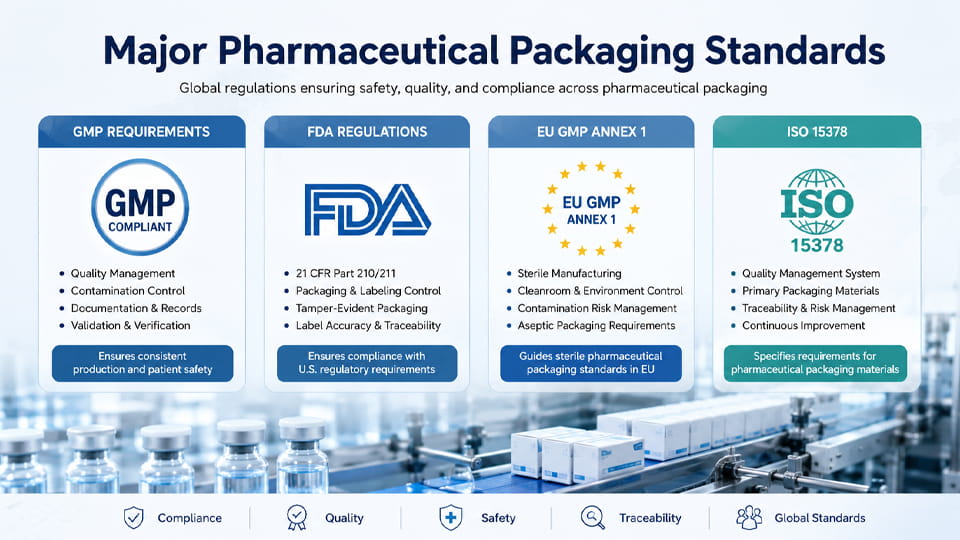
Фармацевтическая упаковка должен предотвратить загрязнение и обеспечить отслеживаемость, согласно строгим мировым стандартам. Надлежащая производственная практика (GMP) требуют проектирования гигиенического оборудования, нереактивные материалы, и полная квалификация (ИК/Белый/PQ) машин. Ключевые правила включают в себя FDA 21 Детали CFR 210/211, которые требуют очистки оборудования и журналов технического обслуживания, GMP ЕС (ЕвдраЛекс Том 4) (Часть I Глава 3 и Приложение 1) для стерильной упаковки, и ИСО 15378, стандарт СМК для первичных упаковочных материалов. Основные требования охватывают Совместимость материала, проверенная очистка/CIP, сериализация, и целостность данных (21 CFR Часть 11/Приложение ЕС 11). В этом руководстве объясняются эти стандарты и как выбрать упаковочные машины, соответствующие требованиям GMP (волдырь, наполнение бутылки, картонирование, маркировка, и т. д.) для безопасности, отслеживаемые лекарственные препараты.
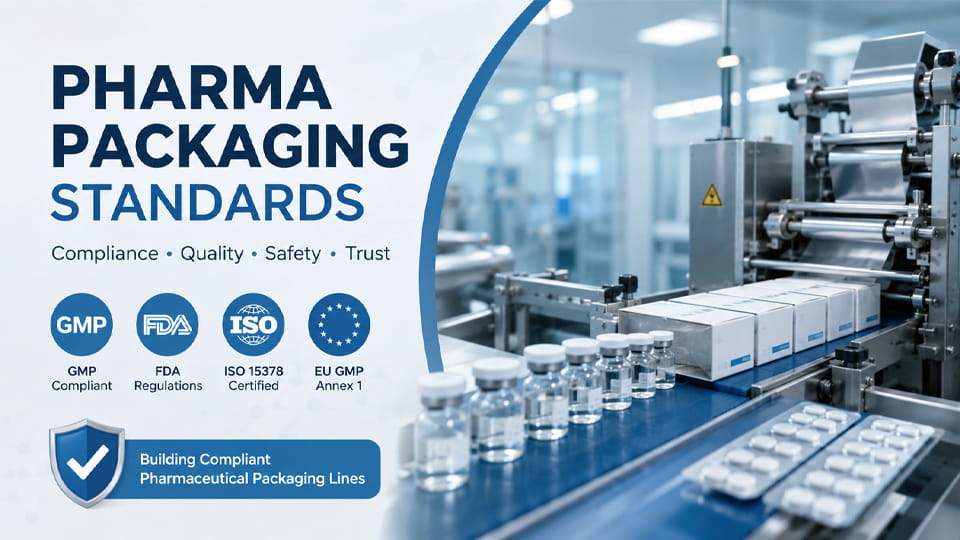
Фармацевтическая упаковка так же важна, как и сам препарат. защищает идентичность продукта, потенция и стерильность. ВОЗ отмечает, что упаковка должна защищать лекарства от нежелательных химических веществ, биологическое или физическое загрязнение и, для стерильной продукции, «Стерильность должна быть сохранена». На практике, это означает каждую блистерную упаковку, Бутылка или картонная упаковка должны быть произведены и маркированы правильно в соответствии с GMP, чтобы предотвратить путаницу или загрязнение.. Глобальные регуляторы (FDA, ЕМА, ВОЗ) требуют, чтобы процессы упаковки и оборудование подвергались валидации и контролю, как и производство лекарств.. Суммируя, стандарты фармацевтической упаковки существуют для обеспечения безопасности пациентов за счет правильного хранения лекарств., чистый и отслеживаемый на протяжении всего распространения.
GMP – это всеобъемлющая система обеспечения качества лекарственных средств. Для упаковки, Мандаты GMP гигиеничный дизайн и строгий контроль для предотвращения перекрестного загрязнения и путаницы. Оборудование должно быть спроектировано так, чтобы «легко и тщательно очищается», как заявляют регуляторы. Например, В руководстве FDA указано, что оборудование «должны быть построены и расположены так, чтобы облегчить очистку… предотвратить загрязнение». Руководства ВОЗ/PIC/S аналогичным образом подчеркивают необходимость валидации оборудования и процессов с соблюдением санитарно-гигиенических норм.. По сути, GMP для упаковки требует: очищаемая нержавеющая сталь (часто SUS316L) оборудование, документированные протоколы очистки, полная квалификация (ИК/Белый/PQ) и точные записи маркировки. Эти методы защищают идентичность и качество продукта на каждом этапе упаковки..
В Соединенных Штатах, FDA 21 Детали CFR 210 и 211 освещать производство и упаковку лекарств. Часть 211 (Подраздел D/E) включает специальные правила по проектированию оборудования, очистка и калибровка. Например, все оборудование должно работать в соответствии со спецификациями и очищаться в соответствии с письменными процедурами.. Часть 211 также требует идентификации и маркировки компонентов во избежание путаницы., и ведение полного учета партий во время упаковки. Важно, 21 CFR Part 11 применяется к компьютеризированному контролю над упаковочные линии: он требует уникальных входов пользователей, контрольные журналы и электронные подписи для обеспечения целостности данных. На практике, это означает, что современные упаковочные машины должны шифровать данные партии., ограничить доступ пользователей, и регистрируйте каждое изменение, в соответствии с правилами FDA.
Руководство ЕС по GMP (ЕвдраЛекс Том 4) тесно согласуется с принципами FDA для оборудования. Часть I Глава 3 (Помещения и оборудование) требует, чтобы оборудование было «легко чистится» с нереактивными контактными частями. Приложение 15 (Евросоюз) требует полной квалификации (ИК/Белый/PQ) всей техники. Для компьютеризированных систем, Приложение ЕС 11 (не показано здесь) аналогичным образом требует проверки и безопасных контрольных журналов., как часть FDA 11. Ключевое обновление — Приложение GMP ЕС 1 (Стерильные продукты), полностью применимо из 2024. Приложение 1 поднимает планку стерильной упаковки: для этого требуется документированная стратегия контроля загрязнения. (CCS) и высокие стандарты чистых помещений (ИСО 5/7 оценки), а также барьерные технологии (изоляторы/RABS) и проверенные методы стерилизации. Целостность закрытия контейнера (ТПП) особое внимание также уделяется тестированию и контролю экстрагируемых/выщелачиваемых веществ. минимизировать риски загрязнения. Все базирующиеся в ЕС или экспортные линии стерильных инъекционных препаратов должны соответствовать этим критериям..
ИСО 15378 является международным стандартом для первичные упаковочные материалы лекарственных средств. Он определяет систему управления качеством (СМК) соответствует ISO 9001, со ссылкой на GMP. Другими словами, ИСО 15378 фокусируется на дизайне, производство и поставка компонентов фармацевтической упаковки (блистерная фольга, бутылки, флаконы, и т. д.), обеспечение постоянного соответствия требованиям клиентов и нормативным требованиям. Хотя ИСО 15378 ориентирован на поставщиков материалов, а не производителей оборудования, производители машин должны использовать совместимые материалы (например. одобренные пластики или ламинаты) и предоставим документацию (сертификаты прослеживаемости материалов) чтобы окончательная первичная упаковка была сертифицирована по стандарту ISO‑15378.. Достижение ISO 15378 сертификация демонстрирует приверженность использованию упаковочных материалов GMP-качества в вашем производстве.
Упаковочные машины для фармацевтической продукции должны соответствовать строгим техническим критериям, чтобы соответствовать вышеуказанным стандартам.. В таблице ниже приведены основные требования.:
| Требование | Ключевые моменты |
| Гигиенический дизайн | Оборудование из нержавеющей стали (например. 316л), гладкие сварные швы, наклонные поверхности. Консольные рамы (изолированные диски) для устранения скрытых мест, включение очистки. |
| Совместимость материала | Все части, соприкасающиеся с продуктом, должны быть нереакционноспособными/неабсорбирующими. (316Л СС, ПТФЭ, фармацевтический пластик) поэтому они не могут выщелачивать или связывать активные вещества. Используйте пищевые смазки и уплотнения. (ПТФЭ, ЭПДМ) устойчив к чистящим средствам. |
| Проверка оборудования | Полный ИК/Белый/PQ для каждой машины: документированная квалификация установки, функциональное тестирование, и тесты производительности во время моделируемой или реальной партии. Каждая новая или модифицированная машина должна быть сертифицирована перед использованием.. |
| Уборка & Санитарная обработка | Валидированные процедуры очистки/CIP для каждой замены продукта. СОП по уборке должны быть написаны, периодически выполняется и перепроверяется. Только области контакта с продуктом требуют отбора проб для проверки.. |
| Обслуживание & Калибровка | Плановое профилактическое обслуживание по замене изношенных деталей.. Процедуры калибровки (например. для весов, расходомеры) с записями (для FDA 21 CFR 211.68) обеспечить точность. Регулярные проверки датчиков и исполнительных механизмов в соответствии с СОП.. |
| Автоматизация & Безопасность | Функции предотвращения ошибок, такие как визуальный контроль, сканирование штрих-кода и автоматические ворота отклонения сокращают человеческие ошибки. Блокировки (например. дверные датчики) останавливать машины на пробках. Для маркировки линий, камеры проверяют правильность нанесения этикетки. |
| Целостность данных | Средства контроля должны соответствовать FDA 21 CFR Часть 11/Приложение ЕС 11: защита учетных записей пользователей, неизменяемые контрольные журналы, и электронная подпись в записях. Интеграция MES/ERP для пакетного архивирования записей. Цифровые журналы настроек и отклонений. |
| Сериализация & Прослеживаемость | Оборудование должно поддерживать печать или гравирование уникальных идентификаторов. (например. 2D Коды DataMatrix) на каждом первичном пакете. Интеграция с системами отслеживания и отслеживания гарантирует привязку каждого кода к партии/партии.. Строка должна разрешать обратные трассировки и вызовы по коду.. |
Например, после установки нового блистерная линия или наполнитель для бутылок, GMP требует документированного тестирования IQ/OQ/PQ для подтверждения каждой функции. (объем заполнения, качество уплотнения, отвергает) соответствует спецификациям. Сходным образом, после каждой партии, машина должна быть очищена с использованием утвержденной процедуры. Регулирующие органы требуют, чтобы эти процессы очистки были «задокументировано, проверено, и периодически перепроверяется». Автоматизированная очистка на месте (СИП) распространены системы для жидких наполнителей или очистки твердых веществ на основе растворителей.. Критические поверхности (бункеры, насадки, уплотнения) проверяются мазками или измеряются (например. Общий органический углерод) чтобы подтвердить, что остатков не осталось. Суммируя, вы должны быть в состоянии доказать с помощью документации, что каждая операция наполнения/упаковки использовала квалифицированный персонал., санитарная машина.
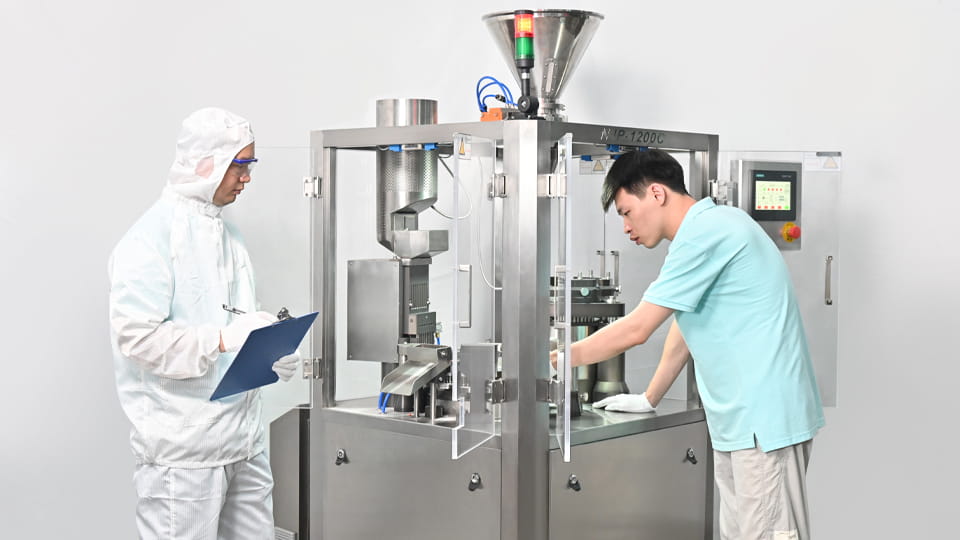
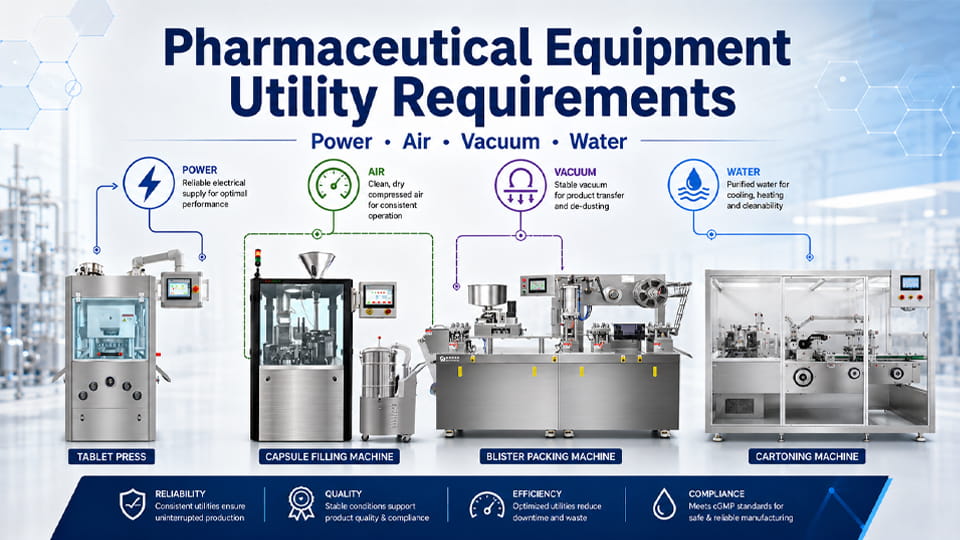
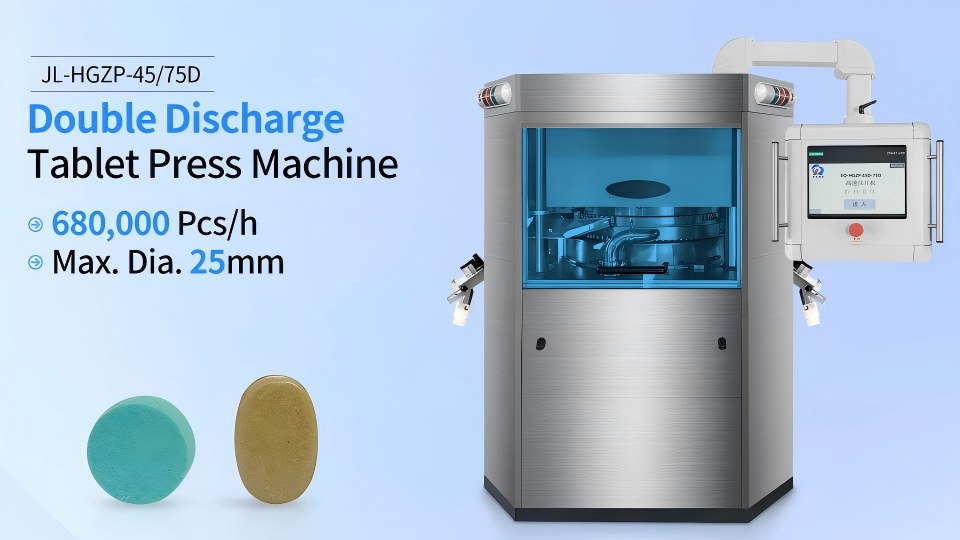
Фармацевтические производственные линии использовать различные специализированные машины. Ключевые характеристики общего оборудования, связанные с GMP, включают::
Каждую из этих машин следует выбирать с учетом конструкции GMP. (гладкие поверхности из нержавеющей стали, СИП, HEPA-воздух при необходимости). Подробные примеры, см. страницы продуктов Jinlu Packing, которые подчеркивают такие характеристики соответствия, как консольные рамы и сертификаты CE/GMP..
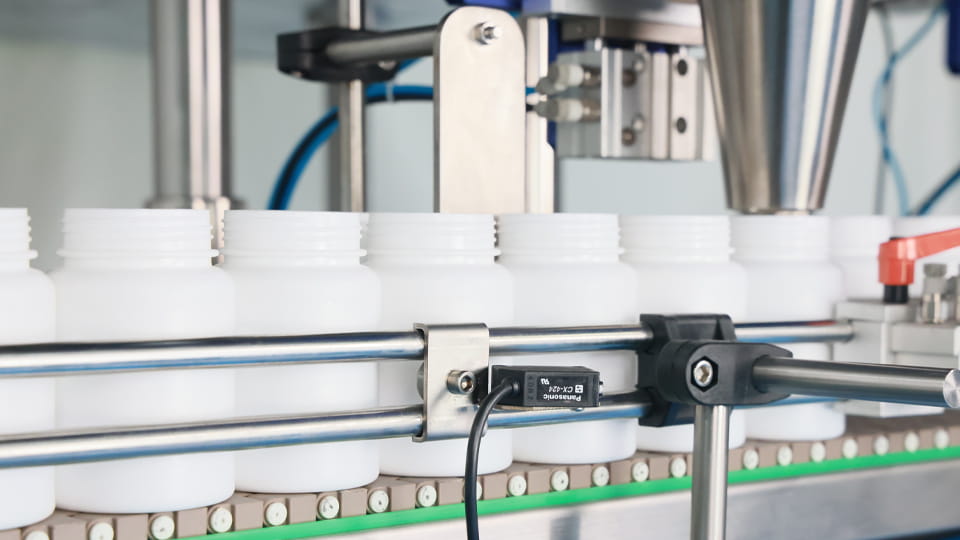
Соблюдение стандартов фармацевтической упаковки представляет собой сложную задачу: Регулятивные требования различаются в зависимости от рынка, и для каждого нового препарата могут потребоваться разные характеристики упаковки. (например. замки с защитой от детей, специальные покрытия). Проверка и документирование увеличивают время и затраты — каждый новый размер упаковки или изменение продукта может вызвать повторную проверку.. Правила сериализации (DSCSA в США, Ящур в ЕС, и т. д.) сложны и развиваются, требующие регулярных обновлений программного обеспечения и обучения персонала. Требования к чистым помещениям (для стерильной продукции) также поднять стоимость объекта. Окончательно, отслеживание и подтверждение соответствия (через пакетные записи и контрольные журналы) означает надежное программное обеспечение и ведение учета. Преодоление этих проблем требует тесного сотрудничества между инженерами, Контроль качества и поставщики, и выбор адаптируемого, хорошо поддерживаемое оборудование.
При выборе техники для фармацевтическая упаковочная линия, следуйте контрольному списку GMP:
Будущее фармацевтической упаковки становится все более цифровым и устойчивый. Сериализация и отслеживание & След будет расширяться по всему миру, возможно использование блокчейна для защиты цепочек поставок. Умная упаковка (RFID-метки, NFC-датчики) может начать мониторинг условий хранения или событий несанкционированного доступа. Оборудование имеет тенденцию к Промышленность 4.0 – линии с датчиками IIoT и системами машинного зрения на основе искусственного интеллекта, которые более надежно прогнозируют неисправности или подсчитывают таблетки.. Робототехника для окончательной упаковки (рассмотрение дела, паллетирование) и современные асептические барьеры (например. закрытые асептические системы) также растут. Со стороны материалов, существует стремление к использованию перерабатываемых или биоразлагаемых упаковочных компонентов., поэтому машины должны обрабатывать новые типы пленок. Общий, автоматизация, возможность передачи данных и экологическая безопасность — ключевые тенденции, определяющие фармацевтическую упаковку нового поколения..
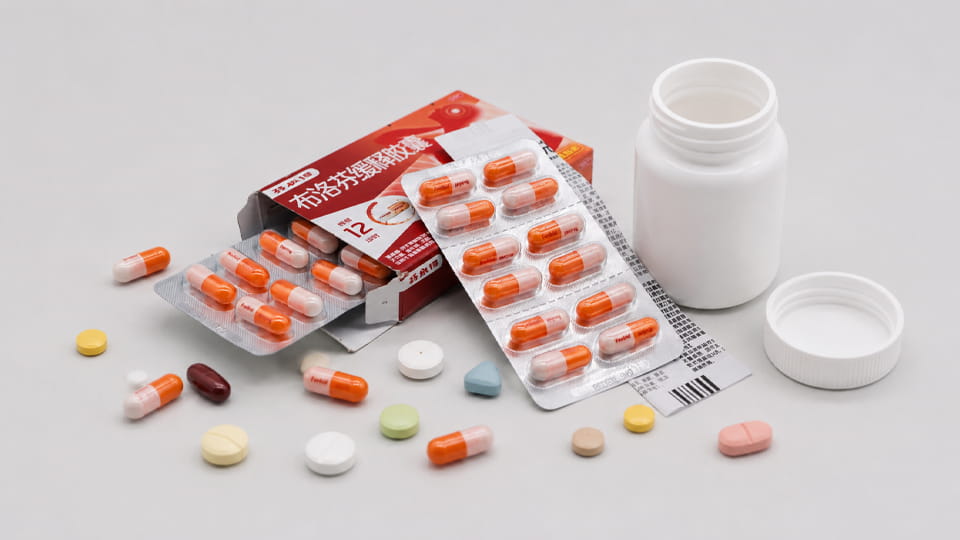
Соблюдение стандартов фармацевтической упаковки является обязательным. не подлежащий обсуждению для производителей лекарств. Понимая GMP, Требования FDA и ISO, а также выбирая оборудование, созданное в соответствии с ними, вы обеспечиваете качество продукции и безопасность пациентов.. Соответствие требованиям требует строгого проектирования. (гладкие поверхности 316L, CIP/COP очистка), полная проверка (ИК/Белый/PQ) и текущая документация (журналы обслуживания и аудита). С такими правилами, как FDA 21 CFR и Приложение ЕС 1, фармацевтические линии не могут позволить себе срезать путь.
Для решения для упаковочного оборудования, работа с опытными поставщиками. Джинлу Упаковка, например, специализируется на блистерных машинах, соответствующих требованиям GMP, линии розлива жидкостей, картонирование и многое другое. Наши машины имеют консольную конструкцию., Материалы класса FDA и поддержка сериализации «из коробки». Связаться с Джинлу Упаковка сегодня, чтобы гарантировать, что ваша следующая упаковочная линия соответствует мировым стандартам GMP с полной поддержкой проверки.
Стандарты фармацевтической упаковки — это нормативные требования, которые гарантируют, что упаковки лекарств не загрязняют и не смешивают продукты.. К ним относятся рекомендации GMP от таких агентств, как FDA и EMA., которые требуют проектирования гигиенического оборудования, валидация очистки и тщательная документация. Стандарты, такие как ISO 15378 сосредоточить внимание на управлении качеством самих упаковочных материалов. Вместе они гарантируют, что упаковка защищает качество лекарств и содержит точную информацию..
FDA 21 CFR Part 211 охватывает упаковочные операции. Требуется, чтобы оборудование обслуживалось, очищены и откалиброваны, чтобы не влиять на идентичность или чистоту лекарственного средства. Например, В руководстве FDA говорится, что оборудование «должно быть сконструировано таким образом, чтобы облегчить очистку», и предупреждается, что материалы не должны вступать в реакцию с препаратом.. Компьютерные системы на линии также должны соответствовать 21 CFR Part 11 (электронные записи и контрольные журналы).
ИСО 15378 является стандартом ISO, специально предназначенным для первичных упаковочных материалов фармацевтических препаратов.. Это дополняет ISO 9001 с требованиями GMP, обеспечение поставщиков упаковочных материалов системой управления качеством, которая последовательно соответствует стандартам клиентов и законодательным стандартам.. Хотя он не регулирует оборудование напрямую, Использование материалов, сертифицированных по стандарту ISO 15378, на машинах GMP помогает удовлетворить ожидания нормативных органов и требования клиентов к качеству..
Приложение 1 Руководства GMP ЕС охватывает стерильные лекарственные средства.. Он устанавливает строгие правила асептического производства., включая упаковку инъекционных препаратов. Ключевые моменты включают реализацию стратегии контроля загрязнения. (CCS), использование классифицированных чистых помещений (ИСО 5/7), изоляторная или барьерная технология, и валидация этапов стерилизации/дезинфекции. Приложение 1 соответствие гарантирует, что даже во время упаковки, стерильные препараты остаются свободными от микробов и твердых частиц, что имеет решающее значение для безопасности пациентов..
Первый, проверьте его дизайн и материалы: на всех деталях, контактирующих с продуктом, должна использоваться нержавеющая сталь 316L и не должно быть скрытых щелей.. Убедитесь, что поставщик предоставляет полную документацию IQ/OQ/PQ.. Ищите такие функции, как возможность безразборной мойки или простая очистка при разборе.. Подтвердите, что у него есть возможность электронной пакетной записи. (21 CFR Part 11) и поддержка сериализации (2D-кодирование). Окончательно, просмотреть любые сертификационные знаки (CE, GMP) и запросите рекомендации или аудиторские отчеты. Машина, соответствующая требованиям GMP, поставляется с поддержкой валидации и полной документацией, соответствующей требованиям..
Законы сериализации (например. Закон США о безопасности цепочки поставок лекарств, Директива ЕС о фальсифицированных лекарственных средствах) обязать присваивать уникальный код каждой отдельной упаковке, чтобы отслеживать ее по всей цепочке поставок.. Упаковочное оборудование должно печатать или выгравировать эти коды. (обычно 2D-штрих-коды) на каждом блистере или флаконе. Это гарантирует обнаружение подделок и возможность быстрого отзыва партий при необходимости.. На практике, сериализация интегрирована в упаковочную линию через кодировщик и камеру проверки, с программным обеспечением, связывающим каждый код с записями партий для полной прослеживаемости.
Упаковщик, отвечающий требованиям GMP, должен иметь гладкую, гигиенические поверхности и закрытая коробка для подачи для минимизации пыли. Он должен интегрировать сканеры этикеток и кода для проверки кода партии и содержимого каждой коробки.. Убедитесь, что машина может выполнять очистку линии. (опорожнение/проверка между продуктами) согласно рекомендациям FDA, и что он позволяет легко чистить аппликаторы клея для картонных коробок.. Например, многие картонажные машины оснащены вакуумными захватами для картонных коробок и системами обзора для обнаружения замятия картонных коробок или отсутствующих вкладышей., соблюдение правил предотвращения путаницы в 21 CFR 211.
Ссылки:
1.21 CFR Part 211 – СОВРЕМЕННАЯ НАДЛЕЖАЩАЯ ПРАКТИКА ПРОИЗВОДСТВА ГОТОВЫХ ФАРМАЦЕВТИЧЕСКИХ СРЕДСТВ —— Институт правовой информации
2.ИСО 15378:2017 Первичные упаковочные материалы для лекарственных средств —— iso.org
3.Приложение GMP ЕС 1: Производство стерильных лекарственных средств —— gmp-compliance.org
4.Закон о безопасности цепочки поставок лекарств (ДСКСА) --НАС. Управление по контролю за продуктами и лекарствами