Выбор правильного фармацевтическая упаковочная машина имеет решающее значение для обеспечения безопасности продукции, Соответствие нормативным требованиям, и эффективное производство. Мировой рынок фармацевтической упаковки переживает бум – по прогнозам, он превысит $160 миллиард на 2026. В то же время, регуляторы требуют строгого контроля качества: например. CGMP FDA (21 Детали CFR 210–211) предъявлять жесткие требования к производству, обработка, и упаковка лекарств. На практике, около половина отзыв лекарств связаны с ошибками в упаковке или маркировке, подчеркивая ставки. В этом руководстве, мы рассмотрим все ключевые моменты – формат продукта, емкость, согласие, автоматизация, поддержка поставщиков, и многое другое – чтобы вы могли с уверенностью выбрать подходящее фармацевтическое упаковочное оборудование для своих нужд.. Мы охватываем типы машин (блистерные машины, капсульные наполнители, картотеры, и т. д.), сравнить автоматические и полуавтоматические системы, и включите советы экспертов, сравнительная таблица, блок-схема этапов выбора, часто задаваемые вопросы, и действенные рекомендации.
Почему так важен выбор правильной машины
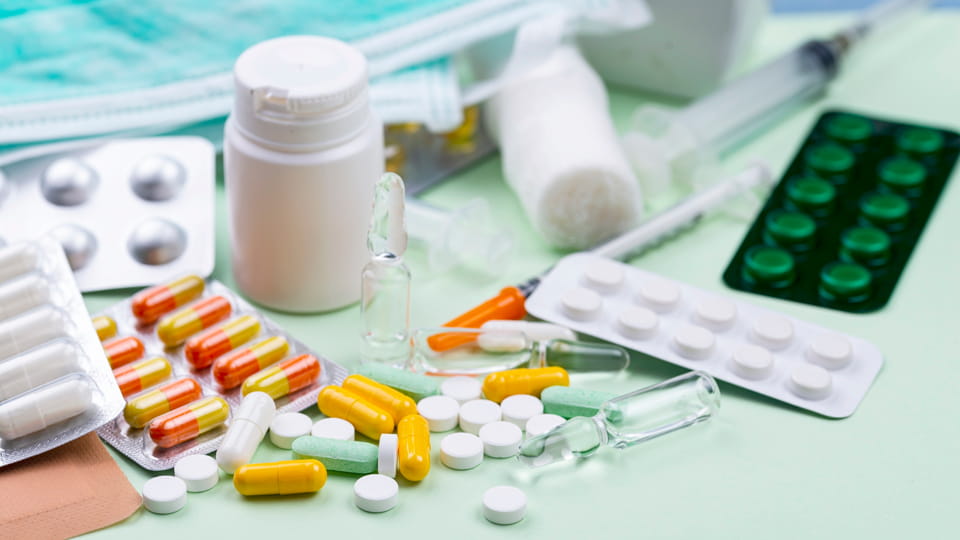
Фармацевтическая упаковка гораздо важнее, чем обычная потребительская упаковка.. Это защищает качество лекарств, обеспечивает точность дозировки, и обеспечивает безопасность пациентов. Например, В рекомендациях ВОЗ подчеркивается, что упаковка должна защищать лекарства от влаги., свет, кислород, и другие неблагоприятные воздействия на протяжении всего срока годности.. Так же, Правила CGMP FDA требуют, чтобы «методы, удобства, и контроль» при обработке и упаковке должны гарантировать безопасность препарата и правильный состав.. В практическом плане, плохая упаковка может привести к загрязнение, неправильная маркировка, ошибки дозировки, или неисправности устройства – даже вред пациенту. Действительно, анализ данных отзыва показывает до 50% отзывов лекарств происходит из-за ошибок в упаковке или маркировке. Это означает, казалось бы, небольшую оплошность. (неправильный штрих-код, поврежденный волдырь, неправильно посчитаны таблетки) может вызвать дорогостоящий отзыв или предупреждение регулирующих органов.
За пределами безопасности, Правильная машина повышает производительность и снижает затраты. Современные фармацевтические линии интегрируют розлив, уплотнение, подсчет и маркировка в высокоскоростных автоматизированных системах. Выбор оборудования, соответствующего вашим производственным потребностям и уровню автоматизации, может значительно повысить производительность и сократить трудозатраты.. Наоборот, неправильный выбор может стать причиной частых застреваний, непоследовательные заливки, и простои – вредят эффективности. А поскольку фармацевтические заводы часто работают 24/7, внеплановое техническое обслуживание может иметь катастрофические последствия. По этим причинам, эксперты отрасли подчеркивают сбалансированный выбор: «Выбор фармацевтического упаковочного оборудования требует тщательной оценки возможностей соответствия GMP., готовность к проверке, и долгосрочная эксплуатационная надежность». В итоге, Правильная машина гарантирует качество и соответствие (избежание дефектов/отзывов) оптимизируя производственная мощность и стоимость.
Типы фармацевтических упаковочных машин
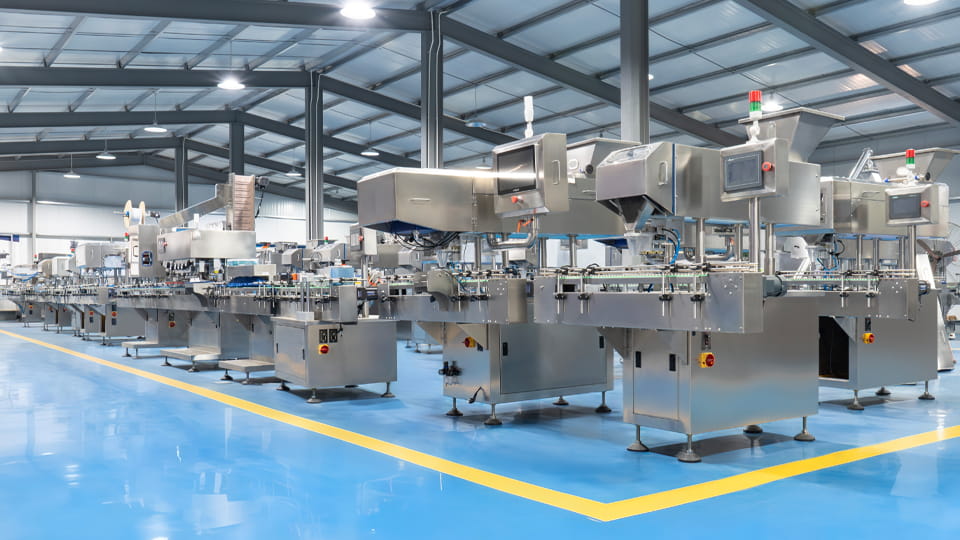
«Фармацевтическая упаковка» охватывает множество продуктов и форматов.. Машины попадают в первичная упаковка (первый слой, контактирующий с лекарством) и вторичная/третичная упаковка (внешние коробки, связки, поддоны). Типичные машины включают в себя:
- Машины для наполнения и дозирования: Для жидкости, кремы, или порошки во флаконах/флаконах/пакетиках. Примеры: жидкие наполнители, машины для наполнения порошком, сиропные наполнители. Если ваш продукт является жидкое лекарство, выберите машину, предназначенную для жидкостей (перистальтические или поршневые наполнители). Для порошки/гранулы (например. нерасфасованные таблетки в мешках), идеальны объемные или шнековые наполнители.
- Капсульное/планшетное оборудование: Для капсулы или таблетки, ключевые машины Капсульные машины для заполнения, Пережи для планшетов, и машины для подсчета/заполнения. Современные наполнители капсул могут автоматизировать размещение, разделение, наполнение, и запирание капсул. Таблетпрессы прессуют порошок в таблетки.. Счетные машины (оптические счетчики) кормить и пересчитывать твердые дозы в бутылочки или пакеты. Как отмечает JinLuPacking, в твердая доза линии «все начинается с точного подсчета» — высокоскоростные многоканальные датчики обеспечивают точный подсчет в каждой бутылке/пакете.
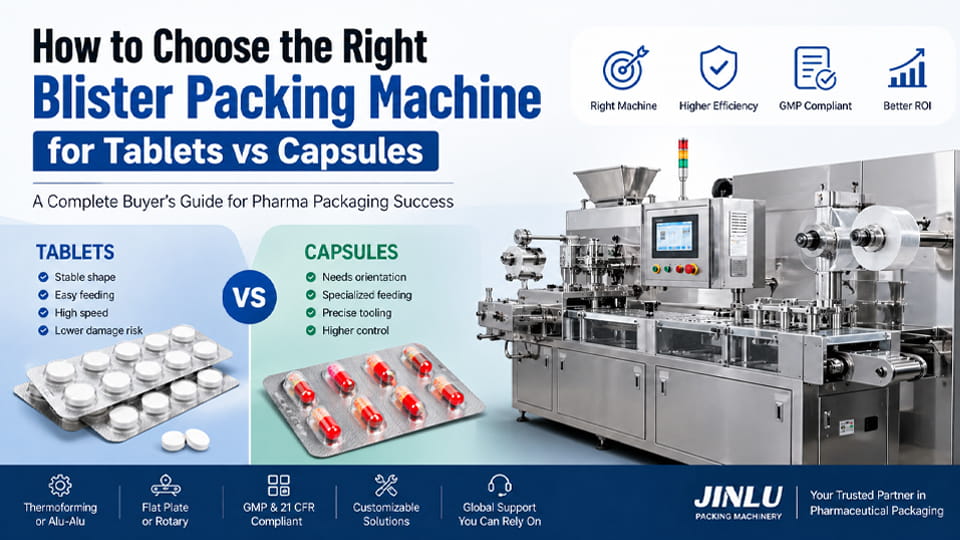
- Блистерные упаковочные машины: Для таблеток/капсул в блистерах.. Эти термоформованные лотки, в которых таблетки запечатываются под фольгу.. Блистерные машины приди как плоская пластина (индексируется) или ротационный непрерывный типы, с различными форматами (Пленка на основе ПВХ или фольга холодного формования). Они идеально подходят для упаковки единичных доз..
- Картонирующие/боксерские машины: Вторичная упаковка. Картонеры сложите и запечатайте коробки, часто вставляют блистерные упаковки или флаконы, а также инструкции для пациентов. Они могут быть горизонтальный (боковая нагрузка) или вертикальный (верхняя загрузка) Картонеры автоматизируют сборку коробок, загрузка содержимого, и герметизация – сокращение ручного труда и обеспечение надежного закрытия коробок (важно для отслеживания GMP). Современные упаковочные машины используют гигиеническую конструкцию из нержавеющей стали и пломбы с защитой от несанкционированного доступа, что соответствует строгим нормам..
- Этикетировщики и инспекторы: Маркирующие машины нанесите предварительно напечатанные этикетки на бутылки/коробки с кодами партий, сроки годности, и штрих-коды. Системы контроля (видение камеры, металлоискатели, рентген) проверить правильность заполнения, посторонние частицы, наличие этикетки, и читаемость кода. Для соблюдения, ищите оборудование, поддерживающее сериализацию (отслеживаемые штрих-коды) и отклонение ошибок.
- Интегрированные упаковочные линии: На практике, фармацевтические заводы часто используют полные строки объединение вышеперечисленных машин. Например, линия по производству таблеток в картонную коробку может включать таблеточный пресс, Высыпанная вставка, счетчик капсул, бутылка безкрамблер, заправочный блок, загрязняющая машина, индукционный герметик, маркировка, картон, и конвейер окончательной проверки. Эти комплексные системы могут быть предварительно собраны и проверены в виде линии., что упрощает квалификацию и занимаемую площадь. .
Суммируя, выберите машины, соответствующие вашей лекарственной форме и формату упаковки. Как советует один гид, «блистерные упаковочные машины идеально подходят для таблеток, в то время как горизонтальные системы «форма-наполнение-запечатывание» используются для высокопроизводительной упаковки».. Понимание вашего продукта (планшет, капсула, жидкость, пудра) и желаемый пакет (волдырь, бутылка, пакетик, готовый мешочек, и т. д.) это первый шаг в выборе машины.
Ключевые факторы, которые следует учитывать
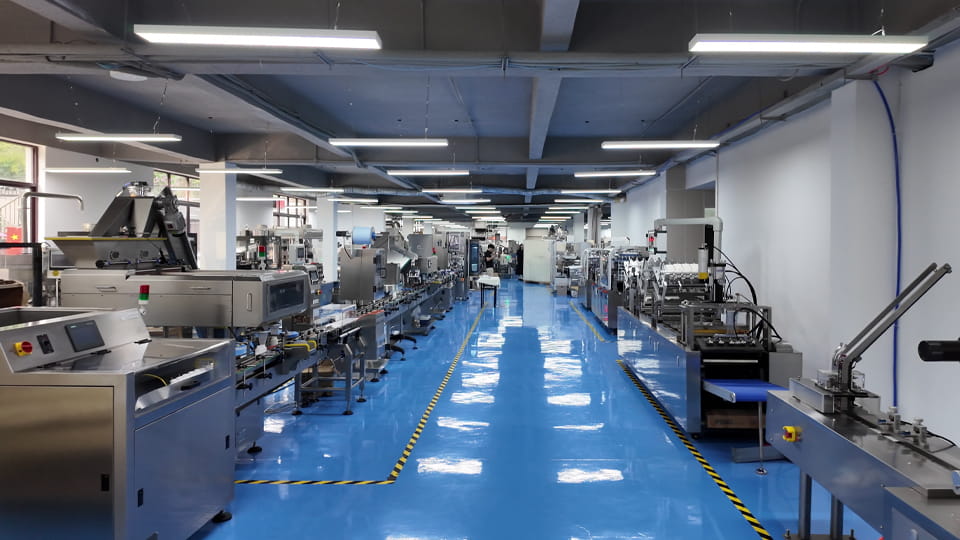
При оценке конкретных машин или поставщиков, помните об этих критических факторах:
- Продукт & Совместимость форматов упаковки: Убедитесь, что оборудование может обрабатывать именно вашу форму продукта и контейнер.. Лекарственная форма и тип тары иметь значение: таблетки, капсулы, жидкости, все порошки имеют уникальные потребности в обращении. Например, для подсчета твердых веществ используйте счетные или блистерные системы, в то время как жидкости требуют жидких наполнителей с плотными герметиками. Также проверьте размер и геометрия: некоторые машины могут обрабатывать контейнеры разного веса или размера., другие посвящены. Гибкость является ключевым моментом, если вы планируете несколько SKU.. В описаниях машин часто указываются совместимые форматы.; проверьте с помощью образцов испытаний продукта, если это возможно.
- Скорость производства & Емкость: Подберите производительность машины в соответствии с вашими текущими и будущими потребностями.. Машины имеют «номинальную скорость» (например. бутылок/мин или блистеров/мин) и практический результат (с учетом перестановок). Чрезмерная спецификация (очень высокая скорость) тратит деньги и место; недостаточная спецификация вызывает узкие места. Многие производители (как ЦзиньЛу) скорость котировки: например. некоторые капсульные линии могут производить сотни тысяч капсул в час., счетные машины >99.98% точность ~6000 бутылок/ч, и картонажники до 450 коробок/мин. Учитывайте не только текущий объем производства, но и рост — JinLuPacking советует выбирать мощность, «которая соответствует вашему текущему спросу, но при этом оставляет место для роста».. Если вы предвидите увеличение объемов, ищите модульные машины или многополосные варианты..
- Точность & Контроль качества: Высокая точность не подлежит обсуждению в фармацевтике. Оборудование для наполнения и счета должно обеспечивать никаких дополнительных или недостающих таблеток, правильная дозировка, и надежно запечатанная упаковка. Верхние линии направлены на то, чтобы в каждом контейнере не было ни одной лишней детали и ни одной недостающей детали.. Оцените каждую машину характеристики точности: например. заполнитель счетчика может потребовать 99.98% точность. Мы рекомендуем многоканальные оптические датчики или дозирование с сервоприводом, чтобы обеспечить жесткие допуски.. Также проверьте наличие встроенных функций качества.: например. системы технического зрения для проверки подсчета, обнаружение утечек, весовые чеквейеры. Машина должна интегрироваться внутрипроцессный контроль ловить ошибки (партия бракуется, оповещения) для обеспечения стабильного качества.
- GMP & Соответствие нормативным требованиям: Фармацевтическое оборудование должно соответствовать строгим гигиеническим стандартам и стандартам документации.. Искать cGMP-совместимый дизайн: все части, контактирующие с продуктом, в нержавеющая сталь (СУС316Л) или другие материалы фармацевтического качества, гладкие поверхности (никаких тупиков и щелей), и легкая разборка для очистки. Поверхности должны противостоять коррозии/загрязнению.. Машина должна иметь защитные охранники, герметичные панели управления, и переналадка без инструментов, где это возможно. Не менее важно соответствие программного обеспечения: современные фармацевтические линии часто подпадают под действие FDA 21 CFR Part 11 (электронные записи) и Приложение ЕС GMP 11 (компьютеризированные системы). Мы советуем убедиться, что оборудование поддерживает электронные записи, контрольные журналы, и доступ на основе ролей, и поставляется с комплексным пакетом проверки (проектная документация, Протоколы FAT/SAT, Шаблоны IQ/OQ/PQ). Суммируя, машина должна быть готов к проверке. При экспорте отдавайте приоритет машинам с маркировкой CE или другими местными сертификатами.. Помните, что правила упаковки (ВОЗ, FDA, Евросоюз) все усилия по поддержанию целостности продукта за счет чистоты, проверенные процессы.
- Гибкость & Время переключения: Фармацевтические линии часто выпускают множество продуктов.. Ищите машины с возможность быстрой замены. Особенности могут включать в себя регулируемые головки с сервоприводом., «рецепты» памяти для настроек, и замена форм или направляющих без инструментов. JinLuPacking подчеркивает, что «без инструментов, быстрая перенастройка с сохранением рецептов» для работы с несколькими SKU. Машина, которая может переключать форматы за считанные минуты (против. часы) окупается за счет сокращения времени простоя и повышения OEE. Полуавтоматические машины проще в настройке, но для них требуются операторы.; полностью автоматические станки обычно имеют более быструю смену инструмента, если они хорошо спроектированы. Также учитывайте гибкость макета — вертикальную или горизонтальную подачу., переулки, и т. д., для размещения упаковки различной геометрии.
- Уровень автоматизации: Решите между полуавтоматический (некоторые действия вручную) и Полностью автоматически системы. Автоматические упаковочные линии сводят к минимуму трудозатраты и человеческие ошибки, достижение последовательного 24/7 пропускная способность. Например, автоматические картонажные машины прямоугольные, загрузка и запечатывание коробок с минимальным вмешательством оператора, в то время как полуавтоматические картонажные машины требуют ручной загрузки коробок. Полностью автоматические линии подсчета/наполнения включают в себя вибрационные питатели и захваты для таблеток., отказ от ручного подсчета. Компромисс: автоматические машины стоят дороже и сложны в установке. Полуавтоматические машины стоят дешевле, но заставляют рабочих работать и работают с меньшей скоростью.. Сравниваем их в таблице ниже:
| Особенность |
Автомат |
Полуавтоматическая машина |
| Пропускная способность |
Очень высокий (непрерывный, 24/7) |
Умеренный (периодический или прерывистый) |
| Требование к рабочей силе |
Низкий (небольшая команда для наблюдения) |
Выше (операторы по кормлению/разгрузке) |
| Гибкость |
Середина (специальный формат; быстрее на громкости) |
Высокий (ручная обработка позволяет использовать различные форматы) |
| Время переключения |
Может быть длиннее (сложная установка) |
Обычно короче (более простая механика) |
| Первоначальная стоимость |
Выше (сложные элементы управления & робототехника) |
Ниже |
| Обслуживание |
Сложный (требуются обученные специалисты) |
Проще (детали, обслуживаемые пользователем) |
Суммируя, использовать автоматические машины для большой объем, стабильное производство. Если ваши партии выполняются невелико или нечасто, полуавтомат может быть достаточно бюджетным. (Например, Полуавтоматическая блистерная машина может запаивать блистеры только термосваркой, пока оператор вручную загружает таблетки.) Какой бы уровень вы ни выбрали, убедитесь, что элементы управления современные (ПЛК/ЧМИ, предохранительные блокировки) и что пользовательский интерфейс интуитивно понятен.
- Гигиена & Очищаемость: Фармацевтические машины должны быть легко мыть и стерилизовать для предотвращения перекрестного загрязнения. Убедитесь, что все контактные части доступны для промывки., и никакие углы не задерживают порошки или жидкости. Многие фармацевтические машины используют быстросъемные детали, не требующие инструментов для очистки. Уточните, поддерживает ли машина СИП (очистка на месте) или циклы очистки с помощью протирания. Конструкция должна позволять химчистка (например, взаимозаменяемые детали для хранения порошков). Также оцените фильтры и вентиляцию, если речь идет о порошках.. В фармацевтических учреждениях требуются строгие протоколы очистки., поэтому планируйте ежедневные/еженедельные процедуры обслуживания. (Для чаевого: Прочтите совет HMC: фармацевтические линии требуют «строгих протоколов очистки для удаления остатков и предотвращения перекрестного загрязнения между партиями».)
- Целостность данных & Прослеживаемость: Машина должна обеспечивать полное отслеживание партии.. Особенности, которые следует искать, включают в себя сериализованное штрих-кодирование (для однодозовых упаковок), регистрация данных параметров процесса, и интеграция с заводскими MES/ERP-системами. Машины высшего уровня обеспечивают контроль всех критических параметров. (температура, гири, имеет значение). Для сериализации (требуется на многих рынках, таких как DSCSA в США или FMD в ЕС), убедиться, что линия способна выполнять визуальный контроль кодов 1D/2D, отклонять плохие коды, и агрегировать данные о родителях и дочерних элементах (НАПРИМЕР., прикрепление отдельных блистерных упаковок к картонной упаковке). По сути, оборудование должно помочь вам выполнить требования FDA и ЕС по отслеживанию.. Современные машины часто включают OEE. (Общая эффективность оборудования) мониторинг панелей мониторинга, а также.
- Общая стоимость владения (TCO): Не ограничивайтесь ценой, указанной в наклейке. Учитывать потребление энергии (нагревательные элементы, вакуумные насосы, моторы), затраты на расходные материалы (фильм, фольга, порошки, запасные части, такие как уплотнения), и требования к обслуживанию. Очень дешевая машина может иметь большое время простоя или использовать нестандартные детали.. Наоборот, качественная машина может потреблять больше энергии, но производить меньше отходов. Факторы включают в себя: работа по техническому обслуживанию (как часто и насколько сложно поддерживать), сроки поставки запасных частей (важно для импортных машин), и финансирование/окупаемость инвестиций. Как отмечает блог Jinlu для блистерных машин, «Высококачественные машины могут иметь более высокие первоначальные затраты, но могут сократить отходы и время простоя». В итоге, рассчитать стоимость жизненного цикла: цена покупки + эксплуатационные расходы + обслуживание. Для этого поставщики часто предоставляют инструменты или калькуляторы совокупной стоимости владения..
- Опыт поставщиков & Поддерживать: Окончательно, выбирайте надежного производителя с фармацевтическим опытом. Упаковочное оборудование – это долгосрочная инвестиция.; тебе нужен партнер, не просто продавец. Проверьте послужной список поставщика: есть ли у них эталонные заводы в вашем регионе/отрасли?? Проверены ли их машины для клиентов фармацевтической отрасли?? Приоритизация поставщиков с подтвержденным опытом GMP, комплексная поддержка валидации, и проверенный опыт работы в регулируемых отраслях. Также оцените послепродажное обслуживание: предлагают ли они поддержку при вводе в эксплуатацию (FAT/SAT/IQ/OQ), инвентарь запасных частей, удаленная диагностика, и обучение? Хороший поставщик поможет оптимизировать вашу планировку, помощь в проведении регуляторных проверок, и устранять аварийные поломки. Избегайте однодневных продавцов – ищите отраслевые сертификаты (ИСО, CE), гарантии, и глобальные сети.
Ниже приведен блок-схема, обобщающая процесс отбора:

Автоматический против. Полуавтоматическая упаковка: Сравнение
При выборе вариантов, это помогает сравнить полностью автоматические линии с полуавтоматическими альтернативами.. Автоматические линии интегрируют кормление, формирование, наполнение, и герметизация в одном непрерывном процессе, тогда как полуавтоматические линии требуют ручного вмешательства (например. бутылки или коробки с ручной загрузкой). В общем:
- Автоматический системное предложение очень высокая пропускная способность (часто необходимо для >100 коробок/мин, или большие партии капсул). Они действуют с минимальный труд (1–2 оператора для мониторинга), что снижает вероятность человеческой ошибки. Они также обычно автоматически собирают полные журналы данных.. Обратной стороной является более высокие капитальные затраты и сложность. Для их обслуживания требуются обученные специалисты..
- Полуавтоматический машины более низкая стоимость и проще. Им могут понадобиться работники для подачи продуктов или коробок., делая их пригодными для малые и средние тиражи. Переналадка обычно происходит быстрее (меньше осей движения), и обучение проще. Однако, ручные шаги увеличивают трудозатраты и вариативность. Полуавтоматические линии редко достигают той же скорости, что и полностью автоматические..
Вот краткое сравнение ключевых атрибутов:
| Особенность |
Автоматическая линия |
Полуавтоматическая линия |
| Пропускная способность |
Очень высокий (100+ единиц/мин) |
Умеренный (в зависимости от скорости оператора) |
| Труд |
Низкий (1–2 человека, в основном смотрю) |
Выше (несколько операторов подают детали) |
| Гибкость |
Середина (оптимизирован для конкретного формата) |
Высокий (операторы могут адаптироваться на лету) |
| Переключение |
Может потребоваться инженерное обеспечение (больше деталей/инструментов) |
Часто быстрее (меньше деталей для замены) |
| Первоначальная стоимость |
Высокий (ПЛК, робототехника, датчики) |
Ниже (основные приводы и конвейеры) |
| Обслуживание |
Интенсивный (специализированные технические навыки) |
Полегче (общее механическое обслуживание) |
На практике, многие фармацевтические линии сочетают в себе оба: например. автоматическая заправочная станция с подачей в полуавтоматическую картонажную машину, или наоборот. Главное – соответствовать необходимый уровень автоматизации для ваших объемов. Если вы планируете масштабировать или 24/7 бегать, полная автоматизация обычно окупается. Для пилотных партий или бюджетных ограничений, полуавтоматического настольного или настольного станка может быть достаточно..
Распространенные ошибки, которых следует избегать
- Игнорирование соответствия: Никогда не экономьте на функциях GMP, чтобы сэкономить средства.. Машины, не соответствующие требованиям, приведут к сбоям аудита или отзывам.
- Покупка «самого дешевого» варианта: Очень низкой ставке может не хватать точности или поддержки.. Учитывайте долгосрочную рентабельность инвестиций, не просто первоначальная цена.
- Пренебрежение будущими потребностями: Не покупайте за только сегодня выход; оставьте место для роста или новых продуктов.
- Пропуск заводских приемочных испытаний: Всегда проверяйте машину на заводе с использованием ваших образцов. (ТОЛСТЫЙ) перед отправкой. Так же, выполнить приемку объекта (СБ) с вашей командой, чтобы убедиться, что он соответствует спецификациям.
- Обзор утилит & Интеграция: Проверьте требования к объекту (власть, воздух, вода) и убедитесь, что машина соответствует вашему плану помещения. Также убедитесь, что он плавно интегрируется с существующими конвейерами или системами управления..
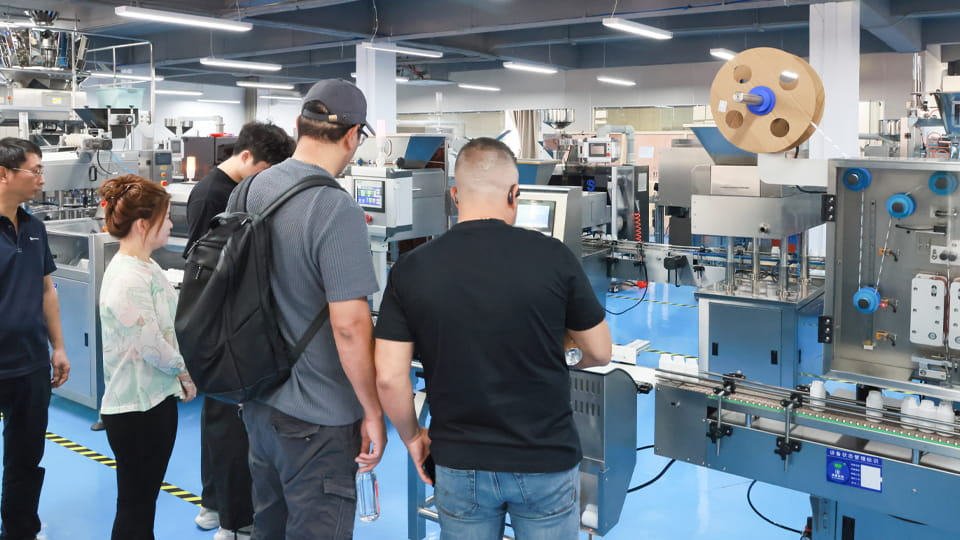
Как выбрать правильного поставщика
Партнерство с подходящим производителем оборудования так же важно, как и выбор самой машины.. Искать:
- Отраслевая экспертиза: Поставщики, специализирующиеся на фармацевтическое оборудование будет в курсе стандартов и протоколов проверки FDA/EMA/ВОЗ. Они могут проконсультировать по планировке и контролю качества.. Как утверждает один гид, «Выбранная вами машина должна соответствовать вашей лекарственной форме, формат упаковки, нормативные требования, и производственные мощности», так что опыт имеет значение.
- Поддержка валидации: Убедитесь, что поставщик предоставляет полную документацию.: Планы приемочных испытаний на заводе/площадке, Протоколы IQ/OQ/PQ, оценки рисков, и пакеты проверки программного обеспечения. В идеале они даже помогут с выполнением SAT..
- Послепродажное обслуживание: Проверьте условия гарантии и то, как компания обращается с запасными частями и обслуживанием.. Есть ли у них местный офис или дистрибьютор?? Возможна ли удаленная поддержка? Поставщик, который может быстро доставить детали или прислать технических специалистов, сведет к минимуму время простоя..
- Репутация & Ссылки: Запросите рекомендации или примеры использования аналогичных установок.. Выбор фирм с сильной технической поддержкой, глобальные сервисные команды, проверенные фармацевтические проекты, и проверенная надежность машины.
- Возможность настройки: Ваше производство может иметь уникальные потребности (специальные материалы, характеристики чистого помещения, и т. д.). Хороший поставщик настроит машины (например. специальные камеры, добавлена автоматизация, язык пользовательского интерфейса) вашим требованиям. Рост, например, предлагает линии «под ключ», адаптированные к пространству и технологическим потребностям.
Тщательно проверяя поставщиков по этим пунктам, вы снижаете риск проекта. Помнить: «Правильный партнер по оборудованию станет продолжением вашей команды качества и инженеров».
Блок-схема выбора
Для ясности, вот простой блок-схема этапов выбора:

Следующие шаги
Выбор подходящей машины – сложный, но полезный процесс.. Рекомендуем написать подробное Спецификация требований пользователя (УРС) для вашей команды, список всех обязательных функций выше. Затем запросите расценки и технические характеристики от надежных поставщиков.. Перед покупкой, запросить Заводские приемочные испытания и, если возможно, пробная версия ваших реальных продуктов.
В Упаковочное оборудование JinLu, мы специализируемся на комплексных фармацевтических упаковочных линиях. Наши продукты (капсульные наполнители, блистерные упаковщики, счетные машины, картотеры, и т. д.) разработаны с учетом соответствия требованиям GMP и точности. Мы рекомендуем вам изучить наши страницы продуктов (видеть Внутренние ссылки ниже) и свяжитесь с нашими инженерами для получения индивидуальных решений. Нужна ли вам автоматическая линия картонирования?, полуавтоматическая блистерная машина, или полностью интегрированная линия бутылок, мы можем помочь вам пройти процесс выбора и проверки.
Часто задаваемые вопросы о фармацевтической упаковочной машине
Что такое «фармацевтическая упаковочная машина»?
Это любое автоматизированное оборудование, используемое в фармацевтической промышленности для упаковки лекарств.. Сюда могут входить машины для розлива жидкостей во флаконы., пересчет таблеток во флаконы, блистерные таблетки в лотках, упаковка продукции в коробки, и так далее. По сути, любое оборудование, которое помогает содержать, этикетка, тюлень, или набор лекарств является частью фармацевтического упаковочного оборудования..
Почему стандарты GMP так важны для этих машин?
Хорошая производственная практика (GMP) стандарты (FDA 21CFR, GMP ЕС, Руководство ВОЗ) обеспечить неизменно высокое качество вашей продукции. Машины, соответствующие требованиям, имеют гигиеническую конструкцию. (нержавеющая сталь 316L, очищаемые поверхности), проверенные элементы управления (точный, отслеживаемые операции), и соответствующую документацию. Оборудование, не соответствующее требованиям, может привести к загрязнению или производственным ошибкам, которые могут привести к отзыву или упоминанию в нормативных органах..
Сколько стоят эти машины?
Затраты сильно различаются в зависимости от типа и сложности машины.. Простой полуавтоматический настольный счетчик таблеток может стоить несколько тысяч долларов США., тогда как высокоскоростная автоматическая блистерная линия или интегрированная линия для бутылок может стоить десятки или даже сотни тысяч. Всегда учитывайте общую стоимость владения (см. выше). Лучше всего получить предложения от нескольких поставщиков, как только вы определите свои требования..
Какая упаковочная машина лучше для таблеток?
Это зависит от вашего формата. Для подсчета таблеток во флаконах или пакетах, идеальна автоматическая машина для подсчета/наполнения. Для упаковки разовой дозы, блистерная машина является обычным явлением. Для расфасовки в бутылку, автоматическая линия розлива и укупорки бутылок (со счетчиком таблеток на входе) используется. Некоторые компании также используют машины для упаковки в стик-пакеты или саше для индивидуальной упаковки таблеток.. Оцените плюсы и минусы каждого формата. (расходы, защита, предпочтения пользователя) перед выбором машины.
Мои продукты чувствительны к влаге. Что мне следует учитывать?
Для чувствительных к влаге таблеток или капсул., вам может понадобиться холодная форма (Все время) блистерные машины или специализированные осушающие системы. Убедитесь, что уплотнения машины соответствуют фармацевтическому классу., и рассмотреть возможность интегрированной сушки или инертизации азотом.. Сами упаковочные материалы (фольга против. ПВХ пленка) одинаково важны.
Могу ли я использовать одну машину для нескольких продуктов?
Многие машины в некоторой степени регулируются., но переключение между совершенно разными продуктами может быть сложной задачей. Выбирайте оборудование с рецептами/настройками для разных форматов.. Без инструментов, быстросменная оснастка позволяет обрабатывать несколько артикулов на одном станке. Однако, если вы ожидаете широкий выбор продуктов, модульные машины или несколько выделенных линий могут быть более эффективными.
Ссылки:
1.Руководство по упаковке фармацевтической продукции(Приложение 9) - ВОЗ.
2.Вопросы и ответы по текущим требованиям надлежащей производственной практики | Оборудование - НАС. Управление по контролю за продуктами и лекарствами.
3.Упаковка GMP в 2026: Требования, Рекомендации, Управление, и первичная и вторичная упаковка – pharmuni.com.
4.Глобальные правила и стандарты упаковки — GMP-навигатор.