a ユーザー要件仕様 (URS) で 医薬品製造 を定義する基礎的な文書です。 何 システムまたは機器は品質を満たすために達成する必要があります, パフォーマンス, 規制上のニーズ. 設備所有者が書いたものです (製薬会社) 必要な機能の概要を示します, 容量, 材料, 装置のGMP機能と. URS は、すべての利害関係者が次のことを保証します。 (生産, エンジニアリング, QA) 調達または設計を開始する前に要件に同意する. サプライヤーの提案にベースラインを提供し、設計全体の参照となります。, テスト, そして検証.
重要なポイント
- URS は製薬機器が達成する必要があるものを定義します, 使用目的も含めて, 容量, パフォーマンス, 品質, 安全性, および運用要件.
- 良い 医薬品 URS には、明確で測定可能な要件が含まれている必要があります それは後で確認できる.
- 包装機械用, URS には製品仕様が含まれる場合があります, パッケージ形式, 生産速度, 材料, 公共事業, オートメーション, クリーニング, 安全性, およびドキュメント.
- URS は設計仕様と同じではありません. URS は必要な結果を定義します; 機器メーカーが技術ソリューションを開発する.
- URS は以下のリファレンスを提供できます。 設備調達, サプライヤー評価, DQ, 脂肪/飽和, IQ, OQ, とPQ.
- 明確な URS は、機械が設計および構築される前に、製薬メーカーと機器サプライヤーの間の誤解を減らすのに役立ちます。.
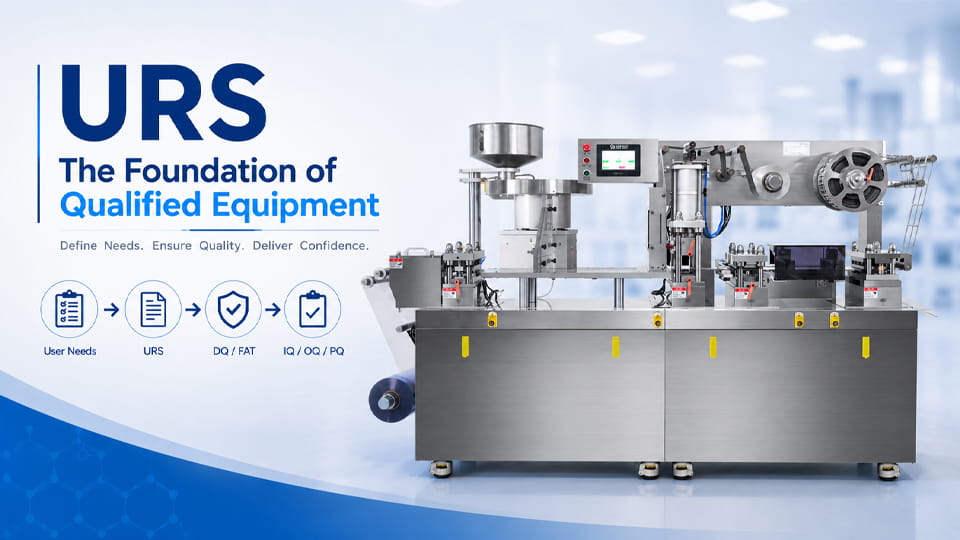
- 包装機プロジェクトの場合, 購入者が次のような要件を定義するのが早ければ早いほど、 製品タイプ, 包装形態, 目標速度, とGMPの期待, 適切な機器の評価が容易になる.
ユーザー要求仕様とは何ですか (URS) 製薬分野?
a ユーザー要件仕様 (URS) を記録した正式な文書です。 ユーザーのニーズと期待 製薬業界の機器またはシステムの場合. 説明します 何 機器が行う必要がある – 例:. 目標生産率, 製品フォーマット, 正確さ, および規制機能 – 処方なし どうやって それを達成するために. URS は、プロセス エンジニアまたは生産ユーザーと装置サプライヤーの間の橋渡し役として機能します。. ユーザーのビジョンと制約を伝えて、サプライヤーが設計できるようにします。, 引用, それらのニーズに応えるシステムを構築します.
例えば, URS が指定する可能性がある:
- の 使用目的 (例えば. 「10 ~ 60 カウントの錠剤ブリスターをパックする」).
- パフォーマンス基準 (例えば. 「≧ 100,000 1時間あたりの水ぶくれの数」).
- 規制およびGMP要件 (例えば. 「衛生的なデザイン」, 洗浄性 <10 ppm残留物」).
- 建設資材 (例えば. 「すべての製品接触部品は 316L ステンレス鋼」).
- ユーティリティと環境 (例えば. 「クラスCクリーンルームで稼働」, 380Vの電力が必要です, 6 ウォーターバー”).
要件を事前に明確に定義することで、, URS はその後のすべての段階の基礎となる - 設計レビュー, サプライヤー評価, テスト, そして検証. 規制に関するガイダンス (例えば. EU附属書 15, FDA 21 CFRパート 11, ガンプ5) 機器の認定の開始点として、文書化されたユーザー要件を明示的に期待しています. 実際に, URS を書くと部門横断的なチームが必要になる (生産, QA, 検証, エンジニアリング) 製品を正しく製造するために機器が何を行う必要があるかを正確に調整するため.
医薬品製造において URS が重要な理由?
GMP 準拠のプロジェクトを成功させるには、適切に作成された URS が不可欠です. 主な理由としては次のものが挙げられます。:
- 要件の明確さ: URS はすべての期待を文書化します (出力, 品質, 安全性, 等) 一か所で. これにより混乱が回避され、サプライヤーは何が必要なのかを正確に把握できるようになります。. URS なし, 要件があいまいになったり見落とされたりする可能性がある, 費用のかかる再設計につながる.
- 設計適格性の基礎 (DQ): URS は設計適格性評価のベースラインとして機能します. 提案された設計がすべての要件を満たしていることを検証できます。. EU GMP 付属書 15 「ユーザー要件仕様の要件は、設計適格性評価中に検証されるべきである」と明示的に述べています。.
- 検証 & テスト: すべての認定活動は URS に遡ります。. FDA のガイダンスでは、設置資格について説明しています。 (IQ) 「URS で定義されている」承認された仕様に照らして機器の設置を検証します。 (例えば。, 建設資材)」. 運用資格 (OQ) 機器が意図したとおりに動作するかどうかをテストします, およびパフォーマンス資格 (PQ) ステージで定義された仕様を一貫して満たしていることを確認します 1 (URS). 要するに, FATかどうか, 土, IQ, OQ または PQ, 各テストでは 1 つ以上の URS 要件を検証します。.
- リスク管理 & GMP準拠: 重要な品質属性を含めることにより (CQA), GMP設計の特徴, URS の規制要件, チームはリスクに早期に対処できる. 例えば, 衛生的な設計基準を事前に指定することで、後の汚染問題を防ぐことができます. 業界のベストプラクティスはQAの組み込みを重視しています, 安全性, URS のコンプライアンス ニーズとコンプライアンス ニーズを考慮したため、「最終的なシステムはビジネス ニーズとコンプライアンスのニーズの両方を満たします」.
- コミュニケーション & サプライヤーの選択: URS は製薬会社と製薬会社の間の共通の参照先です。 機器ベンダー. サプライヤーはユーザーのニーズに直接マッチした提案を作成することができます. 入札の評価にも役立ちます – マシンを URS と照合してチェックできます (FAT/SAT経由) どれが要件を最もよく満たすかを確認するには.
- コストとスケジュールの管理: 要件が明確であるため、範囲の変更や機能の欠落が発生する可能性が低くなります. これにより、プロジェクトの遅延やコストのかかるやり直しのリスクが軽減されます。.
例 – URS コンテンツ カテゴリ:
| URSカテゴリー |
要件の例 |
| 使用目的 |
どのような工程や製品を扱う装置なのか. |
| 容量/パフォーマンス |
出力レート (例えば。, 水疱/分), バッチサイズ, 正確さ. |
| 製品 & 包装 |
製品タイプ, 投与量, パックサイズ, 材料 (例えば。, PVC). |
| 材料 (連絡先) |
製品と接触するすべての部品 (例えば。, 316LSS, 表面仕上げ). |
| GMP & クリーニング |
衛生的な設計, 洗浄性 (デッドレッグがない), 簡単なCIP. |
| 環境/ユーティリティ |
クリーンルームクラス, 温度・湿度, 力, 空気, 空の, 等. |
| コントロール & データ |
PLC/HMIのニーズ, レシピストレージ, データロギング, アクセス制御. |
| 安全性 |
衛兵, 非常停止, インターロック, アラーム, 安全基準. |
| ドキュメント |
マニュアル, 図面, 証明書, トレーニングドキュメント. |
| 資格 |
FAT/SAT プラン, 合格基準を備えた IQ/OQ/PQ 成果物. |
検証メモ: すべての URS 項目は明確で測定可能である必要があります. 例えば, 正確な数値を指定する (例えば. 「100 ボトル/分」または「最大 30°C のチャンバー温度」) FAT/OQ のようなテストで客観的に検証できるようにする. 常に受け入れ基準を含める (例えば. 「シールは0.01MPaを保持しなければなりません」 5 秒」) 該当する場合.
医薬品 URS には何を含めるべきか?
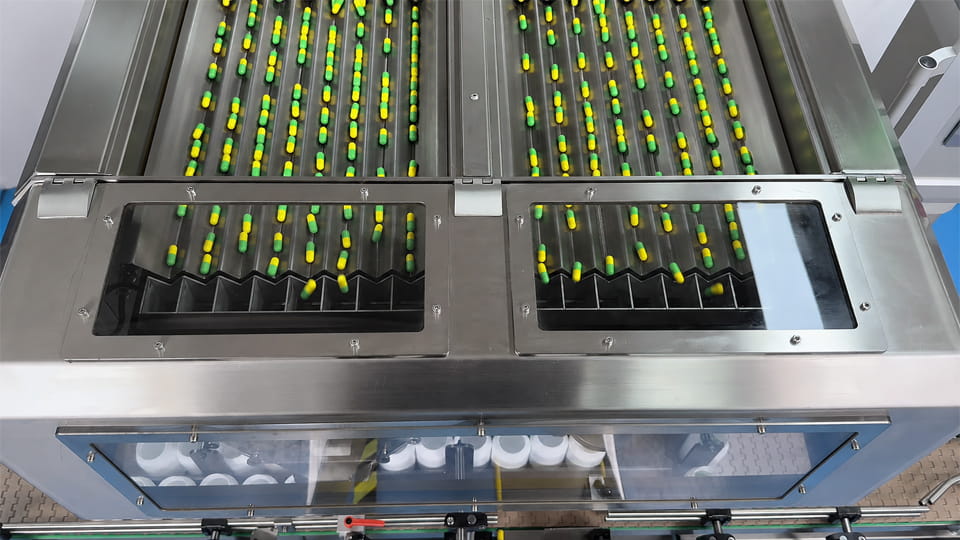
製薬 URS は通常、次の領域をカバーします。:
- 使用目的 & 範囲: プロセスのステップを説明する (充填, 封印, ラベリング, 等), 製品と包装形態, そして装置がプロセス全体にどのように適合するか. これにより、他のすべてのコンテキストが設定されます.
- 容量とスループット: ターゲット出力を定義する (単位/時間またはバッチサイズ). 例えば: "パック 50,000 8 時間のシフトごとに、単位用量のブリスターパックを提供します。」起動/シャットダウン条件またはターンダウン範囲を含めます。.
- 製品とパッケージの詳細: 製品の特性を指定する (タブレットのサイズ, 重さ, 湿気への敏感性) そして梱包形態も (ボトルタイプ, ブリスターカードの寸法, カートンサイズ). 複数の商品やサイズを使用する場合, それぞれを列挙する.
- 構造材料: 必要な材料と規格をリストアップする. 製薬業界で, ステンレス鋼 (304/316l) 接触部品には FDA グレードのポリマーが一般的です. 表面仕上げ要件を含める (例えば. Ra≦0.8μm) およびライニングまたはコーティング.
- GMP と設計の特徴: 衛生的な設計基準を含める (例えば. デッドレッグや隙間がない, 排水性). 該当する規格またはガイドラインを参照してください (EU GMP 付属書 11, ISO, ASTM). コンピュータ化されたシステムの場合, データの整合性の必要性に注意してください (監査証跡, 21CFR11 に基づく電子署名).
- ユーティリティと環境: 必要なユーティリティの詳細 (力: 電圧/相, 圧縮空気の圧力/流量, 冷却水, 空の, 等) および環境条件 (クリーンルームクラス, 温度/湿度範囲).
- コントロールとデータ: 自動化のニーズについて説明する: PLC/HMIプラットフォーム, 言語, レシピ管理, アラーム, と接続性 (イーサネット/SCADA/MES). データストレージまたはレポート要件を明記する (バッチレコード, OEE追跡).
- 安全要件: 安全機能の一覧表示 (例えば. ライトカーテン, 緊急停止, 連動ガード) および関連する安全規格 (ce, ul). 人間工学またはオペレーターの安全要件を含めます。 (ロックアウト/タグアウト, LOTOゾーン).
- ドキュメントとサービス: ユーザーマニュアルの送付を要求する, 竣工図, 校正記録, 材料証明書, ソフトウェアのバックアップ, およびオペレーター/保守要員のトレーニング.
- 試験と資格認定: FATを指定する (工場受け入れテスト) 基準と範囲 IR/WH/PQ. 例えば: 「サプライヤーは、すべての URS ポイントへの準拠を実証するために自社サイトで FAT を実行し、FAT レポートを提供するものとします。」
医薬品包装機器に対する URS 要件
包装機械 URS には特別な考慮事項がいくつかあります. 上記の一般的な項目に加えて、, 含む:
- 梱包速度: 目標レートを指定する (例えば. 200 ボトル/分, 50 カートン/分, 80 水疱/分). 複数の機械・ラインを統合する場合, それぞれのスループットを明確にする.
- 製品範囲: 取り扱う必要があるすべての製品バリエーションをリストする (タブレット vs. カプセル, さまざまなボトルの直径, キャップスタイル, 等). 回線が複数の形式を処理する場合, 必須を含める 切り替え時間 および必要なフォーマット部分.
- パッケージ形式: 水ぶくれ用, カードのサイズを指定する, キャビティレイアウト, ホイルタイプ (PVC/PVDC の厚さ, アルミニウム/PVC). ボトル用, コンテナのタイプと充填量を指定します. カートン用, 寸法とクロージャーのタイプを指定する. これらの詳細により、マシンが正しく構成されていることを確認できます.
- マテリアルハンドリング: フィーダーの詳細, セパレーター, または固形投与に必要なふるい. 粉体・液体用, 投与量の許容範囲とリザーバーのニーズを指定する.
- 材料: いつものように, 製品と接触するすべての部品は製薬に適している必要があります (例えば. SS316L). 腐食性または酸性の製品が含まれる場合, 特殊なコーティングや素材に注意してください.
- クリーニング & 切り替え: 頻繁な製品切り替えが予想される場合, クイックリリースパーツまたはCIPが必要です (定置洗浄) 特徴. 無菌ライン用, クリーンルームの分類と滅菌方法を指定する.
- コントロール: 例えば. 「このラインでは、SCADA インターフェイスを備えた Allen-Bradley PLC を使用する必要があります」, レシピ管理をサポートします。」ラベルのシリアル化または上流/下流の機器への接続を指定します.
- 統合: より大きなラインの一部の場合, 互換性が必要です (例えば. コンベア, バッチ追跡, バーコードスキャナ). インターフェイスを文書化する (電気, 機械的, コミュニケーション) 必要な.
- 公共事業: 包装ライン 多くの場合、圧縮空気が必要になります (例えば. 5 X NL/min でのバール) 真空または窒素を使用する場合もあります. 最低限の要件を与える.
- 安全性: 複数のオペレーターがいる場合, ローディング/リジェクトステーションにライトカーテンまたは両手制御を搭載. URS はサイトの安全規則を反映する必要があります (例えば. CE準拠).
例えば, ブリスターマシン URS には次のものが含まれる場合があります: 「200℃までのヒートシール能力」, 厚さ300μmのPVC/PVDCフィルムに対応, 統合されたブリスターフィーダーとトリムコンベア, 4-切り替え付きトラックブリスターフォーマット <15 分, すべての接触部品は SS316L 製, 出力 ≥80 ブリスター/分 100% 効率。" このような詳細により、機械メーカーはお客様の正確なニーズを満たすことができます.
URS は認定プロセスにどのように適合しますか?
URS は機器認定ライフサイクルの開始点です. 簡略化した流れは、:

- URS→DQ: URS が承認されたら, 機器の設計 (図面, スペック) すべての URS 要件が満たされていることを確認するために、設計適格性評価でレビューされます。. デザインレビューでは, エンジニアと QA は、設計出力を各 URS 項目と比較して確認します。.
- URS → FAT/SAT: 工場での受け入れテスト (脂肪) 出荷前にマシンが URS を満たしていることを実証するために、ベンダーのサイトで行われます。. 別館 15 正当な場合には、ベンダー サイトで URS コンプライアンスを検証することも提案します。. インストール後, サイト受け入れテスト (土) すべてがまだ所定の位置で機能していることを確認します (FAT ステップと SAT ステップが重複する場合があります).
- URS→IQ: 設置適格性評価では、設置された機器が URS 仕様と一致していることを確認します。. 例えば, FDA のガイダンスでは、IQ は「施設のあらゆる側面」を検証する必要があると述べています。, ユーティリティ, 製品の品質に影響を与える可能性のある機器など…URS で定義されている承認された仕様を遵守する (例えば。, 建設資材)」. 実際には、これは配管をチェックすることを意味します, 電気, URS に対する構造の詳細.
- URS → OQ/PQ: 動作適格性評価では、機械が動作することをテストします。 意図したとおりに動作する. FDAはOQが機器を「動作する」ことを検証していると指摘[s] 予想される動作範囲全体で意図どおりに動作します。」. パフォーマンス認定では、URS が定義した基準を満たす一貫した出力が示されます。. 言い換えると, OQ/PQ では、実際の材料を使用してマシンを実行し、メトリクスを確認します。 (スピード, 収率, 不良率, 等) URSによると.
それぞれの段階で, テストプロトコルはURS要件に遡ります. URS が「ディスペンス」と言ったら、 100 ml ±2%」の場合、OQ テストはそれを満たすように分注量を測定します。. URS は曖昧な目標を客観的なテストに変換します.
URS vs 機能仕様 vs 設計仕様
これらの文書がどのように異なるかを知ることが重要です:
| 書類 |
定義する (範囲) |
著者 |
| ユーザー要件仕様 (URS) |
ユーザーがシステムに必要なこと (機能的および規制上のニーズ). |
製薬会社 (所有者) |
| 機能仕様 (FS) |
システムが URS にどのように対応するか (機能, ソフトウェアモジュール, 特徴). |
エンジニアリング/ベンダー |
| 設計仕様書 (DS) |
詳細な解決策 (図面, BOM, コード, 構成). |
エンジニアリング/ベンダー |
- の URS 答え 何 質問: 「どんなパフォーマンス, 安全性, コンプライアンス機能が必要です?解決方法が残されてしまう.
- の 機能仕様 URS をシステム関数に分解します。 (例えば. 「制御システムはアラームが発生すると自動停止し、エラーコードを記録するものとします。」).
- の 設計仕様 実際のデザインを提供します (CAD図面, PLCコード, ベンダー/メーカーの詳細).
URS での過剰な指定を避ける. 例えば, 絶対に必要な場合を除き、特定の PLC ブランドやモーターの種類を強制しないでください. URS はニーズに焦点を当てる必要がある, デザインの詳細ではありません. 業界専門家が指摘するように, URS に過剰な技術的詳細を含めると、柔軟なソリューションが制限される可能性があります. これらの詳細は機能/設計仕様に属します。.
URS の準備の責任者は誰ですか?
一般的に, の 製薬ユーザー (買い手) URSの責任者です. 通常、部門横断的なチームが草案を作成します:
- 生産/プロセスエンジニア: 使用目的を定義する, スループット, およびプロセス統合.
- 品質保証/検証: GMP要件を提供する, データの整合性のニーズ, および規制基準.
- メンテナンス/エンジニアリング: ユーティリティの指定, スペアパーツ, メンテナンスアクセス, そして設置スペース.
- 規制/QA: 付録またはガイドラインを確認する (別館 15, 別館 1 無菌用, 等) 対処されています.
- 調達: 文書形式を調整し、技術的なポイントを明確にする場合があります.
機器ベンダーが意見を提供する場合があります (何が実現可能ですか, 典型的なパフォーマンス, 等), ただし、最終的な URS はユーザーから取得する必要があります. すべての関係者を早期に関与させる (生産, QA, エンジニアリング, 検証) ベストプラクティスです. 例えば, QA は衛生要件を把握する可能性があります, プロセスはフィード サイズを指定する場合があります. URS はこれらの視点を統合して、お客様のニーズを真に反映する必要があります。.
優れた医薬品 URS の書き方
クリアなファイルを作成するには、次の手順に従います。, テスト可能な URS:
- 使用目的を定義する: システムの簡単な説明と目的から始める (例えば. 「製品ABCラインの液体充填機用URS」). これで舞台が決まります.
- 適用される規制/規格の一覧: 関連するガイダンスを含める (EU GMP 付属書 15/11, 21 CFRパート 11, スポーツ 5, 等) コンプライアンスのニーズを逃さないようにする.
- 具体的かつ測定可能であること: 要件を正確な値またはテストで説明する. 「高速」の代わりに, 「最小値」を指定します 500 ボトル/時間 80% 埋める". 各要件は客観的に検証可能である必要があります.
- 製品とプロセスのニーズの詳細: 製品バリエーションの説明, 材料特性, 環境条件. 例えば: 「錠剤直径6~10mm」; 20 ~ 25°C で動作, 40-60% RH。」
- 材料と設計基準を指定する: 接点材質を明確に定義 (例えば. SS316L), 終わります (ラ), 清潔クラス, 等. これにより、IQ チェックで「完成時の」仕様を確認できるようになります.
- ユーティリティとスペース要件を含める: ドキュメント電源, 空気圧/流量, 水質, 重み, および特別な基礎または部屋の要件.
- コントロールとデータ処理の説明: 制御システムの設定を指定する (PLCブランド, HMI言語), レシピ数, アラーム/イベントロギング (CFR 21Part の監査証跡 11), 等. ラインを MES と統合する必要がある場合, それに注意してください.
- 概要 安全機能: 必要な安全インターロックのリストを作成する, 守っている, 緊急停止, 安全基準への適合 (ce, ul). オペレーターの安全を見落とさないでください (例えば. 点灯, はしご, ロックアウト/タグアウト).
- FAT/SAT の計画: マシンが FAT および SAT を受けることを示します, どの合格基準がテストされるか (例えば. 「すべての URS ポイントは測定結果とともに FAT プロトコルに含まれます。」).
- 見直しと修正: すべての要件が明確であることを確認する, 明確な, そして追跡可能. 追跡に役立つ場合は一意の ID を割り当てます. QA/検証を関与させて、重要な要素が欠けていないことを確認する.
主要なベストプラクティス: すべてのグループのユーザーを引き付ける, 簡単な言葉を使う, 曖昧な用語を避ける. 優れた URS は箇条書きリストまたは表を使用します, 各項目にはテストの基準があります. ある業界関係者はこう述べています。: 各要件は「具体的でテスト可能」でなければなりません. こちらです, 各 FAT/IQ/OQ ステップを URS アイテムに直接リンクできます。.
URS を作成する際のよくある間違い
- 曖昧すぎる: 「使いやすい」「高速」といった数値のない要件はテストできない. 常に許容基準を数値化するか指定する.
- デザイン中心の言語: 「PLC は Siemens でなければならない」または「3 つのモーターを使用する」と書くと URS の範囲を超えます. ニーズに焦点を当て続ける (何, どのようにではなく).
- 検証方法がありません: テスト方法が言えない場合, 説明が必要です. 例えば, 「適切にシールしなければならない」にはリークテスト仕様を含める必要があります.
- GMP/データの整合性を見落とす: アラームの通知を忘れる, データのバックアップ, または一部 11 コンプライアンスは監査の問題を引き起こす可能性があります.
- 公共事業や環境を無視する: よく省略されるのは空気圧です, 電力段階, ルームクラス, あるいは総重量さえも (床荷重).
- 洗浄・段取り替えのスキップ: 製薬業界で, CIP と素早い切り替えは多くの場合重要です. それらを省略すると、後で再設計が必要になる可能性があります.
- すべての利害関係者が関与しない: QA または生産が関与していない場合, 要件 (例えば. 洗浄性, オペレータのニーズ) 見逃されるかもしれない.
- 非現実的な期待: スループットを過度に約束したり、温度を過小評価すると逆効果になる可能性があります. 実際のプロセスデータに基づいた数値.
- バージョン管理なし: URS を編集可能なドラフトとして扱うとチームが混乱する可能性がある. 完成したら, 管理された文書である必要があります.
URS が一般的すぎたり、詳細すぎたりすると、問題が発生する可能性があります。. クリアを目指しましょう, 明確なユーザーニーズ.
医薬品包装機URSの例
以下は、 ブリスター包装機. (実際の値は、特定の製品とターゲットから得られます。)
| 要件 |
例 (ブリスターパッケージングマシン) |
| マシンタイプ |
自動ロータリーブリスター包装機 |
| 製品 |
タブレット (6–10 mm Ø) とカプセル (8–12 mm Ø) |
| ブリスター素材 |
PVC/PVDCフィルム 300 μm, または Alu/PVdC フォイル 20/30 μm |
| トラック数 |
4-トラックマシン (水疱サイクル用) |
| 出力速度 |
≥ 80 1分あたりの充満水ぶくれ数 |
| シーリング |
上部/下部ツールによるヒートシール; シール温度 170~200℃; シール力 3kN |
| 切り替え |
形式の変更 < 30 製品間の分数 |
| 工事 |
製品接触部はSS316Lステンレス鋼, ra≤ 0.8 μm |
| 制御システム |
Allen-Bradley PLC と 10″ HMI; 最大でレシピを保存できます 20 フォーマット |
| 公共事業 |
400 VAC, 5 バー圧縮空気 (100 NL/分), 50 Hzパワー |
| 安全性 |
CE 準拠のガードと非常止め; 連動アクセスドア |
| ドキュメント |
ユーザーマニュアル, 配線図, FAT/IQ/OQプロトコル, キャリブレーションドキュメント |
| 資格取得サポート |
すべての URS ポイントをカバーするベンダー サイトの FAT; サプライヤーは IQ/OQ/PQ ドキュメントを提供します |
注記: これらは説明的な例です. 実際の URS には、製品のサイズに関連する値が含まれます。, クリーンルームグレード, 規制要件, および検証計画.
 DPP-270pro液体ブリスターパッケージングマシン
URS 機器調達チェックリスト
URS を完成させる前に, カバーしていることを確認してください:
- 使用目的 / プロセスステップ
- 商品の種類と梱包形態
- 生産能力と動作範囲
- 構造材料と表面仕上げ
- GMP・衛生設計の特長
- クリーニングと CIP の要件
- ユーティリティと環境条件
- 制御とデータの整合性 (HMI, スカダ, CFR21部品 11)
- 安全および保護の要件
- ドキュメント (マニュアル, 図面, 証明書)
- FAT/SAT および認定成果物
- メンテナンス, スペアパーツ, トレーニングの必要性
- 規制に関する参考資料 (例えば. 別館 15, 別館 1)
完全なチェックリストは、サプライヤーがプロジェクトに入札する前に不足している部分を見つけるのに役立ちます.
結論
a ユーザー要件仕様 (URS) あらゆる製薬機器プロジェクトの出発点です. ユーザーのニーズを定義し、準拠した機器の設計と検証の基盤となります。. 綴ることで 何 機器はクリアでなければなりません, 測定可能な基準 - URS は調達をガイドします, サプライヤーの提案, そして資格試験も.
医薬品包装ライン向け, 強力な URS により、 ブリスターパッカー, タブレットカウンター, 箱詰め業者, および瓶詰め機は必要な生産物を提供し、GMP 設計基準を満たします. あなたの制作のとき, QA, とエンジニアリング チームが URS で協力します, 誤解を最小限に抑え、FATへのスムーズな道を設定します, IQ, OQ, とPQ.
包装機械またはライン用の URS を準備している場合, 覚えて: 必要なものを定義する, 測定可能にする, それをGMP要件にリンクします. Jinlu Packing の専門家 医薬品包装機械 – ブリスター包装およびカプセル充填から箱詰めおよび瓶詰めラインまで. 明確なURSを手にして, お客様の正確な要件に合わせて機器の提案と検証サポートをカスタマイズできます.
ジンルパッキングにお問い合わせください 次の医薬品包装機の指定と認定に関する専門家の支援が必要です. 当社の経験豊富なチームが、お客様の URS を準拠した URS に変換するお手伝いをいたします。, 高性能ソリューション.
ユーザー要件仕様に関する FAQ (URS) 製薬分野
ユーザー要求仕様とは (URS) 医薬品において?
URS は、マシンまたはシステムが設計または購入される前に、そのマシンまたはシステムに対するユーザーの期待を詳しく説明する文書です。. 性能を列記します, 機能性, 機器が満たさなければならないコンプライアンスのニーズ. 言い換えると, サプライヤーにプロセスで何が必要かを正確に伝えます.
製薬業界で URS が重要な理由?
URS は、機器が GMP に従って開発されていることを保証します。, 安全性, データの整合性要件. 設計者が準拠したものを構築できるようにするために何が必要かを明確にします。, 高品質のシステム. 明確な URS がない場合, 機器は重要な要件を満たしていない可能性があります, 費用のかかる再作業や規制違反につながる.
通常、URS を作成するのは誰ですか?
通常、プロセスを実行する人 (生産または製品のスペシャリスト) URS の草案を作成する, エンジニアリングからのインプットを活用, QA, と検証チーム. これにより、すべての視点が確実にカバーされます. 最終的なレビューと承認には、規制上のニーズが満たされていることを確認するための QA が含まれる必要があります.
URS はいつ作成する必要がありますか?
URS は、機器を購入または構築する前、つまり新しいシステムが必要であると判断した直後に準備する必要があります。, 詳細設計やベンダー選択の前に.
URS に含めるべきもの?
製薬 URS の主要なセクションは通常、プロジェクトの範囲をカバーします, 機能要件 (それは何をするのか), パフォーマンス要件 (それはどのくらいうまくいきますか), 規制遵守のニーズ, データの整合性, と合格基準. 安全に関するセクションも含まれる場合があります, メンテナンス, ドキュメント, トレーニング, 等.
URS と機能要件仕様の違いは何ですか (FRS)?
URS はユーザーが必要とするものを定義します (ビジネスニーズ, 高レベルの関数). FRS (または機能仕様) 後で説明し、システムがそれをどのように行うかについて説明します. URS を「X の出力と Y の精度が必要」と考えてください。, 一方、FRS はそれを達成するための技術的ソリューションやワークフローを詳しく説明します。. 一般的に, URS の機能仕様を重複させないでください。.
URS は検証にどのようにリンクしますか (IR/WH/PQ)?
URS はすべての検証テストのベースラインです. それぞれの認定アクティビティは、URS の要件にまで遡ります。. 例えば, URS が必要とする場合 10,000 ボトル/時間, PQ (パフォーマンス資格) その出力をテストします. 別館 15 URS 要件は DQ 中に検証され、IQ/OQ/PQ 全体での参照として機能する必要があると明示的に述べています。.
ベンダーが URS を書いてくれますか?
ベンダーは要件を満たす方法を明確にすることができますが、, URS はユーザー所有のままである必要があります. 特定のプロセスと GMP の優先事項を反映する必要があります, サプライヤーが以前に構築したものだけではありません. 技術的な実現可能性についてベンダーから意見を得ることができる場合があります, ただし、最終的な URS はチームによって検証される必要があります (QA/検証) 偏見を避けるために.
規制当局によって URS が要求されていますか?
はい. GMPガイドライン (EU附属書 15, FDA 21 CFR, 等) 機器の仕様書を文書化する必要がある. 別館 15 認定の開始時に URS または同様の仕様を明示的に要求する. 同様に, FDAの役割 11 GAMP5 では、要件を明確に文書化することを強調しています。. 監査中, 規制当局は、各重要なマシンの URS または仕様を確認することを期待します。.
URS をスキップするとどうなるか?
不適切な URS をスキップしたり書いたりすると、設計上のギャップやコンプライアンスの問題が発生することがよくあります. 最終的に生産ニーズを満たさなかったり、重要な GMP 機能が欠如したマシンが使用される可能性があります。. 製薬ガイドラインは、あいまいなURSは「明確性の欠如により、機器の再設計と認定に関連する過剰なコスト」を引き起こすと警告しています。. 常に適切な URS から始めてください。これが、準拠するための最も効率的な方法です。, オンスペックシステム.
参考文献:
1. EU GMP 付属書 15 —— 改訂されたドラフトの適格性と検証
2.イスペ —— ベースライン ガイド Vol 5: 試運転 & 資格第2版
3.落書き — ブリスター包装機URS例
4.ISPE ベースライン® ガイド: 試運転と認定 (第 2 版)