
製薬機器のメンテナンスは、単に機械が停止したときに修理するだけではありません。. 適切なメンテナンスプログラムにより機器を清潔に保ちます, 信頼性のある, 正確な, 予期せぬダウンタイムを削減し、品質リスクを回避しながら、生産の準備を整えます。. 下 FDA の現在の適正製造基準, 製造に使用される設備, プロセス, パック, 医薬品を保管または保管する場合は、適切な間隔で洗浄および維持する必要があります。, 書面による手順と記録によってサポートされる. 自動, 機械的, 電子機器も定期的に校正する必要があります, 検査された, または書かれたプログラムに基づいてチェックされる.
製薬工場向け, 実際的な目標は単純明快です: どのマシンが最も重要かを知る, 製品の品質や稼働時間に影響を与える可能性が最も高いコンポーネントを特定する, 故障する前にメンテナンスする, 作業を文書化する, 実際の運用データから計画を改善し続けます. ISPE のメンテナンスに関するグッド プラクティス ガイドでも同様に、メンテナンスを個別の修理ジョブの集合としてではなく、構造化された GMP 領域プログラムとして扱っています。.
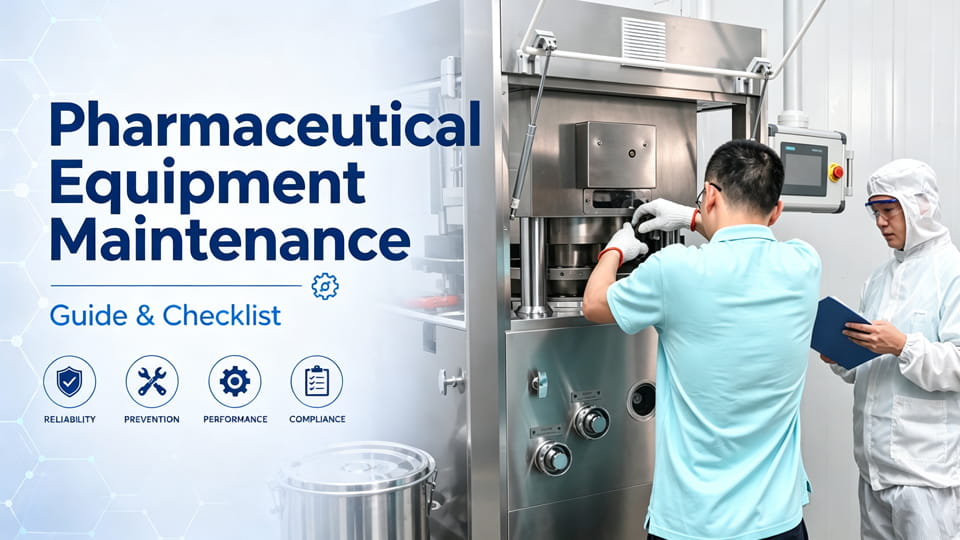
このガイドでは、そのシステムの構築方法について説明します, 実践的な製薬機器メンテナンスチェックリスト付き, メンテナンススケジュール, マシン固有のアドバイス, 打錠機に関する GMP に関する考慮事項, カプセル充填剤, ブリスターマシン, 計数機, そして箱詰め業者.
製薬機器のメンテナンス 予定されている検査です, クリーニング, 潤滑, 調整, 校正サポート, 修理, 医薬品製造および包装機械の意図した動作を維持するために使用される交換作業.
ツールボックスを備えたメンテナンス技術者以上のことをカバーします. 完全な医薬品メンテナンス プログラムが生産を接続します, エンジニアリング, 品質保証, 演算子, スペアパーツ管理, ドキュメント, および機器サプライヤー.
なぜそれが重要なのか?
便利なメンテナンス方法は 4 つあります:
| メンテナンスタイプ | トリガー | ベストユース | 主な制限事項 |
| 事後保全 | すでに設備が故障している | 低重要度, 安価なコンポーネント | 計画外のダウンタイムが発生し、二次被害が発生する可能性があります |
| 予防保守 | 時間, サイクル, バッチ, または営業時間 | 日常的に摩耗する部品, 潤滑, 検査, 定期メンテナンス | 間隔が適切に設定されていない場合、必要よりも早く部品を交換できる |
| 状態に応じたメンテナンス | 測定された状態が定義された制限を超えています | ベアリング, モーター, 真空システム, 温度に敏感なコンポーネント | 信頼性の高い測定値と許容限界が必要 |
| 予知保全 | 傾向またはモデルは悪化の進行を示している | 早期警戒が重要な価値を持つ重要な機器 | 十分なデータが必要です, 監視規律, そして技術力 |
ほとんどの製薬メーカーにとって, 最良の答えは、方法を 1 つだけ選択しないことです. 予防保全を基盤としています, 適切な低リスク品目の事後保全, 機器の重要性が正当化される状況ベースまたは予測手法.
実用的な 製薬業界における予防保守プログラム インターネットからダウンロードした一般的なチェックリストではなく、機器から始まります.
簡単なワークフローはこんな感じ:
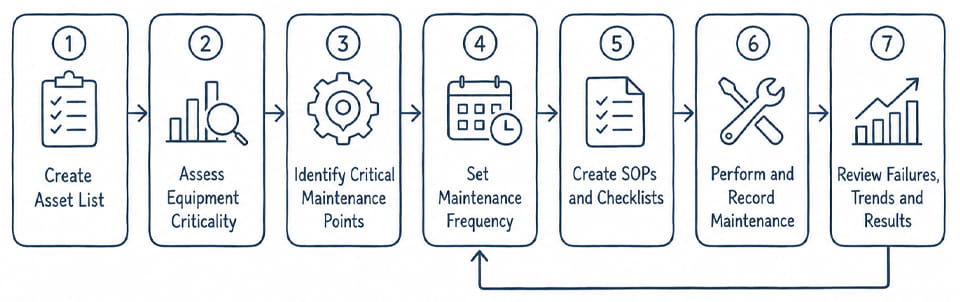
重要なのは最後の矢印です. 機器が実際にどのように動作するかを学ぶことで、医薬品のメンテナンススケジュールが改善されるはずです.
以下のスケジュールは、 開始テンプレート, 規制周波数ではありません. 実際の間隔は、機器メーカーの推奨事項とサイトのリスク評価に従う必要があります。, 営業時間, 材料, メンテナンス履歴, そして検証された状態. FDA はメンテナンス スケジュールを要求し、EU GMP は機器が適切にメンテナンスされ、関連する測定および制御機器が定められた間隔でチェックされることを期待しています。.
| 頻度 | 推奨される製薬機器のメンテナンス作業 |
| 毎日 / 各シフト | アクセス可能な製品接触エリアを清潔にする; ほこりや残留物を取り除く; 漏れがないか検査する, 異音, 振動, 緩んだ部品, 破損したガード, 異常アラーム, 空気/真空の問題, 明らかな工具の摩耗; 運転前に安全装置を確認する |
| 毎週 | センサーの検査と清掃, フィルター, 鎖, ベルト, 真空ライン, 空気圧継手, フィーダー, ガイドレール, ツーリング, および集塵ポイント; 必要に応じて承認された箇所に注油します |
| 毎月 | ベアリングを検査する, カム, ドライブコンポーネント, モーター, 電気接続, アザラシ, ギアボックス, 工具の位置合わせ, 真空性能, ヒーター, そして摩耗部品; アラームと修復履歴を確認する |
| 四半期ごと | より詳細な機械的および電気的検査を実行する; 重要な設定と計測器を検証する; 安全回路と摩耗の激しいアセンブリを検査する; 繰り返される故障とスペアパーツの消費を確認する |
| 年間 | 機械の状態に応じた総点検や計画的なオーバーホールを実施; 正当な場合は寿命部品を交換してください; 校正ステータスと安全システムを確認する; PMプログラムを見直す, メンテナンス履歴, ドキュメント, そしてトレーニング |
のために 医薬品機器の日常メンテナンスチェックリスト, オペレーターは防御の最前線です. 変化を探すよう依頼する: 新しいノイズ, シールの周りに粉末が増える, 真空応答が遅くなる, 暖かいモーター, フィルムトラッキングが不安定, または拒否率の増加. 小さな変化は完全な故障の前に現れることがよくあります.
毎週の作業は、ほこりが蓄積しているコンポーネントや徐々に緩んでいるコンポーネントに重点を置く必要があります。, 詰まる, 乾燥する, または着る. 毎月のメンテナンスは駆動システムにまで及びます, 電気接続, アライメント, アザラシ, ツーリング, アセンブリの移動.
四半期および年次の作業は、技術者が単にボックスにチェックを入れるだけの儀式になってはなりません。. 実機の状態を以前の検査と比較する. 繰り返しの故障をチェックする. 交換されたコンポーネントを見てください. メンテナンスの頻度が今でも適切かどうかを尋ねる.
潤滑には特に注意が必要です. 潤滑剤が少なすぎると摩擦が増加します; 間違った潤滑剤を使用したり、汚染の可能性がある場所に潤滑剤を塗布すると、別の問題が発生する可能性があります。. JinLu には別の 製薬機器潤滑剤ガイド 製薬機械の潤滑剤の選択とメンテナンスの考慮事項をカバー.
一般的な医薬品機器のメンテナンスに関するアドバイスは限界があります. 本当の価値は、各マシンで何を検査すべきかを知ることから生まれます.
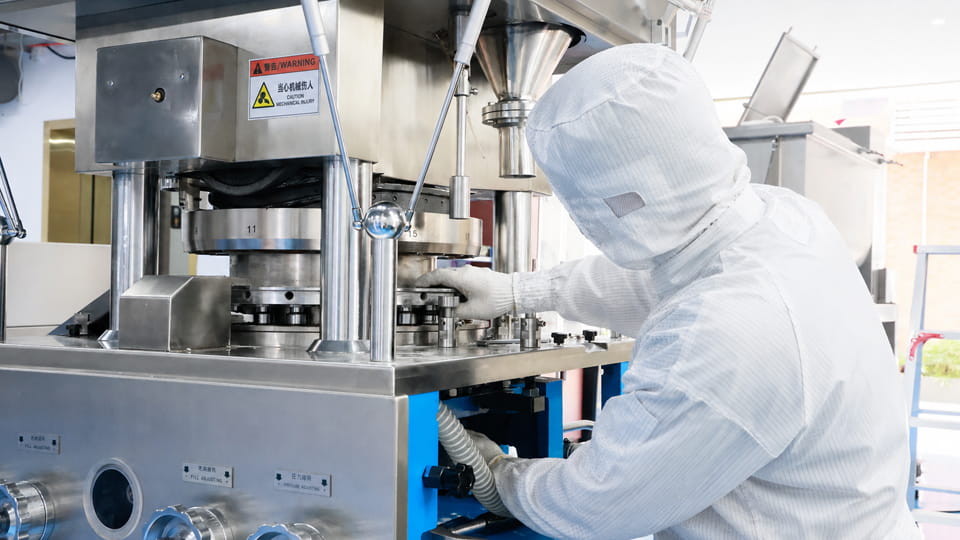
打錠機のメンテナンス. パンチとダイに焦点を当てる, 砲塔, 上下のカムトラック, 圧縮ローラー, 強制フィーダー, 駆動方式, 潤滑ポイント, 集塵, と安全保護. タレットや工具の周囲に粉末が蓄積すると、摩耗が促進され、錠剤の欠陥の原因となる可能性があります, 一方、工具の損傷または調整不良は直ちに調査する必要があります. JinLu 打錠機はロータリータレットなどのアセンブリを使用します, 強制給電装置, 真空システム, 圧縮システム, および過負荷保護, これらの論理的な検査ポイントを打錠機の予防保守プログラムに組み込む. JinLu を見る 打錠機のラインナップ.
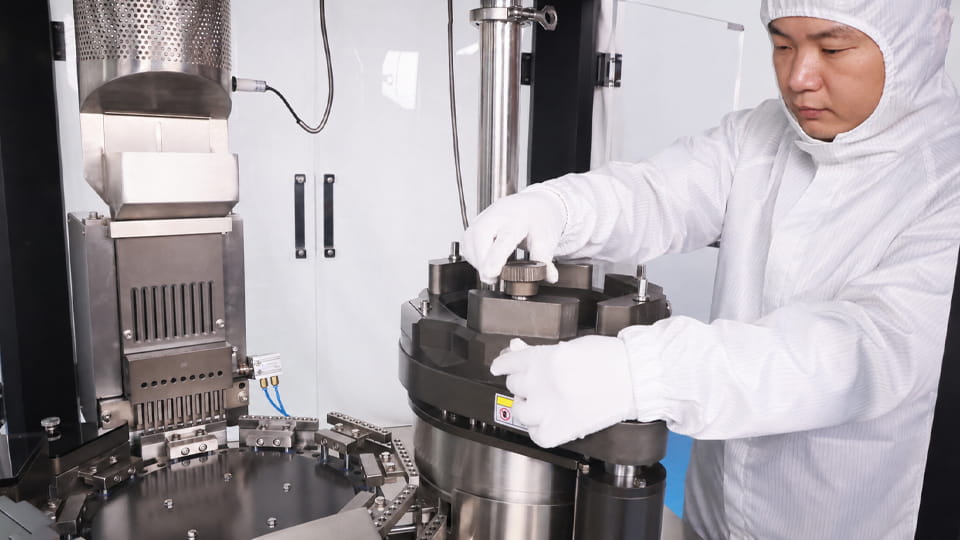
カプセル充填機のメンテナンス. カプセルフィーダーを保管してください, 分離システム, 空の円, 投与コンポーネント, タンピングまたは充填アセンブリ, ロックステーション, カム, および防塵エリアが清潔で正しく調整されていること. 特に粉体が機械スペースに進入しないように注意してください。, 真空性能の低下, カプセルのずれ, カム異音発生. JinLu の自動カプセル充填機はモジュール式充填アセンブリを使用しており、, 特定のモデルでは, メンテナンスの軽減を目的としたオイルフリーベアリング. より詳細なコンポーネントレベルのガイドについては、, 見る 自動カプセル充填機のメンテナンス方法 そして カプセル充填機シリーズ.
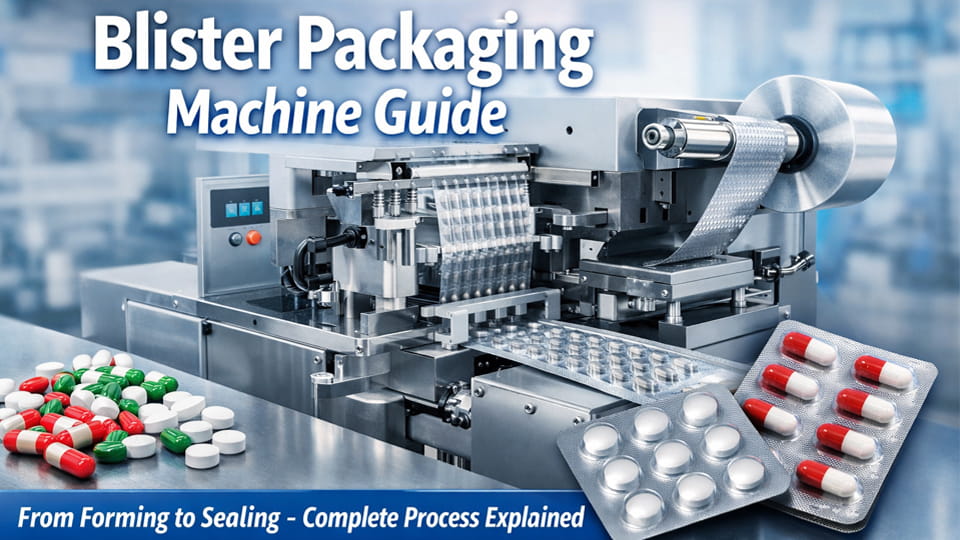
ブリスターマシンのメンテナンス. 成形ステーションとシーリングステーションを検査する, ヒーター, シールプレートまたはローラー, ガイドローラー, フィルムテンション, フィーダー, 切削工具, 冷却, センサー, 空気圧コンポーネント, および真空システム. シール面にゴミや残留物が付着している, 摩耗したコンポーネント, 位置合わせが正しくない, 不安定な加工条件は、弱いシールや変形したパックとしてすぐに現れる可能性があります。. JinLu ブリスターマシンは成形を組み合わせます, 餌やり, 熱シーリング, トラクション, カット機能, そのため、ステーション間の位置合わせが特に重要です. を参照してください。 ブリスター包装機シリーズ そしてジンルさんの ブリスターマシンの問題ガイド.
計数および箱詰め機械. の上 タブレットとカプセルのカウンター, 振動チャンネルを維持する, 給餌面, 光電センサーまたは視覚センサー, 除塵エリア, ボトルの取り扱い, システムを拒否する, 空気圧コンポーネントは清潔で正しく配置されています. JinLu の計数装置は瓶詰めラインに統合できるように設計されています, 一方、JL-16C 製品はモジュラーを使用しています。, メンテナンスを簡素化し、粉塵の問題を制限することを目的とした密閉型設計. で 箱詰め機, バキュームピックアップのコンポーネントに細心の注意を払う, 吸盤, カートン雑誌, 鎖, ガイド, センサー, リーフレットシステム, 形成ステーション, 複数の調整されたステーションが順番に動作する必要があるため、製品/カートンの検出.
メンテナンス, クリーニング, とキャリブレーションは関連しています, しかし、それらは交換可能ではありません.
| 活動 | 主な目的 | 代表的な例 |
| クリーニング | 製品残留物を除去する, ほこり, 洗浄剤の残留物, および汚染 | バッチ後のカプセル投与ステーションの清掃 |
| メンテナンス | 機械的/電気的性能を維持または回復する | 磨耗したベアリングの交換または駆動システムの調整 |
| 較正 | 測定または制御デバイスが定義された精度内で動作することを確認する | 温度を確認する, プレッシャー, 重さ, または基準に対する力の測定 |
FDAはその責任を明確にしている. セクション 211.67 書面によるクリーニングとメンテナンスの手順が必要, 責任も含めて, スケジュール, 方法と材料, 必要に応じて分解または再組み立て, クリーンな機器の保護, 使用前の清浄度検査, そして記録. セクション 211.68 定期的な校正を追加します, 検査, または自動チェック, 機械的, 書面によるプログラムに基づいた電子機器.
したがって、GMP 指向の SOP ではこのチェックリストを使用できます。:
| SOP要素 | 何を定義するか |
| 目的と範囲 | 対象となる設備とアクティビティ |
| 責任 | オペレーター, メンテナンス, エンジニアリング, QA, または請負業者の役割 |
| 頻度 | 時間, 営業時間, サイクル, バッチ, または条件ベースのトリガー |
| 安全と準備 | 分離, ロックアウト, 清掃状況, 必要なPPE |
| メンテナンス方法 | 検査, 調整, 交換, 潤滑, ツール, 承認された材料 |
| 分解・組立 | 再起動前の必要なシーケンスとチェック |
| 合格基準 | 許容可能な機械の状態とは何ですか |
| メンテナンス後の点検 | 清潔さ, 警備員, 設定, 試運転, 該当する場合、校正または再認定 |
| ドキュメント | 日付, 技術者, 行われた作業, 使用した部品, 所見, 逸脱, 承認 |
EUの立場は緊密に一致している. EU GMP 章 3 製造装置は設計されるべきだと言う, 位置した, 意図された目的のために維持されます; 修理とメンテナンスによって製品の品質に危険が生じてはなりません; 機器は掃除しやすいものでなければなりません; 測定および制御機器は、記録とともに定められた間隔で校正およびチェックされる必要があります。; 欠陥のある機器は可能な限り取り外すか、明確に特定する必要があります。.
これは規制書に記載された古い要件ではなく、引き続き検査の問題として継続されています。. に発行された FDA 警告書 2025 そして 2026 不適切な機器の洗浄およびメンテナンス手順、または関連する故障について企業を挙げ続けている。 21 CFR 211.67.
最も一般的なメンテナンスの間違いの 1 つは、 失敗するまですべてを実行する. その他には、すべてのマシンに同じサービス間隔を与えることも含まれます, 騒音や振動の小さな変化を無視する, 間違った潤滑剤を使用する, 過剰潤滑, センサーチェックを延期する, 不十分な記録を保持する, 重要なスペアパーツを積んでいない, 適切な事後保守検査を行わずに生産を再開する.
予知メンテナンスによりプログラムをさらに進化させることができます. 尋ねる代わりに, 「このベアリングは交換時期ですか?」?「あなたは尋ねます, 「ベアリングって本当に劣化してるの?」?便利な入力には振動が含まれます, 温度, プレッシャー, モーター電流, アラーム履歴, 真空トレンド, および既存のプロセスデータ. 稼動中の無菌充填ラインを使用した医薬品製造研究では、プロセス監視データの長期的な変動が機器の故障と関連付けられ、早期に計画された介入をサポートするために使用される可能性があることが判明しました。.
実際的な利点は、すべての工場が人工知能を必要とするということではありません. トレンド情報は、メンテナンスを固定カレンダーから証拠に基づいた決定に移行するのに役立ちます。.
メンテナンスコストを削減するには, 退屈な基礎から始める: 可能な限り共通のスペアパーツを標準化する, 重要な摩耗部品を利用可能な状態に保つ, 列車の運転士が劣化に気づくようにする, 正しい潤滑方法に従ってください, 繰り返される失敗を文書化する, パターンが不明瞭な場合は OEM を関与させます. ジンル, 例えば, 技術文書を提供します, トレーニング, 予防および事後メンテナンス, リモートトラブルシューティング, サポート提供の一環としてのパラメータ/ソフトウェアのバックアップ.
メンテナンス費用も 調達. FDA 21 CFR 211.63 特に製薬機器には適切な設計が必要です, サイズ, 意図した操作を容易にするための場所と場所, クリーニング, そしてメンテナンス. 製薬機械サプライヤーを比較する場合, アクセス可能なメンテナンスポイントを探す, 製品接点の簡単な分解, モジュラーツール, わかりやすい故障診断, すぐに入手できる摩耗部品, 良いマニュアル, リモートサポート, 現実的なスペアパーツのリードタイム.
購入する前にサプライヤーに簡単な質問をしてください: 「メンテナンスチームにアクセス方法を示してください」, クリーン, 検査する, 最も頻繁に摩耗する部品を交換してください。」 切り替えごとに 10 分を節約したり、検査を容易にしたりする機械は、購入価格がわずかに低い機械よりも耐用年数にわたって価値が高くなります。.
医薬品製造において, メンテナンス=信頼性 + 品質 + コンプライアンス. 良い 製薬機器のメンテナンス より多くのメンテナンスを実行することよりも、適切なタイミングで適切なメンテナンスを実行することが重要です。. 適切な機器を選択することがステップ 1 です; 体系化されたメンテナンス プログラムを実行することも同様に重要です. 日々のチェックを行うことで, スケジュールを厳守する, すべてのアクションを文書化する, あなたは驚きを防ぎます, コストを削減する, そして患者の安全を守ります.
ジンルーパッキングにて, 私たちは機械を設計します (打錠機, カプセル充填剤, 等) 衛生面とメンテナンスのしやすさを考慮した. しかし、最高のマシンでも TLC が必要です. このガイドのヒントをご自身の機器に適用することをお勧めします。, そして いつも 詳細については、マシンのマニュアルを参照してください.
メンテナンス プログラムに関する質問がある場合、または回線の技術サポートが必要な場合, Jinlu のエンジニアがいつでもお手伝いいたします. 適切なメンテナンスにより、ラインのスムーズな稼働が維持され、最終的には, 高品質と低コストを維持します.
マシンの稼働時間を改善する準備ができています? JinluPacking のサポート チームにお問い合わせください または、当社のあらゆる医薬品包装機器を調べて、洗浄とメンテナンスが容易になるように当社がどのように設計されているかをご覧ください。.
すべての製薬機械に適用できる単一のメンテナンス間隔はありません。. メンテナンスの頻度は、機器メーカーの推奨事項に基づいてください。, 営業時間, 生産負荷, 機器の重要性, 製品の特性, および過去のメンテナンス履歴. 使用頻度の高い機器や重要な機器には、毎日または毎週の検査が必要になる場合があります, より詳細な予防メンテナンスが毎月スケジュールされる場合もあります, 四半期ごとの, または毎年.
予防保全とは、設備が故障する前に行う計画的な保全です。. 通常は検査も含まれます, クリーニング, 潤滑, 調整, 摩耗部品の交換, 安全チェック, 定義された間隔での機能テスト. 優れた予防保守プログラムは、製薬メーカーが予期せぬダウンタイムを削減するのに役立ちます, 一貫したマシンのパフォーマンスを維持する, 生産や製品の品質に影響を与える前に、コンポーネントの摩耗を特定します。.
製薬機器のメンテナンスチェックリストには機械部品も含まれている必要があります, 潤滑ポイント, 駆動システム, センサー, 電気部品, 空気圧および真空システム, 安全装置, ツーリング, アザラシ, フィルター, およびその他の摩耗部品. 機器IDも記録する必要があります, 検査日, 技術者, 所見, 交換された部品, 是正措置, そして次回のメンテナンス予定日.
はい. GMPでは、医薬品製造設備の故障や汚染が製品の品質に影響を与えないようメンテナンスすることが義務付けられています。. FDAのもとで 21 CFR 211.67, メーカーは、書面による機器の洗浄およびメンテナンス手順を確立し、それに従う必要があります。, 割り当てられた責任を含む, メンテナンススケジュール, メソッド, 検査, そして記録. 正確なメンテナンス間隔は、1 つの普遍的なスケジュールを使用するのではなく、機器とプロセスに応じて定義する必要があります。.
予防保守は通常、事前に定義された時間に従って実行されます, 営業時間, サイクル, または生産スケジュール. 予知保全では、機器の状態データを使用して、実際にいつメンテナンスが必要かを判断します。. 例えば, 振動, モーター温度, 真空圧, 電流, またはアラームの傾向は、障害が発生する前に進行中の問題を特定するのに役立ちます. 多くの製薬工場では、重要な機器の基礎として予防保守と予知保守を使用しています。.
製薬メーカーは、どのようなメンテナンスが実施されたかを明確に示す記録を維持する必要があります。, 完成したとき, 誰がそれを実行したのか, どのような問題が見つかったのか, そしてどのような是正措置や部品交換が必要だったか. 主要な機器の記録には、清掃および使用情報も含まれる場合があります, 機器の識別, バッチ参照, 検査, 校正チェック, 逸脱, およびフォローアップ活動. 記録は追跡可能でなければなりません, 年代順, GMP検査中に簡単に取得できます.
完全な機器リストから始めて、製品品質への影響に従って各機械を分類します。, 安全性, そして生産. 次に、OEM メンテナンス マニュアルを確認します。, 重要な摩耗コンポーネントを特定する, 稼働時間に基づいて検査または交換の間隔を定義します, 生産集約度, 失敗歴, そしてリスク. 責任を割り当てる, 機器固有のチェックリストを作成する, 完了した仕事を文書化する, 実際のメンテナンスデータを使用して定期的にスケジュールを調整します.
すべてのメンテナンス作業に完全な再認定が必要なわけではありません, ただし、重要な修理や変更は、機器のパフォーマンスと検証された状態への影響を評価する必要があります。. 日常的な摩耗部品を同等のコンポーネントと交換するには、定義されたメンテナンス後のチェックのみが必要な場合があります. 重要な設定に影響を与える変更, 制御システム, 測定精度, ソフトウェア, 製品接触部, または動作パラメータの校正が必要な場合があります, 検証, 変更制御, または生産再開前の部分的な再認定.
最も効果的なアプローチは、リスクベースの予防保守と適切なオペレーターによる検査、および重要なスペアパーツへの迅速なアクセスを組み合わせることです。. オペレーターは異音を報告する必要があります, 振動, 温度, 漏れ, 真空損失, センサーの故障, または重大な障害になる前に不合格率を高める. メンテナンスチームは、繰り返される故障も分析する必要があります, 正確なサービス履歴を保管する, 重要なコンポーネントを監視する, 再発する問題を社内で解決できない場合は、機器メーカーと協力します。.
購入者は、機械の速度と購入価格だけに焦点を当てる前に、メンテナンスのしやすさを評価する必要があります。. 摩耗部品に簡単にアクセスできるようにする, 製品接点の迅速な分解, モジュラーツール, 標準化されたスペアパーツ, 潤滑ポイントを明確にする, 便利な PLC 診断, アクセス可能な電気および空気圧コンポーネント, および簡単な洗浄手順. サプライヤーはメンテナンスマニュアルも提供する必要があります, スペアパーツリスト, トレーニング, 技術文書, リモートサポート, 安心のアフターサービス.
参考文献:
1.グッドプラクティスガイド: メンテナンス第2版 —— IPE
2.医薬品の品質保証: ガイドラインと関連資料の概要: 音量 2: 適正な製造慣行と検査, 10第二版 —— 誰が
3.21 CFR § 211.182 機器の清掃と使用記録 —— eCFR
4.I トピック Q 7 医薬品有効成分の適正製造基準 —— 欧州医薬品庁
5.適正製造慣行および適正流通慣行に関するガイダンス: 質疑応答 —— 欧州医薬品庁
6.医薬品機器の対象を絞った予防保守 —— リサーチゲート