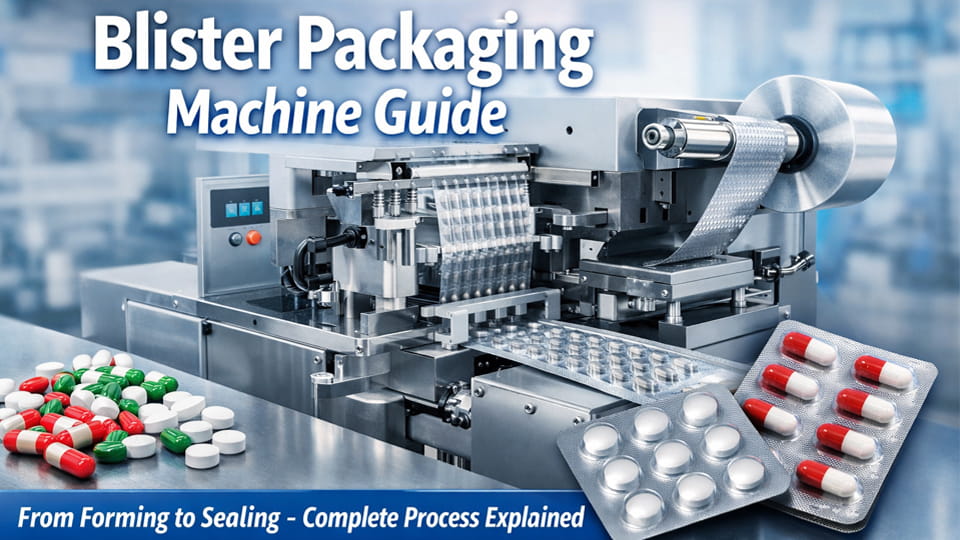
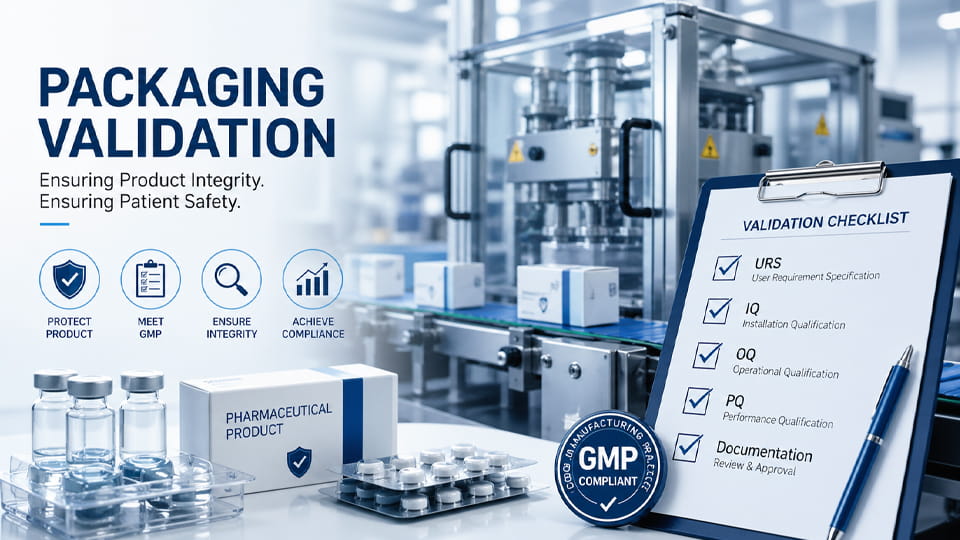
製薬業界では, 包装の検証 の重要なサブセットです プロセスの検証 包装設備とプロセスが医薬品の品質を一貫して保護することに重点を置いています. 文書化された資格取得プログラムが含まれます (インストール, 稼働中, パフォーマンス) そしてテスト (例えば. コンテナ閉鎖の完全性, 安定性, 輸送) 包装システムがGMP条件下で意図したとおりに機能することを証明するため. 効果的な包装検証により患者の安全を守る (汚染を防ぐことで, 劣化または混同) 規制遵守を保証します (FDA, エマ, 誰が, 私, ISO). このガイドでは、 意味 , ステップ , テスト , 標準 , そして ベストプラクティス 医薬品包装の検証用, 装置がどのように自動化されるかを示します (のように Jinlu Packingの機械 ) これらの厳しい要件を満たすように設計されています.
パッケージング検証の定義 製薬手段におけるパッケージングの検証 文書化された証拠を使って証明する 梱包プロセス (設備と材料) 医薬品を保護するパッケージを確実に製造します. 実際に, 製造で使用されているのと同じ厳格な検証コンセプトを適用します。 (IR/WH/PQ) に 主要な, 二次的, そして三次包装 「包装プロセスと設備には、製薬施設内の他の処理部分と同様に検証/認定が必要です。」 . 言い換えると, パッケージングの検証により、 コンテナ閉鎖システム, ラベリング, および包装ライン 品質仕様と規制要件を一貫して満たす. 目的は薬の強さを維持することです, 包装による純度と安定性, 流通と賞味期限, 取り違えを防ぎながら, 偽物, または損傷.
パッケージング検証における一般的な成果物には、次のものがあります。 ユーザー要件仕様 (URS) (デザイン & 品質基準), 設置/運用/パフォーマンスの認定プロトコル, およびテスト記録. 検証プロセスの対象範囲は、:
一次包装 (薬剤と直接接触する容器またはバリア, 例えば. バイアル, 水疱空洞, 小袋)二次包装 (例えば. カートン, ラベル, インサート, プライマリパッケージをグループ化するシリアル化)三次包装 (バルク輸送コンテナ, パレット, 輸送用のコールドチェーン梱包)
各レベルで製品を保護する必要があります. 例えば, オーストラリアの TGA は次のように定義しています。 「一次包装」 (商品をすぐに覆う容器) そして区別します 二次包装 外箱や包装紙として. 最終的に, 包装の検証は GMP と結びついており、 容器と蓋は薬剤を変化させません そして 「外的要因に対して適切な保護を提供する」 保管中および使用中.
製薬業界でパッケージングの検証が重要な理由 医薬品の包装は医薬品の品質の最終防御です. 梱包プロセスの検証は非常に重要です。:
製品の安全性と完全性を保証します: 適切に検証された包装により汚染を防止, 湿気の侵入, または酸素にさらされると有効成分が劣化する可能性があります. 例えば, 漏れやシールの破損により、微生物やガスが侵入する可能性があります。, 無菌性または効力を損なう.規制の遵守: 代理店 (FDA, EMA/I, 誰が) 検証済みの梱包が必要. 私たち. FDAの 21 CFR 211.94 医薬品の品質を変える閉鎖を禁止し、閉鎖を義務付ける 「予見可能な外部要因に対して適切な保護を提供する」 . EU GMP 付属書 1 も同様に主張している 「コンテナは適切に検証された方法で密閉されるべきです」 (と 100% 融着密閉型製品の完全性試験). WHO は、包装システムも他の GMP プロセスと同様に認定される必要があると明示しています。. コンプライアンス違反は以下のことを意味します 思い出す , インポート拒否または監査引用.保存期間を延長します: 安定性条件下で検証された包装材料とシールは、正確な保存期限表示の設定に役立ちます. ICH Q1A ガイダンスでは、安定性研究を次の方法で行うことさえ指定しています。 「コンテナクロージャシステム」 製品に提案された. 梱包に失敗した場合, 安定性データが無効です.シリアル化と偽造防止: 最新の医薬品パッケージにはシリアル化が含まれることがよくあります, 不正開封防止シール, および偽造防止機能. これらの機能を検証する (例えば. バーコードのスキャン可能性, タンパーテープの完全性) サプライチェーンの安全を確保するのに役立ちます. ラベル付けまたはシリアル化のエラーにより、製品のリリースが妨げられる可能性があります.品質とコスト効率: 効率的な検証済みラインにより欠陥が削減されます (記入ミス, ラベルエラー, 砕いたカートン) そしてスクラップ. 自動検査 (シール/ラベルチェック用ビジョンシステム) 多くの場合、検証済みのコントロールの一部です. 全体, 検証済みの包装プロセスで患者のリスクを最小限に抑え、有効成分の安定した供給を確保します。, 本物の薬.
検証の主な推進要因
患者の安全: 不適切な包装は患者に害を及ぼす可能性があります (例えば. 汚染された注射剤). 安全バリアの検証文書化.規制リスクの軽減: 未検証のプロセスはリコールや制裁のリスクが高い. 規制当局はすべての生産ラインの認定データを期待しています.世界的な分布: 国際基準を満たす (FDA/EMA/WHO) 市場全体で検証済みのパッケージが必要.事業継続: 流通廃棄物・廃棄時の梱包不良. 検証により確実に 「正しい、初めて」 GMPに基づいた運用.監査の準備状況: 品質当局または顧客規制当局による監査では、GMP 検査の一環として包装検証記録と機器の適格性が確認されます。.
医薬品包装の検証の範囲 パッケージング検証はすべてのパッケージング段階に対応します. 通常, 私たちは区別します:
一次包装の検証: コンテナのクロージャに重点を置く (バイアル, アンプル, 水疱空洞, ボトル). テストにはシールの完全性が含まれます, 材料の互換性 (抽出物/浸出物) およびコンテナの閉鎖パフォーマンス. 無菌製品の場合, コンテナクロージャーの完全性テスト (CCIT) 無菌維持を確実にするために必須です.二次包装の検証: すぐ外側のパックをカバーします (カートン, ラベル, チラシ, 乾燥剤). これには、ラベルの読みやすさ/正確さのチェックが含まれます, カートン落下テスト, およびボックス圧縮テスト (輸送用). ラベル検証により、正しい患者情報が一貫して適用されることが保証されます.三次包装の検証: バルク/輸送用の梱包が含まれる. ここ, 振動などの性能テスト, 落とす, および熱サイクル (コールドチェーン) 輸送ストレスをシミュレーションして、パレットと輸送用カートンが流通中に製品の完全性とラベル付けを維持していることを検証します. ASTM D4169 などの標準プロトコル (輸送シミュレーション) よく使われます.
各レベルにはリスク評価と適切なテストが必要です: 例えば, 主要な 梱包にはUSPが関係する可能性があります <1207>-スタイル整合性テスト, その間 二次的 包装テストには、カートンの強度とラベルの接着力が含まれる場合があります, そして 三次 梱包にはISTA/ASTMテストプロトコルを使用. すべてを検証計画に文書化する必要があります.
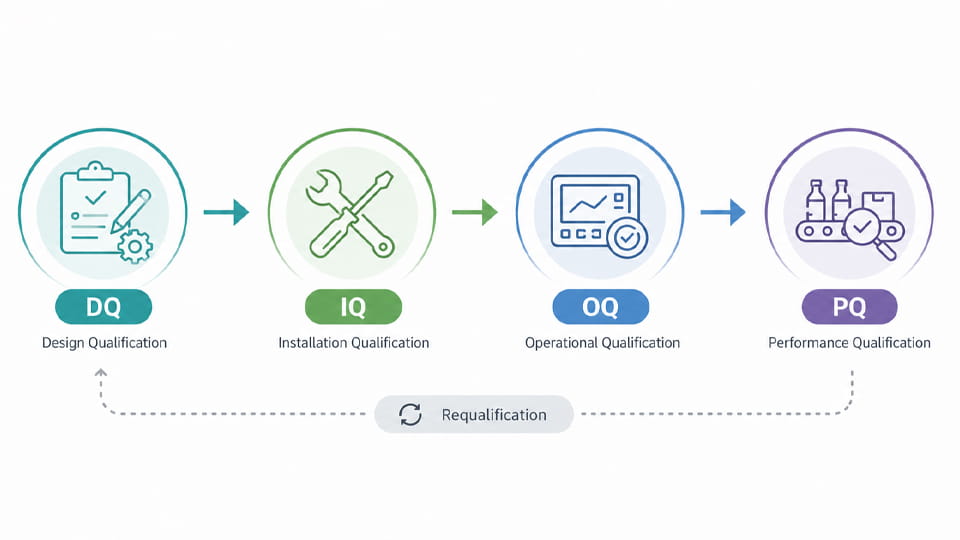
パッケージング検証プロセスの主要なステップ パッケージングの検証は通常、機器/プロセスの認定ライフサイクルに従います。, しばしば次のように説明されます DQ/IQ/OQ/PQ
設計適格性評価 (DQ): 設計が URS に対して評価される初期段階 (ユーザー要件仕様) およびGMPガイドライン. デザインのあらゆる側面 (機械の機能, 材料, 洗浄性, 製品/梱包材との適合性) 見直される. ドキュメントにはURSと設計仕様が含まれます (機能設計仕様書 FDS, ハードウェア/ソフトウェア設計仕様). 多くの場合、リスク評価 (例えば. DFMEA) パッケージングの失敗モードを予測するために行われます.設置資格 (IQ): マシン/ラインがベンダー仕様に従って正しくインストールされていることを確認します. IQ には正しい位置を確認するチェックリストが含まれています, 公共事業 (力, 空気, 水), 環境条件, そして適切な組み立て. すべてのコンポーネントが存在し、損傷していません. 測定器の校正がチェックされています. 成果物: IQプロトコルとレポート, 校正証明書.運用資格 (OQ): 指定されたすべての条件下でマシンが意図したとおりに動作することを検証します. 重要なパラメータ (速度範囲, 温度, 圧力, 真空レベル, トルク, 等) 最小/最大、または最悪の場合の設定で問題が発生する. OQ のテストには、超高速でのシールが含まれる場合があります, センサー/アラーム機能, コンベア速度の変更, ラベラーの精度, 充填ポンプの精度. OQ プロトコルは、各機能テストが合格基準を満たしていることを記録します。.パフォーマンス資格 (PQ): 通常の生産条件下でのことを示します。, ラインは品質仕様を満たす製品を一貫して生産します. PQ は実際の生産数量/バッチに対して行われます. これには、定義された時間または数量でラインを実行し、出力をサンプリングすることが含まれます。. 代表的な活動: 複数のブリスターカートンを実行する, ボトルや 小袋 サンプルの QC テストの実行 (例えば。, コンテナの閉鎖の完全性 (CCIT), 体重チェック, 外観欠陥検査, シール強度). PQ は、製品の品質を維持しながらラインを継続的に稼働できることを示しています.
以下の表は、DQ – IQ – OQ – PQ ステージをまとめたものです。:
ステージ 目的 主要文書 アクティビティ/テストの例
設計適格性評価 (DQ) 包装システムの設計が URS/GMP を満たしていることを確認する
URS (要件仕様), 設計仕様 (FDS/HDS/SDS), リスクアセスメント
デザインレビュー, 材料の適合性チェック, DFMEA
設置資格 (IQ) 機器が適切に設置されていることを確認する
IQプロトコル/チェックリスト, インストールログ, 校正証明書
ユーティリティを確認する, 装置の組み立て, 較正
運用資格 (OQ) 定義された制限内で機器の機能を検証する
OQプロトコル, 機能テスト計画, SOP
テストパラメータ (スピード, 温度, プレッシャー); シールチェック
パフォーマンス資格 (PQ) 生産稼働中に一貫した品質を確保
PQプロトコル, バッチレコード, リリース基準
生産の実行; サンプルテスト (CCIT, 充填重量, 目視検査)
図が示すように, パッケージングの検証は、設計から性能までのライフサイクルプロセスです. ご了承ください 再資格 大きな変更の後または定期的に必要になる場合があります.
パッケージング検証における主要なテスト 通常、パッケージングの検証中にいくつかの特殊なテストが実行されます。:
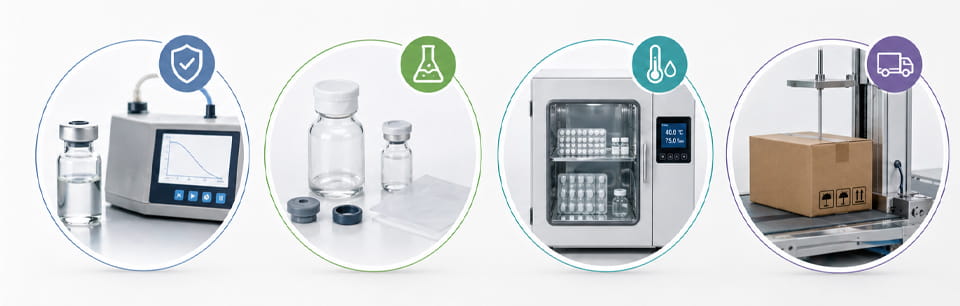
コンテナの閉鎖完全性テスト (CCIT) CCIT は、滅菌製品にも非滅菌製品にも不可欠です. 容器閉鎖システムが適切かどうかを評価します。 (例えば. バイアル+ストッパー+キャップ, アンプル, ブリスターシール) 完璧なバリアを形成する. 真空減衰などの方法, 圧力減衰, 染料の侵入, または微生物の攻撃. ある業界関係者は次のように説明しています。, 「コンテナ閉鎖完全性試験」 (CCIT) これは、潜在的な汚染物質に対する無菌バリアを維持するための容器密閉システムの適切性を評価するアッセイです。」 . 規制関連文書 (米国薬局 <1207>, FDA, EMA 別館 1) 漏れや違反がないことを確認するために、閉鎖の完全性をテストすることを重視します。. 例えば, 米国薬局 <1207> 密封されたパッケージを認証するためのリークテスト方法の選択に関するガイドラインを提供します.
材料適合性試験 (抽出物/浸出物) 包装資材 (プラスチック, ゴム, インク, 接着剤) 医薬品と有害な相互作用をしてはなりません. 抽出物と浸出物 長期接触をシミュレートする研究: 抽出物とは、過酷な条件下で包装から排出される化学物質です, 浸出物とは、通常の条件下で実際に製品に移行するものです。. これらのテストにより、パッケージに有毒な不純物や安定性に影響を与える不純物が混入していないことが確認されます。. 薬局および FDA のガイダンス (例えば. 米国薬局 <661>, 第 3 四半期) コンテナクロージャーシステムの E/L テストの概要. 実際に, ポリマーが, コーティング, ラベル素材は薬局基準を満たしています (例えば. USPガラスタイプ, ISOゴムクロージャ仕様). WHO は、薬局方の閉鎖基準が次のようになっていると指摘しています。 (ゴム栓のようなもの) は 「最低限必要なもの」 適合性を証明するために安定性研究を重視します.
包装における安定性試験 ICH Q1Aによると, 安定性の研究 医薬品の最終包装形態で行う必要があります. 検証中, 包装が安定性に及ぼす影響を評価する: 例えば, 最終パッケージは加速老化にさらされます (高温多湿) 劣化がないことを保証するリアルタイム条件 (例えば. ブリスターパック内の湿気の侵入, ボトル内の酸素透過性). 安定性を示すアッセイ (化学物質と微生物) 実行されます. ストレス下で製品を保護できない包装は、賞味期限の主張を無効にします. したがって, 検証には、選択したパッケージが保存期間要件を満たしていることの確認が含まれます (これは規制上の安定性プロトコルと重複します).
輸送および流通試験 三次包装 実際の出荷条件をシミュレートするテスト. 標準テストには落下高さテストが含まれます, 振動 (トラック/鉄道シミュレーション), 圧縮 (スタッキング重量), 温度サイクルと (特にコールドチェーンの場合). 例えば, ASTM D4169 (パッケージ製品の場合) または ISTA プロトコルを使用することもできます. 堅牢な梱包検証計画により、カートンが, ケースと木箱は、取り扱い中に主要なパッケージを保護します: 破損がないことを確認する, ラベル剥がれ, または流通条件下で湿気による損傷が発生する. コールドチェーン用, 温度マッピングと検証済みの断熱配送業者は、輸送中に必要な温度範囲を維持するためにテストされています.
規制基準とガイドライン 医薬品包装の検証は複数の規制上の期待に応える必要がある:
cGMP規制: 米国では, FDAの 21 CFRパート 211 (サブパート J) コンテナとクロージャを管理する. セクション 211.94(広告) 容器/蓋は医薬品の品質を変えることができず、予見可能な汚染から保護する必要があることを指定します.EU GMP: ヨーロッパのガイドライン (ユードラレックス Vol. 4) それを要求する 「コンテナは適切に検証された方法で密閉されるべきです」 (別館 1) 包装プロセスはGMPに準拠していること (別館 15 検証中). EU GMP 付属書 11 コンピュータによるシステム検証を義務付ける (電子制御を備えた包装ラインを含む).WHOのGMP: WHOのテクニカルレポートシリーズ 902 (別館 9) 他の処理ステップと同様に、包装機器にも検証が必要であることを明示的に示しています. WHO はパッケージの完全性に関するガイダンスも提供しています (EU/ICHと同様).無形文化遺産ガイドライン: ICHですが (Q7, Q8, Q9, Q10) 特定の包装検証文書がない, リスク管理が義務付けられている (Q9) デザインによる品質 (Q8/Q10) 適用される原則. 例えば, リスクアセスメント (Ⅰ Q9) パッケージング属性をカバーする必要があります (クロージャタイプ, ラベルコントロール) 製品の CQA に影響を与える.規格: 無菌製品の場合, ISO 11607 (最終的に滅菌された医療機器の包装用) 類推でよく使われます; 一部 2 ISOの 11607 成形/封止プロセスの検証要件を定義します, 非経口薬のブリスターパックまたはアンプルに関連するもの. 薬局方 (米国薬局, 博士. ユーロ。) パッケージングテストの章も含まれています (例えば. 米国薬局 <381> ゴム製クロージャ用, <1207> リークテスト用).
要約すれば, あらゆる包装ラインは国内薬局方および地域の GMP 基準に準拠する必要があります. コンプライアンスチェックリストでは通常、FDA が引用されています。, EU GMP, WHO および関連する ISO 規格, そして多くの場合、パッケージングをカバーする完全に文書化されたSOPと検証マスタープランが求められます。.
パッケージング検証における一般的な課題 パッケージングの検証には、製造プロセスと比較して特有の課題があります:
データ型とサンプリング: 包装ラインの成功は多くの場合、次の要素によって決まります。 離散的な結果 (例えば. シールの合否, 破れ目) 継続的な測定ではなく. ある専門家の指摘としては, 「取得されるデータの種類により、重大な課題が生じます」. 成功か失敗は欠陥によって決まることが多い (涙, 穴, 汚れ, またはシールの漏れ)…この測定可能な欠如 (変数) データを統計的に検証するには、パッケージングプロセスに非常に大きなサンプルサイズが必要になることがよくあります。」 . 言い換えると, 信頼性を証明するには多くのサンプルが必要になる場合があります.テクノロジーの多様性: 包装技術はたくさんあります (水ぶくれ, 箱詰め業者, ラベラー , ケースパッカー, 等) さまざまなサプライヤーからの. それぞれに異なるリスクプロファイルがある, ワンサイズの検証計画を不可能にする.変更管理: 包装ラインでは多くの種類の製品が稼働することがよくあります (錠剤, 液体, 粉末) 同じ機器でのパックサイズ (変更部分またはフォーマットを使用する). 変更ごとに、再検証または検証計画での括弧書きが必要になる場合があります. これを管理する (の 検証マトリックス ) 複雑になる可能性があります.環境管理: 一部のパッケージ (例えば. 湿気に敏感な医薬品のブリスター包装) 制御された湿度または不活性雰囲気が必要. これらのコントロールを検証すると複雑さが増します.上流工程との統合: パッケージングの検証は上流の一貫性に依存します. 薬剤の顆粒の大きさが異なる場合, 包装機の切り替えに影響が出る可能性がある (例えば. ジャムを埋める). この相互依存により、パッケージング失敗の根本原因分析が複雑になる可能性があります.シリアル化/追跡: 現代の規制 (例えば. DSCSA, EU 口蹄疫) シリアル化とトレーサビリティが必要. 自動化ラインが各ユニットを適切に追跡することを保証する (そしてそのデータキャプチャを検証する) 資格の追加レイヤーが追加されます (ソフトウェアの検証, バーコードスキャナーのテスト, データベースチェック).規制の曖昧さ: 逆説的に, 「包装の検証」のみに関する明示的な FDA/EMA ガイダンスは限られています。,」 そのため、企業は一般的な GMP とパッケージングのプロセス検証ガイドラインを解釈する必要があることがよくあります。. これにより、正確な範囲や必要なテストについて不確実性が生じる可能性があります。.
こうした課題にもかかわらず, 根本的な原理は残っている: 梱包を他の重要なプロセスと同様に扱う, 徹底した認定と堅牢な QC チェックによる. ISPEの論文の結論としては, 包装の検証 "異なる(s) 医薬品製造に使用されるプロセスの検証からはほとんど影響を受けません。」 .
医薬品包装検証のベストプラクティス 課題を克服し、検証を確実に成功させるには, これらのベストプラクティスに従ってください:
早期リスク評価: 品質リスク管理を使用する (Ⅰ Q9) 設計段階から. 重要なパッケージング属性を特定する (例えば. 無菌性, 改ざん証拠, 光の保護) それに応じてテストに優先順位を付けます. 故障モード & 影響分析 (FMEA) DQ 中に検証範囲を計画することが推奨されます.ユーザー要件仕様 (URS): すべての要件を事前に明確に文書化する: 生産能力, パック形式, 統合ポイント (例えば. ブリスターマシンとカートナーのリンク), 環境条件, 清掃要件. 明確に定義された URS により検証が順調に進みます.標準操作手順 (SOP): 機器操作のための詳細なSOPを維持する, クリーニング, 切り替え, そしてメンテナンス. 一貫した使用を保証するために、検証ではこれらの SOP を参照する必要があります。.自動検査と制御: インライン品質チェックを組み込む (例えば. 印刷/ラベル検査用のビジョンシステム, 重量チェッカー, バーコードスキャナ, 漏れ検知器). これらは単なる QA ツールではなく、リアルタイムで欠陥を検出することによる検証の一部でもあります。.包括的なドキュメント: 戦略の概要を示す検証マスタープランを準備する, すべての認定プロトコルを保証します (IR/WH/PQ) 明確な合格基準がある. すべての実行の詳細なログを保存する, 逸脱, そして再テスト. チェックリストを使用して見落としがないことを確認する.トレーニングと人材: オペレーターと QC スタッフは、機器と検証手順の両方についてトレーニングを受ける必要があります. 資格のある担当者のみが検証テストを実施し、結果を記録する必要があります。.ソフトウェアと電子記録: コンピュータ制御用, FDAに従う 21 CFRパート11/GMP附属書 11: ソフトウェアを検証する, 監査証跡, 電子署名 (セキュリティを確保する, バックアップ). 非滅菌の包装ラインでも検証が必要な PLC/HMI が存在することがよくあります。.検証のための設計: 可能な限り, 検証を簡素化する機能を備えたマシンを選択する: 例えば. デジタル制御を備えたサーボドライブ (正確に, 再現可能なパラメータ), 衛生的なステンレスフレーム (簡単に掃除できるように), 簡単に交換できるパーツ (フォーマット間でのクリーニングの手間を軽減するため), モジュール設計 (テストが必要な構成の数を制限するため).進行中の検証: パッケージングの検証は「一度行ったら終わり」ではありません。定期的なレビューまたは再検証トリガーを実装する (例えば. 大規模なメンテナンス後, 装備のアップグレード, または重大なプロセスドリフト). 統計的プロセス管理を使用する (SPC) 主要な指標について (充填重量の変動, 不良率) トレンドを早くキャッチするために.データの整合性: ALCOA+ の原則を適用する: すべての検証データ (テスト記録, QCレポート, 校正) 起因する必要があります, 読みやすい, 同時代の, オリジナル, そして正確な. 製本されたノートまたは検証済みの電子システムを使用する.
設計から日常業務に至るまでのあらゆる段階で検証の考え方を組み込むことで、メーカーは包装ラインが品質とコンプライアンスの期待を満たす製品を確実に提供できるようになります。.
検証における包装機の役割 包装機器の選択と設計は検証の成功に大きく影響します. 高品質の包装機械は、GMP 要件を満たすように設計されており、簡単な認定をサポートします。. 例えば, ジンルーパッキングさん 自動マシンは検証を合理化する機能を備えて構築されています:
精度と一貫性: ジンル ブリスターマシン 「正確な位置決め」 水ぶくれのラインに).衛生設計: 材質と表面はステンレス鋼または FDA 準拠のプラスチックです。, 簡単に掃除できるように設計されています. スムーズ, 傾斜面によりほこりの侵入を防止. これにより GMP 準拠がサポートされ、洗浄の検証が簡素化されます。.フォーマットへの適応性: Jinlu は、さまざまなパッケージタイプに合わせてカスタムフィーダーとガイドレールを提供しています (見る カスタムフィーダー 製品ページで). 適切なツールを使用すると、バリエーションが減り、フォーマットの切り替えが迅速化されます。, フォーマットを切り替える際の再認定の必要性が軽減されます。.統合制御: 最新の Jinlu ラインには、電子バッチ記録を生成できる PLC/HMI 制御が備わっています。. 例えば, 液体充填機には AI シーメンス PLC/HMI シンプルな, 追跡可能な動作. このようなデジタル制御はデータロギングをサポートします (に沿って 21 CFRパート11/附属書 11) – 設定値とアラームが設計どおりに機能することを検証するために重要.検証ドキュメント: Jinlu は完全なドキュメントを提供します (データシート, マニュアル, 等). 例えば, 製品ページのリスト 「技術資料一式」 そして、詳細な設計とテストのドキュメントを提供することを重視しています。. 工場受け入れテストを喜んで提供するサプライヤー (脂肪) プロトコルまたは IOQ キットにより、ユーザーの検証の負担が大幅に軽減されます.品質認証: Jinlu キャリーマシン CE, cGMP およびその他の認証, 特定の品質および安全基準を満たしていることを示します (製品仕様画像の cGMP ロゴを参照してください。). 認定機器を使用すると規制審査を合理化できます.
実際に, 検証されたパッケージングラインには以下が含まれる場合があります: ジンル ブリスター包装機 箱詰め機 行を数える/埋める 「高度に自動化されたブリスター箱詰めライン」 まで 320 カートン/分), 検証中の統合の問題を軽減する. 事例紹介もご用意しております (例えば. 完全な カウントラインとボトリングライン , または 自動箱詰め & ラベルライン ) エンドツーエンドの検証済みソリューションを実証する.
DPH-270MAXローラーブリスターパッキングマシン Jinlu または同様のメーカーと提携することにより, 企業は、次のような機器から利益を得ます。 「cGMP準拠」 , 完全な検証ライフサイクルをサポート, アフターサポートも付いています (試運転, トレーニング) 行が検証されたままであることを確認するため.
結論 パッケージングの検証 医薬品の品質とコンプライアンスに不可欠です. パッケージング作業を中核的な製造ステップと同じくらい厳密に扱うことにより、, 企業は製品が患者に安全に届くことを保証します. プロセススパンの定義 (URS, リスクアセスメント), 資格 (DQ/IQ/OQ/PQ), テスト (CCIT, 安定性, 輸送), 継続的な監視. GMP規制によって管理されています (FDA, エマ, 誰が) および業界標準.
Jinlu Packing の機械などの最新の自動包装装置は、検証において重要な役割を果たします。. 精度を追求した設計, 衛生と電子トレーサビリティ, メーカーが検証基準を効率的に満たすのに役立ちます. 包装ラインを選択するとき, 完全な検証文書とサポートを提供するサプライヤーを検討する.
最終的に, 徹底的な梱包検証は、 「製品の品質と患者の安全のための最後の安全策」 , 規制上の要求とビジネス目標の両方に適合する.
包装ラインを検証する準備ができました? Jinlu Packing の専門家にお問い合わせください GMP 準拠の包装ソリューションについて話し合うか、見積もりを依頼するには.
製薬業界におけるパッケージング検証に関するよくある質問
パッケージング検証とプロセス検証の違いは何ですか?
プロセス検証は通常、原薬またはバルク医薬品を製造するステップを指します。 (例えば. 混合, 顆粒, 圧縮). パッケージング検証では、検証原則を特にパッケージング作業に適用します。 (封印, ラベリング, カートン充填, 等). しかし, どちらも同じ DQ/IQ/OQ/PQ ライフサイクルと GMP 要件に従います. 本質的には, パッケージング検証によりパッケージングプロセスが保証されます (製造工程だけではなく) 一貫して品質要件を満たします.
医薬品の包装の検証にはどのようなテストが必要ですか?
主要なテストにはコンテナの閉鎖の完全性が含まれます (CCIT) 印鑑を確認するため, 材料の互換性 (抽出物/浸出物の研究), 安定性試験 (ストレス下の最終パッケージ内の薬剤), および配布テスト (ショック, 振動, 輸送時の温度). ラベルの精度をカバーする追加チェック, 外観検査システム, 重量/重量チェック, および契約固有のテスト (例えば. 無菌フィルムの強度). すべてのテストには事前に定義された合格基準があり、文書化される必要があります.
パッケージングの検証には通常どのくらい時間がかかりますか?
タイムラインは複雑さによって異なります (フォーマットの数, 装置, サイト). 単一行の IQ/OQ/PQ には数週間から数か月かかる場合があります. 要因: OQパラメータテストの数, PQ で必要なサンプル サイズ, そしてテスト実行の時間 (例えば. 加速条件での安定性には数週間かかる). 並行アクティビティの計画 (機器が到着するまでにプロトコルを準備するなど) 時間を節約できる.
包装の検証を管理する文書は何ですか?
主な参考資料はGMP規制です。: 21 CFRパート 211 (米国FDA), ユードラレックス Vol. 4 (EU GMP, 別館 1 そして 15), および WHO GMP 付属書 9. ICH Q7/Q10 は一般的な検証原則を提供します, ICH Q9 では、包装に関する決定のリスク管理について説明しています。, およびISO 11607-2 無菌パックプロセスの検証に適用されます. 薬局方の基準 (米国薬局, 博士. ユーロ。) および地域のガイドライン (例えば. 中国NMPA, インド スケジュール M) 梱包要件にも影響を与える. 対象市場の規制に常に準拠する.
Jinlu Packing はパッケージの検証をどのようにサポートしていますか?
Jinlu の包装機は GMP 向けに構築されています. 設計ドキュメントを提供します (URS, FDS), 校正証明書, および OQ/PQ のサポート. 彼らの装備 (ブリスターマシン, 箱詰め業者, 充填ライン) 検証仕様を満たす正確なサーボ制御と衛生設計を備えています. Jinluのサイトにあるように, 機械には cGMP/CE ロゴが付いており、技術文書セットが付属しています. Jinlu はインストールと検証のサポートも提供します, カスタムソリューション, 検証済みの包装ラインの導入を支援するためのトレーニング. 詳細については, Jinlu のブリスター包装機または箱詰め機のページを参照してください。.
参考文献: Q7A 医薬品有効成分に関する適正製造基準ガイダンス - 私たち. 食品医薬品局 プロセスの検証 —— ウィキペディア —— ddltesting.com 〈1207〉 パッケージの完全性評価 - 無菌製品 —— usp.org 無菌製品の安定性プロトコルのコンポーネントとしての、無菌試験の代わりとなる容器および密閉システムの完全性試験 - 私たち. 食品医薬品局