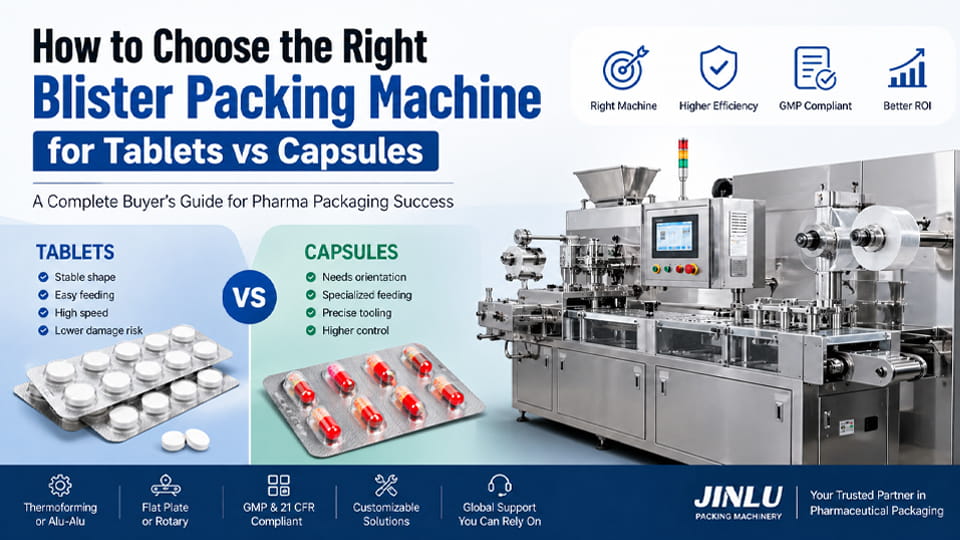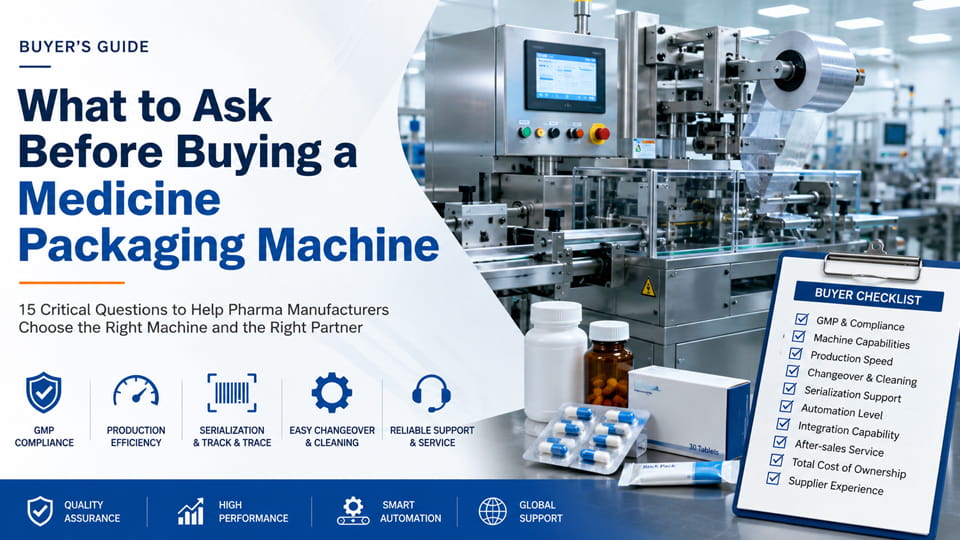

購入する 製薬機械 スピードだけではありません, 正確さ, オートメーション, そして機械のサイズ. 機器が工場に届く前に, サイトがそれをサポートできるかどうかも知る必要があります.
つまり、 製薬機器のユーティリティ要件: 電力, 圧縮空気, 空の, 水, 冷却, 排気, および蒸気や窒素などのプロセス固有のサービス.
機械は機械的には完璧でも、電圧が間違っていると定格性能に達しないことがあります。, 生産のピーク時に気圧が低下する, 真空容量が過小である, または冷却水が熱すぎる. 調達用, エンジニアリング, と制作チーム, ユーティリティ計画は設置中ではなく、発注前に開始する必要があります.
重要なポイント
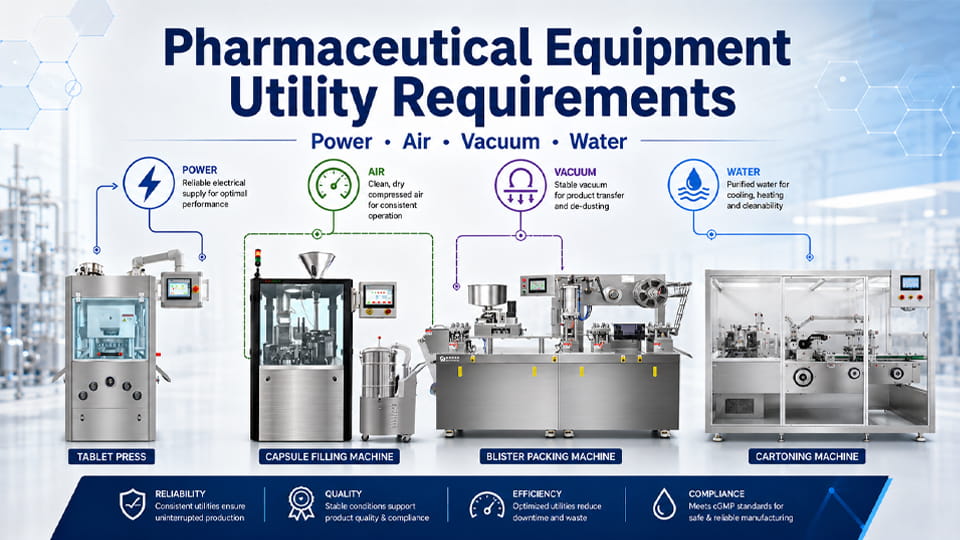
製薬機器のユーティリティ要件は、機械が設計どおりに動作するために必要な現場サービスです. 電力はほぼ普遍的です. 機械や工程に応じて, 圧縮空気も必要になる場合があります, 空の, 冷却水, プロセス水, 排気, スチーム, 窒素, 排水, または制御された環境条件。正確なリストは機器によって異なります。, プロセス, オプション, そして使用目的.
すべてのユーティリティが自動的に有効になるわけではありません。 重要なユーティリティ GMPの意味で. 重要な問題は、そのユーティリティが製品の品質に影響を与える可能性があるかどうかです, プロセスパフォーマンス, または汚染リスク.
FDA Q7 steamなどのユーティリティを識別します, ガス, 圧縮空気, 加熱, 換気, 製品の品質に影響を与える可能性がある場合には、認定を受け、適切に監視する必要があるシステムとしての空調. 換気にも配慮, 濾過, 排気, ほこり, 湿度, 温度, 圧力制御, および水適合性.
WHO のガイダンスは同じ使用目的原則に従っています: 冷暖房空調設備などのユーティリティ, 水, 窒素, 圧縮空気は、その意図された目的に適している必要があり、製品の品質に悪影響を与えたり、汚染源になったりしてはなりません。.
購入者向け, 実際的なポイントはシンプルです: 設置前に機械の要件とプラントのユーティリティ能力が一致している必要があります.
ユーティリティは機器の性能と製品の品質に直接影響します. ユーティリティの不一致は、調達が原因で頻繁に発生します。, 生産, エンジニアリング, 検証チームはプロジェクトのさまざまな部分に焦点を当てます. の FDA の GMP ガイダンス (Q7A) と明示的に述べています 「製品の品質に影響を与える可能性のあるすべてのユーティリティ (例えば。, スチーム, ガス, 圧縮空気, 加熱, 換気, とエアコン) 資格を与えられ、適切に監視されるべきである。」. 言い換えると, 圧縮空気または給水の供給が停止した場合, 機械が停止したり、製品が汚染されたりする可能性があります。. 例えば, 圧縮空気のろ過が不十分だと、カプセルやブリスターパッケージに油や微生物が侵入する可能性があります。. 同じく, 電圧が低すぎるか、エアラインが詰まっていると、モーターやバルブの性能が低下する可能性があります。.
早期にユーティリティを確認することで、3 つのコストのかかる結果を防ぐことができます:
これは、ユーティリティ計画が多くの購入者の予想よりも機器のライフサイクルのかなり早い段階に属する理由でもあります。. インストール中 (SAT/IQ), ユーティリティが主な焦点です. Jinlu 梱包機器設置チェックリストは、次のことを明示的に検証します。 「公共事業 (電源電圧, 空気圧, 水, 等)」 機械の仕様に反する. 現場での受け入れテスト (土), エンジニアは 実際の電圧を測定する, 空気圧/流量, 水温, 等. 設備の供給から測定し、機械が指定した範囲内にあることを確認します。. 要するに, 予期せぬ事態を避けるためには、ユーティリティを機器の仕様に適合させることが重要です: 機械はフルスピードで動作できないか、次の場合に壊れる可能性があります。, 言う, 植物の空気はただ 3 必須の代わりにバー 6 バー, またはモーターの電圧が間違っている場合.
から始めてください 製薬機器の電力要件 最終データシートに記載されており、別のモデルからコピーされた仕様ではありません.
電圧を確認する, シングル- または三相電源, 頻度, 設置/定格電力, 最大需要, メイン接続, および補助装置用の別個の電源. 多くの場合、輸出機器はさまざまな市場向けに構成できます. 例えば, JinLu の NJP-2600D カプセルフィラーリスト 220/380 V, 50/60 Hzのカスタマイズ可能なパワーと 8.0 総電力kW; DPP-260R ブリスターマシンのリスト 380/220/110 V, 50/60 Hzと 5.5 kW. これらの例は、購入者が 1 つの「標準医薬品電圧」を想定してはいけない理由を示しています。
こちらも別途 通常の動作消費から得られる設置電力. 設置電力または定格電力は、電力インフラストラクチャの計画に役立ちます, しかし実際の需要は暖房器具に応じて変化する, モーター, 真空ポンプ, コンベア, およびオプションのモジュールのサイクル. に尋ねてください 製薬機器サプライヤー 可能な場合は最大/ピーク需要と予想される実行負荷に対応. 最終ケーブル, ブレーカ, 保護, 接地, 絶縁設計は、目的国の電気規則とプロジェクトの認定された電気設計に従う必要があります。.
重要なポイント:
空気圧シリンダ, バルブ, グリッパー, デバイスを拒否する, クリーニング機能, 製品の取り扱いメカニズムはすべて圧縮空気に依存している可能性があります.
製薬機器に必要な圧縮空気の量?
製薬機械の空気に関する普遍的な要件はありません. 動作圧力 (通常は bar または MPa で表示) と消費量 (NL/min) の両方を指定します。, L/分, Nm3/h, または別の明確に定義された参照条件. 2 台の機械は同じ圧力を必要とするが、非常に異なる流量を必要とする場合があります, したがって、圧力だけからコンプレッサーのサイズを決定することは信頼できません。.
空気 品質 圧力や量とは別に重要です. ISO 8573-1:2010 圧縮空気の純度を粒子ごとに分類します, 水, そして油; 8月現在 2026, その版は、改訂版が開発中である間も公開され続けます。. ISO はそうします ない あらゆる製薬用途に対して 1 つの普遍的な純度クラスを処方する, したがって、必要なクラスは使用目的と汚染リスクに基づいて決定する必要があります。.
ろ過を指定する, 許容粒子, 総油量, 水分, そして 圧力露点 (PDP) 関連する場合. PDP は、システム圧力で水分が凝縮する温度を表します。; PDP が低いほど圧縮空気が乾燥していることを意味します. 露出した製品または重要な表面に影響を与える可能性のある空気用, 使用時点の品質要件と検証を確立する. FDA の検査ガイダンスでは、関連する製薬業務における圧縮空気システムと使用時点での微粒子濾過のレビューについて特に説明しています。.
そうあるべきか オイルフリー? 時々, しかし、「オイルフリーコンプレッサー」は測定可能な空気品質仕様に取って代わるべきではありません. 使用時に許容されるオイルを定義する, 製品接触リスクの評価, 適切な乾燥を行ってください, 濾過, 監視, そして資格. 目標は、単なるコンプレッサーのラベルではなく、制御された供給空気です。.
重要なポイント:
a 製薬真空システム サポートするかもしれない カプセルの分離, 真空補助による粉末投与, ブリスターまたはマテリアルハンドリング, サクションピックアップ, 製品の転送, またはゴミの除去. ジンルーさん NJP-2600D カプセル充填機, 例えば, カプセルキャップと本体の分離に真空ポンプを使用.
常に 2 つのパラメータを要求します:
真空度 圧力がどのくらい低いかを教えてくれる, またはどれくらいの差圧か, プロセスに必要なのは. 真空流量・排気速度 システムが時間の経過とともにどれだけのガスを除去できるかを示します. したがって、ポンプのメーカーは個別に発行しています; 彼らは, 例えば, 排気速度(m3/h)と真空装置の達成可能な圧力の両方を指定します。.
内蔵ポンプはシンプルで、1 台のマシンを比較的独立した状態に保ちます。. 集中システムによりポンプの数が削減され、メンテナンスが集中化されます。, しかしパイプロス, 同時需要, 汚染分離, そして失敗の結果を評価する必要がある. 単にポンプの銘板の定格ではなく、機械の接続部で必要な真空度について機械のサプライヤーに問い合わせてください。.
重要なポイント:
製薬機器に必要な水とは?
水質は水の働きによって決まります. クローズドループ冷却水, 飲料水, 精製水, と WFI は互換性のある仕様ではありません. 水が製品に接触するか、製品と接触する表面に接触するかを判断します。, 洗浄または加工をサポートします, または熱のみを除去します; 次に、適切な品質を割り当てます, 温度, プレッシャー, 流れ, および監視要件.
WHO は、適切な医薬品用水グレードを次に従って選択する必要があると述べています。 意図された用途, 製品, そして製造段階; WFI はあらゆる製薬機械ではなく、特定の高リスク用途に関連しています. FDA Q7 も同様に、プロセス水がその意図された用途に適していることを要求しています.
これは特に重要です 製薬機器の水要件. 機械の冷却水は熱交換器または冷却プレートを循環するだけで、製品には決して触れません。. それにもかかわらず、FDA Q7 では、加熱流体と冷却剤が製品に悪影響を与えたり接触したりしないように管理することが求められています。.
冷却/チラー, スチーム, そして排気
a ブリスターパッカー, コーティングシステム, またはその他の熱を発生する機器は、設計に応じて冷却水または外部チラーが必要になる場合があります。. チラーを選ぶ前に, 必要な入口温度を取得する, 流れ, プレッシャー, 熱拒否荷重, 水/グリコールの適合性, と接続サイズ. 機械の電力 kW のみからサイズを決定しないでください。.
蒸気は すべての包装機の標準ユーティリティではありません. 特に暖房に関係する, クリーニング, 殺菌, コーティング, またはプロセスシステム. 蒸気が製品の品質に影響を及ぼす可能性がある場合, FDA と ISPE は、適切な管理が必要なユーティリティとしてこれを扱います。.
ついに, 忘れてはいけない 集塵と排気. 錠剤の圧縮, カプセル充填, 顆粒, 粉末の取り扱いにより粉塵が発生する可能性があり、局所的な抽出または封じ込めが必要になります。. FDA Q7 では適切な換気を求めています, 濾過, 必要に応じて排気します, 粉塵や二次汚染のリスクの管理を含む.
重要なポイント:
4 つの主要なユーティリティを超えて, これらの共通サービスを検討してください:
次のマトリックスは計画ツールです, 機械の仕様ではありません. 「コモン」とは頻繁に遭遇するという意味です; 「モデル依存」とは最終的な構成を意味します, 製品, またはプロセスが決定する.
| 装置 | 力 | 圧縮空気 | 真空 | 水 / チラー | 排気 / ほこり |
| タブレットプレス | 必須 | 一般 | モデルに依存 | 通常は制限されています | 一般 |
| カプセル充填機 | 必須 | 一般 | 一般 | 通常は制限されています | 一般 |
| ブリスター包装機 | 必須 | 一般 | モデルに依存 | モデルに依存 | モデルに依存 |
| タブレット/カプセルカウンター | 必須 | モデルに依存 | 通常は制限されています | 通常はありません | モデルに依存 |
| 箱詰め機 | 必須 | 一般 | モデルに依存 | 通常はありません | 通常は制限されています |
| 塗装機 | 必須 | 一般 | モデルに依存 | 共通/プロセス依存 | 一般 |
| 造粒機 / 流動床システム | 必須 | 一般 | プロセス依存 | プロセス依存 | 一般 |
メーカーのデータは単一の業界番号ではなくバリエーションをサポートします: JinLu は、カスタマイズ可能な電源を全社にわたってリストしています。 カプセル充填機 そして ブリスター包装機, 1 台の打錠機の 6 bar 圧縮空気とカプセル充填機の特定の流量値を公開します.
サプライヤー向けの便利なサービス ユーティリティ仕様の例 このように見えるかもしれません:
| ユーティリティ | 要件の例 | 購入者が確認すべきこと |
| 力 | 380 V, 50 Hz, 3-段階 | 現地供給, 許容範囲, 保護 |
| 設置電力 | 8 kW | ピーク時の需要と補助機器 |
| 圧縮空気 | 6 機械入口のバー | 生産ピーク時のプレッシャー |
| 空気消費量 | 200 NL/分 | 通常流量と最大流量 |
| 空気の質 | ISO 8573-1 クラス: URS による未定 | 粒子, 水/PDP, 油 |
| 真空 | −60kPa(g), 80 m3/h | 必要レベル そして 流れ |
| 冷却水 | 15–20℃, 5 L/分 | 熱負荷, プレッシャー, 戻り温度 |
| 排気 | 500 m3/h | 静圧と濾過 |
| 接続 | 定義するサプライヤー | サイズ, 側, 標高, フィッティング |
これらは意図的に例示的な値です, JinLu またはサードパーティ モデルの仕様ではありません. 最終的な数値は、選択したマシンの承認済みユーティリティ シートから取得する必要があります. 実際のメーカーのシートは、値がどの程度変動するかを示しています.
新しい行の場合, すべてのネームプレート値を盲目的に追加したり、1 台のマシンのみにサイズを設定したりしないでください。.
ユーティリティごとに, 負荷スケジュールを構築する:
設計要求 ≈ Σ (設備需要×予想同時使用率) + 正当な留保金
マシンがその負荷で継続的に稼働できるサプライヤーの最大動作消費量を使用します。. 断続的なユーザーを個別に識別する. 次に、信頼できる最悪の運用シナリオをテストします。たとえば、, ブリスターマシン, 箱詰め業者, カウンタ, 別のラインが稼働している間、空気圧排除装置はすべて動作します.
設置前, 現場のすべてのユーティリティが機器の仕様と一致していることを確認する. チェックリストには次のものが含まれる場合があります:
例: 出荷前, サプライヤーは、「空気」をリストした機器仕様書を提供する場合があります。: 6.0 バー, 200 NL/分; 真空: –60kPa; 力: 380VAC三相, 10 kW。」回路や配管の設定に使用します。. インストール中のIQ, 各電源を測定して仕様を満たしていることを確認します.
徹底した URS では明示的にリストする必要があります。 必要なすべてのユーティリティと条件. 「ユーティリティと環境」セクションの下, 正確な値を指定する (例えば. 「圧縮空気」: 6.0 バール±0.2, 100 NL/分, ISO 8573-1 クラス 1.0. 電気: 400 V, 3-f, 50 Hz, 15 kW。」). 規制に関するガイダンス (EU GMP 付属書 15) 設計適格性評価中に URS 要件を確認する必要がある. 実際に, URS/契約図面に明確なユーティリティ仕様を含めると、買い手と売り手の両方が事前にニーズに同意する必要があります. また、 IR/WH/PQ テストは簡単 – 各ユーティリティの接続は URS 項目まで遡ることができます.
注文する前に必ずベンダーにユーティリティリストを確認してください. サプライヤーは、 ユーティリティ要件シート または各マシンのデータプレート. これらをキックオフ ミーティングで確認するか、注文書に追加します。. 例えば, ベンダーデータにユーティリティ仕様を含めるようサプライヤーに要求する (FATの一部として). SAT中, 各接続を物理的に確認する: 現場の電圧を測定する, プレッシャー, サプライヤーの仕様に反するフロー. 承認を文書化して保管する (多くの場合、IQ レポートの一部として) 「ユーティリティは接続されており、仕様の範囲内である」 – これは GMP の期待事項です (IQ には通常、パワーのチェックが含まれます, 空気圧, 水のつながり).
何かが一致しない場合 (例えば. サイトにはあるだけ 200 V しかし、マシンには必要です 400 V), すぐに解決してください – 変圧器を提供するか、サプライヤーに機械を再構成してもらいます. 覚えて, ユーティリティの不一致の問題は、運用開始後よりも運用開始前の方が修正しやすい.
要約すれば, 慎重なユーティリティ計画は、適切な機械を選択することと同じくらい重要です. 設備ラインは、次の場合にのみ、意図した速度と品質で稼働できます。 力, 空気, 空の, そして水 正しい仕様で入手可能です. このガイドの表を使用する, ニーズを見積もり、URS に含めるためのチェックリストと公式. 一緒に働きましょう 機器ベンダー (Jinluパッキングなど) 各ユーティリティ要件を文書化し、現場で検証する.
ユーティリティ計画を簡素化する準備ができています? Jinlu Packing の専門家は、当社のすべての設備の電源と公共設備の接続についてアドバイスできます。 医薬品包装機. Jinlu の製品ページにアクセスしてください。たとえば、 カプセル充填機, タブレットプレス機, ブリスター包装機, 計数機, 箱詰め機, サシェットパッキングマシン または 既成パウチ包装機 – ユーティリティの仕様と連絡先情報. さらに支援が必要な場合, 連絡する 私たちのチームと一緒に 施設がスムーズな設置と準拠した運用のためのユーティリティの準備が整っていることを確認します.
基本は電力, 圧縮空気, 空の, および水/冷却. 多くの包装ラインでもクリーンスチームを使用しています (滅菌器用), 不活性ガス (ピローパック用N₂), そして除塵. 規制ガイド (例えば. FDA Q7A) 明示的にsteamを呼び出します, ガス (空気/窒素), 空調設備, 等. 資格が必要なユーティリティとして.
ほとんどの機器は三相産業用電源です. 通常AC380~400V (50 Hz) または 480 VAC (60 Hz) 中性点または接地付き. 一部の小型ユニットは単相 220 ~ 240 VAC で動作します。. 正確な電圧と位相を確認することが重要です (Jinlu マシンは多くの場合サポートしています 380/220/110 VAC 50/60 Hz). マシンが次のとおりであるかどうかも確認してください。 50 Hz 対 60 Hz または両方を受け入れることができるかどうか (できるだけ多くの).
機種や台数により異なります. 1 台のブリスターまたは箱詰め機には、50 ~ 200 NL/分のオーダーが必要になる場合があります (約5〜6バールで). カプセル充填機または計数機は 30 ~ 100 NL/分を使用する可能性があります. 圧力は通常約 5 ~ 6 bar です (0.5–0.6MPa). 流量については各マシンの仕様を確認してください (NL/分またはSCFMで与えられることが多い) そしてプレッシャー. あなたの行にそれらを合計してください (多様性要素を忘れないでください). ピーク需要に対応するために、プラントのコンプレッサー システムに常に少し余分な容量を提供します.
薬事基準ではオイルフリーが要求されています, 乾燥した空気. 通常は ISO 8573-1 クラス 2 (それ以上の) 製薬エリアの空気に推奨されます. これは本質的には 0 油 (クラス 0 認証), 水露点 ≤–40 °C, 緻密な粒子フィルター (例えば. 0.01 μm). これらを URS で指定します. 例えば: 「圧縮空気」: 6.0 バー, 99.995% オイルフリー, 露点 –40 °C, 0.01 「使用時点でのμmフィルター」は明確な要件です.
一般的にはありません, 滅菌プロセスでない限り. すすぎや冷却に, 通常の飲料水は許容されます. FDA のガイダンスでは、プロセス水は少なくとも WHO の飲料可能性を満たさなければならないと述べています (飲料水) 標準. 機器が注射可能な製品に直接関与している場合、または機器からきれいな蒸気が生成される場合にのみ、高品質の PW または WFI を使用してください。. URS では常に明確にする: "給水: 飲用可 (NSF承認済み) 冷却用; 製品と水が接触しないようにしてください。」
「公共事業と環境」にセクションを設け、正確な数字を列挙します. 例えば: 「電気: 400 VAC, 3f, 50 Hz, 15 kW. 空気: 6.0 バール±0.2, 100 NL/分. 真空: –70kPa (腹筋). 水: 30 psi, 20 L/分」 Jinlu URS ガイドでは、公共事業は次のことを強調しています。 (電圧, 空気圧/流量, 冷却水, 空の, 等) 指定する必要があります. これらの要件を注文書に含めて、サプライヤーが FAT/SAT で要件を保証できるようにします。.
最終的に、購入者/施設は、サイトのユーティリティが仕様を満たしていることを確認する必要があります。, ただし、サプライヤーは必要なものを文書化する必要があります. FAT中, ベンダーはユーティリティをシミュレートする場合があります; しかし、SAT/IQ はあなたができる場所です。 (ユーザー) 実際の供給品で確認する. GMPは公益事業者に対して文書化されたIQテストを義務付けている. 実際に, メンテナンス/エンジニアリング チームがサイトを準備する, QA またはエンジニアリングが設置日にユーティリティを検証します。.
不一致はすべて「不適合」です。例えば, サイトの電源が間違っている場合, パネルを変更するには電気技師が必要です (または変圧器を交換するサプライヤー). 空気圧が低い場合, ブースターやレギュレーターが必要になる場合があります. このような状況では機械を始動しないでください。動作しなかったり、機器が損傷したりする可能性があります。. 問題を解決するか、サプライヤーにデザインを調整してもらいます. 理想的には, このような問題は SAT で検出され、試運転前に解決されます。.
はい. 真空または空気圧システムでは食品グレードのオイルを使用してください; すべての潤滑剤が医薬品用途に適合していることを確認する. ユーティリティラインに明確にラベルを付ける (パイプにラベルを付けると間違いを避けることができます). 緊急停止を提供し、クリーンルーム内でユーティリティの遮断にアクセスできることを確認します. 配管内の行き詰まりを回避する (停滞ゾーンがない). そして、公共事業の品質チェックは GMP の一部であることを忘れないでください。. FDA 検査官は圧縮空気証明書と水質検査を調べます。.
参考文献:
1.グッドプラクティスガイド: 重要な公益事業のGMP準拠 —— イスペ
2.重要なユーティリティ —— イスペ
3.Q7A 医薬品有効成分に関する適正製造基準ガイダンス —— 私たち. 食品医薬品局
4.クリーンルームおよび関連する管理された環境 —— ISO 14644-1:2015