×
オンラインサービス
✉️メール: 💬WhatsApp: +86 18011793320
💡
  • ブログ
  • ハーブサプリメントとは? 種類, 製造プロセス & 梱包ガイド

ハーブサプリメントとは? 種類, 製造プロセス & 梱包ガイド

The global demand for Herbal Supplement products continues to grow as more consumers look for natural ways to support their health and wellness. From capsules and tablets to powders and gummies, herbal supplements are now found in pharmacies, supermarkets, and online stores around the world. As the market expands, manufacturers face increasing expectations for consistent quality, 効率的な生産, and reliable packaging that protects sensitive botanical ingredients. Good manufacturing practices and appropriate packaging controls are also essential to ensure product quality and compliance throughout the production process.

Types of Herbal Supplements

Whether you’re planning a new herbal supplement production line or upgrading existing equipment, understanding the manufacturing process is the first step toward making better decisions. このガイドでは, we’ll walk through the most common types of herbal supplements, how they’re produced, the equipment involved, and the packaging solutions that help manufacturers improve efficiency, 製品の品質, と保存期間.


ハーブサプリメントとは?

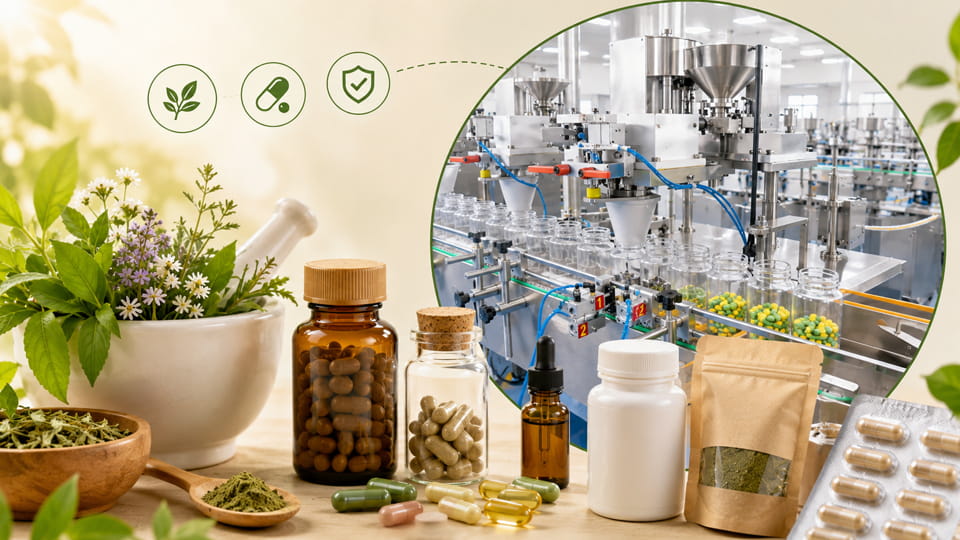
Herbal supplements (とも呼ばれます botanical supplements) are a category of 栄養補助食品 made from plant materials (roots, leaves, flowers, 種子, or extracts) intended to support health. Unlike synthetic vitamins, herbal supplements are derived from natural sources. They often harness traditional herbal medicines (例えば. ginger, ginkgo, echinacea) and include concentrated extracts or powders. In regulatory terms, herbal supplements are classified as 栄養補助食品, not drugs. Under U.S. law they must contain the labeled ingredients and avoid contaminants (pesticides, 重金属). Typical forms include capsules, 錠剤, ソフトジェル, 粉末, 液体 (チンキ剤), teas and gummies.

Herbal supplements aim to “supplement the diet” with plant-based nutrients or actives, often for immune support, 消化, ストレス解消, or energy. 例えば, ingredients like elderberry, echinacea and vitamin C are popular for immunity, while ashwagandha and green tea are used for stress relief and metabolism. Consumers increasingly prefer herbal supplements for their natural sourcing and clean labels. The global herbal supplements market was about $45.9 億で 2025 and is projected to grow ~8% annually through 2034, driven by demand for plant-based preventive healthcare.


Common Types of Herbal Supplements

Herbal supplements are made in many dosage forms. Each form has advantages, so manufacturers choose based on the product and market. 一般的な形式には次のものがあります。:

  • カプセル (hard shell): Gelatin or vegetarian capsules filled with powdered or granulated herbs. They offer precise dosing and keep ingredients separated (例えば. ペレット, botanical powders). Capsules are easy to swallow and often preferred by consumers. (Today’s capsule machines can run hundreds of thousands of capsules per hour.)
  • タブレット: Compressed herbal powders (often with binders) into solid tablets. Tablets are robust, ポータブル, and have a long shelf life. They’re ideal for high-demand ingredients where stability is key.
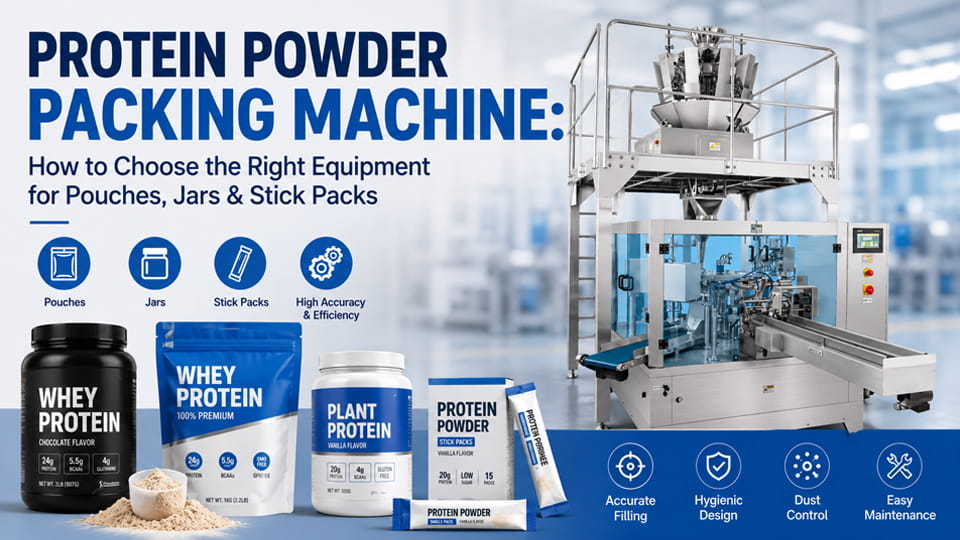
  • 粉末 & 顆粒: Loose herbal powders (or granulated blends) packaged in jars, ボトル, またはスティックパック. Powders mix easily into water or food and allow flexible dosing (teas, スムージー). They require high-barrier packaging to stay dry.
  • ソフトジェル: Gelatin or vegan soft capsules filled with oil or liquid herbal extracts (例えば. fish oils with herbal extracts, or oil-based herbal tinctures). Softgels can enhance absorption of fat-soluble compounds.
  • グミ: Gel-based chewable supplements, フルーツ風味のものが多い, containing herbal extracts (例えば. elderberry gummies). Popular with adults and kids for ease of use, but formulation is more complex (sugar-free gelling agents, 等).
  • Liquids/Tinctures: Herbal extracts dissolved in water, グリセリン, またはアルコール (例えば. echinacea extract drops). Liquids can deliver fast-acting nutrients but need preservatives/stabilizers and may require refrigeration.
  • Teas & サシェ: Single-serve tea bags or sachets of dried herb blends (例えば. chamomile tea, green tea bags). Convenient but less concentrated per dose compared to extracts.

Herbal supplements come in many forms: ハードカプセル, ソフトジェル, tablets and powders all use botanical ingredients. Choosing the right form depends on the herbal extract, dosage needs, and consumer preferences.

補足フォーム Typical Herbal Ingredients Key Advantages 共通パッケージ Recommended Manufacturing Equipment
カプセル Ashwagandha, Turmeric, Ginseng 飲み込みやすい, 正確な投与, protects sensitive powders ボトル, ブリスターパック カプセル充填機, ボトル充填ライン, ブリスターパッケージングマシン
タブレット Spirulina, Garlic, Milk Thistle 費用対効果の高い, 長い保存期間, suitable for high-volume production ボトル, ブリスターパック タブレットプレス機, タブレットコーティングマシン, Bottle Packaging Line
粉末 Matcha, Moringa, Wheatgrass Flexible serving sizes, ideal for drink mixes and protein blends スタンドアップポーチ, スティックパック, 瓶 Powder Mixer, Auger Filling Machine, 既成パウチ包装機
ソフトジェル Garlic Oil, Flaxseed Oil, Evening Primrose Oil Suitable for oil-based extracts, easy to consume ボトル, ブリスターパック Softgel Production Line, Bottle Filling Machine
グミ Elderberry, Apple Cider Vinegar, Turmeric Pleasant taste, popular with children and adults ボトル, ポーチ グミ計数機, ボトル充填ライン, 既成パウチ包装機
液体抽出物 Echinacea, Ginkgo Biloba, Valerian Root Fast absorption, convenient for customized dosing ガラスびん, dropper bottles 液体充填機, キャッピングマシン, ラベル貼付機
Herbal Tea Bags Chamomile, Peppermint, Hibiscus Traditional consumption method, simple preparation サシェ, カートン Tea Bag Packing Machine, 箱詰め機

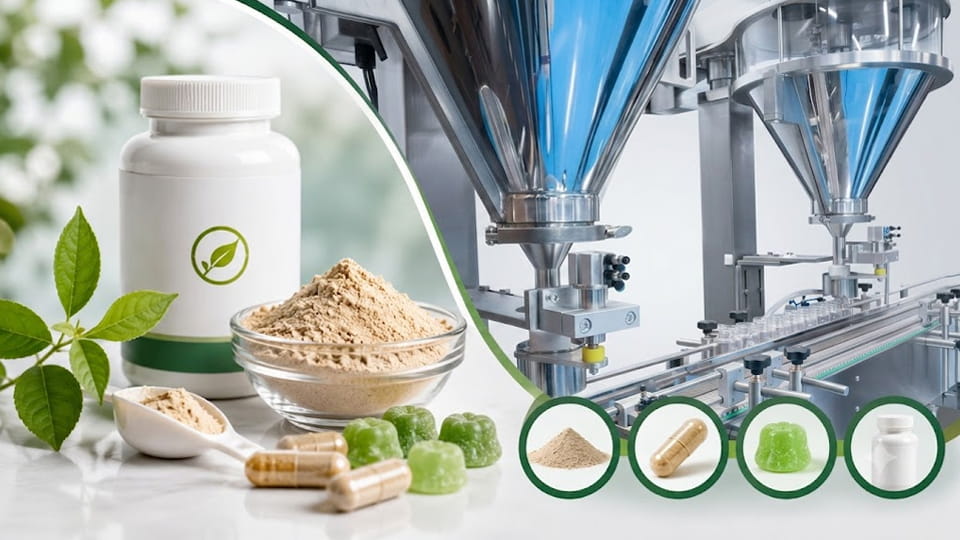
Manufacturers may target a specific format for bioavailability or consumer appeal. 例えば, capsule-based herbal supplements account for a significant market share (その周り 39%) because they protect active ingredients and dissolve quickly in the body. 粉末 (in jars or stick packs) are gaining popularity for protein or green superfood blends, while tablets remain a staple for vitamins and standard herbal extracts. 最終的に, の manufacturing equipment (カプセル充填剤, 打錠機, pouchers, 等) must match the chosen form and production volume.


Popular Herbal Ingredients

Manufacturers focus on herbs with strong consumer demand and scientific backing. Key botanicals in supplements include:

  • Turmeric (Curcuma longa): An anti-inflammatory and antioxidant-rich root, often in capsule or powder form.
  • Ashwagandha (Withania somnifera): An adaptogen used for stress relief and energy; common in capsules and gummies.
  • Ginseng (Panax ginseng): Supports energy and immunity; available as tablets, extracts, or teas.
  • Ginger (Zingiber officinale): Common for digestion and immunity; used as dried powder in capsules or teas.
  • Green Tea Extract: Rich in polyphenols; used for metabolism and antioxidant support.
  • Elderberry & Echinacea: Viral immune boosters often in syrups, グミ, またはカプセル.
  • Garlic, Milk Thistle, Fenugreek, Cranberry, and many others (gingko, ターメリック, peppermint, valerian, 等).
  • Moringa, Spirulina, Chlorella: Plant “superfood” powders for nutrition (and often packaged in jars or pouches).

The comparison below provides a quick overview of some of the most widely used herbal supplements in today’s nutraceutical industry

Herbal Supplement Common Health Purpose* Common Dosage Forms 一般的な梱包 Manufacturing Notes
Turmeric (Curcumin) Joint and inflammatory support カプセル, 錠剤, 粉 HDPE bottles, ブリスターパック, スタンドアップポーチ Often standardized curcumin extract with flow agents
Ashwagandha Stress and sleep support カプセル, グミ, 粉 ペットボトル, スティックパック Commonly produced as standardized root extract
Ginseng Energy and cognitive support カプセル, ソフトジェル, liquid extracts Amber bottles, ブリスターパック Moisture control is important during filling
Echinacea Immune health support タブレット, カプセル, チンキ剤 ボトル, glass dropper bottles Frequently manufactured as dry extract or liquid extract
Milk Thistle Liver health support カプセル, ソフトジェル HDPE bottles, ブリスターパック Standardized silymarin content is commonly required
Garlic Heart health support ソフトジェル, 錠剤 ブリスターパック, ボトル Odor control and coating are often considered
Ginger 消化サポート カプセル, 粉末, tea bags サシェ, ポーチ, ボトル Powder flowability affects filling accuracy
Ginkgo Biloba Memory and circulation support タブレット, カプセル ボトル, ブリスターパック Often standardized to flavonoid content
Green Tea Extract Antioxidant support カプセル, 錠剤 ボトル, ブリスターパック Heat and moisture protection improve stability
Elderberry Immune support グミ, シロップ, カプセル ペットボトル, ガラス瓶 Gummies require dedicated counting and bottling equipment

Trends in 2025 highlight supplements formulated for immune health (elderberry, echinacea, 亜鉛), women’s health, and cognitive wellness. 例えば, UK consumers are increasingly using turmeric, ashwagandha, moringa and elderberry for immunity and stress. Ingredient sourcing and formulation require quality control: each herb must be tested for active potency and absence of contaminants (pesticides, 重金属) as per GMP standards.


How Herbal Supplements Are Manufactured

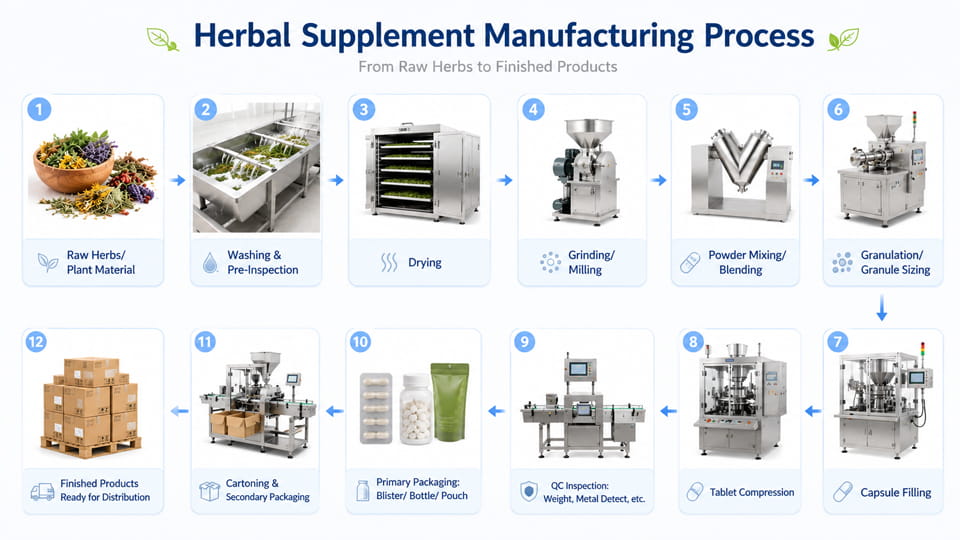
Manufacturing herbal supplements follows a multi-step process, combining standard pharmaceutical techniques with specific care for botanical ingredients. The general flow is: sourcing raw herbs → cleaning → drying/grinding → blending → dosage formation (capsules/tablets)パッケージング. 重要な手順が含まれます:

  1. Herb Sourcing & クリーニング: Organic or pharmaceutical-grade herbs are sourced from certified suppliers. They undergo cleaning and inspection to remove dust, デブリ, and foreign matter. (WHO GMP guidelines mandate rigorous testing of herbs for identity and purity.)
  2. 乾燥 & 研削: Herbs are dried (using ovens or trays) to specific moisture levels (頻繁 <5%) to ensure stability. They are then milled or ground into powders or small fragments. This size reduction makes active compounds more accessible and mixes more uniform.
  3. ブレンド & 顆粒: The herbal powder is blended with 賦形剤 (バインダー, flow agents, フィラー) in mixers. For capsules/tablets, the blend may be granulated (sized into uniform granules) to improve flow and compressibility. 顆粒 (濡れているか乾いているか) helps reduce dust and segregations.
  4. 剤形:
    • カプセル充填: Powder or granules are filled into empty hard capsules by capsule filling machines. 最新の自動充填装置 [] separate capsules, drop in powder (often with tamping for sticky herbs), and close the capsules, achieving high output (例えば. まで 468,000 cps/hr on JL equipment).
    • タブレット圧縮: あるいは, the blend is fed into a tablet press, which compresses uniform tablets (rounds, oblongs, 等) using punches and dies. ロータリー打錠機 (例えば. JL’s ZP series) can produce hundreds of thousands of tablets per hour. Tablet compression often follows granulation to get consistent hardness and disintegration time.
    • その他の形式: グミ そして ソフトジェル are filled with gelatin or pectin bases using specialized machines. Liquids/tinctures are bottled or filled in droppers.
  5. 品質検査: Filled capsules or tablets pass through QC steps. Checkweighers ensure each unit meets weight specs. Metal detectors scan for metal shards. Vision systems count and inspect shape/color. The FDA requires that supplements contain what they claim and be free from contaminants. Our equipment integrates these checks in-line to ensure any out-of-spec items are removed.
  6. 一次包装: After QC, products move to 一次包装. Tablets and capsules may be blistered (thermoformed plastic/foil packages) or counted into bottles. Powders and blended ingredients often go to pouch or sachet machines. Juice and liquid extracts are filled into bottles. Our premade pouch machines (GD series) automatically pick and seal stand-up or zipper pouches with powders or granules. Pouches are ideal for protein powders, teas, or multi-serving herbal mixes.
  7. 二次包装: ついに, packs are case-packed or cartoned and labeled. Serial barcoding or date-stamping may be applied for traceability. Units are boxed for shipping, often with desiccants inside to control moisture.

Herbal Supplement Manufacturing Process

Throughout manufacturing, 条件 (温度, 湿度) are closely controlled. Many botanicals are moisture-sensitive, so the entire line may run in a humidity-controlled clean room. High-barrier packaging (aluminum foil blisters, HDPE with desiccant) is selected to preserve shelf life.


Key Equipment Used in Herbal Supplement Manufacturing

Successful supplement production depends on reliable processing and packaging machines. Here’s an overview of key equipment – especially those offered by Jinlu – with their roles:

  • Powder Mixer/Granulator: Ensures uniform blending of herbs with excipients. Ribbon mixers or V-blenders are common. 造粒機 (例えば. JL’s wet or dry granulators) create uniform granule size to improve tablet compression and capsule fill consistency.
  • カプセル充填機: A central piece of equipment. Automatic capsule fillers (JinluのNJPシリーズのように) separate empty capsules, dose powder/granules, and join the two halves. Jinlu’s fillers achieve pinpoint accuracy and high speed (例えば. NJP-1500D at 90,000 cps/hr, NJP-7800C at 468,000 cps/hr). They can handle powders, ペレット, even liquid fill (liquid capsule machines). Patented mechanisms ensure uniform fill weight with minimal waste.
    NJP-1500D カプセル充填機
    NJP-1500D カプセル充填機

    形: Jinlu’s high-speed capsule filling machine (model NJP-1500D, 90K cps/hr). Such automatic fillers orient empty capsules, meter herbal powder, tamp the fill, and assemble each filled capsule with ±3% accuracy.

  • タブレットプレス (タブレット圧縮機): Compresses blended herbal granules into tablets. Electronic rotary tablet presses (例えば. JL’s high-speed series) use multiple stations to form thousands of tablets per hour. Precise control of pressure and tablet weight is essential. 例えば, Jinlu’s ZP-26/40D press can make up to 260,000 タブレット/時間. Tablet presses must be compatible with herbal formulations that may vary in hardness or moisture.
    形: A high-speed rotary tablet press in operation. Tablet presses compress herbal granules into tablets with exacting weight and hardness. JL’s presses can output over 200,000 tablets/hour while ensuring uniformity.
  • ブリスターパッケージングマシン: Encases tablets and capsules in sealed blister cards (aluminum-plastic or aluminum foil cavities). ブリスターマシン (flat-plate or rotary) form cavities, 丸薬を充填する, ホイルでシールする, and cut individual strips. JL’s DPP-270Max blister machine, 例えば, can seal 11,200 ブリスター/時間. Blisters offer child-resistance and moisture protection for individual doses. They’re ideal for high-value or moisture-sensitive herbs.
  • 自動カウント & Filling Machine: For bottle filling lines, counting machines accurately dispense tablets/capsules into bottles. Multi-lane counting (optical sensors) ensures the exact dose count. Checkweighers often follow to reject under/overfilled bottles. (Jinlu provides counting machines and checkweighers that integrate with capsule/tabling lines.)
  • Sachet/Stick Pack Machine: Fills single-serve sachets or stick packs with powders, granules or small tablets. These are common for herbal teas, 発泡錠剤, またはドリンクミックス. JL’s stick pack machines can form, 埋める, and seal paper or foil stick packs at high speed (例えば. 150-200 sticks/min).
  • 既成パウチ包装機: For larger multi-serving packets, powder blends, or squeezable items (purees, ゲル). Jinlu’s premade pouch (ドイパック) machines pick up pre-made bags (zipper or stand-up), それらを開いてください, fill with product (粉, 顆粒, 液体, 等), その後ヒートシールします. They can handle capsules, 錠剤, グミ, powder and more. Thanks to servo controls and multi-head weighers or pumps, they achieve ±0.4% filling accuracy, meeting strict pharmaceutical cGMP standards.
    形: A premade pouch packing machine in action, here packaging gummies. Such machines (like Jinlu’s GD series) can automatically open, 埋める, and seal stand-up or zipper pouches with powders, granules or tablets, achieving very precise fill weights.
  • 箱詰め機: Packs finished bottles, blisters or sachets into printed cartons for retail. JL’s cartoning equipment automates box erecting, inserting product, and closing, which is key for volume fulfillment.

Other essential equipment includes bottle washers (for starting empty bottles), ラベラー, そして金属探知機. Jinlu’s machines are designed to meet global certifications (ce, CGMP, FDA) and can be customized (例えば. with vacuum feeders for difficult powders, combination weighers for blends).


Packaging Options for Herbal Supplements

Choosing the right primary packaging affects stability, ユーザーエクスペリエンス, とコンプライアンス. Below we compare common packaging formats for supplements:

形式 に最適です 利点 Challenges/Considerations
ボトル (HDPE, ペット) カプセル, タブレット, ソフトジェル, グミ Strong moisture/oxygen barrier; easy to label; child-resistant closures available; familiar format Bulky for shipping; 不透明なことが多い (less recyclable); require CR caps with mixed materials
ブリスターパック (Alu/PVC) タブレット, カプセル, カプレット Unit-dose protection (each pill sealed); 優れたバリア (ホイル); 改ざん防止; convenient dosing More expensive per unit; limited shapes/sizes; foil/PVC recycling is hard
スティックパック 粉末 (シングルサーブ), Teas Pre-measured portable dose; minimal leftover; slim profile Single-use waste; require laminates (recycle challenges); small volume per pack
サシェ 顆粒, 発泡性の錠剤, 粉末 Single-portion packets, often water-soluble; 低コスト Limited moisture barrier; prone to puncture; single-use waste
スタンドアップパウチ (再封可能) 粉末, 顆粒, グミ, Multipacks 軽量, space-saving; high barrier laminates; 再封可能なジッパー; customizable shapes Often transparent (light risk); need desiccant for moisture-sensitive content; zipper increases cost
瓶 / Tins (Glass/Aluminum) グミ, 粉末, プレミアム商品 Superior recyclability (glass/aluminum); 高い障壁; reusable; プレミアムな外観 Heavier (送料); breakable (ガラス); not child-resistant by default unless added lid mechanisms
Secondary Cartons Capsules/Tablets in bottles or blisters Enables bulk packaging; adds barrier for multiple products; provides labeling space Adds cost and material; carton barrier inferior to plastic (may need liners for moisture)

For herbal supplements, moisture and oxygen control are critical packaging functions. 例えば, high-barrier blister foil or multi-layer pouches can protect hygroscopic herbs. 子供に耐性のある (CR) closures are often legally required (especially for vitamins). Sustainable options (PCR plastics, リサイクル可能な材料, compostable pouches) are growing trends, but must still meet safety and shelf-life requirements.

包装機 (ボトルフィラー, 水ぶくれの線, pouch packers) must be matched to the chosen format and output. Automated systems (like Jinlu’s model GD pouch packer or PJ series blister machines) handle high speeds with consistent sealing, which is essential for pharmaceutical GMP compliance.


製造における一般的な課題 & ソリューション

Even with good equipment, supplement production can hit snags. Here are frequent issues and remedies:

  • パウダーフロー & Segregation: Fine herbal powders can bridge or stick, causing fill weight variation. 解決: Use feed aids like vibratory feeders or vacuum conveyors (Jinlu offers vacuum powder feeders) to maintain steady flow. Incorporate granulation or flow agents (ステアリン酸マグネシウム, silica) 流れを改善するために. Design hoppers to minimize dead zones. Regular CIP cleaning prevents buildup.
  • 水分 & Clumping: Herbs absorb moisture, leading to lumps and dissolution problems in capsules/tablets. 解決: Run mixers and filling lines in low-humidity environments. Use pre-dryers or dehumidifiers. Include desiccant in bottle packaging. For stick packs and pouches, ensure heat-seals fully encase product. Consider splitting batches through dryers after granulation.
  • 重量の変化: In capsule filling and tablet pressing, ingredient density changes (herbal bulk densities vary widely) can cause inconsistent weight. 解決: Use high-performance capsule fillers with servo-driven tamping pins (like JL’s Impressa tech) to handle variable density. Calibrate machines for each formulation; run trial fills with difficult blends to adjust tamping force. Checkweighers after filling catch outliers.
  • Capping and Pill Integrity: Tablets with herbal ingredients may cap or chip under compression. 解決: Adjust compression force and dwell time; try 2-step compression. Optimize granulation (use binders or lubricants) to increase tablet strength.
  • ほこり & 汚染: Fine powders create dust that can contaminate other lines. 解決: Use enclosed transfer (vacuum conveyors) and local exhaust ventilation. Thorough cleaning between batches. Multi-head weighers also help dust minimize.
  • Packaging Seals and Misfeeds: On pouch/blister machines, moisture can prevent proper seals. 解決: Optimize sealing temperature/pressure. Ensure product fill does not obstruct the seal area. Use gas flush if needed to displace moisture. Regularly inspect feeds and reject stray pieces with sensors.

すべての場合において, preventive maintenance and experienced operators are key. Automated error recovery (拒否局, アラーム) helps catch issues early. 例えば, JL’s machines feature “intelligent rejection” to discard misfilled pouches.


適切な包装機の選択

Selecting packaging equipment is a strategic decision. Factors to consider include:

  • 製品フォーマット & 音量: Match the machine to your dosage form and throughput. A high-demand capsule line needs a multi-lane capsule filler and fast counting/bottling system. For powders in pouches, a premade pouch machine with combo-weigher might be best.
  • 規制の遵守: Ensure machines meet GMP standards – use stainless steel, avoid dust traps, and allow easy cleaning. 栄養補助食品用, FDA cGMP 21 CFR 111 requires validated processes; machines should be capable of repeatable, documented performance. Jinlu’s equipment is designed with pharmaceutical hygiene in mind (ce, CGMP, FDA compliant).
  • オートメーション & 統合: Automated lines reduce labor and error. Consider whether you need in-line systems (例えば. integrating capsule filling, タブレットプレス, カウント, そして箱詰め). More automation increases throughput but requires control systems and maintenance. Semi-automatic machines may suffice for low volumes.
  • 柔軟性 & Future Growth: Can the machine handle different formats or products? Adjustable features (fill range, tooling sets) allow future product variations. Also consider output expansion: machines should accommodate higher speeds or additional lanes if needed.
  • サポート & 検証: Vendor service, スペアパーツの入手可能性, and on-site support (インストール, トレーニング) 重要です. Jinlu offers 3-year warranties, free molds, and global service centers. Having engineers nearby for commissioning (as Jinlu does) can greatly ease validation and keep lines running 24/7.
  • 料金 & ROI: Balance machine cost against labor savings, スピード, 廃棄物の削減と. High-capacity machines (例えば. 468k cps capsule filler) pay off when meeting large orders. Smaller machines may be more economical for niche or R&D batches.

要約すれば, choose machines rated for your desired output and compliance requirements. の right equipment ensures consistent fills/seals, maximizes yield, and avoids costly recalls.


結論

The global shift toward natural health has made herbal supplements a major industry, but it also demands rigorous pharmaceutical-level manufacturing. From carefully testing raw botanicals to automated capsule filling and tamper-proof packaging, each step must be optimized for consistency, コンプライアンス, そして品質. Advances in equipment (like high-speed capsule fillers, precision blister lines, and flexible pouch machines) allow nutraceutical companies to scale up efficiently while maintaining tight tolerances.

要約すれば, herbal supplement production is a complex dance of traditional botanical know-how and modern engineering. By following GMP guidelines, using the right machinery, and staying ahead of trends (like sustainable packaging and personalized formulations), manufacturers can deliver safe, effective plant-based products. For companies looking to expand or upgrade their lines, ジンルパッキング offers an integrated lineup of capsules fillers, 打錠機, ブリスターマシン, pouch packers and more – all built for nutraceutical production. お問い合わせ to learn how our equipment can help bring your herbal supplement from the herb garden to store shelves with quality and efficiency.


FAQs on Herbal Supplements

What exactly is a “herbal supplement”?

A Herbal Supplement is a dietary supplement made from herbs, 植物エキス, or other plant-derived ingredients. These products are commonly available as capsules, 錠剤, 粉末, グミ, teas, or liquid extracts and are designed to supplement the diet rather than replace conventional foods. Depending on the market, herbal supplements are regulated as dietary supplements rather than pharmaceutical drugs.

How are herbal supplements regulated?

米国では, 栄養補助食品 (including herbal) fall under the FDA’s DSHEA act. Manufacturers must follow FDA cGMP rules (21 CFR 111) 身元を確保するために, 純度, and to avoid contamination. This means thorough testing of raw herbs and in-process checks. In Europe and elsewhere, similar good manufacturing standards (EU GMP, WHO guidelines) apply to nutraceuticals.

What forms do herbal supplements come in?

They come in many forms: カプセル, 錠剤, 粉末, liquids/tinctures, グミ, スティックパック, teas, 等. The choice depends on the botanical properties and consumer preference. 例えば, small bitter herbs might go in capsules, while a relaxing tea is sold as tea bags.

How are herbal supplements manufactured?

The manufacturing process usually includes several key steps:
• Raw herb selection
• Cleaning and drying
• Grinding or milling
• Powder blending
• Granulation (必要に応じて)
• Capsule filling or tablet compression
• Quality inspection
• Primary packaging
• Cartoning and secondary packaging
Modern manufacturers often automate these processes to improve consistency, productivity, そして製品の品質.

What machines are needed to produce herbal supplements?

少なくとも, manufacturers need mixing equipment, a capsule filler or tablet press (depending on dosage), and a packaging line. 主要なマシンには次のものがあります。: カプセル充填機, ロータリータブレットプレス, ブリスター包装機, bottle counting/filling line, sachet/stick pack machine, and pouch packing machine. 例えば, Jinlu Packing offers capsule fillers and pouch packers specifically designed for nutraceuticals.

How do manufacturers protect herbal supplements from moisture and contamination?

Most manufacturers use moisture-resistant packaging materials such as blister packs, HDPE bottles with induction seals, アルミホイルラミネート, or high-barrier pouches. Controlled production environments, 乾燥剤, proper sealing systems, and routine quality inspections also help protect herbal supplements throughout storage and transportation.

What is the best packaging for herbal supplements?

The best packaging depends on the product type and its sensitivity to moisture, 酸素, そして光.
Common packaging options include:
• Bottles for capsules and tablets
• Blister packs for unit-dose protection
• Stand-up pouches for powders
• Stick packs and sachets for single servings
• Glass bottles for liquid extracts
Choosing appropriate barrier packaging helps maintain product quality and extend shelf life.

What is the difference between herbal supplements and herbal medicines?

Herbal supplements are classified as dietary supplements and can be sold without prescriptions, focusing on nutritional support. Herbal medicines (like Ayurvedic or traditional Chinese medicines) are often regulated as drugs or medical products, with claims of treating ailments. Supplements can promote general wellness (例えば. “supports immunity”) but cannot claim to cure diseases.


参考文献:
1.栄養補助食品ガイダンス文書 & 規制情報—— 私たち. 食品医薬品局
2.栄養補助食品 —— 私たち. 食品医薬品局
3.Herbal Supplements —— 私たち. Department of Agriculture
4.Development of Safe and Effective Botanical Dietary Supplements —— 国立医学図書館
5.Quality assurance and safety of herbal dietary supplements —— 国立医学図書館
6.栄養補助食品およびハーブサプリメント —— NCCIH

この記事をシェアする:
の写真 ペティフー
ペティフー

ペティフー, 金魯包装の創設者, もたらす 20 製薬機械分野における長年の専門知識. 彼のリーダーシップの下で, Jinlu はデザインを統合する信頼できるサプライヤーに成長しました, 生産, と販売. ペティは、クライアントが医薬品包装の複雑さを乗り越えられるよう、業界の深い知識を共有することに情熱を持っています。, 機器だけでなく確実に受け取れるようにする, しかし、生産目標に合わせて調整された真のワンストップ サービス パートナーシップ.

目次

お問い合わせを送信してください

返信を残す

あなたのメールアドレスは公開されません. 必須フィールドにマークが付いています *

無料見積もりを取得する

*私たちはあなたの機密性を尊重し、すべてのデータは保護されます. あなたの個人データは、JL ソリューションのためにのみ使用および処理されます。.