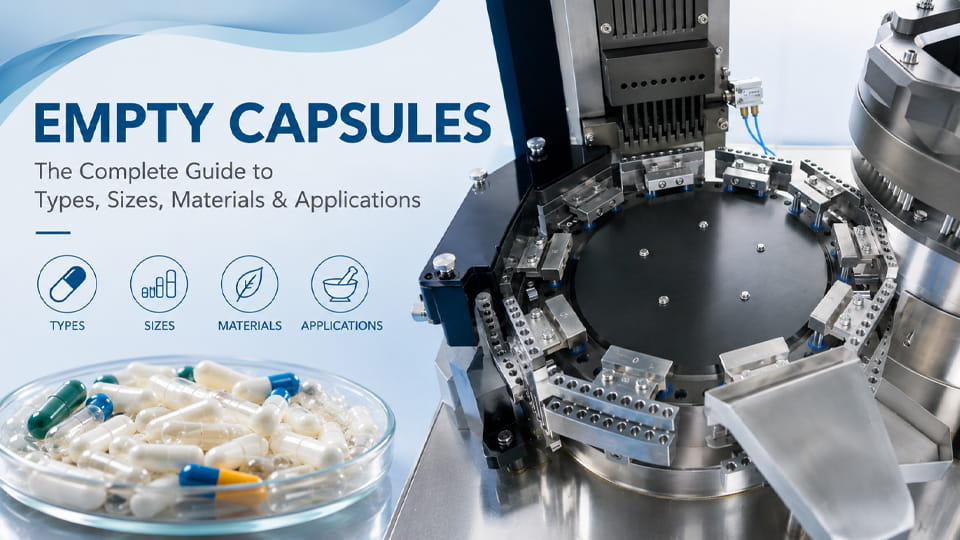
カプセルの素材について説明する前に, 製造方法, または包装機器, 何を理解するのに役立ちますか 空のカプセル 実際に存在するものと、なぜこれほど広く使用されているのか. 処方薬から栄養補助食品、ハーブサプリメントまで, 空のカプセルは製薬メーカーに柔軟性を提供します。, 正確な, 効率的な投薬ソリューション. 自動カプセル充填との互換性 パッケージライン また、それらは現代の医薬品生産に不可欠な部分となっています. 空のゼラチンカプセルを選択しているかどうか, 植物ベースの代替品の評価, または新しいカプセル包装ラインの計画, 基本を理解することは、より適切な生産および購入の決定を下すのに役立ちます.
空カプセルとは?
医薬品製造において, 空のカプセル (ブランクカプセルまたは空の丸薬カプセルとも呼ばれます) 口腔の作成に使用される基本的な中空シェルです。 剤形. 粉末の容器として機能します, 薬やサプリメントの顆粒またはペレット. 空のカプセルは通常、キャップと本体という 2 つの主要部分で構成されており、それぞれがぴったりとフィットし、 一緒にロックする 閉じた殻を形成する. (キャップは上半分が短いです, そして胴体は下半分が長いです。) 最新のカプセル設計には次のものが含まれます。 ロック機構 (スナップリングやキャップとボディの溝のマッチングなど) 充填後もカプセルがしっかりと閉まった状態を保つため. これにより、処理中にカプセルが誤って開いてしまうのを防ぎます。, 発送または取り扱い.
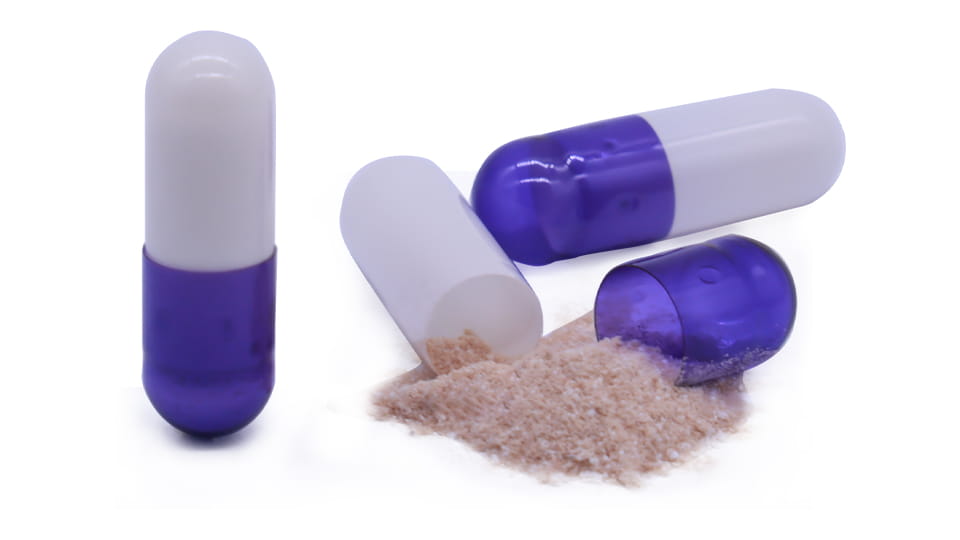 2ピースの空のカプセル (ゼラチンの殻) 充填用の粉末と
実際に, 空のカプセルは便利です 「空っぽの器」 薬用. 通常、ゼラチンまたは植物ベースの材料で作られています。, とロードされています API または製造中のサプリメント. 充填後, キャップと本体がカチッとはまり、内容物を安全に保ちます。. 顕微鏡の下で, 見ることができます カプセルキャップ, カプセル本体, そして多くの場合、連動リングや ダブルスナップ 接合部のデザイン (以下に示すように):
- カプセルキャップ: 短いほど, 体にフィットする閉じた端. 閉じると本体の開いた端を覆います。.
- カプセル本体: 1 つの閉鎖端と 1 つの開放端を持つ長い中空のチューブ. 薬やサプリメントの投与量を保持します.
- ロック機構: 最近のカプセルの多くには、小さなカプセルが 1 つまたは 2 つあります。 スナップリング またはキャップと本体に成形された溝. カプセルを閉めると, これらのリングは連動します, キャップをしっかりと取り付けたままにする. 内圧によるキャップ本体の剥離を防止します。 (例えば. 充填中に閉じ込められた空気から) または乱暴な取り扱い. ロック機能なし, 充填後にカプセルが開く可能性がある, それは投与量を台無しにし、生産を混乱させるでしょう.
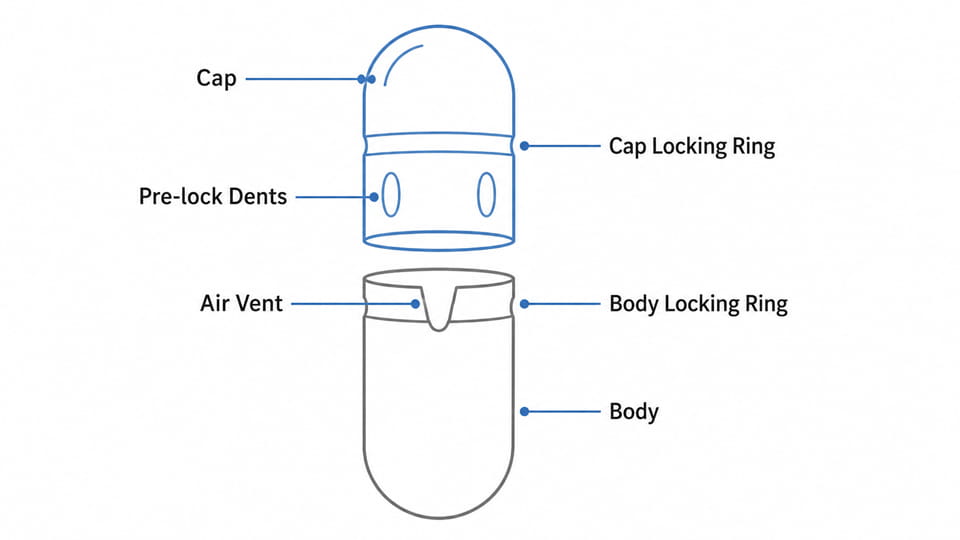 カプセル構造の模式図
要約すれば, 空のカプセルは、カチッと音がするかロックされるキャップと本体で構成される、すぐに充填できるシェルです。. これらのハードシェルは組み立てるのに十分な弾力性を持ちながら、高速の充填および包装ラインに耐えるのに十分な剛性を備えています。. 事前に組み立てられた状態、または緩いキャップと本体として提供されます。 (バルクトレイで供給されることが多い), 工場内の別々の段階で充填されます.
医薬品で使用される空カプセルの種類
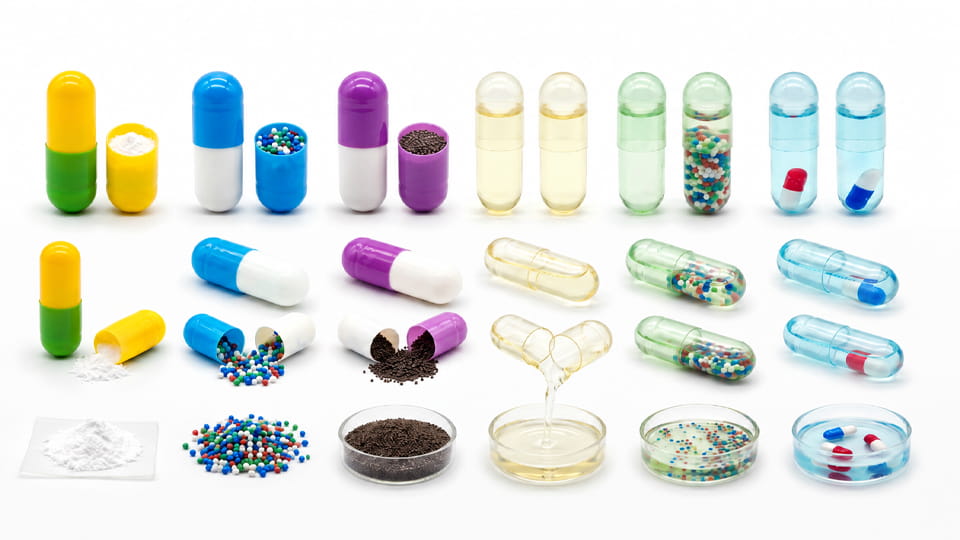
空のカプセルにはいくつかの種類があります, 主にそれらの点で区別されます シェル素材. 最も一般的なものは次のとおりです。:
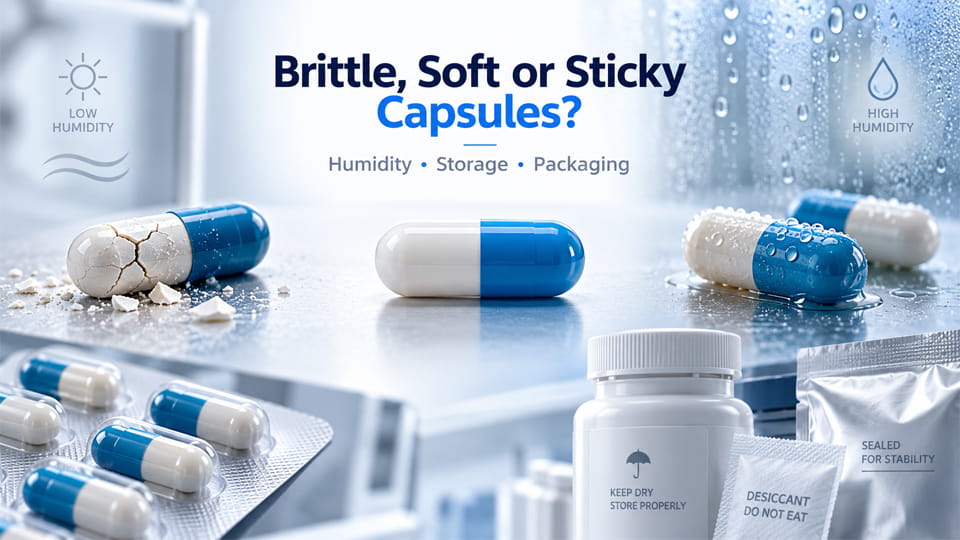
- ゼラチンカプセル: これらはゼラチンから作られた古典的なハードカプセルです (動物性コラーゲン). 製薬業界では何十年も使用されてきました. ゼラチンの殻は半透明で、水分含有量は 12 ~ 16% です。. 一般に安価で、胃の中ですぐに溶けます。. しかし, ゼラチンは動物由来です, これは菜食主義者や特定の宗教団体にとって懸念事項となる可能性があります. ゼラチンカプセル 湿気にも敏感です (乾燥しすぎる -> 脆い, 湿気が多すぎる -> 粘着性).
- HPMC (ヒプロメロース) カプセル: ヒドロキシプロピルメチルセルロース製 (植物由来のセルロース), HPMCカプセル ベジタリアン/ビーガン対応です. 通常、含まれる水分は少なくなります (水分約4~7%), 湿気に敏感な配合物に対してより安定性を高めます. これは、HPMC シェルが保管時にもろくなりにくいことも意味します。. HPMC カプセルにはゲル化剤が必要な場合が多い (カラギーナンのような) またはゼラチンより熱いディップ, しかし彼らは動物性食品の使用を避けています. これらは、次のことを必要とする顧客にとって優れた選択肢です。 「ベジタリアンカプセル」.
- プルランカプセル: プルランは天然の多糖類です (タピオカから) ゼラチン状の膜を形成できる. プルランカプセル ベジタリアンでもあり、水分含有量が非常に低い, 高い酸素バリアをプラス (機密性の高い API の保護に優れています). 栄養補助食品や特殊用途に使用されています.
- でんぷんおよびその他の植物性カプセル: 加工デンプンから作られたカプセルもあります (例えば. ヒドロキシプロピルデンプン) または他のポリマー. これらはあまり一般的ではありませんが、ニッチ市場にアピールします (例えば. グルテンフリーまたはパレオダイエット).
現代の製薬は動物性ゼラチンを超えて拡大しています. 「科学技術が進歩するにつれて、, 新しい材料とプロセスの改善により、HPMC 製の空のカプセルが開発されました。, ヒドロキシプロピルデンプン, そしてプルラン, ゼラチンに加えて」. 実際に, 誰かが「空のゼラチンカプセル」を求めたとき, これらは通常、一般的な素材の硬いツーピースのカプセルを意味します。. しかし、今日のカプセルサプライヤーは両方を提供しています ゼラチンとHPMC (ベジタリアン) カプセル さまざまなニーズに応えるさまざまな色とサイズ. (ご注文時, と呼ばれる場合もあります。 空の錠剤カプセル, 空の薬のカプセル, または 空のカプセルの殻.)
それぞれの素材には長所と短所があります. ゼラチンは伝統的です, 低コストで溶けやすい, ただし厳格な菜食主義者には適していません. HPMC やその他のビーガン オプションは少し高価ですが、より幅広い消費者層に適しています. プルランは非常に優れた防湿性を持っています, 一部の薬やサプリメントの保存期間を延ばすことができます.
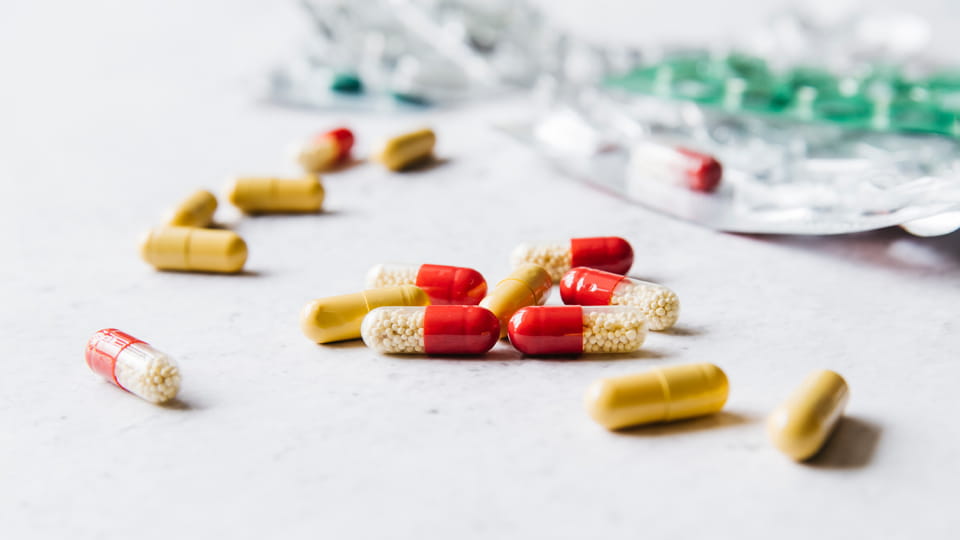
空のカプセルのサイズ
空のカプセルは サイズの範囲 異なる線量量に対応するため. 標準サイズの番号は次のとおりです。 000 (最大) まで 5 (最小の). サイズ 000 非常に大きい – 約 1.37 内容積 mL – サイズ 5 小さいです (~0.21mL). 正しい選択 カプセルサイズ に依存します 充填重量 粉末または顆粒の密度:
- サイズ 000 そして 00 (最大): これらの大きなカプセルには、約 500 ~ 800 mg の低密度粉末が入っています。. 多くの場合、大量のサプリメントや大量の投与量を必要とする医薬品に使用されます。 (例えば, 特定の獣医用または栄養製剤).
- サイズ 0 そして 1: これらは人間の医薬品で最も一般的なサイズです. サイズ 0 (~500mgの容量) そしてサイズ 1 (~400mg) 多くの中程度の強度の薬によく効きます.
- サイズ 2 ~ 5 (より小さい): カプセルのサイズ 2 (~300mg) を通して 5 (~120mg) 強力な薬に使用される (少量だけが必要な場合) または小児用製剤. 例えば, 非常に強力な API は大量に投与される可能性があります 3-5 錠剤を小さく保つためのカプセル.
テーブル 1 ハードゼラチンカプセルの一般的なサイズ
| サイズ指定 |
充填量 (mL) |
充填量 (オンス) |
ロックされたカプセルの高さ (mm) |
外径 (mm) |
| 000 |
1.37 |
1/20 |
26.1 |
10.0 |
| 00 |
0.95 |
1/30 |
23.3 |
8.5 |
| 0 |
0.68 |
1/40 |
21.7 |
7.7 |
| 1 |
0.50 |
1/55 |
19.4 |
6.9 |
| 2 |
0.37 |
1/75 |
18.0 |
6.4 |
| 3 |
0.30 |
1/100 |
15.9 |
5.8 |
| 4 |
0.21 |
1/135 |
14.3 |
5.3 |
| 5 |
0.13 |
1/220 |
11.1 |
4.9 |
各サイズの充填量は通常、カプセルの製造元によって提供されます。. 例えば, 標準的なチャートは次のことを示しています カプセル容量から 1.37 mL (サイズ 000) まで 0.21 mL (サイズ 5). この体積は、粉末密度に基づく特定の重量に相当します。. 実際には, テーブル 2.1 医薬品参考文献には、典型的なタップ密度に基づいたさまざまなサイズの体積とおおよその重量がリストされています。. 配合する際には, メーカーは、目標投与量の重量と材料の密度から必要なカプセルのサイズを計算します。 (パウダータップ密度).
サイズ別の用途: 栄養補助食品 (マルチビタミンやハーブサプリメントなど) 大きなカプセルを使用することが多い (0 または 000) 大量のハーブやビタミンを届ける必要があるため. 多くの錠剤がカプセルに変換されました (臨床試験用の過剰カプセル化) 標準のカプセルサイズを使用する 1 または 0. 逆に, 非常に小さなカプセル (サイズ3~5) 効能の高い薬剤に使用される可能性がある, または子供が飲み込みやすいように.
要約すれば, 空のカプセルは以下で入手可能です サイズ 000 に 5. 一般的なガイドラインは次のとおりです: 数字が小さいほど, カプセルが大きいほど (つまり. 000 最大です, 5 最小です). メーカーとカプセルサプライヤーが提供する サイズ表 処方者が予定用量の容量要件を満たすカプセルを選択できるようにするため. 適切なサイズを選択することで、各カプセルに適切な量の API が保持され、一貫した投与が可能になります。.
空のカプセルはどのように製造されるのか?
空のハードカプセルの殻 (カプセル本体とキャップ) によって生産されています ディップコーティング工程. 基本的な手順は次のとおりです (詳細については、臨床医薬品の参考文献を参照してください。):
- 浸漬液の準備: 温かい, 粘稠な溶液はゼラチンを溶かして作られます (またはHPMC) 約60〜70℃の水中で. 通常、この溶液にはポリマーが重量比で 30 ~ 40% 含まれています。. 可塑剤 (グリセロールのような) シェルに柔軟性を与えるために追加されます, 必要に応じて着色剤や不透明剤も併用. HPMCカプセル用, ゲル化剤 (カラギーナンやジェランガムなど) 強固なフィルムを形成するために含まれてもよい。. 溶液は厳密な条件下で混合および濾過されます (GMP) 適切な粘度と透明度になるまで.
- ディップコートスチールピン (金型): ステンレス製のピン金型を一対使用: 1 セットはキャップ用、もう 1 つはボディ用. ピンをバーに配置し、温かいポリマー溶液に浸します。. ピンは溶液よりも冷たいため, ゼラチンまたは HPMC の薄いフィルムが各ピンに貼り付きます. 1台の連続機械で, ピンの交互の列がキャップとボディを同時に形成します.
- 回転と排水: 浸漬後, ピンのバーが持ち上げられて回転します. これにより、ポリマーフィルムが各ピンの周囲に均一に分布し、余分な溶液が排出されます。. 回転ナイフ、場合によってはエアナイフを使用して、成形シェルの壁の厚さを制御します。. 均一な分布はシェルの強度と溶解の一貫性にとって重要です.
- 乾燥: コーティングされたピンは制御された乾燥チャンバーを通過します。. 暖かい (でも暑すぎない) 空気がフィルムから水を蒸発させます, それをゴム状の殻に固める. 乾燥は通常、低湿度で行われます, GMPで監視された条件. 最終結果は空のカプセルシェルです (キャップとか本体とか) 各ピンに.
- ストリップとトリミング: 乾いたら, カプセルの殻が剥がれている (引っ張られた) ピンから外れている. 各シェルは自動的に正しい長さにトリミングされます。 (通常、本体とキャップの長さは異なります). このステップでは、最終的に互いにフィットする、開いた端を持つ完成した「キャップ」部分と「ボディ」部分を作成します。.
- キャップとボディの接合: ついに, トリミングされた各キャップが本体に挿入されます (非常に軽い圧入) 完全な空のカプセルとして一時的に保管する. しかし, 通常、キャップと本体が緩く結合された状態で出荷および保管されます。, 完全にロックされていない. (あまりにもしっかりとロックされていた場合, 後で充填中にそれらを分離するのは困難になります。)
- 印刷と検査: オプションの印刷 (ロゴやコードの場合) 結合したカプセルに適用可能. ついに, カプセルは検査されます (多くの場合、自動視覚システムによって) 欠陥のため (例えば. チップ, オフカラー, 間違ったサイズ) それから梱包します (トレイやバケツに入れられることが多い) 湿度管理下で (約40〜50%RH) 水分含有量を維持するために.
これらすべての製造ステップは自動化されており、品質が厳密に管理されています. 実際には, 出版されたカプセル製造ガイドには、これらの段階がまとめられています: "ステップ 1: ゼラチン溶液の調製; ステップ 2: 金属ピンへのディップコーティング; ステップ 3: コーティングされたピンの回転; ステップ 4: コーティングされたピンの乾燥; ステップ 5: ストリップとトリミング; ステップ 6: トリミングされたカプセルシェルの接合; ステップ 7: 印刷". (印刷工程: 組立後, カプセルには製品コードやロゴが印刷されていることがよくあります, その後、検査され、梱包されます。)
このプロセス全体を通して, 広範囲にわたる 品質管理 チェックが実行されます (ゼラチンブルーム強度, 粘度, 微生物の限界, 等) 均一なシェルを確保するために. 最新のカプセルラインでは、1 日に数百万個の貝殻を製造できます, 非常に安定した重量と寸法.
適切な空のカプセルの選び方
カプセルの種類とサイズを選ぶとき, まず有効成分と配合を検討します, 次に製造方法.
成分・配合で選ぶ:
- 感湿性または吸湿性の API: 水分の少ない貝殻を使用する. 通常は HPMC が最良の選択です (HPMC > プルラン > 防湿用ゼラチン). 例えば, プロバイオティクス, 酵素または潮解性パウダーは、水分の吸収を最小限に抑えるために HPMC またはプルランを使用する必要があります。.
- 油性または液体の成分: ゼラチンソフトジェルが標準です. ハードシェル用, HPMC またはプルランは耐油性があり、不活性保護を提供するため優れています。.
- 高用量の粉末または顆粒: より大きなカプセルサイズが必要になる場合があります (00 または 000) 用量に合わせて. ゼラチンカプセルは大量の充填に対応可能, ただし、大型の HPMC シェルやプルラン シェルも利用可能です.
- ベジタリアン/アレルゲンフリーの要件: HPMCまたはプルランカプセルを使用する, 動物性ゼラチンを含まない. ゼラチンは厳格なビーガンには適していません, ベジタリアンまたは特定の宗教的な食事療法.
- リリースのスピード: 非常に速い崩壊が必要な場合 (例えば. 速効性の薬), ゼラチンは HPMC よりわずかに速い. 制御/遅延放出が許容される場合, HPMCまたはさらに 腸溶性コーティングされた カプセルが使われるかもしれない.
設備や規模で選ぶ:
- 少量のバッチ / R&D: 手動カプセル充填 (ハンドローダーまたは小型卓上マシン) 配合開発や少量生産によく使用されます。. カプセルボードまたは簡単なプレスを使用して、実行ごとに数百個のカプセルを充填できます。.
- 中程度の生産量: 半自動カプセル充填機 (通常は 100 ~ 400 穴のプレート) 1時間あたり数千個のカプセルを処理できます. 手動ステップと機械的支援を組み合わせています。. 完全な手動に比べてオペレータの所要時間は短くなりますが、中程度のスループットを備えています。.
- 大量生産: 完全に 自動カプセル充填機 商業プラントで使用されています. これらのマシンはマガジン容量が大きく、1 時間あたり数万個から数十万個のカプセルを充填できます。. 例えば, Jinlu Packing の NJP-7800D 自動充填機は、最大で 468,000 1時間あたりのカプセル数 (サイズ000~5). 高精度なサーボ制御を搭載したマシンです。, マルチサイズカセット, 集塵機能を備えたGMP設計. 大規模な生産ラインを計画する場合, を統合する [自動カプセル充填機] または完了 [カプセル充填生産ライン] (研磨あり, 検査および梱包段階) 効率を最大化できる.
要約すれば, API に適したカプセル素材を選択してください (安定性, 食事のニーズ) 次に、用量に応じたカプセルのサイズを選択します. 充填装置との互換性も確保します (手動 vs. 自動). 最新のカプセルフィラー (ジンルーのもののように) すべての標準的なカプセルタイプを処理できるように設計されています. 例えば, テストされたセットアップでは、ゼラチンが, HPMC およびプルラン シェルはすべて同じ高速マシン上でスムーズに動作します.
空のカプセルの一般的な用途
空のカプセルは多くの業界で使用されています. 主な用途には以下が含まれます:
- 医薬品: 処方薬およびOTC経口薬に広く使用されています (鎮痛剤, 抗生物質, 抗炎症薬, 等) 有効成分が粉末または顆粒である場合. ゼラチンカプセルは特に一般的です, ただし、HPMC またはプルランは特殊医薬品に使用される場合があります。. ジェリタは、「ハードゼラチンカプセルは粉末または顆粒の詰め物に最適である」と述べています。, 薬の正確な投与を可能にする.
- 栄養補助食品: ビタミン, ミネラルと栄養補助食品のブレンドはカプセル化されることが多い. ゼラチンカプセルとベジタリアンカプセルの両方を使用, 消費者の好みに応じて. サプリメントメーカーは多くの場合、ハーブエキスのカプセル形態を選択します, 抗酸化粉末, そしてビタミン複合体.
- ハーブ/天然製品: 多くのハーブ療法や植物薬はカプセルの形で販売されています. 不活性なカプセルシェルが味を隠し、敏感な植物栄養素を保護します。. アルデヒドまたはタンニンを含む特定のハーブの場合, 生産者はゼラチンの架橋問題を避けるために HPMC またはプルランを好む場合があります。.
- 油: オイルベースのサプリメント (魚油, 月見草油, 等) 時々変更されたものを使用します ハードカプセルまたはソフトジェル. ベジタリアン オイル カプセルには、HPMC または特別に配合された「植物性ソフトジェル」が使用されています。オイル用の空のハードカプセルはあまり一般的ではありません, ただし、HPMC は粉末状の油または油を含む顆粒をカプセル化できます。.
- プロバイオティクス: 生培養製品は、優れた防湿性により HPMC またはプルランシェルの恩恵を受けます。. プルラン, 特に, 酸素を遮断することでプロバイオティクス細菌の生存期間をより長く保つことで知られています.
- 獣医学: ペットや家畜のサプリメントや医薬品もカプセルとして製造されています. (例えば, 大型のゼラチンカプセルは馬や牛の薬に使用されます。) ゼラチンと植物性カプセルの両方が獣医用途で使用されています, 人間の医薬品と同様.
- スポーツ栄養学: プロテインブレンド, クレアチン, トレーニング前およびトレーニング後のサプリメントは、カプセルの形で提供されることがよくあります (例えば. 「プレトレーニングピル」). カプセルの利便性と迅速なリリースはフィットネス消費者にとって魅力的です.
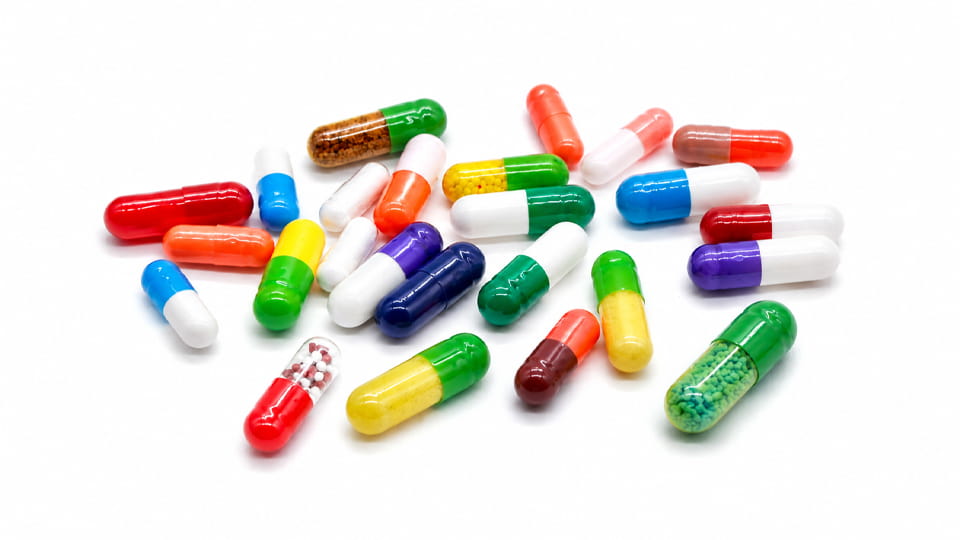
これらの例は、空のカプセルの多用途性を示しています. これらは、正確な用量で飲み込む必要があるあらゆる粉末または顆粒製品に適した汎用剤形です。.
空のカプセルの充填方法
空のカプセルに製品を充填するには、いくつかの方法があります, 規模に応じて:
- 手動充填: 最も簡単な方法はカプセル充填ボードを使用する方法です。. 手動でカプセルを分離します, 体を粉末で満たす (スプーンやじょうごを使って), 次にキャップを手で結合します. これは非常に労働集約的であり、小規模な研究室にのみ適しています (数十、数百のカプセル).
- 半自動充填: 半自動機械 (ロータリー式またはプレート式) プロセスの一部を自動化する. オペレーターが空のカプセルを充填プレートに装填します (またはホッパー), 機械はキャップと本体を位置合わせして分離します, タンピングと散布によりボディに粉末が充填されます。. キャップを上にかぶせてロックします (多くの場合、バーを回転させることによって). 半自動充填機は最小限の労力で 1 時間あたり数千個のカプセルを生産できます.
 CGN-208D半自動カプセルフィラー
- 自動充填: 大量生産には全自動カプセルマシンが使用されます. 給餌を自動化している (キャップ/ボディの向き), 粉末充填, カムとシーリング. 最新のマシンはあらゆるタイプのハードシェルを処理できます. 例えば, JinluのNJP-3800Dは、 228,000 カプセル/時間. これらの高スループット システムには、正確な充填重量を実現するサーボ制御による注入などの機能が組み込まれていることがよくあります。, マルチサイズのタレットシュート, 集塵, カプセル研磨機や検査装置との統合. 高速フィラーにより、迅速な生産と一貫した注入が保証されます。.
 NJP-3800Dカプセル充填機
すべての充填方法において, 非常に軽い粉末や粘着性のある粉末には特別な注意が必要です (流動促進剤, 潤滑). 集塵・静電気対策 (イオナイザー) オペレータの安全性と充填精度にとって重要です. 大規模な操作の場合, カプセル充填機はプロセスチェーンの重要な部分であり、「空のカプセル」を大規模な最終製品に変えます。.
製薬メーカー向けカプセル包装ソリューション
カプセルが充填されたら, 剤形は効率的に包装されなければなりません. いくつかあります ハードカプセルの一般的な包装ソリューション:
- ブリスター包装機: これらの機械は水疱を形成します (アルミニウム-プラスチックまたはアルミニウム-アルミニウムポーチ), 各空洞をカプセルで満たす, 次に水ぶくれを密閉して切ります. これはよく使われる用途です 単位用量包装 カプセルの. 最新の水疱ラインは非常に速く実行できます。たとえば、, 高速ブリスターマシン 周りのアウトプットを達成できる 10,000 – 11,000 水ぶくれ (カプセル付き) 1時間あたり. ジンル DPP-270マックス, 例えば, まで評価されています 11,200 ブリスター/時間、PVC/Alu フィルムなどの材料を処理. 個別投与量を清潔に保つためにブリスター包装が一般的です, 改ざん防止, 湿気から保護されています. 機械には通常、成形が含まれます。, カプセルの供給, 封印, 1ラインでダイカット.
- ボトル充填およびキャッピングライン: ボトルに詰められたカプセルの場合, プロセスにはボトルのスクランブルを解くことが含まれます, カプセルを数えて各ボトルに充填する, 任意の追加 乾燥剤 または コットン, キャッピング, そしてラベル付け. カプセル計数機 (自動カウントフィラー) 自動的に正確な数のカプセルを数えて分配します. 例えば, Jinlu の JL-16C カプセル計数充填機は、ボトルへのバルクカプセルの大量生産に対応できます。. これらのシステムにより、各ボトルが正確なカウントを取得できるようになります。, 多くの場合、キャッピングおよびラベル貼付機械が統合されています。. (行全体は次のようになります: ボトルアンスクランブラー -> カプセルカウンター -> 乾燥剤インサーター -> キャッパー -> ラベラー -> カートン/パッケージャー。)
- 箱詰めと二次包装: ブリスターまたはボトルに充填して閉じた後, 通常、カートンに入れられるか、カートンがストリップの周囲に自動的に形成されます。. 箱詰め機 直立ボックス, ブリスターまたはボトルを挿入します, そしてそれらを封印します. ついに, ケースパッカーは複数のカートンをまとめて発送します. Jinlu は、ブリスターまたはブリスターと統合するための箱詰めおよびラベル付けラインを提供しています ボトルライン.
実際に, 製薬工場ではこれらのソリューションを組み合わせることができます. 例えば, 高速生産ラインは次のようなことから始まるかもしれません。 自動カプセルフィラー, その後、カプセルを計数キャッピングマシンに送ります, そして最後にボトルを箱詰め業者に送ります. あるいは, 単位用量用, 充填機からのカプセルはインラインブリスターマシンに送られます.
キーポイント: カプセルに合わせて包装機器を選択する必要があります. ブリスターマシンはカプセルのサイズと形状を処理する必要があります (キャビティへの確実な供給を確保するため). 計数機はカプセルの脆弱性と速度の要件に適合する必要があります. 多くの機械ベンダー (ジンルのように) カスタマイズを提供する: 例えば, カプセルのサイズと材質に合わせてフィーダーまたはシュートガイドを調整します. メーカーが宣伝しているように, 同社のブリスターパッカーはGMP基準に基づいて構築されており、錠剤を梱包できます。, カプセル, などのフォームを高速に実行.
最終的に, 統合包装ライン – カプセル充填の組み合わせ, カウント, 膨れ/キャッピング, および箱詰め – 大規模生産に最も効率的なソリューションを提供します. 空のカプセルから完成した包装製品までの流れを自動化します。.
結論と次のステップ
空のカプセル (錠剤とサプリメント用のツーピースシェル) 医薬品生産の基本的な要素です. 素材を理解する, サイズ, とデザインの特徴 (ロック機構のような) 製品に適したシェルを選択するのに役立ちます. 同様に重要なのは、製造と充填のプロセスを知ることです: カプセルはディップコーティングで作られています (ゼラチン/HPMC) その後、分離する自動機械で充填されます。, 用量, 各カプセルを閉じます. ついに, ブリスターマシンまたは計数ラインを介した適切なパッケージングにより、充填されたカプセルが流通を通じて無傷で準拠した状態に保たれることが保証されます。.
信頼性の高い機器をお探しの製薬または栄養補助食品のメーカーの場合, カプセルを理解するワンストップ ソリューション プロバイダーを検討する. Jinlu Packing のような企業は、cGMP 基準を満たす統合されたカプセル充填および包装ラインを提供しています。. 特定のカプセルのタイプと出力のニーズに合わせてラインを調整するのに役立ちます。. 今すぐ専門家に問い合わせてください カプセルの製造と包装を合理化する方法について話し合う.
空のカプセルに関するよくある質問
空カプセルとは?
空カプセルとは、医薬品成分を入れるために使用される空のカプセルの殻です。, 粉末, 顆粒, または栄養補助食品. 通常はカプセルキャップで構成されています, カプセル本体, そしてロック機構, メーカーが正確かつ便利な経口剤形を製造できるようにする.
空のカプセルは何でできていますか?
ハードカプセルは通常ゼラチンから作られています (動物由来) またはHPMCのようなベジタリアン代替品 (セルロース) そしてプルラン (発酵タピオカ澱粉). 実際に, 「空のカプセル」とは、通常、すぐに充填できるこれらの 2 つの部分からなるシェルの 1 つを指します。.
医薬品に使用される空のカプセルにはどのような種類がありますか?
空カプセルの主な種類には、ハードゼラチンカプセルがあります。, HPMCカプセル, そしてプルランカプセル. 硬ゼラチンカプセルは医薬品によく使用されます, 一方、HPMC と植物ベースのカプセルは、栄養補助食品やベジタリアン製品として人気があります。.
医薬品に使用される空のカプセルにはどのような種類がありますか?
空カプセルの主な種類には、ハードゼラチンカプセルがあります。, HPMCカプセル, そしてプルランカプセル. 硬ゼラチンカプセルは医薬品によく使用されます, 一方、HPMC と植物ベースのカプセルは、栄養補助食品やベジタリアン製品として人気があります。.
空のカプセルにはどのようなサイズがありますか?
空のカプセルはさまざまなサイズでご利用いただけます, 含む 000, 00, 0, 1, 2, 3, 4, そして 5. 大きいサイズなど 000 そして 00 サプリメントによく使われます, 一方、より小さいサイズは、必要用量が少ない医薬品に一般的に使用されます。.
最も人気のあるカプセルのサイズはどれですか?
製薬会社やサプリメントで最も一般的なハードシェルのサイズは次のとおりです。 0 そして 1. 充填量と飲みやすさのバランスが取れています。. (しかし, 非常に高用量の処方では使用される場合があります 00 または 000, 小児用にはサイズ 3 ~ 5 が使用される場合があります。)
空のカプセルに液体を入れることはできますか?
標準のツーピースカプセルは固体用に設計されています (粉末, 顆粒). 液体を充填すると漏れる可能性があります. 油や液体の場合, 通常はソフトジェルカプセルまたは特殊な液体カプセルが使用されます。. (注記: 液体を充填したハードカプセル技術があります, しかし、それらは依然として内部にパウダーバリアを使用しています。)
空のカプセルはどれくらい持ちますか?
適切に保管されたカプセルは長期保存可能. ゼラチンカプセルと HPMC カプセルはどちらも数年間保存できます。 (多くの場合 2 ~ 5 年) 密封して冷暗所に保管した場合, 乾燥した状態. 時間とともに, 水分の損失または増加が影響を与える可能性があります, したがって、ストレージに関する推奨事項に従う必要があります.
空のカプセルはどのように製造されるのか?
空カプセルはいくつかの工程を経て製造されます, 原料の準備も含めて, カプセルシェルの形成, 乾燥, 品質検査, とパッケージ. このプロセスにより、一貫したカプセルサイズが保証されます, 強さ, 医薬品生産のための品質と品質.
ベジタリアンカプセルは高価ですか?
はい. 原材料や加工の都合上、, HPMC およびプルラン カプセルは、ゼラチン カプセルよりも製造コストが大幅に高くなります。. これは空の野菜カプセルの価格に反映されています。.
参考文献:
1.ハードゼラチンカプセル: 定式化 & 製造業 —— スタディリブネット
2.ロック式ハードゼラチンカプセル —— Googleの特許
3.HPMCカプセル: 現状と今後の展望 —— 国立医学図書館
4.ハードゼラチンカプセル —— 薬局180.com
5.についての包括的なレビュー: カプセル —— 国際薬学ジャーナル (IJPS)