
一見して, 栄養補助食品と医薬品は非常によく似ている. どちらも次のように販売される場合があります 錠剤, カプセル, 粉末, グミ, または液体, 両方とも、多くの場合、同等の製造プロセスとパッケージングプロセスを使用します。. しかし, 類似点はほとんどそこで終わります.
栄養補助食品と医薬品を比較する場合, 最大の違いはその使用目的にあります, 規制要件, 品質基準, およびコンプライアンス義務. 栄養補助食品 食事を補い、全体的な健康をサポートするように設計されています, その間 薬 診断することを目的としています, 扱う, 防ぐ, または病気を管理する. こういった様々な目的があるため、, メーカーは配合に関して異なるルールに従わなければなりません, 生産, 検証, ラベリング, とパッケージ.
サプリメントメーカー・製薬メーカー様向け, 生産設備を選択する際には、これらの違いを理解することが不可欠です, 包装ラインの設計, 規制遵守の確保. このガイドでは, 栄養補助食品と医薬品の主な違いと、それらが現代の製造および包装業務にとって何を意味するのかを探っていきます。.
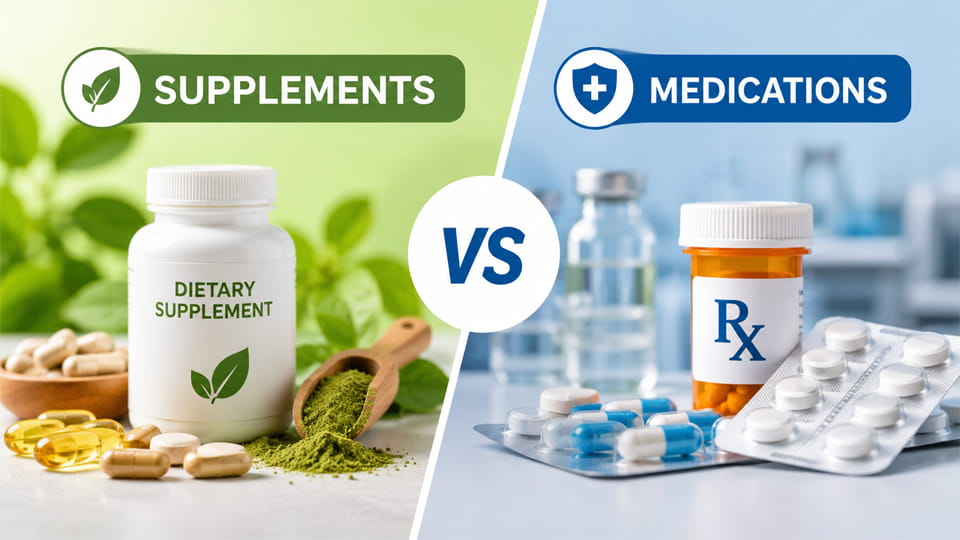
栄養補助食品 (とも呼ばれます 栄養補助食品 または 栄養補助食品) 栄養価を高めるために経口摂取される製品です. 米国の法律により (DSHEA 1994), サプリメントにはビタミンなどの「栄養成分」が 1 つ以上含まれていなければなりません, ミネラル, ハーブ, アミノ酸や他の植物成分, することを目的とした 補足 ダイエット. 例としては、マルチビタミン錠剤などがあります。, 魚油カプセル, ハーブ抽出物, またはプロテインパウダー. EUでは, 用語 栄養補助食品 使用されています: それらは「栄養素またはその他の物質の濃縮源」です 用量形態で (カプセル, 粉末, 液体, 等). サプリメントは食事に不足している栄養素を補給したり、健康全般をサポートしたりできます。, しかし彼らは ない 病気の治療または予防を主張する権限を与える. ラベルには通常、 補足事実 パネルと免責事項 (例えば. 「診断を目的としたものではありません, 扱う, 治す, あるいは病気を予防することもできます」). EU法により、サプリメントに含まれるビタミン/ミネラルの許容量が統一される (指令 2002/46/EC) EFSAによる新規成分のリスク評価が必要.
サプリメントのポイント: 処方箋は必要ありません; 食品として規制されている; ラベルには成分と推奨される使用方法を記載する必要があります; メーカーは従わなければなりません FDA の食事療法 cGMP 規則 (21 CFR111) 身元を確保するために, 純度, そして製品の強み. FDAはそうします ない 販売前にサプリメントの安全性や有効性を確認する, だから責任はメーカーにある (重篤な有害事象が発生した場合には FDA に通知しなければならない人, 以下を参照してください).
薬 (薬物) 処方薬と市販薬が含まれます (OTC) 治療に使用される薬, 治す, 人間の病気を軽減または予防する. FDA は次のように定義しています。 薬 診断での使用を目的としたあらゆる物質として, 治す, 緩和, 処理, または病気の予防, または体の構造/機能に影響を与える. これには、ブランド医薬品とジェネリック医薬品の両方が含まれます, 生物製剤, および特定のOTC治療薬 (鎮痛剤, 制酸薬, 咳止めシロップ, 等). 対照的に、, 栄養補助食品は、病気の治療のために市販されている物質を特に除外します.
医薬品は厳格な規制基準を満たさなければなりません. 米国では, 新薬には新薬申請が必要 (NDA) または省略されたNDA (ジェネリック医薬品用), 安全性と有効性を実証する臨床試験データによって裏付けられています. FDA の医薬品評価研究センター (CDR) 約11,000の市販薬を監視, 強制する 現在の適正製造基準 (CGMP) 医薬品用 (21 CFR210~211) 安定した品質を確保するために. EUでは, 医薬品はEMAまたは国家機関によって認可されている必要があります, 製造業者は EU GMP に準拠する必要があります (EMAの調整による) 高品質と承認された書類へのコンプライアンスを確保するため. 医薬品の包装には通常、不正開封防止シールなどの機能が必要です, 子供が安全に使用できる容器 (毒物予防法), シリアル化された追跡 (DSCSA, EU 口蹄疫), そして広範囲にわたるラベル付け (NDCコード, 説明書, 有効期限) サプリメントよりも厳しい.
薬の飲み方のポイント: 市販前にFDA/EMAの承認が必要; 臨床試験と技術書類; 厳格なcGMP準拠; 規制された表示 (薬物の事実); Rx と多くの OTC 医薬品の両方に、堅牢な安全性/品質管理が必要です.
核心的な違いは、 意図. 薬は特に診断を目的としています, 扱う, あるいは病気を治す. サプリメントの目的は、 食事を補う. したがって:
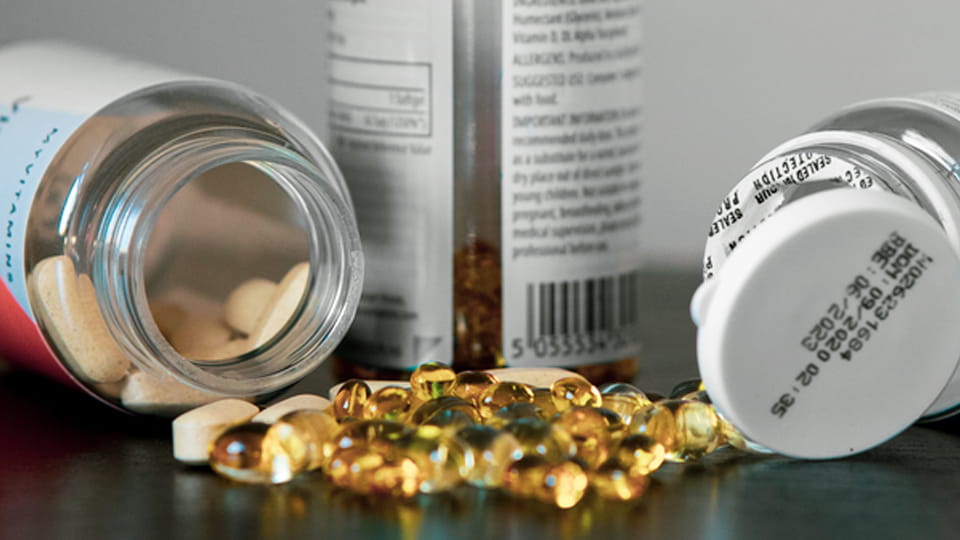
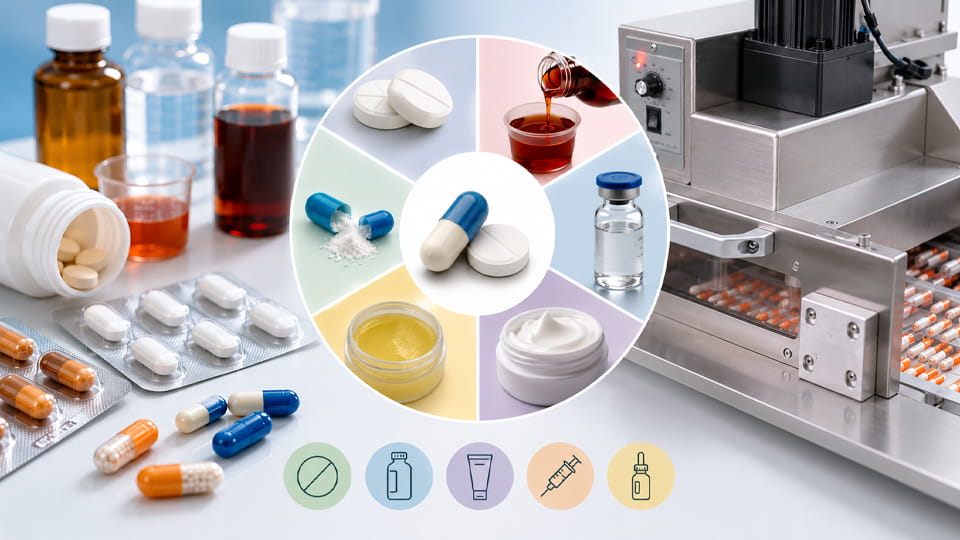
サプリメントと医薬品の間では多くの剤形が重複しています. どちらも可能です:
装備面から見ると, マシンは非常によく似ています. GMP準拠 計数/充填ライン 50mL のビタミンボトルを扱う場合、多くの場合、同様のサイズの医薬品ボトルも充填できます。 (おそらくわずかな調整で). 固形分用のブリスターラインはあらゆる錠剤を扱います. 回転打錠機 または カプセル充填剤 上流側では 剤形; 下流, ラベル貼り付け/検査までラインはほとんど発散しません. 機械の主な違いは生産規模と規制の特徴によるものです (例えば. 製薬ラインにおけるより高度な検査カメラ).
装備を選ぶときは, 製品に焦点を当てる 形式, 音量, コンプライアンスのニーズ:
テーブル 以下に主な違いをまとめ、製品タイプごとに推奨機器を示します.
| 属性 | 栄養補助食品 | 薬 (薬物) |
| 定義/使用法 | 食事を補う栄養素/ハーブ | 病気の治療/診断/予防 |
| 承認が必要です | FDAの事前承認なし (DSHEA) | FDA/EMAの承認 (NDA/あなた/BLA) |
| 臨床検査 | 義務的な臨床試験はありません | 安全性/有効性に関する厳格な試験 |
| GMP制度 | 食事GMP (21 CFR111) | 製薬GMP (21 CFR210~211, EU GMP) |
| ラベリング | 補足事実; 「治療用ではありません」という免責事項 | 薬物の事実; 兆候が含まれています, 投与量, 副作用 |
| クレーム | 構造・機能性表示のみ | 特定の治療上の主張が許可される |
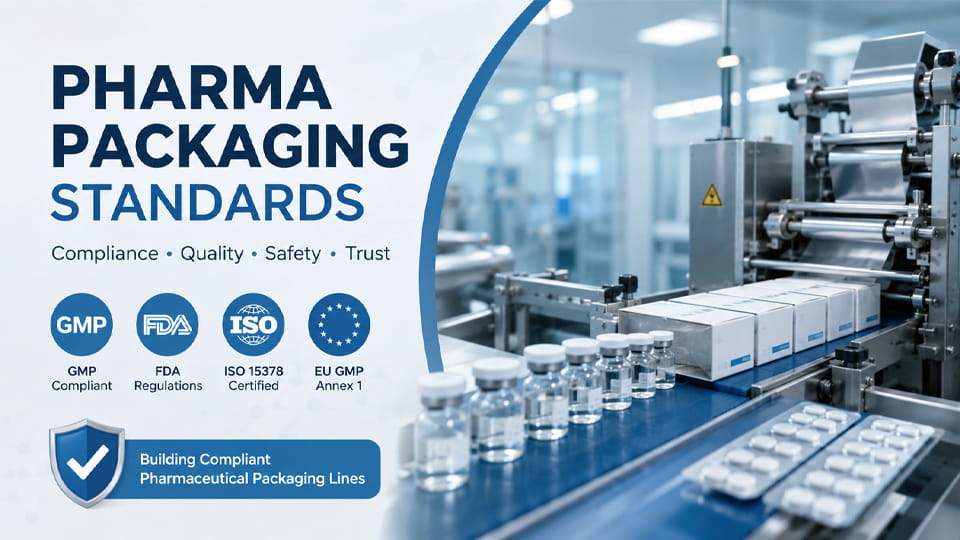
| 包装管理 | 標準食品グレード; 必要に応じて子供用キャップ | 不正開封防止/子供防止クロージャーの義務化; 連載化 |
| 品質テスト | メーカーによるバッチテスト (身元, 純度) | 総合的なQC (効力, 解散, 安定性) |
| 製品例 | ビタミン, ミネラル, ハーブ, アミノ酸 | アスピリン, 抗生物質, ホルモン, OTC鎮痛薬 |
| 製品形態 | 一般的な梱包形式 | 推奨機械 |
| タブレット | ボトル (カウント & キャップ); ブリスターカード | タブレットプレス; コーター; 計数機; ボトルフィラー & キャッパー; ブリスターマシン; カートナー |
| カプセル | ボトル (乾燥剤付き); ブリスターカード | カプセル充填機; 計数機; ボトルフィラー & キャッパー; ブリスターマシン; カートナー |
| 粉末・顆粒 | 小袋・スティックパック; スタンドアップパウチ; 瓶 (浴槽) | 混合機/造粒機; 小袋/スティックパッカー; 既成パウチフィラー; パウダージャーフィラー; シーラー; カートナー |
| 液体 | ボトル (スポイトまたはキャップ); アンプル | 液体充填ライン; キャッピングマシン (必要に応じて子供が使用できないようにする); ラベラー; カートナー |
| グミ/チュー | ブリスターパック; ボトル | グミデポジター; ブリスター包装機; 計数機; ボトルフィラー; カートナー |
各セルにはサプリメントと医薬品の両方のラインがリストされています: 多くの場合、同じマシンでわずかな調整を行うだけで両方を処理できます. 例えば, ジンル ブリスター包装機 ビタミンをパッケージ化できる, 医薬品の錠剤と同じように、錠剤やグミのサプリメント.
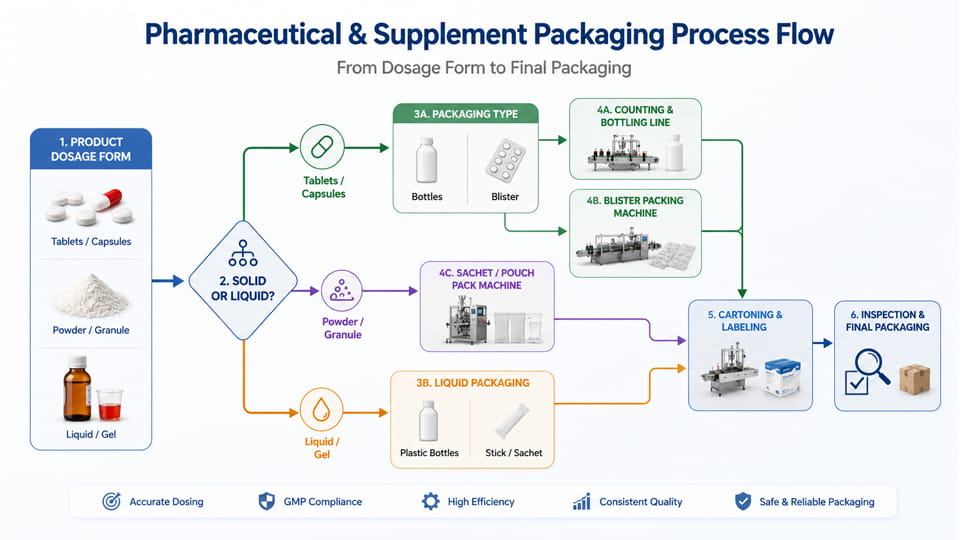
マーメイドダイアグラム: 上のフローチャートは、簡略化された決定プロセスを示しています。. まずは製品フォームから (固形錠剤, カプセル, 粉, 等), 適切な生産設備を使用する (プレス, ロッド, ミキサー), 次に包装ラインを選択します. ボトル, 水ぶくれ, 小袋, カートンが共通のエンドポイントです.
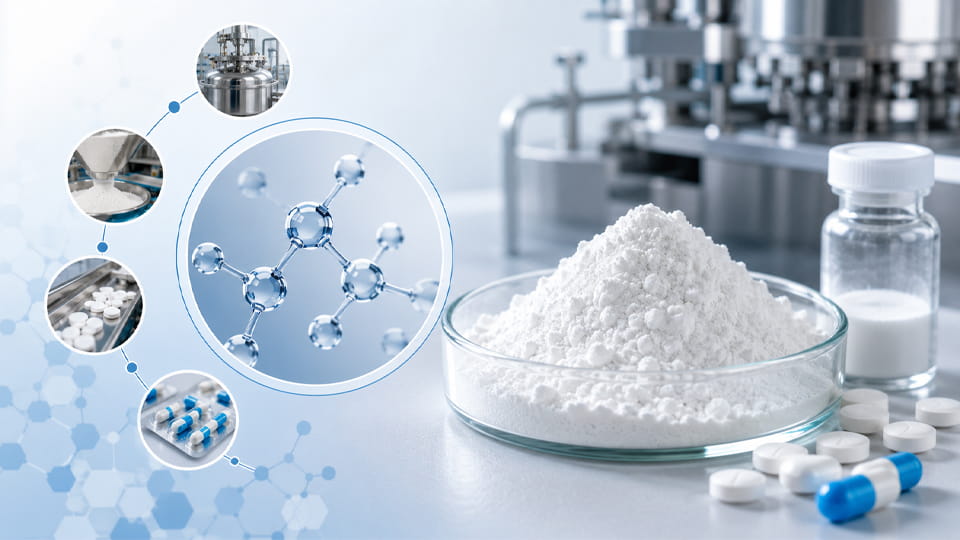
どちらの業界も同様の単位操作を使用する可能性があります (粉を混ぜる, 顆粒, タブレットの圧縮, カプセル充填). しかし, 特定のステップが分岐する:
こうした違いにもかかわらず, Jinlu の医薬品包装における専門知識は、その機器が最小限の変更でサプリメントに適していることを意味します. 例えば, 当社のカプセル計数機は「医薬品および医療用途」をリストしています。, タブレットをカウントします, カプセル, 丸薬, 等, 2-40mm, 出力 100 ボトル/時間, 正確さ >99.98%」. 同じマシンでもカウントできる グミビタミン 錠剤と同じくらい簡単にペットサプリメントも購入できます.
サプリメント用の典型的な錠剤/カプセル ボトルのラインには次のものがあります。: ボトルアンスクランブラー → 錠剤/カプセルカウンター → キャッププレーサー/トルカー → 誘導ホイルシーラー → ラベラー → インクジェットコーダー → コンベア. 薬用, ラインは非常に似ていますが、層流フードで囲まれています。 (無菌/非汚染環境用) ラベルと改ざん証拠をチェックするビジョンシステムも含まれます. Jinlu の計数ラインは、キャッピングおよびラベル貼付装置と統合して、完全な ターンキーソリューション.

医薬品の高速生産に向けて, ブリスターマシン (例えば. JL DPP-270Max) ブリスターシートの形成とシール, カートナーに直接供給されます. カートナー担当者は各ブリスター カードを受け取り、印刷されたカートン ボックスに挿入します。, その後、カートンを閉じ、場合によっては密封します. このフロー全体は 1 時間あたり数千ユニットで実行できます. サプリメントメーカーは、発泡性の錠剤やブリスターパックされたビタミンなどの商品に同様のラインを使用することがよくあります。. 機械はほとんど同じです (当社のブリスター包装機は錠剤の包装における生産性を向上させます, カプセル…), ただし、クリーンルームと検査機能は GMP を満たすように拡張される可能性があります.
[jl_youtube ソース=”https://www.youtube.com/embed/1Bb_J6rluac”]
栄養補助食品と医薬品の違いを理解することは、健康製品業界の機器プランナーや生産マネージャーにとって重要です. 加工機械が稼働している間、 (打錠機, カプセル充填剤, 水ぶくれ, カウントライン, 等) 大きく共有されている, 規制上の要求が異なる: サプリメントは食品/食事規定に該当し、メーカーが管理する安全性に依存しています。, 一方、医薬品には検証されたプロセスと規制当局の承認が必要です. 包装機器を選ぶとき, バイヤーは機械を製品の形式と規制のニーズに合わせて調整する必要があります: 確保する GMP準拠, 適切なマテリアルハンドリング, および特別な機能 (子供に耐性のある, 改ざん防止, 連載化) 薬に必要な. 知識豊富な機器パートナーが、それぞれのケースに合わせてソリューションをカスタマイズできます.
などのリソースを使用して、製品タイプと機器を慎重に一致させることにより、 ジンルパッキングのカプセル充填機, 打錠機, ブリスターパッケージャー, 行を数える, サシェ/パウチフィラー, カートナー - メーカーは市場の需要と規制基準の両方を満たす効率的なラインを構築できます。. プロセスのノウハウと適切な機械の相乗効果により、安全性が確保されます。, サプリメントであれ医薬品であれ、準拠した生産.
栄養補助食品は食事を補い、健康全般をサポートすることを目的としています。, 薬は診断するために設計されていますが、, 扱う, 防ぐ, または病気を管理する. こういった様々な目的があるため、, 医薬品はより厳格な規制当局の承認の対象となる, テスト, サプリメントよりもコンプライアンス要件が必要です.
いいえ. ほとんどの管轄区域では, 米国を含む, 栄養補助食品は医薬品とは異なる方法で規制されています. サプリメントは通常、食品関連の規制に分類されます, 一方、医薬品は医薬品として規制されており、市場に投入される前に特定の安全性と有効性の要件を満たさなければなりません。.
多くの場合、そうです, 調整付き. cGMPに基づいてラインが構築されている場合 (ステンレス, 簡単に掃除できる, 等), どちらの製品タイプでも実行できます. 金型や設定の変更が必要になる場合があります. 主な注意点は規制です: サプリメントが適切にラベル付けされていることを確認する, そして薬に切り替える場合, 滅菌/洗浄手順を検証する. Jinlu のマシンは多目的に使用できます。たとえば、, カウンティングフィラーは「ほぼすべての形状の錠剤やカプセル」に最適と言われています。.
一般的に, いいえ – 毒物防止包装法 (PPPA) 薬物および特定の危険物質を対象としています. 一部のサプリメント (例えば. 鉄剤, 子供にとって有毒になる可能性があるもの) PPPAに該当する可能性があります. ほとんどのビタミンやハーブの錠剤は、法的に子供用のキャップを必要としていません, しかし、多くのメーカーは安全性とマーケティング対策としてそれらを使用しています. 消費者の期待に従うことがベストプラクティスです.
どちらもGMPを取得しています, ただし補足的なGMP (21 CFR111) 医薬品GMPのサブセットです (21 CFR210/211). 例えば, サプリメントには成分の同一性検査といくつかの不純物検査が必要です, ただし、プロセスの臨床検証を義務付けるものではない. しかし, すべての GMP は、物事を清潔に保つ必要があることを意味します, 生産データを記録する, ラベル表示を確実にするために製品をテストします. FDAがサプリメントラインを検査する場合, 彼らは適切な清掃をチェックします, 文書化された手順, 製薬工場で行うのと同じようにテスト結果を取得します. 医薬品用, FDAは追加レイヤーを期待している: 検証されたメソッド, 安定性の研究, より厳格な環境管理, 等.
それはまだ重要です. サプリメント会社はFDAに報告書を提出していないが、, 彼らは自分たちの製品が彼らの言うとおりであることを証明しなければなりません. これは装備を意味します (打錠機やブリスターマシンなど) 資格があるはずです (IR/WH/PQ) 正しい剤形を一貫して生成できるようにするため. 少なくとも, USP または社内規格では、計量と含有量のテストが必要です. 現代の優れた品質慣行 (MQP) サプリメントはますます製薬を反映しています, 特に輸出市場向け. 彼らは, 例えば, 「cGMP」への準拠について言及, ce, FDA, およびEMA」のパウチマシン, それらの要件を満たすように機械を設計していることを示します.
主な要因には以下が含まれます:: マシンの速度と予想される量, 柔軟性 (さまざまなボトルの形状やブリスターの種類に対応できますか?), 掃除のしやすさ (ステンレス部品, CIP), と自動化機能 (サーボコントロールのような, HMI, そして検査). アフターサービスやスペアパーツも考慮. Jinlu は、マシンの 7 日間の配達と 3 年間の保証を強調しています, 充実したアフターサポートを実現. 購入者は統合についても質問する必要があります (例えば. 計数機は既存の箱詰め業者と簡単に同期できますか?). ついに, コンプライアンス: 必要に応じて機械が「医薬品グレード」の包装を確実に製造できるようにする, サプリメントでも. Jinlu の包装ラインは CE および FDA 関連の基準に合格しています, ブランドのコンポーネントを使用することを強調しています (オムロンみたいに, シーメンス) 信頼性のために.
参考文献:
1.栄養補助食品に関するQ&A — 私たち. 食品医薬品局
2.現在の適正製造基準 (CGMP) 食品および栄養補助食品用 — 私たち. 食品医薬品局
3.栄養補助食品およびハーブサプリメント — NCCIH
4.小規模事業体のコンプライアンス ガイド: 製造業における現在の適正製造基準, 包装, ラベリング, または栄養補助食品の保有業務 – 私たち. 食品医薬品局
5.栄養補助食品: 知っておくべきこと — 国立衛生研究所
6.品質ガイドライン: 製造 — 欧州医薬品庁