
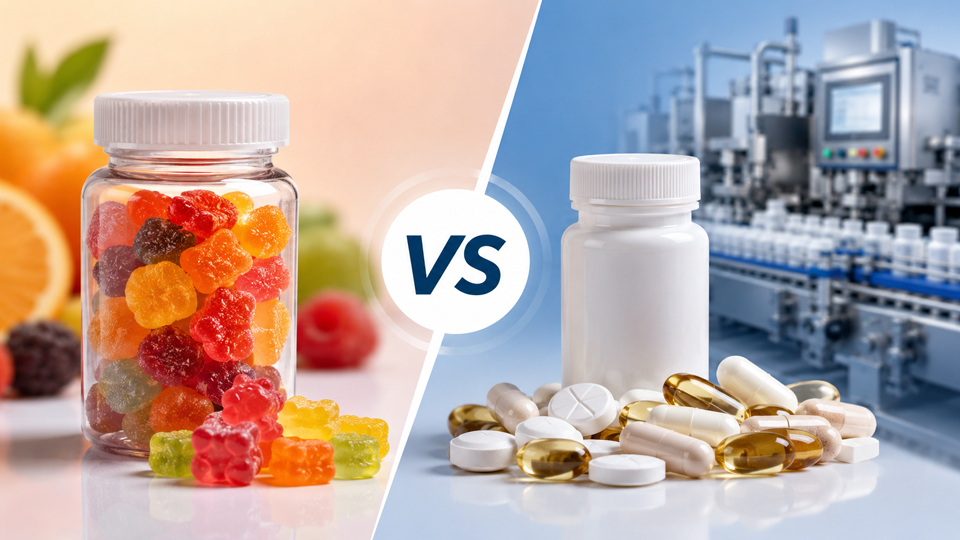
グミサプリメントの台頭により、ビタミン業界における従来の錠剤/カプセルモデルに疑問が生じています. グミはキャンディーのような味わいと飲みやすさで人気です, しかし、砂糖が添加されていることが多く、錠剤よりも時間が経つと安定性が低くなる傾向があります。. 錠剤とカプセル, 対照的に, より長い保存期間と正確な投与精度で、より多くの栄養素を投与できます。. この記事で比較するのは ビタミングミ vs 錠剤 吸収という意味では, ユーザーエクスペリエンス, 安定性, 糖度, 投与量, と保存期間. グミがブームの理由を考察 (特に子供たちの間では, 高齢者と外出先市場), 錠剤が好まれる場合 (高用量および厳格なコンプライアンス向け), メーカーが各形式をどのようにパッケージ化するか. 計数機などの機器の役割も紹介します, フィラー, キャッパーとラベラー サプリメント包装ライン, Jinlu Packing のソリューションの例を紹介.
ビタミングミは、ビタミンを配合したチュアブルグミキャンディです。, ミネラルやその他のサプリメント. フルーツ味のキャンディみたいです (多くの場合、クマまたはリングの形をしています) そしてゼラチンを使って, 咀嚼性を高めるためのペクチンまたはデンプンベース. グミはサプリメントをより楽しく摂取できるように設計されています. 例えば, マルチビタミングミにはビタミンCが含まれている可能性があります, DまたはB12, スナックのような味わいと色付け.
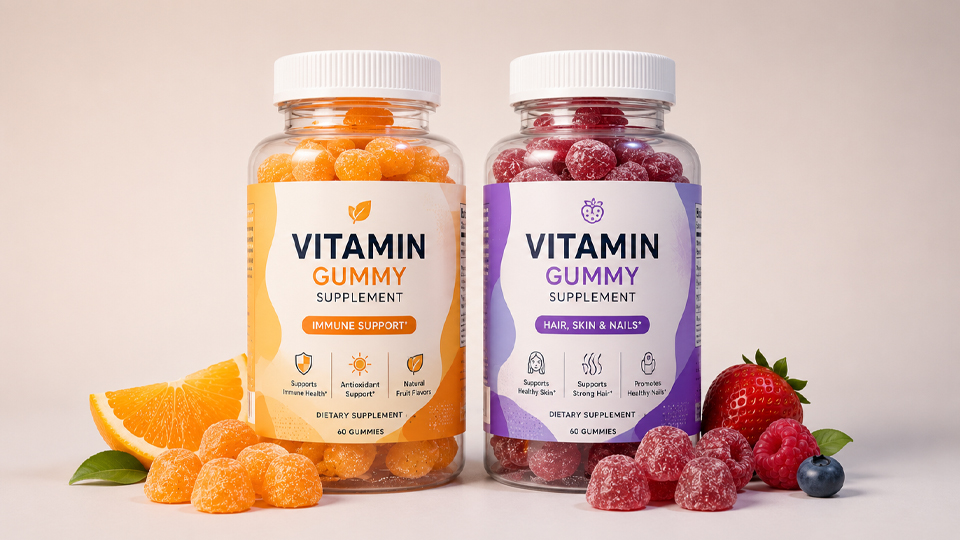
形: キャンディー状のビタミングミサプリメント. グミは、錠剤を飲み込むのが嫌いな消費者に特にアピールします。. UCLA Health が指摘しているように, グミは「キャンディーのような味」で、次の成分が含まれていないため胃に優しいです。 錠剤に含まれる結合剤. 最新のグミカウンターは幅広いサイズ範囲にも対応できます (例えば. Jinlu の機械は長さ 2 ~ 130 mm のグミを加工します). その結果、ポータブルな, 見た目も感触もおやつのようなチュアブルビタミン.
「錠剤」には錠剤も含まれます, カプセルとソフトジェル - おなじみの ソリッドフォーマット サプリメント用. 錠剤 圧縮された粉末または顆粒です (バインダー付き) 高圧下で形成される. ロータリー打錠機で出力可能 1 時間あたり数万個のタブレット. タブレットは多用途に使える: コーティングすることができます (例えば. 膜 または 砂糖でコーティングされた) 味または遅延放出のため, 成形または印刷することができます. カプセル 2つの殻の半分で構成されています (通常はゼラチンまたはHPMC) 粉末を封入しているもの, 顆粒でも液体でも. ソフトジェルカプセル 液体ビタミンまたはオイルを含む一体型のゼラチンシェルです。 (のように 魚油). 錠剤は飲み込む必要がありますが、栄養を効率よく届けます。. 適切に設計されたタブレットには、 安定した体重, 適度な硬さ, 滑らかな外観と安定した品質.
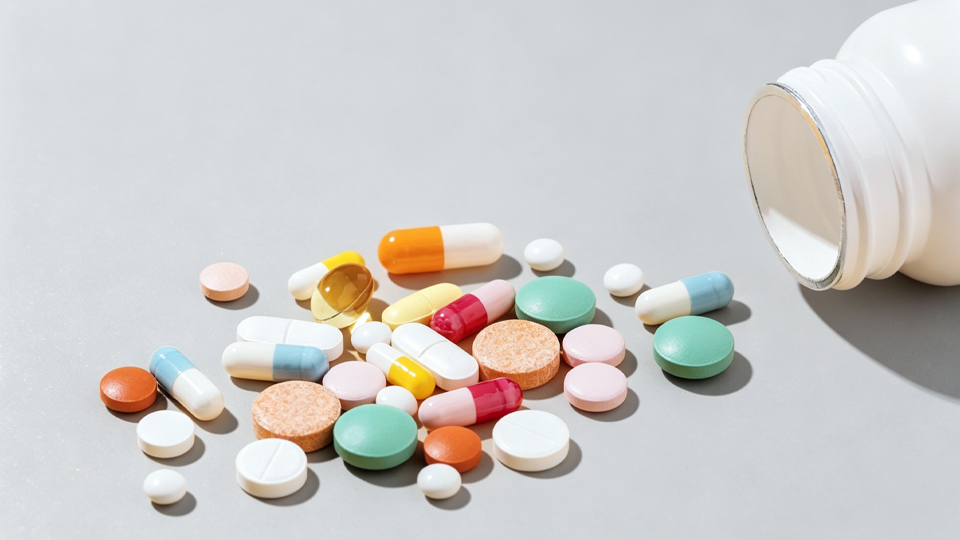
形: ビタミン剤には錠剤も含まれます, カプセルとソフトジェル. 一般に、錠剤やカプセルにはグミよりも有効成分の濃度が高くなります。. 錠剤/カプセルは圧縮またはカプセル化された固体であるため、, 適切に保管すれば、何年も効果が持続することがよくあります. 例えば, 医薬品スタイルの錠剤ラインにはブレンドを含めることができます, 顆粒, 圧縮 (打錠機) およびオプションのコーティング, その後、計数して瓶詰めする. 最新のカプセル充填機は次の処理ができます。 1時間あたり数十万個のカプセル. まとめると, 錠剤はハイスループットです, バルクメーカーが好む高用量形態.
バイオアベイラビリティに関する研究では、さまざまな結果が示されています. いくつかの研究では、栄養素の摂取量が同様である可能性があることが判明しました (あるいはそれ以上の) グミと錠剤の比較. 例えば, ある 2019 で勉強する 栄養素 ビタミンDグミは錠剤よりもわずかに優れた生物学的利用能を達成したと報告しました. 同じく, UCLA 健康ノート: 「研究によると、体はグミビタミンの栄養素を従来のビタミンの栄養素と同じくらい簡単に吸収できることがわかっています。」. これは、グミを噛むとビタミンが唾液と混ざり合うためでもあります。, 早期に吸収を開始する. しかし, グミではすべての栄養素が同じように機能するわけではありません; 水溶性ビタミンやミネラルが分解したり、グミマトリックスに浸出する可能性があります。.
実際に, グミはラベルの用量強度が低いことが多い. クリーブランドクリニックは、「ビタミングミには実際には通常のビタミンよりもビタミンやミネラルが少ない」と述べており、メーカーは時間の経過による損失を補うために「ラベルに記載されている以上のものを詰める」可能性があると指摘している。. 要するに, 適切に配合されたグミは栄養素を効果的に届けることができます, 錠剤は通常、正確な用量を保証します. テーブル:
| 側面 | グミ | 丸薬 (錠剤・カプセル) |
| 栄養成分 | 通常、単位あたりの値が低くなります; 多くの場合、劣化を相殺するために追加の追加が行われます | 高い栄養負荷; より予測可能な効力 |
| 吸収 | 多くのビタミンに匹敵する; 咀嚼中に始まります | 胃・腸内で溶解後; ほとんどのサプリメントに効果的 |
| 配合限界 | 特定のビタミンが不足する可能性がある (鉄, B12) 味・安定性のため | 広い範囲を含めることができます (敏感な活性物質であっても); コーティングマスクの味 |
| タブレット vs グミ | チュアブル, 水を必要としないかもしれない; 飲み込みにうるさい人には良い | 丸呑みした; 非常に高用量または医薬品グレードの場合に容易 |
グミが輝くのは味です. フルーティーな風味とキャンディーのような噛みごたえのある食感が特徴です。. この甘いもの, 楽しい経験がコンプライアンスを促進します, 特に子供や高齢者では. VitaMedica が指摘しているように, グミは錠剤飲み込みの問題を解決します: 「従来のサプリメントで苦労したことがあるなら、, チュアブルグミは簡単かもしれない, 便利な代替品”. 対照的に, 錠剤には不快な後味やチョーク状の質感があることがよくあります (コーティングされていない限り), カプセルが大きいか飲み込みにくい場合があります.
しかし, キャンディーのような味には欠点がある: 砂糖と添加物. ほとんどのグミには砂糖が使われています, 苦味を隠すためのフルーツジュースまたは甘味料. UCLA Health は、ほとんどのグミサプリメントに次のような効果があると報告しています。 2– 1食分当たり砂糖8グラム, 合計できるもの (AHAが推奨する <25女性の場合1日あたりg). 無糖バージョンには糖アルコールが使用されています (ソルビトール, キシリトール) または強力な甘味料, しかし、それらは敏感な人にとって消化器系の不調を引き起こす可能性があります. 錠剤には通常甘味料が含まれていません (賦形剤と結合剤のみ).
要約すれば, グミが提供するのは、 おいしい ユーザーエクスペリエンス: 簡単, 美味しい, そして楽しい. 錠剤は機能を優先します: 高用量の効率的な摂取. 多くの人にとって, 選択は好みとライフスタイルに帰着します.
安定性が大きな違いです. チュアブル形式 (グミまたはチュアブル) は 湿気を吸収しやすい. Healthline と Medical News Today はどちらも次のように述べています。 グミは劣化が早い タブレットよりも. グミに含まれる水分によりビタミンが生成されます。 (特にC, Bさん) 何か月もかけて分解したり、効力を失ったりする. メーカーはグミを「過剰に強化」することでこれに対抗している, しかし、時間の経過とともに効力はラベル表示を下回る可能性があります. 対照的に, 錠剤 (ドライ, 圧縮された) 適切に保管すれば数年間効力を維持します.
包装は保存期間を延ばすのに役立ちます. グミのボトルは通常必要です 乾燥剤と密閉性 湿気を軽減するために. 比較すると, 錠剤は、湿気の問題がはるかに少ない単純なブリスターパックまたはボトルに梱包されることがよくあります。.
グミにはほぼ必ず甘味料が含まれています. 上で述べたように, 砂糖を加えた 懸念事項です. 歯や健康の問題以外にも, 甘味料 (「天然」濃縮果汁であっても) グミあたりの栄養価を薄める. グミには、魅力的なものにするために人工の色や香料が使用されることもよくあります。. 食事制限のある人 (糖尿病, フェニルケトン尿症) または、人工成分を避けている人はグミに問題があると感じるかもしれません.
対照的に, 錠剤/カプセルには賦形剤が使用されています (フィラー, バインダー) 通常は無味で不活性です. 多くの錠剤は砂糖を含まない (コーティングされたかコーティングされていない). 砂糖不使用のグミもあります, しかし、これらはガスや下剤効果を引き起こす可能性のあるソルビトールまたはキシリトールを使用することがよくあります.
グミはキャンディーに似ているので, 消費者は時々余分に取る. 過剰摂取のリスクは現実的: ビタミンAなどの栄養素, D, e, Kや鉄などのミネラルには上限がある. UCLAが警告, 「推奨用量を超えて摂取したくなります…鉄と亜鉛が多すぎると腹痛を引き起こす可能性があります, 嘔吐かそれ以上の症状」. グミにもさまざまな効力がある可能性があります: ある研究では、グミの投与量は個々に異なる可能性があると指摘しています, レッテル貼りにもかかわらず.
錠剤とカプセルには単位あたりの用量が標準化されています. 1杯の飲み込みで正確に目的のミリグラムを摂取できます, この精度は製造時の制御が容易です. 自動化された計数ラインにより正確に保証されます, 言う, 「1ボトルあたり100錠入り」,グミは固まったりくっついたりすることがありますが、, 数を数えるのに挑戦する. (しかし, 現代のグミカウンターは達成します >99.9% 適切に設定するとカウント精度が向上します。)
上で示唆したように, 賞味期限が大きく違う. 錠剤・カプセル 通常、保存期間は 2 ~ 3 年です, 多くの場合、製造後ずっと期限切れになる. グミ, 水分と糖分で, 最良の条件下では 1 ~ 2 年しか持たないことがよくあります. 重要なポイント:
これは、小売業者と消費者がグミの在庫をより迅速に入れ替える必要があることを意味します. メーカー向け, これは、より迅速な生産から市場へのサイクルと堅牢なパッケージングを意味します。 (以下を参照してください) 品質を保つために.
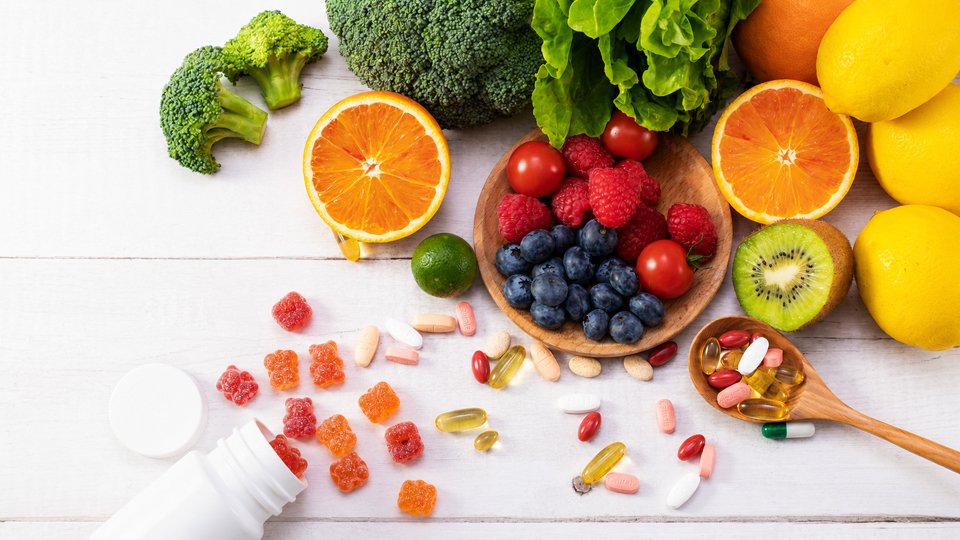
グミの隆盛は消費者の嗜好の変化によって引き起こされている. として知られる現象 「錠剤疲労」 人々はより楽しいフォーマットを求めるようになっています. グランビアが指摘するように, 多くの消費者は現在、錠剤は魅力的ではないと感じています, 「新しい」運転, 利便性に応える楽しいサプリメント形式, 味, そしてパーソナライゼーション」. 市場動向がこれを示しています:
要するに, 消費者の楽しみに対する需要, 味付きのサプリメントは高い. サプリメント市場も反応している: マルチビタミングミは数十億ドルのカテゴリーに成長, 業界レポートでは引き続き高成長が予想されています (例えば. グランビアは、世界のグミサプリメント市場が2020年までに3倍近く増加すると予測 2034). グミはニッチからメインストリームへ, この錠剤疲労の傾向と幅広い人口統計の魅力によって促進されています.
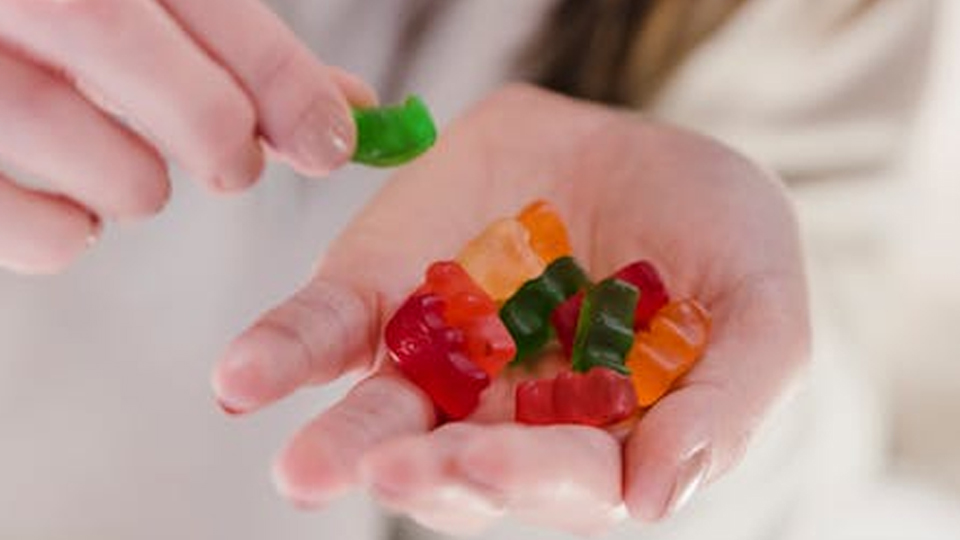
ビタミングミが効果的 適切に配合され摂取された場合, しかし、それらには制限があります. 主な考慮事項:
実際に, ビタミングミは効果がある, 特に小さな栄養ギャップを埋めるために. 覚えておいてください: 高効力錠剤の完全な代替にはならない可能性があります, バランスの取れた食事を補う必要があります. 常に指示に従って保管してください (いいね, ドライ) 一日の摂取量を計画する際には糖分に注意してください.
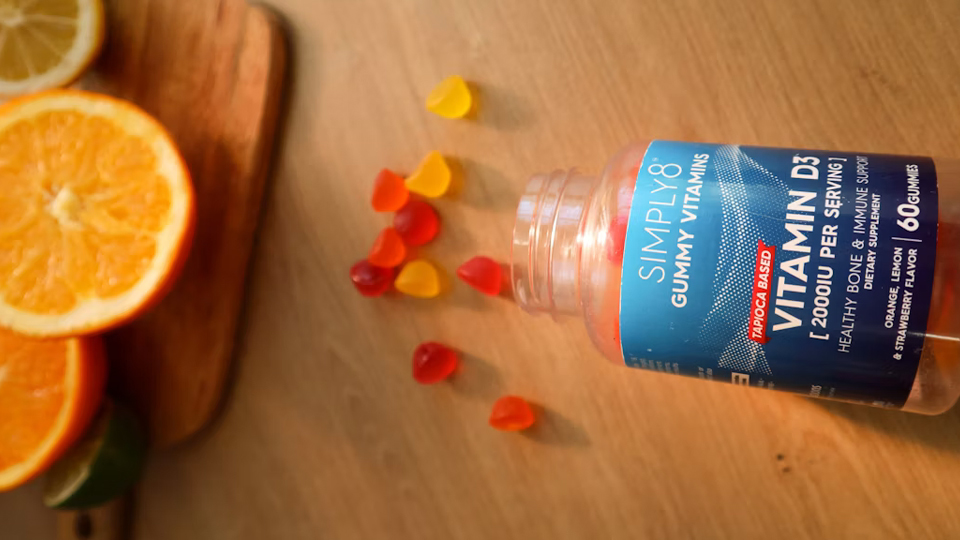
要するに, グミはおいしいサプリメントを必要とする人に適しています. 利便性とコンプライアンスが非常に高用量の必要性を上回る場合に選択する必要があります。.
制作の観点から, グミと錠剤には異なる課題があります:
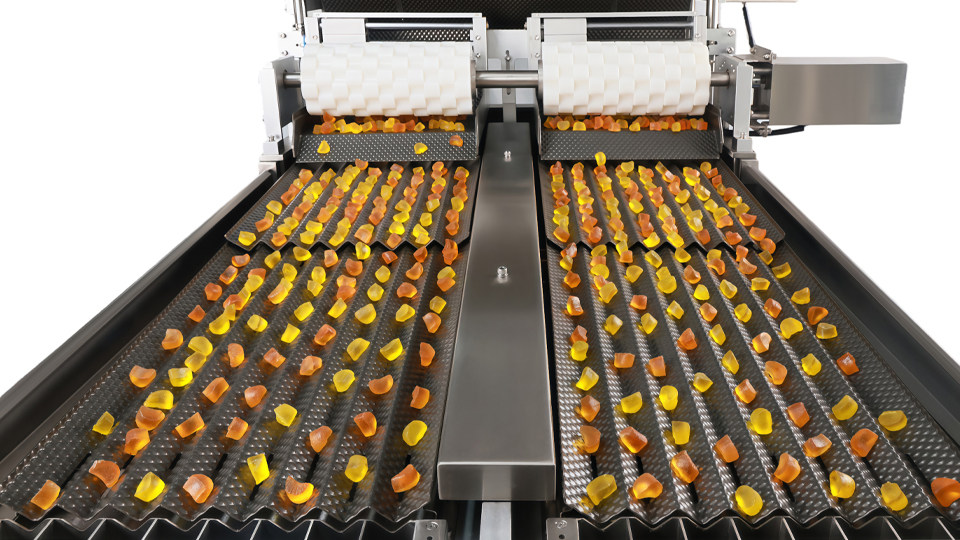
形: グミ計数機は振動ローラー上で個数を分離し、計数します。 (画像: ジンルパッキング). 統合が鍵. オリジナルのジンルノート, 現代のグミカウンターは 「統合準備完了」 – 上流のボトルスクランブラーと下流のキャッパーと接続します。, 誘導シーラー, そしてラベラー. 実際に, 完全に自動化されたグミ包装ラインは、ボトルのスクランブラーから充填までを移動します (カウント) 投薬まで (乾燥剤) 手動介入なしでキャッピングとラベル付けが可能. 錠剤用, 類似の線が存在する: タブレットカウンターがボトルを充填します, その後、キャッパーがキャップを締めます, ホイルシーラーはシールを貼り付けることができます, ラベルを付けてプロセスは終了します.
関連機器 (ジンルの例):
各機器の詳細については、Jinlu サイトにリンクしてください。. これらのツールは、メーカーがいずれかの形式の生産をスケールするのに役立ちます.
万能の「最適な」ビタミン形式はありません. グミ 味で勝つ, 多くの層にとっての利便性とコンプライアンス, ただし、効力と保存安定性はトレードオフになります. 丸薬 最大限の栄養素を届ける, より長い保存期間と投与精度, しかし、飲み込むのが難しくなり、楽しくなくなる可能性があります. メーカーはターゲット顧客を考慮する必要がある: 味と利便性が最優先なら (例えば. グミや子供のビタミン剤として), グミの形式は、課題はあるものの理にかなっています. 高用量または厳格な規制が必要な場合, 錠剤/カプセルが引き続き主力製品.
包装設備 ギャップを埋める: 自動カウント, 充填およびシーリングラインにより、どちらのフォーマットでも大規模に生産できることが保証されます. Jinlu の範囲 - ~ グミカウンターとボトルラインから打錠機とブリスターマシンまで—現代のサプリメント工場がどのようにしてどちらの市場にも適応できるかを示しています. それぞれのフォーマットのメリット・デメリットを理解した上で (ビタミングミ vs 錠剤), 業界のバイヤーは、顧客のニーズに合わせて適切な製品や機器を選択できます.
ビタミングミは必ずしも錠剤より優れているわけではありません, しかし、多くの場合、それらは摂取するのがより簡単で楽しいものです. グミは継続的に摂取する可能性が高いため、サプリメントのコンプライアンスを向上させることができます. 丸薬, 一方で, 通常、栄養の安定性が向上します, より長い保存期間, より高い投与容量.
一部のグミ状ビタミンはより早く溶解し、より早く消化器系に入る可能性があります。, 特にビタミンDやB12などの特定の栄養素. しかし, ほとんどの場合, 製品が正しく製造されていれば、グミと錠剤の全体的な吸収の差は比較的小さくなります。.
ビタミングミは味が良いため人気になっています, 消費しやすい, そして「錠剤疲労」を軽減します。多くの消費者は、従来のサプリメントというよりスナックのような感覚があるため、グミを好みます。. ソーシャルメディアのウェルネストレンドとパーソナライズされた栄養製品も市場の需要を加速させています.
はい. 高品質のビタミングミは、適切な栄養素が含まれ、適切に保存されていれば、成人にとっても効果的です. 多くの成人は、利便性と毎日の一貫性の向上のためにグミサプリメントを選択しています.
ほとんどのビタミングミには何らかの甘味料が含まれています, 砂糖などの, グルコースシロップ, または天然フルーツ濃縮物. しかし, 現在、多くのメーカーがクリーンラベルや健康志向の消費者の需要に応えるために、無糖のビタミン剤グミを提供しています。.
グミのビタミンには以下の効果がある可能性があります:
• 保存期間が短い
• 栄養素の安定性が低い
• 高用量の製剤能力が制限されている
• 熱と湿気に対する感度が高い
• 追加の砂糖または香料成分
これらの要因により、製造および梱包プロセスにさらなる課題が生じる可能性があります.
ビタミン剤のほうが良い場合が多い:
• 高用量サプリメントのユーザー
• 専門的な栄養プログラム
• スポーツ栄養アプリケーション
• 砂糖を気にする消費者
• 長期保管要件
錠剤とカプセルは製薬メーカーにとってより正確な用量制御も提供します.
はい. グミサプリメントの製造は一般に、従来の錠剤の製造よりも複雑です. グミには厳密な水分管理が必要, 温度管理, 正確な入金システム, 冷却トンネル, 固着や変形を防ぐ専用の包装設備を備えています。.
一般的なビタミングミ包装装置には次のものがあります。:
• グミ計数機
• ボトル充填ライン
• 乾燥剤インサーター
・キャッピングマシン
• ラベリングシステム
・誘導シール機
グミ製品は湿気や熱に弱いため、適切な梱包が重要です。.
グミには通常、特別なラインが必要です: グミ計数機 (粘着部分を分離する) 次に乾燥剤を挿入します, キャッピングとラベル付け. 錠剤は、湿気管理の必要性が少なく、標準的な錠剤カウンターや瓶詰め機、ブリスター機を通過できます。. Jinlu は両方のタイプの統合ラインを提供します.
参考文献:
1.ビタミングミは効果があるのか? メリットとデメリット —— ヘルスライン
2.グミのビタミンは従来のビタミンと同じように機能しますか? —— クリーブランドクリニック
3.ビタミングミと錠剤の比較. それは本当に重要ですか? —— レディット
4.栄養補助食品: 疑わしい値, 隠れた危険 —— ハーバードヘルス出版