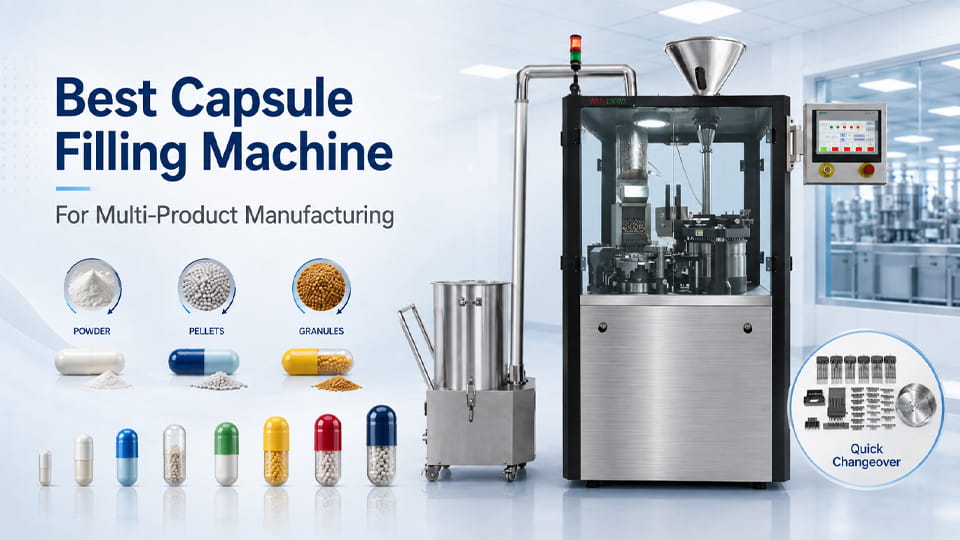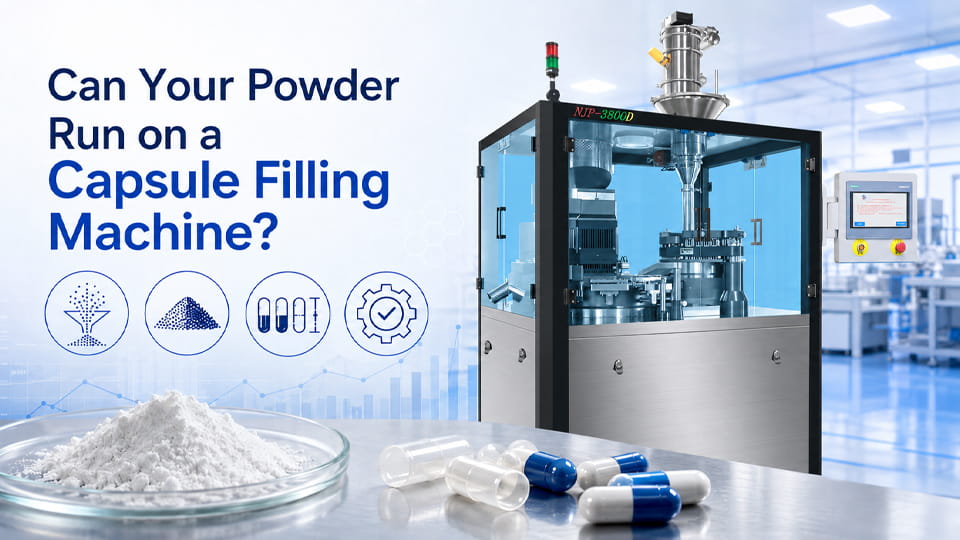

Avant de discuter des matériaux des capsules, méthodes de fabrication, ou équipement d'emballage, il est utile de comprendre ce que capsules vides le sont réellement et pourquoi ils sont si largement utilisés. Des médicaments sur ordonnance aux nutraceutiques et suppléments à base de plantes, les capsules vides offrent aux fabricants pharmaceutiques une solution flexible, précis, et solution posologique efficace. Leur compatibilité avec le remplissage automatisé des capsules et lignes de conditionnement en fait également un élément essentiel de la production pharmaceutique moderne. Que vous sélectionniez des capsules de gélatine vides, évaluer les alternatives à base de plantes, ou planifier une nouvelle ligne de conditionnement de capsules, comprendre les principes fondamentaux vous aidera à prendre de meilleures décisions en matière de production et d'achat.

Dans la fabrication pharmaceutique, capsules vides (également appelées capsules vierges ou capsules de pilules vides) sont les coquilles creuses de base utilisées pour créer des formes posologiques. Ils servent de conteneurs pour les poudres, granules ou pastilles de médicaments et suppléments. Une capsule vide se compose généralement de deux parties principales – le capuchon et le corps – qui s'ajustent et verrouiller ensemble former une coque fermée. (La casquette est la moitié supérieure la plus courte, et le corps est la moitié inférieure la plus longue.) Les conceptions de capsules modernes incluent un mécanisme de verrouillage (tels que des anneaux d'arrêt assortis ou des rainures sur le capuchon et le corps) pour garantir que la capsule reste bien fermée après le remplissage. Cela empêche la capsule de s'ouvrir accidentellement pendant le traitement., expédition ou manutention.
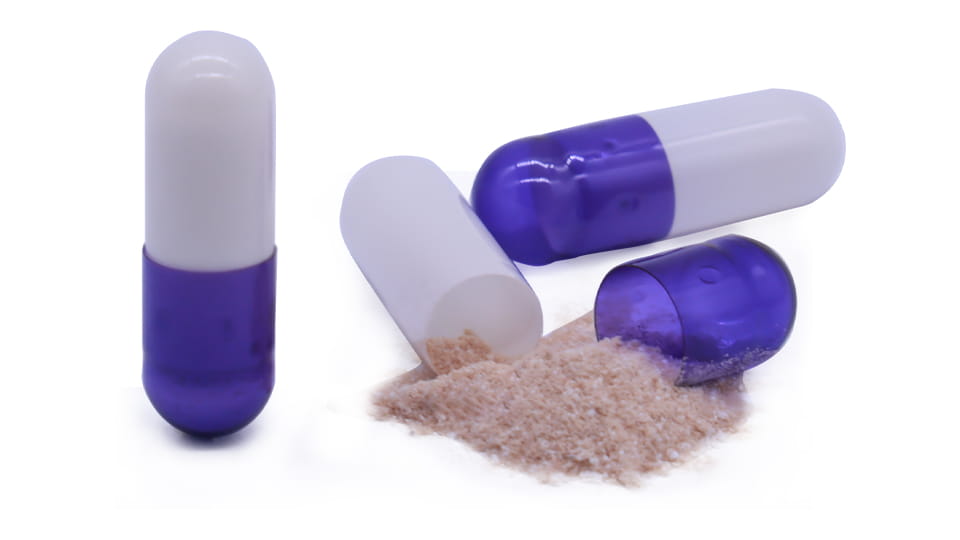
En pratique, les capsules vides servent de support pratique « navire vide » pour la médecine. Ils sont généralement constitués de gélatine ou de matériaux à base de plantes, et sont chargés de API ou suppléments pendant la production. Après avoir rempli, le capuchon et le corps s'emboîtent pour maintenir le contenu en sécurité. Au microscope, tu peux voir le capuchon de la capsule, corps de la capsule, et souvent un anneau imbriqué ou double pression conception à la jointure (comme indiqué ci-dessous):
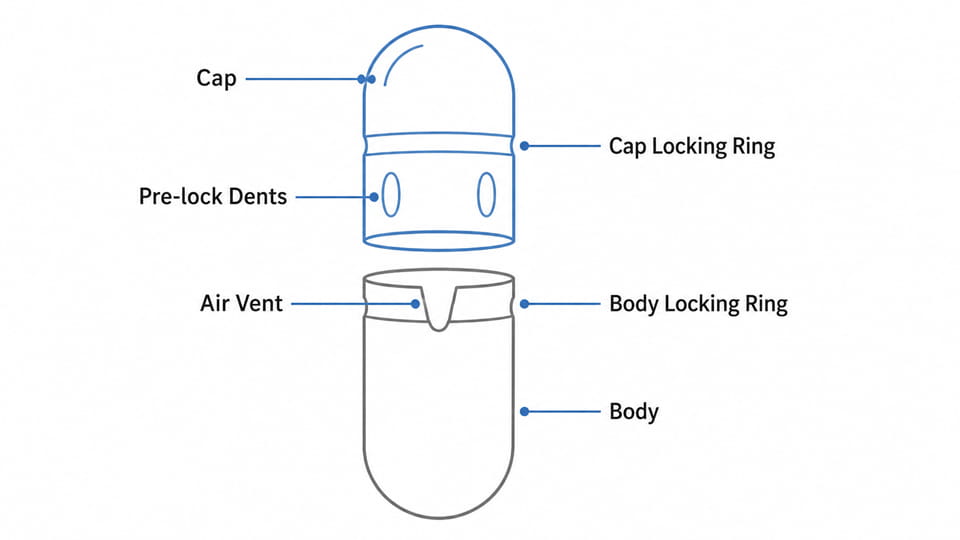
En résumé, une capsule vide est une coque prête à remplir composée d'un capuchon et d'un corps qui s'enclenchent ou se verrouillent ensemble. Ces coques dures sont suffisamment élastiques pour être assemblées mais suffisamment rigides pour survivre aux lignes de remplissage et d'emballage à grande vitesse.. Ils sont livrés pré-assemblés ou sous forme de capuchons et de corps individuels (souvent fourni en barquettes en vrac), et sont remplis à des étapes distinctes dans l'usine.
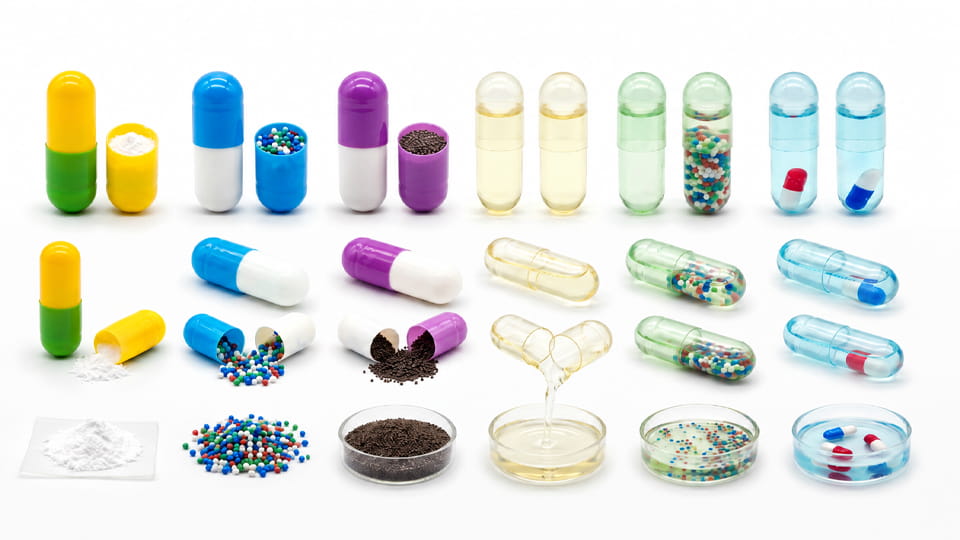
Il existe plusieurs types de capsules vides, se distinguent principalement par leur matériau de la coque. Les plus courants sont:
L’industrie pharmaceutique moderne s’est étendue au-delà de la gélatine animale. « À mesure que la science et la technologie ont progressé, de nouveaux matériaux et des améliorations de processus ont conduit au développement de capsules vides en HPMC, amidon hydroxypropylique, et pullulane, en plus de la gélatine”. En pratique, quand quelqu’un demande des « capsules de gélatine vides », ils désignent généralement des capsules dures en deux parties du matériau commun. Mais les fournisseurs de capsules proposent aujourd’hui les deux gélatine et HPMC (végétarien) gélules dans une gamme de couleurs et de tailles pour répondre à différents besoins. (Lors de la commande, vous pouvez aussi les voir appelés capsules de pilules vides, capsules de médicaments vides, ou coquilles de capsules vides.)
Chaque matériau a des avantages et des inconvénients. La gélatine est traditionnelle, peu coûteux et se dissout facilement, mais ne convient pas aux végétariens stricts. Le HPMC et d’autres options végétaliennes coûtent un peu plus cher mais conviennent à une base de consommateurs plus large.. Le Pullulan a une très bonne protection contre l'humidité, ce qui peut améliorer la durée de conservation de certains médicaments ou suppléments.

Les capsules vides sont présentées dans un gamme de tailles pour s'adapter à différents volumes de dose. Les tailles standards sont numérotées de 000 (le plus grand) jusqu'à 5 (le plus petit). Taille 000 est très grand – environ 1.37 Volume interne en mL – alors que la taille 5 est minuscule (~0,21 ml). Choisir le bon taille des capsules dépend du remplir le poids et densité de la poudre ou des granulés:
Tableau 1 Tailles typiques des capsules de gélatine dure
| Désignation de la taille | Volume de remplissage (ml) | Volume de remplissage (once) | Hauteur de la capsule verrouillée (mm) | Diamètre extérieur (mm) |
|---|---|---|---|---|
| 000 | 1.37 | 1/20 | 26.1 | 10.0 |
| 00 | 0.95 | 1/30 | 23.3 | 8.5 |
| 0 | 0.68 | 1/40 | 21.7 | 7.7 |
| 1 | 0.50 | 1/55 | 19.4 | 6.9 |
| 2 | 0.37 | 1/75 | 18.0 | 6.4 |
| 3 | 0.30 | 1/100 | 15.9 | 5.8 |
| 4 | 0.21 | 1/135 | 14.3 | 5.3 |
| 5 | 0.13 | 1/220 | 11.1 | 4.9 |
Le volume de remplissage de chaque taille est généralement fourni par le fabricant de capsules. Par exemple, un graphique standard montre volumes de capsules de 1.37 ml (taille 000) jusqu'à 0.21 ml (taille 5). Ce volume correspond à un certain poids basé sur la densité de la poudre. En fait, Tableau 2.1 dans une référence pharmaceutique répertorie les volumes et les poids approximatifs pour différentes tailles en fonction des densités tapotées typiques. Lors de la formulation, les fabricants calculent la taille de capsule nécessaire en fonction du poids de dose cible et de la densité du matériau. (densité du robinet de poudre).
Applications par taille: Nutraceutiques (comme des multivitamines ou des suppléments à base de plantes) utilisez souvent des capsules plus grosses (0 ou 000) parce qu'ils ont besoin de fournir de grandes quantités d'herbes ou de vitamines. De nombreux comprimés transformés en gélules (sur-encapsulation pour les essais cliniques) utiliser des capsules de tailles standard 1 ou 0. Inversement, très petites capsules (tailles 3 à 5) pourrait être utilisé pour des médicaments très puissants, ou pour une déglutition facile par les enfants.
En résumé, des capsules vides sont disponibles dans tailles 000 à 5. Une ligne directrice générale est: plus le nombre est petit, plus la capsule est grande (c'est à dire. 000 est le plus grand, 5 est le plus petit). Les fabricants et les fournisseurs de capsules fournissent tableaux de tailles afin que les formulateurs puissent choisir une capsule qui répond aux exigences de volume de la dose prévue. Une sélection de taille appropriée garantit que chaque capsule contient la quantité correcte d'API pour un dosage cohérent.
Coquilles de gélules vides (corps et capuchons de capsules) sont produits par un procédé de revêtement par trempage. Les étapes de base sont les suivantes (voir les références pharmaceutiques cliniques pour plus de détails):
Toutes ces étapes de fabrication sont automatisées et étroitement contrôlées pour la qualité. En fait, un guide de fabrication de capsules publié résume ces étapes: "Étape 1: préparation d'une solution de gélatine; Étape 2: revêtement par trempage sur des broches métalliques; Étape 3: rotation des broches revêtues; Étape 4: séchage des épingles enduites; Étape 5: décapage et parage; Étape 6: assemblage de l'enveloppe de la capsule découpée; Étape 7: impression". (Étape d'impression: Après assemblage, les capsules sont souvent imprimées avec des codes de produits ou des logos, puis inspecté et emballé.)
Tout au long de ce processus, extensif contrôle de qualité des contrôles sont effectués (force de floraison de la gélatine, viscosité, limites microbiennes, etc.) pour assurer des coquilles uniformes. Les lignes de capsules modernes peuvent fabriquer des millions de coquilles par jour, avec un poids et des dimensions très cohérents.
Lors de la sélection d'un type et d'une taille de capsule, considérez d’abord l’ingrédient actif et la formulation, puis la méthode de production.
Choisissez par ingrédient/formulation:
Choisissez par équipement et échelle:
En résumé, choisissez le matériau de la capsule qui correspond à votre API (stabilité, besoins alimentaires) puis choisissez la taille de capsule pour votre dose. Assurez également la compatibilité avec vos équipements de remplissage (manuel vs. automatique). Remplisseurs de capsules modernes (comme ceux de Jinlu) sont conçus pour gérer tous les types de capsules standard. Par exemple, les configurations testées montrent que la gélatine, Les coques HPMC et pullulane fonctionnent toutes sans problème sur les mêmes machines à grande vitesse.
Les capsules vides sont utilisées dans de nombreuses industries. Les applications clés incluent:

Ces exemples montrent la polyvalence des capsules vides. Il s'agit d'une forme galénique universelle pour tout produit en poudre ou en granulés qui doit être avalé à une dose précise..
Le remplissage des capsules vides avec du produit peut se faire de plusieurs manières, selon l'échelle:


Dans toutes les méthodes de remplissage, un soin particulier est apporté aux poudres très légères ou collantes (améliorants de débit, lubrification). Dépoussiérage et contrôle électrostatique (ioniseurs) sont importants pour la sécurité de l’opérateur et la précision du remplissage. Pour les grandes opérations, Les machines de remplissage de gélules sont un élément clé de la chaîne de processus : elles transforment les « capsules vides » en produits finis à grande échelle..
Une fois les capsules remplies, les formes posologiques doivent être conditionnées de manière efficace. Il y en a quelques-uns solutions d'emballage courantes pour les gélules:
En pratique, une usine pharmaceutique peut combiner ces solutions. Par exemple, une ligne de production à grande vitesse pourrait commencer par un charge de capsule automatique, puis acheminer les capsules vers une machine de comptage-bouchage, et enfin envoyer les bouteilles chez un encartonneur. Alternativement, pour doses unitaires, les capsules du remplisseur vont à une machine blister en ligne.
Point clé: L'équipement d'emballage doit être choisi en fonction des capsules. Les machines à blister doivent gérer la taille et la forme des capsules (pour assurer une alimentation fiable dans les cavités). Les machines à compter doivent être compatibles avec les exigences de fragilité et de vitesse des capsules. De nombreux vendeurs de machines (comme Jinlu) offre de personnalisation: par exemple, ajuster les mangeoires ou les guides de goulotte en fonction de la taille et du matériau de votre capsule. Comme le fabricant l'annonce, leurs blisters sont construits selon les normes GMP et peuvent emballer des comprimés, gélules, et d'autres formes à grande vitesse.
Finalement, lignes de conditionnement intégrées – combinant le remplissage de capsules, compte, cloquage/bouchage, et cartonnage – fournissent la solution la plus efficace pour la production à grande échelle. Ils automatisent le flux de la capsule vide au produit fini emballé.
Capsules vides (les coques en deux parties pour pilules et suppléments) sont un élément fondamental de la production pharmaceutique. Comprendre leurs matériaux, tailles, et caractéristiques de conception (comme des mécanismes de verrouillage) vous aide à choisir la bonne coque pour votre produit. Il est tout aussi important de connaître le processus de fabrication et de remplissage.: les capsules sont fabriquées par trempage (gélatine/HPMC) puis rempli sur des machines automatisées qui séparent, dose, et fermez chaque capsule. Enfin, un emballage approprié – via des blisters ou des lignes de comptage – garantit que les capsules remplies restent intactes et conformes tout au long de la distribution.
Si vous êtes un fabricant pharmaceutique ou nutraceutique à la recherche d’un équipement fiable, envisagez un fournisseur de solutions unique qui comprend les capsules. Des entreprises comme Jinlu Packing proposent des lignes intégrées de remplissage et d'emballage de capsules qui répondent aux normes cGMP.. Ils peuvent vous aider à adapter la ligne à votre type de capsule spécifique et à vos besoins de sortie.. Contactez un expert dès aujourd'hui pour discuter de la manière de rationaliser la production et le conditionnement de vos capsules.
Les capsules vides sont des enveloppes de capsules vides utilisées pour contenir des ingrédients pharmaceutiques., poudres, granulés, ou des suppléments nutritionnels. Ils sont généralement constitués d'un capuchon de capsule, corps de la capsule, et mécanisme de verrouillage, permettant aux fabricants de produire des formes posologiques orales précises et pratiques.
Les gélules sont généralement fabriquées à partir de gélatine (d'origine animale) ou des alternatives végétariennes comme le HPMC (cellulose) et pullulane (fécule de tapioca fermentée). En pratique, « capsule vide » fait généralement référence à l'une de ces coques en deux parties prêtes à être remplies..
Les principaux types de capsules vides comprennent les capsules de gélatine dure, Capsules HPMC, et capsules de pullulane. Les capsules de gélatine dure sont couramment utilisées pour les médicaments pharmaceutiques, tandis que les HPMC et les capsules à base de plantes sont populaires pour les produits nutraceutiques et végétariens..
Les principaux types de capsules vides comprennent les capsules de gélatine dure, Capsules HPMC, et capsules de pullulane. Les capsules de gélatine dure sont couramment utilisées pour les médicaments pharmaceutiques, tandis que les HPMC et les capsules à base de plantes sont populaires pour les produits nutraceutiques et végétariens..
Les capsules vides sont disponibles en différentes tailles, y compris 000, 00, 0, 1, 2, 3, 4, et 5. Des tailles plus grandes telles que 000 et 00 sont souvent utilisés pour les suppléments, tandis que des formats plus petits sont couramment utilisés pour les médicaments pharmaceutiques nécessitant des doses plus faibles..
Les tailles de coque dure les plus courantes dans l'industrie pharmaceutique et les suppléments sont les tailles 0 et 1. Ceux-ci offrent un bon équilibre entre volume de remplissage et capacité d'avalabilité.. (Cependant, les formules à très haute dose peuvent utiliser 00 ou 000, et les doses pédiatriques peuvent utiliser la taille 3 à 5.)
Les capsules standard en deux parties sont conçues pour les solides (poudres, granulés). Ils peuvent fuir avec des remplissages liquides. Pour huiles ou liquides, des capsules molles ou des capsules liquides spécialisées sont généralement utilisées. (Note: il existe une technologie de capsules dures remplies de liquide, mais ceux-ci utilisent toujours une barrière anti-poudre à l'intérieur.)
Les capsules correctement conservées ont une longue durée de conservation. Les capsules de gélatine et de HPMC peuvent durer plusieurs années (souvent 2 à 5 ans) si conservé hermétiquement au frais, conditions sèches. Au fil du temps, la perte ou le gain d’humidité peut les affecter, les recommandations de stockage doivent donc être suivies.
Les capsules vides sont fabriquées en plusieurs étapes, y compris la préparation des matières premières, formation de la coque de la capsule, séchage, inspection de la qualité, et emballage. Le processus garantit une taille de capsule constante, force, et qualité pour la production pharmaceutique.
Oui. En raison des matières premières et de la transformation, Les capsules HPMC et pullulane coûtent beaucoup plus cher à fabriquer que les capsules de gélatine. Cela se reflète dans le prix des capsules végétariennes vides.
Références:
1.Capsules de gélatine dure: Formulation & Fabrication —— étudelib.net
2.Capsule de gélatine dure verrouillable —— Brevets Google
3.Capsules HPMC: situation actuelle et perspectives d'avenir —— Bibliothèque nationale de médecine
4.Capsules de gélatine dure —— pharmacie180.com
5.Un examen complet sur: Capsule —— Revue internationale des sciences pharmaceutiques (IJPS)