

Trong sản xuất dược phẩm, vệ sinh thiết bị hiệu quả là điều cần thiết để duy trì chất lượng sản phẩm và ngăn ngừa lây nhiễm chéo giữa các lô. Một thiết kế tốt Làm sạch xác nhận giúp nhà sản xuất chứng minh rằng quy trình làm sạch của họ có thể loại bỏ cặn sản phẩm một cách nhất quán và đáp ứng Yêu cầu GMP. Dành cho đội sản xuất và người mua thiết bị, lựa chọn máy móc dược phẩm với thiết kế dễ làm sạch cũng có thể giúp việc xác nhận dễ dàng hơn, giảm thời gian ngừng hoạt động, và nâng cao hiệu quả sản xuất tổng thể.
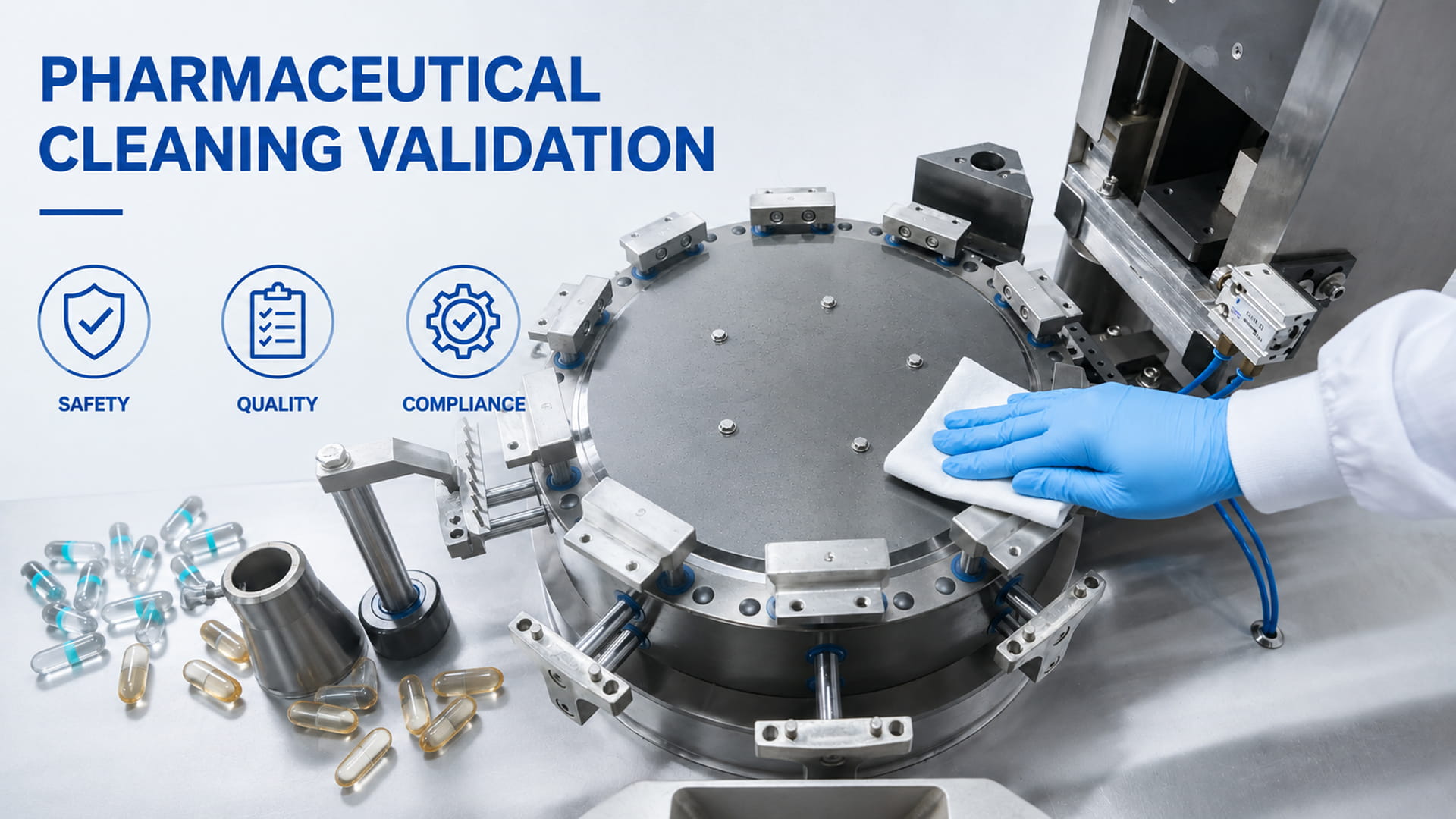
Nói một cách đơn giản, Làm sạch xác nhận cung cấp bằng chứng khách quan cho thấy quy trình làm sạch luôn đáp ứng các tiêu chuẩn được xác định trước. Như một nguồn tin trong ngành đưa ra, xác nhận làm sạch là một “có giấy tờ bảo đảm” việc làm sạch có thể được thực hiện một cách đáng tin cậy và lặp đi lặp lại để đạt được mức độ sạch đã xác định trước. Trong thực tế, điều này có nghĩa là cho thấy dư lượng của các sản phẩm trước đó, chất tẩy rửa, và vi khuẩn được loại bỏ đến mức chấp nhận được trên tất cả các bề mặt tiếp xúc với sản phẩm.
Cơ quan quản lý đồng ý. Ví dụ, của FDA 21 CFR 211.67(Một) yêu cầu mọi thiết bị (chuyên dụng hoặc đa dụng) được “làm sạch… để ngăn chặn… sự ô nhiễm có thể làm thay đổi sự an toàn, danh tính, sức mạnh, chất lượng, hoặc độ tinh khiết của thành phẩm thuốc”. WHO giải thích tương tự rằng mục tiêu của việc xác nhận vệ sinh là để chứng minh thiết bị luôn được làm sạch sản phẩm., chất tẩy rửa, và tồn dư vi sinh vật ở mức chấp nhận được để ngăn ngừa ô nhiễm và ô nhiễm chéo. Nói cách khác, Xác nhận vệ sinh là về sự an toàn của bệnh nhân: đảm bảo một lô sản phẩm không thể “chuyển sang” và làm ô nhiễm lô tiếp theo.
Một chương trình xác nhận vệ sinh kỹ lưỡng mang lại niềm tin cho nhà sản xuất (và sự đảm bảo của cơ quan quản lý) cái đó lây nhiễm chéo được kiểm soát. Không có nó, dư lượng của một tiềm năng API hoặc chất gây dị ứng từ một lô có thể có trong sản phẩm tiếp theo, có khả năng gây hại cho bệnh nhân hoặc gây ra nhớ lại. FDA tuyên bố rõ ràng rằng các công ty “phải xác nhận rằng quy trình làm sạch là đầy đủ để đảm bảo không xảy ra lây nhiễm chéo”. Điều này đặc biệt quan trọng trong cơ sở đa sản phẩm (phổ biến ở CDMO và các nhà sản xuất bổ sung). Hướng dẫn của WHO nhấn mạnh rằng việc xác nhận việc vệ sinh là đặc biệt quan trọng trong các nhà máy đa sản phẩm, và phải được áp dụng cho tất cả các thiết bị sản xuất và quy trình vệ sinh.
Ngoài ô nhiễm, xác nhận làm sạch là về việc đảm bảo chất lượng sản phẩm. Nếu thiết bị không được vệ sinh đúng cách, hóa chất còn sót lại hoặc sự phát triển của vi sinh vật có thể làm tổn hại đến danh tính, sức mạnh, và sự tinh khiết của các đợt tiếp theo. Tóm lại, Xác nhận vệ sinh bảo vệ chất lượng sản phẩm và sức khỏe bệnh nhân. Đó cũng là một quy định phải. Cho dù bạn thuộc thẩm quyền của FDA (21 Phần CFR 211) hoặc EU GMP (EMA/I), cơ quan có thẩm quyền yêu cầu xác nhận việc làm sạch bằng văn bản như một phần của chương trình GMP hoàn chỉnh. Việc không xác nhận việc vệ sinh có thể dẫn đến thư cảnh báo, sản phẩm giữ, và thậm chí còn nhớ lại.
Yêu cầu quy định: FDA, Ema, AI, PIC/S. Tất cả các nguyên tắc chính đều yêu cầu xác nhận việc làm sạch, nhưng với sự nhấn mạnh hơi khác. trong CHÚNG TA, CGMP của FDA (Tiêu đề 21 CFR 211.67) đưa ra yêu cầu cơ bản: thiết bị phải được làm sạch để ngăn ngừa ô nhiễm chéo. Hướng dẫn của FDA khuyến nghị sử dụng các phương pháp lấy mẫu và phân tích hiệu quả để chứng minh độ sạch. Đáng chú ý, FDA làm rõ rằng “rửa sạch một mình… sẽ không được chấp nhận” để xác nhận; các công ty nên trực tiếp lau bề mặt khi khả thi. Trong thực tế, điều này có nghĩa là bạn thường kết hợp lấy mẫu bằng tăm bông và rửa sạch để bao phủ tất cả các khu vực.
trong EU, EMA Phụ lục EU GMP 15 (2015) và hướng dẫn của EMA yêu cầu xác nhận việc vệ sinh như một phần của quá trình xác thực quy trình. Phụ lục 15 nêu rõ ràng “Việc xác nhận việc làm sạch phải được thực hiện để xác nhận tính hiệu quả của bất kỳ quy trình làm sạch nào đối với tất cả các thiết bị tiếp xúc với sản phẩm.”. Nó cũng nói rằng giới hạn mang theo phải được chứng minh bằng các nghiên cứu về độc tính (dựa trên sức khỏe) sự đánh giá. Nói cách khác, xác định tiêu chí chấp nhận của bạn một cách khoa học (xem bên dưới) và ghi lại lý do. Cách tiếp cận của EU nhấn mạnh dựa trên rủi ro, dựa trên sức khỏe chiến lược: tính toán kết chuyển tối đa cho phép (dễ thương) hoặc Tiếp xúc hàng ngày được phép (PDE) giá trị dư lượng hoạt động.
WHO và PIC/S cũng đưa ra hướng dẫn. Các TRS GMP của WHO 1019 (2019) Phụ lục khi xác thực chỉ ra rằng xác thực dọn dẹp “cung cấp bằng chứng bằng văn bản rằng quy trình vệ sinh được phê duyệt sẽ cung cấp thiết bị sạch, phù hợp với mục đích sử dụng”. Tài liệu này của WHO (một tài liệu tham khảo chung trên toàn thế giới) nhấn mạnh rằng việc xác nhận việc dọn dẹp là không cần thiết đối với việc dọn dẹp tầm thường (tầng, bức tường) Nhưng là cần thiết cho thiết bị tiếp xúc sản phẩm quan trọng trong các nhà máy đa sản phẩm. Ủy ban PIC/S (một tập đoàn các cơ quan quản lý) tương tự như vậy, xác định việc xác nhận việc làm sạch là bằng chứng cho thấy dư lượng sẽ được loại bỏ “dưới mức tối đa cho phép được thiết lập một cách khoa học”.
Cùng nhau, những nguồn này thiết lập yếu tố thiết yếu: xác định giới hạn dư lượng chấp nhận được, phát triển các quy trình làm sạch mạnh mẽ, lấy mẫu bằng các phương pháp đã được xác nhận, phân tích bằng các xét nghiệm thích hợp, và chứng minh từng bộ phận của thiết bị có thể được làm sạch một cách nhất quán theo các giới hạn đó.
Xác nhận làm sạch về cơ bản là một dự án. Dưới đây là phác thảo từng bước của quy trình điển hình:
Hướng dẫn của FDA rõ ràng rằng “Chỉ rửa sạch sẽ không được chấp nhận” là phương pháp xác minh duy nhất. Trong thực tế, sử dụng sự kết hợp giữa mẫu gạc và mẫu rửa. Chọn vị trí lấy mẫu đại diện trên từng thiết bị (thường là những điểm khó làm sạch nhất). Trước khi thử nghiệm, xác nhận rằng các phương pháp lấy mẫu của bạn thu hồi đủ dư lượng mục tiêu (được gọi là nghiên cứu phục hồi).
Xác nhận làm sạch thường gặp trở ngại. Những thách thức chính bao gồm:
Tổng thể, cách phòng thủ tốt nhất là cách tiếp cận dựa trên rủi ro (được khuyến khích bởi ICH Q9 và hướng dẫn của ngành). Tập trung nỗ lực xác nhận vào các lĩnh vực/sản phẩm có rủi ro cao (API mạnh, thiết bị dùng chung) và tài liệu tập trung.
Một yếu tố hỗ trợ rất lớn cho việc xác nhận việc làm sạch thành công là thiết kế thiết bị. FDA yêu cầu rõ ràng thiết bị phải được thiết kế để tạo điều kiện thuận lợi cho việc vệ sinh. Trong thực tế, tìm kiếm:
Bằng cách chỉ định các tính năng thiết kế này, bạn giảm đáng kể thời gian dọn dẹp và công sức xác thực. Ví dụ, Máy làm viên nang của Jinlu được xây dựng với phễu có thể tháo rời dễ dàng, máng không gỉ, và tấm chắn bụi khép kín – tất cả để giảm thiểu sự tích tụ cặn. Tương tự, mụn rộp Và máy đóng gói túi với bảng điều khiển truy cập không cần dụng cụ giúp người vận hành tiếp cận mọi bề mặt để làm sạch. Việc chọn trước thiết bị phù hợp là một nửa cuộc chiến trong việc xác nhận việc vệ sinh.
Chất làm đầy viên nang xứng đáng được đề cập đặc biệt. Những máy này xử lý bột và viên nang, vì vậy việc làm sạch kỹ lưỡng là điều bắt buộc. Những điểm chính để làm sạch dây chuyền chiết viên nang bao gồm:
Máy viên nang trong dịch vụ GMP thường được thực hiện ở môi trường khắc nghiệt (bột bụi). Chất độn viên nang của Jinlu giải quyết vấn đề này bằng cách sử dụng lớp phủ chống tĩnh điện và phễu kín để hạn chế bột thoát ra ngoài, làm cho việc dọn dẹp an toàn hơn và xác nhận dễ dàng hơn.
Để gắn kết tất cả lại với nhau, đây là một số phương pháp hay nhất bao quát:
Hình ảnh: Môi trường phòng thí nghiệm phân tích sạch sẽ (đóng gói vỉ hoặc phòng thí nghiệm QA). Xác nhận làm sạch tốt đòi hỏi cả quy trình làm sạch thích hợp và thử nghiệm chính xác (ví dụ. HPLC, TOC) để xác nhận không còn dư lượng. Danh sách kiểm tra xác nhận làm sạch: Bảng tóm tắt nhanh các mục chính.
| Mục | Yêu cầu |
| Thiết bị được xác định | Liệt kê tất cả các máy liên hệ với sản phẩm |
| Quy trình vệ sinh | bằng văn bản, tán thành, và theo sau (SOP) |
| Kế hoạch lấy mẫu | phương pháp (lau/rửa sạch), địa điểm, Tính thường xuyên |
| Tiêu chí chấp nhận | Đã xác định (Giới hạn MACO/PDE) |
| Phương pháp phân tích | kiểm tra xác nhận (HPLC, TOC, vân vân.) |
| Báo cáo xác thực | Giao thức đã hoàn tất, kết quả được phê duyệt bởi QA |
Xác nhận vệ sinh đúng cách là điều cần thiết cho sản xuất dược phẩm GMP. Nó bảo vệ chất lượng sản phẩm và sự an toàn của bệnh nhân bằng cách ngăn ngừa lây nhiễm chéo. Thiết bị được thiết kế tốt giúp giảm đáng kể các vấn đề đau đầu về việc xác nhận: bộ phận tiếp xúc bằng thép không gỉ mịn, vùng chết tối thiểu, và tháo gỡ nhanh chóng có nghĩa là việc làm sạch nhanh hơn và ổn định hơn. Và chọn Jeinlu, chúng tôi thiết kế chất làm đầy viên nang, máy đóng gói vỉ, và ghi nhớ các nguyên tắc này trên dây chuyền để giúp nhà sản xuất tuân thủ các tiêu chuẩn GMP toàn cầu.
Tóm lại, xác nhận làm sạch dược phẩm là về việc chứng minh "lau dọn" với dữ liệu và tài liệu. Bằng cách tuân theo một quy trình có cấu trúc - lựa chọn các sản phẩm trong trường hợp xấu nhất, thiết lập giới hạn (như MACO), viết các SOP vệ sinh rõ ràng, lấy mẫu thông minh, và thử nghiệm với HPLC/TOC – bạn có thể chứng minh sự tuân thủ với các cơ quan quản lý cũng như nhóm chất lượng. Nhớ: đầu tư vào Thiết bị thân thiện với GMP Hiện nay (không gỉ, thiết kế công thái học) để tiết kiệm thời gian xác thực sau này. Nếu bạn đang tìm kiếm máy chiết rót hoặc đóng gói viên nang được chế tạo để dễ dàng vệ sinh và tuân thủ, hãy xem xét dòng sản phẩm của Jinlu Packing Máy làm đầy viên nang, máy đóng gói vỉ, Và dây chuyền chiết rót dược phẩm. Thiết bị của chúng tôi được thiết kế để thay đổi nhanh chóng và làm sạch kỹ lưỡng, giúp đảm bảo quá trình xác thực của bạn diễn ra suôn sẻ.
Sẵn sàng hợp lý hóa quá trình xác thực việc dọn dẹp của bạn? Liên hệ với Jinlu Đóng gói để tìm hiểu cách máy đóng gói và chiết rót viên nang tuân thủ tiêu chuẩn GMP của chúng tôi có thể đáp ứng nhu cầu sản xuất dược phẩm của bạn.
Xác nhận làm sạch là một quy trình được ghi lại để chứng minh rằng quy trình làm sạch thiết bị dược phẩm có thể loại bỏ cặn sản phẩm một cách nhất quán, hoạt chất dược phẩm (API), chất tẩy rửa, và các chất gây ô nhiễm tiềm ẩn ở mức có thể chấp nhận được.
Trong sản xuất dược phẩm, Xác nhận vệ sinh cung cấp bằng chứng cho thấy thiết bị phù hợp để sản xuất lô tiếp theo mà không gây ô nhiễm chéo hoặc ảnh hưởng đến chất lượng sản phẩm.
Xác nhận vệ sinh rất quan trọng vì thiết bị dược phẩm thường được sử dụng để sản xuất các sản phẩm hoặc lô khác nhau. Không có xác nhận hiệu quả, dư lượng còn lại có thể làm ô nhiễm sản phẩm tiếp theo và ảnh hưởng đến sự an toàn của nó, danh tính, sức mạnh, hoặc độ tinh khiết.
Quy trình xác nhận vệ sinh được thực hiện đúng cách sẽ giúp nhà sản xuất:
• Ngăn ngừa lây nhiễm chéo
• Đáp ứng yêu cầu tuân thủ GMP
• Nâng cao an toàn sản xuất
• Giảm rủi ro về chất lượng trong quá trình chuyển đổi sản phẩm
Quá trình xác nhận vệ sinh thường bao gồm đánh giá thiết bị, phát triển quy trình làm sạch, thiết lập tiêu chí chấp nhận, lấy mẫu, thử nghiệm phân tích, và tài liệu xác nhận.
Tiêu chí chấp nhận xác nhận làm sạch xác định mức dư lượng tối đa cho phép sau khi làm sạch, bao gồm dư lượng API, chất tẩy rửa, và các chất gây ô nhiễm tiềm ẩn.
Hầu hết các thiết bị sản xuất dược phẩm tiếp xúc với sản phẩm đều yêu cầu xác nhận vệ sinh, bao gồm cả máy làm đầy viên nang, máy tính bảng ấn, máy trộn, và thiết bị xử lý bột.
Hai phương pháp lấy mẫu phổ biến là lấy mẫu bằng tăm bông và lấy mẫu rửa sạch. Các nhà sản xuất thường lựa chọn phương pháp dựa trên thiết kế thiết bị, khả năng tiếp cận, và đặc điểm dư lượng.
Thiết kế thiết bị ảnh hưởng trực tiếp đến hiệu quả làm sạch. Máy có bề mặt nhẵn, ít vùng chết hơn, và các bộ phận dễ tháo lắp sẽ dễ dàng vệ sinh và xác nhận hơn.
Tần suất xác nhận vệ sinh phụ thuộc vào việc sử dụng thiết bị, thay đổi sản phẩm, rủi ro quá trình, và các yêu cầu quy định. Có thể cần phải xác nhận lại sau những thay đổi lớn về thiết bị hoặc quy trình vệ sinh.
Xác minh vệ sinh xác nhận rằng một hoạt động vệ sinh cụ thể đáp ứng các yêu cầu, trong khi xác nhận làm sạch chứng minh rằng quy trình làm sạch là đáng tin cậy và có thể lặp lại theo thời gian.
Các nhà sản xuất thiết bị có thể hỗ trợ xác nhận quá trình làm sạch bằng cách cung cấp các thiết kế máy thân thiện với GMP, cấu trúc dễ làm sạch, thông số vật liệu, và tài liệu cần thiết cho việc đánh giá và xác nhận.
Tài liệu tham khảo:
1.Xác nhận quy trình làm sạch —— CHÚNG TA. Cục Quản lý Thực phẩm và Dược phẩm
2.Câu hỏi và Câu trả lời về Yêu cầu Thực hành Sản xuất Tốt Hiện hành | Thiết bị —— CHÚNG TA. Cục Quản lý Thực phẩm và Dược phẩm
3.Hướng dẫn: Làm sạch vòng đời xác thực – Ứng dụng, phương pháp, & Điều khiển —— ISPE
4.Hướng dẫn xác nhận làm sạch (GUI-0028) —— Y tế Canada
5.EudraLex – Âm lượng 4 – Thực hành sản xuất tốt (GMP) hướng dẫn —— Ủy ban Châu Âu
6.Xác thực làm sạch: Hướng dẫn đầy đủ về sức khỏe – Phương pháp tiếp cận dựa trên Hoá học Cross – Đánh giá rủi ro ô nhiễm —— PDA JPST