
Mua thiết bị dược phẩm mới chỉ là một nửa công việc - câu hỏi thực sự là: nó có thể vượt qua IQ không, OQ, và PQ?
TRONG sản xuất dược phẩm, một chiếc máy không đủ tiêu chuẩn phù hợp là một rủi ro, không phải là tài sản. Cơ quan quản lý mong đợi bằng chứng rõ ràng rằng thiết bị được lắp đặt chính xác, hoạt động trong giới hạn, và thực hiện nhất quán trong điều kiện sản xuất thực tế . Không có điều đó, ngay cả dây chuyền đóng gói tiên tiến nhất cũng không thể sử dụng được trong sản xuất GMP.
Đó là lý do tại sao hiểu IQ, OQ, và PQ không chỉ là chi tiết kỹ thuật—nó ảnh hưởng trực tiếp đến việc tuân thủ của bạn, tiến độ dự án, và liệu khoản đầu tư của bạn có thực sự mang lại giá trị hay không.
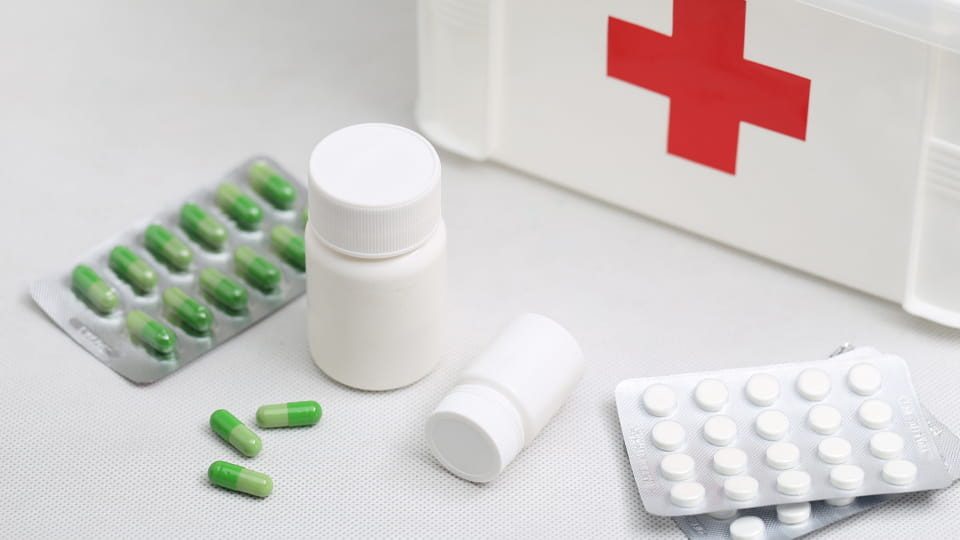
chỉ số IQ, OQ và PQ đại diện cho Trình độ lắp đặt, Trình độ chuyên môn hoạt động, Và Trình độ chuyên môn. Đây là các bước tuần tự trong việc kiểm tra chất lượng thiết bị trước khi đưa vào sản xuất dược phẩm đạt tiêu chuẩn GMP. Tóm lại: chỉ số IQ kiểm tra xem máy đã được cài đặt đúng chưa; OQ kiểm tra xem nó có hoạt động bình thường trong tất cả các cài đặt được yêu cầu không; PQ xác minh nó hoạt động nhất quán trong quá trình sản xuất thực tế. Theo FDA, “Đạt tiêu chuẩn” có nghĩa là chứng minh rằng thiết bị phù hợp với mục đích sử dụng của nó. IQ/OQ/PQ là các hoạt động được ghi chép lại để chứng minh từng giai đoạn phù hợp và chức năng. Cùng nhau, chúng tạo thành một phần của tổng thể xác nhận quy trình cho một hệ thống sản xuất, đảm bảo chất lượng sản phẩm và tuân thủ.
Trình độ thiết bị so với. Xác thực quy trình: IQ/OQ/PQ tập trung vào máy (“trình độ thiết bị”), trong khi xác nhận quy trình bao gồm toàn bộ quy trình sản xuất. Trong thực tế, Đánh giá chất lượng thiết bị thường là bước đầu tiên trong kế hoạch tổng thể về thẩm định. Bằng cách hoàn thành IQ/OQ/PQ trên viên nang bổ sung, máy vỉ, dòng chai, vân vân., nhà sản xuất có được bằng chứng bằng văn bản rằng thiết bị đáp ứng thông số kỹ thuật và sẵn sàng cho sản xuất.
| Sân khấu (IR/WH/PQ) | Mục đích | Hoạt động chính / Kiểm tra | Tài liệu điển hình được sản xuất |
| chỉ số IQ | Kiểm tra việc lắp đặt thiết bị đúng cách | Kiểm tra vị trí, tiện ích (quyền lực, không khí, Nước), cài đặt theo hướng dẫn; ghi lại số serial và phụ kiện | Giao thức/danh sách kiểm tra và báo cáo IQ |
| OQ | Xác minh các chức năng hoạt động trong giới hạn | Chạy thử nghiệm ở tất cả các phạm vi hoạt động (tốc độ tối thiểu/tối đa, nhiệt độ, áp lực); kiểm tra báo động và khóa liên động, xác minh kiểm soát | Giao thức và báo cáo OQ |
| PQ | Chứng minh hiệu suất nhất quán trong sản xuất | Chạy nhiều đợt sản xuất với sản phẩm thực tế (hoặc giả vờ) ở điều kiện trường hợp xấu nhất; kiểm tra đầu ra (năng suất, sự chính xác) | Giao thức và báo cáo PQ |
Bàn 1: So sánh chỉ số IQ, OQ, giai đoạn PQ (điều chỉnh từ các tiêu chuẩn ngành).
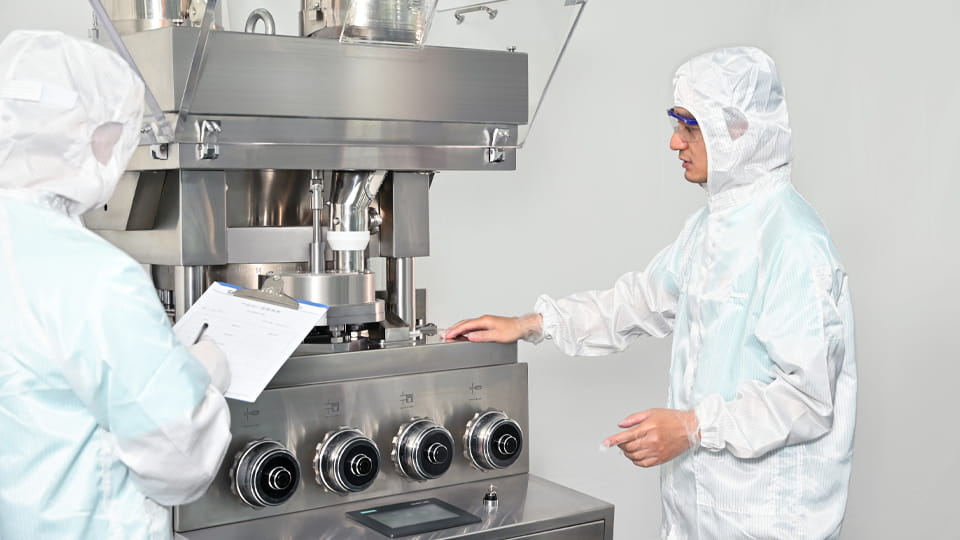
Thiết bị dược phẩm phải tuân thủ các quy định nghiêm ngặt của GMP. ở Mỹ, của FDA 21 Phần CFR 211 (dược phẩm) Và 21 CFR 820 (thiết bị y tế) yêu cầu xác nhận rõ ràng các hệ thống sản xuất. IQ/OQ/PQ là xương sống của sự tuân thủ này. Ví dụ, FDA tuyên bố rằng các hoạt động kiểm tra chất lượng “nhất thiết phải đi trước việc sản xuất các sản phẩm ở quy mô thương mại”. Ở EU, Phụ lục GMP 15 tương tự yêu cầu chất lượng thiết bị trong suốt vòng đời của nó. Mục đích là để đảm bảo thiết bị sẽ sản xuất ra các sản phẩm an toàn một cách đáng tin cậy..
Không có IQ/OQ/PQ phù hợp, doanh nghiệp đối mặt với rủi ro nghiêm trọng: lỗi sản phẩm, thu hồi hàng loạt, trích dẫn quy định, và các mối nguy hiểm về an toàn. Trình độ chuyên môn phù hợp tạo dựng niềm tin rằng máy Thực ra thực hiện những gì nó phải làm – ví dụ, rằng máy đóng vỉ sẽ bịt kín ở nhiệt độ phù hợp hoặc chất làm đầy dạng lỏng sẽ phân phối đúng thể tích. Trong thực tế, một chương trình xác nhận hoàn chỉnh giúp tránh những điều bất ngờ: “Khi thực hiện đúng, ba giai đoạn đánh giá trình độ chuyên môn rất tỉ mỉ và tốn thời gian. Tuy nhiên, chúng rất quan trọng để đảm bảo các quy trình lặp lại và chất lượng sản phẩm ổn định”. Tóm lại, IQ/OQ/PQ là bắt buộc trong cài đặt GMP. Đối với bất kỳ dây chuyền đóng gói (mụn rộp, cái chai, thùng carton, vân vân.), IQ/OQ/PQ được yêu cầu phải đáp ứng cả yêu cầu của FDA và EU. Máy của Jinlu có đầy đủ các mẫu tài liệu IQ/OQ/PQ, bởi vì, như các chuyên gia của chúng tôi nói, “máy phải sẵn sàng xác thực”.
trong giai đoạn IQ, chúng tôi xác minh rằng thiết bị được giao và lắp đặt chính xác. Điều này có nghĩa là kiểm tra máy và môi trường của nó trước bất kỳ thử nghiệm sản xuất nào. Kiểm tra IQ chính bao gồm:
Đầu ra của IQ là một báo cáo/giao thức IQ bằng văn bản ghi lại từng lần kiểm tra và xác nhận “cài đặt như mong đợi”. Nếu có gì đó không đúng thông số kỹ thuật, nó phải được sửa trước khi tiếp tục. IQ thành công có nghĩa là “thiết bị được lắp đặt như dự kiến” – điều kiện tiên quyết cho bất kỳ cuộc kiểm tra nào. (Trong thực tế, một số bài kiểm tra có thể bắt đầu bằng IQ dưới dạng các mục “sẵn sàng để kiểm tra”, nhưng tiêu chí chấp nhận có trong OQ/PQ.)
OQ kiểm tra chức năng của thiết bị trong điều kiện được kiểm soát. Bây giờ máy đã được cài đặt đúng cách, chúng tôi xác minh tất cả các thông số vận hành và hệ thống điều khiển. OQ thường bao gồm:
Các Báo cáo trắng sẽ hiển thị kết quả của từng bài kiểm tra và so sánh chúng với tiêu chí chấp nhận (đến từ thông số thiết kế hoặc URS). Chỉ sau khi OQ vượt qua chúng tôi mới tiến hành. (Đôi khi OQ và IQ có thể trùng lặp trong một báo cáo tổng hợp có tên IOQ, nhưng logic vẫn tuần tự.)
Mục tiêu chính của OQ là: “Trong mọi điều kiện quy định, cái máy có làm những gì nó phải làm không?” Nếu có gì thất bại (ví dụ. một cảm biến bị sai lệch), nó đã được sửa và kiểm tra lại.
PQ là giai đoạn cuối cùng, nơi chúng tôi chứng minh thiết bị hoạt động chính xác trong quá trình sản xuất thực tế. Trong khi OQ có thể đã bị bỏ trống, PQ sử dụng sản phẩm thật hoặc mô phỏng. Các bước bao gồm:
Ở cuối PQ, chúng tôi đã ghi lại bằng chứng rằng “thiết bị đủ tiêu chuẩn luôn tạo ra sản phẩm phù hợp trong điều kiện thực tế.” Nói cách khác, máy đã sẵn sàng để sản xuất GMP.
Ví dụ, nếu PQ thành công trên máy làm viên nang, chúng tôi biết rằng độ chính xác về liều lượng của nó, chèn viên nang, và tốc độ rôto làm việc theo ca mà không bị trôi. Điều này hoàn thành “tam giác” xác thực và mang lại niềm tin cho QA/Cơ quan quản lý rằng dây chuyền sẽ không tạo ra các lô xấu. Sau đó, thiết bị được đưa vào sản xuất định kỳ và được đưa vào lịch bảo trì định kỳ..
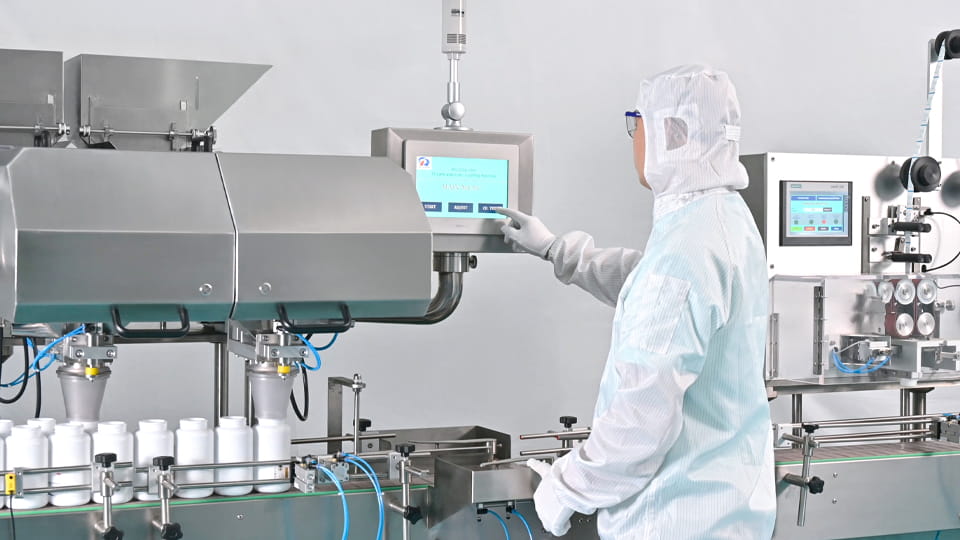
Điều quan trọng là phải làm rõ thuật ngữ. Trình độ chuyên môn thường đề cập đến thiết bị, trong khi xác nhận thường đề cập đến các quá trình hoặc hệ thống. Trong nhiều khuôn khổ GMP, IQ/OQ/PQ được xem xét các phần xác nhận của một hệ thống sản xuất. Theo nghĩa này:
Như vậy, thiết bị IQ/OQ/PQ đủ tiêu chuẩn máy móc. riêng biệt Xác thực quy trình sẽ gắn những máy móc đó vào quy trình sản xuất thực tế (giống như nén máy tính bảng cộng với lớp phủ, vân vân.). Trong thực tế, IQ/OQ/PQ đôi khi được gọi là Trình độ thiết bị (EQ) bước. MỘT Trình độ thiết kế (ĐQ) bước có thể đi trước IQ, đảm bảo thiết kế đáp ứng yêu cầu người dùng (URS) trước khi xây dựng hoặc mua thiết bị.
Đây là sơ đồ đơn giản gồm các giai đoạn trong vòng đời của dự án:

Mỗi mũi tên là một bàn tay: bạn phải hoàn thành DQ (xác minh thiết kế đáp ứng URS) trước chỉ số IQ (xác minh cài đặt thích hợp). Chỉ sau khi PQ hoàn tất, bạn mới có thể xác nhận thiết bị đã được xác thực và bắt đầu xác thực quy trình (ví dụ. chạy các chiến dịch sản xuất thực tế).
Trình độ thiết bị là một phần của thiết bị tổng thể vòng đời:
Mỗi bước tạo ra tài liệu. Ví dụ, Máy đóng gói của Jinlu được cung cấp kèm theo Bộ xác nhận IQ/OQ/PQ và các giao thức FAT/SAT. Điều đó có nghĩa là người mua có thể tiết kiệm thời gian bằng cách sử dụng các mẫu của nhà sản xuất trong quá trình đánh giá chất lượng. Dòng thời gian thông thường có thể kéo dài hàng tuần đến hàng tháng tùy thuộc vào mức độ phức tạp.
Theo FDA/EU, đội ngũ kỹ thuật và QA được đào tạo (và đôi khi các nhà tư vấn bên ngoài) nên tiến hành hoặc chứng kiến các bước này. Điểm mấu chốt: một người có kỷ luật, luồng tài liệu từ thiết kế đến PQ đảm bảo dây chuyền của bạn tuân thủ.
Mọi loại máy đóng gói trong nhà máy GMP đều cần có trình độ chuyên môn. Dưới đây là những ví dụ phổ biến:

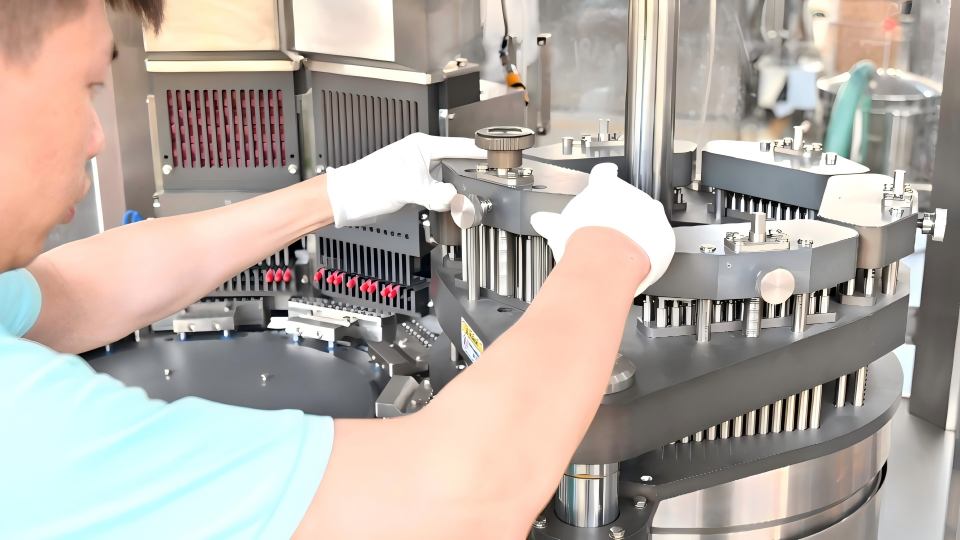
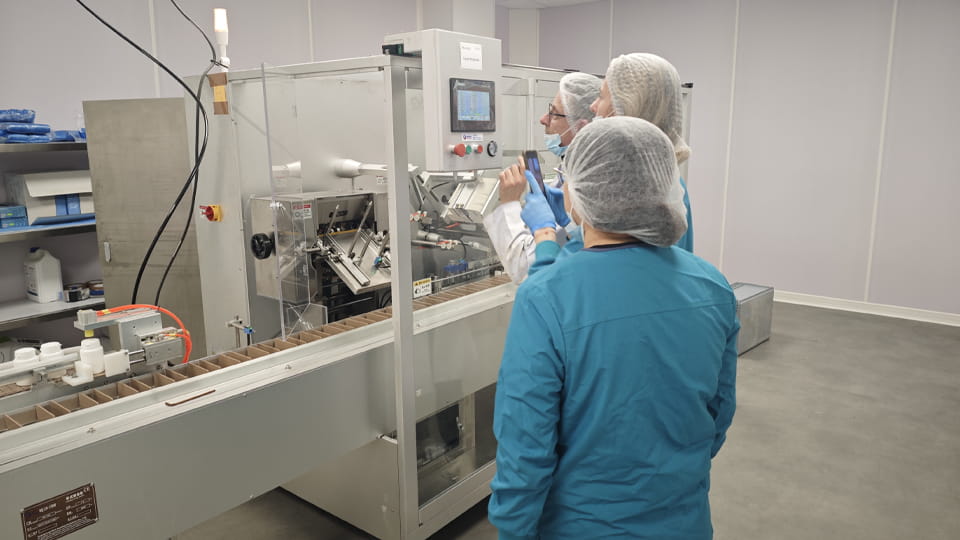
Hình ảnh: Máy làm đầy viên nang bán tự động (Kim Lộ CGNT-209). Việc xác nhận các máy như vậy bao gồm việc kiểm tra cẩn thận hướng của viên nang, độ chính xác của liều lượng, và niêm phong trong quá trình IQ/OQ/PQ.
Trường hợp ví dụ: Máy chiết viên nang IQ/OQ/PQ
Để minh họa, hãy tưởng tượng đủ điều kiện một chất làm đầy viên nang hoàn toàn tự động cho vitamin:
Khi các bước này hoàn tất và có kết quả đạt, chất làm đầy viên nang là đủ điều kiện để sản xuất. Nó đã sẵn sàng để bắt đầu tự tin đóng gói các sản phẩm thực tế.
Mặc dù tầm quan trọng của nó, trình độ chuyên môn của thiết bị thường gặp phải trở ngại:
Kinh nghiệm của Jinlu là vậy cách tốt nhất để vượt qua những thách thức này là lập kế hoạch. Bắt đầu lập kế hoạch xác nhận sớm, xác định URS và kế hoạch kiểm tra với nhà cung cấp, và đảm bảo tất cả các bên liên quan đồng ý về các tiêu chí. Việc sử dụng các mẫu và danh sách kiểm tra cũng giúp đẩy nhanh quá trình.
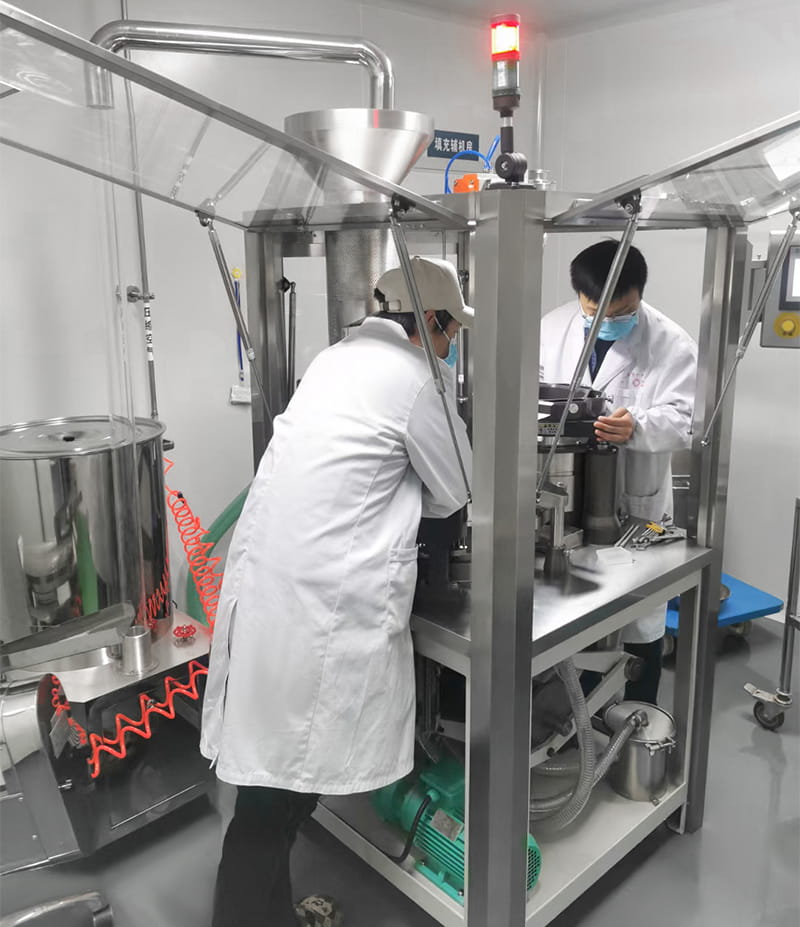
Để hợp lý hóa IQ/OQ/PQ và đảm bảo kết quả tuân thủ:
Bằng cách làm theo những phương pháp hay nhất này, các công ty có thể giảm bớt những bất ngờ trong quá trình kiểm toán. Như người sáng lập Jinlu Petty Fu thường lưu ý: lựa chọn máy móc từ các nhà cung cấp GMP có kinh nghiệm “đảm bảo chúng có đầu ra chính xác, giấy chứng nhận tuân thủ, và sự hỗ trợ của địa phương”. Nói cách khác, xác thực một cách tự tin và chọn một đối tác đã nói xác thực.
Trong sản xuất dược phẩm, chỉ số IQ, OQ, và PQ là không thể thương lượng. Các bước xác thực có cấu trúc này chứng minh rằng thiết bị của bạn – từ máy đóng viên nang đến máy đóng vỉ cho đến dây chuyền đóng chai – phù hợp với mục đích sử dụng và tuân thủ GMP. Chương trình IQ/OQ/PQ được thực hiện tốt giúp ngăn ngừa các sai sót gây tốn kém và đảm bảo chất lượng ổn định.
Lựa chọn nhà cung cấp có hỗ trợ xác nhận mạnh mẽ là điều quan trọng. Máy đóng gói dược phẩm của Jinlu Packing đi kèm với Thiết kế sẵn sàng cho GMP Và tài liệu toàn diện (Giao thức FAT/SAT/IQ/OQ/PQ) để hợp lý hóa việc tuân thủ. Nhóm của chúng tôi có thể giúp bạn xác định URS, thực hiện kiểm tra IQ/OQ, và tạo ra các báo cáo cần thiết.
👉 Đang tìm kiếm thiết bị dược phẩm giúp đơn giản hóa việc tuân thủ? Liên hệ với Jinlu ngay hôm nay dành cho máy đóng gói với sự hỗ trợ đầy đủ về IQ/OQ/PQ và dịch vụ xác nhận chìa khóa trao tay. Chúng tôi sẽ đảm bảo dòng mới của bạn được cài đặt, đã thử nghiệm, và được ghi lại để được chứng nhận GMP dễ dàng.
Nói một cách đơn giản, Trình độ lắp đặt (chỉ số IQ) đảm bảo thiết bị được lắp đặt chính xác (đúng vị trí, tiện ích, và các thành phần). Trình độ chuyên môn hoạt động (OQ) kiểm tra các chức năng của thiết bị trong cài đặt bình thường và khắc nghiệt (xác nhận tất cả các điều khiển, báo động, và giới hạn). Trình độ chuyên môn (PQ) xác nhận thiết bị có thể hoạt động ổn định trong sản xuất thực tế, sử dụng vật liệu và điều kiện thực tế. Cùng nhau, Tài liệu IQ/OQ/PQ cho thấy máy hoạt động như dự định.
Đúng. Hướng dẫn quy định (FDA, EU, AI) yêu cầu tất cả các thiết bị quan trọng trong nhà máy dược phẩm phải đủ tiêu chuẩn trước khi sử dụng. Ví dụ, của FDA 21 CFR 211 và Phụ lục EU GMP 15 cả hai đều yêu cầu trình độ chuyên môn thiết bị nghiêm ngặt. Bỏ qua IQ/OQ/PQ có nguy cơ vi phạm quy định và có khả năng thu hồi sản phẩm. Trong thực tế, bất kỳ máy đóng gói mới nào trong dây chuyền dược phẩm (vết phồng rộp, chất làm đầy, thùng giấy, vân vân.) phải được xác nhận thông qua IQ/OQ/PQ nếu chạm vào sản phẩm.
Đó thường là một nỗ lực chung. Nhà cung cấp máy thường hỗ trợ bằng cách cung cấp tài liệu và chạy Kiểm tra nghiệm thu tại nhà máy. Nhóm xác nhận/chất lượng của người mua tiến hành (hoặc nhân chứng) trang web IQ/OQ/PQ. Thường xuyên, OEM (Họ, Ví dụ) cung cấp dịch vụ xác nhận hoặc hướng dẫn như một phần của quá trình vận hành thử. Cuối cùng, công ty thu mua có trách nhiệm đảm bảo IQ/OQ/PQ được hoàn thiện và ghi chép trước khi sản xuất sản phẩm.
PQ xuất hiện sau khi IQ và OQ được hoàn thành thành công. Sau khi cài đặt xong máy (chỉ số IQ) và vượt qua các bài kiểm tra chức năng (OQ), PQ được thực hiện trong quá trình sản xuất thực tế hoặc mô phỏng. Đây thường là bước cuối cùng: Ví dụ, chạy ba đợt liên tiếp hoặc thử nghiệm sản xuất toàn diện đồng thời theo dõi hiệu suất. PQ thường xảy ra trong giai đoạn vận hành ban đầu, trước khi dây chuyền chính thức được đưa vào sản xuất thường lệ.
Tuyệt đối. Mặc dù bao bì có vẻ đơn giản, cơ quan quản lý coi nó như một phần của quá trình sản xuất được kiểm soát. Mỗi máy đóng gói sơ cấp phải có đủ tiêu chuẩn. Ví dụ, như đã lưu ý trên trang web của Jinlu, “đối với các sản phẩm được quản lý, thực hiện cài đặt, trình độ vận hành và hiệu suất (IR/WH/PQ) theo yêu cầu”. Máy đóng thùng xử lý thành phẩm của bạn phải hoạt động chính xác (ví dụ. gấp thùng carton một cách đáng tin cậy, chèn nhãn), IQ/OQ/PQ đạt được điều gì. Về bản chất, bất kỳ thiết bị nào có thể ảnh hưởng đến chất lượng sản phẩm hoặc khả năng truy xuất nguồn gốc đều cần có trình độ chuyên môn.
Tài liệu tham khảo:
1.Tài liệu chính thức về trình độ chuyên môn và xác nhận – Phụ lục EU GMP 15.
2.HƯỚNG DẪN THỰC HÀNH SẢN XUẤT TỐT DƯỢC PHẨM PHỤ LỤC – Phụ lục Hướng dẫn PIC/S GMP 15 (Tiêu chuẩn GMP toàn cầu).
3.Lịch sử & Tương lai của việc xác nhận – ispe.org.
4.Trình độ chuyên môn (ĐQ, chỉ số IQ, OQ, PQ) – gempex.com.