
Các hãng dược hiện nay chịu áp lực từ mọi hướng. Bệnh viện muốn xử lý thuốc an toàn hơn. Thị trường bán lẻ muốn chi phí đóng gói thấp hơn. Các cơ quan quản lý mong đợi khả năng truy xuất nguồn gốc và xê-ri hóa tốt hơn. Đồng thời, các nhà sản xuất đang cố gắng nâng cao hiệu quả sản xuất mà không tạo ra lãng phí bao bì không cần thiết. Đó là lý do tại sao cuộc thảo luận xung quanh đóng gói đơn vị liều Và đóng gói số lượng lớn đã trở nên quan trọng hơn nhiều trong những năm gần đây. Một định dạng tập trung vào bảo vệ liều lượng và an toàn cho bệnh nhân, trong khi cái còn lại ưu tiên tốc độ, sự đơn giản, và hiệu quả chi phí. Không có tùy chọn nào tự động tốt hơn cho mọi sản phẩm. Sự lựa chọn đúng đắn phụ thuộc vào loại thuốc của bạn, mục tiêu sản xuất, kênh phân phối, và khả năng của dây chuyền đóng gói. Đối với nhà sản xuất dược phẩm, đội mua sắm, và các nhà quản lý hoạt động, hiểu được sự khác biệt thực sự giữa liều lượng đơn vị và bao bì số lượng lớn là điều cần thiết trước khi đầu tư vào một sản phẩm mới hệ thống đóng gói dược phẩm hoặc nâng cấp hiện có dây chuyền đóng gói.
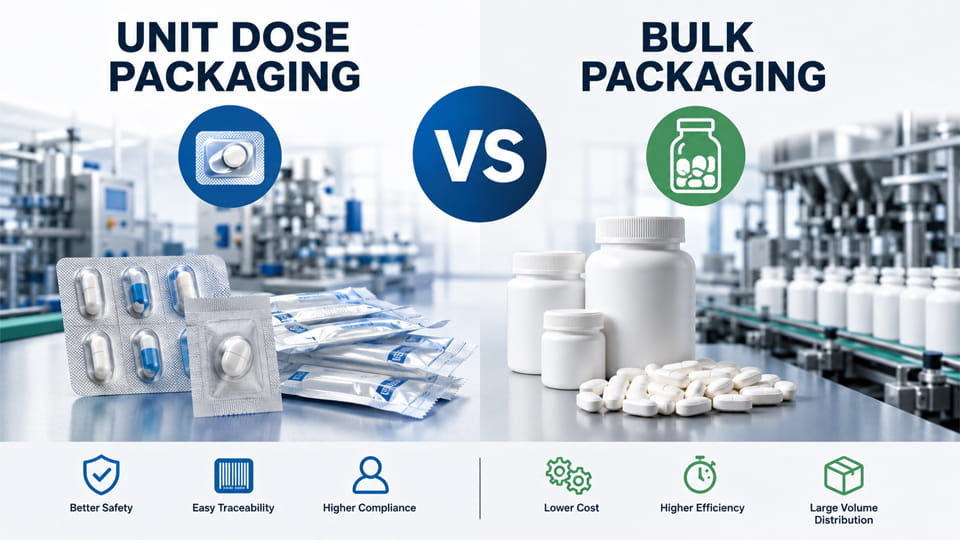
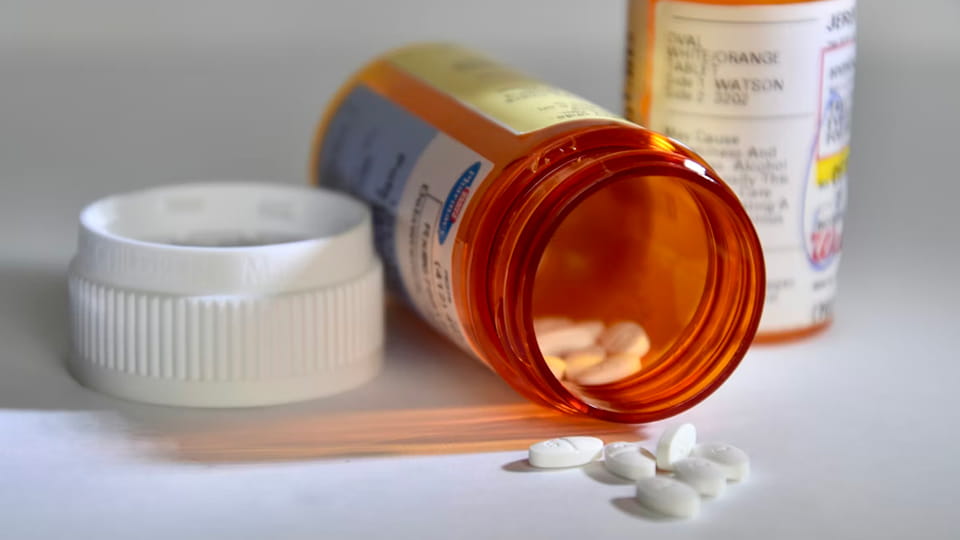
Đóng gói đơn vị liều (còn được gọi là đóng gói đơn liều) có nghĩa là mỗi liều thuốc được đóng gói riêng trong gói riêng. Ví dụ, một viên thuốc có thể nằm trong túi hoặc túi đựng riêng của nó. Jinlu Packing giải thích rằng “đóng gói liều đơn vị có nghĩa là mỗi liều thuốc riêng lẻ được đóng gói sẵn và niêm phong”. Trong thực tế, đây có thể là thẻ vỉ một viên, một gói dải (một viên mỗi khoang), một ống tiêm đã được nạp sẵn, một lọ, hoặc một gói chứa một lượng chất lỏng hoặc bột. Mỗi gói mang nhãn (tên thuốc, liều lượng, hết hạn) để y tá hoặc bệnh nhân có thể xác nhận thuốc mà không cần đếm thuốc từ chai. Tại các bệnh viện ở Mỹ, qua 75% Thuốc uống được phân phối dưới dạng đơn vị liều.
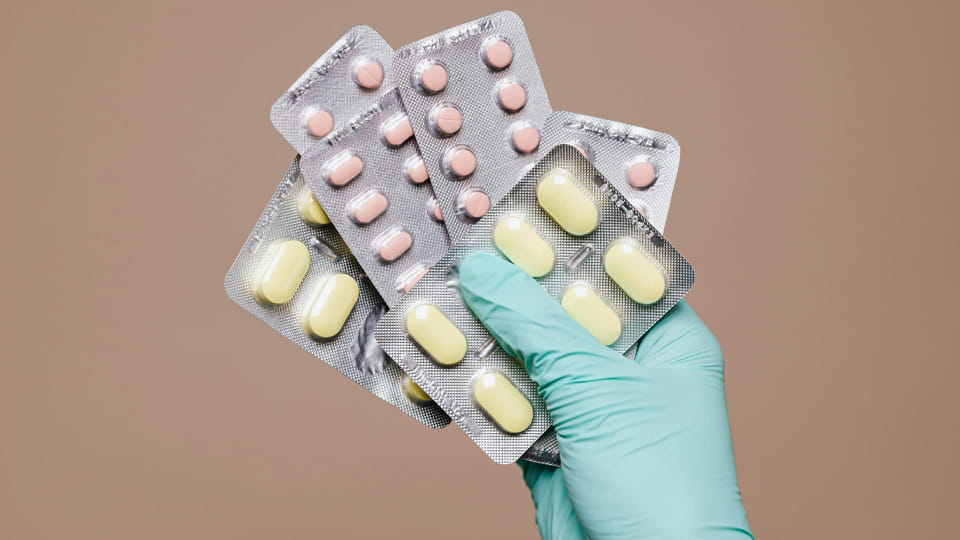
Gói đơn vị liều lượng phổ biến ở bệnh viện, phòng khám, cơ sở chăm sóc dài hạn, và thử nghiệm lâm sàng – về cơ bản ở mọi nơi việc kiểm soát liều lượng chính xác và truy xuất nguồn gốc là điều tối quan trọng. Chúng giúp ngăn ngừa sai sót về liều lượng vì mỗi gói chứa đúng một liều lượng và được dán nhãn rõ ràng.. Nói cách khác, và ghi chú Jinlu, gói theo đơn vị liều lượng không cần phải đếm - bạn “chỉ cần lấy một gói và mở nó ra”, giảm sai sót xử lý. Các thuật ngữ khác được sử dụng bao gồm liều duy nhất, đơn vị sử dụng, hoặc đơn vị thuốc Bao bì. Các định dạng điển hình bao gồm:
Tóm lại, đóng gói đơn vị liều cô lập từng liều riêng lẻ, hỗ trợ an toàn, Tuân thủ bệnh nhân, và truy xuất nguồn gốc.
Ngược lại, đóng gói số lượng lớn đề cập đến việc đóng gói thuốc nhiều liều hoặc tập thể. Các định dạng số lượng lớn phổ biến bao gồm chai thuốc lớn, lọ, ống đa liều, và túi hoặc túi số lượng lớn. Ví dụ, một lọ thuốc theo toa 100 viên hoặc một lọ vitamin có 30 viên nang là bao bì số lượng lớn. Những thùng chứa này chứa nhiều liều lượng cùng nhau. Đóng gói số lượng lớn là tiêu chuẩn cho các sản phẩm dược phẩm tiêu dùng, thuốc không kê đơn, bổ sung dinh dưỡng, và hầu hết các máy tính bảng thông thường. Nó cũng được sử dụng cho các giai đoạn sản xuất trung gian (ví dụ. gói số lượng lớn hoặc trống).
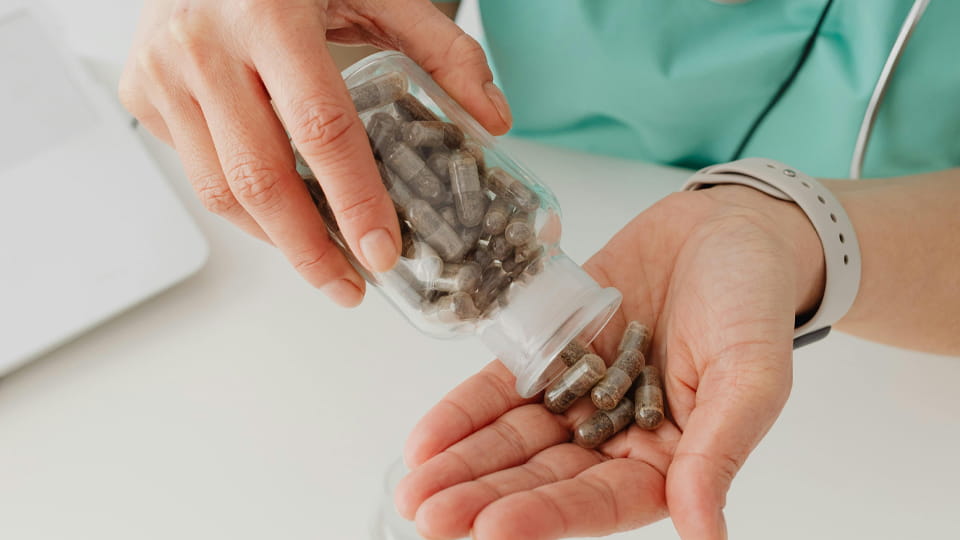
Đóng gói số lượng lớn thường tiết kiệm chi phí hơn cho mỗi liều lượng và phù hợp với khối lượng lớn, sản phẩm hàng hóa. Các thiết bị cho dây chuyền số lượng lớn bao gồm máy đếm viên/viên nang và máy đóng chai, giới hạn, niêm phong, và thiết bị ghi nhãn. Ví dụ, dây chuyền đếm viên có thể sử dụng máy đếm tự động để đóng chai, một capper để niêm phong chúng, và một người dán nhãn để hoàn thành. Dòng số lượng lớn thường chạy nhanh hơn (đếm hàng trăm viên mỗi phút) nhưng cung cấp khả năng kiểm soát theo liều ít hơn so với hệ thống đơn vị liều. Đóng gói số lượng lớn là lý tưởng cho thuốc OTC trên thị trường đại chúng, bổ sung dinh dưỡng, thuốc gốc, và bất kỳ sản phẩm nào mà giá mỗi liều là quan trọng và việc kiểm soát liều lượng của từng cá nhân là ít quan trọng hơn.
Bảng dưới đây so sánh hai cách tiếp cận về các yếu tố quan trọng:
| Nhân tố | Đơn vị đóng gói liều lượng | Bao bì số lượng lớn |
| An toàn thuốc | Cao. Mỗi liều được niêm phong, giảm ô nhiễm. | Thấp hơn. Nhiều liều lượng trong một thùng chứa. |
| Tuân thủ bệnh nhân | Tốt hơn. Liều riêng lẻ được dán nhãn rõ ràng; dễ dàng hơn để xác minh. | Thấp hơn. Bệnh nhân tự đếm liều lượng của mình. |
| Truy xuất nguồn gốc & Tuần tự hóa | Xuất sắc. Dễ dàng tuần tự hóa/theo dõi từng liều. | Giới hạn. Chỉ container được theo dõi, không phải mỗi viên thuốc. |
| Chi phí đóng gói | Cao hơn mỗi liều. Thêm vật liệu đóng gói & xử lý. | Thấp hơn mỗi liều. Một gói chứa nhiều đơn vị. |
| Thông lượng sản xuất | Vừa phải. Nhiều bước hơn cho mỗi liều (ví dụ. hình thành vết phồng rộp). | Cao hơn. Đếm/điền đơn giản nhanh hơn. |
| Chất thải bao bì | Hơn. Gói một liều làm tăng việc sử dụng vật liệu. | Ít hơn. Đóng gói tối thiểu cho mỗi liều (ví dụ. một chai vs. 100 vỉ). |
| Thời hạn sử dụng/Bảo vệ | Tốt hơn. Các vỉ/lọ thường có màng chắn cao. | Vừa phải. Chai số lượng lớn bảo vệ ít hơn trên mỗi đơn vị, mặc dù thời hạn sử dụng có thể tương tự. |
| Tốt nhất cho | Bệnh viện, thử nghiệm lâm sàng, thuốc có giá trị cao, chất bị kiểm soát, thuốc cá nhân hóa. | OTC bán lẻ, thuốc generic, Vitamin, chất bổ sung, sản phẩm tiêu dùng số lượng lớn. |
Như ghi chú đóng gói Jinlu, hãy nghĩ về nó giống như một chai 100 máy tính bảng (số lượng lớn) so với một vỉ với một viên thuốc (liều đơn vị). Chai số lượng lớn rõ ràng giành chiến thắng về hiệu quả chi phí và tốc độ, nhưng định dạng liều đơn vị vượt trội về độ an toàn và kiểm soát. Ví dụ, bao bì vỉ bảo vệ riêng từng viên thuốc khỏi độ ẩm và giả mạo, trong khi chai số lượng lớn đặt tất cả các viên thuốc vào cùng một môi trường.
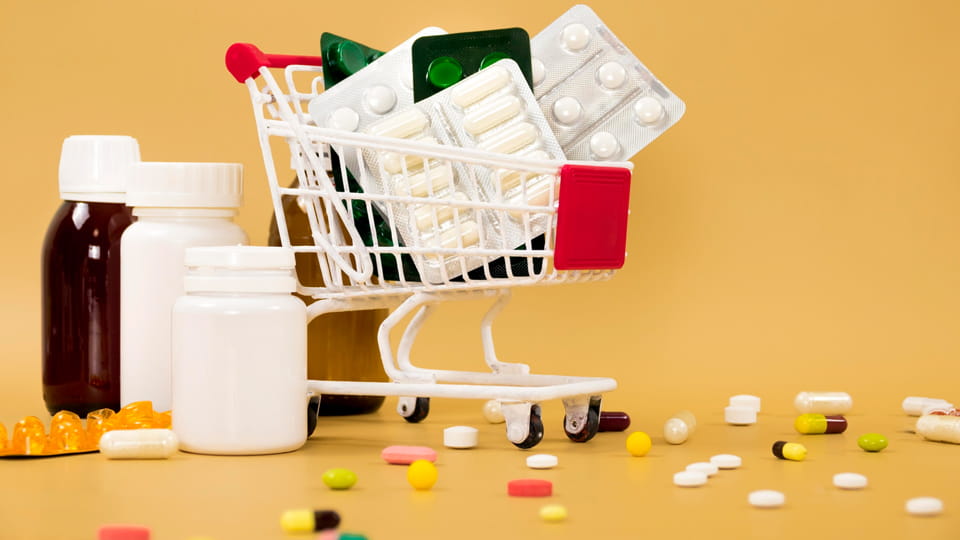
Hệ thống liều đơn vị mang lại một số lợi ích chính:
Tóm lại, đóng gói theo đơn vị liều lượng tối đa hóa sự an toàn, truy xuất nguồn gốc, và liều lượng lấy bệnh nhân làm trung tâm, với chi phí đóng gói và xử lý cao hơn. Như Jinlu tổng hợp, Đơn vị liều lượng được “thiết kế để chứa một lượng thuốc dùng để dùng dưới dạng một liều duy nhất”, đảm bảo “đúng thuốc với đúng nồng độ sẽ đến đúng bệnh nhân vào đúng thời điểm, mọi lúc”.
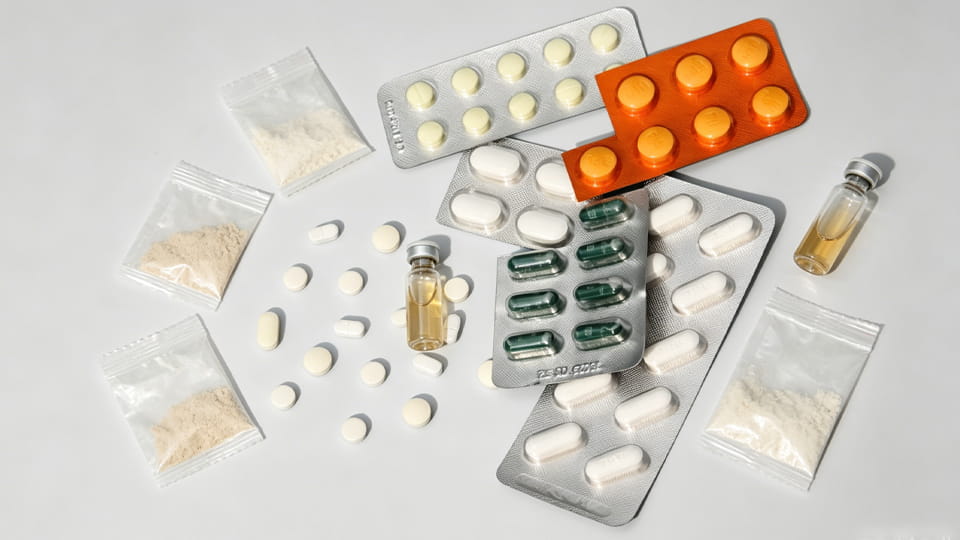
số lượng lớn (đa liều) Bao bì có thế mạnh riêng:
Bao bì số lượng lớn Tỏa sáng về hiệu quả chi phí và quy mô, làm cho nó trở nên lý tưởng cho các sản phẩm có khối lượng lớn, nơi tính kinh tế của quy mô lớn hơn nhu cầu kiểm soát liều lượng riêng lẻ. Trong thực tế, Kinh nghiệm của Jinlu với tư cách là nhà cung cấp cho thấy các dòng chai số lượng lớn (bao gồm cả việc đếm, giới hạn, và đơn vị ghi nhãn) tạo thành xương sống của nhiều dây chuyền sản xuất dược phẩm dinh dưỡng và thuốc gốc.
Các thị trường cuối cùng và trường hợp sử dụng khác nhau có sở thích rõ ràng. Bảng dưới đây tóm tắt các lựa chọn ngành điển hình:
| Ngành/trường hợp sử dụng | Bao bì ưa thích |
| Bệnh viện & Chăm sóc sức khỏe (chăm sóc cấp tính) | Đơn vị liều lượng (vỉ, dải, ống tiêm) |
| Chăm sóc dài hạn & Nhà thuốc LTC | Đơn vị liều lượng (thẻ vỉ, gói điền sẵn) |
| Thử nghiệm lâm sàng & Nghiên cứu | Đơn vị liều lượng (kiểm soát liều lượng chính xác cho các thử nghiệm) |
| Hiệu lực cao / Các chất được kiểm soát | Đơn vị liều lượng (bảo vệ, liều lượng) |
| Hợp đồng sản xuất (CMO sản xuất thuốc bệnh viện) | Đơn vị liều lượng |
| Không cần kê đơn (OTC) Thuốc | số lượng lớn (chai/ống thuốc viên, viên nang) |
| Dinh dưỡng & Thực phẩm bổ sung | số lượng lớn (chai vitamin, gói) |
| Dược phẩm tổng hợp (thị trường đại chúng) | số lượng lớn (tập trung chi phí) |
| Sức khỏe người tiêu dùng mới nổi (Mỹ phẩm, combo dinh dưỡng) | số lượng lớn |
| Thú y / Sức khỏe động vật | số lượng lớn (thường bán lẻ lọ đa liều hoặc phụ gia thức ăn chăn nuôi) |
| Bộ dụng cụ khẩn cấp / Sơ cứu | Đơn vị liều lượng (túi dùng một lần để mang theo) |
Ví dụ, Jinlu lưu ý rằng hệ thống liều đơn vị có nguồn gốc từ bệnh viện và hiện đã “mở rộng rộng rãi” sang các lĩnh vực khác do lợi thế về an toàn.. Thực vậy, qua 75% của Hoa Kỳ. thuốc uống bệnh viện được định lượng theo đơn vị, phản ánh sự ưu tiên của ngành. Ngược lại, Các thị trường hướng tới người tiêu dùng như thực phẩm bổ sung và thuốc giảm đau OTC thường sử dụng hộp đựng số lượng lớn vì chúng yêu cầu đơn giá thấp hơn và số lượng lớn hơn. Môi trường lâm sàng và bệnh viện ủng hộ việc kiểm soát liều lượng của vỉ hoặc túi, trong khi các nhà sản xuất và bán lẻ thuốc gốc tập trung vào hiệu quả của dây chuyền đóng chai.
Việc lựa chọn giữa liều lượng đơn vị và số lượng lớn có ý nghĩa đáng kể về chi phí. Hãy xem xét các yếu tố chi phí sau:
Tóm lại, đóng gói theo đơn vị thường đòi hỏi CAPEX cao hơn và chi phí đóng gói trên mỗi đơn vị, nhưng có thể tiết kiệm được ít lỗi và lãng phí hơn. Đóng gói số lượng lớn cung cấp chi phí nguyên liệu và sản xuất trên mỗi liều thấp hơn. Tùy chọn “tốt hơn” phụ thuộc vào việc phân tích các chi phí này cùng với chiến lược định giá của sản phẩm và các yêu cầu tuân thủ..
Dây chuyền đóng gói định lượng sử dụng thiết bị chuyên dụng. Máy móc chính bao gồm:
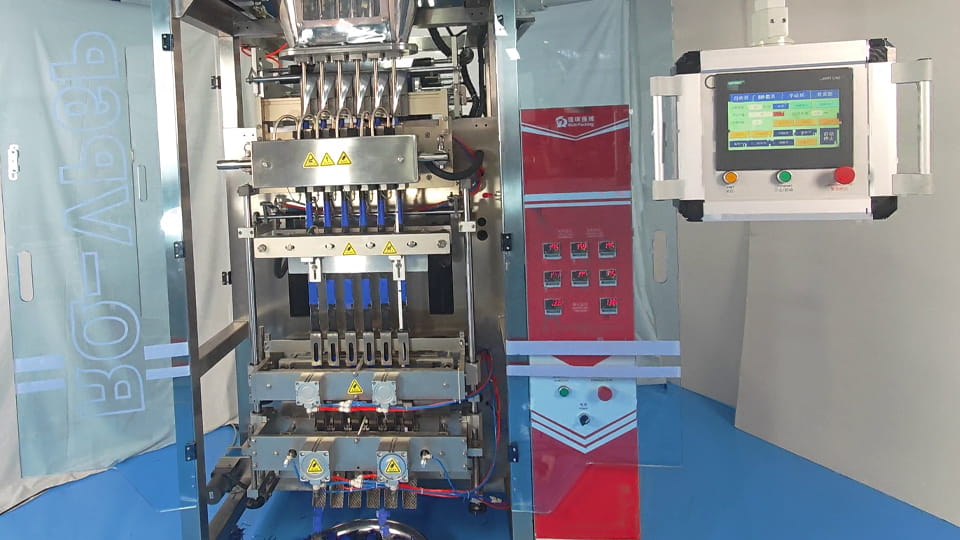
Tóm lại, Một dòng đơn vị liều có thể bao gồm một máy đóng vỉ hoặc gói (cho bao bì sơ cấp), theo sau là một thùng carton (và tùy chọn dán nhãn hoặc máy in). Ví dụ, một dòng thuốc bệnh viện điển hình là: Bộ nạp định hướng máy tính bảng → Máy đóng vỉ → Máy đóng thùng tự động → Máy đóng gói. Máy móc của Jinlu cho các bước này có thể được liên kết trong một luồng (thấy đó “có thể được kết nối với máy vỉ”).
[jl_youtube src=”https://www.youtube.com/embed/k0uyybgttcu”]
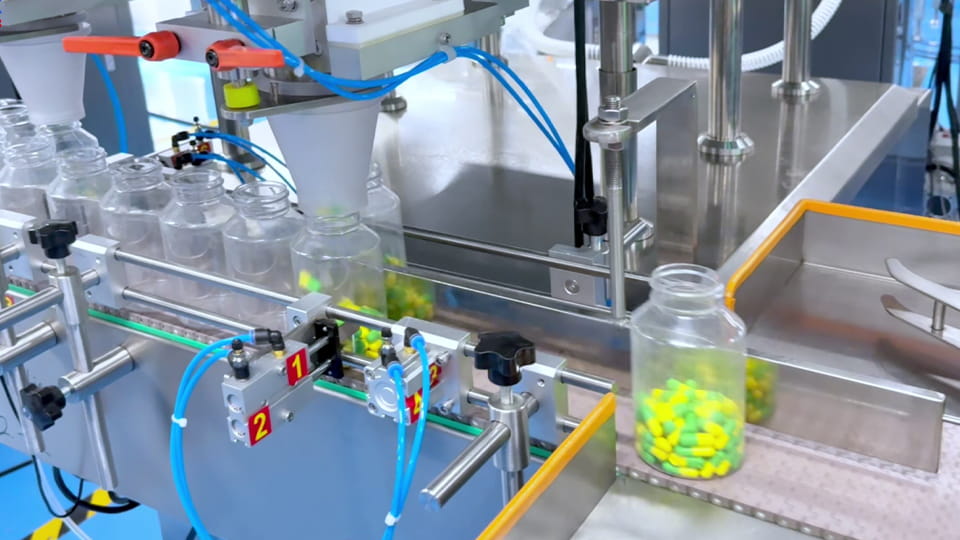
Dây chuyền số lượng lớn sử dụng thiết bị được tối ưu hóa về tốc độ và khối lượng:
Có hiệu lực, Một dây chuyền đóng gói số lượng lớn thường trông giống như: Máy sắp xếp lại chai → Máy làm đầy quầy máy tính bảng → Máy hút ẩm → Capper → (Máy dán giấy bạc) → Máy dán nhãn → Máy đóng thùng. Những máy mô-đun này cũng có thể xử lý các sản phẩm đa dạng (Gummies, bột, chất lỏng) miễn là việc đếm/điền và giới hạn được điều chỉnh. Các trang và trang của Jinlu minh họa cách tích hợp các dòng như vậy.
Ví dụ, dòng kẹo dẻo JL-16R “tự động hoàn thành toàn bộ quá trình sắp xếp lại chai, đếm… nhét hạt hút ẩm, giới hạn, niêm phong và dán nhãn lá nhôm” tại lên đến 80 chai/phút. Những dòng tiên tiến này nhấn mạnh vào thông lượng và tính nhất quán, làm cho chúng trở nên lý tưởng cho việc đóng gói sản phẩm số lượng lớn.
Việc lựa chọn phương pháp phù hợp phụ thuộc vào nhiều yếu tố. Sử dụng danh sách kiểm tra và sơ đồ dưới đây làm hướng dẫn:
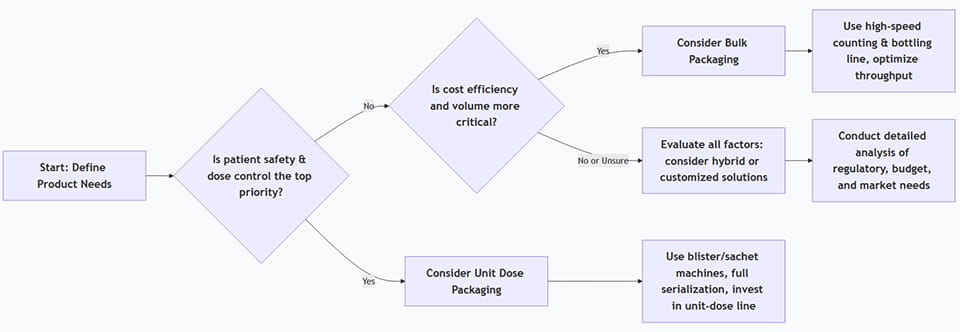
Biểu đồ này hiển thị hướng dẫn đơn giản: nếu an toàn y tế/khả năng truy xuất nguồn gốc lớn hơn chi phí, nghiêng về liều lượng đơn vị. Nếu ngân sách và khối lượng chiếm ưu thế, số lượng lớn có lẽ là tốt nhất. Trong trường hợp thực tế, chiến lược hỗn hợp (ví dụ. chai số lượng lớn bên trong một thùng carton nối tiếp) cũng có thể được xem xét.
Không có câu trả lời chung cho tất cả. Việc lựa chọn giữa liều lượng đơn vị và đóng gói số lượng lớn tùy thuộc vào yêu cầu của sản phẩm và chiến lược kinh doanh của bạn. Đóng gói theo đơn vị liều mang lại sự an toàn chưa từng có, Tuân thủ, và thuận tiện cho bệnh viện, thử nghiệm lâm sàng, và thuốc có giá trị cao, nhưng nó đòi hỏi đầu tư nhiều hơn vào máy móc (máy đóng gói vỉ hoặc gói, thùng giấy) và vật liệu đóng gói. Bao bì số lượng lớn (chai, lọ, ống) vượt trội với chi phí thấp và thông lượng cao, lý tưởng cho việc bán lẻ thuốc và chất bổ sung, nhưng kiểm soát liều lượng cá nhân ít hơn.
Trong thực tế, nhiều công ty sử dụng cả hai phương pháp cho các sản phẩm khác nhau. Ví dụ, một loại thuốc có chỉ số điều trị hẹp có thể được đóng thành vỉ đơn liều để bán tại bệnh viện, trong khi phiên bản OTC của loại thuốc tương tự được bán dưới dạng chai 30 chiếc. Khi thiết kế dòng của bạn, Xem xét tổng chi phí sở hữu (thiết bị + nguyên vật liệu + lỗi) và nhu cầu pháp lý.
Để xác định cách tiếp cận tốt nhất, xem xét các yếu tố trên: thị trường mục tiêu, dạng liều, âm lượng, quy tắc tuân thủ, và ngân sách. Chuyên gia về máy đóng gói (hoặc Nhóm tùy biến của Jinlu) có thể thiết kế một dòng thích hợp. Ví dụ, Jinlu Đóng gói cung cấp giải pháp chìa khóa trao tay – từ máy đóng vỉ tốc độ cao đến dây chuyền đóng chai và đếm viên thuốc tích hợp – để phù hợp với cả nhu cầu về đơn vị liều lượng và số lượng lớn.
Đóng gói theo đơn vị liều có nghĩa là mỗi liều thuốc được niêm phong và dán nhãn riêng, chẳng hạn như một viên cho mỗi khoang vỉ hoặc một gói cho mỗi lần sử dụng. Đóng gói số lượng lớn lưu trữ nhiều liều lượng cùng nhau trong một chai, thùng chứa, hoặc gói lớn hơn. Đóng gói theo đơn vị liều lượng tập trung nhiều hơn vào sự an toàn, truy xuất nguồn gốc, và kiểm soát liều lượng, trong khi đóng gói số lượng lớn thường tiết kiệm chi phí hơn cho sản xuất số lượng lớn.
Không có câu trả lời duy nhất cho mọi sản phẩm dược phẩm. Đóng gói theo đơn vị liều lượng thường tốt hơn cho bệnh viện, môi trường lâm sàng, và thuốc có giá trị cao vì nó cải thiện tính an toàn và theo dõi thuốc. Đóng gói số lượng lớn thường được ưa thích cho dược phẩm dinh dưỡng, Sản phẩm OTC, và phân phối bán lẻ quy mô lớn vì nó giảm chi phí đóng gói và cải thiện tốc độ sản xuất.
Các bệnh viện thường sử dụng bao bì theo đơn vị liều lượng vì mỗi liều lượng được xác định và bảo vệ rõ ràng cho đến khi sử dụng.. Điều này giúp giảm thiểu sai sót về thuốc, hỗ trợ hệ thống quét mã vạch, và cải thiện sự an toàn cho bệnh nhân trong quá trình phân phát.
Đúng, trong hầu hết các trường hợp, đóng gói số lượng lớn có chi phí vật liệu đóng gói thấp hơn và hiệu quả dây chuyền cao hơn. Dây chuyền đóng chai và hệ thống đếm viên thuốc thường có thể chạy ở tốc độ nhanh hơn hệ thống đóng gói liều riêng lẻ. Tuy nhiên, tổng chi phí cũng nên xem xét lãng phí thuốc, nhân công, yêu cầu tuân thủ, và bảo vệ sản phẩm.
Bao bì số lượng lớn được sử dụng rộng rãi cho:
• Vitamin và thực phẩm bổ sung
• Viên nén và viên nang thông thường
• Thuốc OTC
• Sản phẩm dinh dưỡng
• Dược phẩm bán lẻ số lượng lớn
Những sản phẩm này thường được đóng gói bằng máy đếm, dây chuyền đóng chai, máy đóng nắp, và hệ thống ghi nhãn.
Thiết bị đóng gói liều đơn vị phổ biến bao gồm:
• Máy đóng vỉ
• Máy đóng gói dạng dải
• Máy đóng gói túi
• Máy đóng gói que
• Máy đóng thùng
• Hệ thống kiểm tra bằng hình ảnh
Những máy đóng gói dược phẩm này giúp tạo ra các liều thuốc được đóng kín riêng lẻ với khả năng bảo vệ sản phẩm và truy xuất nguồn gốc tốt hơn.
Đúng. Đóng gói theo đơn vị liều giúp giảm nguy cơ ô nhiễm, liều lượng không chính xác, và xử lý sai sót do mỗi liều thuốc đều được đậy kín cho đến khi sử dụng. Nhiều cơ sở chăm sóc sức khỏe sử dụng hệ thống liều lượng đơn vị để hỗ trợ quy trình phân phối và quy trình xác minh mã vạch an toàn hơn.
Đúng. Bao bì vỉ dược phẩm là một trong những hình thức đóng gói đơn vị phổ biến nhất. Mỗi viên hoặc viên nang được bảo quản trong một ngăn riêng biệt, giúp bảo vệ sản phẩm khỏi độ ẩm, ôxy, và ô nhiễm đồng thời cải thiện việc theo dõi liều lượng.
Bao bì số lượng lớn thường được sử dụng trong:
• Sản xuất thực phẩm dinh dưỡng
• Sản xuất bổ sung
• Phân phối bán lẻ dược phẩm
• Thuốc thú y
• Sản xuất viên nén và viên nang năng suất cao
Các nhà sản xuất chọn bao bì dược phẩm số lượng lớn khi ưu tiên chính là hiệu quả sản xuất và chi phí đóng gói thấp hơn.
Sự lựa chọn tốt nhất phụ thuộc vào nhiều yếu tố, bao gồm:
• Loại sản phẩm
• Thị trường mục tiêu
• Yêu cầu pháp lý
• Ngân sách đóng gói
• Khối lượng sản xuất
• Nhu cầu về thời hạn sử dụng
• Kênh phân phối
Ví dụ, bệnh viện và sản phẩm lâm sàng thường được hưởng lợi từ việc đóng gói theo đơn vị liều lượng, trong khi thuốc bổ sung bán lẻ và thuốc gốc số lượng lớn thường phù hợp hơn với hệ thống đóng gói số lượng lớn.
Tài liệu tham khảo:
1. CPG Giây 430.100 Ghi nhãn liều lượng đơn vị cho các dạng bào chế uống dạng rắn và lỏng -- CHÚNG TA. Cục Quản lý Thực phẩm và Dược phẩm
2.Hướng dẫn tiêu chuẩn dữ liệu (chuyên khảo) Loại gói -- CHÚNG TA. Cục Quản lý Thực phẩm và Dược phẩm
3.Bao bì thuốc —— WikiPedia
4.Hướng dẫn về thực hành tốt sản xuất và thực hành tốt phân phối: Câu hỏi và câu trả lời —— Cơ quan Dược phẩm Châu Âu
5.ISO 15378 chứng nhận – Nguyên liệu đóng gói chính theo tiêu chuẩn dược phẩm