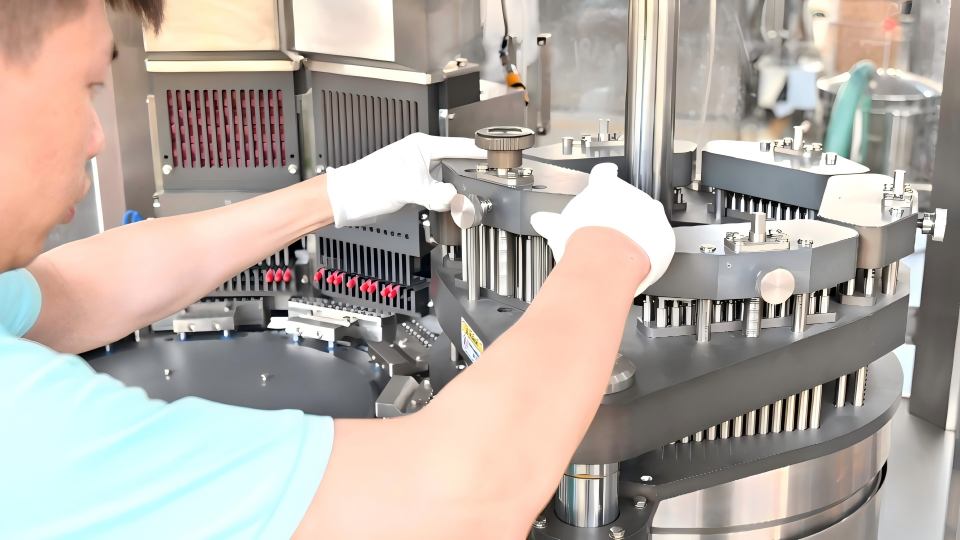
Capsule Filling Machine Troubleshooting: 8 Common Problems and How NJP-3800D Solves Them
This guide covers 8 capsule filling machine common pain points and how the NJP-3800D automatic capsule filling machine prevents them.

This guide covers 8 capsule filling machine common pain points and how the NJP-3800D automatic capsule filling machine prevents them.
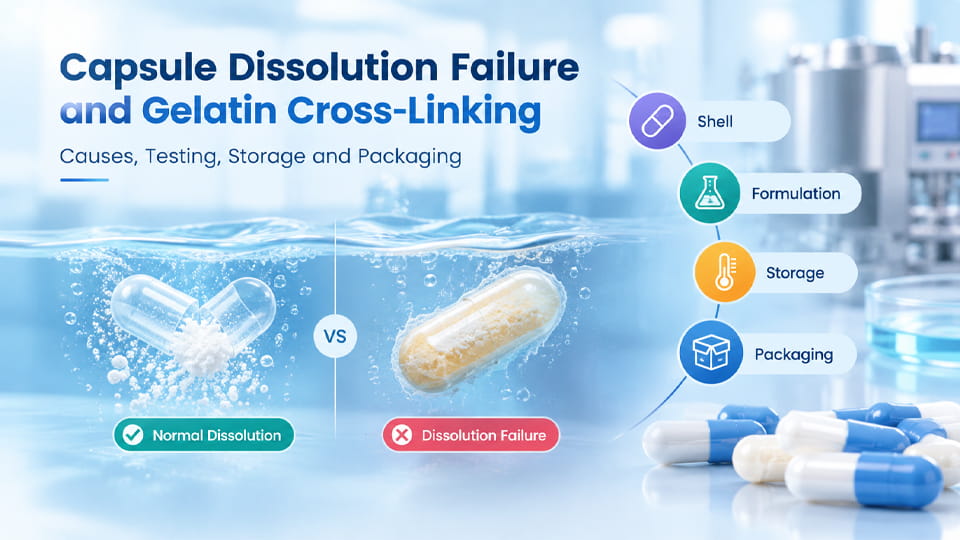
Learn how gelatin capsule cross-linking and other factors cause capsule dissolution failure. Expert insights on root-cause diagnosis, enzyme-assisted testing, HPMC vs gelatin, and moisture-barrier packaging.
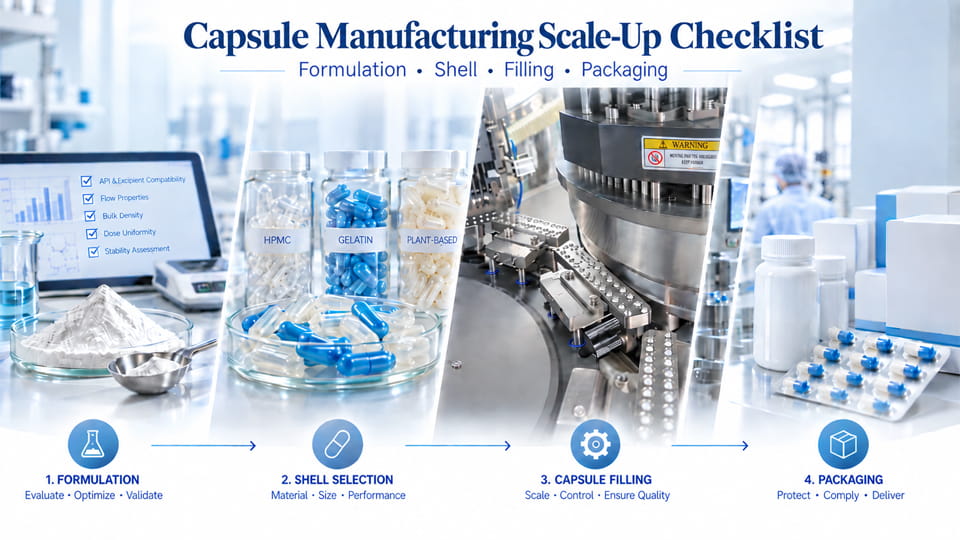
Plan a successful capsule manufacturing scale-up. This checklist covers formulation, capsule shells (gelatin vs HPMC), filling process (capsule filling machine, fill weight), IPCs, packaging choice, stability tests and FAT/IQ/OQ/PQ validation.
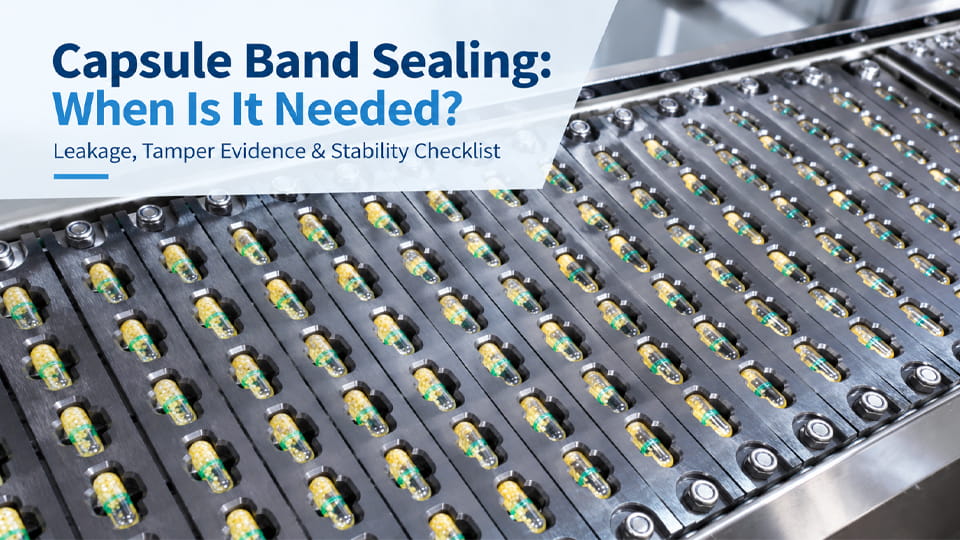
Learn when capsule band sealing is needed to prevent leakage, provide tamper evidence, and improve capsule stability. Includes a practical sealing checklist and troubleshooting guide for manufacturers.
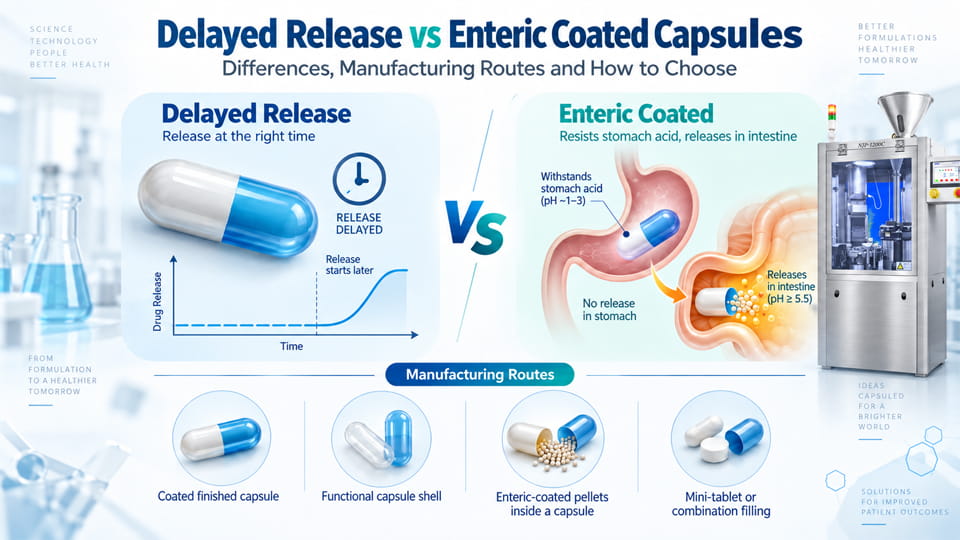
Explore the differences between delayed-release and enteric-coated capsules. Learn about materials, release mechanisms, manufacturing processes (with flowcharts), QC tests, and a decision checklist to choose the right dosage form.

Compare powder, granules, pellets and mini-tablets for capsule formulation. Learn how flowability, density, release profile and fill requirements affect capsule filling and machine selection.
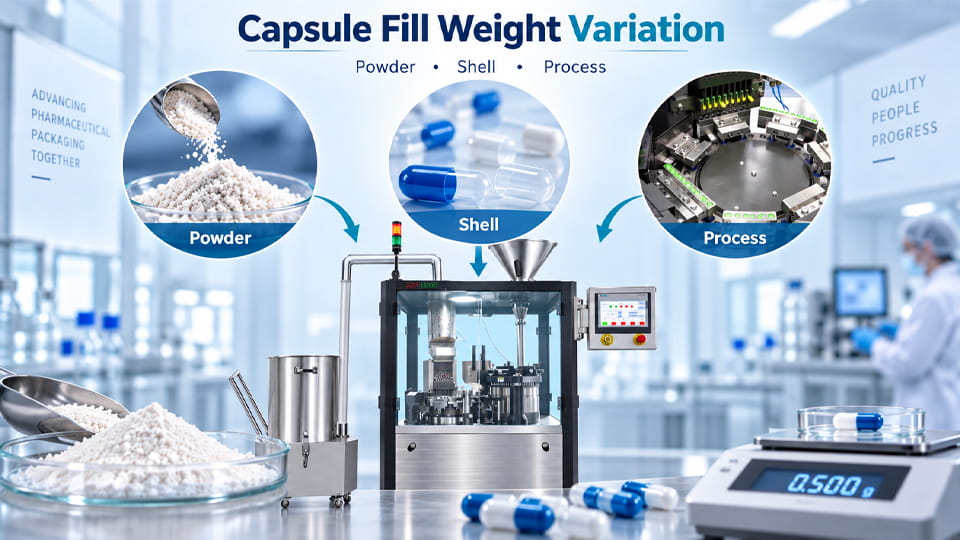
Capsule fill weight variation can result from powder flow issues, capsule shell inconsistencies, or filling process settings. Learn what to check first (powder, shell or machine) and how to diagnose and fix the root cause.
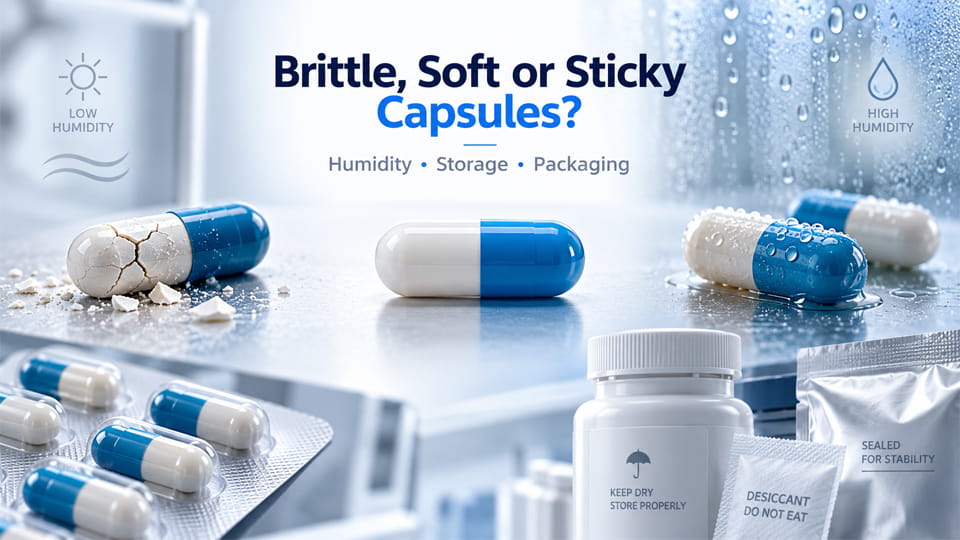
Learn why capsules become brittle, soft or sticky due to humidity, moisture migration, packaging and storage—and how to prevent capsule quality problems.
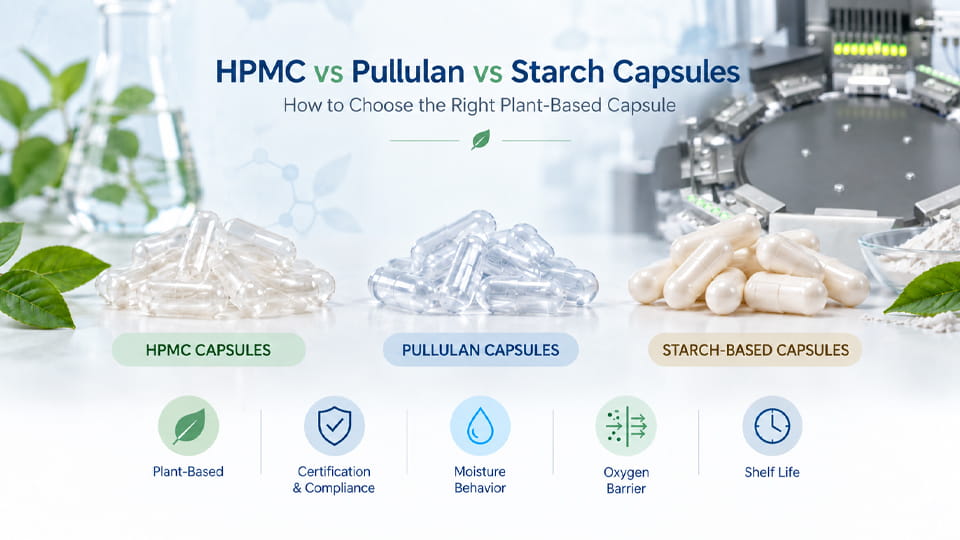
Compare HPMC, pullulan and starch capsules by formulation, moisture, oxygen barrier, certification, shelf life and filling-machine performance.