
W języku potocznym "lek" I "medycyna" są często używane zamiennie. W branży farmaceutycznej, Jednakże, zazwyczaj oznaczają różne etapy cyklu życia produktu. A lek jest na ogół aktywną substancją farmakologiczną (API) co daje efekty terapeutyczne. A medycyna (czasami nazywany A produkt leczniczy) to gotowy produkt – lek opracowany i zapakowany do stosowania przez pacjenta. To rozróżnienie wpływa na sposób opracowywania produktów, zrobiony fabrycznie, i zapakowane. W prostych słowach, każdy lek zaczyna się od leku (składnik aktywny), ale nie każdy lek trafia do obrotu. Różnice w tych terminach mogą mieć wpływ postać dawkowania projekt, status regulacyjny, I wybór maszyn pakujących.
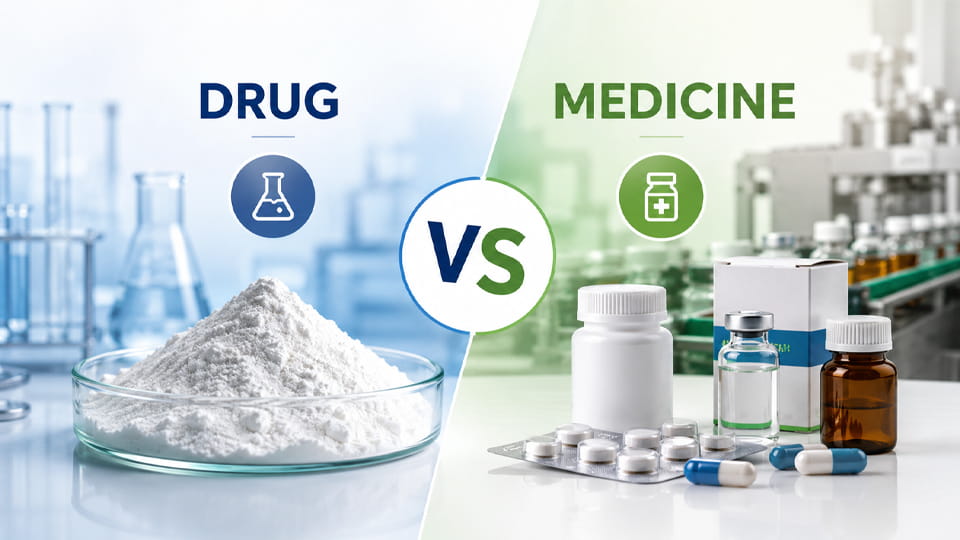
W kategoriach farmaceutycznych, A lek jest aktywną substancją chemiczną lub biologiczną stosowaną w diagnostyce, wyleczyć , łagodzić, traktować, lub zapobiegać chorobom. FDA definiuje lek ogólnie jako „Substancja przeznaczona do stosowania w diagnostyce, wyleczyć , łagodzenie, leczenie, lub zapobieganie chorobom” u ludzi lub zwierząt. W rzeczywistości, "lek" często odnosi się do czystej substancji czynnej (API) się. Na przykład, ibuprofen lub amoksycylina w postaci proszku zostanie nazwana substancją leczniczą, zanim zostanie przekształcona w lek tabletka lub kapsułka.
Kluczowe punkty na temat narkotyki w produkcji farmaceutycznej:
Podsumowując, A lek to surowa substancja terapeutyczna lub API – „co”, które nadaje lekowi działanie. Termin ten jest powszechny w opracowywaniu i regulacji receptur.
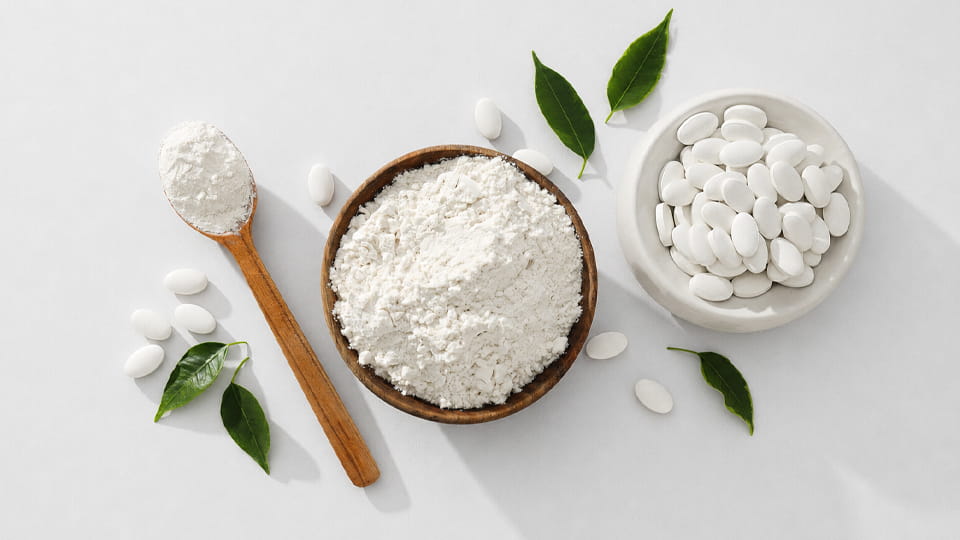
A medycyna (Lub produkt leczniczy) jest gotowy produkt farmaceutyczny przeznaczony do stosowania przez pacjenta. Zawiera jeden lub więcej leków (Pszczoła) plus nieaktywne komponenty (substancje pomocnicze) i jest zapakowany w celu bezpiecznego dozowania i stosowania. Innymi słowy, po przygotowaniu leku w postaci dawkowania (tabletka, kapsułka, płyn, itp.) i oznakowane w pojemniku, staje się lekiem gotowym do sprzedaży.
W prostych słowach, A medycyna jest zapakowany, produkt gotowy dla pacjenta, stosowany do diagnozowania lub leczenia schorzenia. Zawiera lek jako główny składnik, ale także wszystkie inne rzeczy (substancje pomocnicze, pojemnik, etykieta).
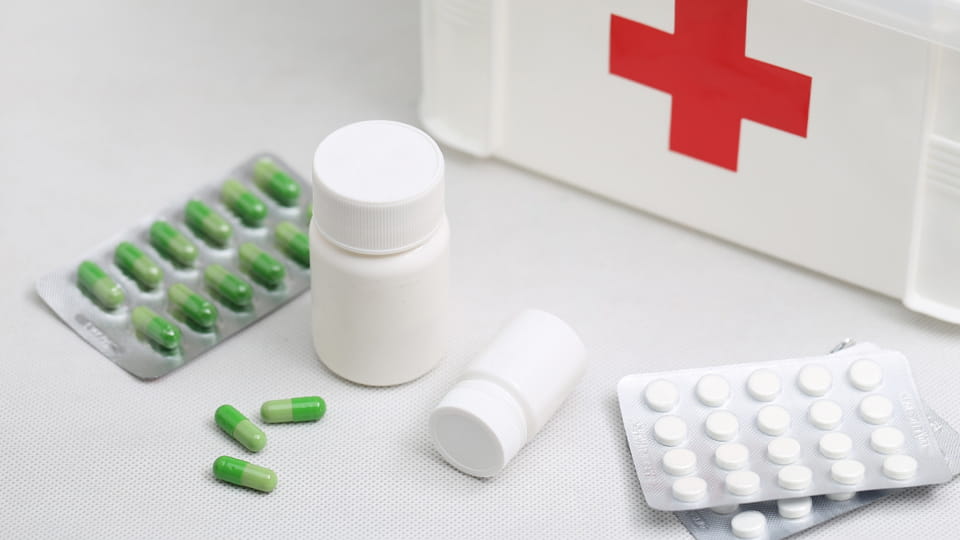
Poniżej znajduje się podsumowanie kluczowe rozróżnienia pomiędzy lekiem a lekiem. Różnice są subtelne w prostym języku, ale istotne w kontekście produkcyjnym i regulacyjnym:
| Aspekt | Lek | Medycyna (Produkt leczniczy) |
| Podstawowe znaczenie | Substancja czynna (API) z efektem terapeutycznym | Gotowy produkt zawierający lek, gotowy do użycia przez pacjenta |
| Scena | Często odnosi się do składnika na wczesnym etapie lub związku badawczego | Odnosi się do końcowej postaci dawkowania po przygotowaniu i zapakowaniu |
| Kompozycja | Czysty składnik aktywny (np. proszek aspiryny) | Zawiera API + substancje pomocnicze, pojemnik, etykieta (np. tabletka aspiryny w blistrze) |
| Użyj kontekstu | Produkcja, R&D, regulacyjne (proces zatwierdzania) | Zastosowanie kliniczne, nakazywanie, dozowanie (w placówkach służby zdrowia) |
| Regulacja | Szeroka definicja „leku” FDA obejmuje API | Gotowe produkty podlegające ścisłym regulacjom (Zezwolenia FDA/EMA, GMP) |
| Przykład | API ibuprofenu, białko insuliny (substancja luzem) | Tabletki z ibuprofenem, zastrzyki insuliny w fiolkach |
W prostych słowach: A lek jest aktywną substancją chemiczną/biologiczną o działaniu farmakologicznym. A medycyna to ten lek plus formuła i opakowanie, przeznaczone do bezpiecznego stosowania przez pacjentów. Jak to ujęło jedno ze źródeł farmaceutycznych, „Każdy lek zaczyna się od leku, ale nie każdy lek staje się lekiem”. Na przykład, czysta morfina jest substancją leczniczą; po przygotowaniu w postaci dawek do wstrzykiwań z solą fizjologiczną i zamkniętych w fiolkach, staje się lekarstwem (produkt łagodzący ból).
Kluczową kwestią jest to medycyna oznacza regulację, produkt nadający się do spożycia, mając na uwadze, że lek może oznaczać samą surową substancję czynną lub szerszą klasę związków. Powyższa tabela podkreśla te różnice.
Aby w pełni zrozumieć „lek kontra medycyna,” pomaga wyjaśnić powiązane terminy często używane w farmacji:
Konkluzja: W produkcji farmaceutycznej, „substancja narkotykowa” jest interfejs API, „produkt leczniczy” jest sformułowaną postacią dawkowania (tabletki, kapsułki, zastrzyk, itp.), I "medycyna" tak nazywa się produkt leczniczy, gdy jest on produktem terapeutycznym gotowym do wprowadzenia na rynek. Na przykład, metformina jest substancją leczniczą, Produktem leczniczym jest tabletka metforminy 500 mg, i ten tablet (w swoim opakowaniu) to lek, który przyjmuje pacjent.
Zrozumienie tych terminów jest niezbędne: gdy znamy postać dawkowania leku, możemy wybrać prawy linia pakująca przekształcić go w stabilny lek.
Sformułowanie & Opracowanie postaci dawkowania: Surowy substancja narkotykowa samo w sobie nie jest gotowe do przyjęcia pacjenta. Należy go przygotować w odpowiedniej postaci dawkowania (tabletka, kapsułka, syrop, zastrzyk, itp.) – jest to główna część rozwoju produkcji. Każda postać dawkowania wymaga określonych substancji pomocniczych i przetwarzania (mieszanie, granulacja, sterylizacja) stać się produkt leczniczy. Na przykład, wrażliwe interfejsy API do wstrzykiwalnych leków biologicznych wymagają aseptycznego przetwarzania, podczas gdy stabilny API pigułki przechodzi suszenie i kompresję tabletki.
Zatwierdzenie regulacyjne: Agencje takie jak FDA czy EMA dokonują przeglądu danych na temat substancji leczniczej I produkt leczniczy/lek. Oceniają bezpieczeństwo API i skuteczność finalnego preparatu. Gotowy lek musi spełniać rygorystyczne normy (GMP, stabilność, etykietowanie). FDA CGMP zasady wyraźnie dotyczą procesów pakowania i sprzętu, a więc sposobu pakowania leku (nawet więcej niż surowy narkotyk) jest ściśle regulowane.
Pakowanie i etykietowanie: To rozróżnienie dyktuje potrzeby w zakresie opakowań. Substancja lecznicza ma zazwyczaj minimalne opakowanie (bębny, fiolki do przechowywania). Lek, Jednakże, wymaga opakowanie podstawowe co chroni dawkowanie (np. Pakiety pęcherzy, butelki, fiolki) I opakowanie wtórne (kartony) w celu uzyskania informacji i identyfikowalności. Na przykład, tabletki (gotowy produkt) potrzebują odpornych na wilgoć blistrów lub systemów butelek i zamknięć, aby zapewnić trwałość. Lek do wstrzykiwań wymaga sterylnych szklanych fiolek lub ampułek oraz zabezpieczeń zabezpieczających. Każda kombinacja API i postaci dawkowania ma odpowiednie rozwiązanie opakowaniowe.
Wybór sprzętu: Jeśli myślisz tylko o interfejsach API, możesz rozważyć reaktory lub mieszalniki. Ale gdy substancja jest produktem leczniczym wymagającym opakowania, potrzebujesz odpowiedniej linii pakującej. Maszyny pakujące w blistry, maszyny do napełniania kapsułki, wypełniacze w płynie, linie do napełniania fiolek, maszyny kartonowe – wszystko staje się istotne. Rozpoznanie, że „lekarstwo” oznacza produkt opakowany, skłania do zakupu takich maszyn.
Krótko mówiąc, Zrozumienie problemu „lek kontra medycyna” pomaga zespołom projektowym wiedzieć kiedy i jak zintegrować opakowanie z procesem produkcyjnym. Zapewnia to, że produkt leczniczy nie jest po prostu sformułowany, ale odpowiednio zabezpieczone i wprowadzone na rynek.
Opakowanie to ostatni krytyczny krok, który przekształca gotowy lek w lek, który pacjenci mogą bezpiecznie stosować. W opakowania farmaceutyczne, opakowanie podstawowe ma bezpośredni kontakt z dawką (produkt leczniczy) i stanowi pierwszą barierę dla degradacji. Na przykład, często trafiają do twardych kapsułek i tabletek żelatynowych aluminium-plastik Pakiety pęcherzy, podczas gdy płynne syropy trafiają do środka plastikowy (PET/HDPE) butelki. Wstrzykiwane są leki do wstrzykiwań sterylne szklane fiolki lub ampułki. Każdy pojemnik podstawowy jest wybierany ze względu na jego obojętność i właściwości barierowe.
Po zamknięciu opakowania podstawowego, opakowanie wtórne (kartony, etykiety, ulotki) dostarcza informacji o pacjencie i danych partii. Na przykład, blistry lub fiolki są pogrupowane w markowe pudełka kartonowe z ulotkami z instrukcjami, numery partii, i kody kreskowe – kluczowe dla zgodności i bezpieczeństwa pacjentów.
W JinLuPacking, nasze maszyny automatyzują te kroki. Automat maszyna pakująca w blistry może zamknąć tysiące tabletek w blistry na godzinę; A maszyna do napełniania kapsułek dozuje lek w kapsułkach; A linia do napełniania i zamykania butelek liczy tabletki lub rozlewa syropy do butelek; i a maszyna kartonowa owija i pakuje gotowe produkty. Wszystkie te etapy – napełnianie, zakrywanie, opakowanie – upewnij się, że końcowy lek został dokładnie dozowany, bezpieczna, i gotowe do dystrybucji.
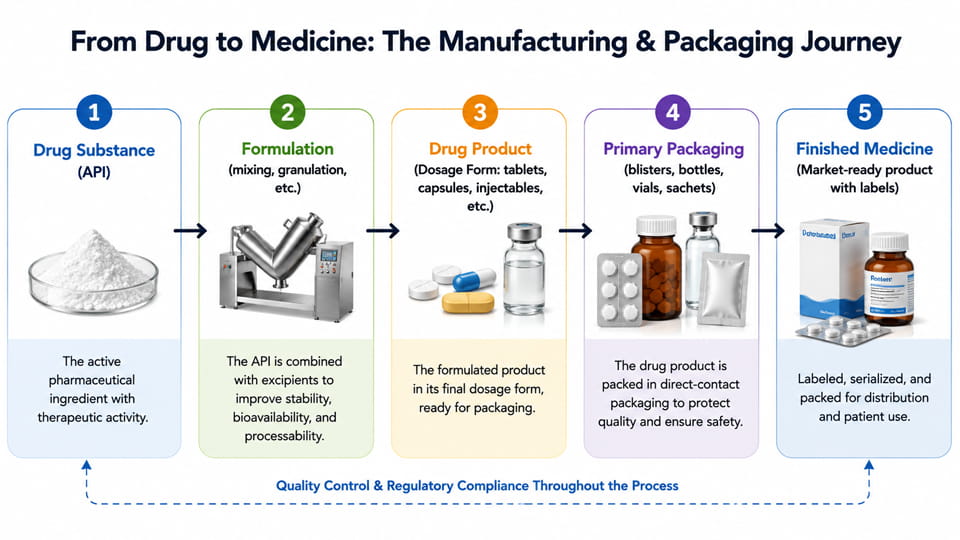
Postać: Schemat blokowy leku → Medycyna: Aktywny substancja narkotykowa (API) jest sformułowany w formie a produkt leczniczy (określonej postaci dawkowania). Następnie przechodzi do opakowanie podstawowe (np. blistry na tabletki, butelki na syropy, fiolki szklane do wstrzykiwań). Wreszcie, staje się skończył lek z opakowaniem wtórnym (kartony/etykiety) do użytku pacjenta.
Różne postacie dawkowania wymagają różnych rozwiązań w zakresie opakowań. Poniższa tabela podsumowuje typowe pary:
| Formularz dawkowania | Wspólne opakowanie podstawowe | Przykładowy sprzęt JinLu |
| Tabletki (Solidny ustny) | Pakiety pęcherzy (Folia PVC/PVDC), lub plastik butelki z zakrętkami | Maszyna do pakowania w blistry; Liczenie tabletów & Linia rozlewnicza |
| Kapsułki (Doustny) | Pakiety pęcherzy, lub butelki podobne do tabletek | Automatyczna maszyna do napełniania kapsułek; Maszyna do blistrowania |
| Płyn doustny (Syropy) | Plastikowy (PET/HDPE) butelki z czepkami bezpiecznymi dla dzieci | System napełniania i zamykania cieczy; Rozszyfrator butelek |
| Proszek / Saszetka | Saszetki jednodawkowe (woreczki foliowe lub laminowane) | Maszyna pakująca w saszetki / sztyfty; Gotowa linia torebek |
| Zastrzyki (Jałowy) | Szkło fiolki, ampułki, lub ampułko-strzykawki, plus uszczelki foliowe | Napełnianie fiolki/ampułki & Linia zatrzymująca; Zgrzewarka indukcyjna |
| Maści/kremy | Rury laminowane (aluminium lub plastik) | Maszyna do napełniania i zamykania rur |
| Kapsułki Softgel | Butelki (ZWIERZAK DOMOWY) lub blistry | Maszyna do blistrowania kapsułek Softgel; Linia licząca |
Wybór zależy od czynników takich jak stabilność postaci dawki, sterylność, i wygodę pacjenta. Na przykład, często używają tabletek i kapsułek Maszyny pęcherzy Lub linie do napełniania butelek, podczas gdy płyny są potrzebne płuczki do butelek, pożywny, i maszyny zamykające. Możliwość wstrzykiwania leki wymagają sterylnych systemów napełniania w warunkach pomieszczenia czystego. Każde rozwiązanie wspierane jest przez specjalistyczne maszyny pakujące, aby zapewnić, że produkt leczniczy zostanie objęty ochroną, oznakowane medycyna to spotyka standardy GMP.
Żeby było betonowo, Oto kilka przykładów pokazujących, jak określone leki zamieniają się w leki:
Każdy przykład pokazuje: Lek (API) → Sformułowanie (tabletkowanie, pożywny, itp.) → Opakowanie (pęcherz, butelka, fiolka, saszetka) → Medycyna (produkt końcowy z etykietą).
Nie koniecznie. Każde lekarstwo zaczyna się od leku, ale nie każdy lek staje się lekiem. Wiele związków chemicznych lub biologicznych (narkotyki) nigdy nie dotrzeć do pacjentów. Niektóre leki pozostają w R&D lub są wykorzystywane wyłącznie do celów badawczych, a inne są używane poza placówkami medycznymi (np. narkotyki rekreacyjne). Tylko wtedy, gdy lek jest sformułowany, przetestowany, i zatwierdzony, staje się lekiem.
Jako jedna z odpowiedzi na często zadawane pytania, „Aspiryna jest zarówno lekiem, jak i lekiem. Jest to lek w postaci chemicznej (kwas acetylosalicylowy) i staje się lekiem, gdy zostanie opracowany i zastosowany w leczeniu gorączki, ból, lub zapalenie”. Kluczem jest przeznaczenie i prezentacja: zastosowanie jako produktu gotowego do spożycia przez pacjenta czyni go lekiem.
Podsumowując, tylko zatwierdzone, produkty przeznaczone dla pacjentów są leki. Zrozumienie tego pomaga producentom i organom regulacyjnym rozróżnić substancje eksperymentalne od produktów rzeczywistych.
Podsumowując, "lek" zwykle odnosi się do składnika aktywnego lub dowolnego środka farmaceutycznego, chwila "medycyna" (produkt leczniczy) odnosi się do gotowego, gotowy dla pacjenta produkt zawierający ten lek. To rozróżnienie jest ważne w przypadku produkcji farmaceutycznej: prowadzi R&D, status regulacyjny, i wybór opakowań. Zrozumienie tych terminów pomaga zapewnić, że substancja lecznicza przejdzie przez proces formułowania i opakowanie właściwie stać się stabilnym, lek zgodny.
Gdy opracowanie nowej postaci leku, Pamiętać: właściwa linia pakowania (pakowacz blistrowy, wypełniacz kapsułki, linia butelek, wypełniacz fiolki, kartoniarz, itp.) jest niezbędny dla chroniąc lek i spotkanie z GMP. Na przykład, na których polegają producenci tabletów Blister Packaging Machine I linie liczenia/napełniania, podczas gdy wymagają tego produkty do wstrzykiwania maszyny do napełniania i zamykania fiolek/ampułek i zabezpieczyć opakowanie wtórne. JinLu Pakowanie oferuje pełną gamę maszyny do pakowania produktów farmaceutycznych dostosowane do każdej postaci dawkowania – od tabletka & pęcherzenie kapsułki Do opakowanie saszetki I kartonowanie.
Gotowy do przekształcenia Twojego leku w lek gotowy do wprowadzenia na rynek? Poznaj nasze rozwiązania: tabletka & maszyny do pakowania blistrów w kapsułki w dawkach stałych, maszyny do napełniania kapsułek proszkiem/kapsułki w płynie, saszetka & gotowe maszyny do produkcji torebek do proszków, i maszyny kartonujące do końcowego pakowania. Nasz sprzęt pomaga chronić jakość produktu, zapewnić bezpieczeństwo pacjentom, i usprawnij linię produkcyjną od leku do gotowego leku.
Nie dokładnie. W luźnej rozmowie nakładają się na siebie, ale technicznie rzecz biorąc, lek często oznacza substancję czynną lub jakąkolwiek substancję farmakologiczną, natomiast lek to gotowy produkt podawany pacjentom. Można powiedzieć: „każdy lek zawiera lek, ale lek sam w sobie nie może być lekiem, dopóki nie zostanie sformułowany”.
Są to zasadniczo te same pojęcia w większości kontekstów farmaceutycznych. Produkt leczniczy to wypełniona postać dawkowania (tabletka, kapsułka, zastrzyk) gotowy do sprzedaży. Lek jest tym, co nazywa się produktem leczniczym zapakowanym do użytku przez pacjenta. W rzeczywistości, zatwierdzonych produktów leczniczych (z etykietowaniem) są leki.
Substancja narkotykowa (lub API) to czysty składnik aktywny – chemiczny lub biologiczny, który ma działanie terapeutyczne. Produkt leczniczy to końcowy preparat zawierający tę substancję, plus substancje pomocnicze, w postaci dawkowania (pigułka, rozwiązanie, itp.). Pomyśl o soli i solniczce: sól (substancja narkotykowa) jest składnikiem; sól ze środkiem przeciwzbrylającym w butelce (produkt leczniczy) jest produktem użytkowym.
Opakowanie ma kluczowe znaczenie dla przekształcenia leku w lek. Jak zauważają zasoby JinLuPacking, opakowania farmaceutyczne (Pakiety pęcherzy, fiolki, butelki) chroni stabilność i dawkowanie leku, i zapewnia zgodność z przepisami. Właściwe opakowanie i oznakowanie sprawiają, że substancja lecznicza luzem staje się sejfem, lek przyjazny dla użytkownika.
Tak. Związek taki jak ibuprofen lub acetaminofen jest substancją leczniczą. Po przekształceniu w tabletkę OTC z instrukcją, to także lekarstwo. To zależy od formy i zastosowania. Jak zauważono powyżej, aspiryna jest chemicznie lekiem, ale gdy jest dostępna w tabletkach łagodzących ból, nazywana jest lekiem. Podobnie jest z wieloma lekami przeciwbólowymi, antybiotyki, itp.
Lekarze często używają słowa „lek” w neutralnym znaczeniu dowolnego środka farmaceutycznego. W żargonie klinicznym i prawie (jak ustawa FDA), „lek” to oficjalne określenie substancji leczniczej. Obejmuje wszystko, od syropu na kaszel po chemioterapię. Tymczasem, „medycyna” jest bardziej przyjazna pacjentowi. Dlatego lekarz może przepisać ibuprofen (lek) jako środek przeciwbólowy (medycyna).
Referencje:
1.Leks@FDA Glosariusz terminów -- NAS. Administracja Żywności i Leków
2.Klasyfikacja produktów jako leków i wyrobów oraz dodatkowe zagadnienia dotyczące klasyfikacji produktów -- NAS. Administracja Żywności i Leków
3.Słowniczek (Warunki P: produkt farmaceutyczny, substancja pomocnicza, materiał wyjściowy) -- KTO
4.Glosariusz kwalifikacji wstępnej -- KTO
5.Formy dawkowania | FDA -- NAS. Administracja Żywności i Leków
6.Q7A Wytyczne dobrej praktyki produkcyjnej dla aktywnych składników farmaceutycznych -- NAS. Administracja Żywności i Leków
