

Kapsułki twarde wypełnione płynem (LFHC) to w zasadzie standardowe kapsułki dwuczęściowe (twarde otoczki żelatynowe lub HPMC) które są wypełnione preparatami na bazie oleju lub innymi niewodnymi płynami zamiast proszków lub granulek. Wyobraź sobie twardą kapsułkę, którą możesz otworzyć i napełnić własną mieszanką – ale wykonaną na dużą skalę przez precyzyjne maszyny. W produkcji, pompa lub strzykawka wstrzykuje odmierzoną dawkę płynu (często olej lub zawiesina) do otwartego korpusu każdej kapsułki. Po napełnieniu, czapka jest zamknięta na korpusie, i złącze jest natychmiast uszczelniane (więc nic nie wycieka). Aby to zwizualizować, rozważ poniższy obraz kapsułek twardych wypełnionych płynem:
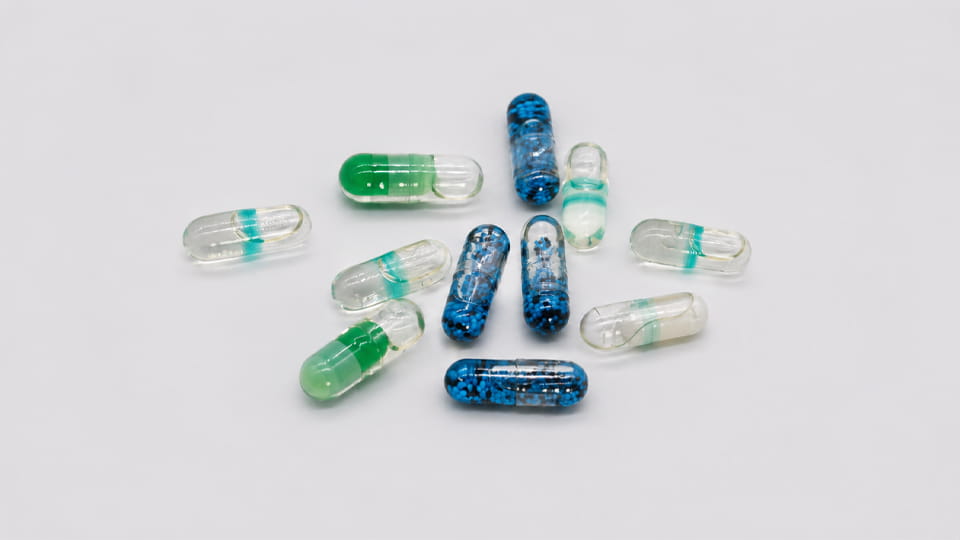
Postać: Kapsułki twarde dwuczęściowe wypełnione płynem. Każda kapsułka ma wieczko i korpus połączone i uszczelnione, aby pomieścić preparat olejowy lub płynny.
Kapsułki wypełnione płynem wymagają specjalnego uszczelnienia, ponieważ płyny mogą wyciekać. Typowe metody uszczelniania obejmują nałożenie cienkiej opaski żelatynowej wokół złącza (zwany "uszczelnienie taśmowe”) lub przy użyciu technik fuzji. W rzeczywistości, nowoczesny płynne wypełniacze kapsułek tak jak NJY-1000C firmy Jinlu automatycznie napełnia płynami standardowe twarde otoczki, a następnie zamyka je w formie hybrydowej, która łączy w sobie łatwe połykanie z szybką absorpcją leku. Krótko mówiąc, LFHC umożliwiają dostarczenie płynnej postaci leku w stałej otoczce kapsułki – przydatna hybryda pomiędzy proszkami i kapsułkami żelowymi.
Podsumowując, . zalety kapsułek twardych wypełnionych płynem włączać: poprawiona rozpuszczalność i biodostępność twardych leków; elastyczne dozowanie i łatwe rozwijanie; szybciej, bardziej opłacalna produkcja; wysoka stabilność produktu; oraz możliwość tworzenia nowatorskich produktów kombinowanych. Te zalety sprawiają, że LFHC są atrakcyjne zarówno dla producentów farmaceutycznych, jak i nutraceutycznych.
To naturalne, że zastanawiasz się, jak LFHC mają się do siebie miękkie kapsułki żelatynowe. Obydwa dostarczają płynne preparaty, ale są zasadnicze różnice. Kapsułki żelowe powstają w jednym etapie formowania i doskonale nadają się do olejów, ale wymagają plastyfikowanej żelatyny (z wilgocią) i bardzo ścisła kontrola wilgotności podczas produkcji. Kapsułki twarde są wytwarzane osobno i napełniane w drugim etapie, co oznacza prostszy sprzęt i brak konieczności samodzielnego formułowania powłoki. Na przykład, dzięki LFHC możesz używać skorup HPMC do produktów wegetariańskich lub nadzień wrażliwych na wilgoć – coś, co nie jest możliwe w przypadku standardowych kapsułek żelowych.
Z produkcyjnego punktu widzenia, kapsułki twarde często wygrywają kosztem i szybkością. Kapsułki wymagają specjalizacji maszyna do kapsułkowania i dni przygotowań, podczas gdy płynny wypełniacz kapsułek kończy cykl w ciągu kilku godzin. Procesy Softgel powodują również marnowanie większej ilości żelatyny i wymagają kosztownego sprzętu do przygotowywania żelatyny. Z drugiej strony, kapsułki żelowe z natury uszczelniają się po uformowaniu, więc nie wymagają osobnego etapu uszczelniania. LFHC potrzebują tego dodatkowego kroku (banding lub fuzja), ale jak omówiono, może to być bardzo wydajne w przypadku nowoczesnych maszyn bandujących.
| Funkcja | Kapsułki twarde wypełnione płynem | Kapsułki |
|---|---|---|
| Koszt rozwoju | Niżej | Wyższy |
| Elastyczność produkcji | Wysoki | Średni |
| Biodostępność | Doskonały | Doskonały |
| Materiały kapsułkowe | Żelatyna/HPMC | Głównie żelatyna |
| Opcje wegetariańskie | Dostępny | Ograniczony |
| Produkcja małych partii | Łatwiejsze | Trudny |
| Inwestycja w sprzęt | Niżej | Wyższy |
Podsumowując, Kapsułki twarde wypełnione płynem oferują podobne korzyści pacjentowi (łatwe połykanie, szybkie uwalnianie płynnej zawartości) jako kapsułki żelowe, ale przy prostszej produkcji i większej elastyczności formułowania. Zasadniczo wypełniają lukę pomiędzy twardymi kapsułkami i kapsułkami typu softgel.
Wytwarzanie twardych kapsułek wypełnionych płynem obejmuje znane etapy napełniania kapsułek, z pewnymi specjalnymi uwagami dotyczącymi wypełnienia płynnego. Główne etapy to:
Postać: Maszyna do napełniania kapsułek z płynem w pracy. Puste kapsułki twarde napełnia się płynem i następnie zamyka (pasmowe lub fuzyjne) w jednym ciągłym procesie.
Każdy z powyższych etapów musi zostać zweryfikowany pod kątem jakości. W rzeczywistości, producenci ustanawiają kontrolę lepkości cieczy, kalibracja pompy, rozwiązanie bandażowe, i warunki suszenia. Mogą również przeprowadzać testy szczelności próbek (testy próżniowe lub kontrole wizualne) aby zapewnić integralność pasma. Ale przy dobrze zaprojektowanej linii – pusto, pręt, gangi, i suszenie – produkcja kapsułek wypełnionych płynem może przebiegać z dużą wydajnością, podobnie jak w przypadku każdej innej linii kapsułek.
[jl_youtube src=”https://www.youtube.com/embed/jBjWRfpjJ4o”]
Bliższe spojrzenie uszczelnienie taśmowe jest tego warte, ponieważ ma kluczowe znaczenie w produkcji kapsułek z płynem. W tym procesie, wokół zamkniętego szwu kapsułki nakłada się wąską zasłonę ogrzanego roztworu żelatyny. Następnie pas kapsułek przechodzi przez strefę chłodzenia, w wyniku czego opaska zostaje zestalona. Ta metoda jest szybka, nie wymaga rozpuszczalników, i natychmiast sprawia, że kapsułka staje się oczywista. Altasciences i inni eksperci opowiadają się za uszczelnianiem taśmą, ponieważ pozwala to uniknąć alkoholu (więc nie ma potrzeby testowania pozostałości rozpuszczalnika) i zapewnia dostępne bez recepty zabezpieczenia przed manipulacją oraz kolorowe opaski z możliwością oznakowania marki. Jak podaje jedna z recenzji, uszczelnienie taśmowe „tworzy hermetyczną konstrukcję, szczelna uszczelka zabezpieczająca recepturę i zwiększająca stabilność produktu podczas transportu”.
Inne rodzaje uszczelnień obejmują uszczelnienie fuzyjne, gdzie szew kapsułki jest zmiękczony (zwykle z mieszaniną wodno-alkoholową) i na krótko stopione. Uszczelnienia termojądrowe mogą wyglądać na czystsze, ale wymagają ścisłej kontroli środowiskowej. Uszczelnienie mikro-sprayem to podejście ukierunkowane – na złącze natryskiwana jest niewielka ilość uszczelniacza, następnie ciepło, co obniża temperaturę topnienia kapsułki na szwie i wiąże ją. Jednakże, wymaga to uważnego monitorowania, aby uniknąć pęcherzyków lub wypaczeń. W rzeczywistości, większość linii nutraceutycznych i farmaceutycznych wykorzystuje opaski ze względu na ich niezawodność i prostotę.
Pod względem wyposażenia, są dedykowane maszyny do bandażowania kapsułek które integrują się z liniami wypełniającymi. Maszyny te dokładnie nakładają opaski żelowe na tysiące kapsułek na minutę. Ponieważ uszczelnienie jest tak ważne dla LFHC, wiodące maszyny napełniające mają teraz wbudowane okleiarki. Na przykład, Opatentowany system uszczelniający Jinlu automatycznie dostosowuje prędkość pasma, dzięki czemu każda kapsułka jest równa, płaszcz nieprzemakalny.
Kapsułki twarde wypełnione płynem obejmują szereg branż. W farmaceutyki, są coraz częściej stosowane w przypadku nowych jednostek chemicznych (NCE) które są słabo rozpuszczalne lub bardzo silne. Do tego opisu pasuje obecnie wiele leków znajdujących się w późnej fazie rozwoju, a dostarczanie kapsułek może uprościć opracowywanie postaci dawkowania. LFHC mogą również unowocześniać istniejące produkty: firmy czasami przerabiają starą tabletkę na płynną kapsułkę, aby poprawić początek działania lub łączą wiele składników aktywnych w jednej tabletce. Na przykład, lek przewlekle może zawierać szybko działającą płynną wkładkę i granulkę o opóźnionym uwalnianiu w jednej kapsułce.
w nutraceutyk i suplement pole, Kapsułki wypełnione płynem są popularne w przypadku witamin rozpuszczalnych w olejach i ekstraktów roślinnych. W przewodniku dotyczącym uszczelnień richpacking zauważono, że produkty takie jak olej rybny, omega-3, witamina D, a olejki ziołowe są powszechnie dodawane do LFHC. Rzeczywiście, wiele suplementów typu softgel jest obecnie produkowanych jako LFHC z opaską – konsumenci nadal otrzymują łatwą do połknięcia dawkę płynu, ale producenci korzystają z prostszego sprzętu do napełniania. Dla suplementy diety, Kapsułki z paskami zapewniają zabezpieczenie przed manipulacją i atrakcyjne kolorowe paski bez konieczności ponoszenia kosztów pełnych Pakiety pęcherzy.
Menedżerowie operacyjni i inżynierowie ds. zakupów docenią fakt, że linie LFHC często mogą pracować na tej samej hali produkcyjnej, co standardowe linie kapsułowe. Na przykład, A maszyna do napełniania kapsułek który już obsługuje proszki, można czasami dostosować lub wyposażyć do obsługi głowic dozujących ciecz. Oznacza to, że rośliny mogą dodawać możliwości dozowania płynów bez konieczności posiadania całkowicie nowego działu kapsułek żelowych. (Jedna uwaga: standardowe otoczki kapsułek twardych dobrze radzą sobie z płynami niewodnymi, ale bardzo wodniste preparaty zwykle wymagają specjalnych kapsułek.) Wszechstronność LFHC rozciąga się również na opakowanie. Po uszczelnieniu, kapsułki można pakować w blistry, w butelkach, lub pakowane luzem, jak każda inna pigułka.
Wreszcie, przypomnij sobie podsumowanie korzyści: LFHC poprawiają biodostępność olejów i zawiesin, umożliwiają elastyczne dozowanie, i oferują szybkość i stabilność produkcji. Są idealne do niskodawkowe lub silne API (ponieważ napełnienie niewielkiej objętości jest łatwiejsze niż dozowanie niewielkiej ilości proszku). Umożliwiają również większą przepustowość kapsułek: maszyny o dużej prędkości mogą wypompować dziesiątki tysięcy na godzinę przy rozmiarach kapsułek od 000 (duży) aż do #5 (mały). Dla menedżera operacyjnego decydującego się na linię kapsułkową, Możliwości płynne oznaczają, że w jednym systemie można używać zarówno produktów w proszku, jak i produktów płynnych (z przesiadkami), poszerzanie asortymentu produktów bez podwójnych inwestycji.
Kapsułki twarde wypełnione płynem to potężna postać dawkowania, która łączy w sobie najlepsze pigułki i płyny. Rozwiązują problemy związane z formułowaniem (szczególnie w przypadku słabo rozpuszczalnych lub złożonych kombinacji leków) i dają producentom skalowalność, opłacalna trasa produkcji. Używając maszyny do napełniania kapsułek z płynem i techniki uszczelniania, firmy mogą niezawodnie produkować masowo kapsułki dostarczające olejki, zawiesiny lub emulsje w postaci czystej, forma do połknięcia. W rozwijającym się świecie doustnych postaci dawkowania, LFHC wyróżniają się elastycznością, apel pacjenta, i prędkość komercyjna. Niezależnie od tego, czy jesteś kierownikiem operacyjnym w zakładzie farmaceutycznym, czy inżynierem ds. zaopatrzenia zajmującym się zaopatrzeniem w maszyny pakujące, odkrywanie kapsułki twarde wypełnione płynem może szybciej wprowadzić Twoje produkty na rynek, zapewniając lepszą skuteczność i niższy koszt.
Szukasz niezawodnego rozwiązania do napełniania kapsułek w płynie? Pakowanie jinlu zapewnia zaawansowany sprzęt do napełniania i pakowania kapsułek dla producentów farmaceutycznych i nutraceutyków na całym świecie.
Kapsułki twarde wypełnione płynem to dwuczęściowe kapsułki wykonane z otoczki żelatynowej lub HPMC, które zawierają płyn, półstały, zawieszenie, lub preparaty na bazie oleju. W odróżnieniu od tradycyjnych kapsułek wypełnionych proszkiem, pozwalają producentom dostarczać składniki w stanie płynnym, co może poprawić elastyczność receptury i działanie składników.
Do głównych korzyści należy lepsza biodostępność słabo rozpuszczalnych składników, lepsze maskowanie smaku, ochrona wrażliwych związków, precyzyjne dozowanie, i zdolność do formułowania olejków, zawieszenia, i systemy samoemulgujące wewnątrz twardej otoczki kapsułki.
Proces produkcyjny zazwyczaj obejmuje przygotowanie preparatu, płynne napełnianie pustych, twardych kapsułek, Blokowanie kapsułki, uszczelnianie lub bandażowanie, wysuszenie, kontrola, i ostateczne opakowanie. Specjalistyczne maszyny do napełniania kapsułek z płynem zapewniają dokładne dozowanie i zapobiegają wyciekom.
Kapsułki twarde wypełnione płynem mogą zawierać oleje, preparaty na bazie lipidów, ekstrakty ziołowe, zawieszenia, półstałe, samoemulgujące systemy dostarczania leków (SEDDS), i inne niewodne ciekłe preparaty. Generalnie unika się preparatów na bazie wody, ponieważ mogą uszkodzić otoczkę kapsułki.
Kapsułki twarde wypełnione płynem mają dwuczęściową otoczkę kapsułki, która jest napełniana i zamykana po kapsułkowaniu, podczas tworzenia kapsułek żelowych, wypełniony, i uszczelnione w jednym procesie. Twarde kapsułki wypełnione płynem często zapewniają większą elastyczność formułowania, niższe koszty oprzyrządowania, łatwiejsze skalowanie, oraz możliwość wykorzystania wegetariańskich muszli HPMC. Kapsułki, Jednakże, oferują w pełni hermetyczne, jednoczęściowe uszczelnienie.
Tak. Kapsułki wypełnione płynem HPMC są szeroko stosowane w przypadku składników wrażliwych na wilgoć, preparaty wegetariańskie, i produkty nutraceutyczne. Zawierają mniej wilgoci niż kapsułki żelatynowe i często są preferowane w przypadku suplementów na bazie roślin.
Uszczelnienie kapsułki zapobiega wyciekom podczas transportu i przechowywania, poprawia stabilność produktu, zwiększa odporność na manipulacje, i pomaga chronić składniki wrażliwe na tlen. Typowe metody uszczelniania obejmują technologie opasywania kapsułek i zgrzewania termicznego.
Kapsułki twarde wypełnione płynem są szeroko stosowane w produkcji farmaceutycznej, produkcja nutraceutyków, suplementy diety, produkty ziołowe, weterynaria, i specjalistyczne preparaty medyczne. Szczególnie nadają się do olejów, witaminy, ekstrakty botaniczne, i słabo rozpuszczalne składniki aktywne.
Typowa linia do produkcji twardych kapsułek wypełnionych płynem może obejmować maszynę do napełniania kapsułek płynnych, maszyna do zamykania lub opasywania kapsułek, maszyna do polerowania kapsułek, wykrywacz metali, sortownik kapsułek, Blister Packaging Maszyna, linia rozlewnicza, i systemy inspekcji. Dokładna konfiguracja zależy od możliwości produkcyjnych i wymogów prawnych.
Przy wyborze maszyny do napełniania kapsułek z płynem, producenci powinni ocenić dokładność napełniania, prędkość produkcji, kompatybilność wielkości kapsułek, integracja uszczelniająca, wygodę czyszczenia, Zgodność z GMP, poziom automatyzacji, i przyszłe wymagania dotyczące rozbudowy. Idealne rozwiązanie zależy od charakterystyki receptury i wielkości produkcji.
Referencje:
1.Kapsułki twarde wypełnione płynem: Obecny wpływ podawania leków na technologię farmaceutyczną —— Narodowa Biblioteka Medyczna
2.Twarda kapsułka żelatynowa wypełniona płynem —— jddtonline.info
3.Recenzja twardych kapsułek żelatynowych wypełnionych płynem —— merckmillipore.com
4.Ocena automatycznego systemu napełniania płynami twardych kapsułek żelatynowych —— Narodowa Biblioteka Medyczna
5.Kapsułki żelatynowe twarde wypełnione płynem : badania zgodności substancji pomocniczych/kapsułek —— ScienceDirect
6.Wypełnione płynem i uszczelnione twarde kapsułki żelatynowe —— jddtonline.info
7.Wybór substancji pomocniczych do kapsułek twardych wypełnionych płynem —— pharmtech.com