

A linia do pakowania butelek to kompleksowy, zautomatyzowany system, który zamienia puste butelki w etykiety, pakowane produkty. Dla producentów produktów farmaceutycznych i nutraceutycznych, linie te zwiększają przepustowość, obciąć koszty pracy, i zapewnić Zgodny z GMP wyjście. W tym przewodniku wyjaśniono, czym jest linia do pakowania butelek, jak to działa, i kluczowe maszyny, których to dotyczy. Zajmujemy się różnymi typami linii (tabletka, płyn, Nutraceutyka, itp.), wymień główne zalety automatyzacji, i udzielą praktycznych wskazówek dotyczących wyboru właściwej żyłki. Niezależnie od tego, czy chcesz Rozwiązanie w zakresie pakowania butelek pod klucz lub porównujesz ręczną vs. automatyczny, ten artykuł Cię omówi.
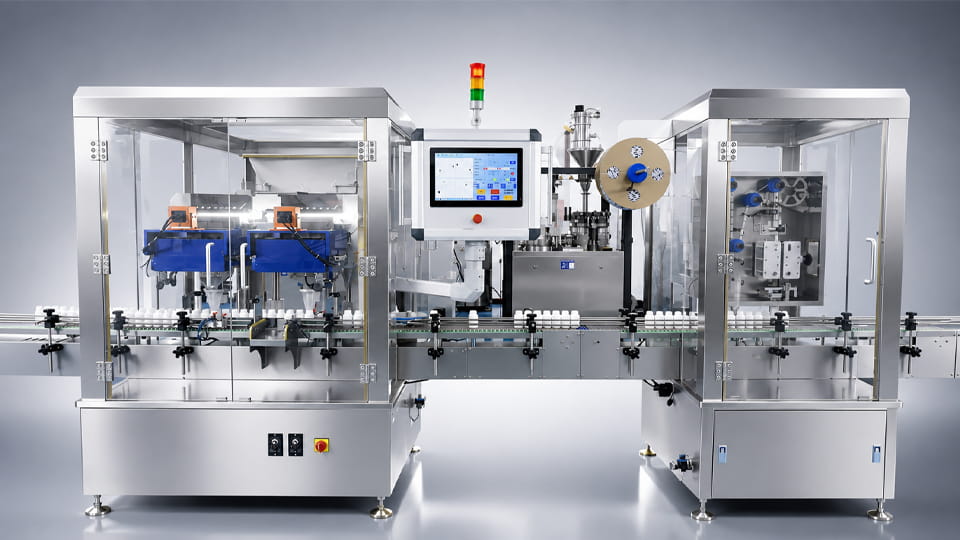
Postać:Typowa linia do pakowania butelek farmaceutycznych.
Linia do pakowania butelek to szereg maszyn i przenośników które automatycznie przetwarzają puste butelki na gotowe, produkty pakowane. W farmaceutykach, oznacza to wzięcie pustych tabletek lub butelek z płynem i wykonanie takich czynności, jak liczenie/napełnianie, zakrywanie, zgrzewanie indukcyjne (uszczelnienie folią), etykietowanie, i końcowe opakowanie kartonowe. W rzeczywistości, linia „w pełni automatyzuje cały proces, Od rozszyblingowych butelek po liczenie, Wkładanie wysuszników, zakrywanie, Uszczelnienie folii aluminiowej, i etykietowanie”.
Innymi słowy, zamiast ręcznie podnosić butelki i napełniać je jedna po drugiej, zautomatyzowany linia do pakowania butelek podaje butelki po kolei przez każdą stację. Typowa linia zaczyna się od rozszyfrowania butelek (który ustawia butelki pionowo na przenośniku), następnie przechodzi przez napełnianie/liczenie, wkładka bawełniana lub ze środkiem osuszającym (jeśli potrzeba), zakrywanie, zgrzewanie indukcyjne, etykietowanie, i wreszcie kartonowanie. Maszyny te działają w synchronizacji pod kontrolą PLC, tworząc linię pod klucz, która może pracować w sposób ciągły. Na przykład, jeden z dostawców sprzętu zauważa, że linię zliczająco-napełniającą „można połączyć z rozszyfratorem butelek, wkładka wysuszona, maszyna do zamykania, maszyna do zgrzewania folii aluminiowej i maszyna do etykietowania”, obejmujący wszystkie główne etapy.
The same butelki może być plastikowy (ZWIERZAK DOMOWY, HDPE), szkło, lub inne materiały (szkło bursztynowe do wyrobów wrażliwych na światło, itp.). Linia jest zwykle zbudowana tak, aby obsługiwać różne rozmiary butelek (np. 30– średnica 150 mm, 40– wysokość 300 mm) i typy czapek (zakrętki, czapki zatrzaskowe, zamknięcia zabezpieczające przed dziećmi). Wszystkie części mające kontakt z produktem wykonane są ze stali nierdzewnej klasy GMP i mają konstrukcję sanitarną (gładkie powierzchnie, żadnych martwych nóg) aby spełnić standardy regulacyjne. Wiele maszyn jest wyposażonych w czujniki i przenośniki do kontroli jakości (np. sprawdzenie poziomu napełnienia, moment obrotowy nakrętki, obecność etykiet) i obsługuje serializację (drukowanie kodów kreskowych/kodów QR) dla identyfikowalności.
Krótko mówiąc, A linia do pakowania butelek farmaceutycznych jest integrą, sprawdzony system, który obsługuje wszystko, od podawania pustych butelek po końcowe pakowanie, zapewniając dużą prędkość, dokładność, i zgodność.
Przepływ pracy na linii pakowania butelek obejmuje sekwencję etapów przygotowujących, wypełnić, foka, i zapakuj butelki. Poniższy schemat blokowy przedstawia typową sekwencję kroków:
Postać: Przebieg pracy typowej linii pakowania butelek.
W rzeczywistości, nie wszystkie linie mają każdą stację. Na przykład, linia do materiałów stałych niewrażliwych na wilgoć może pominąć wkładanie bawełny, podczas gdy linia cieczy nie będzie korzystać z licznika tabletek. Oto krótkie podsumowanie każdego kroku:
Każda z tych stacji jest połączona przenośnikami i kontrolowana przez centralny system PLC/HMI. Cała linia jest zwykle instalowana w pomieszczeniu czystym, zbudowany do CGMP standardy: ramy ze stali nierdzewnej (SUS304/316L), Rurki zatwierdzone przez FDA, silniki myjące, i gładkie spoiny. Automatyka PLC (Siemensa, Panasonic, Omron, itp.) synchronizuje prędkość i działanie pomiędzy maszynami.
[jl_youtube src=”https://www.youtube.com/embed/tSrCmYZ-OQ0″]
Oto kluczowe maszyny znajdziesz w typowej linii do pakowania butelek (z krótką specyfikacją lub korzyściami):
Podaje i ustawia puste butelki na przenośniku. Wysoka jakość rozszyfrator dostarcza 50–120 butelek/min, obsługi okrągłych butelek plastikowych lub PET. Wykorzystuje podajniki wibracyjne i gąsienice do obracania butelek w pozycji pionowej. Nowoczesne unscramblery są całkowicie zamknięte (wolne od kurzu, CGMP) i wyposażone w sterowniki PLC firmy Siemens oraz czujniki optyczno-pneumatyczne, tak, aby butelki dotarły prawidłowo zorientowane (100% dokładność) bez ręcznego ładowania. Dzięki szybkiej wymianie części jeden operator może zmienić rozmiar butelki w ciągu kilku minut.
Dla solidnych dawek, jakiś automatyczna maszyna licząca (zwany także licznik tabletek/kapsułek lub wypełniacz) wrzuca do każdej butelki dokładną liczbę tabletek. Wykorzystują one szybkie czujniki optyczne lub głowice zliczające. Liczniki JinLu, na przykład, uchwyt 3–40 mm części stałych, osiągnięcie wydajności do 100 Butelki/godzinę z >99.98% dokładność. (Wersje wielogłowicowe i wielotorowe mogą zwielokrotnić przepustowość.) Integrują się płynnie: „od sortowania butelek po etykietowanie… Linię napełniania butelek zliczających można połączyć z urządzeniem do rozszyfrowywania butelek, wkładka wysuszona, maszyna do zamykania, [I] maszyna do etykietowania”. Krótko mówiąc, licznik gwarantuje, że każda butelka otrzyma prawidłową liczbę tabletek.
Do syropów, zastrzyki, lub inne płyny, jakiś automatyczny napełniacz cieczy wydaje każdą dawkę. Płynne wypełniacze Jinlu wykorzystują pompę napędzaną serwo i dysza zanurzeniowa projekt, co zapobiega tworzeniu się piany i kapaniu. Biegają o godz 20–80 butelek na minutę z dokładnością ±0,2 g, i dostosować się do pojemności butelek od kilku ml do litrów. Stacja benzynowa jest często wyposażona w stół indeksujący lub rozdzielacz wielodyszowy w celu zwiększenia prędkości. Krytycznie, maszyny te są sterowane przez PLC/HMI w celu precyzyjnej kontroli przepływu i napełniania w oparciu o recepturę.
Po napełnieniu, zakręcarka zakłada i zabezpiecza zakrętki. Dobry maszyna do zamykania poradzi sobie z różnymi stylami czapek (zakrętki, czapki zatrzaskowe, odporne na dzieci, itp.) przy użyciu specjalnych główek nakrętek. Sortuje automatycznie, karmi, i zakłada nakładki z odpowiednim momentem obrotowym. Maszyny do zamykania serwo Jinlu (np. model XG-120) dostosować się do różnych butelek i nakrętek i sprostać 120 butelki/min. Funkcje obejmują regulację momentu obrotowego w czasie rzeczywistym (za pomocą pokrętła lub serwomotoru) i sprawdzanie obecności nasadki. Jeśli nasadka jest źle dopasowana lub jej brakuje, system odrzuci tę butelkę, zapewnienie 100% zgodne wyjście.
Nazywany także uszczelniacz do folii aluminiowej. Stacja ta nakłada zgrzewaną folię pod nakrętkę, aby stworzyć hermetyczne uszczelnienie. Typowa zgrzewarka indukcyjna może przetworzyć do 120 butelki/min. Uruchamia butelki na przenośniku pod cewką wysokiej częstotliwości, krótkie podgrzanie i sklejenie folii. Ten krok zapewnia dowód manipulacji i zapobiega wyciekom. Nowoczesne zgrzewarki posiadają głowice pracujące w dwóch trybach, umożliwiające dostosowanie się do różnych średnic butelek oraz wbudowane wentylatory chłodzące umożliwiające ciągłą pracę.
Nanosi drukowane etykiety na butelki. Wysoka prędkość obrotowa etykiety (jak seria TBJ JinLu) może oznaczyć do 120 butelki/min z dokładnością ± 1 mm. Należą do nich: rozdzielacz butelek aby równomiernie rozmieścić butelki i a inteligentny system wykrywania aby idealnie dopasować każdą etykietę. Etykietowarki wielomodowe obsługują owijanie z przodu, owinąć, i wielostronne etykietowanie. Zintegrowane głowice kodujące często znajdują się obok etykietowników podczas drukowania partii/partii. Po oznakowaniu, systemy wizyjne mogą weryfikować kody kreskowe i tekst pod kątem spełnienia wymagań serializacji.
Po oznakowaniu butelek, grupy butelek (w razie potrzeby z instrukcjami lub ulotkami) są automatycznie wkładane do kartonów. Maszyny kartonowe można wznieść i zamknąć 400–450 kartonów na minutę. W liniach butelek, poziomy (obciążenie boczne) kartoniarze są powszechni. Po uformowaniu kartonów, firmy zajmujące się pakowaniem skrzynek lub paletyzatory mogą dodatkowo pakować produkty w pakiety. Te maszyny końca linii uzupełniają system i często mają własny sterownik PLC do synchronizacji z urządzeniami poprzedzającymi.
Każda z tych maszyn jest przykładem sprzęt do pakowania butelek. Po połączeniu na przenośnikach z centralnym sterowaniem PLC, tworzą wysoce zautomatyzowaną linię do pakowania butelek.
Linie do pakowania butelek są zazwyczaj klasyfikowane według podstawowy typ produktu i zastosowanie. Poniżej znajduje się przykład typowych typów linii:
| Typ linii | Produkt/aplikacja |
| Linia butelek na tabletki/kapsułki | Substancje stałe doustne: tabletki, kapsułki, proszki (farmaceutyczny & suplementy) |
| Linia butelek z płynem | Płyny: syropy, syropy, toniki, zastrzyki (farmaceutyczny & Nutraceutyka) |
| Witamina & Linia Nutraceutyczna | Suplementy diety, witaminy, ziołowe pigułki (suplementy diety/zdrowotne) |
| Linia butelek kosmetycznych | Opieka osobista: kremy, balsamy, serum, obrazy olejne (kosmetyki) |
| Linia butelek chemicznych | Chemia przemysłowa/gospodarcza, odczynniki (chemikalia) |
| Ampułko-strzykawka/bolewka | Specjalistyczne wypełnienie sterylne farmaceutycznie (zastrzyki) |
Linie te mają podobną architekturę, ale wykorzystują różne maszyny do napełniania/zakręcania dostosowane do produktu. Na przykład, A linia butelek na tablety używa maszyn liczących pigułki, podczas gdy A linia syropu używa pomp do cieczy. Linie nutraceutyczne często zawierają cechy produktów delikatnych (Miękkie kapsułki, gumowate witaminy), podczas gdy linie kosmetyczne mogą się integrować rękaw termokurczliwy lub szybsze kaparki. W każdym przypadku, linię można dostosować (typy dysz, przenośniki) do kształtu butelki i potrzeb procesu.
Inwestycja w w pełni zautomatyzowaną linię do pakowania butelek oferuje wiele korzyści w porównaniu z pakowaniem ręcznym. Kluczowe zalety obejmują:
Podsumowując, automatyczne linie do pakowania butelek oferują skalowalność i kontrolę. Z odpowiednimi maszynami, producenci osiągają większe prędkości, niższa praca, i jednocześnie wyższą jakość produktu. Jak zauważa jeden z ekspertów ds. opakowań, systemy te umożliwiają firmom „obsługę dużych ilości produktów w ułamku czasu”, przy jednoczesnej redukcji błędów.
Linie do pakowania butelek są niezbędne w wielu sektorach:
Każda branża butelkująca swoje produkty może skorzystać na zautomatyzowanej linii. Nawet produkty niszowe (pigułki z wosku pszczelego, Olejek CBD) użyj niestandardowych linii. Zasadą przewodnią jest to, czy wysoka przepustowość i kontrola jakości mogą poprawić produkcję – we wszystkich tych branżach, Kluczową rolę odgrywają automatyczne linie rozlewnicze.
Wybór idealnej linii do pakowania butelek zależy od kilku czynników. Oto, co należy wziąć pod uwagę:
Podsumowując, określ swoje typy butelek, forma produktu, cele wyjściowe, i budżet. Następnie współpracuj z zaufanym producentem, aby skonfigurować linię niestandardową. Powinni przedstawić szczegółowy układ, wymagania elektryczne, i oczekiwany czas realizacji. (Standardowe maszyny półautomatyczne mogą zostać wysłane w ciągu kilku tygodni; Budowa i testowanie w pełni zintegrowanej linii często zajmuje 2–4 miesiące.) Przed sfinalizowaniem należy zawsze sprawdzić działanie sprzętu za pomocą prób próbnych.
| Ręczne pakowanie | Automatyczna linia pakująca |
| Powolny (często <20 BPM) | Wysoka prędkość (50–120 BPM lub więcej) |
| Pracochłonne (wielu operatorów) | Minimalna praca (jeden technik) |
| Zmienna dokładność (błąd ludzki) | Wysoka precyzja (>99.9% dokładność) |
| Nierówna jakość (nierówne wypełnienie) | Stała wydajność (powtarzalna jakość) |
| Niższy koszt początkowy (ale wysoki OPEX) | Wyższe nakłady inwestycyjne (ale niższy OPEX) |
| Wymagana minimalna integracja sprzętu | Integracja pod klucz (wszystko w jednym) |
| Trudno szybko skalować | Łatwe skalowanie poprzez dodanie pasów/modułów |
Tabela: Porównanie pakowania ręcznego z pakowaniem ręcznym. automatyczna linia do pakowania butelek.
Jak pokazuje tabela, automatyzacja zapewnia znacznie wyższą przepustowość i spójność. Ułatwia to także identyfikowalność (kod kreskowy każdej butelki) i często może się zwrócić w ciągu kilku lat poprzez wzrost wydajności.
Nowoczesny linia do pakowania butelek jest podstawą skutecznej farmacji (i nutraceutyczny) produkcja. Poprzez automatyzację napełniania, zakrywanie, opieczętowanie, i etykietowanie, linie te maksymalizują produktywność, zapewniając jednocześnie jakość i zgodność z przepisami. Przy wyborze linii, dopasuj projekt do typu produktu (tablet vs. płyn), potrzeby w zakresie przepustowości, i standardy jakości (GMP, serializacja, itp.). Poszukaj renomowanego dostawcy, takiego jak Jinlu Packing, który oferuje zintegrowane rozwiązania i silne wsparcie.
Podsumowując: zautomatyzowana linia do pakowania butelek przekształca puste butelki w gotowe kartony w jednej, płynnej operacji. Może obsługiwać duże ilości (często setki na minutę) z wyjątkową dokładnością. Dla kierowników zakładów i inżynierów, korzyści – większa przepustowość, niższa praca, lepsza konsystencja – są klarowne.
Gotowy do zautomatyzowania pakowania? Skontaktuj się z zespołem sprzedaży Jinlu Packing aby omówić niestandardową linię butelek dla Twoich produktów. Oferujemy projekt pod klucz, uruchomienie na miejscu, i 3-letnią gwarancję. Z ponad 30 lat w produkcji sprzętu farmaceutycznego, Jinlu może pomóc Ci wybrać odpowiednią prędkość, format, i poziom automatyzacji – upewnij się, że Twoja nowa linia zapewnia szybki zwrot z inwestycji. Odwiedzać www.jinlupacking.com lub poproś o wycenę, aby rozpocząć.
Linia do pakowania butelek to zintegrowany system maszyn automatyzujący pakowanie produktów butelkowanych. Zwykle zawiera urządzenie do rozszyfrowywania butelek, stacja napełniania lub przeliczania, kapsel, łowca fok, maszyna do etykietowania, i często kartoniarz. Razem te etapy biorą puste butelki i przekształcają je w gotowe, pakowane towary.
Zautomatyzowana linia realizuje ustalony przepływ pracy: puste butelki podawane są w pozycji pionowej (niezaszyfrowany), następnie przeniesiony do wypełniacza (dla płynów) lub maszyna licząca (na tabletki/kapsułki). Następny, jakiekolwiek dodatkowe elementy (bawełna lub środki osuszające) są dodawane. Następnie butelki są zamykane, uszczelnione indukcyjnie, i oznakowane. Wreszcie, grupy butelek pakowane są w kartony. Każda maszyna jest synchronizowana poprzez sterowanie PLC. Nowoczesne linie można nawet dostosowywać w czasie rzeczywistym (np. korygowanie ciężaru wypełnienia) aby utrzymać jakość.
To zależy od modelu i formatu. Typowe prędkości wynoszą 50–120 butelek na minutę na linię. Na przykład, Linia do liczenia tabletek Jinlu działa z prędkością do ~70 BPM, i obsługuje wiele maszyn do zamykania/etykietowania 120 BPM. Linie wielopasmowe mogą zwielokrotniać moc wyjściową (licznik 6-pasmowy, na przykład, mógłby osiągnąć 6-krotność stawki za jeden pas). Do płynów, prędkości około 20–80 BPM są powszechne. Zawsze sprawdzaj arkusz specyfikacji dostawcy, aby uzyskać dokładne stawki w wybranych konfiguracjach.
Kluczowe elementy to: Rozszyfrator butelek, Maszyna do napełniania/liczenia, Wkładki bawełniane/suszące, Automatyczna maszyna do zamykania, Zgrzewarka indukcyjna, Maszyna do etykietowania, Stacja Inspekcyjna, i kartonowanie/pakowanie skrzynek. Każdy jest dostarczany przez producenta OEM i zintegrowany na wspólnej ramie przenośnika. Niektóre linie mogą również dodać drukarkę in-line do kodów partii i sortownik odrzutów. Dokładny skład zależy od tego, czy Twój produkt jest stały czy płynny, rodzaj butelki, i potrzeby pakowania.
Tak, linie butelek obsługują zarówno tabletki, jak i kapsułki, ponieważ oba są ciałami policzalnymi. Linia będzie zawierać wypełniacz do liczenia tabletek/kapsułek, co zazwyczaj działa w przypadku każdego małego, bryłowego kształtu (kapsułki, gumowate cukierki, itp.) z określonego zakresu rozmiarów. Przełączanie pomiędzy tabletkami i kapsułkami zwykle polega na dostosowaniu głowicy liczącej i parametrów. Wielu producentów projektuje swoje maszyny liczące tak, aby obsługiwały oba te zjawiska poprzez prostą zmianę receptur. W ten sposób w jednej linii można uruchomić różne jednostki SKU (np. tabletka witaminowa w jednym cyklu, kapsułka w następnej) przy minimalnym czasie przezbrojenia.
Tak – wszystkie maszyny na linii pakowania butelek farmaceutycznych są zbudowane zgodnie ze standardami cGMP. Są wykonane ze stali nierdzewnej o jakości farmaceutycznej (SS316L), z projektem sanitarnym (żadnych szczelin, łatwe czyszczenie). Systemy kontroli obsługują FDA 21 Część CFR 11 (zapisy elektroniczne) i zazwyczaj są dostarczane z dokumentacją weryfikacyjną. Na przykład, dostawcy wyraźnie stwierdzają, że ich linie butelek „są zgodne z Dobrą Praktyką Produkcyjną”. (GMP) i przepisami FDA.”. Przy wyborze sprzętu, szukaj oznakowania CE, Certyfikaty ISO, i potwierdź, że dostawca zapewnia protokoły IQ/OQ w celu zapewnienia zgodności z przepisami.
Ceny różnią się znacznie w zależności od szybkości i konfiguracji. Prosta, półautomatyczna konfiguracja zliczania i ograniczania może kosztować kilka tysięcy dolarów, podczas gdy w pełni zintegrowana linia dużych prędkości może kosztować dziesiątki, a nawet setki tysięcy dolarów. Czynniki obejmują liczbę stacji (np. dodatkowa głowica etykietująca zwiększa koszty), niestandardowe oprzyrządowanie, i dodatki dotyczące zgodności (np. systemy wizyjne). Zawsze proś o wycenę dokładnie odpowiadającą Twoim wymaganiom. Pamiętaj, aby wziąć pod uwagę całkowity koszt posiadania: nieco droższa linia wysokiej jakości często pozwala z czasem zaoszczędzić pieniądze dzięki ograniczeniu ilości odpadów i przestojów.
Linie butelek pod klucz są złożone. Po wyprodukowaniu i przetestowaniu w fabryce, instalacja na miejscu zajmuje zazwyczaj 2–7 dni na moduł maszyny (w zależności od przygotowania witryny, narzędzia, i trening). Małe linie mogą zacząć działać za kilka tygodni, podczas gdy duże linie wielomaszynowe mogą wymagać 4–6 tygodni na miejscu (łącznie z walidacją IQ/OQ). Twój dostawca powinien zająć się instalacją mechaniczną, podłączenie elektryczne, i wstępna kwalifikacja. Zaplanuj dodatkowy czas na szkolenie operatorów i walidację procesów.
Absolutnie. Wiodący producenci (jak Jinlu) specjalizujemy się w rozwiązaniach niestandardowych i „pod klucz”.. Możesz dostosować prawie każdy aspekt: długości przenośników, rozstaw maszyn, Język PLC, kolor malowania, materiały części (np. SS304 kontra SS316), a nawet zintegrować dodatki specyficzne dla klienta (wykrywacze metali, Aplikatory RFID, itp.). Ponieważ przestrzeń i przepływ pracy w każdym zakładzie są inne, układy są dostosowane do potrzeb. Jeśli potrzebujesz rozbudowy modułowej (np. dodając później drugą głowicę napełniającą) lub unikalna obsługa produktu (produkty delikatne, specjalne czapki), omów to z góry. Producent OEM zazwyczaj oferuje trójwymiarowy układ fabryki i symulację przed rozpoczęciem budowy.
Tak – wielu dostawców oferuje zintegrowane linie pod klucz, co oznacza, że dostarczają w pełni zaprojektowany system, gotowy do działania. Projekt pod klucz obejmuje projekt, produkcja, Testowanie, wysyłka, instalacja, i końcowa kwalifikacja. Jest to idealne rozwiązanie, jeśli chcesz, aby za całą linię odpowiadał jeden dostawca. Według poradników branżowych, Linia do butelek pod klucz działa „etap po etapie”, począwszy od obsługi butelek, poprzez zamykanie i etykietowanie. Firmy takie jak Jinlu będą współpracować z Tobą nad układem, a następnie zapewnią jedną cenę umowną za całą linię. Upraszcza to walidację i wsparcie, ponieważ jeden zespół zna cały system.
Referencje:
1.Systemy zamykania pojemników do pakowania leków dla ludzi i produktów biologicznych -- NAS. Administracja Żywności i Leków
2.Przewodnik dobrych praktyk: Opakowanie, Etykietowanie, & Obiekty magazynowe —— ispe.org
3.CZĘŚĆ 211 – AKTUALNE DOBRE PRAKTYKI WYTWARZANIA GOTOWYCH PRODUKTÓW FARMACEUTYCZNYCH —— ecfr.gov
4.Zasoby dotyczące etykietowania kartonów i pojemników -- NAS. Administracja Żywności i Leków
5.Wytyczne dotyczące opakowań produktów farmaceutycznych -- KTO