Zakup nowego sprzętu farmaceutycznego to tylko połowa sukcesu – prawdziwe pytanie brzmi: czy może przejść IQ, OK, i PQ?
W produkcja farmaceutyczna, maszyna, której nie można odpowiednio zakwalifikować, stanowi ryzyko, nie jest aktywem. Organy regulacyjne oczekują wyraźnych dowodów na to, że sprzęt jest zainstalowany prawidłowo, działa w granicach, i działa niezmiennie w rzeczywistych warunkach produkcyjnych . Bez tego, nawet najbardziej zaawansowana linia pakująca nie może być zastosowana w produkcji GMP.
Dlatego zrozumienie IQ, OK, a PQ to nie tylko szczegół techniczny — ma bezpośredni wpływ na zgodność z przepisami, harmonogram projektu, i czy Twoja inwestycja rzeczywiście przynosi wartość.
Co to jest IQ, OK, i PQ? (Definicje)
ILORAZ INTELIGENCJI, OQ i PQ oznaczać Kwalifikacja instalacyjna, Kwalifikacja operacyjna, I Kwalifikacja wydajności. Są to kolejne etapy kwalifikacji sprzętu przed użyciem w produkcji farmaceutycznej GMP. Krótko mówiąc: ILORAZ INTELIGENCJI sprawdza, czy maszyna jest prawidłowo zainstalowana; OK testuje, czy działa prawidłowo przy wszystkich wymaganych ustawieniach; PQ sprawdza, czy działa konsekwentnie podczas rzeczywistej produkcji. Według FDA, „kwalifikacja” oznacza wykazanie, że sprzęt nadaje się do zamierzonego zastosowania. IQ/OQ/PQ to udokumentowane działania mające na celu udowodnienie każdego etapu przydatności i funkcjonalności. Razem, stanowią część całości walidacja proces dla systemu produkcyjnego, zapewnienie jakości i zgodności produktu.
Kwalifikacja sprzętu vs. Walidacja procesu: IQ/OQ/PQ skupiają się na maszynie („kwalifikacja sprzętu”), podczas gdy walidacja procesu obejmuje cały proces produkcyjny. W rzeczywistości, kwalifikacja sprzętu jest często pierwszym krokiem w głównym planie walidacji. Wykonując IQ/OQ/PQ na wypełniaczu kapsułek, maszyna blistrowa, linia butelek, itp., producent uzyskuje udokumentowane dowody, że sprzęt spełnia specyfikacje i jest gotowy do produkcji.
| Scena (IR/WH/PQ) |
Zamiar |
Kluczowe działania / Testy |
Wytworzone typowe dokumenty |
| ILORAZ INTELIGENCJI |
Sprawdź poprawność montażu sprzętu |
Sprawdź lokalizację, narzędzia (moc, powietrze, woda), instalacja zgodnie z instrukcją; zapisz numery seryjne i akcesoria |
Protokół/lista kontrolna i raport IQ |
| OK |
Sprawdź funkcje operacyjne w ramach limitów |
Przeprowadzić testy we wszystkich zakresach roboczych (prędkości min./maks, temperatury, ciśnienia); testowanie alarmów i blokad, zweryfikować kontrole |
Protokół i raport OQ |
| PQ |
Udowodnij stałą wydajność w produkcji |
Uruchom wiele partii produkcyjnych z rzeczywistym produktem (albo udawać) w najgorszych warunkach; sprawdź wyjścia (dawać, dokładność) |
Protokół i raport PQ |
Tabela 1: Porównanie IQ, OK, Etapy PQ (dostosowane do standardów branżowych).
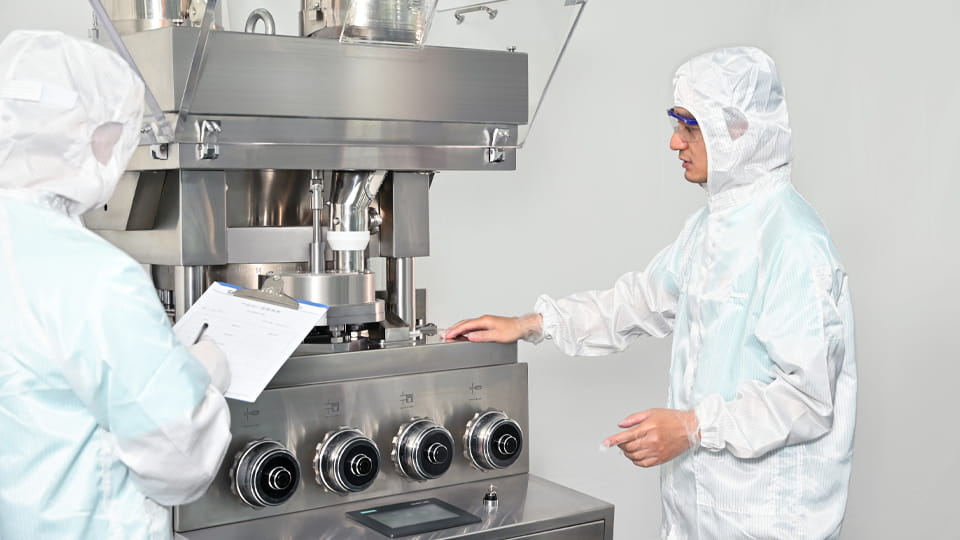
Dlaczego IQ/OQ/PQ ma kluczowe znaczenie w produkcji farmaceutycznej?
Sprzęt farmaceutyczny muszą spełniać rygorystyczne przepisy GMP. W USA, FDA 21 Część CFR 211 (farmaceutyczny) I 21 CFR 820 (urządzenia medyczne) wyraźnie wymagają walidacji systemów produkcyjnych. IQ/OQ/PQ stanowią podstawę tej zgodności. Na przykład, FDA stwierdza, że działania kwalifikacyjne „koniecznie poprzedzają wytwarzanie produktów na skalę komercyjną”. W UE, Załącznik GMP 15 podobnie wymaga kwalifikacji sprzętu w całym cyklu jego życia. Celem jest zapewnienie, że sprzęt będzie niezawodnie wytwarzał bezpieczne produkty.
Bez odpowiedniego IQ/OQ/PQ, przedsiębiorstwa stoją przed poważnym ryzykiem: wady produktu, wycofanie partii, cytaty regulacyjne, i zagrożenia bezpieczeństwa. Odpowiednia kwalifikacja buduje pewność, że maszyna Właściwie robi to, co powinien – np, aby blister zgrzewał się w odpowiedniej temperaturze lub płynny wypełniacz dozował odpowiednią objętość. W rzeczywistości, kompletny program walidacji pomaga uniknąć niespodzianek: „Kiedy zostanie to zrobione prawidłowo, trzy etapy kwalifikacji są szczegółowe i czasochłonne. Jednakże, mają kluczowe znaczenie dla zapewnienia powtarzalności procesów i stabilnej jakości produktów”. Krótko mówiąc, IQ/OQ/PQ są obowiązkowe w ustawieniach GMP. Dla każdego linia pakująca (pęcherz, butelka, kartoniarz, itp.), IQ/OQ/PQ są wymagane, aby spełnić wymagania zarówno FDA, jak i UE. Maszyny Jinlu są wyposażone w pełne szablony dokumentacji IQ/OQ/PQ, ponieważ, jak mówią nasi eksperci, „maszyna musi być gotowa do walidacji”.
Kwalifikacja instalacyjna (ILORAZ INTELIGENCJI)
w Faza IQ, weryfikujemy, czy sprzęt został dostarczony i prawidłowo skonfigurowany. Oznacza to kontrolę maszyny i jej otoczenia przed jakimikolwiek testami produkcyjnymi. Kluczowe kontrole IQ obejmują:
- Witryna i narzędzia: Czy maszyna jest umieszczona we właściwym miejscu i na równym fundamencie?? Czy wszystkie narzędzia (energia elektryczna, sprężone powietrze, pusty, woda, itp.) podłączone prawidłowo i zgodnie ze specyfikacjami? Czy maszyna ma odpowiednią izolację i uziemienie?
- Komponenty i dokumentacja: Czy wszystkie części zostały zamontowane zgodnie z instrukcją dostawcy? Weryfikujemy numer modelu/seryjny, wersje oprogramowania sprzętowego/oprogramowania, oraz czy obecne są wszystkie elementy mechaniczne i elektroniczne. Gromadzimy również wymaganą dokumentację (podręczniki, rysunki, certyfikaty materiałów).
- Warunki środowiskowe: Sprawdź temperaturę, wilgotność, i czystość pomieszczenia, jeśli jest to określone dla sprzętu. Na przykład, wiele linii pakujących wymaga kontrolowanych środowisk (pomieszczenie czyste, niski poziom pyłu).
- Bezpieczeństwo i kalibracja: Upewnij się, że wszystkie osłony zabezpieczające są zainstalowane, przetestowane wyłączniki awaryjne, i narzędzia do kalibracji są dostępne i w trakcie kalibracji.
Wynikiem IQ jest pisemny raport/protokół IQ, który dokumentuje każdą kontrolę i potwierdza „instalację zgodnie z oczekiwaniami”. Jeśli coś jest poza specyfikacją, należy to poprawić przed kontynuowaniem. Pomyślny IQ oznacza, że „sprzęt jest zainstalowany zgodnie z przeznaczeniem” – jest to warunek wstępny wszelkich testów. (W rzeczywistości, niektóre testy mogą rozpocząć się w IQ jako elementy „gotowe do testowania”., ale kryteria akceptacji są w OQ/PQ.)
Kwalifikacja operacyjna (OK)
OQ testuje funkcje sprzętu w kontrolowanych warunkach. Teraz, gdy maszyna jest prawidłowo zainstalowana, weryfikujemy wszystkie parametry pracy i systemy sterowania. OQ zazwyczaj obejmuje:
- Testy funkcjonalne: Uruchom maszynę pustą (brak produktu) lub z fikcyjnymi ładunkami. Aktywuj każdą funkcję (silniki, podajniki, czujniki, siłowniki) w całym jego zasięgu. Na przykład, jeśli urządzenie ma ustawienia prędkości z 10 Do 100 jednostki/min, testować zarówno przy niskich, jak i wysokich prędkościach. Jeśli są grzejniki lub regulatory ciśnienia, podnieś je od minimum do maksimum.
- Limity i alarmy: Sprawdź limity bezpieczeństwa i alarmy maszyny. Na przykład, celowo zmienić parametr poza jego normalny zakres, aby potwierdzić alarm lub wyłączenie maszyny zgodnie z przeznaczeniem. Sprawdź nastawy temperatury, ciśnienie, i sprawdź, czy górne/dolne limity działają.
- Systemy sterowania: Sprawdź funkcje PLC/HMI, sterowanie ekranem dotykowym, zarządzanie recepturami, i funkcje zapisu elektronicznego (21 Część CFR 11 zgodność). Upewnij się, że interfejs operatora może ustawiać i odczytywać kluczowe zmienne.
- Testy precyzji: Wykonaj dokładne kontrole bez obciążenia. Na przykład, zmierzyć zastrzyk płynnego wypełnienia przy 25% I 75% pełnej skali, aby zapewnić działanie mechanizmów dozujących. Do wypełniaczy, kalibrację natężeń objętościowych lub przepływu sprawdza się za pomocą głównych wag lub mierników.
The Biały raport pokaże wyniki każdego testu i porówna je z kryteriami akceptacji (które pochodzą ze specyfikacji projektowych lub URS). Dopiero po przejściu OQ kontynuujemy. (Czasami OQ i IQ mogą nakładać się na siebie w połączonym raporcie zwanym IOQ, ale logika pozostaje sekwencyjna.)
Kluczowym celem OQ jest: „Pod wszystkimi określonymi warunkami, czy maszyna robi to, co powinna?” Jeśli coś się nie powiedzie (np. czujnik jest źle ustawiony), zostało poprawione i przetestowane ponownie.
Kwalifikacja wydajności (PQ)
PQ to ostatni etap, gdzie udowadniamy, że sprzęt działa prawidłowo podczas rzeczywistej produkcji. Chociaż OQ mogło zostać wykonane puste, PQ wykorzystuje produkt rzeczywisty lub symulowany. Kroki obejmują:
- Testowanie przebiegu produkcyjnego: Uruchom sprzęt z rzeczywistym produktem lub najgorszymi materiałami symulującymi. Na przykład, w przypadku walidacji maszyny blistrowej, uruchom go na prawdziwych tabletach (lub atrapy ciężarków) w folii blistrowej w zamierzonej wielkości partii.
- Kontrole spójności i jakości: Upewnij się, że dane wyjściowe spełniają wszystkie wymagania jakościowe. Może to obejmować sprawdzenie tolerancji masy nadzienia, właściwe oznakowanie/kodowanie, i tak dalej. Do licznika tabletek lub wypełniacza kapsułek, mierzyć dokładność napełniania w wielu partiach. Dla kartoniarza, sprawdź, czy każdy karton jest prawidłowo złożony i zaplombowany.
- Długoterminowa stabilność: Używaj maszyny przez dłuższy czas (często pełna zamierzona partia lub czas) i zapisz kluczowe parametry. Poszukaj dryfu lub degradacji. Na przykład, czy pompa cieczy pozostaje dokładna przez wiele cykli? Czy zgrzewarka do opakowań utrzymuje stałą temperaturę?
- Warunki najgorszego przypadku: Testy PQ często obejmują testy warunków skrajnych. Na przykład, napełnij maszynę do maksymalnej pojemności, lub w stosownych przypadkach zastosować ekstremalne warunki otoczenia (ciepły/zimny pokój). Potwierdza to, że maszyna poradzi sobie w najtrudniejszych oczekiwanych scenariuszach.
- Dokumentacja i identyfikowalność: Wszystkie dane z PQ (pomiary, próbki wyjściowe, stan pozytywny/negatywny) są rejestrowane w raporcie PQ. Potrzebna jakakolwiek regulacja (jak dokręcanie śruby, poprawianie parametru) jest odnotowywane jako odchylenie i ustalane.
Na koniec PQ, mamy na to udokumentowany dowód „wykwalifikowany sprzęt konsekwentnie wytwarza zgodny produkt w rzeczywistych warunkach.” Innymi słowy, maszyna jest gotowa do produkcji GMP.
Na przykład, jeśli PQ zakończy się sukcesem na maszynie do napełniania kapsułek, wiemy, że jest to dokładność dozowania, włożenie kapsułki, i prędkość wirnika działają na różnych zmianach, bez dryfu. To kończy „trójkąt” walidacji i daje pewność kontroli jakości/regulacjom, że linia nie będzie produkować złych partii. Następnie sprzęt jest dopuszczany do rutynowej produkcji i uwzględniany w harmonogramach regularnej konserwacji.
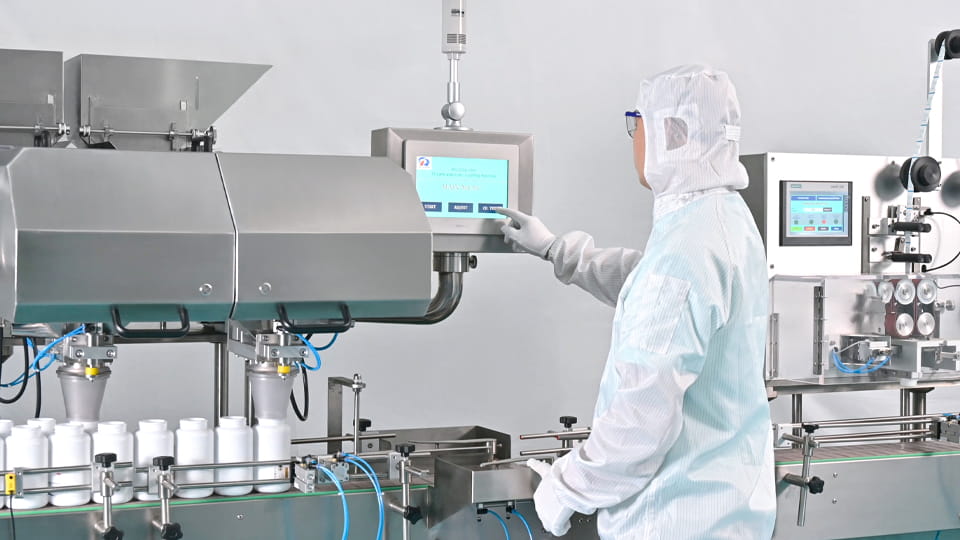
IQ/OQ/PQ vs Walidacja vs Kwalifikacja
Ważne jest wyjaśnienie terminologii. Kwalifikacja zwykle odnosi się do sprzętu, mając na uwadze, że walidacja często odnosi się do procesów lub systemów. W wielu ramach GMP, Brane są pod uwagę IQ/OQ/PQ części walidacji systemu produkcyjnego. W tym sensie:
- Kwalifikacja jest aktem wykazania, że coś nadaje się do użycia.
- Walidacja jest aktem udowodnienia i udokumentowania tego procesu (lub systemu) będzie konsekwentnie przynosić oczekiwane rezultaty.
Zatem, sprzęt IQ/OQ/PQ kwalifikuje maszyny. Oddzielny Walidacja procesu powiązałoby te maszyny z rzeczywistym procesem produkcyjnym (jak kompresja tabletu i powlekanie, itp.). W rzeczywistości, Czasami nazywane są IQ/OQ/PQ Kwalifikacja sprzętu (EQ) kroki. A Kwalifikacja projektowa (DQ) krok może poprzedzać IQ, zapewnienie, że projekt spełnia wymagania użytkownika (URS) przed zbudowaniem lub zakupem sprzętu.
Oto prosty przepływ faz w cyklu życia projektu:

Każda strzałka to przekazanie: musisz ukończyć DQ (sprawdzenie zgodności projektu z URS) przed IQ (sprawdzenie poprawności montażu). Dopiero po zakończeniu PQ możesz ubiegać się o walidację sprzętu i rozpocząć walidację procesu (np. prowadzenie rzeczywistych kampanii produkcyjnych).
Przebieg procesu IQ/OQ/PQ
Kwalifikacja sprzętu jest częścią ogólnego wyposażenia cykl życia:
- URS (Wymagania użytkownika) – Określ, jakie zadania ma spełniać sprzęt (np. "wypełnić 100,000 kapsułek/godzinę z dokładnością ±2%”). To krytyczny pierwszy krok.
- DQ (Kwalifikacja projektowa) – Upewnij się, że wybrana konstrukcja maszyny jest zgodna z URS. Zazwyczaj wykonywane przez dostawcę i zatwierdzane przez kupującego.
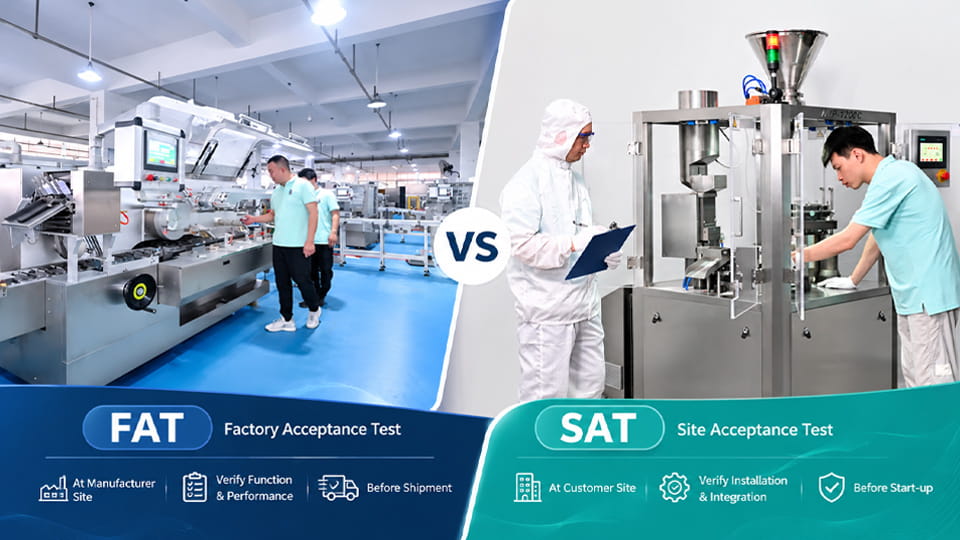
- TŁUSZCZ (Fabryczny test akceptacyjny) – Przed wysyłką, przeprowadzać kontrole (często testy w stylu IQ/OQ w fabryce) ze sprzedawcą. Wyniki mogą być wliczane do IQ/OQ, jeśli są udokumentowane.
- Dostawa & Instalacja – Transport maszyny na miejsce; rozpakuj i zainstaluj na swoim miejscu.
- IQ na miejscu – Jak wyżej, sprawdź narzędzia, strony, dokumentacja.
- SOBOTA (Test akceptacji witryny) – Opcjonalnie, przeprowadzić testy na obiekcie przy udziale dostawcy (często pokrywa się z IQ/OQ).
- OQ na miejscu – Wykonać pełne testy operacyjne (jak opisano wcześniej).
- PQ na miejscu – Przeprowadź kwalifikację produkcji na prawdziwym produkcie.
- Wersja ostateczna – Zatwierdź i dopuść sprzęt do produkcji po przejrzeniu wszystkich raportów IQ/OQ/PQ.
Na każdym etapie powstaje dokumentacja. Na przykład, Maszyny pakujące Jinlu są dostarczane z Zestaw do walidacji IQ/OQ/PQ i protokoły FAT/SAT. Oznacza to, że kupujący może zaoszczędzić czas, korzystając z szablonów producenta podczas kwalifikacji. Typowy harmonogram może obejmować tygodnie lub miesiące, w zależności od złożoności.
Według FDA/UE, przeszkolone zespoły ds. kontroli jakości i zespoły inżynieryjne (a czasami konsultanci zewnętrzni) powinien przeprowadzić lub być świadkiem tych kroków. Najważniejsze: zdyscyplinowany, udokumentowany przepływ od projektu do PQ zapewnia zgodność linii.
IQ/OQ/PQ dla sprzętu do pakowania produktów farmaceutycznych: Przykłady
Każdy typ maszyny pakującej w zakładzie GMP wymaga kwalifikacji. Oto typowe przykłady:
- Blister Packaging Maszyna: Kontrole IQ obejmują instalację głowicy zgrzewającej, kalibracja regulatorów temperatury, i sprawdzanie ustawienia noża. Testy OQ obejmują uruchamianie pustych cykli przy maksymalnej prędkości, weryfikacja kontroli cyklu formowania/zgrzewania, i wyzwalanie warunków awarii umożliwiających oczywistą próbę manipulacji. PQ obejmowałoby wyprodukowanie pełnej partii blistrów z prawdziwymi tabletkami i sprawdzenie integralności plomby, prawidłowe uzupełnienie dawki, i czyste sztancowanie. Jak zauważa jeden z przewodników Jinlu, „Każda nowa linia blistrowa musi zostać zweryfikowana pod kątem wydajności IQ/OQ/PQ (temperatura, siła uszczelniająca, itp.)”.
- Maszyna do napełniania kapsułek: IQ wymaga skonfigurowania pojemnika na kapsułki, urządzenie orientacyjne, i system dozowania. Sprawdź, czy serwonapędy i misy leja są zamontowane zgodnie ze specyfikacją. OQ może obejmować pomiar dokładności ciężaru wypełnienia przy minimalnym i maksymalnym posuwie, testowanie mechanizmu blokującego kapsułkę, i weryfikacja elektronicznej informacji zwrotnej o dawkowaniu. PQ uruchomi maszynę z rzeczywistym proszkiem przy pełnej prędkości produkcyjnej, aby zapewnić stałą wagę wypełnienia, sprawdź, czy każda kapsułka jest prawidłowo zamknięta, i sprawdź później skuteczność czyszczenia CIP. (Patrz Przykład przypadku poniżej.)
- Linia do napełniania i zamykania butelek: Zadania IQ obejmują ustawienie podajnika butelek, sprawdzenie, czy podłączone są właściwe dysze, i sprawdzenie regulatorów wysokości. Podczas OQ, możesz przeprowadzić test braku napełniania z butelkami, aby upewnić się, że zawory napełniające otwierają się/zamykają prawidłowo i spójnie dokręcają moment obrotowy. OQ sprawdzi również czujniki (np. na dżemy) i blokady programowe. PQ można by przeprowadzić, uruchamiając wiele partii butelek wypełnionych produktem, sprawdzanie objętości, moment dokręcenia kołpaków, oraz wykonanie wszelkich niezbędnych testów szczelności lub zaniku próżni na zakorkowanych butelkach.
- Maszyna do kartonowania: Kontrole IQ mogą obejmować ustawienie podajnika magazynków na kartony i rozmieszczenie prowadnic do wkładania. OQ wymagałoby przepuszczania półfabrykatów przez składanie kartonu, pożywny (z fikcyjnym produktem), i funkcje uszczelniające. Można by zweryfikować prędkości i zsynchronizować z poprzedzającymi liniami blistrowymi lub butelkami. PQ polega na uruchomieniu produktu na żywo i sprawdzeniu, czy każdy karton jest prawidłowo zapieczętowany, stosowane są kody/etykiety, i liczby odpowiadają iloczynom wewnętrznym. Kontrola wzrokowa (być może automatyczne) powinien potwierdzić brak zacięć w ciągu wielu cykli.

Obraz: Półautomatyczna maszyna do napełniania kapsułek (Jinlu CGNT-209). Walidacja takich maszyn obejmuje dokładne sprawdzenie orientacji kapsułek, dokładność dozowania, i uszczelnianie podczas IQ/OQ/PQ.
Przykład przypadku: Maszyna do napełniania kapsułek IQ/OQ/PQ
Aby zilustrować, wyobraźcie sobie kwalifikację a w pełni automatyczny napełniacz kapsułek dla witamin:
- ILORAZ INTELIGENCJI: Potwierdź model (np. Jinlu NJP-1000) przybył; podłącz zasilanie, dopływ powietrza, i przewody podciśnieniowe prawidłowo; zainstalować i skalibrować podajniki kapsułek i pierścień dozujący; sprawdź, czy dotarły instrukcje i części zamienne. Zapisz wszystkie numery części i wersje oprogramowania sprzętowego. Sprawdź poziomowanie maszyny i czujniki bezpieczeństwa.
- OK: Z pustą maszyną, sprawdzić maksymalną prędkość napełniania (np. 150,000 kapsułki/godzinę) i minimalne (np. 10,000 kaps/godz). Zmierz dokładność wypełnienia: odmierzyć próbną porcję materiału wypełniającego do kapsułek i zważyć je, zapewniając, że spełniają tolerancję. Przetestuj wszystkie tryby: dawkę z proszkiem, z pelletem (jeśli maszyna robi jedno i drugie). Wywołaj zacięcie lub zatrzymanie awaryjne, aby zapewnić bezpieczne zatrzymanie maszyny. Kalibracja czujników (np. czujniki poziomu w zbiorniku) i upewnij się, że interfejs oprogramowania może ustawiać przepisy.
- PQ: Przynajmniej biegnij 3 kolejne pełne partie z prawdziwym proszkiem witaminowym. Podczas każdej partii, sprawdzić, czy masa wypełnienia kapsułek mieści się w granicach ±2% wartości docelowej, a mieszanki kapsułek są jednolite. Sprawdź, czy wszystkie kapsuły wyjściowe są prawidłowo połączone i żadna nie jest wyszczerbiona. Potwierdź, że czas i prędkość napełniania są stabilne. Przejrzyj dzienniki/ścieżki audytu. Dokumentuj wszystko. Po uruchomieniu próbnym, sprawdzić konsystencję pierwszej i ostatniej kapsułki z każdej partii.
Kiedy te kroki zostaną zakończone z pozytywnymi wynikami, wypełniacz kapsułki zakwalifikowany do produkcji. Jest gotowy, aby bez obaw rozpocząć pakowanie rzeczywistych produktów.
Typowe wyzwania w IQ/OQ/PQ
Pomimo swojego znaczenia, kwalifikacja sprzętu często napotyka przeszkody:
- Niekompletna dokumentacja: Brakujące podręczniki, nieaktualne rysunki, lub listy części mogą opóźniać IQ. Powszechnym zjawiskiem jest szukanie dokumentów dostawcy. (Wskazówka: Poproś dostawców z wyprzedzeniem o pakiety walidacyjne.)
- Niejasne kryteria akceptacji: Jeśli URS lub DQ nie są specyficzne, zespoły mogą kłócić się o zdanie/porażkę. Jasne specyfikacje (np. docelowa masa wypełnienia) są potrzebne. Brakuje tego, Kontrola jakości i inżynieria marnują czas na zgadywanie.
- Koordynacja dostawców: W przypadku maszyn niestandardowych lub importu, OEM może potrzebować pomocy w zakresie protokołów SAT lub OQ. Strefa czasowa/bariery językowe lub ograniczenia w podróżowaniu mogą to spowolnić. Dobrzy dostawcy (jak Jinlu) często dostarczać Pomoc i formularze IQ/OQ/PQ.
- Ograniczenia zasobów: Małym firmom czasami brakuje wewnętrznych ekspertów ds. kontroli jakości i walidacji. Szkolenie lub zatrudnienie konsultantów zwiększa koszty, ale często jest konieczne, aby spełnić zasady GMP.
- Złożone Integracje: Nowoczesne linie łączą wiele maszyn (np. maszyna blistrowa z kartoniarką). Podjęcie decyzji, gdzie kończy się IQ, a zaczyna OQ, może być trudne. Dla linii zintegrowanych, ważne jest zaplanowanie testów łączonych.
- Zmiana Regulaminu: Nowe aktualizacje GMP (np. poprawiony załącznik 15) może zmienić oczekiwania (np. większy nacisk na zarządzanie ryzykiem). Nadążanie za zmianami regulacyjnymi jest ciągłym wyzwaniem.
Takie jest doświadczenie Jinlu najlepszym sposobem na pokonanie tych wyzwań jest planowanie. Rozpocznij planowanie walidacji wcześnie, zdefiniuj URS i plan testów u dostawcy, oraz dopilnować, aby wszystkie zainteresowane strony zgodziły się co do kryteriów. Korzystanie z szablonów i list kontrolnych również przyspiesza ten proces.
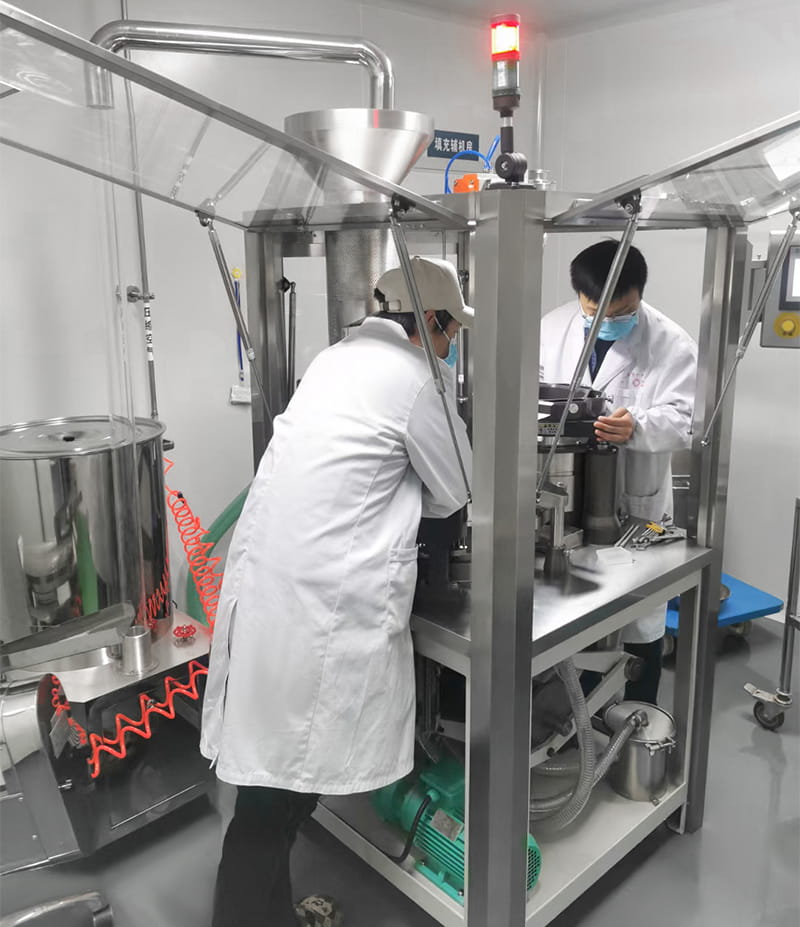
Najlepsze praktyki dotyczące pomyślnej kwalifikacji
Aby usprawnić IQ/OQ/PQ i zapewnić zgodny wynik:
- Zdefiniuj URS wcześnie: Dokumentuj dokładnie, co maszyna musi robić (przepustowość, dokładność, potrzeby środowiskowe) przed zakupem. Zawiera wskazówki dotyczące kryteriów IQ/OQ i wyboru sprzętu.
- Użyj pakietów walidacyjnych: Wybierz dostawców, którzy dołączają szablony IQ/OQ/PQ, Protokoły FAT, i udokumentowane DQ (tak jak Jinlu robi to dla wszystkich maszyn pakujących). Wielu zgodnych producentów oferuje obecnie „Obsługa IQ/OQ/PQ wliczona w cenę” jako cecha.
- Integracja z systemem FAT/SAT: Kiedy tylko to możliwe, przeprowadzić fabryczne testy odbiorcze w fabryce dostawcy. Pomyślny wynik FAT może być zaliczany do zadań IQ/OQ ośrodka. Na przykład, czy maszyna blistrowa przeszła testy szczelności w FAT, być może nie będzie potrzeby częstego ich powtarzania na miejscu.
- Zespół Wielofunkcyjny: Zaangażuj kontrolę jakości, inżynieria, produkcja, i sprzedawcy. Jak zauważa jedno ze źródeł, zespoły walidacyjne powinny mieć charakter interdyscyplinarny, w tym eksperci w dziedzinie mechaniki, Kontrola jakości, i technologii procesowej.
- Standaryzowane protokoły: Skorzystaj z gotowych protokołów lub szablonów. Wiele firm przechowuje wzorcowe kopie IQ, OK, i protokoły PQ, które można dostosować do każdej maszyny. Pozwala to uniknąć zaczynania od zera.
- Podejście oparte na ryzyku: Testowanie koncentruje się na funkcjach krytycznych. Nie wszystkie mniejsze parametry wymagają wyczerpujących testów. Użyj oceny ryzyka, aby ustalić priorytety. Na przykład, jak rygorystycznie testujesz mechanizm podawania nakrętki w porównaniu z osłoną statyczną?
- Dobre prowadzenie rejestrów: Prowadź szczegółowe zapisy (dzienniki danych, podpisane protokoły, dzienniki odchyleń). GMP wymaga integralności danych ALCOA (Można przypisać, Czytelny, Współczesny, Oryginalny, Dokładny) dla wszystkich rekordów walidacyjnych.
- Wsparcie po sprzedaży: Współpracuj z dostawcami oferującymi wsparcie w zakresie walidacji jako usługę. Dobry sprzedawca pomoże w IQ/OQ, nawet przeprowadzić wstępne próby, i w razie potrzeby przyspieszyć dostawę części zamiennych lub zestawów kalibracyjnych.
Postępując zgodnie z tymi najlepszymi praktykami, firmy mogą ograniczyć niespodzianki podczas audytów. Jak często zauważa założyciel Jinlu, Petty Fu: wybór maszyn od doświadczonych dostawców GMP „zapewnia precyzyjną wydajność, certyfikaty zgodności, i lokalne wsparcie”. Innymi słowy, Waliduj z pewnością i wybierz partnera, który już zna się na walidacji.
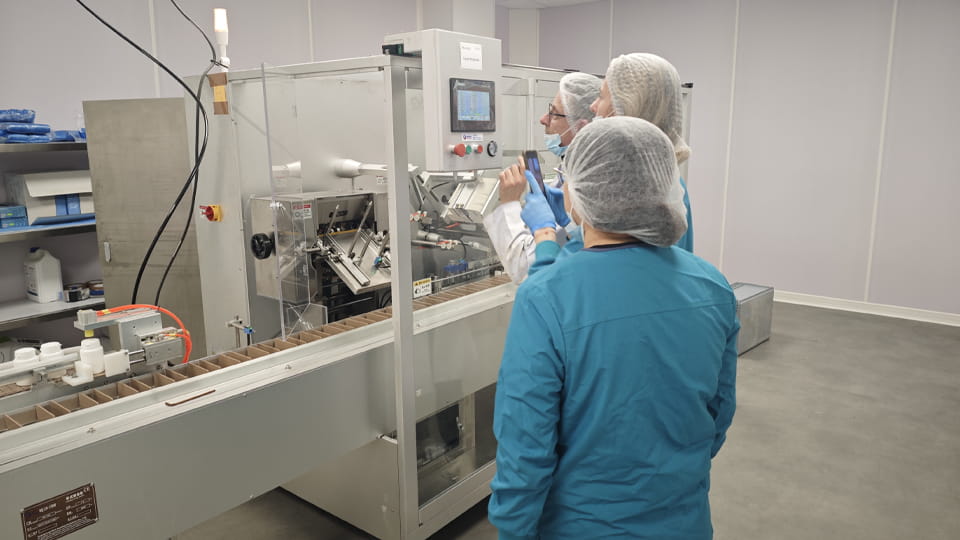
Wnioski i dalsze kroki
W produkcji farmaceutycznej, ILORAZ INTELIGENCJI, OK, i PQ nie podlegają negocjacjom. Te ustrukturyzowane etapy walidacji dowodzą, że Twój sprzęt – od napełniaczy kapsułek, przez pakowarki blistrowe, po linie do produkcji butelek – jest odpowiedni do określonego celu i zgodny z GMP. Dobrze wykonany program IQ/OQ/PQ pomaga zapobiegać kosztownym błędom i zapewnia stałą jakość.
Wybór dostawcy z silnym wsparciem w zakresie walidacji jest kluczowy. Maszyny pakujące farmaceutyczne Jinlu Packing chodź z Projekt gotowy na GMP I obszerna dokumentacja (Protokoły FAT/SAT/IQ/OQ/PQ) w celu usprawnienia przestrzegania przepisów. Nasz zespół może pomóc Ci zdefiniować URS, wykonaj testy IQ/OQ, i generować wymagane raporty.
👉 Poszukuję sprzęt farmaceutyczny co upraszcza przestrzeganie przepisów? Skontaktuj się z Jinlu już dziś dla maszyn pakujących z pełnym wsparciem IQ/OQ/PQ i usługami walidacji pod klucz. Zadbamy o zainstalowanie Twojej nowej linii, przetestowany, i udokumentowane w celu bezproblemowej certyfikacji GMP.
Często zadawane pytania dotyczące IQ, OK, PQ w sprzęcie farmaceutycznym
Jaka jest dokładnie różnica między IQ, OK, i PQ?
W prostych słowach, Kwalifikacja instalacyjna (ILORAZ INTELIGENCJI) gwarantuje prawidłową instalację sprzętu (właściwa lokalizacja, narzędzia, i komponenty). Kwalifikacja operacyjna (OK) testuje funkcje sprzętu w normalnych i ekstremalnych ustawieniach (potwierdzając wszystkie kontrole, alarmy, i ograniczenia). Kwalifikacja wydajności (PQ) potwierdza, że sprzęt może stale działać w rzeczywistej produkcji, przy użyciu prawdziwych materiałów i warunków. Razem, Dokument IQ/OQ/PQ potwierdzający, że maszyna działa zgodnie z przeznaczeniem.
Czy IQ, OK, PQ obowiązkowe dla zgodności z GMP?
Tak. Wytyczne regulacyjne (FDA, UE, KTO) wymagają, aby cały krytyczny sprzęt w zakładzie farmaceutycznym był kwalifikowany przed użyciem. Na przykład, FDA 21 CFR 211 oraz Załącznik GMP UE 15 oba wymagają rygorystycznej kwalifikacji sprzętu. Pomijanie IQ/OQ/PQ stwarza ryzyko naruszeń przepisów i potencjalnego wycofania produktu. W rzeczywistości, każda nowa maszyna pakująca w linii farmaceutycznej (pęcherze, wypełniacze, kartoniarze, itp.) powinien zostać zweryfikowany za pomocą IQ/OQ/PQ, jeśli dotyka produktu.
Kto wykonuje IQ/OQ/PQ — producent czy kupujący?
Zwykle jest to wspólny wysiłek. Dostawca maszyny często pomaga, dostarczając dokumentację i przeprowadzając fabryczne testy odbiorcze. Przeprowadza go zespół ds. jakości/walidacji kupującego (lub świadkowie) miejsce IQ/OQ/PQ. Często, OEM (Wzrastać, Na przykład) oferuje usługi walidacyjne lub wskazówki w ramach uruchomienia. Ostatecznie, firma zakupowa jest odpowiedzialna za uzupełnienie i udokumentowanie IQ/OQ/PQ przed wyprodukowaniem produktu.
Kiedy należy przeprowadzić kwalifikację wydajności (PQ) być zrobione?
PQ pojawia się po pomyślnym ukończeniu IQ i OQ. Po zainstalowaniu maszyny (ILORAZ INTELIGENCJI) i testy funkcjonalne przechodzą pomyślnie (OK), PQ odbywa się podczas rzeczywistych lub symulowanych serii produkcyjnych. Zwykle jest to ostatni krok: Na przykład, przeprowadzić trzy kolejne partie lub przeprowadzić próbę produkcyjną na pełną skalę, monitorując wydajność. PQ często ma miejsce w okresie pierwszego uruchomienia, zanim linia zostanie oficjalnie dopuszczona do rutynowej produkcji.
Czy farmaceutyczne maszyny pakujące (jak blistry lub kartoniki) naprawdę wymagają IQ/OQ/PQ?
Absolutnie. Mimo że opakowanie wydaje się proste, organy regulacyjne traktują to jako część kontrolowanego procesu produkcyjnego. Każda główna maszyna pakująca musi być kwalifikowana. Na przykład, jak zauważono na stronie Jinlu, „dla produktów regulowanych, wykonać instalację, kwalifikacje operacyjne i wykonawcze (IR/WH/PQ) zgodnie z wymaganiami”. Należy wykazać, że maszyna pakująca, która obsługuje gotowy produkt, działa prawidłowo (np. niezawodnie składa kartony, wstawia etykiety), które osiągają IQ/OQ/PQ. W istocie, wszelki sprzęt, który może mieć wpływ na jakość produktu lub identyfikowalność, wymaga kwalifikacji.
Referencje:
1.Oficjalny dokument kwalifikacji i walidacji – Załącznik GMP UE 15.
2.PRZEWODNIK DOBREJ PRAKTYKI WYTWARZANIA PRODUKTÓW LECZNICZYCH ZAŁĄCZNIKI – Załącznik do Przewodnika PIC/S GMP 15 (Globalny standard GMP).
3.Historia & Przyszłość walidacji – ispe.org.
4.Kwalifikacja (DQ, ILORAZ INTELIGENCJI, OK, PQ) – gempex.com.