
Jeśli jesteś dobrze znany producent cukierków, jaki jest dla Ciebie najważniejszy szczegół?
To zgodność produktu, Oczywiście. Niezależnie od tego, czy sprzedajesz do Europy, czy do USA, Przepisy FDA i ISO jasno określają zawartość metalu w cukierkach. Jeśli Twoja linia produkcyjna nie jest wyposażona w bardzo precyzyjny komercyjny wykrywacz metali aby zapewnić zgodność produktu, może to spowodować wielomilionowe straty. Więc, Inwestycja w niezawodny sprzęt do wykrywania metali ma kluczowe znaczenie, Jednakże, tu pojawia się kolejne pytanie: jakie metale mogą a wykrywacz metali wykryć, a które nie mogą? W tym artykule poznasz zasadę działania przemysłowych wykrywaczy metali i przedstawisz kilka praktycznych sugestii dotyczących ich konfiguracji na linii produkcyjnej.
Kluczowe dania na wynos
Odpowiedź brzmi: zdecydowanie tak. Jednakże, prawdopodobnie bardziej interesuje Cię mechanizm leżący u podstaw niż tylko wynik. Jak działa wykrywacz metalu przemysłowy na ziemi? W przeciwieństwie do żelaza czy stali, aluminium jest metalem nieżelaznym, co oznacza, że nie ma w nim żadnego magnetyzmu, uniemożliwiając badanie aluminium w oparciu o magnetyzm. Dlatego producenci dbają o ten punkt najbardziej.
W rzeczywistości, Kluczem do przemysłowych wykrywaczy metali wykrywających aluminium jest jego przewodność. Mówiąc najprościej, detektor emituje pole elektromagnetyczne o wysokiej częstotliwości, jak niewidzialny “sieć energetyczna.” W przypadku dowolnego materiału przewodzącego, jak aluminium, przechodzi przez to pole, Wewnątrz materiału generowany jest niewielki prąd. Ten prąd, z kolei, zakłóca pierwotne pole elektromagnetyczne.
Ponieważ aluminium ma doskonałą przewodność, zakłócenia, jakie powoduje, są bardzo zauważalne. Gdy detektor wykryje tę interferencję, natychmiast powiadamia system sterowania maszyny: “Wykryto metal!” Dlatego, zwykłe systemy wykrywania metali mogą łatwo i niezawodnie wykrywać aluminium.
Świadomość zagrożeń związanych ze stosowaniem wykrywaczy metali do sprawdzania zawartości aluminium może uspokajać, stanowi to duże wyzwanie, gdy aluminium stanowi część opakowania. Prowadzi to do “dylemat aluminium”

Wyobraź sobie, że stoisz w pierwszym rzędzie na koncercie heavy metalowo-rockowym, otoczony ogłuszającą muzyką. Jeśli ktoś szepcze obok Ciebie, nie słychać ich – ogromny hałas całkowicie zagłusza każdy słaby dźwięk. Ta analogia doskonale ilustruje trudność, z jaką borykają się współczesne przemysłowe wykrywacze metali przy wykrywaniu metalu w opakowaniach z folii aluminiowej.
W produkcji farmaceutycznej, wspólny blistry aluminiowe, paski folii aluminiowej, lub butelki z aluminiowe uszczelnienia indukcyjne generują niezwykle silne sygnały elektromagnetyczne w przemysłowych wykrywaczach metali, bardzo podobny do “hałas” z koncertu. Jeśli nawet mały kawałek stali zostanie wmieszany, standardowy detektor po prostu nie może “słyszeć” słaby sygnał wykrytego metalu, ponieważ jest całkowicie zamaskowany przez “głośny hałas” opakowania aluminiowego.
Zjawisko to znane jest w branży jako tzw “efekt produktu”—sygnał własny produktu jest na tyle silny, że zakwalifikowany produkt zostaje błędnie zidentyfikowany jako zawierający zanieczyszczenie metaliczne i odrzucony z linii produkcyjnej. Aby rozwiązać ten problem, niezbędny jest zaawansowany, liniowy system wykrywania metali wyposażony w technologię wieloczęstotliwościową. System ten emituje jednocześnie wiele częstotliwości, działając jak filtr odfiltrowujący specyficzne sygnały generowane przez opakowania aluminiowe, zachowując jednocześnie wysoką czułość na zanieczyszczenia żelazne.
dr. Roberta Vance’a, fizyk materiałowy, wyjaśnia, „Wysoka przewodność aluminium stwarza ogromny efekt produktu, co utrudnia standardowym czujnikom elektromagnetycznym wykrywanie małych ciał obcych. Bez zaawansowanych algorytmów śledzenia fazy, byłoby to praktycznie niemożliwe.” Dlatego też technologia wieloczęstotliwościowa odgrywa niezastąpioną rolę w wielkoskalowych przemysłowych systemach wykrywania metali.
Pomimo tego, że technologia wieloczęstotliwościowa może znacznie poprawić dokładność wykrywania metalu, rzeczywiście istnieją pewne specyficzne metale, które utrudniają identyfikację przez system przemysłowy wykrywający metal. Wśród nich, jest najbardziej kłopotliwe stal nierdzewna, jak na przykład 304 I 316, itp.
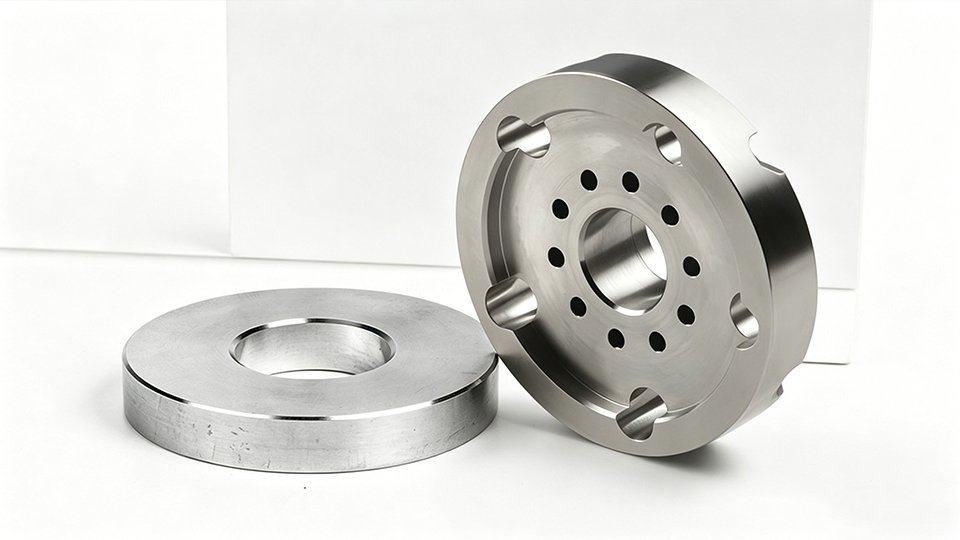
Dlaczego to jest takie trudne? Wynika to głównie z wyjątkowo słabego magnetyzmu i przewodności tego materiału. Z jednej strony, Austenityczna stal nierdzewna jest niemagnetyczna, więc nie wywoła reakcji magnetycznej. Z drugiej strony, jego przewodność jest znacznie niższa niż aluminium, co oznacza, że nawet technologia wieloczęstotliwościowa ma trudności z uchwyceniem jej częstotliwości, zwłaszcza gdy fragmenty stali nierdzewnej są bardzo małe.
Efekt kierunku: Ważny czynnik prowadzący do niepowodzenia wykrywania
Kolejne wyzwanie pochodzi z “efekt kierunkowy”. Kiedy cienki i długi metal zostanie wykryty pod różnymi kątami, pole przekroju poprzecznego jest zupełnie inne. Ze względu na różne reakcje różnych metali na pole elektromagnetyczne, metale, takie jak stal nierdzewna, które trudno uchwycić, często wymagają zmniejszenia częstotliwości roboczej maszyny, aby osiągnąć wyniki wykrywania.
Jednakże, wiąże się to z kosztami – wrażliwość urządzenia na inne metale, takie jak żelazo i aluminium, zmniejszy się. Jak znaleźć równowagę pomiędzy “wykrywanie stali nierdzewnej” I “nie tracąc innych metali” jest właśnie rdzeniem nowoczesnej technologii przemysłowego wykrywania metali.
Kiedy “dylemat aluminium” staje się zbyt skomplikowane, wielu producentów produktów farmaceutycznych i nutraceutycznych zastanawia się, czy nie powinni całkowicie porzucić komercyjnych systemów wykrywania metali i przejść na kontrolę rentgenowską. Obie technologie mają swoje wyraźne zalety, ale to, który wybrać, zależy od konkretnego produktu, opakowanie, i budżet.
Poniżej kompleksowe porównanie z czterech perspektyw, na których zależy producentom najbardziej:
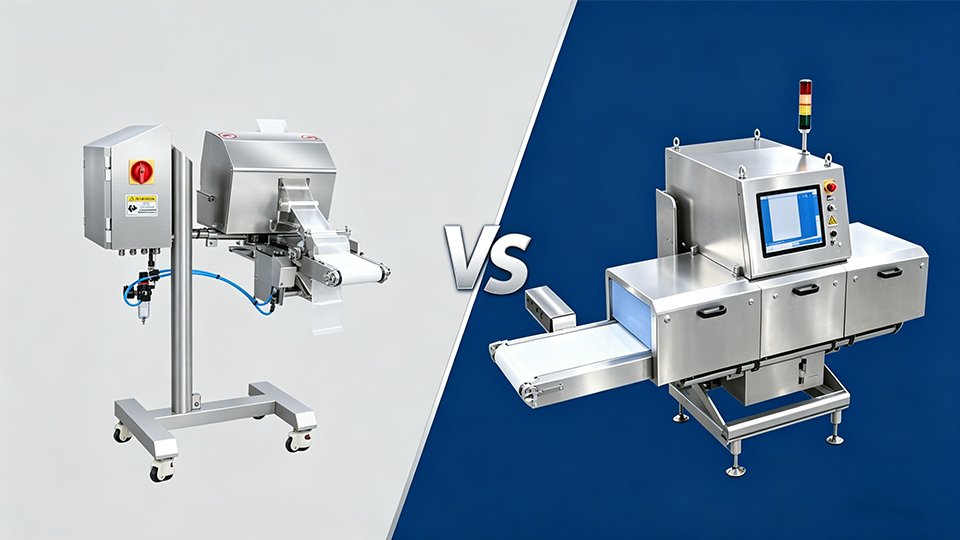
Tabela 1- Porównanie komercyjnego wykrywacza metali i systemu kontroli rentgenowskiej
| Czynnik | Zaawansowany wykrywacz metali | System kontroli rentgenowskiej |
| Czułość wykrywania folii | Umiarkowane do wysokiego. Współpracuje z cienką folią; ograniczona grubą folią. | Wysoki. Łatwo wykrywa przez aluminium. |
| Koszt | Niski do umiarkowanego. Niedrogi i wymagający niewielkiej konserwacji. | Wysoki. Drogie wymiany sprzętu i części. |
| Konserwacja & Bezpieczeństwo | Prosty. Rutynowa kalibracja, żadnych zagrożeń bezpieczeństwa. | Złożony. Wymaga zgodności z przepisami dotyczącymi promieniowania i kontroli bezpieczeństwa |
| Możliwość wykrywania | Tylko metale. | Różnorodne materiały |
Jeśli Twoim priorytetem jest efektywność kosztowa i standardowe opakowanie, następnie wybierz wykrywacz metali z przenośnikiem
Do standardowej produkcji, wykrywacz metali na przenośniku jest często najbardziej praktycznym wyborem. Jeśli Twój produkt jest dostarczany w plastikowych butelkach, wówczas lepszym rozwiązaniem byłoby zastosowanie przemysłowego przenośnika z wykrywaczem metali. Dla większości linie do produkcji farmaceutyków i suplementów diety, systemy te są opłacalne, łatwe w utrzymaniu, i łatwo wykryć żelazo, nieżelazne, i zanieczyszczeń ze stali nierdzewnej.
Jeśli Twoje opakowanie jest skomplikowane lub zanieczyszczenie wykracza poza metal, następnie wybierz Rentgen
Według A 2023 analiza rynku przeprowadzona przez Grand View Research, Oczekuje się, że globalny rynek przemysłowych kontroli rentgenowskich będzie się rozwijał 7.5% więcej, napędzane złożonymi potrzebami w zakresie opakowań w sektorach spożywczym i farmaceutycznym. Systemy rentgenowskie działają w oparciu o różnice gęstości, w ten sposób możliwe jest wykrycie szerszego zakresu zanieczyszczeń. Ten system wykrywania dobrze pasuje do złożonych opakowań.
Jeśli równoważysz wydajność i budżet, następnie wybierz systemy wykrywania metali
Natomiast systemy rentgenowskie oferują bardziej zróżnicowane możliwości, kosztują więcej. W przeciwieństwie do tego, przemysłowy system wykrywania metali typu inline jest zazwyczaj tańszy i łatwiejszy w obsłudze, co czyni je bardziej korzystnymi w rutynowych zastosowaniach. Podobnie jak Sarah Jenkins, starszy audytor QA dla globalnej marki farmaceutycznej, zauważa, że systemy rentgenowskie zapewniają niezrównaną widoczność produktów opakowanych w folię, ich wysoki całkowity koszt posiadania często sprawia, że wykrywacze metali są bardziej opłacalnym wyborem dla średniej wielkości linii nutraceutycznych.
Wybór odpowiedniego systemu wykrywania metali jest tak samo strategiczny, jak wybór składu suplementów. Oto kilka sugestii na dobry początek.
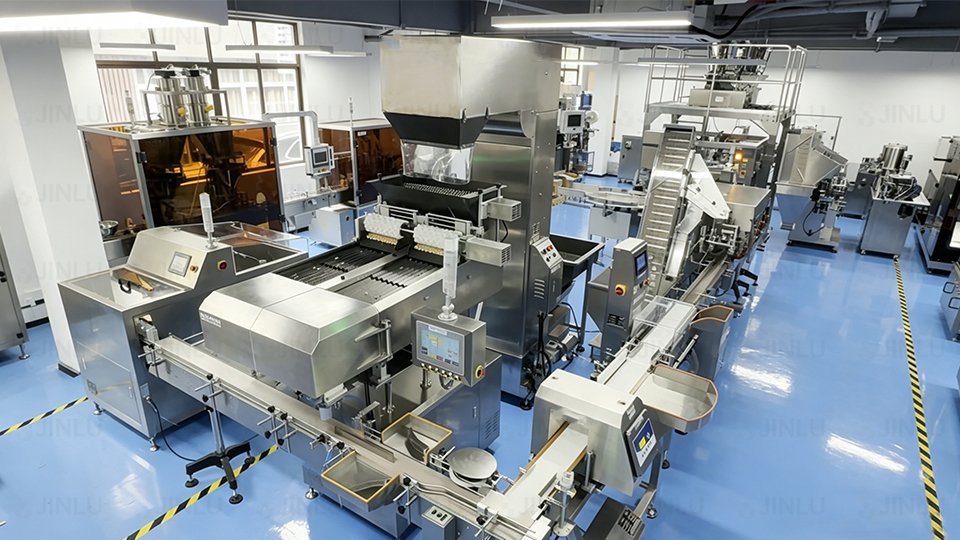
Podczas wyszukiwania wykrywacza metalu, jednostki przemysłowej, producentom może lepiej będzie zwrócić uwagę na te funkcje:
Praca wieloczęstotliwościowa: Maszyna powinna mieć możliwość jednoczesnej pracy na wielu częstotliwościach, aby wyeliminować efekt produktu.
Wydajność czyszczenia: Maszyna musi wytrzymać czyszczenie wodą pod wysokim ciśnieniem bez zwarcia, dla środowisk farmaceutycznych wymagają rygorystycznego czyszczenia.
Automatyczne odrzucenie: Niezależnie od sposobu odrzucenia, system odrzucający musi działać natychmiast i nie dopuścić do awarii.
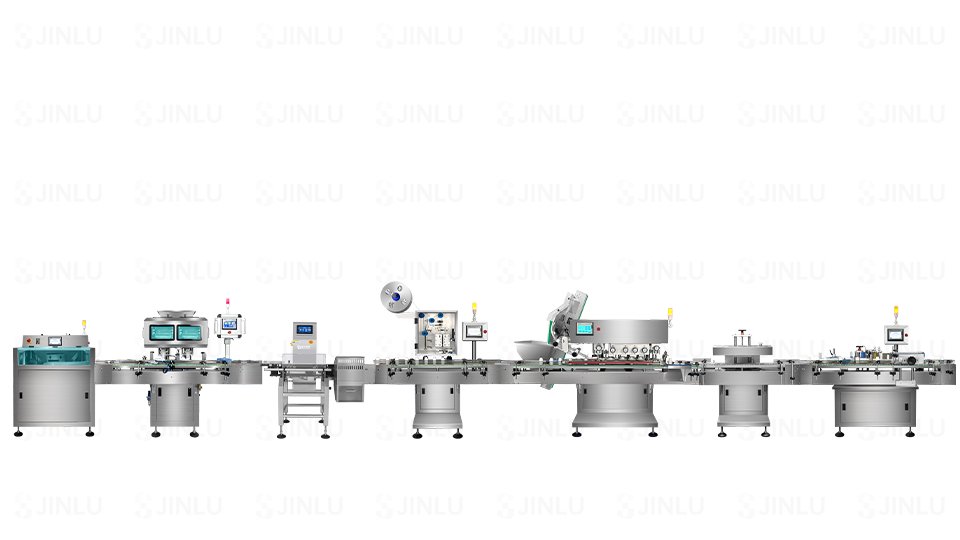
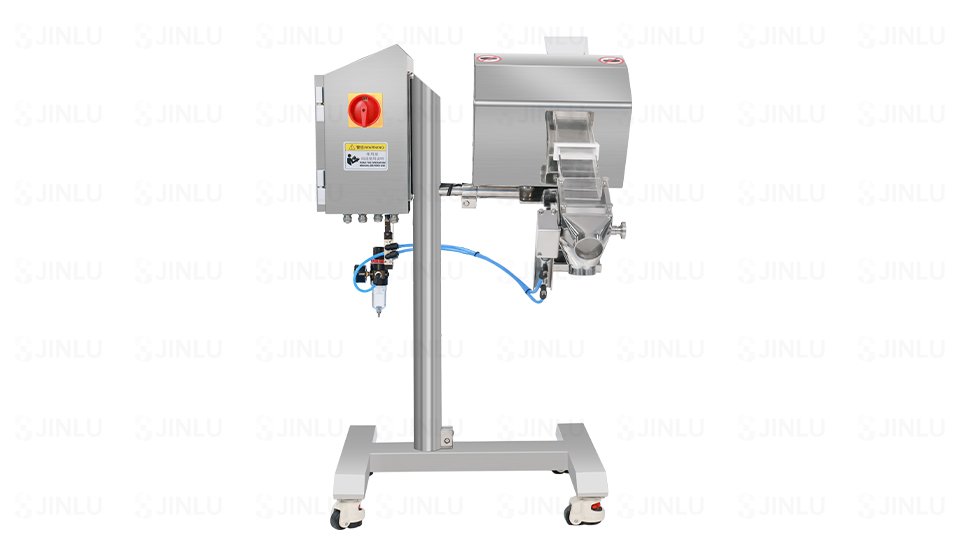
Posiadanie świetnej maszyny to tylko połowa sukcesu, dlatego współpraca z doświadczonym dostawcą wykrywaczy metali lub niezawodnymi producentami wykrywaczy metali staje się krytyczna. Pakowanie Jinlu dobiegło końca 30 lata oddanego R&D doświadczenie w branży maszyn pakujących, zaangażowana w rozwój i dostarczanie wysoce niezawodnych maszyn dla firmy Fortune 500 firm na całym świecie. Poniżej przedstawiono wyróżniające cechy rozwiązań systemów przenośników do wykrywania metali firmy Jinlu Packing:
Ma na celu zajmowanie się skomplikowanymi opakowaniami, nasze grawitacyjne wykrywacze metali i wykrywacze metali dla przemysłu mleczarskiego zostały zaprojektowane tak, aby chronić produkty przed niezgodnością.
Jednym słowem, podczas gdy na pytanie, czy wykrywacze metali wykrywają aluminium, łatwo odpowiadamy „tak”., znacznie trudniejsze jest znalezienie równowagi pomiędzy przemysłowym systemem wykrywającym metal a linią produkcyjną. Jeśli chcesz bez wysiłku wyeliminować fałszywe odrzucenia, przyjdź i skonsultuj się z nami, aby uzyskać więcej informacji.
Austenityczna stal nierdzewna, Oczywiście. Ze względu na całkowicie niemagnetyczne właściwości i niską przewodność, maszyna prawie nie jest w stanie go wykryć, tak jak gdyby próbowała dostrzec ducha we mgle!
Tak, absolutnie! Nawet w formie proszku, aluminium zachowuje wysoką przewodność elektryczną. Dlatego, Wbudowana maszyna do wykrywania metalu z łatwością może go natychmiast wykryć.
Przemysłowe wykrywacze metali są przeznaczone do wychwytywania dwóch głównych kategorii: metale na bazie żelaza i metale o niskich właściwościach magnetycznych, ale wysokiej przewodności. Dzięki temu możliwości wykrywania wykrywacza metali obejmują prawie wszystkie typowe zanieczyszczenia fabryczne.
Jeśli przeprowadzasz remont biura typu „zrób to sam” i musisz znaleźć metalowy kołek, Podstawowy wykrywacz kołków doskonale sprawdza się przy lokalizowaniu śrub lub kołków drewnianych, za pomocą czujników magnetycznych lub pojemnościowych.
Referencje
[1] Służba Bezpieczeństwa i Kontroli Żywności USDA (FSIS): Podsumowanie przypadków wycofania.
[2] Zestaw narzędzi inżynierskich: Przewodność elektryczna materiałów.
[3] Badania Wielkiego Widoku: Wielkość rynku przemysłowych systemów kontroli rentgenowskiej, Udział & Raport z analizy trendów.