
GMP kontra cGMP to jedno z najczęściej zadawanych pytań produkcja farmaceutyczna– i nie bez powodu. Chociaż te dwa terminy są ze sobą ściśle powiązane, nie są identyczne. Zrozumienie różnicy jest niezbędne dla producentów farmaceutycznych, nabywców sprzętu, kierownicy produkcji, i zespoły ds. jakości, ponieważ standardy te wpływają na każdy etap produkcji, od projektu obiektu i walidacji procesów po wybór sprzętu i jakość produktu. Zwłaszcza, . “Aktualny” W Aktualna Dobra Praktyka Produkcyjna (CGMP) odzwierciedla oczekiwanie, że producenci stale wdrażają najnowocześniejsze technologie, systemy, i jakości, zamiast polegać na przestarzałych metodach.
Niezależnie od tego, czy inwestujesz w nową linię do pakowania butelek, modernizację istniejącej linii produkcyjnej, lub przygotowania do inspekcji regulacyjnych, zrozumienie GMP kontra cGMP może pomóc Ci w podejmowaniu bardziej świadomych decyzji. W tym przewodniku, wyjaśnimy kluczowe różnice między GMP i cGMP, zarys ich wymagania zgodności, i pokaż jak nowoczesny sprzęt do pakowania farmaceutycznego obsługuje bezpieczniejsze, bardziej wydajne, i w pełni zgodna produkcja.
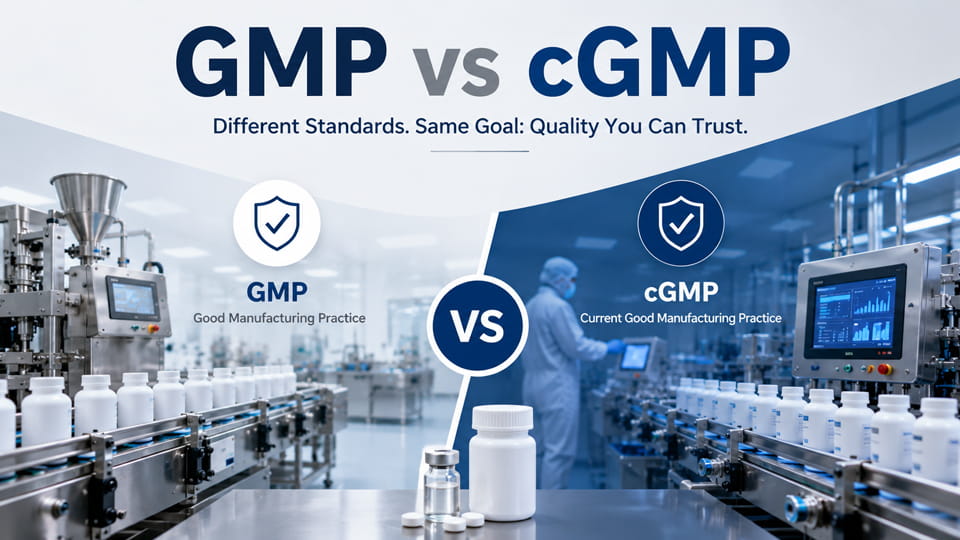
Dobra Praktyka Produkcyjna (GMP) to globalne ramy zapewniania jakości dla przemysłu farmaceutycznego. WHO definiuje GMP jako aspekt zapewnienia jakości, który gwarantuje, że produkty są konsekwentnie produkowane i kontrolowane zgodnie z odpowiednimi standardami jakości. Podobnie, Europejską Agencję Leków (EMA) opisuje GMP jako minimum standard, jaki musi spełniać producent leków podczas produkcji. W rzeczywistości, GMP obejmuje projektowanie obiektu, sprzęt, Surowce, Szkolenie personelu, pisemne procedury, i testowanie. Celem jest zapewnienie wysokiej jakości każdej partii, nadaje się do zamierzonego zastosowania, i odpowiada jego specyfikacjom.
Podczas gdy KTO, EMA i inne organy regulacyjne nazywają to „GMP,” termin ten jest zasadniczo wymienny z cGMP poza Stanami Zjednoczonymi. W rzeczywistości, W wytycznych WHO zauważono, że w niektórych kontekstach GMP jest „nazywane także„ cGMP ”lub„ bieżącym ”GMP”. Dla wielu międzynarodowych producentów, spełnienie wytycznych GMP oznacza uzyskanie takich samych wyników jakościowych, jakie FDA później podkreśla w przypadku cGMP.
Aktualna Dobra Praktyka Produkcyjna (CGMP) to termin stosowany przez FDA na określenie tych przepisów w Stanach Zjednoczonych. FDA definiuje cGMP jako systemy zapewniające właściwy projekt, monitorowanie i kontrola procesów i obiektów produkcyjnych. Podobnie jak GMP, Celem cGMP jest zapewnienie tożsamości produktów leczniczych, wytrzymałość, jakość i czystość, jak twierdzą. W rzeczywistości, Przepisy FDA wyraźnie obejmują wszystko, od czystości obiektu i sprzętu po kwalifikacje personelu i prowadzenie dokumentacji (21 Części CFR 210 I 211).
Krytycznym rozróżnieniem jest to, że litera „C” w cGMP oznacza aktualny. Oznacza to, że firmy muszą korzystać z najnowocześniejszych technologii, sprzęt i procedury. Jak zauważa FDA, systemy i sprzęt „z najwyższej półki” 10 Lub 20 lata temu mogą obecnie nie spełniać wymagań cGMP, ponieważ standardy jakości i technologia rozwijają się z biegiem czasu. Krótko mówiąc, cGMP ma te same wymagania jakościowe co GMP, ale kładzie nacisk na ciągłe doskonalenie i modernizację. Zgodność z cGMP jest egzekwowana poprzez inspekcje FDA, a niespełnienie tych standardów zgodnie z prawem powoduje, że lek jest „zafałszowany”.,”nawet jeśli przejdzie testy laboratoryjne.
Podczas gdy GMP i cGMP mają na celu ten sam wynik (bezpieczna, wysokiej jakości leki), różnice polegają na nacisku i użyciu. Poniższa tabela podsumowuje podstawowe rozróżnienia:
| Aspekt | GMP (Dobra Praktyka Produkcyjna) | CGMP (Aktualny GMP, FDA) |
| Terminologia | „Dobra Praktyka Produkcyjna” – stosowana przez WHO, EMA, ZDJĘCIE/S, itp. | „Aktualna dobra praktyka produkcyjna” – termin stosowany przez FDA |
| Kontekst regulacyjny | Globalny standard stosowany w wielu krajach (KTO, ZDJĘCIE/S, GMP UE) | Przepisy specyficzne dla USA (21 CFR 210–211) |
| Centrum | Konsekwentnie spełnia ustalone standardy jakości | Spełnia standardy I utrzymuje aktualność technologii/procesów |
| Wymagania technologiczne | Generalnie statyczny (spełnia podstawowe standardy) | Należy używać najnowszego, zatwierdzonego sprzętu i metod |
| Dokumentacja | Wymagane szczegółowe SOP i zapisy | Jeszcze bardziej rygorystyczna dokumentacja (e-rekordy, ścieżki audytu) |
| Walidacja | Oczekiwana walidacja procesu i czyszczenia | Kwalifikacja sprzętu (IR/WH/PQ) i walidacja procesu jest obowiązkowa |
| Systemu Jakości | Standardowy System Zarządzania Jakością | Ulepszony system zarządzania jakością oparty na ryzyku; cykle ciągłego doskonalenia |
| Inspekcje & Aktualizacje | Okresowe inspekcje sprawdzające zgodność z GMP | To samo, ale FDA oczekuje ciągłych aktualizacji; to, co było zgodne, może stać się nieaktualne |
| Zakres regulacji | JA/JA: zgodność egzekwowana przez EMA & agencje krajowe | NAS: zgodność egzekwowana przez FDA; nieprzestrzeganie prowadzi do podjęcia kroków prawnych |
W istocie, CGMP jest GMP plus oczekiwanie dotrzymania kroku nowoczesnym najlepszym praktykom. Jak wyjaśnia jedna z analiz branżowych, cGMP „koncentruje się na ciągłym doskonaleniu i oznacza, że w celu zapewnienia jakości stosowane są najnowocześniejsze standardy i technologie, mając na uwadze, że GMP uważa się za zbiór zasad”. W praktyce, cGMP spełnia wszystkie wymagania GMP, ale ze szczególnym naciskiem, że firmy muszą aktywnie procesy aktualizacji i dokumentacja.
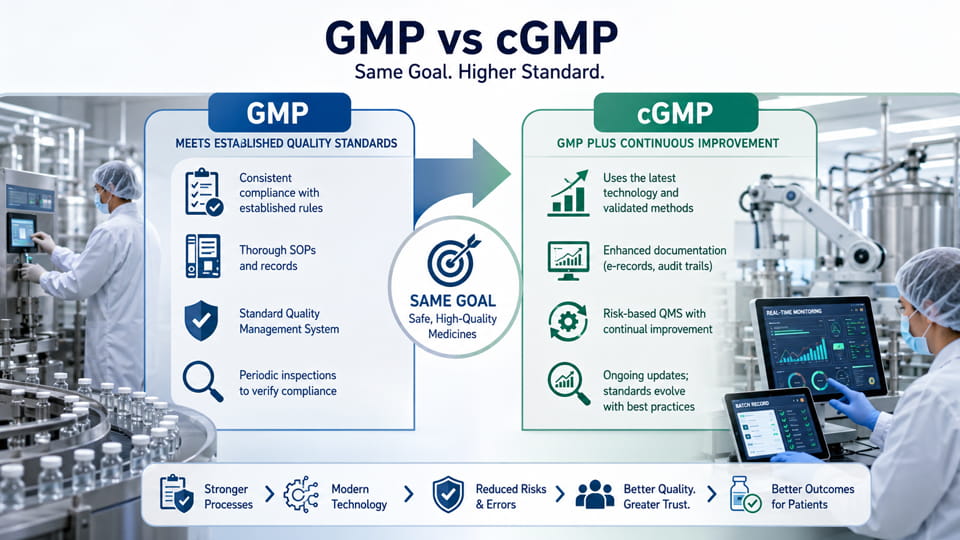
„Bieżący” w cGMP to nie tylko modne hasło: sygnalizuje te udogodnienia, maszyny i systemy jakości nigdy nie powinny stać się przestarzałe. Na przykład, jeżeli okaże się, że starsza metoda produkcji lub element wyposażenia są gorsze, Standardy cGMP oznaczają, że firma powinna wdrażać coraz nowsze rozwiązania. Takie podejście napędza innowacje: firmy wdrażające cGMP inwestują w elektroniczne rejestry partii, zautomatyzowane systemy kontroli, monitorowanie danych w czasie rzeczywistym i inne postępy podnoszące jakość i redukujące błędy.
Litera „c” w cGMP podkreśla prosty, ale krytyczny punkt: zgodność oznacza używanie aktualny wiedza i technologia. Ma to znaczenie, ponieważ nauka i sprzęt farmaceutyczny ewoluują szybko. Jaka była prawidłowa metoda czyszczenia 20 lat temu mogą już nie spełniać dzisiejszych standardów skażenia, i nowe narzędzia (jak cyfrowe systemy zarządzania jakością) zapewniają lepszą identyfikowalność niż kłody papierowe.
Organy regulacyjne rutynowo oczekują, że producenci tak właśnie zrobią aktywnie doskonalić. Na przykład, Wytyczne FDA wskazują, że sprzęt powinien być zbudowany i umiejscowiony tak, aby ułatwić czyszczenie i zapobiegać zanieczyszczeniom, co oznacza, że projekty muszą być dostosowywane w miarę zdobywania wiedzy na temat kontroli zanieczyszczeń. Jeśli dostępna będzie lepsza sterylizacja lub materiały, cGMP wzywa do ich włączenia. Najważniejsze informacje w Jinlupackingu: „Prąd” w cGMP podkreśla, że producenci muszą stosować najnowocześniejsze technologie i systemy," Który promuje ciągłe doskonalenie w procesach produkcyjnych.
W rzeczywistości, oznacza to, że zakłady muszą posiadać system jakości, który dokonuje przeglądu i przeglądu procesów w przypadku aktualizacji przepisów lub standardów branżowych. Część 21CFR FDA 11 (dla systemów komputerowych) to jeden przykład: dodano go, aby zająć się zapisami elektronicznymi i podpisami. W ramach cGMP, firmy farmaceutyczne musiały używać unikalnych loginów, ścieżki audytu i zabezpieczenia w swoim sprzęcie komputerowym i oprogramowaniu. Gdyby firma w dalszym ciągu korzystała wyłącznie z kłód papierowych, nie spełniałby obecnych standardów.
Kolejnym kluczowym obszarem jest integralność danych. Organy regulacyjne szczegółowo analizują obecnie elektroniczne rejestry partii, wymaganie, aby wszystkie zmiany mogły być identyfikowalne dla autoryzowanych użytkowników. Odnotowano to w przywołanym przewodniku dotyczącym zgodności 21 Część CFR 11 „wymaga unikalnych loginów użytkowników, ścieżki audytu i podpisy elektroniczne w celu zapewnienia integralności danych”. Nie była to oryginalna część GMP kilkadziesiąt lat temu. Dlatego, cGMP oznacza dziś modernizację sprzętu i kontroli, tak aby każde działanie na linii produkcyjnej było możliwe (zmiany ustawień urządzenia, alerty jakościowe) jest rejestrowane i chronione.
Podsumowując, „aktualny” w cGMP oznacza, że nigdy nie spoczniemy na starych laurach. Motywuje to firmy do regularnej walidacji nowego sprzętu, przekwalifikować personel na lepsze metody, i zastosuj najnowsze praktyki jakości. Dzięki temu stale poprawiamy bezpieczeństwo i zgodność produktów. Qualityze zauważa, że głównym powodem, dla którego cGMP jest ważny, jest to, że „promuje ciągłe doskonalenie” – upewnianie się, że firmy zawsze korzystają z najnowszych technologii, aby zapewnić jakość.
Niezależnie od tego, czy nazywa się to GMP, czy cGMP, pewne podstawowe wymagania są uniwersalne w produkcji i pakowaniu produktów farmaceutycznych. Te wspólne elementy są niezbędne do zapewnienia zgodności z wymogami FDA, Zasady WHO lub EMA:
Organy regulacyjne, takie jak WHO, stwierdzają, że GMP definiuje „miary jakości i działania zarówno w zakresie produkcji, jak i kontroli leków,” i zapewnia wszystko, począwszy od „procesów [istnienie] jasno określone, zwalidowane i sprawdzone” dla personelu i pomieszczeń, które są „nadające się do produkcji”. W rzeczywistości, obejmuje to wszystko wymienione powyżej.
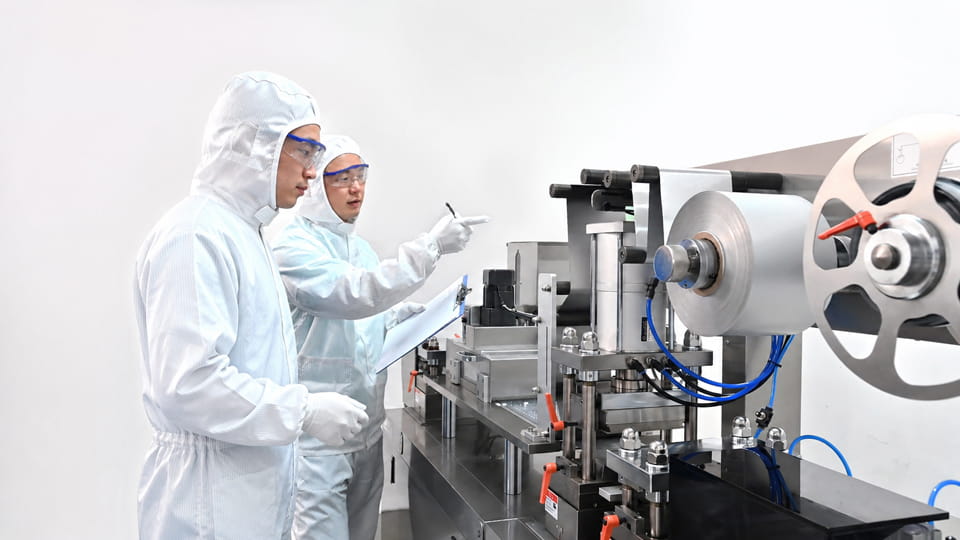
W obszarach pakowania, standardy często przekładają się na określone zasady projektowania (Jak Wskazówki dotyczące zgodności firmy Jinlu). Na przykład, muszą być maszyny w linii GMP łatwe do czyszczenia (gładka stal nierdzewna, brak pęknięć i martwych nóg) i w pełni zweryfikowane. Dokumentacja, np. kwalifikacja instalacyjna (ILORAZ INTELIGENCJI), Kwalifikacja operacyjna (OK), i Kwalifikacja Wykonawcza (PQ) jest wymagane przed i w trakcie produkcji. Bez tych kontroli, audyt wykazałby niezgodność.
Standard, który musisz spełnić, zależy od Twojego rynku:
Na przykład, FDA wyraźnie zaleca, aby zakłady sprzedające na całym świecie przestrzegały aktualnych GMP. Podobnie, EMA tak twierdzi „każdy producent leków przeznaczonych na rynek UE musi przestrzegać unijnych zasad GMP bez względu na to, gdzie się znajduje”.. W rzeczywistości, czołowe firmy farmaceutyczne budują obiekty, aby jako punkt odniesienia spełniać wymogi cGMP FDA, a następnie dostosowują się do lokalnych różnic (jak język etykietowania lub dokumentacji).
Ostatecznie, wybór nie brzmi albo/albo: Oczekuje się, że nowoczesne produkty farmaceutyczne będą spełniać zarówno literę, jak i ducha GMP. Niezależnie od tego, czy nazwiesz to GMP, czy cGMP, praktyki terenowe – czyste pokoje, sprawdzony sprzęt, rygorystyczna kontrola jakości, i dokładne zapisy – wszystkie są częścią tej samej kultury jakości.
Gdy wybór maszyn do pakowania farmaceutyków, kupujący powinni szukać funkcji, które konkretnie wspierają zasady GMP/cGMP:
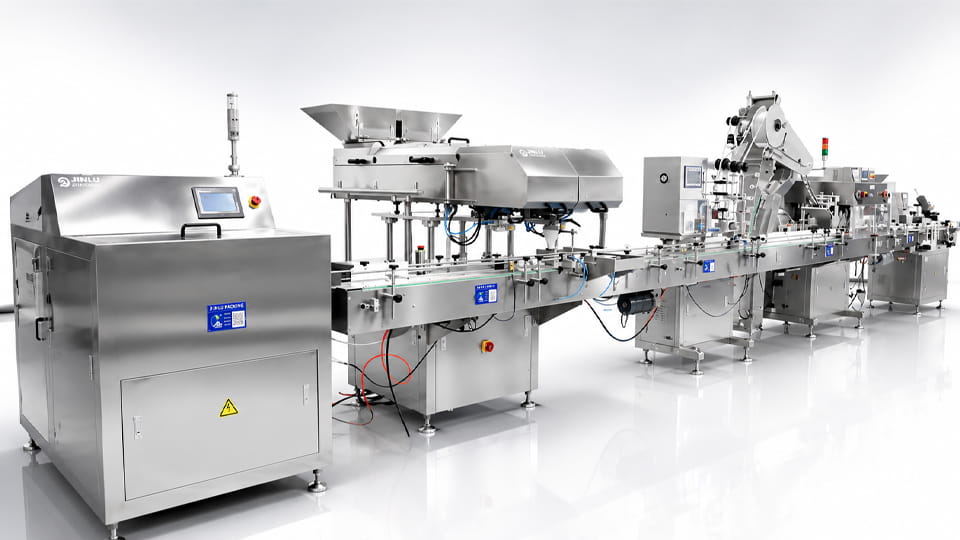
Postać: Nowoczesna linia pakowania butelek farmaceutycznych integruje rozszyfrowanie, pożywny, zakrywanie, plombowanie i etykietowanie z wbudowaną inspekcją. Maszyny te wykorzystują konstrukcję sanitarną ze stali nierdzewnej i czujniki do kontroli jakości.
Zapewniając te funkcje, kierownicy ds. zakupów mogą mieć pewność, że ich linia pakująca będzie wspierać produkcję zgodną z przepisami. Oryginalne notatki Jinlu, nasze maszyny są wykonane z najlepszych materiałów i mają wyrafinowaną konstrukcję zgodnie ze standardami CE i GMP, a nasz pakowacz do torebek spełnia wymagania produkcyjne cGMP.
Przestrzeganie GMP, a zwłaszcza cGMP, przynosi znaczne korzyści:
Podsumowując, Zgodność z GMP/cGMP to nie tylko obciążenie regulacyjne – chroni ona pacjentów, buduje zaufanie, i gwarantuje rzetelny biznes. Daje także firmom przewagę poprzez poprawę wydajności i umożliwienie globalnej dystrybucji.

GMP i cGMP to kamienie węgielne jakości farmaceutycznej, zapewnienie, że każdy produkt jest wytwarzany bezpiecznie i konsekwentnie. Podsumowując, GMP zapewnia podstawowe ramy higieny, dokumentacja i walidacja, chwila CGMP dodaje wymóg ciągłego doskonalenia i nowoczesnych technologii. Do urządzeń pakujących, oznacza to inwestycję w automatyzację, atestowane maszyny wykonane z materiałów sanitarnych.
I zbieranie Jeinlu, budujemy nasze maszyny mając na uwadze te standardy. Wybierając sprzęt firmy Jinlu zgodny z cGMP – taki jak nasz Automatyczne maszyny do napełniania kapsułek, Prasy do tabletek, Pakowarki blistrowe, Maszyny kartonowe I Maszyny liczące – możesz zbudować w pełni zweryfikowany, linia produkcyjna gotowa do audytu. Każda maszyna posiada dokumentację i konstrukcję higieniczną niezbędną do kontroli GMP i FDA.
Gotowy, aby zapewnić zgodność Twojej produkcji (C)standardy GMP? Skontaktuj się z ekspertami Jinlu już dziś aby omówić wymagania dotyczące linii pakującej lub poprosić o wycenę. Nasz zespół pomoże dostosować odpowiedni pakiet wyposażenia, aby zapewnić zgodność Twoich produktów, bezpieczne i wysokiej jakości.
GMP odnosi się do podstawowych wymagań „Dobrej Praktyki Wytwarzania” w zakresie produkcji leków. cGMP oznacza „aktualny GMP,”, co oznacza te wymagania oraz oczekiwanie ciągłego doskonalenia. W cGMP, producenci muszą używać najnowocześniejszego sprzętu, metod i systemów jakości. Innymi słowy, cGMP dodaje, że procesy są regularnie przeglądane i unowocześniane.
Litera „c” oznacza „prąd”.,” podkreślając, że firma musi zawsze spełniać najnowsze przepisy i standardy. Dzięki temu producenci nie będą polegać na przestarzałych praktykach. Jak wyjaśnia Scilife, cGMP oznacza wykorzystanie nowoczesnych systemów i technologii w celu spełnienia dzisiejszych oczekiwań regulacyjnych, zamiast starszych metod, które mogą już nie być odpowiednie.
Tak. USA. Przepisy FDA (21 Części CFR 210 I 211) są zapisane jako cGMP. Zgodnie z prawem, dowolny produkt farmaceutyczny dla USA. rynek musi być produkowany zgodnie z obowiązującymi Dobrymi Praktykami Produkcyjnymi. Nieprzestrzeganie może skutkować wysłaniem ostrzeżeń lub przestojów.
Jeżeli stosowane są jedynie przestarzałe praktyki GMP, firma ryzykuje niezaliczeniem inspekcji. Organy regulacyjne oczekują dowodów na temat aktualnej technologii i walidacji. W ramach cGMP, samo przestrzeganie starszych wytycznych nie wystarczy. Na przykład, Można wymienić wykorzystanie dzienników papierowych zamiast zatwierdzonych zapisów elektronicznych. W rzeczywistości, Zgodność z cGMP oznacza, że proces ma historię GMP, należy go zweryfikować, biorąc pod uwagę dzisiejsze standardy.
Większość rynków farmaceutycznych na całym świecie wprowadziła wymagania podobne do GMP. Nad 100 kraje przyjęły standardy GMP WHO do prawa krajowego. Terminologia jest różna (niektórzy twierdzą, że GMP, trochę cGMP, niektóre po prostu „GMP”), ale praktycznie wszystkie główne organy regulacyjne (FDA, EMA, KTO) wymagają systemu jakości równoważnego cGMP.
Sama WHO zwykle odnosi się po prostu do „GMP,”, ale definiuje go szeroko. W dokumentach WHO, „GMP (określany również jako cGMP lub „bieżący GMP”)” opisuje zapewnienie jakości mające na celu zapewnienie, że produkty są stale produkowane zgodnie ze standardami jakości. Więc, WHO używa tych terminów zamiennie. Koncepcja bycia „aktualnym” jest wbudowana we wszystkie nowoczesne wytyczne GMP, nawet jeśli WHO nie zawsze używa „c”.
Absolutnie. Projektowanie sprzętu ma kluczowe znaczenie dla spełnienia wymagań GMP. Na przykład, maszyny muszą być łatwe do czyszczenia (nierdzewny, żadnych ukrytych szczelin) i powinien wspierać automatyzację i przechwytywanie danych. Źle zaprojektowany sprzęt może prowadzić do zanieczyszczenia lub pomyłek. Odwrotnie, odpowiedni sprzęt (jak maszyny Jinlu) jest zbudowany z funkcjami GMP w celu zapewnienia zgodności.
Walidacja sprzętu dokumentuje, że maszyny działają zgodnie z przeznaczeniem. ILORAZ INTELIGENCJI (Kwalifikacja instalacyjna) sprawdza, czy maszyna jest prawidłowo skonfigurowana zgodnie z projektem. OK (Kwalifikacja operacyjna) testuje, czy każda funkcja działa w różnych warunkach. PQ (Kwalifikacja wydajności) dowodzi, że sprzęt konsekwentnie osiąga wymaganą wydajność podczas rzeczywistej produkcji. Są to standardowe wymagania GMP mające na celu wykazanie, że sprzęt nadaje się do użytku.
Zgodne maszyny automatyzują kontrolę jakości i rejestrują dane. Na przykład, automatyczne napełniacze kapsułek precyzyjnie odważają dawki i odrzucają złe kapsułki, eliminując błędy ludzkie i zanieczyszczenia. Zintegrowane systemy danych automatycznie rejestrują informacje wsadowe za pomocą ścieżek audytu, spełniające zasady integralności danych. Wybierając sprzęt posiadający te funkcje, firma sprawia, że zgodność z cGMP jest znacznie łatwiejsza do osiągnięcia.
Maszyny Jinlu są przeznaczone do produkcji farmaceutycznej z pełnym uwzględnieniem potrzeb GMP. Zapewniają kompletne szablony IQ/OQ/PQ i wsparcie, wysokiej jakości konstrukcja ze stali nierdzewnej, i zaawansowana automatyzacja (takie jak zintegrowane systemy wizyjne i projektowanie sanitarne) aby zapewnić zgodność Twojej linii. Ich usługi obejmują przeprowadzanie testów FAT/SAT na miejscu oraz wsparcie w zakresie dokumentacji w celu usprawnienia procesu kwalifikacji.
Referencje:
1.Q&A w sprawie wymagań CGMP -- NAS. Administracja Żywności i Leków
2.Wytyczne dotyczące jakości: produkcja —— Europejska Agencja Leków
3.Aktualna Dobra Praktyka Produkcyjna (CGMP) Regulamin -- NAS. Administracja Żywności i Leków
4.Dobre Praktyki Produkcyjne -- KTO
5.TRS 986 – Załącznik 2: Dobre praktyki produkcyjne WHO dotyczące produktów farmaceutycznych: Główne zasady -- KTO
6.EudraLex – Tom 4 – Dobra Praktyka Produkcyjna (GMP) wytyczne —— Komisja Europejska
7.Wytyczne GMP —— ispe.org