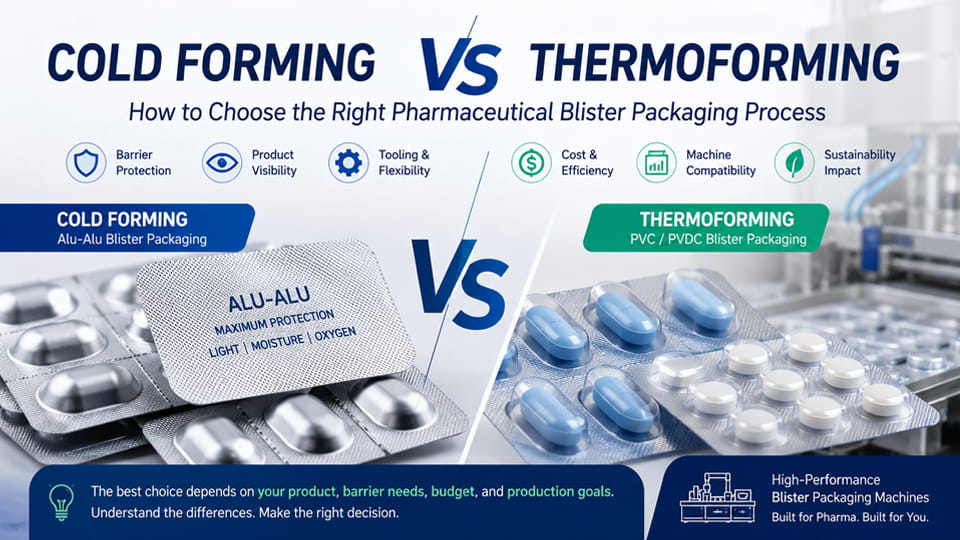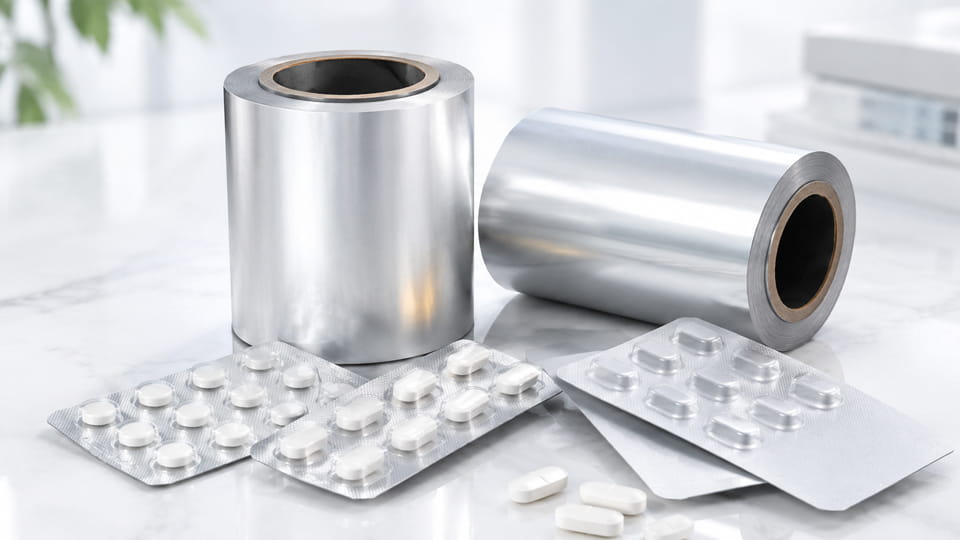

Wybór prawa maszyna pakująca w blistry to kluczowa decyzja dla producentów farmaceutycznych. Tabletki i kapsułki różnią się wielkością, kształt, i wrażliwość, co oznacza, że maszyny, które je pakują, również muszą się różnić. W tym przewodniku wyjaśniono kluczowe różnice między blistrami w tabletkach a blistrami w kapsułkach, obejmujące wszystko, od geometrii wnęki i podajników po prędkość produkcji i zgodność z przepisami. Porównujemy termoformowanie i formowanie na zimno oraz systemy płaskie i obrotowe, opisz najważniejsze czynniki, które należy wziąć pod uwagę, i wskaż typowe pułapki przy wyborze niewłaściwej maszyny. Do końca, dokładnie zrozumiesz, czego szukać – czy potrzebujesz linii tabletek zasilanych szczoteczką, czy w pełni zautomatyzowanej linii kapsułek z podajnikami orientacyjnymi – dzięki czemu będziesz mógł podjąć świadomą decyzję o zakupie.
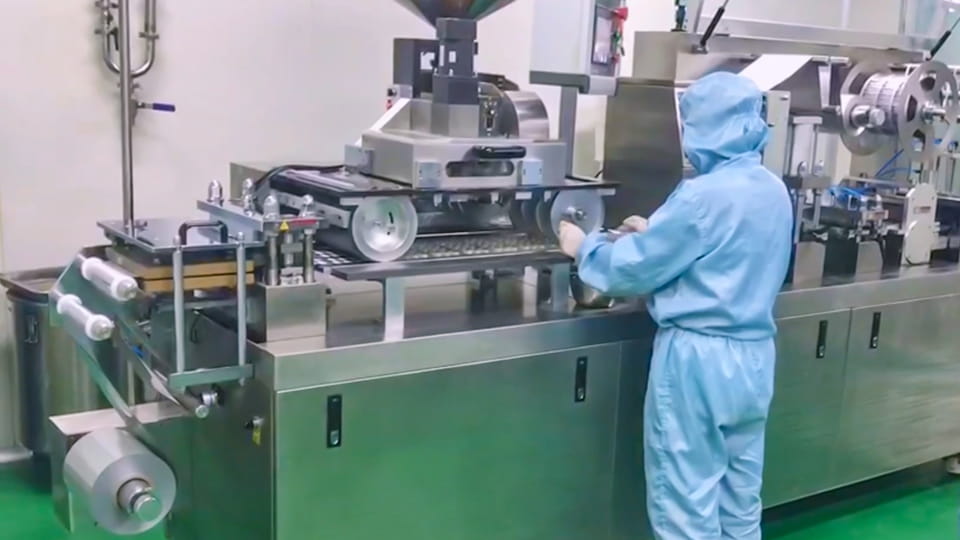
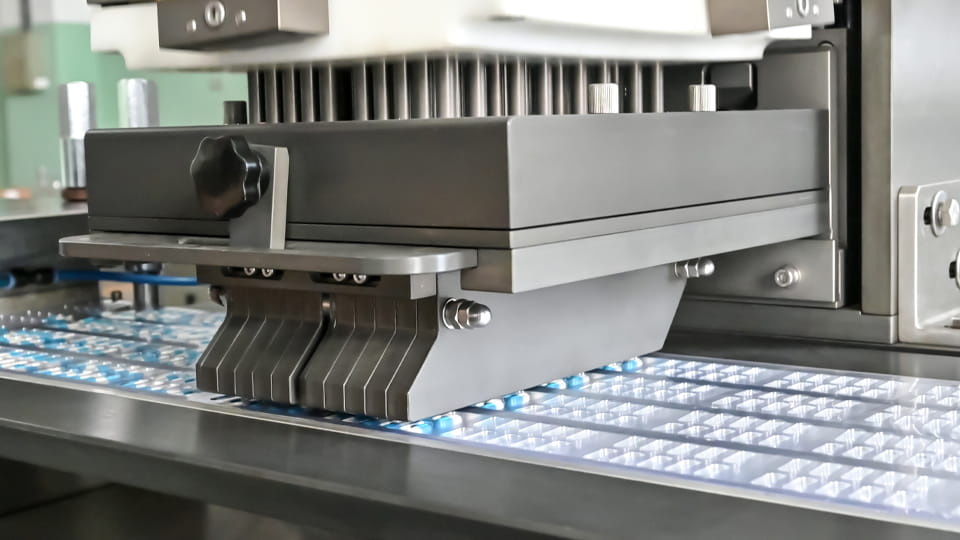
Postać: Nowoczesna linia do pakowania blistrów w tabletkach/kapsułkach w pomieszczeniu czystym GMP. Maszyny blistrowe automatyzują formowanie, pożywny, opieczętowanie, oraz cięcie folii PVC lub aluminium w celu stworzenia opakowania jednodawkowego.
Maszyny pakujące w blistry to specjalistyczne urządzenia, które tworzą indywidualne wnęki (pęcherze) z folii plastikowej lub aluminiowej, napełnij je produktem, a następnie zaklej je folią. Wykonują cztery podstawowe kroki:tworzenie się, pożywny, opieczętowanie, i cięcie— aby zachować porządek, opakowania zabezpieczone przed manipulacją. Maszyny te są wszechobecne w farmacji: znajdziesz w nich tabletki do pakowania, kapsułki, czy nawet e-papierosy i drobne artykuły eksploatacyjne. Wysokiej jakości maszyna do pakowania blistrowego zapewnia bezpieczeństwo produktu i trwałość produktu poprzez precyzyjne uszczelnienie każdej sztuki, przy jednoczesnym przestrzeganiu rygorystycznych norm GMP/FDA.
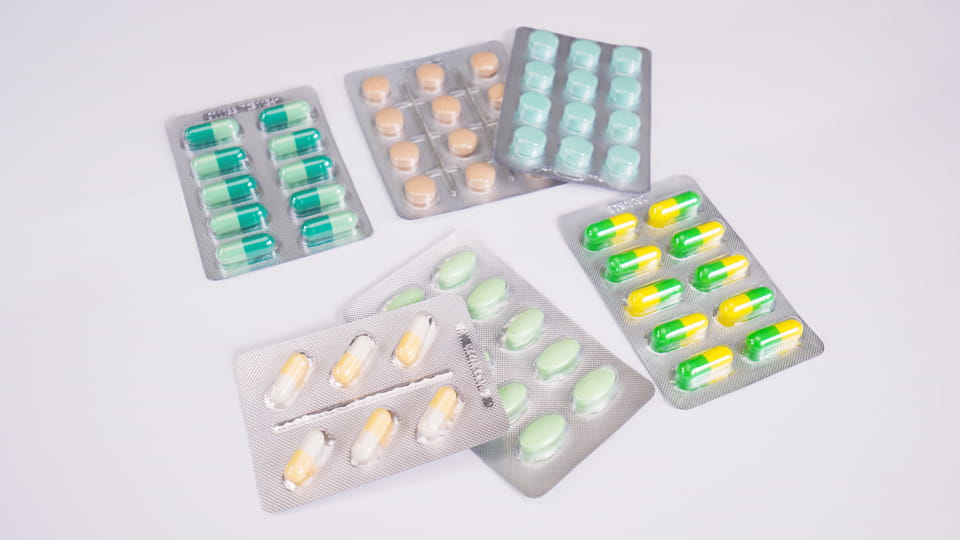
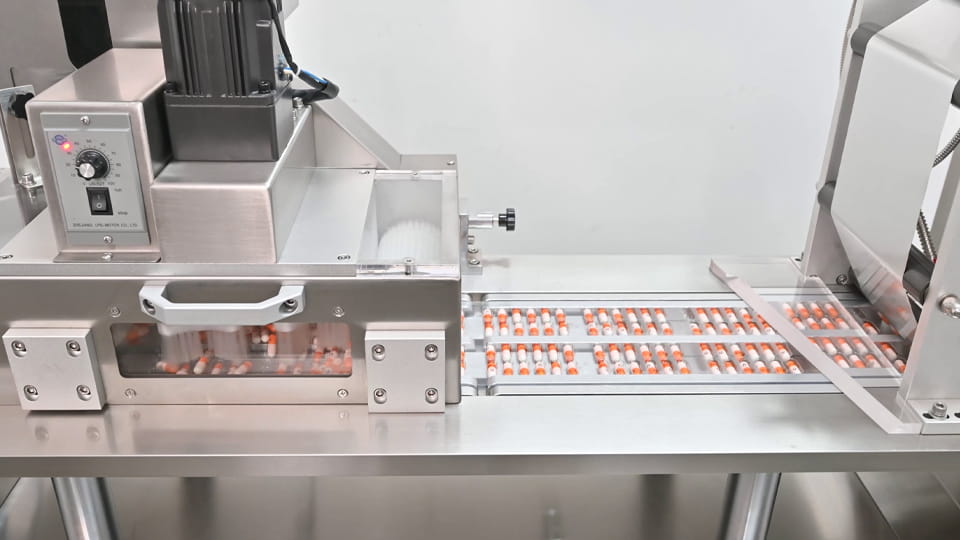
Linie blistrów w postaci tabletek i kapsułek mają tę samą podstawową architekturę, ale szczegóły są inne. Kieszeń (wgłębienie) geometria okrągłego tabletu bardzo różni się od tej od dawna, dwuczęściowa kapsułka, a system karmienia/orientacji musi być zgodny. Na przykład, standardowy okrągły tablet o średnicy 10 mm potrzebuje jedynie płytkiej powierzchni, okrągła kieszeń, podczas gdy A 0# (21.7 mm) twarda kapsułka żelatynowa wymaga głębokiego, wydłużona owalna wnęka. W rezultacie, linia blistrów z kapsułkami zwykle zawiera „podajnik orientacyjny”, który umożliwia prawidłowe ułożenie kapsułek (od głowy do ogona) zanim wejdą na stację benzynową. Kapsułki mogą się przewrócić lub przewrócić, więc A Podajnik obracający kapsułki jest często używany do odwracania każdej kapsułki do jednakowej pozycji. Dla kontrastu, tabletki są łatwiejsze do karmienia podajnik szczotkowy lub płyta wibracyjna, ponieważ większość tabletów jest symetryczna i można je losowo umieścić w okrągłych kieszeniach.
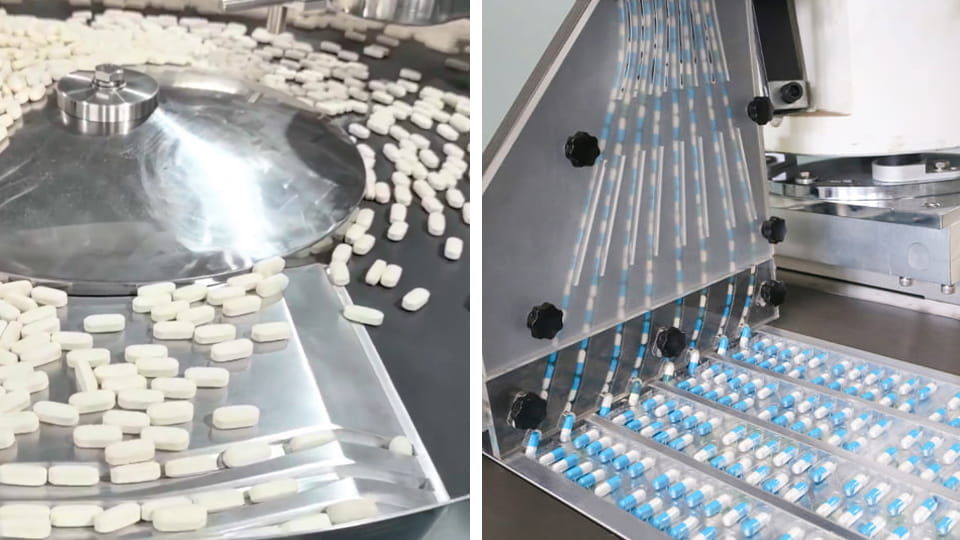
Postać: Linie blistrów na kapsułki. Wgłębienia na tabletki (okólnik) w porównaniu z jamami kapsułkowymi (wydłużony owal) dyktować różne konstrukcje podajników i warunki formowania.
A maszyna pakująca w blistry to urządzenie farmaceutyczne, które automatyzuje pakowanie jednodawkowe. Tworzy ubytki (pęcherze) w plastikowej lub aluminiowej wstędze, wypełnia je produktem, następnie uszczelnia je folią lub podkładem papierowym. W farmacji, zazwyczaj tworzy się folia PCV/PVDC lub aluminium (do formy na zimno), a przykrywką jest folia aluminiowa. Podstawowa kolejność to: odwijanie folii → stacja formowania → stacja napełniania / podawania → stacja zgrzewania → wykrawanie / cięcie.
[jl_youtube src=”https://www.youtube.com/embed/hC-yo-ToX6s”]
W wyniku tego procesu powstają zapieczętowane opakowania blistrowe widoczne w przypadku manipulacji, higieniczny, i łatwe w użyciu dla pacjentów. Dobra maszyna do pakowania blistrowego zapewnia stałą jakość formowania i uszczelniania, często integrując systemy wizyjne w celu wykrywania i odrzucania pustych kieszeni lub źle napełnionych jednostek.
Chociaż linie tabletów i kapsułek na pierwszy rzut oka wyglądają podobnie, ich kluczowe różnice oznacza, że nie można po prostu zamienić produktów na dowolnej maszynie bez regulacji. Trzy główne różnice sprzętowe to: kształt kieszeni (geometria matrycy), podajnik/orientacja, i odrzucić logikę.
Błędne wykonanie może zrujnować produkcję: nieprawidłowy kształt kieszeni prowadzi do uszkodzeń uszczelnień lub deformacji pęcherzy, a błędy w podawaniu prowadzą do złomu lub przypomnienie sobie czegoś. Jak zauważa Jinlupacking, „geometria narzędzi, mechanizm podawania, i logika odrzucenia decydują o tym, czy otrzymasz 98.5% wydajność lub 84% wydajność już w pierwszym tygodniu produkcji”.
Podsumowując w skrócie, oto jak to jest typowe maszyna do blistrowania tabletek porównuje do A maszyna do blistrowania kapsułek:
| Funkcja | Maszyna do blistrowania tabletek | Maszyna do blistrowania kapsułek |
| Kształt jamy | Okrągły lub płytki owalny (płaskodenne) | Wydłużony owal (głębsze rysowanie) |
| Typowa głębokość wnęki | ~4–8 mm | ~9–14 mm |
| Materiał formujący | PVC/PVDC lub PET (do termoformowania) | Często PVC/PVDC lub aluminium (do termoformowania lub formowania na zimno) |
| Temperatura formowania | ~120–140 °C (PCV) | ~145–165 °C (PCV; lub brak ogrzewania w przypadku formowanych na zimno Alu-Alu) |
| System karmienia | Podajnik szczotkowy lub płyta wibracyjna (nie zorientowany) | Podajnik orientacyjny (rynna grawitacyjna, szyny prowadzące, lub orbitalny) |
| Orientacja na produkt | losowy (symetryczne tabletki) | Naprawiono od głowy do ogona (kapsułki muszą być skierowane w tę samą stronę) |
| Logika wizji/odrzucenia | Wykryj puste/połamane tabletki | Wykryj zaginięcie, odwrotny, lub kapsułki ładowane krzyżowo |
| Wydajność szybkościowa | Zazwyczaj wyższa (prostsze wypełnienie) | Nieco niżej (ze względu na kroki orientacyjne) |
| Koszt zmiany | Niżej (proste płaskie formy) | Wyższy (złożone formy do kształtu kapsułki) |
| Zarządzanie ryzykiem | Niski (tablety są wytrzymałe) | Wyższy (kapsułki można podzielić lub oddzielnie zakręcić) |
Kluczowe dania na wynos: Tablety korzystaj z prostych form płaskich i standardowych podajników, chwila maszyny kapsułkowe często dodają zsypy orientacyjne lub podajniki obrotowe i głębsze formy. Wiele wysokiej klasy maszyn (jak modele Jinlu) są zbudowane tak, aby obsłużyć jedno i drugie, ale w tym celu wymagają zatwierdzonej zmiany narzędzia/formy, a czasami automatycznego przełączania podajnika. Jeśli maszyna jest naprawdę dwufunkcyjna, jego system podajników musi obsługiwać oba tryby (np. regulowana szyna prowadząca, którą można wyłączyć dla tabletów).
Planując linię pakującą, rozważać technologia formowania (termoformowanie vs formowanie na zimno) I styl maszynowy (płaska vs obrotowa):
Kiedy używać którego: Wybierać termoformowanie jeśli Twoje produkty są odporne na wilgoć i potrzebujesz szybkości i widoczności (np. Tabletki OTC, suplementy). Wybierać w formie zimnej (Alu-Alu) jeśli Twoje leki są wrażliwe na tlen/wilgoć lub wymagają bardzo długiego okresu przydatności do spożycia. Niektóre linie wykorzystują podejście hybrydowe (folia termoformowana z powłoką aluminiową lub PVDC) aby zrównoważyć koszty i barierę.
Maszyny blistrowe są również dostępne w dwóch głównych formatach mechanicznych:
Które wybrać? Jeśli produkujesz wiele różnych jednostek SKU lub potrzebujesz głębokiego tłoczenia (jak Alu-Alu), A płaska maszyna jest zazwyczaj najlepsza. Jeśli uruchamiasz bardzo duże partie jednego produktu (np. milionów blistrów miesięcznie), A obrotowy maszyna opłaca się wydajnością. Na przykład, Jinlu's DPP-180Pro to model z płaską płytą (maks. ~4800 talerzy/godz) dobre dla elastyczności, podczas gdy Model obrotowy DPH-270Max może uderzyć 11,200 blistrów/godz. do szybkiego wytwarzania masy.
| Funkcja | Maszyna płaska | Maszyna obrotowa |
| Styl formowania | Przerywany (prasa płytowa w każdym cyklu) | Ciągły (obracający się bęben) |
| Maks. Prędkość | Umiarkowany (od kilkudziesięciu do ~100 cięć/min) | Bardzo wysoki (często 180+ cięcia/min) |
| Najlepsze dla | Małe/średnie partie; głęboki rysunek (Alu-Alu) paczki | Opakowania Alu-PVC o dużej objętości (produkcja masowa) |
| Koszt formy | Niżej (płaskie płyty są tańsze) | Wyższy (precyzyjne formy cylindryczne) |
| Czas zmiany | Szybko (wymiana formy jest prostsza) | Wolniej (wyrównanie i wymiana są złożone) |
| Ślad na wyjście | Większy (wiele maszyn potrzebnych do uzyskania tej samej wydajności) | Bardziej kompaktowy (jedna maszyna to wiele płaskich płyt) |
Przy wyborze linii do pakowania blistrowego, skoncentruj się na tych siedmiu czynnikach, aby zapewnić najlepsze dopasowanie i uniknąć później kosztownych błędów:
Uważnie oceniając każdy czynnik, unikniesz typowej pułapki: zakup tańszej maszyny, która odpowiada dzisiejszym potrzebom, ale nie spełnia jutrzejszych wymagań (Na przykład, brak podajnika dla nowych jednostek SKU kapsułek lub konieczność całkowitej wymiany w celu uzyskania wyższych prędkości).
Wybór maszyny blistrowej jest złożony, decyzja o wysokiej stawce. Zespoły zakupowe często popełniają te błędy:
Ucząc się na tych błędach, możesz nadać priorytet wartości i długoterminowej wydajności, zamiast tylko zaznaczać pola w arkuszu specyfikacji.
Jeśli produkujesz głównie tablety:
Jeśli produkujesz głównie kapsułki:
Jeśli zrobisz jedno i drugie:
Nie wszystkie maszyny pakujące w blistry są sobie równe. Potrzebujesz dostawcy, który rozumie potrzeby farmaceutyczne i oferuje solidne wsparcie. Pakowanie jinlu, na przykład, przegląd najważniejszych wydarzeń:
Wybór renomowanego producenta jest prawie tak samo ważny jak specyfikacja maszyny. Poszukaj tych, którzy publikują dokumenty walidacyjne, oferować szkolenia, i mają doświadczenie w instalacjach farmaceutycznych.
Wybór odpowiedniej maszyny pakującej w blistry to decyzja strategiczna. Poprzez dokładne dopasowanie typ maszyny do twojego produkt (tabletki vs kapsułki) I potrzeby produkcyjne, możesz zmaksymalizować wydajność i jakość. Pamiętaj, aby wziąć pod uwagę projekt podajnika, formacie maszynowym, Kompatybilność materialna, i zgodność regulacyjna. Pominięcie tych szczegółów może kosztować Cię przestoje i złomowanie produktu. Zamiast, postępuj zgodnie z listą kontrolną kupującego: zdefiniuj swoje wymagania, sprawdź pod kątem każdej maszyny, i zaangażuj zaufanego dostawcę (z solidnymi gwarancjami i wsparciem).
Wybór prawicy Maszyna do pakowania w blistry nie chodzi tylko o sprzęt – chodzi o zapewnienie stabilnej produkcji, jakość produktu, i długoterminowy zwrot z inwestycji. Jeśli planujesz unowocześnić swoją linię opakowań farmaceutycznych lub nadal porównujesz opcje tabletek i kapsułek, teraz jest właściwy czas na podjęcie działań.
👉 Porozmawiaj już dziś z naszym zespołem w Jinlu Packing
👉 Uzyskaj rozwiązanie dostosowane do Twojego produktu i wydajności
👉 Poproś o wycenę lub konsultację techniczną – bez zobowiązań
Pomożemy Ci dopasować odpowiednią maszynę do pakowania blistrowego do Twoich rzeczywistych potrzeb produkcyjnych – a nie tylko specyfikacji na papierze.
Prawdopodobnie, ale to zależy od konstrukcji maszyny. Prawdziwie dwuformatowa maszyna blistrowa musi mieć wymienne oprzyrządowanie (zestawy form) oraz system podawania umożliwiający zarówno losowe podawanie tabletek, jak i zorientowane podawanie kapsułek. W rzeczywistości, oznacza to dodatkowe koszty (specjalne oprzyrządowanie do form i podajnik orientacji kapsułek). Jeśli produkcja mieszana jest sporadyczna, może pracować pojedyncza maszyna z zestawami do wymiany, ale w przypadku częstych przełączeń, maszyny dedykowane mogą być bardziej praktyczne.
Do leków bardzo wrażliwych na wilgoć lub światło, w formie zimnej (Alu-Alu) preferowane są opakowania blistrowe. Kompletny laminat aluminiowy zapewnia niemal nieprzepuszczalną barierę, wydłużenie okresu przydatności do spożycia. Należy pamiętać, że maszyna musi obsługiwać formowanie na zimno (wysokie ciśnienie, brak ciepła). Jeśli potrzebna jest prędkość i widoczność, niektórzy używają pakietów hybrydowych (wnęki termoformowane z powłoką aluminiową lub PVDC) dla ochrony pośredniej.
Termiczne (PCV/PET) działa w przypadku większości tabletów, które nie są wyjątkowo wrażliwe na wilgoć. Oferuje szybką produkcję i przejrzystość, pakiety podlegające kontroli. Jednakże, do tabletek o granulacji na mokro lub zawartości higroskopijnej, możesz potrzebować folii powlekanej PVDC lub przejść na formowanie na zimno. Również, niektóre materiały (jak retinoidy) może wchodzić w interakcję z PCV, więc testowanie zgodności jest mądre.
Linie kapsułkowe zazwyczaj wykorzystują podajniki orientacyjne. Typowe typy obejmują podajniki szynowe, zsypy grawitacyjne, lub urządzenia do obracania kapsułek. Celem jest wprowadzenie każdej kapsułki głową do przodu do wnęki. Aby to osiągnąć, Jinlu i inni oferują podajniki orbitalne lub kanały wibracyjne. Zawsze sprawdzaj u dostawcy, czy jego podajniki poradzą sobie z rozmiarem i kształtem kapsułek.
• Optymalizacja karmienia: Zapewnij gładkość, karmienie bez zacięć. Dobrze zaprojektowany podajnik z właściwym mieszaniem lub orientacją zmniejsza przestoje
• Szybkość a stabilność: Dopasuj prędkość roboczą do tolerancji produktu. Praca z mniejszą prędkością niż maksymalna może zmniejszyć liczbę odrzutów i przestojów.
• Redukcja zmian: Jeśli to możliwe, standaryzuj rozmiary blistrów. Stosuj systemy szybkiej wymiany (jak 15-minutowa zmiana formy Jinlu).
• Konserwacja zapobiegawcza: Utrzymuj kalibrację sprzętu (temperatura, ciśnienie) i czyste. Systemy wizyjne należy regularnie sprawdzać i czyścić.
• Szkolenie operatorów: Wykwalifikowani operatorzy, którzy rozumieją niuanse (NP., korekty karmienia, ustawienie formy) są bezcenne.
• Integracja układu: Usprawnij przepływ materiałów. Zautomatyzowane połączenia z tabletkarkami i kartoniarkami skracają czas przestojów.
• Monitorowanie danych: Wykorzystaj dane PLC do wykrywania trendów (przekroczenia temperatury, odrzuć kolce) i popraw je wcześniej.
Uwzględniając te czynniki, maksymalizujesz wydajność i czas sprawności linii blistrowej.
Referencje:
1.Opakowanie blistrowe —— Wikipedia
2.Kompletny przewodnik na temat maszyny pakującej w blistry —— Pharma-tech.com
3.Optymalizacja projektu opakowań blistrowych dla leków w postaci stałej —— ScienceDirect
4.Opakowanie blistrowe farmaceutyczne, część II: Maszyny i montaż —— Brama badawcza
5.Wykrywanie wad farmaceutycznych opakowań blistrowych na podstawie dopasowania szablonu kształtu —— Brama badawcza