Kompletny przewodnik po opcjach pakowania kapsułek: Typy, Przybory, i Maszyny do Pakowania Farmaceutycznego
Kompletny przewodnik po opcjach pakowania kapsułek: Typy, Przybory, i Maszyny do Pakowania Farmaceutycznego
Kwiecień 25, 2026
Brak komentarzy
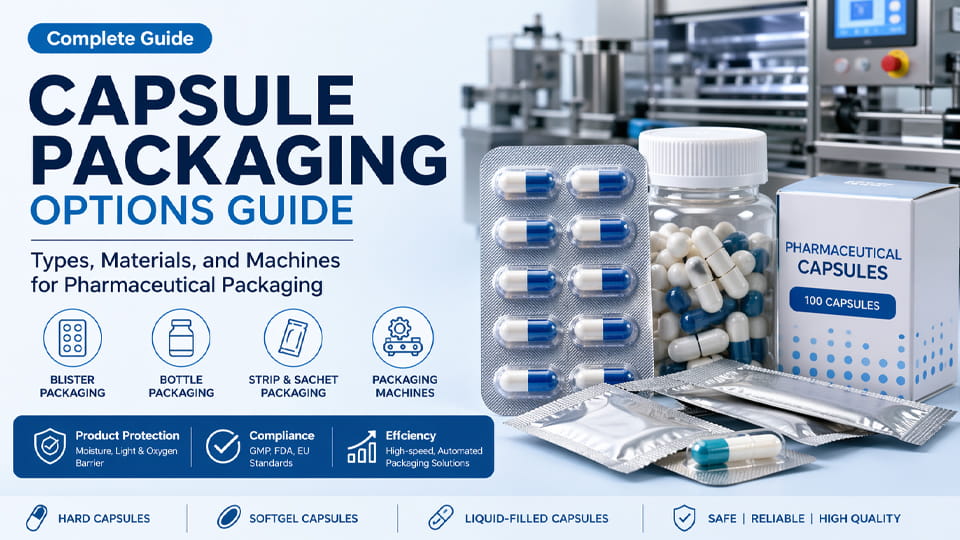
Opakowanie kapsułek odnosi się do kapsułek farmaceutycznych (twarda skorupa lub softgel) są załączone w celu dystrybucji i wykorzystania. Zawiera opakowanie podstawowe (pojemnik mający bezpośredni kontakt z kapsułkami, np. pęcherze lub butelki) I opakowanie wtórne (kartony zewnętrzne, pudełka, oraz etykiety, które dodatkowo chronią i identyfikują produkt). Dobre opakowanie kapsułek musi chronić lek przed wilgocią, światło, i zanieczyszczenie, zapewniają stabilność przez cały okres przydatności do spożycia, i spełniać wymogi regulacyjne. Na przykład, WHO to zauważa „Elementy opakowania otaczają produkt od momentu wyprodukowania aż po jego użycie,” i musi spełniać funkcje takie jak ochrona, stabilność, i identyfikacja. Przepisy GMP FDA (21 CFR 211) wymagać pisemnych procedur kontroli i testowania materiałów opakowaniowych po ich otrzymaniu, oraz nakazują bezpieczne etykietowanie i kontrolę manipulacji. W rzeczywistości, musimy dopasować produkt w kapsułkach (postać dawkowania, wrażliwość, dawkowanie, itp.) do odpowiedniego formatu i materiału opakowania.
Opakowanie pierwotne kapsułek farmaceutycznych – ma kluczowe znaczenie ochrona produktu, zgodność, i bezpieczeństwo pacjentów: Utrzymuje kapsułki suche, niezanieczyszczony, i wyraźnie oznakowane. Na przykład, Wiadomo, że blistry i butelki bursztynowe idealnie nadają się do leków wrażliwych na wilgoć. Właściwe opakowanie sprzyja również przestrzeganiu zaleceń przez pacjenta (dawka jednostkowa w blistrach, butelki zabezpieczone przed dziećmi, jasne oznakowanie) i potrzeb łańcucha dostaw (serializacja, logistyka). Poniżej szczegółowo omawiamy każdą opcję.
Rodzaje opakowań kapsułek
Opakowanie blistrowe na kapsułki
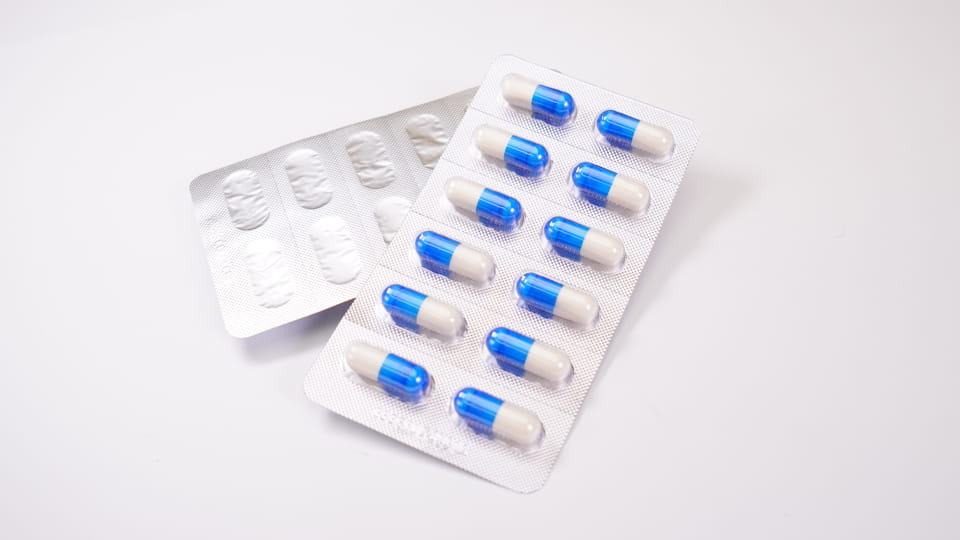
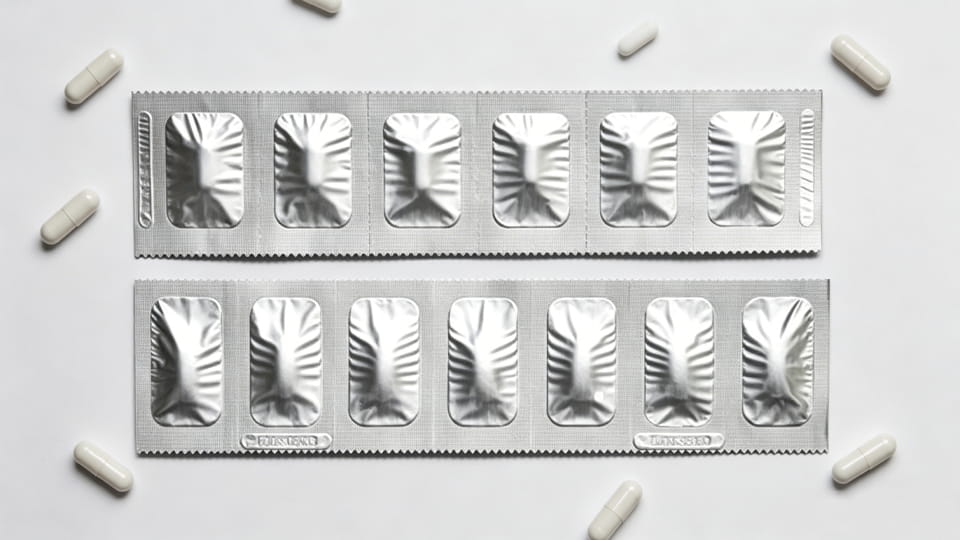
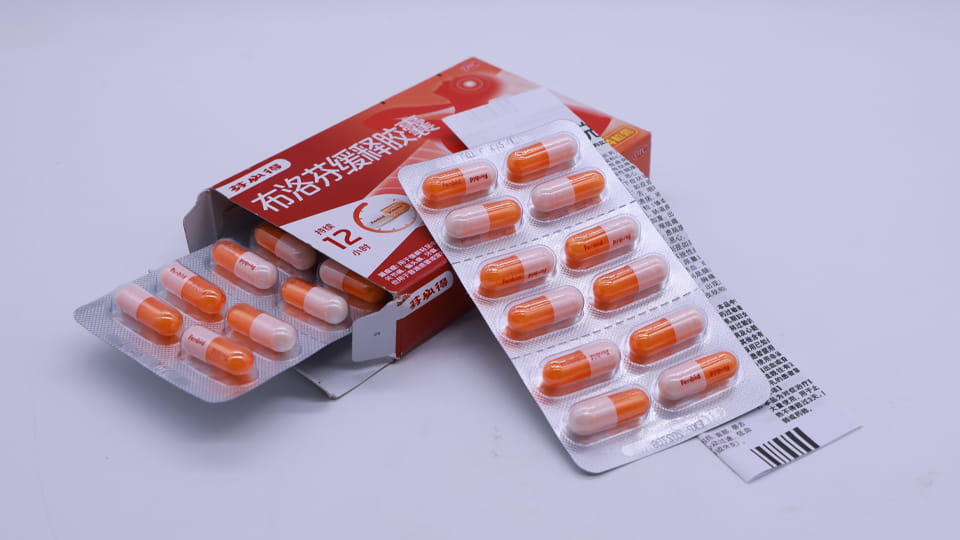
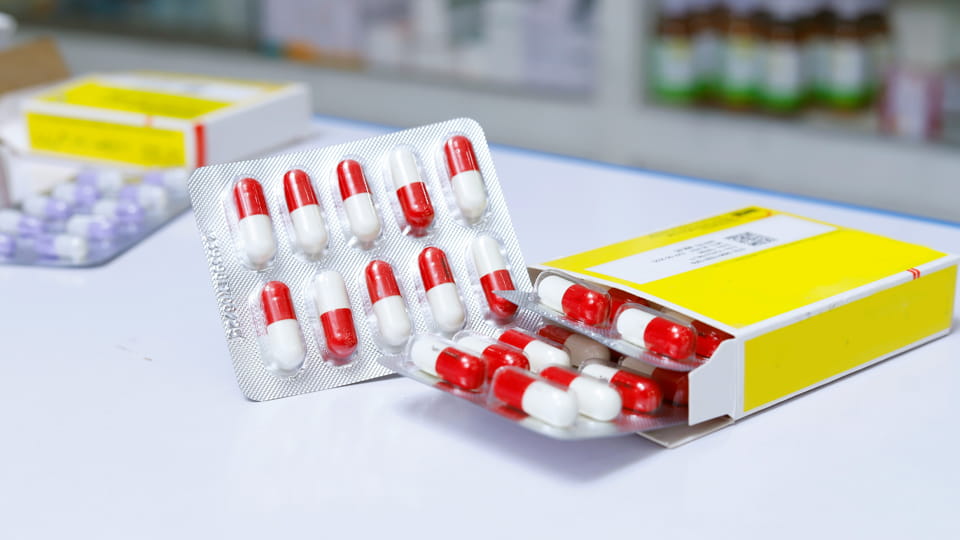
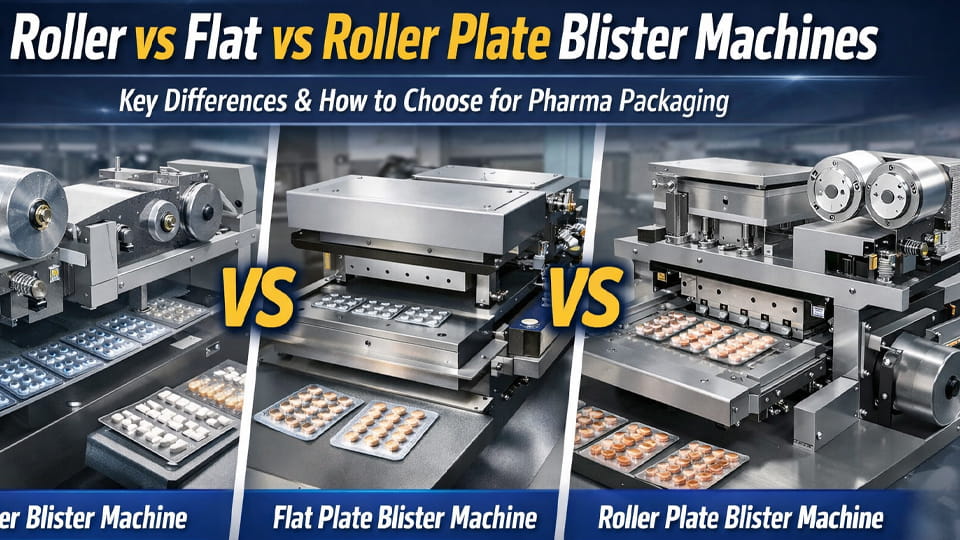
Pakiety pęcherzy składają się z wstępnie uformowanych wnęk z tworzywa sztucznego („pęcherze”) które mieszczą pojedyncze kapsułki, uszczelnione podkładem (folia lub plastik). Ten opakowanie podstawowe oferty ochrona dawki jednostkowej. Zapewniają pęcherze doskonała bariera właściwości: można z nich zrobić materiałów takich jak PVC/PVDC lub folia (Alu-PVC, Alu-Alu) blokować wilgoć, tlen i światło. Na przykład, Maszyna blistrowa DPP-180Pro firmy Jinlu może formować i zgrzewać do 4,800 blistry kapsułek na godzinę w laminatach Alu-PVC lub Alu-Alu. Kluczowe cechy opakowania blistrowego kapsułek obejmują:
Ochrona: Każda wnęka jest hermetycznie zamknięta, chroniąc kapsułkę przed wilgocią, tlen i światło. Jak zauważa jedno z badań, pęcherze „zapewniają doskonałą ochronę przed wilgocią i światłem” (lepsze niż butelki). Folie wysokobarierowe (np. Alu-Alu) przedłużyć okres przydatności do spożycia kapsułek higroskopijnych lub wrażliwych na tlen.
Humper Dowody: Blister wyraźnie pokazuje, czy usunięto dawkę lub czy plomba została naruszona. Zapewnia to integralność produktu i bezpieczeństwo pacjenta.
Wygoda: Blistry jednodawkowe umożliwiają pacjentom przyjmowanie jednej kapsułki na raz, ograniczenie błędów dozowania i odpadów. Są one szczególnie przydatne w przypadku krótkich schematów dawkowania lub preparatów pediatrycznych.
Personalizacja: Opakowania blistrowe mogą być wykonane w różnych kształtach i rozmiarach wgłębień, aby dopasować je do różnych wymiarów kapsułek. Nowoczesne maszyny (jak maszyny do termoformowania lub maszyny typu plug-assist) łatwo dopasowuje się do rozmiarów kapsułek.
Wydajność kosmiczna: Blistry są kompaktowe i można je układać jeden na drugim. Minimalizują pustą przestrzeń w porównaniu do butelek, Oszczędność na wysyłce i miejscu na półkach.
Maszyny blistrowe Jinlu (np. DPP-180Pro) może automatycznie tworzyć ubytki, kapsułki do karmienia, foka, cięte płyty, a nawet drukować kody partii. Zwykle poruszają się ze średnią i dużą prędkością (tysiące ubytków na godzinę), Idealny do masowej produkcji. Różne formaty blistrów (Alu-PVC kontra Alu-Alu) są wybierane według produktu: Alu-Alu (folia-folia) oferuje najwyższą barierę (najlepszy do leków bardzo wrażliwych na wilgoć), podczas gdy PVC/PVDC jest powszechny w przypadku standardowych kapsułek. Opakowanie blistrowe ułatwia również liczenie i kontrolę: większość linii z łatwością integruje inspekcje za pomocą kamer lub maszyny liczące tabletki w celu sprawdzenia napełnienia kapsułek.
Butelka (Słoik na butelkę/kapsułkę) Opakowanie
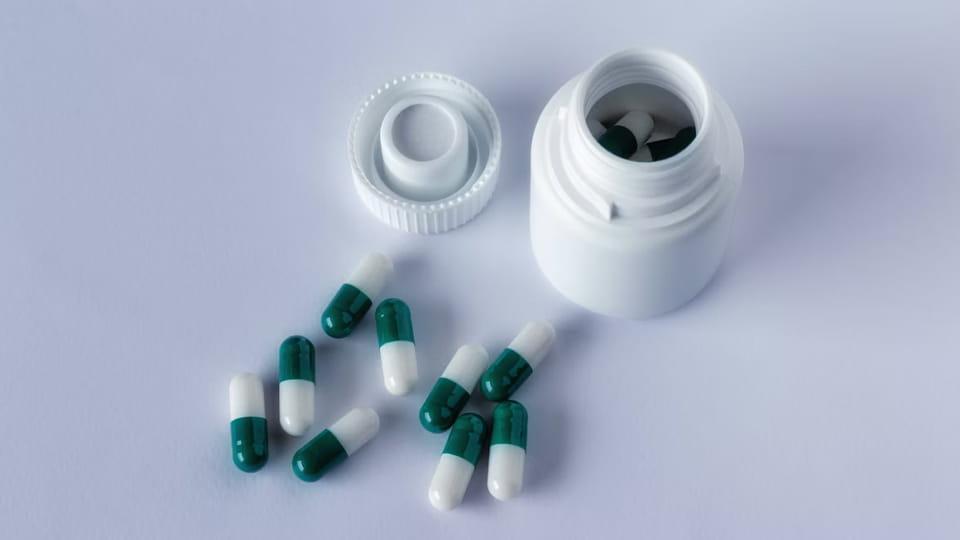
Butelki to klasyczny pojemnik wielodawkowy. Kapsułki napełnia się butelkami (plastik lub szkło) które następnie są zamykane. Ten format jest dobrze znany z witamin, suplementy, i wiele tabletek na receptę. Kluczowe funkcje:
Wszechstronność: Butelki mogą pomieścić duże ilości (50–1000+ kapsułek) i różnorodne produkty (tabletki, kapsułki, proszki, nawet płyny). Zwykle są wykonane z tworzywa HDPE lub PET, lub szkło (dla silnej obojętności chemicznej).
Opakowanie zbiorcze: Dotyczy kapsułek przeznaczonych do wielokrotnego przyjmowania (codzienne witaminy, długotrwałe terapie), butelki są wygodne. Pacjenci mogą wydać wiele dawek jednocześnie.
Efektywność kosztowa: Linie do napełniania butelek są stosunkowo proste. Maszyny szybciej liczą lub odważają dawki (np. JL-16H Jinlu może napełnić się do 100 Butelki/minutę). Jednostkowy koszt materiału jest często niższy niż w przypadku blistra, zwłaszcza na dużą skalę.
Łatwa obsługa: Konsumenci wiedzą, jak otwierać butelki. Osobom w podeszłym wieku otwarcie butelki może być łatwiejsze (szczególnie w przypadku zakrętek łatwych do otwarcia lub zakrętek zabezpieczonych przed dziećmi) niż obieranie pęcherzy.
Opakowanie wtórne: Butelki umożliwiają włączenie przedmiotów pomocniczych, takich jak saszetki ze środkiem osuszającym (do kontroli wilgoci) Lub bawełna. Można w nich umieścić także pełne etykiety produktów wokół korpusu butelki, i można je pakować w kartony.
Postać: Linia do rozlewu kapsułek/tabletek Jinlu JL-16H (100 butelki/min) z unscramblerem, pręt, kapsel, i etykietownik.
Linie do rozlewu kapsułek integrują wiele maszyn: A rozszyfrator butelek (lub lej zasypowy), A maszyna licząco-napełniająca (który wrzuca X kapsułek do każdej butelki), A maszyna do zamykania/uszczelniania (nałóż i dokręć nakrętki), i a maszyna do etykietowania. Na przykład, Linia JL-16H firmy Jinlu może obsługiwać kapsułki o średnicy 3–40 mm, osiągając ~ 100 butelek/min >99.8% dokładność liczenia. Butelki można bardzo szybko napełnić luzem. Aby spełnić wymagania przepisów, linie butelek często zawierają stację do wprowadzania środków osuszających (np. pakiety krzemionki) oraz stanowisko plombujące umożliwiające uwidocznienie manipulacji. Nakrętki zabezpieczające przed dziećmi to kolejna wspólna cecha leków pediatrycznych.
Przy wyborze opakowania butelki, weź pod uwagę objętość i stabilność produktu: produkty o dużej objętości (np. codzienne witaminy) butelki garniturowe, podczas gdy kapsułki o małej objętości lub bardzo wrażliwe mogą preferować blistry. Uwaga, butelki zazwyczaj oferują mniejsza wewnętrzna ochrona przed wilgocią/tlenem niż w przypadku blistrów o wysokiej barierowości. Pojemniki ze szkła oranżowego lub nieprzezroczyste mogą zapewnić dodatkową ochronę przed światłem, i uszczelnienia wewnętrzne (wkłady z folii aluminiowej) może poprawić barierę.
Saszetki (i paczki z kijami) Czy elastyczne pakietyzawierające jedną dawkę proszku, granulki lub płyn. Chociaż nie jest to tak powszechne w przypadku kapsułek, odnoszą się one do powiązanych postaci dawkowania (np. kapsułki nutraceutyczne podzielone na proszek, lub sam wypełniacz w proszku). Niemniej jednak, saszetki i saszetki zasługują na wzmiankę w przewodniku po opakowaniach kapsułek:
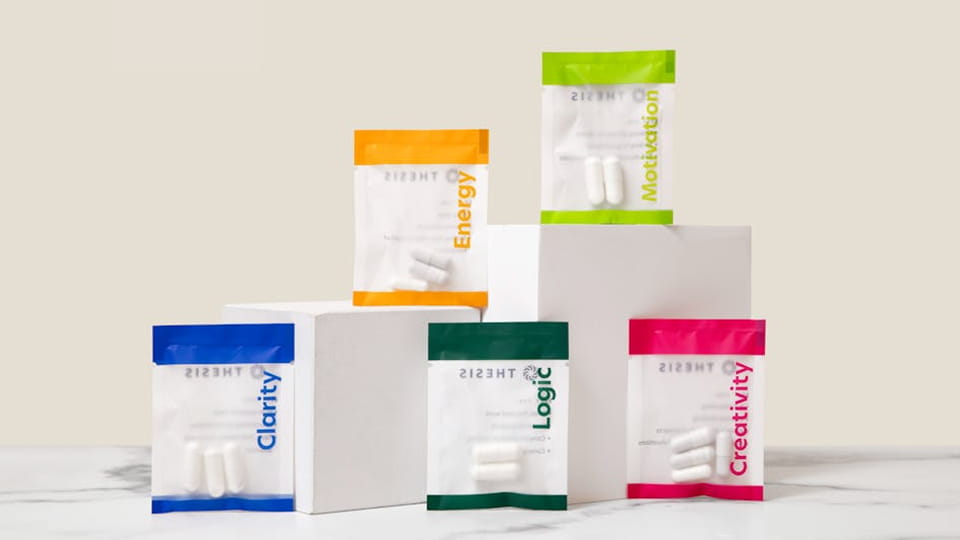
Saszetki są to zazwyczaj płaskie lub zapieczętowane paczki w kształcie poduszek 3 Lub 4 strony. Często stosuje się je do proszków jednodawkowych (np. musujące granulki) lub bardzo małe kapsułki (niektóre apteki wydają kapsułki w saszetkach do dawkowania u dzieci). Nowoczesne maszyny do formowania, napełniania i zamykania mogą napełniać saszetki dokładnie małymi objętościami. Zalety obejmują przenośność (mieści się w kieszeni), wygoda, i precyzyjne dozowanie (brak częściowych odpadów). Saszetki zapewniają również dobre uszczelnienie: hermetyczne zamknięcie wydłuża okres przydatności do spożycia i zapobiega zanieczyszczeniu. Wiele farmaceutyków (proszki, żele, maści, pigułki jednodawkowe) używaj saszetek; Na przykład, roztwory nawadniające do wstrzykiwań lub jednorazowe proszki antybiotykowe.
Pakiety sztyftów są długie, wąskie saszetki (często zgrzewane wzdłuż jednego długiego szwu i szwu końcowego). Są popularne jako dodatki w proszku (np. mieszanki napojów instant) i może być stosowany do proszków w kapsułkach. Opakowania typu stick zazwyczaj zużywają mniej materiału niż saszetki, a wydajność maszyny jest większa (30–50% szybciej). Idealnie nadają się do sypkich proszków ze względu na smukły otwór.
Zarówno saszetki, jak i saszetki produkowane są przez firmę pionowe formowanie-wypełnienie-uszczelnienie (Vff) lub poziome maszyny FFS. Seria JL-VP firmy Jinlu, na przykład, to wielotorowa maszyna FFS w sztyftach/saszetkach (40 worków/min/ścieżkę, Dokładność ± 0,02 g) do proszków, granulki, płyny lub żele. Gdyby same kapsułki miały być pakowane w saszetki, można by otworzyć saszetkę, aby pobrać dawkę – ale częściej, kapsułki są pakowane w stanie nienaruszonym w blistry lub butelki, podczas gdy saszetki/opakowania typu stick zawierają sproszkowaną zawartość.
Uwaga regulacyjna: saszetki i saszetki są dozwolone w przypadku leków stałych i półstałych (według definicji WHO). Uważa się je za opakowania podstawowe, jeżeli bezpośrednio zawierają produkt. Jak pęcherze, saszetki mogą być zaprojektowane w wersji zabezpieczonej przed dziećmi lub z nacięciem na przedarcie.
Opakowanie paskowe
Pakiety pasków (zwane także paskami folii lub „paskami dozującymi”) stanowią inną formę opakowania podstawowego zawierającego dawki jednostkowe. Pasek to zazwyczaj wąska wstęga materiału (często aluminium lub laminat wielowarstwowy) złożone i uszczelnione, z perforacją pomiędzy dawkami. W przeciwieństwie do pęcherzy, pakiety pasków nie tworzą głębokich wgłębień – zamiast tego, kapsułka jest umieszczona pomiędzy dwiema warstwami folii. Opakowania w paski są szeroko stosowane w Azji oraz w przypadku produktów, w których wymagana jest wysoka ochrona przed wilgocią, ale blistry są zbyt duże. Kluczowe punkty:
Doskonała bariera: W opakowaniach paskowych często stosuje się folię aluminiową, która jest nieprzepuszczalna dla wilgoci i tlenu. Dzięki temu idealnie nadają się do kapsułek wrażliwych na wilgoć lub leków dla dzieci, gdzie wymagany jest długi okres przydatności do spożycia. WHO definiuje nawet opakowania paskowe jako odpowiednie do „pojedynczych dawek… preparatów stałych lub półstałych”.
Kompaktowy & Dawka jednostkowa: Jak pęcherze, opakowania w paskach umożliwiają użycie jednej dawki na raz. Są lżejsze i bardziej płaskie niż pęcherze, oszczędność miejsca.
Sprzęt: Maszyny pakujące w paski formują i zamykają folię wokół każdej kapsułki. Jinlu oferuje również maszyny do pakowania w paski. Na przykład, Uwagi dotyczące pakowania W opakowaniach paskowych stosuje się laminowanie aluminium lub tworzywa sztucznego i można uzyskać długości wielu dawek.
Postać:Maszyna do pakowania pasków
Z punktu widzenia selekcji, opakowania z paskami zajmują środek pomiędzy butelką (cielsko) i pęcherz (sztywność). Często są wybierane, kiedy bardzo wysoka bariera dla wilgoci jest potrzebny, ale cienki, lekka forma. (Notatka: opakowania paskowe mogą nie zapewniać tak wyraźnego dowodu naruszenia jak blistry, chyba że zostaną użyte dodatkowe plomby.)
Opakowanie wtórne & Etykietowanie
Po wybraniu pakietu podstawowego, kapsułki są zwykle umieszczane w opakowanie wtórne jak pudełka kartonowe lub zapakowane w folię termokurczliwą sprawy. Kartony zapewniają dodatkową ochronę podczas transportu, zezwolić na dodatkowe oznakowanie (informacje o narkotykach, branding, plomby zabezpieczające przed manipulacją), i pomóż w organizacji produktów w opakowaniach zbiorczych. Kluczowe uwagi dotyczące opakowań wtórnych:
Kartony & Wkładki: Opakowania medyczne muszą zawierać ulotki produktowe (Ulotki z instrukcją dawkowania, numer partii, wygaśnięcie, informacje o producencie, itp.). Często są to ulotki papierowe wkładane do pudełka.
Uszczelki sabotażowe: Opakowanie wtórne zwykle posiada plomby zabezpieczające przed manipulacją (np. taśmy zabezpieczające, opaski skurczowe) aby pokazać, czy pudełko zostało otwarte.
Serializacja/ścieżka & Namierzać: Na wielu rynkach (Amerykańskie DSCSA, FMD UE), poszczególne opakowania muszą być opatrzone unikalnymi kodami seryjnymi (kody kreskowe/QR) w celu przeciwdziałania podrabianiu. Solidne rozwiązanie opakowaniowe obejmuje drukarki etykiet lub kodery atramentowe do drukowania numerów partii/partii i kodów 2D na kartonach.
Zabezpieczenia przed dziećmi i funkcje bezpieczeństwa: W przypadku niektórych leków, regulamin (np. 21 CFR 211) nakazują opakowania zabezpieczone przed dziećmi. Może to obejmować folie blistrowe, które są trudne do otwarcia przez dzieci, lub specjalne zakrętki na butelki. Skrzynie dodatkowe mogą również posiadać zamki lub w razie potrzeby wymagać otwierania dwuetapowego.
Stabilność i zgodność: Połączony system podstawowy i wtórny musi zapewniać stabilność produktu w oznakowanych warunkach przechowywania. Na przykład, Badania stabilności ICH wyraźnie wymagają przetestowania końcowej opakowanej postaci dawkowania.
Podsumowując, opakowanie wtórne otacza produkt przed końcową dystrybucją i zapewnia, że wszystkie elementy oznakowania i zgodności znajdują się na swoim miejscu. Dobry projekt poprawia wizerunek marki i wygodę użytkownika (łatwo otwierane kartony, jasne oznakowanie).
Materiały do pakowania kapsułek
Wybór odpowiedniego materiału opakowaniowego ma kluczowe znaczenie dla ochrony kapsułek. Materiały muszą być kompatybilne z lekiem, zaspokoić potrzeby barierowe, i przestrzegać przepisów (ISO 15378 GMP dla materiałów opakowaniowych, itp.). Typowe materiały obejmują:
Filmy blistrowe:
PCV (Polichlorek winylu): Niski koszt, przezroczysty plastik, często używany na pęcherze. PCV jest przepuszczalne dla wilgoci (nie tak ochronny) chyba że pokryty.
PCV/PVDC: PCV pokryty PVDC (polichlorek winylidenu) znacznie ogranicza wnikanie wilgoci (powszechny blister Alu-PVC wykorzystuje barierę PVDC).
Alu-PVC lub Alu-Alu: Folia aluminiowa laminowana PVC lub PET. Alu-PVC zapewnia dobrą barierę dla wilgoci/tlenu (wspólny), natomiast Alu-Alu (folia-folia) zapewnia najwyższy bariera (stosowany do kapsułek bardzo higroskopijnych lub wrażliwych na światło).
Polipropylen (PP): Pojawia się jako zrównoważona alternatywa. Blistry PP (monomateriał) można w pełni poddać recyklingowi, jak w przypadku podkładu PharmaGuard firmy Südpack, i nadal dobrze radzą sobie na liniach zautomatyzowanych.
Materiały na butelki:
HDPE (Polietylen o dużej gęstości): Powszechny plastik do butelek farmaceutycznych; stosunkowo obojętny i opłacalny.
ZWIERZAK DOMOWY (Politereftalan etylenu): Zapewnia lepszą przejrzystość i sztywność; dobra bariera w porównaniu z gazami. Często stosowany w nutraceutykach/suplementach.
Szkło (Borokrzemian typu I): Stosowany do produktów bardzo wrażliwych na wilgoć lub produktów pozajelitowych; Szkło zapewnia doskonałą barierę dla wilgoci i obojętność chemiczną. Szkło bursztynowe blokuje również światło UV.
Inne filmy: Do saszetek i stickpacków, wielowarstwowe folie laminowane (np. PET/Go/PE) służą do kontroli wilgoci i uszczelnienia.
Ogólnie, wybierz najwyższą barierę, która ma sens dla Twojej kapsuły. Na przykład, kapsułka żelatynowa wrażliwa na wilgoć może wymagać blistra Alu-Alu lub butelki ze szkła oranżowego ze środkiem suszącym. W przeciwieństwie do tego, w przypadku kapsułek niewrażliwych można zastosować standardowy blister z PVC lub butelkę z HDPE. Weź pod uwagę także trwałość: produkty długoterminowe wymagają solidniejszej bariery.
Wskazówki dotyczące bezpieczeństwa/recyklingu: Zrównoważone trendy faworyzują opakowania jednomateriałowe (np. Blistry PP, butelki PET nadające się do recyklingu). Badanie materiałów ekstrahowalnych, zgodność, i spełnianie limitów FDA/UE (np. USP <661> dla plastyfikatorów) jest częścią zgodności z przepisami dotyczącymi opakowań.
Rodzaje kapsułek i wpływ na opakowanie
Kapsułki są dostępne w różnych typach, a ich skład określa potrzeby w zakresie pakowania:
Twarde kapsułki żelatynowe: Najpopularniejsze muszle dwuczęściowe. Zawierają suche proszki/granulki. Osłonki żelatynowe zatrzymują trochę wilgoci i stają się kruche, jeśli są zbyt suche, lub miękki, jeśli jest zbyt mokry. Ogólnie, twarde kapsułki żelatynowe wymagać umiarkowany kontrola wilgoci. Powszechnie cytowanym warunkiem przechowywania jest 15–25°C i wilgotność względna powietrza 35–65%.. Opakowanie powinno utrzymywać to środowisko: Na przykład, opakowania blistrowe z wkładką PVDC lub Alu-Alu, lub butelki ze środkami suszącymi, pomóc ustabilizować kapsułki.
HPMC (Wegetariański) Kapsułki: Wykonane z celulozy roślinnej, te muszle mają zwykle niższą wilgotność wrodzoną niż żelatyna i tolerują wilgotność względną do ~ 70%.. Są często używane w interfejsach API wrażliwych na wilgoć. Jednakże, nawet Kapsułki HPMC wymagają opakowań barierowych w przypadku wypełnień bardzo higroskopijnych lub wrażliwych na światło. W rzeczywistości, Kapsułki HPMC + Często wystarczą blistry PCV, ale wysoka bariera nadal zwiększa bezpieczeństwo.
Kapsułki Softgel (Wypełnione cieczą):Kapsułki mieć żelatynę (lub modyfikowana żelatyna) skorupa wypełniona olejem lub inną cieczą. Zawierają znaczną ilość wody (często ~5–10%) w skorupce i może stracić wilgoć lub utlenić się. Kapsułki żelowe są bardzo wrażliwe na wilgoć: zazwyczaj wymagają butelek ze szkła oranżowego (ze środkiem osuszającym) lub wysokobarierowe blistry zapobiegające utracie wody i utrzymujące moc. Ponieważ otoczki softgel są wrażliwe na temperaturę/wilgotność podczas produkcji, Czasami potrzebne są opakowania chłodnicze i specjalistyczne.
Kapsułki dojelitowe/o zmodyfikowanym uwalnianiu: Mają one specjalne powłoki opóźniające uwalnianie w przewodzie pokarmowym. Powłoka dodaje kolejną warstwę wrażliwości (może być wrażliwy na pH lub bardziej delikatny). Takie kapsułki należy nadal przechowywać w suchym miejscu i zazwyczaj pakować w blistry lub butelki, jak każdą inną kapsułkę. Powłoka wymaga stałych warunków; dlatego ważne jest opakowanie zapewniające kontrolę temperatury/wilgotności względnej podczas dystrybucji.
Krótko mówiąc, . materiał otoczki kapsułki i rodzaj wypełnienia będzie miało wpływ na wybór opakowania. Formuły wysoce wrażliwe na wilgoć zawsze preferują najszczelniejszą barierę (Blister Alu-Alu, saszetka foliowa, lub zapieczętowaną butelkę ze środkiem osuszającym). Mniej wrażliwe preparaty mają więcej opcji. Zawsze sprawdzaj stabilność finalnie zapakowana kapsułka (ICH Q1A wymaga stabilności w proponowanym pojemniku).
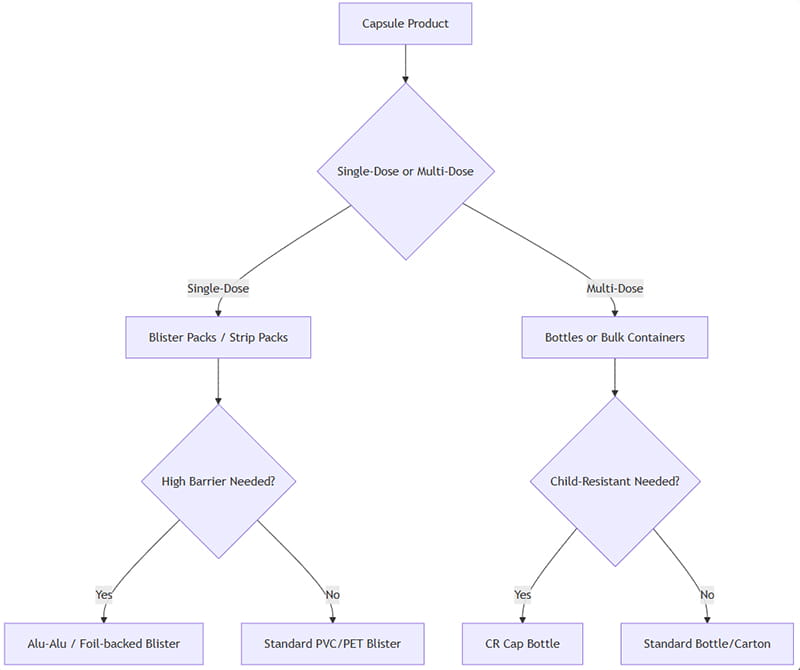
Wybór optymalnego opakowania kapsułek wymaga oceny wielu czynników: postać dawkowania, Zgodność pacjenta, wrażliwość produktu, trwałość, wymogi regulacyjne, i koszt. Poniżej znajdują się uproszczone ramy decyzyjne:
Jak to zastosować: Jeśli kapsułki są przeznaczone jako pojedyncze jednostki (np. opakowania typu blister o ścisłym dawkowaniu lub w opakowaniach detalicznych), preferowane są blistry/paski. Do wielu dawek (np. suplementy lub leki o dużej częstotliwości), butelki są bardziej wydajne. Jeśli ochrona przed wilgocią/światłem ma kluczowe znaczenie, wybierz opcje o wysokiej barierze (Alu-Alu, butelka bursztynowa). Jeśli potrzebne jest bezpieczeństwo dzieci, używaj zamknięć butelek zabezpieczonych przed dziećmi lub blistrów z zabezpieczeniem przed manipulacją.
Inne kryteria branżowe obejmują:
Forma dawkowania: Tabletki/kapsułki → blister, butelka, lub rozebrać; Proszki → saszetka/opakowanie w sztyfcie.
Wrażliwość produktu: Do leków wrażliwych na wilgoć, stosować blistry Alu-Alu lub torebki foliowe. Dla osób wrażliwych na światło, używaj bursztynowych butelek lub nieprzezroczystych folii.
Zgodność pacjenta: Formaty dawek jednostkowych (blister/pasek) pomoc w przestrzeganiu. Łatwe do otwarcia butelki pomagają seniorom.
Regulacyjne: Dołącz zabezpieczenie przed manipulacją i postępuj zgodnie z wytycznymi dotyczącymi opakowań FDA/EMA.
Okres przydatności do spożycia: Dłuższy okres przydatności do spożycia wymaga materiałów o wyższej barierowości (Alu-Alu, folie wielowarstwowe).
Skala produkcji: Maszyny blistrowe charakteryzują się dużą szybkością (średnia głośność), Linie butelek wyróżniają się w przypadku dużych partii, maszyny saszetkowe obsługują elastyczne stawki liniowe.
Koszt: Bilansuj materiały i koszty maszyn. Na przykład, butelki mogą wymagać niższej pracy na jednostkę, ale wyższych kosztów plastiku; opakowania typu stick wymagają bardzo małej ilości folii na dawkę.
Ostatecznie, testy pilotażowe (badania stabilności, badania konsumenckie) a analiza kosztów całkowitych pomoże w podjęciu ostatecznej decyzji. Powyższy schemat blokowy stanowi punkt wyjścia dla typowych scenariuszy.
Sprzęt do pakowania kapsułek
Pakowanie kapsułek wymaga specjalistycznych maszyn. Po napełnieniu kapsułek (przez wypełniacze kapsułek), są one przekazywane do linii pakujących:
Maszyny blistrowe: Zauważyliśmy już Jinlu DPP-180Pro, szybkobieżna termoformująca maszyna blistrowa. Tworzy ubytki (Folia PCV lub PET), karmi kapsułki (lub tabletki), i uszczelnia folią, wszystko automatycznie. Jinlu oferuje maszyny (np. DPP-180, DPP-270Maks) do 4800–11 200 ubytków/godz. Maszyny blistrowe są połączone z podajnikami zliczającymi, aby wrzucić dokładnie jedną kapsułkę do kieszeni, i często mają dziurkacze do oddzielania blistrów na karty. Dodatkowe moduły (druk/kontrola) upewnić się, że każdy blister jest czytelny i prawidłowy.
Rachunkowość & Linie napełniania (Linie do butelek): Zamieniają luźne kapsułki w butelki. Typowa linia ma: rozszyfrator do butelek (organizuje puste butelki), licznik tabletek/kapsułek (miska wibracyjna lub układ optyczny, który zlicza i wrzuca ustaloną liczbę do każdej butelki), maszyna do zamykania/zgrzewania, oraz stanowisko do etykietowania. Jinlu's JL-16H linia, Na przykład, miesza butelki, liczy w nich kapsułki o średnicy 3–40 mm, stosuje czapki, i etykiety do 100 butelki/min z 99.98% dokładność. Dla dużej głośności (opakowanie zbiorcze) operacje, linie modułowe z wieloma głowicami liczącymi lub napełniaczami ślimakowymi mogą osiągać wyższe prędkości. Do zamykania folią można także dodać zgrzewarki indukcyjne lub termokurczliwe.
Maszyny do saszetek/sticków: To są forma-wypełnienie-pieczęć (FFS) maszyny. Jinlu's JL-VP to wielotorowy system VFFS, który może wyprodukować 30–40 saszetek lub saszetek na minutę na każdą linię. Precyzyjnie dozuje proszek lub płyn (śruby ślimakowe do proszku, pompy do cieczy) i uszczelki 3- lub saszetki 4-stronne lub saszetki 3-stronne. Maszyny są wyposażone w sterowanie PLC długości worka, podajniki serwo zapewniające dokładność (±0,02g), i hermetyczne zgrzewanie. Takie maszyny idealnie nadają się do produktów jednodawkowych, chociaż same kapsułki rzadko są „zapakowane w saszetki” w stanie nienaruszonym.
Maszyny do pakowania w paski: Opakowania paskowe wykonywane są na specjalistycznych maszynach zgrzewających folię lub folię zachodzącą na siebie na gorąco. Często przypominają one maszyny blistrowe, ale wykorzystują płaską folię. (Jeśli Jinlu oferuje pakowacze pasków, podobna integracja jak maszyny saszetkowe.)
Wtórne maszyny pakujące:Maszyny kartonowe potrafi składać kartony, włóż blistry lub butelki i ulotki, i zamykaj skrzynki. Firmy zajmujące się pakowaniem opakowań farmaceutycznych często mają do czynienia z foliowymi blistrami lub torebkami z kapsułkami. Pakowacze skrzynek (do skrzynek zewnętrznych) i paletyzatory uzupełniają linię do masowej produkcji.
Zgodność sprzętu: Wszystkie maszyny pakujące farmaceutyki muszą spełniać wymagania GMP (stal nierdzewna, powierzchnie nadające się do czyszczenia, potwierdzona wydajność). Maszyny Jinlu posiadają certyfikat CE/cGMP, często z konfigurowalnymi osłonami i systemami odrzucania tabletek niezgodnych ze specyfikacją. Integracja jest kluczowa: Na przykład, maszyna blistrowa może podawać bezpośrednio do kartoniarki, która ustawia pudełka i pakuje każdy blister. Kompleksowe systemy (od wypełnienia do końcowego pudełka) umożliwiają kompleksową automatyzację pakowania kapsułek.
Względy regulacyjne i dotyczące zgodności
Opakowania kapsułek do leków muszą spełniać rygorystyczne przepisy. Kluczowe punkty obejmują:
Wymagania GMP: FDA 21 CFR 211 Podczęść G wymaga pisemnych procedur odbioru i testowania Wszystko materiały opakowaniowe przed użyciem. Oznacza to pęcherze, butelki, etykiety, kartony itp. musi spełniać specyfikacje (żadnych wad). Aby zapobiec pomyłkom, wymagane jest oddzielne przechowywanie materiałów opakowaniowych dla poszczególnych produktów. Załącznik GMP WHO 9 podobnie szczegółowo opisuje kontrolę pakowania. Dobra Praktyka Produkcyjna wymaga identyfikowalności (numery partii na opakowaniu) i czysta obsługa.
Wytyczne dotyczące stabilności i ICH: Mam pytanie 1A(R2) stanowi, że należy przeprowadzić badania stabilności produktu w jego wersji końcowej system zamykania pojemników. W rzeczywistości, oznacza to, że należy zapakować testowe partie kapsułek dokładnie zgodnie z planem (ta sama folia blistrowa, ten sam rodzaj butelki) i wystawić je na warunki stabilności w czasie rzeczywistym. Jakakolwiek zmiana opakowania może wymagać przeprowadzenia nowych testów stabilności.
Serializacja & Identyfikowalność: Na wielu rynkach, unikalne identyfikatory (kody kreskowe/kody 2D) na opakowaniu wtórnym (i czasami pęcherze pierwotne) są zobowiązani do śledzenia narkotyków w łańcuchu dostaw. Linie muszą zawierać drukarki lub aplikatory dla tych kodów. Projekt opakowania często uwzględnia także zabezpieczenie przed manipulacją (zgodnie z prawem USA/UE).
Opakowanie bezpieczne dla dzieci i przyjazne dla seniorów: Substancje kontrolowane lub niektóre leki wymagają zabezpieczeń przed dziećmi. Często oznacza to specjalne nakrętki na butelkach (np. pchanie i obracanie) lub trudno złuszczające się pęcherze. Jednakże, należy również wziąć pod uwagę dostępność pacjenta (łatwo dostępne dla seniorów). Konsultacje z ustawą o opakowaniach zapobiegających zatruciom (NAS) lub podobne przepisy regionalne.
Normy ISO: Dostawcy opakowań pierwotnych powinni przestrzegać norm ISO 15378 (GMP dla podstawowych materiałów opakowaniowych) aby zapewnić jakość. Chociaż nie jest tu bezpośrednio cytowany, jest to powszechnie uznawany standard dla producentów opakowań. Same maszyny powinny być zgodne ze standardami maszyn farmaceutycznych (Ce, Ul, itp.) I 21 Część CFR 11 jeśli istnieje zapis danych.
Przepisy dotyczące etykietowania: Kapsułki muszą być oznaczone nazwą produktu, dawkowanie, Data ważności, producent, itp. Dotyczy to również kartonów i blistrów (czasami każdy segment blistra zawiera wydrukowane informacje). FDA i EMA mają szczególne wymagania dotyczące tego, jakie informacje muszą pojawiać się na etykietach podstawowych i wtórnych.
Ogólnie, spotkanie z FDA, Wytyczne EMA i WHO są niezbędne. Wielu pakowaczy współpracuje z regulowanymi dostawcami (jak Jinlu) który może dostarczyć zatwierdzone maszyny i dokumentację (IR/WH/PQ).
Wniosek
Wybór odpowiedniego opakowania kapsułek wymaga zabezpieczenia równowagi, użyteczność, i koszt. Pakiety pęcherzy, butelki, saszetki, i paski mają swoje miejsce opakowania farmaceutyczne. Czynniki takie jak wrażliwość na wilgoć, postać dawki, i potrzeby pacjenta decydują o podjęciu decyzji. Wzdłuż, muszą zostać spełnione rygorystyczne wymagania regulacyjne i GMP.
Na Pakowanie jinlu, specjalizujemy się w kompleksowych rozwiązaniach w zakresie opakowań farmaceutycznych. Nasz sprzęt – od szybkie maszyny blistrowe Do w pełni zautomatyzowane liczenie & linie rozlewnicze – pomaga efektywnie i zgodnie z przepisami pakować kapsułki. Wspieramy także zrównoważone wybory (np. maszyny obsługujące nowe folie nadające się do recyklingu) i oferuj kompleksową obsługę (personalizacja, walidacja). Nasz zespół może pomóc Ci ocenić najlepszy system pakowania kapsułek dla Twojego produktu.
Gotowy do optymalizacji opakowania kapsułek?Skontaktuj się z Jinlu Packing już dziś w celu uzyskania porad ekspertów i wycen. Nasze rozwiązania są poparte światowymi standardami jakości i nie tylko 3,000 zadowolonych klientów na całym świecie. Zapakujmy Twoje kapsułki, aby odnieść sukces!
Często zadawane pytania dotyczące pakowania kapsułek
Co to jest opakowanie kapsułek?
Opakowanie kapsułek odnosi się do procesu zamykania kapsułek farmaceutycznych w materiałach ochronnych w celu utrzymania stabilności, bezpieczeństwo, i zgodność. Typowe formaty obejmują opakowania blistrowe, butelki, i opakowanie paskowe. W praktyce farmaceutycznej, opakowanie to nie tylko opakowanie — chroni ono kapsułki przed wilgocią, tlen, i zanieczyszczenie, co bezpośrednio wpływa na jakość leku i jego trwałość.
Jakie jest najlepsze opakowanie kapsułek farmaceutycznych?
Nie ma jednej „najlepszej” opcji – zależy to od produktu i rynku. • Opakowanie blistrowe → najlepsze dla leków wrażliwych na wilgoć lub leków o wysokiej wartości • Opakowania na butelki → najlepsze do przechowywania luzem i suplementów • Opakowania paskowe → powszechne na rynkach wrażliwych na koszty Często preferowane jest opakowanie blistrowe, ponieważ zapewnia ochronę w postaci dawki jednostkowej i lepszą izolację od środowiska.
Jakich materiałów powinienem użyć do zabezpieczenia mojego produktu w kapsułkach?
Używaj materiałów blokujących kluczowe zagrożenia (wilgoć, tlen, światło). Na przykład, Blistry z folii Alu-Alu lub butelki ze szkła oranżowego stanowią doskonałą barierę dla kapsułek wrażliwych na wilgoć. Blistry PVC lub PET z powłoką PVDC są powszechne i tańsze w przypadku stabilnych produktów. Butelki HDPE są standardem, ale mogą wymagać torebki ze środkiem osuszającym, jeśli kapsułki są wrażliwe. Ocenić współczynniki przenikania pary wodnej (WVTR) filmów. W produkcji świadomej zrównoważonego rozwoju, rozważ monomateriały nadające się do recyklingu (np. Blistry PP). Zawsze sprawdzaj zgodność opakowania poprzez badania stabilności.
W jaki sposób opakowanie kapsułek chroni stabilność leku??
Kapsułki są wrażliwe na czynniki środowiskowe, takie jak wilgoć, tlen, i światło. Właściwe opakowanie: • Zapobiega wchłanianiu wilgoci • Zmniejsza utlenianie • Utrzymuje stabilność chemiczną Opakowanie pęcherzy, zwłaszcza, tworzy szczelne mikrośrodowisko dla każdej kapsułki, znacznie wydłużając okres przydatności do spożycia.
Jakich maszyn pakujących potrzebuję do kapsułek?
To zależy od formatu. Na pęcherze, potrzebujesz maszyny do formowania/zgrzewania blistrów (z formami wnękowymi pasującymi do kapsułki) plus ewentualnie kartoniarz. Do butelek, potrzebujesz linii do napełniania/zakręcania butelek (rozszyfrator, przeciwwypełniacz, kapsel, etykietownik). Do pakietów sztyftów, użyj pionowej maszyny do saszetek typu formuj, wypełniaj i zamykaj. Jinlu oferuje to wszystko: np. nasze blistry serii DPP, Linia licząca JL-16H, oraz pakowarka do saszetek JL-VP. Wybór odpowiedniej maszyny wiąże się z wydajnością, rozmiar kapsułki, i wymaganych integracji (systemy wizyjne, odrzucać stacje, itp.).
Jak wybrać pomiędzy blistrami a butelkami na kapsułkę?
Weź pod uwagę takie czynniki, jak dawkowanie (singiel vs. wiele ), potrzeby stabilności, i stosowania przez pacjentów. Dla wygody stosowania pojedynczej dawki i wysokiej ochrony (szczególnie w przypadku kapsułek wrażliwych na wilgoć/światło), często preferowane są pęcherze. Ze względów wielkonakładowych lub ekonomicznych, butelki są zwykle wybierane. Również, jeśli potrzebne są funkcje odporne na dzieci lub osoby starsze, butelki mogą oferować więcej opcji. Zwykle, dopasuj właściwości kapsułki do opakowania: np. kapsułki bardzo higroskopijne → Blister Alu-Alu; suplementy o wysokim popycie → butelki.
Drobny Fu, Założyciel Jinlupackingu, przynosi 20 lat doświadczenia w sektorze maszyn farmaceutycznych. Pod jego kierownictwem, Jinlu wyrosło na zaufanego dostawcę integrującego projektowanie, produkcja, i sprzedaż. Petty z pasją dzieli się swoją głęboką wiedzą branżową, aby pomóc klientom poruszać się po zawiłościach opakowań farmaceutycznych, zapewnienie, że otrzymają nie tylko sprzęt, ale prawdziwe partnerstwo w zakresie kompleksowych usług dostosowanych do ich celów produkcyjnych.