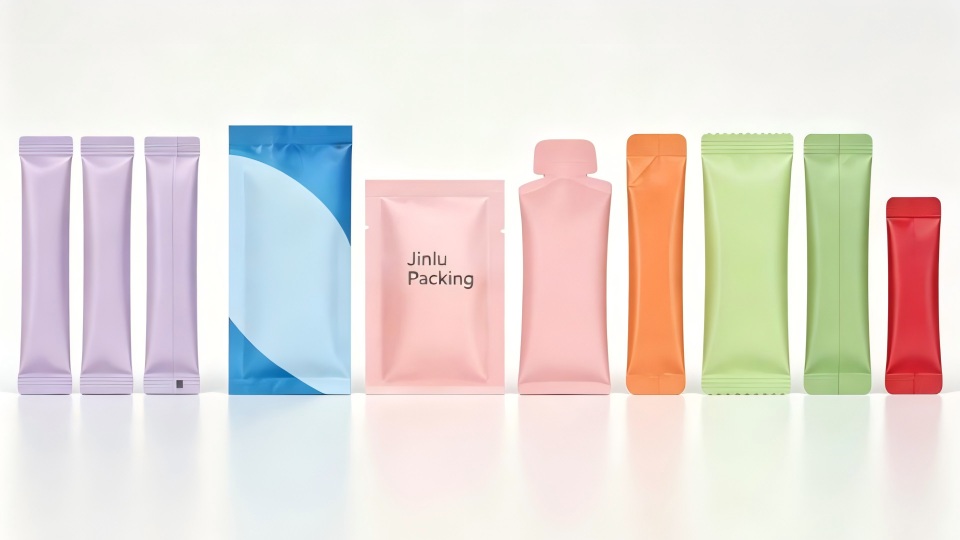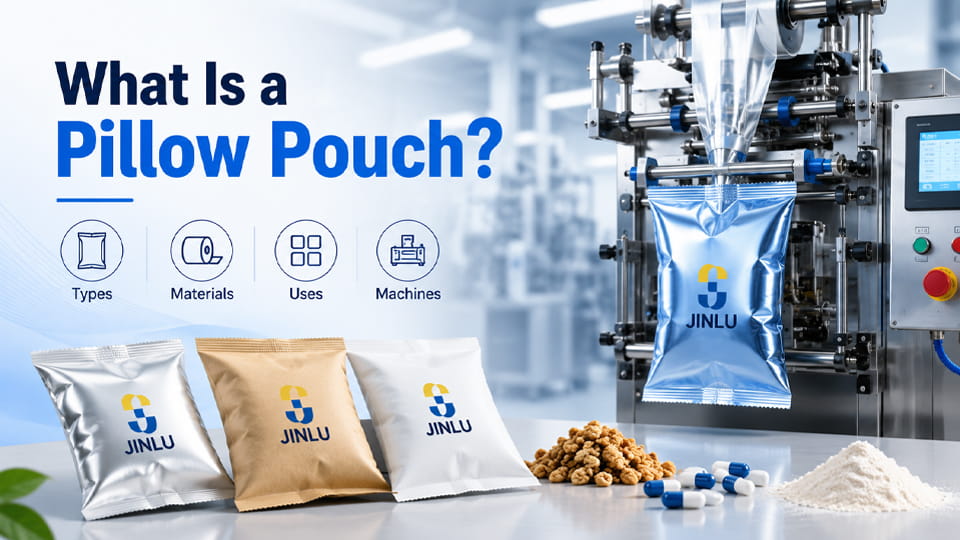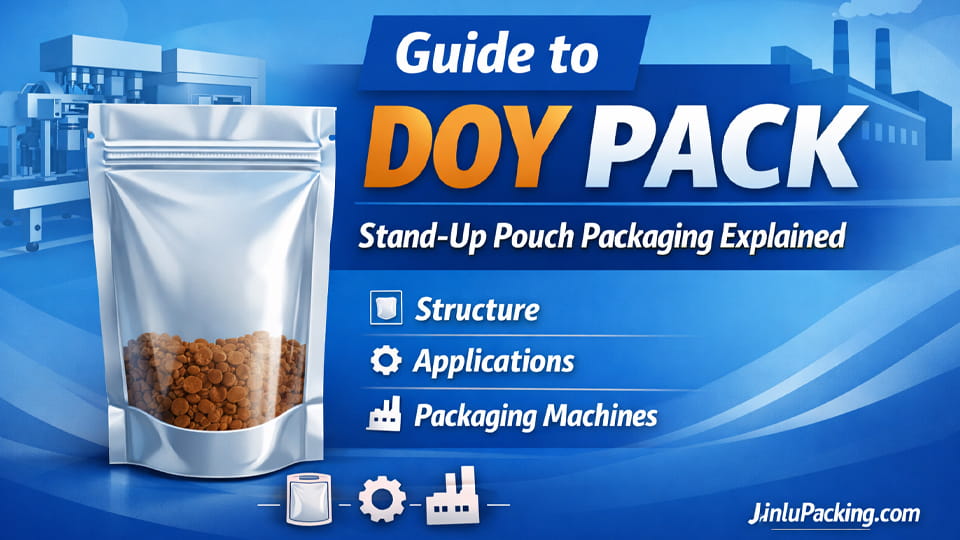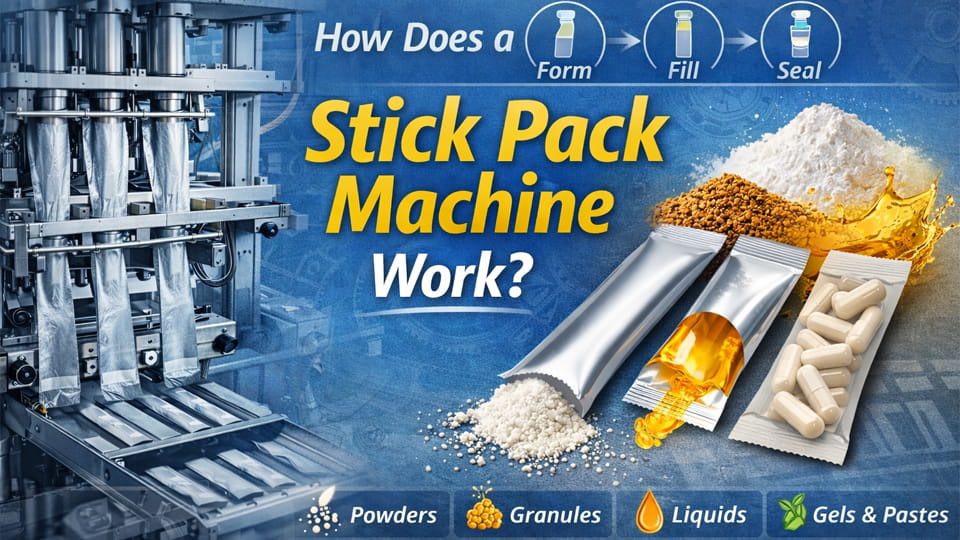

Elastyczne opakowanie w formie woreczka kwitnie w jedzeniu, produkty farmaceutyczne i konsumpcyjne. Wybór pomiędzy A Gotowa maszyna do pakowania w torebki i a Vff (Pionowa forma-wypełnienie-uszczelnienie) maszyna to kluczowa decyzja dla każdego kierownika produkcji. Systemy gotowych torebek ładują wstępnie uformowane torby (woreczki stojące, torby zapinane na zamek, woreczki z wylewką, itp.), następnie otwórz, wypełnić, i uszczelnij je. Wyróżniają się wyjątkowymi funkcjami pakowania (zamki błyskawiczne z możliwością ponownego zapięcia, niestandardowe kształty, wypchane woreczki) i bardzo szybkie zmiany. Dla kontrastu, maszyna VFFS formuje torby z ciągłej rolki folii, je wypełnia, i uszczelnia je w locie. Maszyny VFFS osiągają wyjątkowo wysoką przepustowość i niski koszt folii, dzięki czemu idealnie nadają się do dużych objętości, standaryzowane produkty. W tym artykule porównano obie technologie obok siebie – uwzględniając prędkość, koszt, elastyczność, i wygląd – aby pomóc Ci w wyborze odpowiedniego rozwiązania w zakresie pakowania w woreczki. Lista kontrolna składająca się z 5 punktów, przegląd kosztów całkowitych, oraz często zadawane pytania.
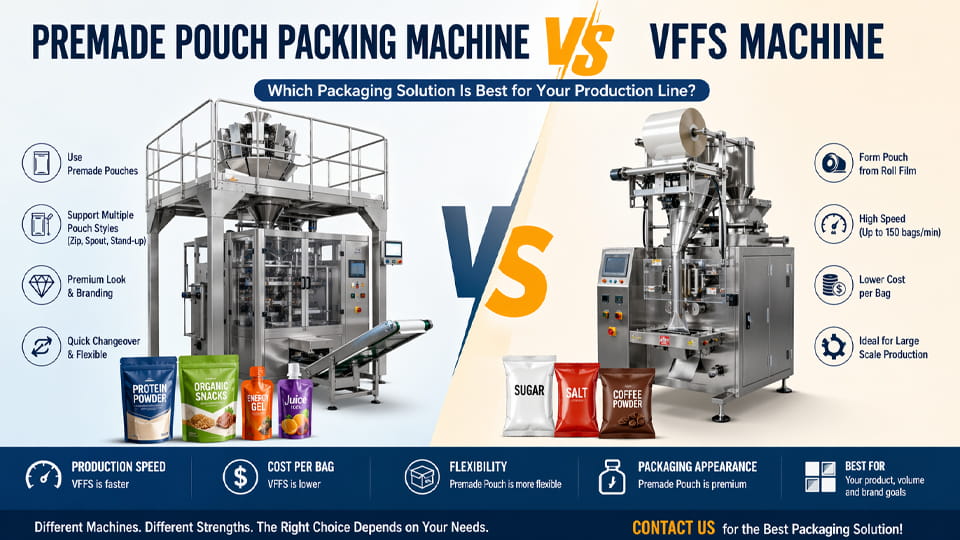
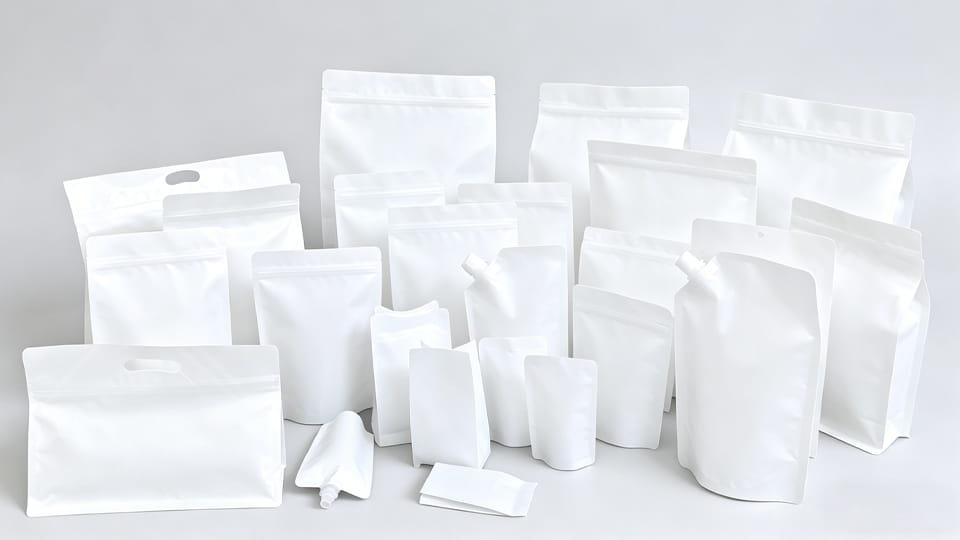
A gotowa maszyna do pakowania w torebki (zwany także gotowym wypełniaczem torebek) do pakowania wykorzystuje gotowe worki. Maszyna automatycznie pobiera wstępnie uformowane woreczki (takie jak doypacki, stojące torby z fałdą, torebki zapinane na zamek lub torby z wypustką), otwiera każdą torbę, wypełnia go produktem (za pomocą ślimaków, pompy lub wagi kombinowane), następnie uszczelnia lub zamyka torebkę. Gotowe maszyny do produkcji torebek Jinlu obsługują szeroką gamę produktów – od proszków i granulek po żelki i płynne żele – i osiągają bardzo wysoką dokładność (±0,4% dozowania) z sanitariatami, działanie sterowane serwo. Krytycznie, obsługują złożone formaty torebek: możesz zapakować w torby zapinane na zamek, woreczki z dzióbkami do picia, lub laminowane torby z nadrukiem. Dzięki temu gotowe linie torebek idealnie nadają się do produktów z najwyższej półki lub produktów przyjaznych dla środowiska, w których liczy się wygląd na półce. Spełniają rygorystyczne standardy farmaceutyczne (CGMP, Ce, FDA) do higienicznego napełniania. Typowe, gotowe modele Jinlu pracują z prędkością około 30–70 worków na minutę (w zależności od rozmiaru i formatu torebki), z bardzo szybkimi zmianami (często tylko 10–20 minut) przy zmianie rozmiaru lub stylu toreb.

A Vff (Pionowa forma-wypełnienie-uszczelnienie) maszyna formuje worki z rolki elastycznej folii i napełnia je na linii. Pionowa rura formująca i zespół uszczelniający tworzą ciągłą rurkę folii, która jest uszczelniona od dołu, wypełniony produktem, następnie zapieczętuj na górze i pokrój. Działa, rolka filmu (często prosta drukowana folia polietylenowa) jest odwinięty, formowane w kształty torebek (płaskie torby na poduszki, torby z fałdami, 3- lub torebki z 4 zgrzewami), wypełniony (poprzez ślimaki, pompę lub wagę), a następnie zgrzewane. Maszyny VFFS słyną ze swojej szybkości i automatyzacji: nowoczesne systemy mogą produkować 50 Do 300+ worków na minutę w zależności od produktu i rozmiaru torby. Wymagają minimalnej ręcznej obsługi folii (nowa rolka jest łączona na bieżąco) i są bardzo wydajne w użyciu materiału (często tylko 2–5% odpadów w wykończeniach). VFFS to koń pociągowy w branży opakowań wielkonakładowych: widać je na przekąskach, kawa, proszek, i linie karmy dla zwierząt domowych, gdzie są jednolite, wymagana jest duża prędkość wyjściowa.

| Atrybut | Gotowa maszyna do torebek | Vff (Forma-wypełnienie-pieczęć) |
| Proces | Używa wstępnie uformowanych toreb (stand-upowe doypacki, kieszenie na suwak/klin, wypchane torby). Maszyna podnosi każdą torbę, otwiera (często za pomocą chwytaków podciśnieniowych lub mechanicznych), wypełnia go produktem, następnie uszczelnia lub zakrywa górę. Nie jest potrzebne tworzenie filmu, dlatego drukowanie i laminacja są wykonywane przez dostawcę torebek. | Tworzy torebki z folii rolowanej. Folię naciąga się na kołnierz formujący, tworząc rurkę, który jest zapieczętowany (często uszczelnione od dołu) stworzyć torbę, następnie dozowany jest produkt, a wierzch jest zgrzewany i cięty. Wszystkie torby powstają na bieżąco z folii ciągłej. |
| Prędkość | Umiarkowany: zazwyczaj 30–90 worków/min (linie od simplex do duplex). Na przykład, wiele gotowych maszyn rotacyjnych napełnia się do ~ 60–70 uderzeń na minutę. Wolniejsze niż maszyny VFFS przy maks, ale często wystarcza do biegów średniej wielkości. | Bardzo wysoki: 50–300+ worków/min. Typowy pionowy FFS może osiągnąć 100–150 uderzeń na minutę w trybie jednopasmowym, Lub 300+ w konfiguracjach wielopasmowych. Ciągła praca zapewnia bardzo wysoką przepustowość w przypadku dużych partii. |
| Koszt za torbę (Tworzywo) | Wyższy: Wymaga zakupu gotowych torebek laminowanych (z jakimikolwiek specjalnymi cechami). Koszt materiałów jest zazwyczaj 2–4× wyższy na jednostkę niż zwykła folia (np. $0.01– 0,02 USD vs 0,005–0,01 USD). Jednakże, prawie nie ma złomu filmowego (dokładnie jeden worek używany na woreczek). | Niżej: Wykorzystuje folię w rolkach luzem, która jest tańsza. Koszt folii w opakowaniu wynosi ~30–50% mniej niż gotowe torebki. Straty materiałowe są niewielkie (2–5% złomu). Ponad miliony toreb, te oszczędności w folii sprawiają, że VFFS jest znacznie tańszy w przeliczeniu na jednostkę. |
| Zmiana/elastyczność | Bardzo szybka zmiana: Możliwość zmiany rozmiaru lub stylu toreb w ciągu kilku minut (beznarzędziowa lub szybka regulacja). Doskonały do serii obejmujących wiele SKU lub sezonowych. Możesz także mieszać wylewki lub zamki błyskawiczne przy minimalnym przestoju. | Dłuższa zmiana: Zwykle zmiana oprzyrządowania w formacie rolki i worka zajmuje 30–90 minut. Najlepiej nadaje się do długich serii tego samego stylu torby. Dopasowanie do nowej szerokości lub stylu worka oznacza wymianę rury formującej i szczęk zgrzewających. Mniej wygodne, jeśli masz wiele jednostek SKU. |
| Wygląd / Branding | Premium/konfigurowalny: Obsługuje stojące woreczki, zamki błyskawiczne z możliwością ponownego zamknięcia, wylewki, oraz torby z nadrukiem w pełnym kolorze. Grafika jest wstępnie drukowana przy małym MOQ. Zapewnia to wysoki efekt na półce. Rozmiary i kształty toreb mogą być unikalne (nawet niestandardowe kształty lub okna). | Funkcjonalny/standardowy: Torby są zazwyczaj typu poduszka lub klin, bez dziobków i zamków błyskawicznych. Druk na folii musi odbywać się w dużych nakładach i powtarzać ustalone wzory. Wygląd jest bardziej ogólny (płaskie woreczki), nadaje się do produktów towarowych, których branding jest mniej skomplikowany. |
| Idealne branże | Żywność konsumpcyjna (przekąski premium, orzechy, kapsułki z kawą), nutraceutyki/witaminy, opieka osobista (saszetki z kosmetykami), i produkty specjalistyczne. Nadaje się również do środków farmaceutycznych (Pakiety przykładowe, rozpuszczalne paski) gdzie dba się o higienę i opakowanie (jak nacięcia lub zabezpieczenia przed manipulacją) materiał. | Jedzenie/przekąski (frytki, susz, zupy w proszku), składniki luzem (mąka, cukier, ryż), karma dla zwierząt domowych i produkty sprzedawane w szybkiej sprzedaży detalicznej. Stosowany również w farmaceutykach do saszetek lub sztyftów o dużej objętości. Najlepiej tam, gdzie wysoka przepustowość przewyższa estetykę worka. |
| Typowy CAPEX | Generalnie wyższy (~80 000 dolarów do $400,000+) ze względu na złożoną obsługę torebek i funkcje. Nawet podstawowy, gotowy wypełniacz do torebek może zaczynać się od około 80 tys. dolarów, i kompletne linie pod klucz (z wagami wielogłowicowymi, zakrywanie) może wynosić ponad 200 tys. | Generalnie niższy wpis: $40,000–150 000+ dla większości maszyn VFFS. Szybkie lub wielopasmowe maszyny FFS (na przekąski lub karmę dla zwierząt) może osiągnąć 150–300 tys. dolarów, ale proste maszyny jednopasmowe często kosztują poniżej 100 tys. dolarów. |
| Koszt operacyjny (Tco) | Wyższe na jednostkę: Ze względu na drogie torby i dodatkową obsługę (np. zaciski wylewki). Konserwacja jest umiarkowana (mniej ruchomych części niż VFFS). Dobry koszt całkowity w przypadku małych/średnich wolumenów (poniżej ~10–20 mln worków/rok) oraz gdy koszty pracy są wysokie. | Niższe na jednostkę: Folia masowa i duża prędkość sprawiają, że koszt worka jest bardzo niski w przypadku dużych ilości. Konserwacja może być bardziej intensywna (nawlekanie folii, opieczętowanie), ale praca na torbę jest minimalna. Najlepszy całkowity koszt posiadania dla >20–50 mln worków/rok; powyżej ~50M, Oszczędności materiałowe mogą przekroczyć różnicę kapitałową. |
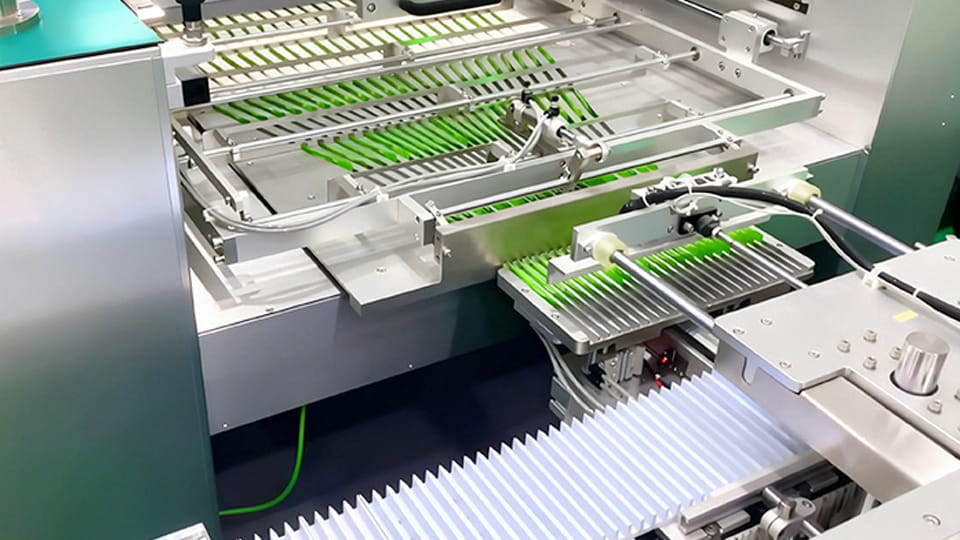
Postać: Nowoczesna zautomatyzowana linia do pakowania w woreczki (Pakowanie jinlu). Wybierz maszyny na podstawie swojej prędkości, elastyczność i wymagania budżetowe.
Gotowa maszyna do torebek – Plusy: Wysokiej klasy opcje pakowania (zamki błyskawiczne, wylewki, wstawki) zapewniający mocny wygląd na półce; bardzo szybkie zmiany (nadaje się do wielu SKU); stosunkowo prosty w obsłudze (łatwe karmienie woreczkiem) i utrzymać; minimalne straty folii (każda torba jest wstępnie przeliczona). Wady: Wyższy koszt materiału (torby premium kosztują 2–4 razy więcej); mniejsza prędkość maksymalna niż VFFS; zależność od dostawców toreb; często większy ślad.
Maszyna VFFS – Plusy: Niezwykle duża prędkość i przepustowość; niski koszt filmu (tania rolka) i mało odpadów; kompaktowy (układ pionowy) i bardzo zautomatyzowany; dobre w przypadku długich serii tego samego produktu. Wady: Opakowania ograniczone do formatów folii rolkowej (brak wylewek/zamków błyskawicznych); wolniejsze zmiany; większe ryzyko złomu folii w przypadku nieprawidłowego ułożenia folii; ogólnie wyższa konserwacja i szkolenia (nawlekanie folii, napięcie sieci).
Zdecydować VFFS vs Gotowe, zapytać:
Ostatecznie, całkowity koszt posiadania (Tco) napędza decyzję. Z góry, Maszyny VFFS są zwykle tańsze w zakupie (starter VFFS może kosztować ~ 40–60 tys. USD), podczas gdy podstawowy, gotowy wypełniacz może kosztować ~ 80 tys. dolarów lub więcej. Jednakże, koszty materiałów i koszty operacyjne mogą na przestrzeni lat przewyższyć nakłady inwestycyjne. Zauważa to Wolf-Packing koszty materiałów dominują w TCO: przy dużych głośnościach, rolka (dla VFFS) oszczędza ~0,005 USD na torbie, co oznacza, że ponad 50 milionów worków rocznie oznacza prawie 1 milion dolarów oszczędności 5 lata. Uproszczony scenariusz: gotowe torebki mogą kosztować 0,010–0,020 USD za sztukę, w porównaniu z 0,005–0,010 USD za sztukę (rolka filmu).
Przykłady: Na 10 M torebek/rok, gotowe mogą być tańsze na filmie ($1.2M vs 500 tys) ale wymaga mniejszej liczby przezbrojeń. Za 50M/rok, Oszczędność materiału VFFS ($0.005×50 mln = 250 tys. dolarów rocznie) znacznie zrównoważyły nieco wyższe nakłady inwestycyjne na maszyny. Uwzględnij także robociznę i przestoje: Szybkie, 10-minutowe przezbrojenia premade oszczędzają godziny straconej produkcji, podczas gdy VFFS może stracić ~ 30–60 minut na zmianę.
Capex waha się na podstawie ofert producentów i danych branżowych: np. gotowa linia średniej prędkości może kosztować 100–200 tys. USD, podczas gdy szybka linia VFFS może kosztować 150–300 tys. USD. Koszty utrzymania: Gotowe maszyny mają zwykle mniej pasów i folii do nawleczenia, dlatego godziny konserwacji są zazwyczaj krótsze. Podsumowując:
Potrzeby każdej rośliny są inne. Często nawet najlepszym rozwiązaniem może być linia hybrydowa: NP., gotowy wypełniacz do torebek dla produktu wysokomarżowego, plus linia VFFS dla artykułów masowych.
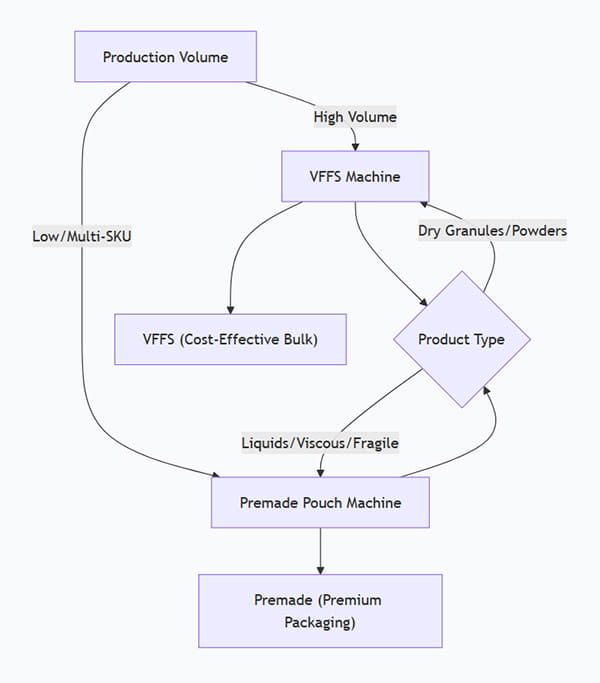
Schemat blokowy: Wybór między VFFS a gotową torebką w zależności od objętości i rodzaju produktu.
Podsumowując, Vff (Forma-wypełnienie-pieczęć) wyróżnia się szybkością i oszczędnością: użyj go, jeśli Twoim celem jest maksymalna przepustowość przy standardowych rodzajach torebek i minimalnych kosztach folii. Gotowe pakowacze do torebek wyróżniają się elastycznością i wyrafinowaniem opakowania: użyj ich, jeśli potrzebujesz możliwości ponownego zamknięcia, wysoka grafika, lub specjalne woreczki i szybkie zmiany. Najważniejszym kompromisem jest szybkość i funkcje pakietu.
Pakowanie jinlu oferty Zarówno rozwiązania. Nasze gotowe pakowarki zapewniają dokładność napełniania ± 0,4% w przypadku produktów wysokiej klasy i produktów farmaceutycznych, podczas gdy nasze maszyny VFFS/saszetkarki są zbudowane z myślą o szybkiej, ciągłej produkcji. Aby uzyskać optymalną linię, rozważ swoje priorytety: objętość i koszt jednostkowy (skłaniam się ku VFFS) lub projektowanie i zwinność zorientowane na markę (skłaniaj się ku gotowym).
Gotowy do zautomatyzowania pakowania? Zespół inżynierów Jinlu może pomóc w wyborze najlepszego systemu. Niezależnie od tego, czy potrzebujesz szybkiej linii VFFS, czy niestandardowego, gotowego wypełniacza do torebek (z wypustkami lub zamkami błyskawicznymi), skontaktuj się z naszymi ekspertami w celu uzyskania wyceny. Możemy dostosować rozwiązanie (wagi, lakierki, kartoniarze dołączony) który pasuje do Twojego produktu i budżetu.
Maszyny VFFS formują worki z folii rolkowej na bieżąco, następnie napełnij je i zamknij. Maszyny do produkcji gotowych torebek korzystają z gotowych torebek – otwierają się, napełniaj i ponownie zamykaj gotowe woreczki (woreczki stojące, torby zapinane na zamek, itp.). VFFS jest często szybszy, podczas gdy premade oferuje więcej opcji stylu torby.
Koszt jednostkowy filmu jest tańszy w przypadku VFFS (rolki zbiorcze). Gotowe woreczki kosztują ~ 2–4 razy więcej za worek. Jednakże, gotowe maszyny mogą zaoszczędzić siłę roboczą (szybsze przesiadki) i może być tańszy, jeśli wolumeny są niskie. Ogólnie, w przypadku dużych serii produkcyjnych VFFS ma zwykle niższy koszt całkowity.
Tak. VFFS jest bardzo wszechstronny: proszki, granulki, Płyny, a nawet lepkie pasty można uruchomić, wybierając odpowiedni wypełniacz (ślimak do proszków, pompa do cieczy). Nowoczesne linie VFFS z napełniaczami tłokowymi lub ślimakowymi mogą napełniać zarówno gęste sosy, jak i drobne proszki. Do delikatnych płynów lub wymagających napełnienia na gorąco z zakrętką, opcją może być również gotowa linia torebek z dziobkiem.
Farmacja często wymaga czystości, precyzyjne i elastyczne formaty. Gotowe maszyny do produkcji torebek są powszechne w przypadku saszetek farmaceutycznych i stojących torebek na leki ze względu na ich precyzję i kontrolę sanitarną. Jednakże, VFFS można stosować do dużych serii tabletek lub proszków, jeśli jest wyposażony w odpowiednie wypełniacze i ma konstrukcję cGMP. Oba typy mogą spełniać wymagania FDA lub EMA, jeśli są odpowiednio zaprojektowane.
To może być, gdy wartość Twojego produktu i opakowania to uzasadnia. Gotowe woreczki umożliwiają fantazyjne funkcje (zamki błyskawiczne, wylewki, wstawki) które przemawiają do konsumentów. Do produktów wysokomarżowych, małe partie, lub częste zmiany SKU, elastyczność i wygląd gotowych toreb często przewyższają wyższy koszt materiału. Jeśli budżet jest napięty, a wolumeny są ogromne, VFFS może mieć większy sens finansowy.
Referencje:
1.Maszyny do formowania i zamykania: Efektywne rozwiązania w zakresie pakowania produktów spożywczych —— Instytut Rolnictwa
2.ZRÓWNOWAŻONY PROCES PRODUKCJI OPAKOWAŃ ELASTYCZNYCH – PROFESJONALNE PODEJŚCIE. ——Badania badawcze
3.Ocena zgrzewania i kwestie przerabialności elastycznych materiałów papierowych w pionowej maszynie pakującej z wypełnieniem i zgrzaniem ——Badania badawcze
4.Pionowa maszyna do uszczelniania wypełnień ——Wikipedia