
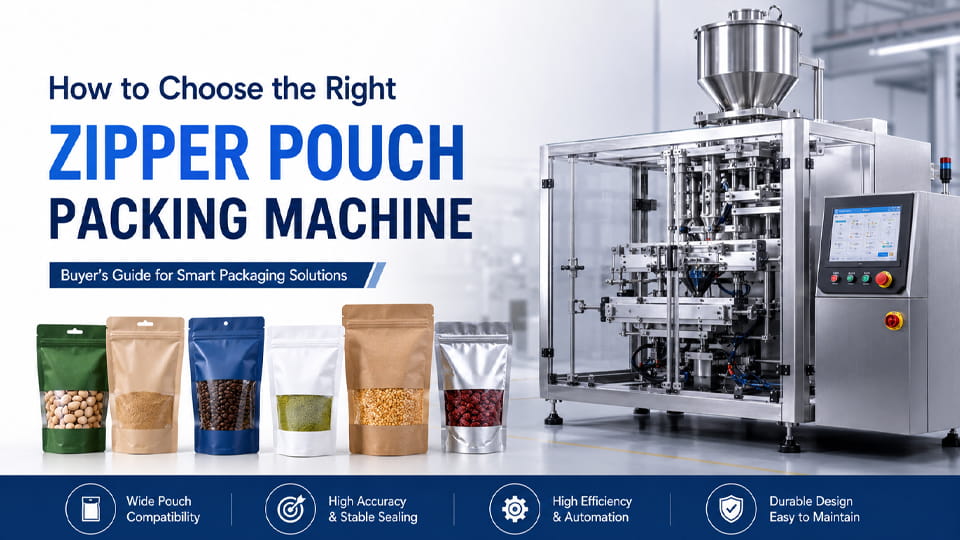
Wybór prawicy maszyna do pakowania torebek z zamkiem błyskawicznym to kluczowa decyzja dla każdego producenta przekąsek, proszki, płyny lub farmaceutyki. Zły wybór może prowadzić do przestojów, nierówne ciężary wypełnienia, słabe uszczelki i odpady produktu. W przeciwieństwie do tego, odpowiednia maszyna poprawia wydajność, jakość produktu i rentowność. W tym przewodniku wyjaśniono, co torebka na zamek (zamykane etui) maszyny są, porównuje gotowe etui vs. Vff systemy, i przechodzi przez 7 kluczowych czynników, które należy wziąć pod uwagę (typ produktu, styl torebki, prędkość, jakość uszczelnienia, przybory, sprzątanie i wsparcie). Podkreślimy także zalecenia specyficzne dla branży i typowe pułapki, których należy unikać, zakończone praktycznymi wskazówkami i kontaktem z dostawcą (Pakowanie jinlu) dla niestandardowego rozwiązania.
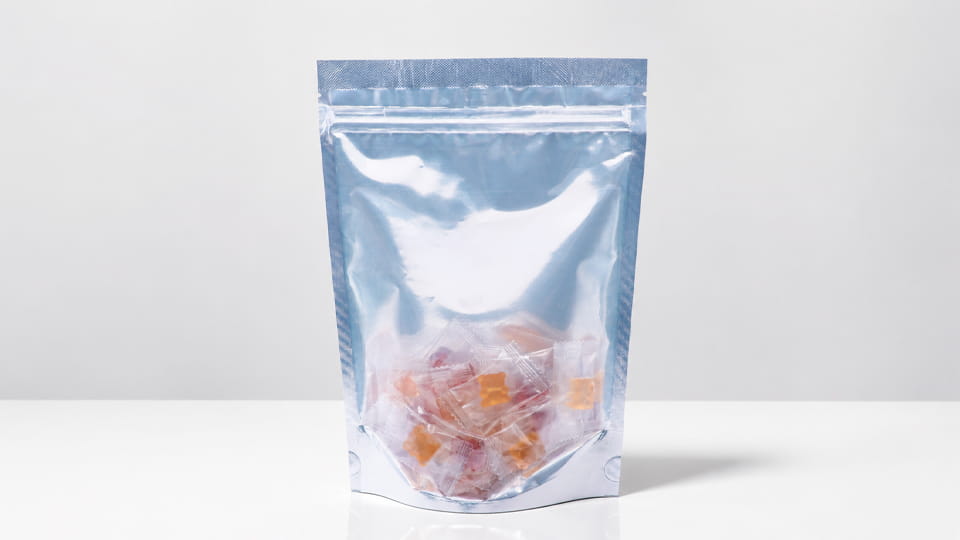
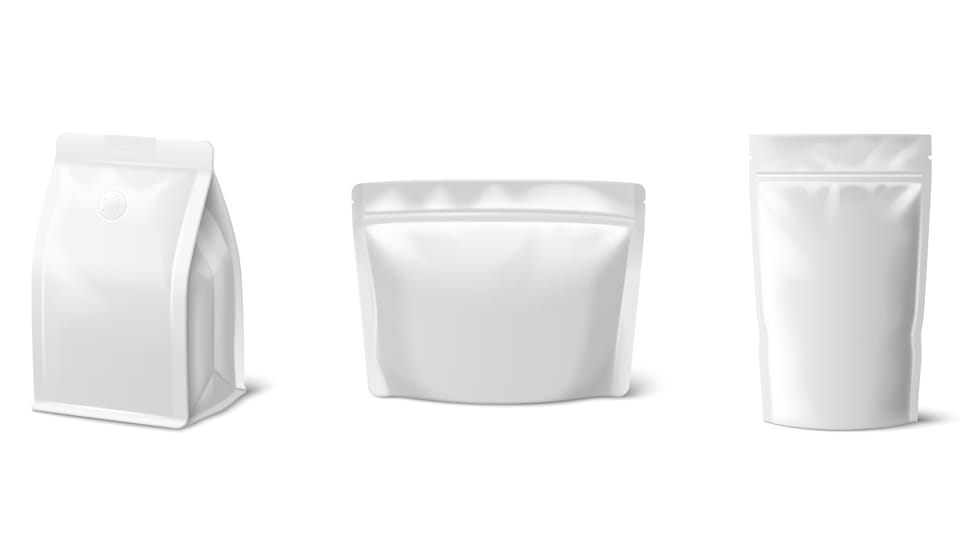
Osadzanie obrazów może pomóc zilustrować te punkty. Na przykład, spójrz na poniższy obrazek przedstawiający stojącą torebkę z możliwością wielokrotnego zamykania, gotową do napełniania. Maszyny do torebek z zamkiem błyskawicznym obsługują takie produkty (kawa, granulki, przekąski) z precyzją i szybkością.
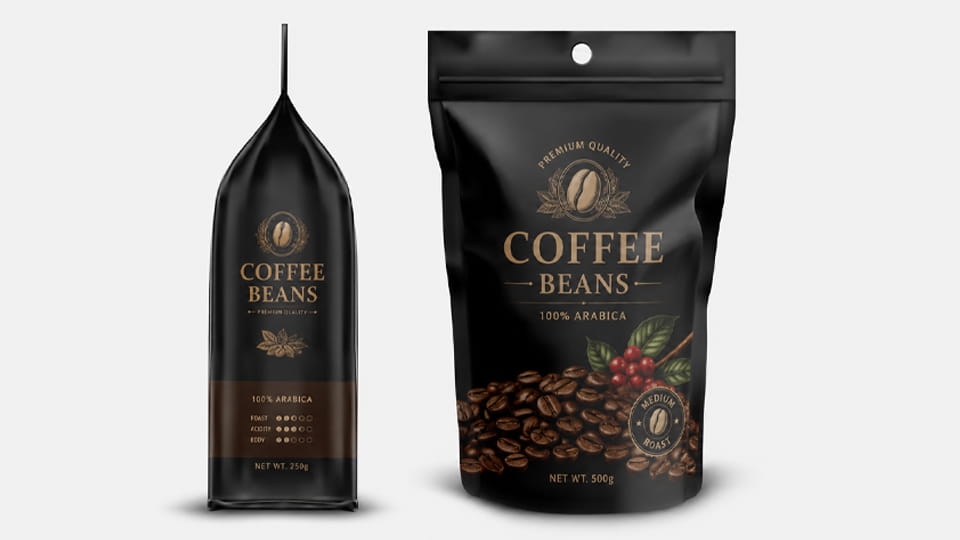
Postać: Przykład stojącej torebki z możliwością ponownego zamykania (ziarna kawy). Maszyny pakujące w torebki z zamkiem błyskawicznym automatycznie wybierają, napełnij i zamknij te gotowe torby na żywność, branża farmaceutyczna i inne.
A maszyna do pakowania torebek z zamkiem błyskawicznym (zwana także torbą zapinaną na zamek błyskawiczny lub torebką z zamkiem błyskawicznym) automatycznie obsługuje wstępnie uformowane torebki zapinane na zintegrowany zamek błyskawiczny. Zamiast formować worki z folii (jak w VFFS), maszyny te pobierają gotowe torebki z magazynu, otwórz je (często za pomocą chwytaków podciśnieniowych lub mechanicznych), wypełnij je, wyrównaj/zamknij zamek błyskawiczny, zgrzewanie nad i pod zamkiem błyskawicznym, a następnie wyładuj gotowe opakowanie. Krótko mówiąc, to „wybiera, otwiera się, wypełnia, zgrzewa i dostarcza gotowe do sprzedaży torebki.
Takie podejście eliminuje potrzebę tworzenia woreczków na bieżąco, dając większą kontrolę nad napełnianiem i uszczelnianiem. Jest to szczególnie przydatne w przypadku kleju, produkty delikatne lub wrażliwe na wilgoć (takie jak żele, proszki o wysokiej zawartości tłuszczu lub składniki higroskopijne) gdzie stabilność worka i czyste uszczelnienie mają kluczowe znaczenie. Ponieważ woreczek jest już wyprodukowany, dostajesz premię, Gotowy do spożycia wygląd na półce, dokładne wymiary torebek i stabilna obsługa.
Typowe procesy pracy w maszynie do zamykania zamków błyskawicznych przebiegają zgodnie z poniższymi krokami:
Magazyn kieszonkowy –> Odbiór torebki –> Otwarcie torebki (powietrze lub chwytak) –> Napełnianie produktu (waga, pompa, itp.) –> Zamknięcie na zamek błyskawiczny & Zgrzewanie na gorąco –> Zakończono wyładowanie worka
Każdy krok jest zautomatyzowany pod kątem szybkości i spójności. Na przykład, Maszyny Jinlu mogą pracować z prędkością do 50–60 worków na minutę (o dużej dokładności dozowania ±0,5%), dzięki naważarkom wielogłowicowym i precyzyjnym systemom dozowania. Często obejmują one również funkcje takie jak odsysanie pyłu lub płukanie azotem w przypadku proszków wrażliwych na tlen.
[jl_youtube src=”https://www.youtube.com/embed/w6SY05JS7S4″]
Typowe zastosowania do maszyn z zamkiem błyskawicznym obejmują:
Jak zauważa Jinlupacking, te maszyny wypełniają wszystko z przyprawy i proszki białkowe do sosów i karmy dla zwierząt domowych, w gotowym zamku błyskawicznym lub woreczki stojące.
Istnieją dwie główne architektury maszyn pakujących w torebki: Gotowe maszyny do torebek (obrotowe lub liniowe) I Forma-wypełnienie-pieczęć (FFS) maszyny które obsługują formaty toreb zapinanych na zamek (zwykle pionowe jednostki formujące-wypełniające-zgrzewające). W rzeczywistości, Prawdziwe „maszyny z zamkami błyskawicznymi” prawie zawsze odnoszą się do gotowych systemów torebek, ponieważ zastosowanie zamka błyskawicznego do zwijania folii w linii jest skomplikowane. Oto porównanie obu rozwiązań:
Nazywane również wstępnie uformowanymi woreczkami pakującymi, maszyny te używają gotowych toreb z już przymocowanymi zamkami błyskawicznymi. Zwykle wchodzą:
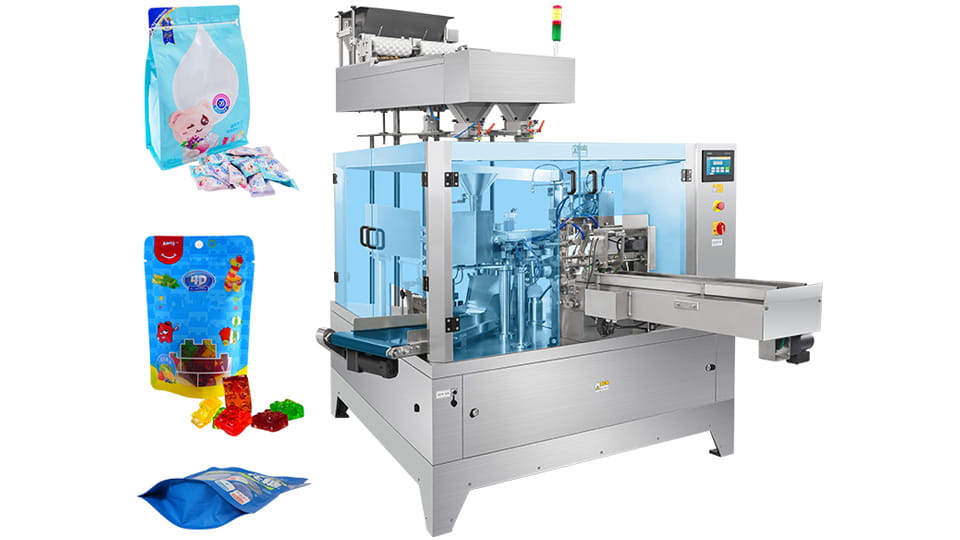
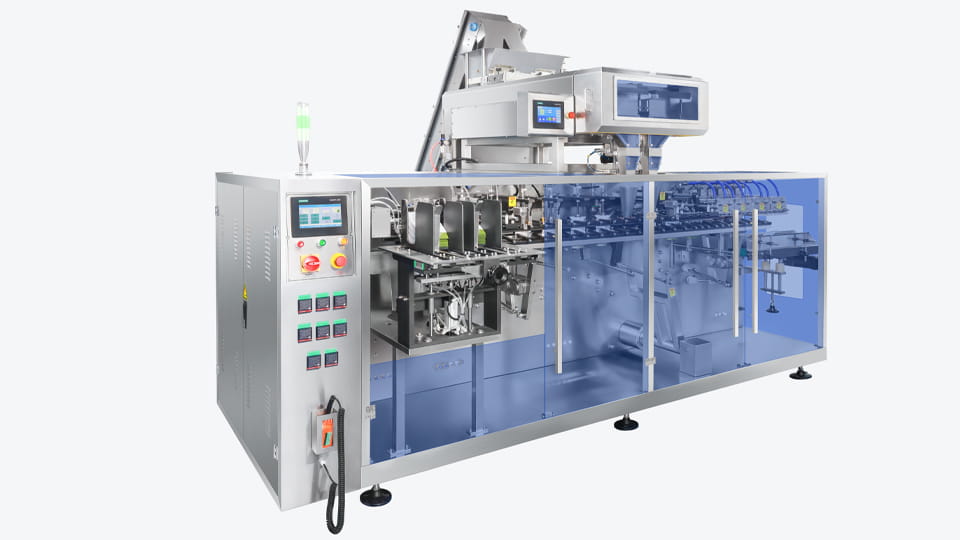
Zalety gotowych maszyn: Szybka przepustowość, wygląd pakietu premium, stabilny & spójne uszczelnienie. Z łatwością radzą sobie ze skomplikowanymi stylami torebek – torebek stojących, doypacki, torby zapinane na zamek, wypchane woreczki, itp. – często z akcesoriami typu aplikatory dziobkowe lub płuczki gazowe. Ponieważ woreczek jest wstępnie uformowany, problemy takie jak napięcie folii lub nieprawidłowe formowanie są eliminowane, minimalizując błędy uszczelniania. Maszyny obrotowe, zwłaszcza, może zintegrować systemy takie jak 8–14 stacji naważania próżniowego w celu zapewnienia bardzo dokładnego napełniania.
Wady: Wyższy koszt materiału (gotowe torby vs folia), większa powierzchnia podłogi, i złożone maszyny (co może oznaczać wyższy koszt zakupu). Maszyna musi być dostosowana do określonych wymiarów torebek i może wymagać zmiany w przypadku bardzo różnych rozmiarów torebek. Dodatkowe kwestie to przechowywanie gotowych torebek i zarządzanie zapasami. Generalnie najlepsze rozwiązanie w przypadku średnich i dużych nakładów, gdzie jakość i szybkość uzasadniają koszty.
Tradycyjny Maszyny VFFS zacznij od rolki filmu, uformować woreczek, wypełnij to, a następnie uszczelnij. Niektóre zaawansowane systemy VFFS są zaprojektowane do obsługi zamków błyskawicznych poprzez wbudowanie stacji aplikatora zamków błyskawicznych, ale te są bardziej wyspecjalizowane. Kluczową kwestią jest to, że VFFS tworzy torbę w locie, zapewniając elastyczność w zakresie rozmiaru woreczka i mniejsze straty folii.
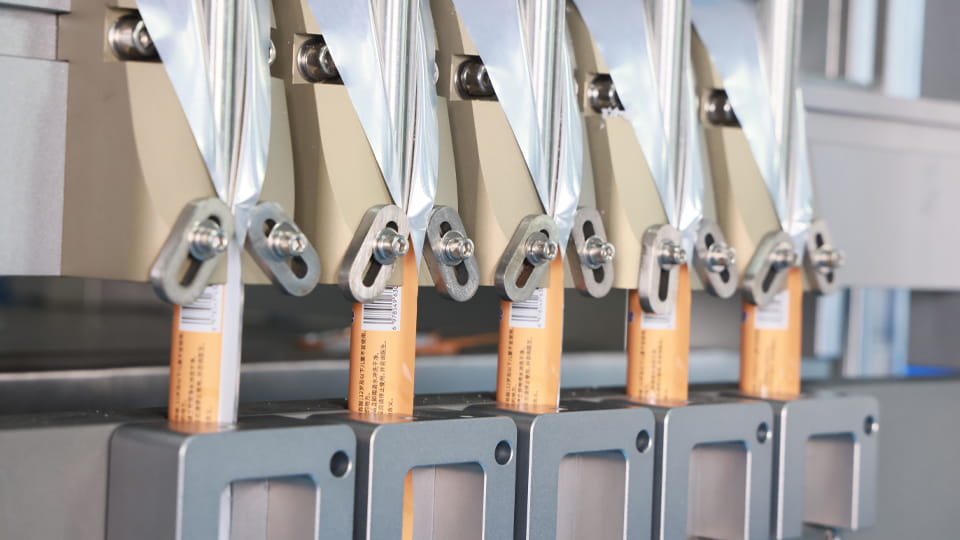
Plusy FFS: Bardzo wysoka wydajność materiałowa (minimalny złom), niższy koszt materiału worka, i dużą elastyczność (szybkie dopasowanie rozmiaru). Maszyny te mają mniejsze wymiary i mogą działać 24/7 opłacalnie.
Wady: Bardziej skomplikowane w regulacji (napięcie filmu, szczęki uszczelniające, itp.), a uszczelnienie może być mniej niezawodne w przypadku produktów lepkich lub higroskopijnych, ponieważ folia się porusza. Zamek błyskawiczny może skomplikować mechanikę. Wygląd opakowania może być bardziej przejrzysty. FFS pasuje do długich serii lub prostszych projektów torebek; Gotowe systemy mają na celu najwyższą jakość i szybkość.
Poniżej znajduje się tabela porównawcza podsumowując najważniejsze kompromisy:
| Funkcja | Gotowe (Zapinana na zamek kieszeń) Maszyna | Vff (Forma-wypełnienie-pieczęć) Maszyna |
| Dostawa toreb | Używa prefabrykowanych torebek na zamek błyskawiczny/stojących | Tworzy na bieżąco woreczki z folii rolkowej |
| Prędkość | Wysoki (np. 30–60+ worków/min) na pas | Wysoki (zmienny, często 30–100/min, w zależności od linii i rozmiaru) |
| Wykorzystanie materiału | Więcej materiału (gotowe, folie laminowane) | Bardzo oszczędny materiał (zapas rolkowy, mniej złomu) |
| Style torebek | Szeroki zakres: doypack, stand-up, zamek błyskawiczny, rynna | Ograniczone do poduszek lub podstawowych kształtów; potrzebny dodatek do zamka błyskawicznego |
| Wygląd | Wygląd premium, spójny kształt i grafika | Dobry, ale prostsze torby (fałdy/zaciski) |
| Zmiana | Szybka wymiana w formacie woreczka, ale potrzebuję innych toreb | Szybkie zmiany rozmiaru w oprogramowaniu, film pod ręką |
| Przestrzeń | Większy (zawiera magazynek, spłukać, waga) | Mniejsza powierzchnia do operacji pakowania |
| Koszt (nakłady inwestycyjne) | Wyższy (specjalistyczny sprzęt + zapas torebek) | Niższy koszt maszyny, ale większe zużycie folii |
| Najlepsze dla | Produkty lepkie/delikatne, Marki premium, wiele formatów torebek | Biegi o dużej objętości, częste zmiany rozmiaru, wrażliwe na koszty |
| Akcesoria | Może obejmować wagi wielogłowicowe, wypełniacze dziobków, systemy gazowe/próżniowe | Zazwyczaj wypełniacze (waga lub pompa) i byli; Możliwość zapięcia na zamek błyskawiczny |
| Przykłady | Witaminy w proszku w torebkach zamykanych na zamek, przekąski białkowe, sosy w woreczkach z dziobkiem | Paczki z kijami, paczki cukru, przekąski luzem w torebkach na poduszki |
W rzeczywistości, producenci często używają gotowych maszyn do zamków błyskawicznych do suplementów w proszku, przekąski i sosy, w przypadku których prezentacja i integralność uszczelnienia mają kluczowe znaczenie, i zarezerwuj VFFS dla prostszych receptur lub mniejszych jednorazowych opakowań, gdzie głównym problemem jest koszt.
Przy wyborze maszyny pakującej w torebki z zamkiem błyskawicznym, skoncentruj się na swoich potrzebach produkcyjnych. Oto siedem najważniejszych czynników:
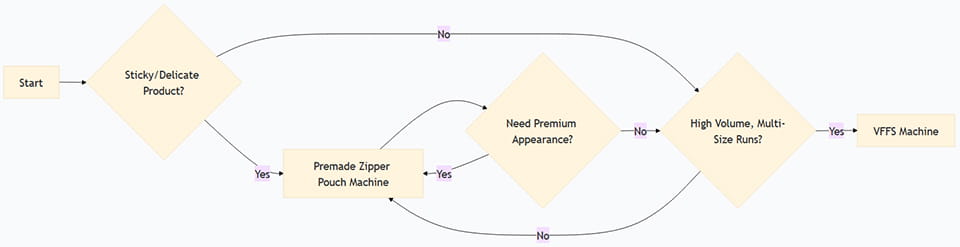
Poniżej znajduje się przepływ decyzji przykład podsumowujący logikę wyboru:
Różne branże mają różne wymagania i przepisy. Oto, jak maszyny z woreczkami na zamek błyskawiczny zwykle dopasowują się do sektorów:
Przykład: Producent nakrętek posiada linię 5-pasmowych torebek z obrotowym zamkiem błyskawicznym o łącznej przepustowości 250 uderzeń na minutę, za pomocą zamka błyskawicznego sterowanego wizją i wbudowanego magnesu do wykrywania metalu.
Przykład: Producent nutraceutyków używa gotowej maszyny do pakowania w torebki ze zintegrowanymi stacjami CIP i płukaniem N2 do pakowania drobnych proszków ziołowych w torebki z zamkiem błyskawicznym zabezpieczonym przed dziećmi.
W każdym przypadku, omów swój produkt z dostawcą. Jak podkreśla Jinlu Packing, Gotowe rozwiązania w postaci torebek są często wybierane przez firmy spożywcze/farmaceutyczne, które potrzebują „czystego zamknięcia”., stabilna prezentacja, i elastyczność w obsłudze różnych stylów torebek”.
Uważnie oceniając każdy czynnik i unikając tych pułapek, zapewnisz sobie bezproblemowy zakup. Przydatny ostatni krok: sporządzić listę kontrolną (specyfikacje produktu, pojemność, przybory, budżety) i użyj go do porównania ofert. Również, poproś o próby na miejscu lub demonstracje wideo rzeczywistego produktu przed sfinalizowaniem.
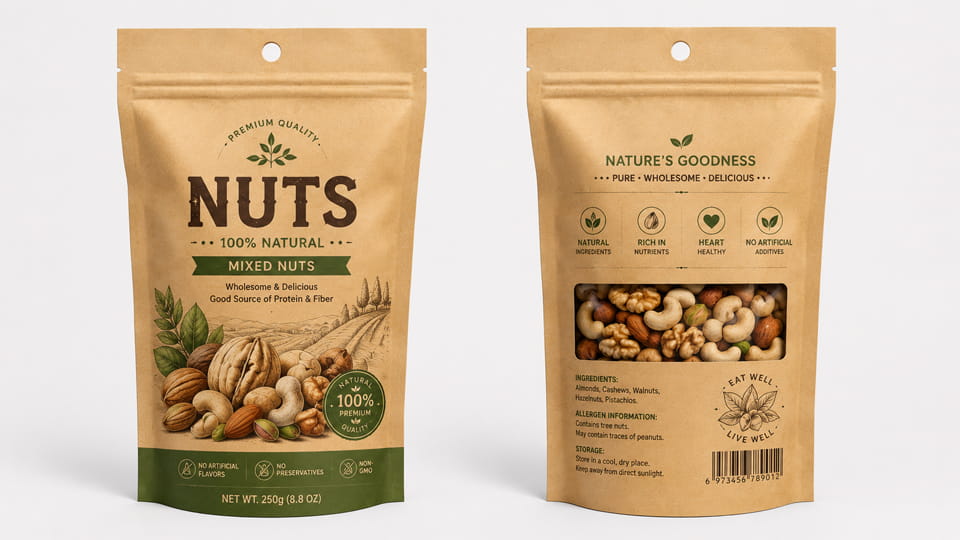
Wygoda ponownego zamykania kwitnie. Konsumenci uwielbiają torebki zapinane na zamek na przekąski, kawa, żywność dziecięca, przysmaki dla zwierząt i nie tylko. Tendencje rynkowe wskazują na stałe odchodzenie od wyrobów jednorazowego użytku na rzecz opakowań jednorazowych woreczki stojące z możliwością wielokrotnego zamykania. Wzrost ten napędzany jest zrównoważonym rozwojem (mniej odpadów niż kartony), ulepszone materiały (folie barierowe wydłużające trwałość), i marka premium (żywy nadruk na woreczkach).
Z analiz branżowych wynika, że gotowe maszyny do produkcji torebek cieszą się coraz większą popularnością, ponieważ zapewniają elastyczność („wiele rozmiarów i stylów torebek”) i łatwość użycia. Zwłaszcza, Wysokiej jakości wygląd i uszczelnienie sprawiają, że gotowe maszyny są idealne do produktów wysokiej klasy. Na przykład, Marki żelek witaminowych lub koktajli proteinowych często wybierają stojące torebki zapinane na zamek Pakiety kijowe do jakości sygnału.
Na liniach pakujących, gotowe vs FFS jest toczącą się debatą. Konsensus: Podczas prezentacji produktu należy używać gotowych maszyn do zamykania zamków błyskawicznych, priorytetami są delikatna obsługa lub szybkie przezbrajanie; używaj FFS, aby uzyskać maksymalną wydajność i wydajność w przypadku jednolitych produktów. Producenci mogą nawet stosować linie hybrydowe (wstępnie przygotowane dla zwykłych jednostek SKU, FFS do promocji lub małych serii) aby uzyskać to, co najlepsze z obu światów.
Ogólnie, spodziewaj się większej automatyzacji i szybkich opcji dla maszyn do zamykania zamków błyskawicznych. Innowacje, takie jak w pełni zautomatyzowane ładowanie torebek, wbudowane kodowanie/drukowanie, i ulepszone warunki sanitarne (zwłaszcza po Covid) stają się standardem. Jeśli planujesz nową linię lub modernizację, rozważ maszyny z przyszłościowymi funkcjami (Łączność IoT, aktualizacje oprogramowania, przepustowość wielu pasów).
Wybór maszyny pakującej w woreczki z zamkiem błyskawicznym to duży krok, który wpływa na jakość produktu i wydajność produkcji. Podsumowując:
Jeśli jesteś gotowy na sfinalizowanie wyboru lub po prostu chcesz uzyskać profesjonalną opinię, skontaktuj się z Jinlu Packing. Jinlu to zaufany chiński dostawca maszyn do pakowania produktów farmaceutycznych i żywności (z CE, Certyfikaty cGMP). Możemy polecić dostosowane rozwiązanie w zależności od rodzaju torebki, produkt i pojemność. Poproś o wycenę lub konsultację techniczną, aby upewnić się, że otrzymasz odpowiedni system pakowania torebek z zamkiem błyskawicznym dla swojej linii.
Szeroki zakres. Typowymi przykładami są sucha żywność (przekąski, orzechy, kawa, przyprawy), proszki (proszek białkowy, granulki farmaceutyczne), płynne i półpłynne (sosy w woreczkach z dziobkiem), karma dla zwierząt domowych, detergenty, i więcej. Zasadniczo każdy produkt w postaci stałej lub sproszkowanej, który jest wyposażony w torebkę z możliwością ponownego zamykania, może być obsługiwany przez maszynę do torebek z zamkiem błyskawicznym.
Gotowa maszyna do torebek wykorzystuje wstępnie uformowane torby zapinane na zamek, więc pomija etap tworzenia filmu. Zapewnia to lepszą stabilność uszczelnienia i lepszy wygląd opakowania. Maszyna VFFS formuje każdą torebkę z folii w rolce przed napełnieniem, co doskonale nadaje się do minimalizacji odpadów i długotrwałej pracy, jednolite produkcje. Krótko mówiąc, Gotowe maszyny wyróżniają się doskonałym pakowaniem i elastycznością, podczas gdy VFFS wyróżnia się efektywnością kosztową w przypadku dużych serii.
Tak. Większość maszyn do pakowania w torebki zapinane na zamek można skonfigurować z różnymi modułami napełniania. Do proszków stosuje się wypełniacze ślimakowe lub wagi; granulaty/przekąski należy stosować naważarki wielogłowicowe; cieczy lub produktów lepkich należy używać pomp tłokowych lub dysz natryskowych. Niektóre linie obsługują napełnianie mieszane na jednej maszynie poprzez dodanie drugiego napełniacza. Upewnij się, że wybrana maszyna ma odpowiednie wypełniacze dla Twojego rodzaju produktu.
Typowe prędkości mieszczą się w zakresie 30 Do 70 worków na minutę (na pas maszynowy). Wysokiej klasy systemy obrotowe mogą osiągnąć do około 60 worków/min, a konfiguracje wielopasmowe zwielokrotniają tę przepustowość. Dokładna prędkość zależy od rozmiaru torebki, układ napełniania, i złożoność torby. Cytując, dostawcy zazwyczaj określają zakres; zawsze wyjaśniaj, czy podana prędkość jest teoretyczna, czy sprawdzona z Twoim produktem.
Koszty różnią się znacznie w zależności od poziomu automatyzacji, prędkość, i opcje. Ceny małych półautomatycznych ładownic zaczynają się od kilku tysięcy dolarów, natomiast duże systemy obrotowe z wagą, koderzy, a przepłukiwanie gazem może wynosić dziesiątki, a nawet setki tysięcy. Zamiast samej ceny, rozważ zwrot z inwestycji: maszyny często zwracają się w ciągu 6–18 miesięcy dzięki oszczędnościom pracy i wyższej wydajności. Poproś o pełną wycenę łącznie z wysyłką, instalacja, szkolenia i wsparcie w zakresie porównywania jabłek z jabłkami.
Zależy to od wielkości produkcji i kosztów pracy, ale wiele firm zwraca się po inwestycji w ciągu 6–18 miesięcy. Kluczowe oszczędności wynikają z większych prędkości pakowania, stałe ciężary wypełnienia, zmniejszona ilość odpadów, i redukcja zatrudnienia. Pamiętaj, aby obliczyć oszczędności wynikające ze zmniejszonych prezentów (lepsza dokładność wypełnienia) i lepszą jakość (mniej odrzuceń).
Tylko odpowiednie woreczki i przygotowanie. Dostarczaj wysokiej jakości gotowe torby na zamek błyskawiczny od niezawodnego konwertera (zapewniają integralność zamka błyskawicznego i wytrzymałość folii). Zachowaj zapas torebek dostosowanych do rozmiaru maszyny. Przygotuj także sprężone powietrze (≥0,6 MPa) do części pneumatycznych, i stabilne zasilanie. Niektóre linie wymagają również pompy próżniowej lub źródła azotu, jeśli stosuje się transfer płynu lub płukanie. W przeciwnym razie, konfiguracja jest podobna do każdej maszyny pakującej (niwelacja, wyrównanie ramy, kontrole bezpieczeństwa).
Referencje:
1.Opakowanie & Substancje mające kontakt z żywnością (FCS) -- NAS. Administracja Żywności i Leków
2.2025 Globalne trendy w opakowaniach —— PMMI
3.Standardowa metoda badania służąca do określania integralności plomb w opakowaniach elastycznych poprzez kontrolę wzrokową —— ScienceDirect
4.Dostawcy opakowań i CPG coraz częściej zapinają opakowania elastyczne —— OpakowanieDive
5.Przyszłość opakowań elastycznych: Trendy, Korzyści & Innowacje ——Przegląd opakowań