Jak wybrać maszynę do tabletkowania dla różnych typów tabletów: Kompletny przewodnik dla kupujących (2026)
Jak wybrać maszynę do tabletkowania dla różnych typów tabletów: Kompletny przewodnik dla kupujących (2026)
Kwiecień 22, 2026
Brak komentarzy
Wybór prawicy Tablet prasowy ma kluczowe znaczenie dla każdego producenta produktów farmaceutycznych i nutraceutycznych. Tabletkarki są dostępne w różnych typach (pojedynczy cios, obrotowy, Dwuwarstwowy, itp.) i prędkości, każdy dostosowany do określonych receptur tabletek i wielkości produkcji. Same tabletki są bardzo zróżnicowane – od prostych okrągłych tabletek po tabletki musujące lub dwuwarstwowe – a każdy typ nakłada określone wymagania dotyczące oprzyrządowania, siła ściskająca, karmienie, i kontrola środowiska.
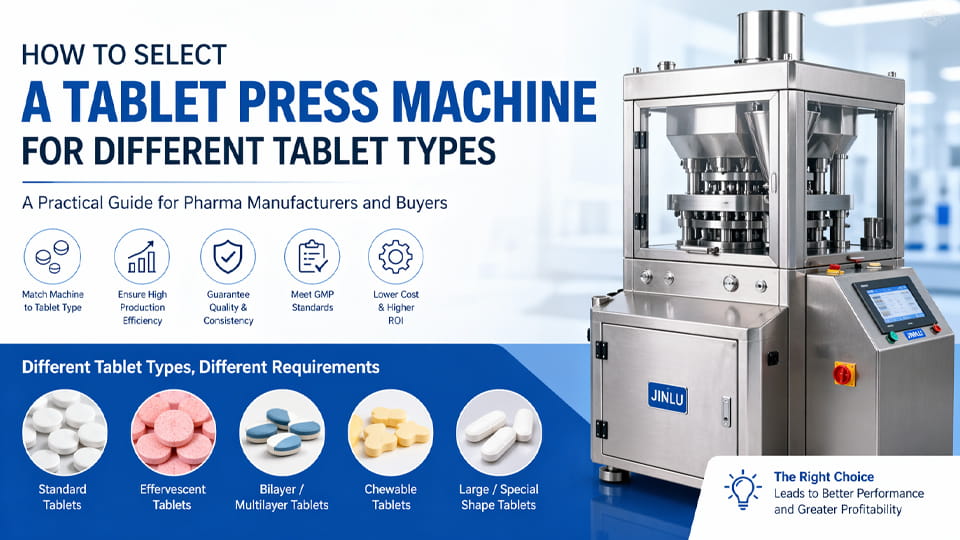
Ten przewodnik pomaga nabywcom z branży dopasować typ tabletu do idealnej maszyny. Omawiamy kategorie tabletów (standard, musujący, Dwuwarstwowy, do żucia, duży/nieregularny), kategorie maszyn (pojedynczy cios, obrotowy, duża prędkość, prasy dwu/wielowarstwowe), oraz kluczowe czynniki wyboru, takie jak wydajność wyjściowa, rozmiar tabletu, kompatybilność narzędzi, projekt podajnika, siła ściskająca, i zgodność z GMP. Załączamy tabelę porównawczą mapującą typy tabletów do zalecanych maszyn i funkcji, typowych pułapek, których należy unikać, i wskazówki dot wybór wiarygodnego dostawcy. Do końca, będziesz wiedział, jak zrównoważyć prędkość, elastyczność i jakość – znajdź prasę dostosowaną do Twoich tabletów i potrzeb w zakresie wydajności.
Zrozumienie typów tabletów i ich wymagań
Różne produkty na tablety wymagają różnych funkcji prasy. Poniżej są powszechne kategorie tabletów i co one oznaczają dla sprzętu:
Standardowe tablety (Jednowarstwowe, Okrągły, Kaplet, itp.): Są to typowe pigułki farmaceutyczne lub suplementy. Używają B-oprzyrządowanie (19 mm cios, tabletki do ~13mm) na większości pras rotacyjnych. Umiarkowana siła ściskająca (około 60–100 kN) jest zwykle potrzebny do uzyskania jednolitej twardości. Standardowe maszyny obsługują wiele kształtów (okrągły, owalny, podłużny) bez specjalnego sprzętu. Na przykład, prasę Jinlu ZP-17D (model uniwersalny) produkuje do 37,800 tabletki/godz z 25 mm maksymalna średnica I 100 siła kN, obejmujący większość standardowych tabletów.
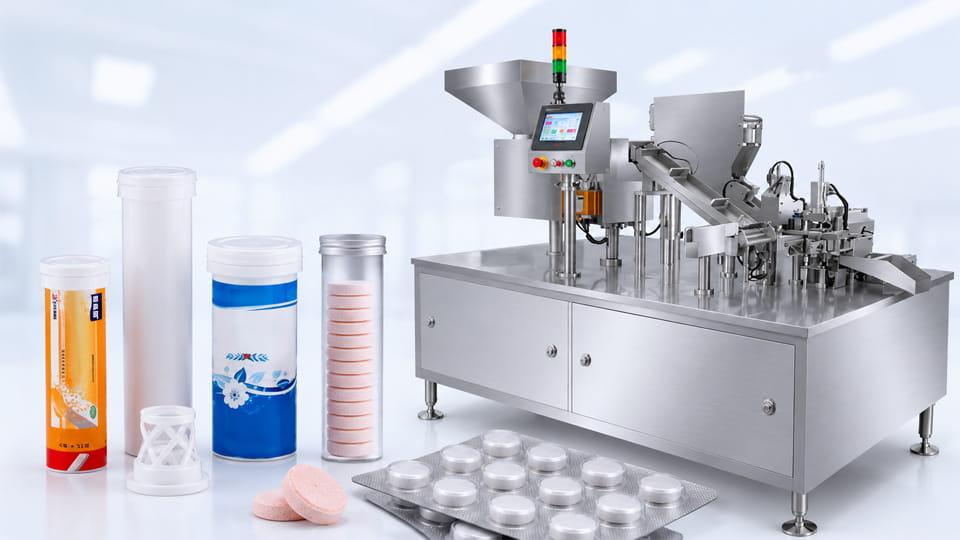
Tabletki musujące (Gazowany, Musujący): Te tabletki (stosowany w lekach, mieszanki napojów, sprzątaczki) zawierają środki kwasowo-zasadowe (kwas cytrynowy + wodorowęglan sodu) które reagują z wilgocią. Wymagają wysoka kompresja (aby tablet pozostał nienaruszony) i często większe matryce. Wytrzymała prasa rotacyjna (często z D-oprzyrządowanie) jest zalecane. Krytycznie, Proszki musujące szybko wchłaniają wilgoć, dlatego kontrola środowiska jest kluczowa. Specjalistyczne prasy musujące są wyposażone w takie funkcje, jak osuszacze liniowe, uszczelnione komory sprężania, i komponenty odporne na korozję, aby zapobiec przedwczesnym reakcjom. Na przykład, Prasy wielkoformatowe Jinlu (aż do 400 kN siła, 60 średnica mm) zostały specjalnie zaprojektowane do obsługi tabletek musujących i detergentów.
Dwuwarstwowy / Tabletki wielowarstwowe: Gdy tablet ma dwie lub więcej warstw (różne leki, zabarwienie, lub udostępnij profile), potrzebujesz prasa dwuwarstwowa lub wielowarstwowa. Maszyny te posiadają dwa lub więcej lejów zasypowych i podajników podających sekwencyjnie do jednej wieży. Kompresują pierwszą warstwę, następnie dodaj drugi (i trzeci, jeśli potrzeba). Kluczowe cechy obejmują podwójny podajnik siłowy (aby zapobiec mieszaniu się warstw), niezależne stacje sprężania, oraz porty pobierania próbek w procesie. Na przykład, wydajność prasy trójwarstwowej JL ZP-27/73D wynosi do 395,000 tabletki/godz (z 50 mm średnica) i nacisku 150 kN. Trzy zsynchronizowane zbiorniki umożliwiają umieszczenie do trzech warstw na tabletkę (oznaczona kolorami lub zróżnicowana formuła). Figura prasy wielowarstwowej (patrz poniżej) ilustruje wieżę i zbiorniki.
Postać: Tabletkarka rotacyjna wielowarstwowa (np. JL ZP-27/73D) mogę nacisnąć 2-3 warstw na tabletkę przy bardzo dużej prędkości (aż do 395,000 tabletki/godz). Specjalistyczne podajniki siłowe i zamknięte komory pomagają równomiernie wypełnić każdą warstwę.
Do żucia / Miękkie tabletki: Tabletki do żucia (witaminy, leki zobojętniające) potrzebuję bardziej miękka konsystencja i lepszy smak. Zwykle ściskają się pod niższym ciśnieniem, aby uniknąć twardości, i często używam Narzędzia BB (krótsze stemple 19 mm do małych tabletów). Formuła proszku (np. mannitol, słodziki, smary) ma tendencję do bycia lepkim lub miękkim. Wymagania dotyczące maszyny obejmują delikatną kompresję (niższy kN), mała prędkość wieży (wyższy czas przebywania), i powłoki narzędzi zapobiegające przywieraniu. W rzeczywistości, standardową prasę rotacyjną z odpowiednim oprzyrządowaniem (lub dedykowana „prasa do tabletkowania do żucia”) jest używany. Stemple mają często specjalne kształty (kiery, itp.) dla marketingu.
Duże lub nieregularne tabletki: Niektóre produkty (musujące tabletki czyszczące, duże tabletki weterynaryjne) są ogromne – do 60 mm średnicy i mają dziwne kształty. Te wymagają D-oprzyrządowanie (25.4 mm stempla maks) i bardzo wytrzymałe prasy (wysoki moment obrotowy, do 400kN). Prędkość musi być niższa; zakresy wyjściowe są skromne (np. 20,000–45 000 tabletek/godz) aby zapewnić jakość. Te „duże tabletkarki” często mają specjalną głowicę rewolwerową i wytrzymałe krzywki. Jako bonus mogą również obsługiwać niektóre kolory wielokolorowe lub wielowarstwowe. Wielkoformatowe prasy Jinlu przeznaczone są do stosowania jako środki musujące/detergentowe. Kompromisem jest pojemność: tablet 60 mm przy 400 kN może wytworzyć tylko ~ 30 tys./godz, ale to jedyny sposób na uformowanie takiej pigułki bez pękania.
Podsumowując, najpierw zdefiniuj swój produkt: średnica tabletki, grubość, warstwy, i sformułowanie (płynność, wrażliwość na wilgoć, kruchość). Każdy wymiar i właściwość zawęża wybór maszyny. Ogólna zasada: wymiar i twardość napędzają wielkość maszyny, nie tylko docelowy wynik. Nie kupuj banerów „100 tys. zakładek na godzinę”.; zacznij od dopasowania specyfikacji tabletu do wieży i oprzyrządowania.
Rodzaje tabletkarek
Tabletkarki można ogólnie podzielić na dwie główne kategorie: pojedynczy cios (ekscentryczny) I obrotowy (wielostanowiskowy), ze specjalistycznymi wariantami.
Pojedynczy cios (Ekscentryczny) Prasy: Te proste maszyny mają tylko jeden stempel i matrycę, napędzane ręcznie lub silnikiem. Są idealne do R&D, partie pilotażowe, i produkcję na małą skalę. Prasa jednostanowiskowa wymaga ręcznego podawania proszku (poprzez lej zasypowy lub napełnianie matrycą) i uderza jedną tabletkę na raz. Korzyści: bardzo niski koszt, łatwa konserwacja, i nie ma potrzeby stosowania skomplikowanych systemów sterowania. Wady: wyjątkowo niska przepustowość (kilkaset tabletek/godz) i ogranicza się do prostych formuł. Uwzględniamy ten typ dla kompletności, jednak większość nabywców przemysłowych będzie skłaniać się ku maszynom rotacyjnym, chyba że potrzeby produkcyjne będą bardzo małe.
Tabletkarki rotacyjne: Są to konie pociągowe do średniej i dużej produkcji. Prasa rotacyjna ma obrotową wieżę mieszczącą wiele stempli/matryc (typowe rozmiary wież to 8, 16, 20, 37, 45, 62, 80 stacje). Proszek jest podawany ze zbiornika za pośrednictwem obrotowej ramy podającej. Jeden obrót może skompresować dziesiątki tabletek. Przemysłowe maszyny rotacyjne osiągają od ~20 000 do setek tysięcy tabletek na godzinę. Standardowe rotatory radzą sobie z typowymi tabletami: zapewniają ciągłą wysoką wydajność i precyzyjną kontrolę wagi/twardości. Są dwa podtypy:
Standardowa prasa rotacyjna: Zapewnia wysoką wydajność i spójne wyniki w przypadku średnich objętości. Często obejmują Pre-kompresja rolki (do zagęszczenia proszku przed ostatecznym sprasowaniem), i może biegać z umiarkowaną prędkością (np. 60–120 obr./min w przypadku wieży z 45 stacjami, wydajność ~162–243 tys. zakładek/godz.).
Prasa rotacyjna szybkobieżna lub wielowarstwowa: Przystosowany do produkcji na bardzo dużą skalę. Często mają one serwomotory, podwójne wieże (jeden stacjonarny, jeden obrotowy do podwójnej wydajności), i zaawansowane funkcje, takie jak systemy zasilania na siłę (do wpychania lepkiego proszku do matryc). Można je również skonfigurować do pracy dwuwarstwowej/wielowarstwowej za jednym razem. Na przykład, RichPacking zauważa, że szybkie prasy obejmują wielowarstwową kompresję i precyzyjną kontrolę prędkości, aby zmaksymalizować wydajność. Seria „ZP-26-40D” firmy Jinlu jest przykładem wysokoobrotowej maszyny obrotowej.
Dwuwarstwowy / Prasy wielowarstwowe: Są to specjalistyczne rotory zaprojektowane z myślą o dwa lub więcej zbiorników i zsynchronizowane stacje kompresji. Typową konfiguracją są podwójne stanowiska prasujące w każdym położeniu wieżyczki – jedno prasuje pierwszą warstwę, inny dodaje drugą warstwę, potem wyrzut. Często mają dodatkowe krzywki i podajniki siły. Stosuj je, gdy musisz połączyć dwa preparaty w jednej tabletce (np. warstwę o natychmiastowym uwalnianiu na warstwę o przedłużonym uwalnianiu). Kluczowe funkcje obejmują niezależną kontrolę masy warstw i automatyczne pobieranie próbek z każdej warstwy. Sygnał wyjściowy można uzyskać za pomocą ZP-27/73D firmy Jinlu i podobnych modeli trójwarstwowy tabletki (nawet trójkolorowy projekt) w jednej maszynie. Jeśli Twój produkt ma konstrukcję warstwową, prasa wielowarstwowa jest obowiązkowa.
Dwustronne (Prasa do tabletów) / Segmentowa wieża: Mniej powszechny wariant zaawansowany. Maszyny te posiadają stanowiska wykrawania po obu stronach wieży, pozwalając na dwie tabletki na obrót (skutecznie podwaja pojemność). Są to maszyny o dużej prędkości, spotykane głównie w bardzo dużych zakładach farmaceutycznych. Często zawierają oddzielne zbiorniki dla każdej strony wieży, ale poza tym wyglądają jak dwie prasy obrotowe ustawione tyłem do siebie.
Prasy do tabletek do żucia: Są to zazwyczaj zwykłe maszyny rotacyjne wyposażone w specjalne narzędzia do tabletek do żucia. JinLuPacking zauważa, że w prasach do żucia wykorzystuje się specjalne oprzyrządowanie do tworzenia tabletek o bardziej miękkiej konsystencji i przyjemnym smaku. W rzeczywistości, możesz po prostu dostosować formułę i zastosować gumową powłokę, ale sama maszyna może mieć niższe ustawienia siły ściskania i dodatkową osłonę przeciwpyłową do obsługi proszków na bazie cukru.
We wszystkich przypadkach, szukaj nowoczesnych automatyka i sterowanie cechy: ekran dotykowy PLC/HMI, czujniki ciśnienia/wagi, przechowywanie receptur, i automatyczne odrzucanie wagi, zwłaszcza jeśli wymagana jest zgodność z przepisami. Dobre maszyny mają również blokady bezpieczeństwa, odsysanie pyłu, i drzwi łatwego dostępu (omówimy je poniżej w ramach czynników wyboru).
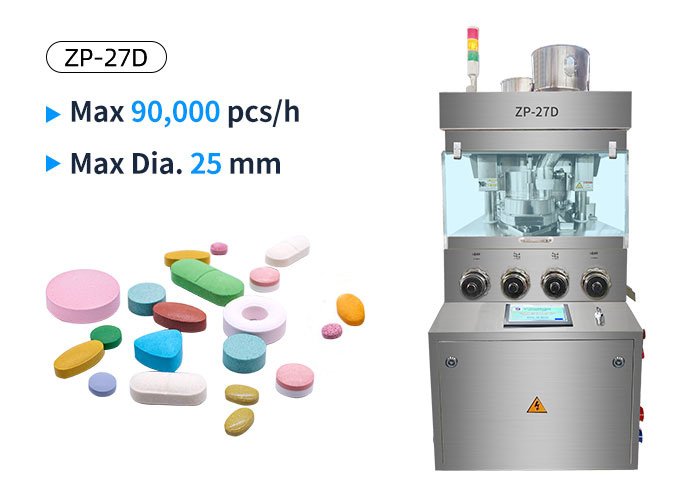
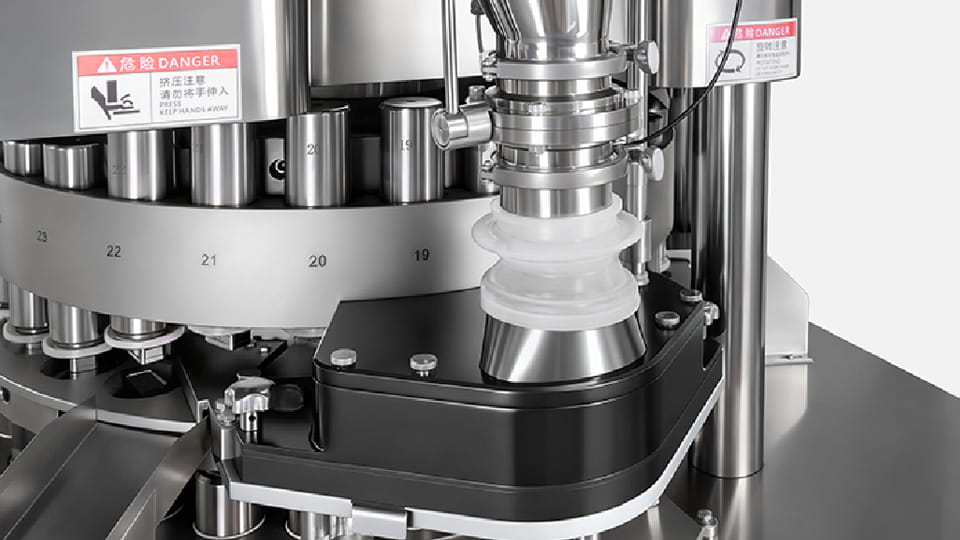
Obrotowa maszyna do prasowania tabletek ZP-27D
Kluczowe czynniki wyboru
Gdy już poznasz swój tablet, Następnym krokiem jest ocena konkretnych specyfikacji maszyny. Kluczowe czynniki obejmują:
Zdolność produkcyjna (Przepustowość): Ile tabletek na godzinę potrzebujesz? Prasy rotacyjne są oceniane według tabletek/godz. lub obrotów wieży. Więcej stanowisk dziurkowania = wyższa przepustowość. Na przykład, A 45-naciśnij stację o godz 60 obr/min ≈ 162,000 tabl./godz. Ale uważaj na kompromis: Zbyt duża prędkość pchania może powodować zmiany wypełnienia/wagi. Zrównoważ prędkość wieży z czasem przebywania (grubsze tabletki wymagają mniejszej prędkości, aby uzyskać twardość). Dla wskazówki: Jeśli potrzebujesz >50k/h lub partie o wielu SKU, w celu zapewnienia stabilnej wydajności zaleca się prasę rotacyjną z ≥45 stacjami. Jednostki z pojedynczym stemplem lub małe rotatory mają sens tylko w przypadku <10k/h lub R&D.
Rozmiar i kształt tabletu: Tablet średnica i grubość zasadniczo określa klasę maszyny. Każdy model ma maksymalny otwór matrycy i głębokość wypełnienia. Na przykład, małe prasy stołowe (np. „ZP-7”) zakręcić około 6–12 mm tabletek, podczas gdy większe wieże radzą sobie z kalibrem do 60 mm (z D-toolingiem). Zawsze najpierw dopasowuj rozmiar matrycy i kompatybilność wieży: „wybór prasy bez wymiarów tabletu jest jak kupno samochodu bez znajomości liczby pasażerów”. Również, bardzo grube tabletki wymagają większej siły i często dłuższego czasu przebywania; mała prasa może nie być w stanie prawidłowo ścisnąć kapletki o grubości 8 mm, nawet jeśli średnica będzie pasować.
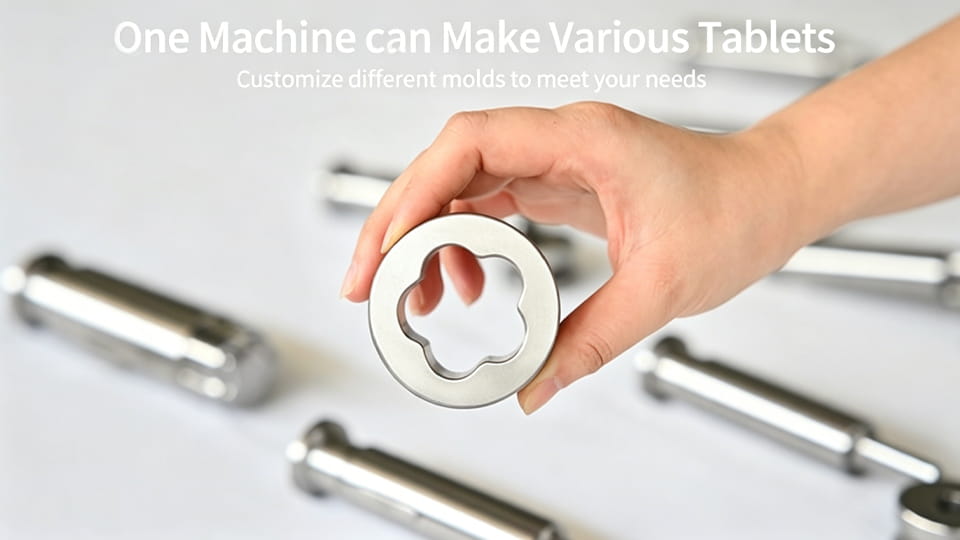
Kompatybilność narzędzi: Stemple i matryce definiują geometrię tabletu. Sprawdź co obróbka standard stosowany przez prasę (wspólne standardy są B, D, i oprzyrządowanie BB). Na przykład, jeśli chcesz przygotować witaminy do żucia (mały, 6–8 mm), Narzędzia BB są idealne; jeśli masz standardowe pigułki 12–13 mm, Wystarczy B-tooling. Detergenty weterynaryjne lub duże (25 mm+ tabletki) wymagają D-toolingu. Weź również pod uwagę materiał/powłokę narzędziową: hartowana stal (np. GCR-15) jest używany przez większość, ale mokre lub kwaśne mieszanki mogą wymagać narzędzi ze stali nierdzewnej lub pokrytych TiN. Wykorzystuje prasę ZP-17D firmy Jinlu Oprzyrządowanie ze stali GCR-15 wytrzymuje obciążenie 100 kN. Zalecamy powłoki zapobiegające przywieraniu (TiN/CrN) i środki zasilające na siłę, zwłaszcza jeśli produkujesz preparaty musujące lub lepkie.
Postać: Uderza i umiera (narzędzia do tabletów) są dostępne w różnych rozmiarach/materiałach. Na przykład, Standardowa prasa Jinlu wykorzystuje stemple ze stali GCR-15 o nacisku do 100 kN. Oprzyrządowanie musi pasować do rozmiaru tabletu: np. Narzędzie BB do produktów do żucia o średnicy 6–8 mm, Narzędzie B do tabletek Pharm o średnicy ~12 mm, Narzędzia typu D do dużych tabletów o średnicy 25+mm.
Przepływ proszku i podawanie: Wymagające pudry (bardzo dobrze, spoisty, lub o małej gęstości nasypowej) może nie płynąć dobrze pod wpływem grawitacji. Sprawdź, czy maszyna posiada Force Feeder (mieszadła lub łopatki wpychające proszek do matrycy). Siłowe podawanie zapobiega wahaniom masy, gdy wieża porusza się szybko. Lepkie lub wilgotne proszki (np. ekstrakty ziołowe) szczególnie skorzystaj z podajników wymuszonych i gładkiej konstrukcji leja zasypowego. Weź również pod uwagę wstępną kompresję: mały wałek do wstępnego dociskania może odpowietrzyć lub wstępnie zagęścić materiał, aby zmniejszyć zasklepianie/laminowanie. Podsumowując, upewnij się, że lej zasypowy prasy i ramy podajnika odpowiadają przepływowi proszku; zapytaj, czy testowali już Twój preparat.
Siła kompresyjna: Twardość tabletki i gęstość preparatu dyktują wymaganą siłę. Standardowe tabletki farmaceutyczne wymagają około 60–100 kN. Bardzo twarde lub duże tabletki (jak musujące 60 mm) może potrzebować setki kN (Duże maszyny JL osiągają obciążenie do 400 kN). Lepiej jest określić zbyt dużą siłę niż niedostateczną; za mała siła daje miękkość, łatwo łamliwe tabletki. RichPacking zauważa, że typowy jest 60–100 kN, oraz „wyższa siła poprawia twardość i jednorodność”. Sprawdź także, czy maszyna posiada przetworniki ciśnienia umożliwiające monitorowanie kompresji w czasie rzeczywistym. Jeśli potrzebujesz zarówno miękkich żelek do żucia, jak i twardych tabletek na jednym urządzeniu, upewnij się, że zakres siły można regulować w dół i w górę.
Automatyzacja & Kontrola (Sterownik PLC/HMI): W nowoczesnych obiektach, ręczne wybieranie numerów jest przestarzałe. Dobra prasa będzie wyposażona w sterownik PLC i ekran dotykowy HMI do obsługi receptur i rejestrowania danych. Poszukaj funkcji takich jak automatyczne odrzucanie nadwagi/niedowagi, czujniki ciśnienia, oraz cyfrowe odczyty pozycji stempla. Śledzenie danych (pliki wsadowe, CMS21 CFR Część 11 zgodność) jest ważne dla farmaceutycznych systemów jakości. Zdalny dostęp lub moduły IoT umożliwiają wsparcie techniczne i alerty dotyczące konserwacji predykcyjnej. Prasa Jinlu ZP-27/73D, Na przykład, jest wyposażony w ekran dotykowy HMI firmy Siemens do przechowywania receptur kompresji i ułatwiający kontrolę.
Zgodność z GMP & Przybory: Specjalnie dla farmacji, projekt prasy musi być zgodny z cGMP. To znaczy powierzchnie kontaktowe powinno być stal nierdzewna (często 316L) i nadaje się do polerowania, z minimalną liczbą martwych narożników do czyszczenia. Zapieczętowany, zamknięte strefy kompresji zapobiegają wydostawaniu się proszku. Szybkozłącza i wieżyczki przyspieszają czyszczenie i zmniejszają ryzyko zanieczyszczenia krzyżowego. Sprawdź dostępne Dokumentacja IQ/OQ/PQ od dostawcy. Maszyny często są wyposażone w CE, CGMP, lub certyfikaty projektowe FDA. Do produktów wrażliwych (jak musujące), szukaj materiałów odpornych na korozję (chromowanie lub stal nierdzewna) w prasie wewnętrznej.
Zmiana & Konserwacja: Przestój jest bardzo kosztowny. Zobacz, jak łatwo jest zmienić oprzyrządowanie lub wyczyścić maszynę. Funkcje do sprawdzenia: Projekt modułowy, demontaż bez użycia narzędzi, i systemy smarowania. RichPacking zwraca na to uwagę zdejmowana wieża, zbiornik, i podajniki, plus czasowe automatyczne smarowanie, może radykalnie skrócić czas konserwacji. System szybkiej wymiany matryc powinien umożliwiać wymianę stempli pod spodem 20 protokół. Przezroczyste drzwi bezpieczeństwa i ergonomiczny układ pomagają operatorom. Przykład: niektóre nowoczesne prasy wykorzystują różdżki podciśnieniowe wewnątrz wieży do odsysania resztek proszku pomiędzy seriami. Zapytaj, czy dostawca ma umowy o świadczenie usług, szkolenie, i dostępność części zamiennych.
Całkowity koszt posiadania (Tco): Poza ceną naklejki, obliczyć koszt cyklu życia. Tańsza maszyna może zużywać się szybciej lub wymagać więcej pracy. Czynnik zużycia energii, zapotrzebowanie na części zamienne, i oczekiwaną długość życia. Na przykład, dobrze zbudowana prasa z łatwo dostępnymi częściami może zaoszczędzić aż do 20% na rok w kosztach przestojów. Zapytaj także o długość gwarancji i jej zakres.
Wiedza dostawcy & Praca: Zakup tabletkarki to długoterminowa współpraca. Sprawdź historię dostawcy (10+ wieloletnie doświadczenie w sprzęcie farmaceutycznym jest idealne). Czy mają referencje na Twoim rynku docelowym? (Europa, NAS, itp.)? Czy mogą pomóc w rozmieszczeniu fabryki?, próby receptur, i walidacja? Wsparcie po sprzedaży (instalacja, uruchomienie, szkolenie, 24/7 pomoc zdalna) jest kluczowa. Na przykład, Jinlu Packing oferuje bezpłatne testowanie receptur i posiada 3-letnią gwarancję na wiele maszyn. Kupowanie od dostawcy oferującego pełną gamę produktów (Wypełniacze kapsułki, liczniki, Maszyny pęcherzy) może uprościć integrację i walidację – jak zauważa RichPacking, posiadanie jednego dostawcy upraszcza zarządzanie konserwacją. Strona Jinlu pokazuje, że oni również dostarczają maszyny do napełniania kapsułki, maszyny liczące, pakowarki blistrowe, itp., co może być przydatne, jeśli planujesz pełną linię produkcyjną.
Hałas, Pył i bezpieczeństwo: Tabletkarki mogą być głośne i zakurzone. Sprawdź poziom hałasu (powinno być <80 dB) oraz czy prasa posiada filtry przeciwpyłowe HEPA i uszczelnione zsypy. Blokady bezpieczeństwa (drzwi zatrzymują ruch, Nie dopuścić) i czujniki przeciążenia chronią operatorów i sprzęt. Nadmierne wibracje lub rozsypany pył mogą zaszkodzić statusowi GMP.
Przyszłościowe: Poszukaj ścieżek aktualizacji. Przemysł zmierza w kierunku farmacji 4.0: Precyzja napędzana serwomechanizmem, Łączność Ethernet/IP dla MES, konserwacja predykcyjna, i modułowe dodatki. Zakup prasy o otwartej architekturze oznacza, że będzie można w niej później zamontować nowe czujniki lub oprogramowanie, oszczędność kosztów modernizacji. Na przykład, niektóre prasy oferują obecnie moduły kontroli kamer lub automatycznego pobierania próbek. Zapewnij przynajmniej podstawy: możliwość integracji ze SCADA lub MES.
Dopasowywanie typów tabletów do zalecanych maszyn
Poniższa tabela podsumowuje, które typy pras i funkcje odpowiadają każdej kategorii tabletów:
Typ tabletu
Polecana maszyna
Kluczowe cechy maszyny
Standardowe tablety
Prasa rotacyjna (B-oprzyrządowanie) lub prasę szybkobieżną
19 mm (B) obróbka, 60– siła 100 kN, 30k–250 tys. zakładek/godz, Pre-kompresja, Sterowanie PLC. Wykończenie lustrzane, Projekt GMP. Nadaje się do zwykłych okrągłych/owalnych tabletek.
Musujący / Detergent
Wytrzymała prasa rotacyjna lub duża prasa narzędziowa typu D
25 mm (D) obróbka, bardzo duża siła (do 150–400 kN), uszczelniona komora, Force Feeder, opcje osuszania. Części ze stali nierdzewnej lub powlekane (kwasoodporny). Niższa prędkość, specjalistyczny podajnik.
Dwuwarstwowy / Wielowarstwowe
Prasa dwuwarstwowa lub trójwarstwowa (specjalne obrotowe)
2+ leje & podajniki, podwójne krzywki kompresyjne, pobieranie próbek masy w linii. Wstępnie skompresuj każdą warstwę, Sterowanie VFD, zsynchronizowane wieże. Możliwość obróbki cienkich warstw pośrednich. Wykorzystuje standardowe lub niestandardowe kształty stempli.
Prasa rotacyjna o dużej matrycy (D-oprzyrządowanie)
25+ mm stemple (Oprzyrządowanie D), bardzo duża siła (100–400 kN), solidna rama, niska prędkość wieży (~10–60 obr./min), wyspecjalizowane kamery. Często ciężkie wieżyczki krzywkowe umożliwiające duży skok matrycy. Obsługuje złożone kształty.
Dopasowując wymiary i typ tabletu do powyższych, możesz utworzyć krótką listę modeli. Zawsze sprawdzaj krzyżowo: np. Tabletka musująca o średnicy 40 mm trafia do Duża prasa narzędziowa typu D wiersz, nie jest to zwykła prasa.
Typowe błędy, których należy unikać
Nawet doświadczonym kupującym zdarzają się wpadki. Oto pułapki, na które warto zwrócić uwagę:
Wybieranie najpierw według wydajności/ceny: Nie wybieraj maszyny tylko dlatego, że może pochwalić się „200 000 tabletek/godz.” lub niską ceną. Jeśli Twój tablet jest za duży lub gruby, szybka maszyna nie przyjmie matrycy lub przeciąży system. Pamiętać: Rozmiar tabletu dyktuje maszynę, nie odwrotnie. Zawsze zaczynaj od średnicy i grubości tabletki.
Ignorowanie wymiarów tabletu: Powiązane, nigdy nie ignoruj kluczowych specyfikacji. Niepodanie dostawcy średnicy i grubości tabletki może spowodować, że zaproponuje prasę o zbyt małych wymiarach. Sam sprawdź maksymalny otwór matrycy i maksymalną głębokość wypełnienia.
Pojemność ponadwymiarowa: Niektórzy kupujący uważają, że „lepiej mieć rozmiar większy niż mniejszy”. Ale prasa ponadgabarytowa może kosztować 2–3 razy więcej, zajmują więcej miejsca na podłodze, i działają nieefektywnie przy 10% obciążenie. Gorzej, może mieć dłuższe prześwity (krótszy czas przebywania) powodując, że cienkie tabletki stają się zbyt miękkie. Konkurencyjny dostawca powinien polecić najmniejszy odpowiedni model, lub co najwyżej o jeden rozmiar większy w celu przyszłego wzrostu.
Ignorowanie narzędzi & Sformułowanie: Sprawdź, czy prasa może używać dokładnie takiego oprzyrządowania, jakiego potrzebujesz. Błędy w projektowaniu oprzyrządowania powodują zmiany ciężaru lub przywieranie. Oceń także swój proszek: jeśli jest lepki (zielarski, na bazie cukru), upewnij się, że określono powlekane stemple i podajnik siły.
Niedocenianie konserwacji i części: Nowe prasy wymagają smarowania i okazjonalnych remontów. Upewnij się, że masz budżet na zapasowe stemple, rolki, pasy, itp. Jak ostrzega RichPacking, Częstym błędem jest brak planowania części zamiennych. Zastanów się również, jak łatwo jest uzyskać części zamienne w Twoim regionie.
Zaniedbanie zgodności & Instalacja: Nie zapomnij o dokumentach potwierdzających (IR/WH/PQ) jeśli jesteś operatorem farmaceutycznym. Upewnij się, że masz plan instalacji, szkolenie, i testy walidacyjne. Poleganie na wsparciu dostawcy jest tutaj bezpieczniejsze.
Nie testuję najpierw: Idealnie, przeprowadź test lub pilotaż z rzeczywistą formułą na modelu maszyny. Wielu dobrych dostawców (w tym pakowanie Jinlu) oferuj bezpłatne testy lub wersje próbne formuł. Jeśli pominiesz testy, problemy możesz odkryć dopiero po wysyłce, marnować miesiące.
Krótko mówiąc, skoncentruj się na profilu tabletu i celach produktowych, nie tylko błyszczące specyfikacje. Błędy typu „Chciałem tylko najszybszej maszyny” często przynoszą odwrotny skutek.
Jak wybrać odpowiedniego dostawcę (i dlaczego pakowanie Jinlu)
Po zawężeniu specyfikacji maszyny, oceniać dostawców ostrożnie. Ważne kryteria:
Doświadczenie & Referencje: Najlepiej wybierz dostawcę z ponad 5–10-letnim doświadczeniem w sprzedaży sprzętu do tabletów i klientów w Twojej branży/regionie. Poproś o studia przypadków lub referencje (zwłaszcza globalne wielkie nazwy farmaceutyczne). Pakowanie jinlu, Na przykład, jest dostawcą z listy Fortune 500 30+ lata doświadczenia w obsłudze maszyn (zobacz logo ich klientów).
Wsparcie techniczne: Czy pomogą w ustaleniu odpowiedniego modelu? Dobry dostawca poprosi o specyfikację tabletu (średnica, grubość, szczegóły receptury) przed cytowaniem – jak podkreśla LinCi, producent nigdy nie należy zgadywać. Sprawdź, czy oferują fabryczne testy akceptacyjne (TŁUSZCZ) i są gotowi wysłać próbki narzędzi w celu potwierdzenia dopasowania.
Obsługa posprzedażna: Uruchomienie na miejscu, szkolenie, i terminowa wysyłka części zamiennych mają kluczowe znaczenie. Niektórzy dostawcy obiecują zdalne 24/7 wsparcie. Preferuj dostawców posiadających lokalnych przedstawicieli lub sieć centrów serwisowych. Wyjaśnij warunki gwarancji (co najmniej 1 rok na całej maszynie, 3 lat na głównych częściach jest dobry).
Możliwość integracji: Jeśli budujesz linię, sprawdź, czy prasę można zintegrować z urządzeniami wyższego i niższego szczebla. Na przykład, czy może łączyć się z licznikiem tabletek lub linią blistrową?? RichPacking zauważa, że prasy Rich łączą się z maszynami liczącymi i blistrującymi. Jinlu podobnie oferuje pełny pakiet (liczniki, kartoniarze, pakowarki blistrowe), dzięki czemu mogą doradzać w zakresie linii pod klucz.
Wiarygodność firmy: Sprawdź certyfikaty (Ce, ISO). Potwierdź także stabilność finansową.
Przykłady i odniesienia: Strona Jinlu ma studia przypadków (np. Tabletkarka w Pakistanie) i certyfikaty (CGMP, Ce, Rohs, Pokazano logo UL). Skorzystaj z nich, aby ocenić kompetencje. Przejrzyj także opinie na forach branżowych lub zapytaj innych.
Wycena próbna/kontakt: Wreszcie, podczas kontaktu z dostawcami, podaj zwięzły arkusz specyfikacji: kształt/wymiary tabletu, oczekiwany wynik, waga jednostkowa, główne składniki (na zużycie/korozję), oraz wszelkie współprzetworzone substancje pomocnicze. Poproś ich o potwierdzenie otworu matrycy i rozmiaru wieży potrzebnego dla Twojego produktu. Sygnałem ostrzegawczym jest sprzedawca, który natychmiast podaje cenę modelu bez pytania o specyfikację.
Kiedy tylko to możliwe, wybierz dostawcę działającego lokalnie lub znanego dystrybutora – upraszcza to obsługę gwarancyjną. Wiele firm farmaceutycznych poziomu 1 korzysta z usług dostawców takich jak Fette, Boscha (Milsteina), lub Cadmach dla pras; wśród chińskich producentów, Pakowanie jinlu, Bogate pakowanie, i inni konkurują w skali globalnej. Kluczem jest weryfikacja roszczeń: Na przykład, Jinlu reklamuje zakresy wyjściowe i ciśnienia, ale powinieneś sprawdzić je pod kątem swoich wymagań.
Wnioski i dalsze kroki
Wybór odpowiedniej tabletkarki polega na dostosowaniu technologii do strategii produkcyjnej. Dla niezawodnych, produkcja tabletów zgodna z przepisami, skoncentruj się na całkowita wydajność – precyzja, trwałość, i wsparcie – nie tylko cena. Jinlu Packing oferuje szeroką gamę pras rotacyjnych zgodnych z GMP (pojedynczy, wielowarstwowe, duża prędkość) i sprzęt pomocniczy. Skontaktuj się z nami, aby podać specyfikacje tabletu (średnica, grubość, warstwy, wyjście) aby uzyskać niestandardową rekomendację i wycenę. Nasi eksperci wskażą Ci odpowiednią maszynę i oprzyrządowanie, i pomogą Ci uniknąć typowych pułapek. Możemy nawet przeprowadzić przykładowe testy z Twoją formułą. Aby uzyskać szczegółową wycenę lub konsultację projektu, poproś o wycenę lub porozmawiaj z naszym zespołem sprzedaży Dzisiaj.
Dowiedz się więcej o ofercie produktów Jinlu: Maszyny do napełniania kapsułek, Maszyny pakujące w blistry, I Maszyny do liczenia tabletek wszystkie można zintegrować z tabletkarką. Sprawdź nasze maszyna do napełniania kapsułek strona lub maszyny do liczenia tabletek po szczegóły.
Często zadawane pytania dotyczące wyboru tabletkarki
Co to jest tabletkarka i jak działa?
Tabletkarka to urządzenie farmaceutyczne służące do prasowania proszków lub granulek w tabletki o określonym kształcie, waga, i twardość. Działa poprzez wypełnienie materiału wnęki matrycy i przyłożenie siły ściskającej za pomocą górnych i dolnych stempli w celu utworzenia solidnej tabletki.
Czy jedna prasa do tabletek może obsłużyć zarówno farmaceutyki, jak i nutraceutyki? (np. witaminy) produkty?
Często tak, jeśli proszki mają podobny przepływ i smarowanie. Jednakże, lepkie proszki ziołowe lub cukier wymagają specjalnych powłok lub podajników siłowych. Upewnij się, że ustawienia oprzyrządowania i podajnika można zmieniać dla różnych receptur.
Jak wybrać odpowiednią maszynę do tabletkowania dla różnych typów tabletów??
Kluczem jest dopasowanie urządzenia do charakterystyki tabletu, łącznie z rozmiarem, kształt, sformułowanie, i wielkość produkcji. Na przykład, Tabletki musujące wymagają dużej siły ściskającej i większych narzędzi, podczas gdy tabletki dwuwarstwowe wymagają wielowarstwowych systemów podawania. Wybór oparty wyłącznie na cenie często prowadzi później do problemów produkcyjnych.
Jakie czynniki wpływają na jakość tabletu podczas kompresji?
Na jakość tabletu wpływa kilka czynników, w tym: • Płynność proszku • Siła ściskająca • Stan oprzyrządowania • Zawartość wilgoci Słaby przepływ proszku lub niewłaściwe podawanie może prowadzić do nierównej masy tabletki i defektów.
Jakie są typowe problemy w tabletkarkach?
Typowe problemy obejmują: • Nierówna waga tabletu • Przyklejanie lub skubanie ciosów • Pękanie tabletek lub niska twardość • Wyciek proszku Problemy te są często spowodowane złym przepływem materiału, nieprawidłowe ustawienia ciśnienia, lub zużyte narzędzia.
Typowe błędy popełniane przez kupujących po raz pierwszy?
Kupując ponadgabarytową prasę, myśląc, że „więcej znaczy lepiej”; ignorując kompatybilność narzędzi; niedocenianie potrzeb konserwacyjnych; i pomijanie testów lub budżetowania części zamiennych. Unikaj ich, starannie dopasowując maszynę do specyfikacji tabletu i całkowitego planu produkcji.
Czy mogę zintegrować tabletkarkę z pełną linią??
Tak. Dobrzy dostawcy (jak Jinlu Packing) projektowanie pras współpracujących z licznikami tabletów, Wypełniacze kapsułki, pęcherze, i kartoniarzy do produkcji pod klucz. Jeśli planujesz linię wieloetapową, omówić integrację przenośników i automatyzację z dostawcą od razu.
Czy powinienem przetestować materiał przed zakupem tabletkarki??
Absolutnie. Zdecydowanie zaleca się przeprowadzenie próby z użyciem aktualnej receptury. Pozwala ocenić twardość tabletki, Spójność wagi, i współczynnik defektów w rzeczywistych warunkach produkcyjnych przed podjęciem ostatecznej decyzji inwestycyjnej.
Jaka jest różnica między oprzyrządowaniem B a oprzyrządowaniem D?
Oprzyrządowanie B jest powszechnie stosowane w przypadku standardowych tabletów (mniejszy rozmiar), natomiast oprzyrządowanie D jest przeznaczone do większych tabletek, takich jak produkty musujące lub weterynaryjne. Wybór odpowiedniego oprzyrządowania ma kluczowe znaczenie, ponieważ ma bezpośredni wpływ na rozmiar tabletu, kształt, i kompatybilność maszyn.
Drobny Fu, Założyciel Jinlupackingu, przynosi 20 lat doświadczenia w sektorze maszyn farmaceutycznych. Pod jego kierownictwem, Jinlu wyrosło na zaufanego dostawcę integrującego projektowanie, produkcja, i sprzedaż. Petty z pasją dzieli się swoją głęboką wiedzą branżową, aby pomóc klientom poruszać się po zawiłościach opakowań farmaceutycznych, zapewnienie, że otrzymają nie tylko sprzęt, ale prawdziwe partnerstwo w zakresie kompleksowych usług dostosowanych do ich celów produkcyjnych.