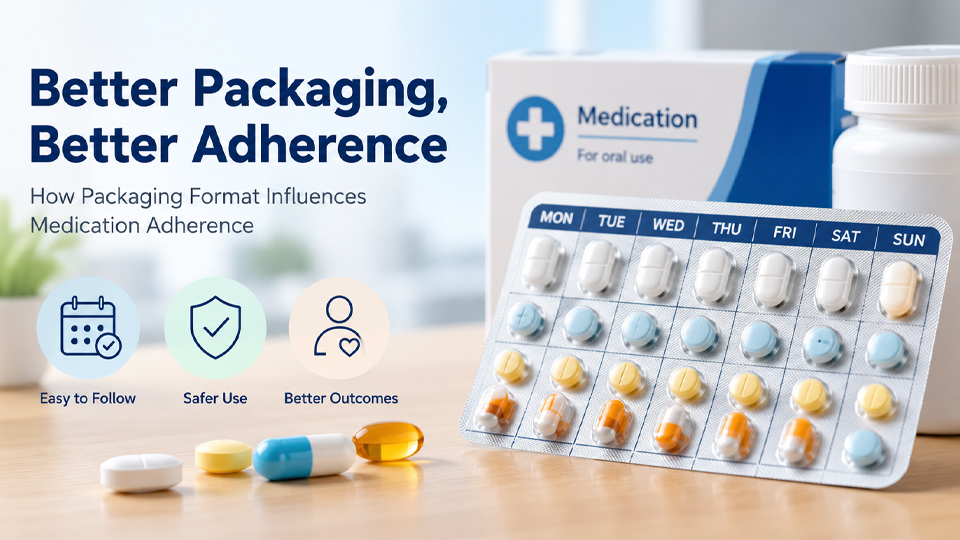
Czym jest walidacja opakowań w przemyśle farmaceutycznym? Kompletny przewodnik dla producentów produktów farmaceutycznych
Czym jest walidacja opakowań w przemyśle farmaceutycznym? Kompletny przewodnik dla producentów produktów farmaceutycznych
Kwiecień 29, 2026
Brak komentarzy
W branży farmaceutycznej, walidacja opakowania jest krytycznym podzbiorem walidacja procesu koncentruje się na zapewnieniu, że sprzęt i procesy pakowania konsekwentnie chronią jakość produktu leczniczego. Obejmuje udokumentowany program kwalifikacji (Instalacja, Operacyjny, Wydajność) i testowanie (np. integralność zamknięcia pojemnika, stabilność, transport) aby udowodnić, że systemy pakowania działają zgodnie z przeznaczeniem w warunkach GMP. Skuteczna walidacja opakowania gwarantuje bezpieczeństwo pacjenta (zapobiegając zanieczyszczeniu, degradacja lub pomieszanie) i zapewnia zgodność z przepisami (FDA, EMA, KTO, I, ISO). W tym przewodniku wyjaśniono definicja, kroki, testy, standardy, I najlepsze praktyki do walidacji opakowań farmaceutycznych, i pokazuje, jak zautomatyzowany sprzęt (tak jak Maszyny Jinlu Packing) został zaprojektowany tak, aby spełniać te rygorystyczne wymagania.
Definicja walidacji opakowania
Walidacja opakowań w środkach farmaceutycznych wykazując udokumentowanymi dowodami że proces pakowania (sprzęt i materiały) niezawodnie wytwarza opakowanie chroniące produkt leczniczy. W rzeczywistości, stosuje te same rygorystyczne koncepcje walidacji, które są stosowane w produkcji (IR/WH/PQ) Do podstawowy, wtórny, i opakowanie trzeciorzędne operacje. Zgodnie z wytycznymi GMP WHO, „Procesy i sprzęt pakowania wymagają walidacji/kwalifikacji w taki sam sposób, jak każda inna część przetwarzania w zakładzie farmaceutycznym”.. Innymi słowy, Walidacja opakowania zapewnia system zamykania pojemników, etykietowanie, i linie pakujące konsekwentnie spełniają specyfikacje jakościowe i wymogi regulacyjne. Celem jest utrzymanie mocy leku, czystość i stabilność dzięki opakowaniu, dystrybucja i trwałość, jednocześnie zapobiegając pomyłkom, podróbki, lub uszkodzenie.
Typowe rezultaty walidacji opakowań obejmują: Specyfikacja wymagań użytkownika (URS) (projekt & kryteria jakości), Protokoły kwalifikacji instalacyjnej/operacyjnej/wydajnościowej, i zapisy z testów. Proces walidacji obejmuje:
Opakowanie podstawowe (pojemnik lub bariera bezpośrednio stykająca się z lekiem, np. fiolki, jamy pęcherzowe, saszetki)
Opakowanie wtórne (np. kartony, etykiety, wstawki, serializacja grupująca pakiety podstawowe)
Opakowanie trzeciorzędne (kontenery do transportu masowego, palety, opakowania chłodnicze do transportu)
Każdy poziom musi chronić produkt. Na przykład, definiuje australijska TGA „opakowanie podstawowe” (pojemnik bezpośrednio przykrywający towar) i wyróżnia opakowanie wtórne jako zewnętrzne pudełko lub opakowanie. Ostatecznie, Walidacja opakowań jest powiązana z GMP – zapewniając to pojemniki i zamknięcia nie wpływają na działanie leku I „zapewniają odpowiednią ochronę przed czynnikami zewnętrznymi” podczas przechowywania i użytkowania.
Dlaczego walidacja opakowania ma kluczowe znaczenie w branży farmaceutycznej
Opakowania farmaceutyczne stanowią ostateczną obronę jakości leków. Walidacja procesów pakowania jest niezbędna, ponieważ:
Zapewnia bezpieczeństwo i integralność produktu: Właściwie walidowane opakowanie zapobiega zanieczyszczeniu, wnikanie wilgoci, lub narażenie na tlen, które mogłoby spowodować rozkład składników aktywnych. Na przykład, nieszczelności lub awarie uszczelnień mogą spowodować przedostanie się drobnoustrojów lub gazów, psując sterylność lub potencję.
Zgodność z przepisami: Agencje (FDA, EMA/I, KTO) wymagają zatwierdzonego opakowania. NAS. FDA 21 CFR 211.94 zabrania zamknięć wpływających na jakość leku i nakazuje zamykanie „zapewniają odpowiednią ochronę przed przewidywalnymi czynnikami zewnętrznymi”. Załącznik GMP UE 1 podobnie to podkreśla „pojemniki należy zamykać odpowiednio zwalidowanymi metodami” (z 100% badanie integralności produktów zamkniętych metodą stapiania). WHO wyraźnie stwierdza, że systemy pakowania muszą być kwalifikowane jak każdy inny proces GMP. Nieprzestrzeganie może oznaczać wspomina, importuj odrzucenia lub audytuj cytaty.
Wydłuża okres przydatności do spożycia: Materiały opakowaniowe i uszczelki sprawdzone w warunkach stabilności pomagają w ustaleniu dokładnych informacji o okresie przydatności do spożycia. Wytyczne ICH Q1A określają nawet, że badania stabilności należy przeprowadzać w „system zamykania pojemnika” zaproponowane dla produktu. Jeśli opakowanie się nie powiedzie, dane dotyczące stabilności są nieprawidłowe.
Serializacja i przeciwdziałanie podrabianiu: Nowoczesne opakowania farmaceutyczne często obejmują serializację, plomby zabezpieczające przed manipulacją, i funkcje zapobiegające podrabianiu. Weryfikacja tych funkcji (np. skanowalność kodów kreskowych, integralność taśm sabotażowych) pomaga zabezpieczyć łańcuch dostaw. Błąd w etykietowaniu lub serializacji może zablokować wydanie produktu.
Jakość i efektywność kosztowa: Wydajne, sprawdzone linie redukują defekty (błędne wypełnienia, błędy w etykietach, zgniecione kartony) i złom. Zautomatyzowane inspekcje (systemy wizyjne do kontroli plomb/etykiet) często stanowią część zatwierdzonych kontroli. Ogólnie, zwalidowane procesy pakowania minimalizują ryzyko dla pacjenta i zapewniają stałe dostawy skutecznych produktów, autentyczne leki.
Kluczowe czynniki wpływające na walidację
Bezpieczeństwo pacjenta: Niewłaściwe opakowanie może zaszkodzić pacjentom (np. zanieczyszczone zastrzyki). Walidacja dokumentuje barierę bezpieczeństwa.
Ograniczanie ryzyka regulacyjnego: Niezatwierdzone procesy wiążą się z wysokim ryzykiem wycofania produktów lub sankcji. Organy regulacyjne oczekują danych kwalifikacyjnych dla każdej linii produkcyjnej.
Globalna dystrybucja: Spełnianie międzynarodowych standardów (FDA/EMA/WHO) wymaga zatwierdzonych opakowań na wszystkich rynkach.
Ciągłość biznesowa: Awarie opakowań przy dystrybucji odpadów i czasu. Walidacja zapewnia „dobry pierwszy raz” działanie w ramach GMP.
Gotowość do audytu: Audyty przeprowadzane przez organy ds. jakości lub organy regulacyjne klientów dokonają przeglądu zapisów dotyczących walidacji opakowań i kwalifikacji sprzętu w ramach inspekcji GMP.
Zakres walidacji opakowań farmaceutycznych
Walidacja opakowania obejmuje wszystkie etapy pakowania. Typowo, rozróżniamy:
Walidacja pierwotnego opakowania: Koncentruje się na zamknięciu pojemnika (fiolki, ampułki, jamy pęcherzowe, butelki). Testy obejmują integralność uszczelnienia, Kompatybilność materialna (ekstrahowalne/wymywalne) i wydajność zamknięcia pojemnika. Do produktów sterylnych, badania szczelności zamknięć pojemników (CCIT) są obowiązkowe w celu zapewnienia utrzymania sterylności.
Wtórna walidacja opakowania: Obejmuje bezpośrednie opakowanie zewnętrzne (kartony, etykiety, ulotki, osuszacze). Obejmuje to kontrolę czytelności/dokładności etykiet, testy upadku kartonu, i testy kompresji skrzynkowej (do transportu). Weryfikacja etykiet zapewnia spójne stosowanie właściwych informacji o pacjencie.
Trzeciorzędna walidacja opakowania: Obejmuje opakowanie zbiorcze/transportowe. Tutaj, testy wydajności, takie jak wibracje, upuszczać, i cykle termiczne (łańcuch chłodniczy) symuluj naprężenia związane z transportem, aby sprawdzić, czy palety i kartony wysyłkowe zachowują integralność produktu i oznakowanie podczas dystrybucji. Standardowe protokoły, takie jak ASTM D4169 (symulacja transportu) są często używane.
Każdy poziom wymaga oceny ryzyka i odpowiednich testów: Na przykład, podstawowy opakowanie może obejmować USP <1207>-testy integralności stylu, chwila wtórny testy opakowań mogą obejmować wytrzymałość kartonu i przyczepność etykiet, I trzeciorzędowy opakowanie wykorzystuje protokoły testowe ISTA/ASTM. Wszystko musi zostać udokumentowane w planie walidacji.
Kluczowe kroki w procesie walidacji opakowania
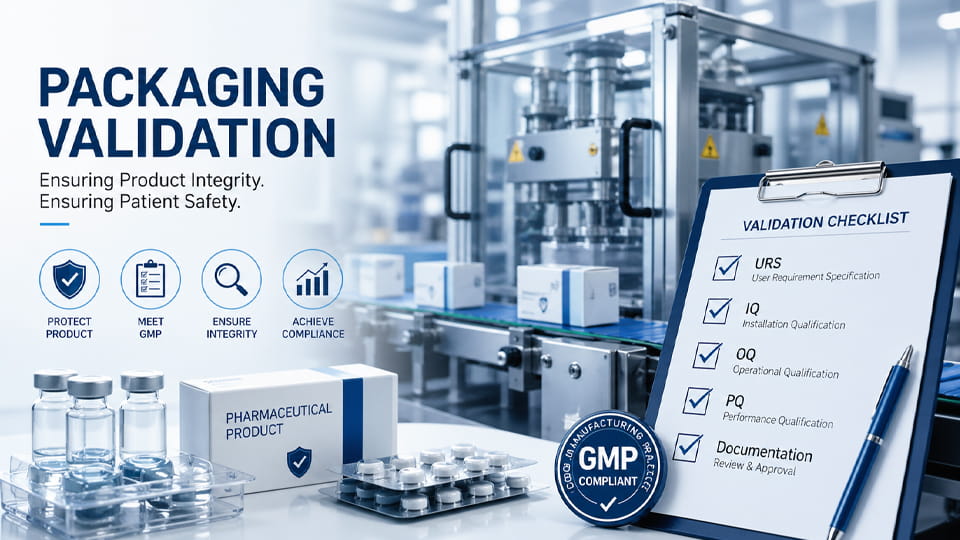
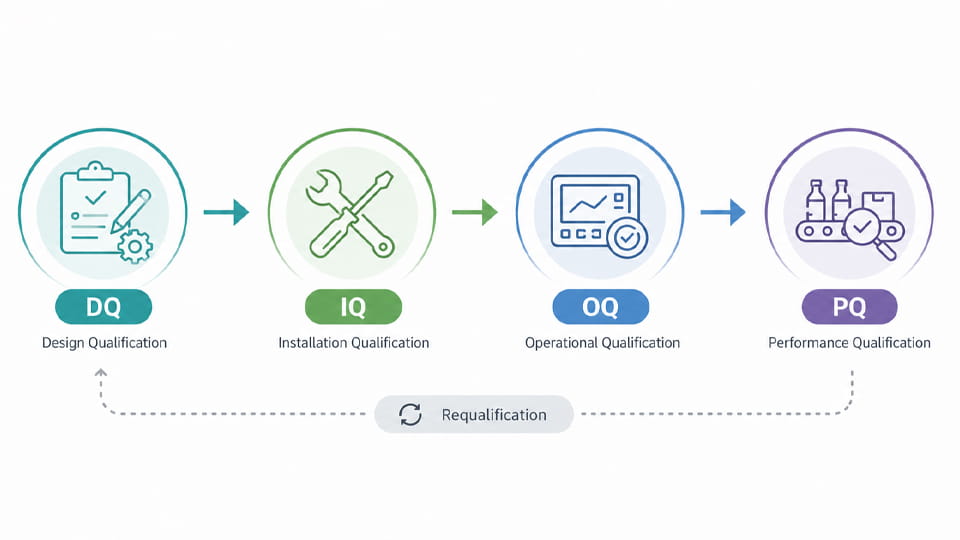
Walidacja opakowania zazwyczaj następuje po cyklu życia kwalifikacji sprzętu/procesu, często opisywany jako DQ/IQ/OQ/PQ. Dzięki tym etapom nowa lub zmodyfikowana linia pakująca spełnia wymagania na każdym etapie.
Kwalifikacja projektowa (DQ): Wczesna faza, w której projekt jest oceniany pod kątem URS (Specyfikacja wymagań użytkownika) i wytyczne GMP. Wszystkie aspekty projektu (funkcje maszyny, przybory, możliwość czyszczenia, zgodność z produktem/materiałami opakowaniowymi) są przeglądane. Dokumenty obejmują URS i specyfikacje projektowe (Specyfikacja projektu funkcjonalnego FDS, Specyfikacje projektu sprzętu/oprogramowania). Często ocena ryzyka (np. DFMEA) ma na celu przewidzenie trybów awarii opakowania.
Kwalifikacja instalacyjna (ILORAZ INTELIGENCJI): Sprawdza, czy maszyna/linia jest prawidłowo zainstalowana zgodnie ze specyfikacjami dostawcy. IQ zawiera listę kontrolną weryfikującą poprawną lokalizację, narzędzia (moc, powietrze, woda), warunki środowiskowe, i prawidłowy montaż. Wszystkie elementy są obecne i nieuszkodzone. Sprawdzana jest kalibracja urządzeń pomiarowych. Elementy dostarczane: Protokoły i raport IQ, świadectwa kalibracji.
Kwalifikacja operacyjna (OK): Sprawdza, czy maszyna działa zgodnie z przeznaczeniem we wszystkich określonych warunkach. Parametry krytyczne (zakresy prędkości, temperatury, ciśnienia, poziomy próżni, moment obrotowy, itp.) są kwestionowane przy ustawieniach min./maks. lub najgorszych. Testy w OQ mogą obejmować uszczelnianie przy ekstremalnych prędkościach, funkcje czujnika/alarmu, zmiany prędkości przenośnika, dokładność etykietowania, dokładność pompy napełniającej. Protokół OQ rejestruje, że każdy test funkcjonalny spełnia kryteria akceptacji.
Kwalifikacja wydajności (PQ): Pokazuje to w normalnych warunkach produkcji, linia konsekwentnie wytwarza produkty spełniające wymagania jakościowe. PQ odbywa się na podstawie rzeczywistych ilości/partii produkcyjnych. Obejmuje uruchomienie linii przez określony czas lub ilość i próbkowanie wyników. Typowe zajęcia: prowadzenie wielu opakowań blistrowych, butelki lub saszetki oraz przeprowadzanie testów QC na próbkach (NP., integralność zamknięcia pojemnika (CCIT), kontrole wagi, kontrola wad wizualnych, wytrzymałość uszczelnienia). PQ pokazuje, że linia może pracować w sposób ciągły przy zachowaniu jakości produktu.
Poniższa tabela podsumowuje etapy DQ – IQ – OQ – PQ:
Scena
Zamiar
Kluczowe dokumenty
Przykładowe działania/testy
Kwalifikacja projektowa (DQ)
Sprawdź, czy projekt systemu pakowania jest zgodny z URS/GMP
Produkcja przebiega; testowanie próbek (CCIT, ciężar wypełnienia, kontrola wizualna)
Jak pokazuje diagram, Walidacja opakowania to proces obejmujący cały cykl życia, od projektu po wykonanie. Zauważ to przekwalifikowanie może być potrzebny po większych zmianach lub okresowo.
Kluczowe testy w walidacji opakowań
Podczas walidacji opakowań powszechnie przeprowadza się kilka specjalistycznych testów:
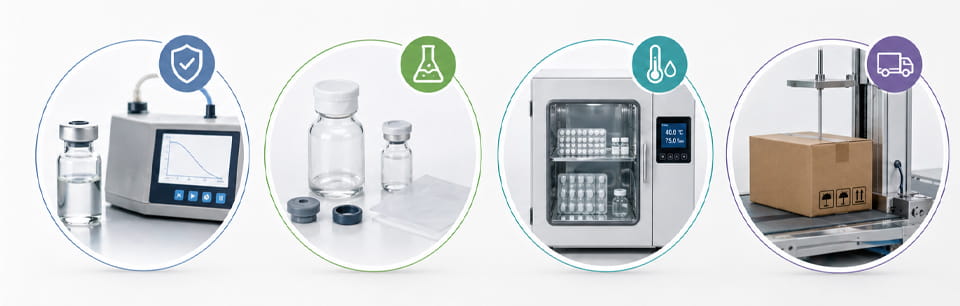
CCIT jest niezbędny w przypadku produktów sterylnych, a nawet niesterylnych. Ocenia czy posiada system zamykania pojemnika (np. fiolka+korek+nakrętka, ampułka, uszczelka blistrowa) tworzy idealną barierę. Metody obejmują zanik próżni, spadek ciśnienia, wnikanie barwnika, lub wyzwanie mikrobiologiczne. Jak wyjaśnia jedno ze źródeł branżowych, „Badanie integralności zamknięcia kontenera (CCIT) to test oceniający adekwatność systemów zamykania pojemników w celu utrzymania sterylnej bariery przed potencjalnymi zanieczyszczeniami.. Dokumenty regulacyjne (USP <1207>, FDA, Załącznik EMA 1) kładź nacisk na testowanie integralności zamknięcia, aby upewnić się, że nie ma wycieków ani naruszeń. Na przykład, USP <1207> zawiera wytyczne dotyczące wyboru metod badania szczelności w celu certyfikacji zapieczętowanych opakowań.
Testowanie kompatybilności materiałów (Ekstrahowane/wymywalne)
Materiały opakowaniowe (tworzywa sztuczne, gumki, atramenty, kleje) nie mogą wchodzić w niekorzystne interakcje z produktem leczniczym. Ekstrahowane i wymywalne badania symulują długotrwały kontakt: ekstrahowalne to substancje chemiczne usuwane z opakowania w trudnych warunkach, i wymywalne to te, które faktycznie migrują do produktu w normalnych warunkach. Testy te zapewniają, że opakowanie nie wprowadza zanieczyszczeń toksycznych lub wpływających na stabilność. Wytyczne farmakopealne i FDA (np. USP <661>, Pytanie 3E) zarys testów E/L dla systemów zamykania pojemników. W rzeczywistości, sprawdza się, czy polimer, powłoki, a materiały etykiet spełniają standardy farmakopealne (np. Typ szkła USP, Specyfikacje gumowych zamknięć ISO). WHO zauważa, że standardy farmakopealne dotyczące zamknięć (jak gumowe zatyczki) Czy „minimalne wymagania” i kładzie nacisk na badania stabilności w celu udowodnienia przydatności.
Testowanie stabilności w opakowaniach
Zgodnie z ICH Q1A, badania stabilności należy przeprowadzić na produkcie leczniczym w jego ostatecznej konfiguracji opakowania. Podczas walidacji, ocenia się wpływ opakowania na stabilność: Na przykład, finalne opakowanie poddawane jest przyspieszonemu starzeniu (wysoka temperatura/wilgotność) i warunkach w czasie rzeczywistym, aby zapewnić brak degradacji (np. wnikanie wilgoci w blistrach, przenikanie tlenu w butelkach). Testy wskazujące stabilność (chemiczne i mikrobiologiczne) są wykonywane. Opakowanie, które nie chroni produktu pod wpływem naprężeń, unieważnia roszczenia dotyczące okresu przydatności do spożycia. Zatem, walidacja obejmuje potwierdzenie, że wybrane opakowanie spełnia wymogi dotyczące trwałości (pokrywa się to z regulacyjnymi protokołami stabilności).
Testowanie transportu i dystrybucji
Opakowanie trzeciorzędne testy symulują rzeczywiste warunki wysyłki. Standardowe badania obejmują badania wysokości upadku, wibracja (symulacja ciężarówki/kolei), kompresja (ciężar układania), i cykliczne zmiany temperatury (zwłaszcza dla łańcucha chłodniczego). Na przykład, ASTM D4169 (dla produktów pakowanych) lub protokoły ISTA. Solidny plan walidacji opakowań sprawdza, czy kartony, skrzynie i skrzynki chronią opakowania podstawowe podczas manipulacji: sprawdzając, czy nie ma uszkodzeń, odklejanie etykiet, lub uszkodzenia spowodowane wilgocią w warunkach dystrybucji. Do łańcucha chłodniczego, mapowanie temperatur, a walidowani izolowani spedytorzy są testowani pod kątem utrzymania wymaganych zakresów temperatur podczas transportu.
Standardy i wytyczne regulacyjne
Walidacja opakowań farmaceutycznych musi spełniać wiele oczekiwań regulacyjnych:
Regulamin cGMP: W USA, FDA 21 Część CFR 211 (podczęść j) reguluje pojemniki i zamknięcia. Sekcja 211.94(ogłoszenie) określa, że pojemniki/zamknięcia nie mogą zmieniać jakości leku i muszą chronić przed przewidywalnym zanieczyszczeniem.
GMP UE: wytyczne europejskie (EudraLex tom. 4) tego wymagać „pojemniki należy zamykać odpowiednio zwalidowanymi metodami” (Załącznik 1) oraz że procesy pakowania są zgodne z GMP (Załącznik 15 na walidacji). Załącznik GMP UE 11 wymaga walidacji systemu komputerowego (w tym linie pakujące ze sterowaniem elektronicznym).
WHO GMP: Seria raportów technicznych WHO 902 (Załącznik 9) wyraźnie stwierdza, że sprzęt pakujący wymaga walidacji, jak każdy inny etap przetwarzania. WHO zapewnia również wytyczne dotyczące integralności opakowania (podobny do UE/ICH).
Wytyczne ICH: Chociaż ICH (Pytanie 7, Pytanie 8, Pytanie 9, Pytanie 10) nie mają konkretnego dokumentu potwierdzającego walidację opakowania, nakazują zarządzanie ryzykiem (Pytanie 9) i jakość według projektu (Q8/Q10) zasady, które mają zastosowanie. Na przykład, ocena ryzyka (Q9) powinien obejmować cechy opakowania (rodzaj zamknięcia, kontrola etykiet) które wpływają na CQA produktu.
Standardy: Do produktów sterylnych, ISO 11607 (do opakowań po sterylizacji wyrobów medycznych) jest często używany przez analogię; Część 2 ISO 11607 definiuje wymagania walidacyjne dla procesów formowania/zgrzewania, co ma znaczenie w przypadku blistrów lub ampułek z lekami do podawania pozajelitowego. Farmakopei (USP, Doktorat. EUR.) zawierają także rozdziały dotyczące testów pakowania (np. USP <381> do zamknięć gumowych, <1207> do badania szczelności).
Podsumowując, każda linia pakująca musi być zgodna z farmakopeą krajową i regionalnymi standardami GMP. Listy kontrolne zgodności zazwyczaj cytują FDA, GMP UE, WHO i odpowiednie normy ISO, i często wymagają w pełni udokumentowanych standardowych procedur operacyjnych i głównych planów walidacji obejmujących opakowania.
Typowe wyzwania w walidacji opakowań
Walidacja opakowań stwarza wyjątkowe wyzwania w porównaniu z procesami produkcyjnymi:
Typ danych i próbkowanie: O sukcesie linii pakującej często decydują: dyskretne wyniki (np. zaliczenie/niezaliczenie pieczęci, łza) zamiast ciągłych pomiarów. Jak zauważa jeden z ekspertów, „rodzaj uzyskiwanych danych… stwarza znaczne wyzwanie. O sukcesie lub porażce często decydują defekty (łzy, dziury, smugi, lub nieszczelne uszczelki)…Ten brak jest wymierny (zmienny) dane często wymagają bardzo dużych próbek, aby proces pakowania mógł zostać zweryfikowany statystycznie.”. Innymi słowy, możesz potrzebować wielu próbek, aby wykazać niezawodność.
Różnorodność technologii: Technologii pakowania jest wiele (pęcherze, kartoniarze, etykiety, pakowacze skrzynek, itp.) od różnych dostawców. Każdy z nich ma inny profil ryzyka, uniemożliwiając stworzenie jednolitego planu walidacji.
Zmień kontrolę: Linie pakujące często obsługują wiele rodzajów produktów (tabletki, płyny, proszki) i wielkości opakowań na tym samym sprzęcie (przy użyciu części zmian lub formatów). Każda zmiana może wymagać ponownej walidacji lub ujęcia w planie walidacji. Zarządzanie tym (. matryca walidacyjna) może być złożone.
Kontrole środowiskowe: Niektóre opakowania (np. opakowania blistrowe leków wrażliwych na wilgoć) wymaga kontrolowanej wilgotności lub obojętnej atmosfery. Walidacja tych kontroli zwiększa złożoność.
Integracja z procesem upstream: Walidacja opakowania zależy od spójności na etapie poprzedzającym. Jeśli granulki leku różnią się wielkością, może to mieć wpływ na zmianę maszyny pakującej (np. wypełnić dżem). Ta współzależność może skomplikować analizę pierwotnych przyczyn awarii opakowań.
Serializacja/śledzenie: Nowoczesne regulacje (np. DSCSA, FMD UE) wymagają serializacji i identyfikowalności. Zapewnienie, że zautomatyzowane linie prawidłowo śledzą każdą jednostkę (i zatwierdzanie przechwytywania danych) dodaje dodatkową warstwę kwalifikacji (walidacja oprogramowania, testy skanera kodów kreskowych, sprawdzanie baz danych).
Niejasność regulacyjna: Paradoksalnie, istnieją ograniczone wyraźne wytyczne FDA/EMA dotyczące wyłącznie „walidacji opakowania”.,”, dlatego firmy często muszą interpretować ogólne wytyczne GMP i walidacji procesów dotyczące opakowań. Może to powodować niepewność co do dokładnego zakresu lub potrzebnych testów.
Pomimo tych wyzwań, podstawowa zasada pozostaje: traktować opakowania jak każdy inny krytyczny proces, z dogłębną kwalifikacją i solidnymi kontrolami jakości. Jak podsumowuje dokument ISPE, walidacja opakowania "różnić się(S) niewiele z walidacji procesów stosowanych do produkcji leków.”.
Najlepsze praktyki w zakresie walidacji opakowań farmaceutycznych
Aby pokonać wyzwania i zapewnić pomyślną walidację, postępuj zgodnie z tymi najlepszymi praktykami:
Wczesna ocena ryzyka: Skorzystaj z Zarządzania Ryzykiem Jakości (Q9) z fazy projektowania. Zidentyfikuj najważniejsze cechy opakowania (np. sterylność, dowód manipulacji, ochrona przed światłem) i odpowiednio ustalaj priorytety testów. Tryb awarii & Analiza efektów (FMEA) jest zalecane podczas DQ w celu zaplanowania zakresu walidacji.
Specyfikacja wymagań użytkownika (URS): Jasno udokumentuj wszystkie wymagania z góry: zdolności produkcyjne, formaty paczek, punkty integracyjne (np. połączenie maszyny blistrowej z kartoniarką), warunki środowiskowe, wymagania dotyczące czyszczenia. Dobrze zdefiniowany URS zapewnia prawidłową walidację.
Standardowe procedury operacyjne (standardowe procedury operacyjne): Utrzymuj szczegółowe SOP dotyczące działania sprzętu, czyszczenie, zmiana, i konserwacja. Walidacja powinna odnosić się do tych standardowych procedur operacyjnych, aby zapewnić spójne ich stosowanie.
Zautomatyzowana inspekcja i kontrola: Włącz kontrole jakości na linii produkcyjnej (np. systemy wizyjne do kontroli wydruków/etykiet, wagi kontrolne, skanery kodów kreskowych, detektory nieszczelności). Nie są to tylko narzędzia kontroli jakości, ale także część walidacji poprzez wykrywanie defektów w czasie rzeczywistym.
Kompleksowa dokumentacja: Przygotuj główny plan walidacji przedstawiający strategię, i zapewnić wszystkie protokoły kwalifikacyjne (IR/WH/PQ) mieć jasne kryteria akceptacji. Prowadź szczegółowe dzienniki wszystkich uruchomień, odchylenia, i ponowne testy. Skorzystaj z list kontrolnych, aby upewnić się, że nic nie zostało przeoczone.
Szkolenie i personel: Operatorzy i personel kontroli jakości muszą zostać przeszkoleni zarówno w zakresie sprzętu, jak i procedur walidacji. Tylko wykwalifikowany personel powinien przeprowadzać testy walidacyjne i rejestrować wyniki.
Oprogramowanie i zapisy elektroniczne: Do komputerowego sterowania, postępuj zgodnie z FDA 21 CFR Część 11/Załącznik GMP 11: sprawdzić oprogramowanie, ścieżki audytu, podpisy elektroniczne (zapewnić bezpieczeństwo, kopie zapasowe). Nawet niesterylne linie pakujące często wyposażone są w sterowniki PLC/HMI, które wymagają walidacji.
Projekt do walidacji: Kiedy tylko to możliwe, wybieraj maszyny z funkcjami upraszczającymi walidację: np. serwonapędy ze sterowaniem cyfrowym (dla precyzyjnych, powtarzalne parametry), higieniczne ramy ze stali nierdzewnej (dla łatwego czyszczenia), łatwe do wymiany części (aby zmniejszyć wysiłek związany z czyszczeniem pomiędzy formatami), i modułowy projekt (aby ograniczyć liczbę konfiguracji wymagających testowania).
Bieżąca weryfikacja: Walidacja opakowania nie jest „jednorazowa”. Wdrażaj wyzwalacze okresowych przeglądów lub ponownej walidacji (np. po większej konserwacji, ulepszenia sprzętu, lub znaczny dryf procesu). Stosuj statystyczną kontrolę procesu (SPC) na temat kluczowych wskaźników (zróżnicowanie ciężaru wypełnienia, wskaźnik defektów) aby wcześnie wychwycić trendy.
Integralność danych: Stosuj zasady ALCOA+: wszystkie dane walidacyjne (zapisy testów, Raporty kontroli jakości, kalibracje) musi być przypisane, czytelny, współczesny, oryginalny, i dokładne. Korzystaj z oprawionych notatników lub zatwierdzonych systemów elektronicznych.
Uwzględniając myślenie o walidacji na każdym etapie – od projektu po codzienną eksploatację – producenci mogą zapewnić, że linie pakujące dostarczają produkty spełniające oczekiwania w zakresie jakości i zgodności.
Rola maszyn pakujących w walidacji
Wybór i konstrukcja sprzętu pakującego mają ogromny wpływ na powodzenie walidacji. Wysokiej jakości maszyny pakujące zostały zaprojektowane tak, aby spełniać wymagania GMP i ułatwiać kwalifikację. Na przykład, Jinlu Packing zautomatyzowane maszyny są zbudowane z funkcjami usprawniającymi walidację:
Precyzja i konsekwencja: Jinlu's Maszyny pęcherzy, kartoniarze i wypełniacze wykorzystują serwomotory i precyzyjną mechanikę, aby zapewnić stałe ciśnienie zgrzewania, objętości wypełnienia, i indeksowanie. Ta powtarzalność jest kluczowa dla zdania testów OQ i PQ (np. zapewnia urządzenie podające napędzane serwo „dokładne pozycjonowanie” na ich linii blistrowej).
Higieniczny projekt: Materiały i powierzchnie to stal nierdzewna lub tworzywa sztuczne zgodne z wymogami FDA, zaprojektowany z myślą o łatwym czyszczeniu. Gładki, nachylone powierzchnie zapobiegają osadzaniu się kurzu. Wspiera to zgodność z GMP i upraszcza walidację czyszczenia.
Możliwość dostosowania do formatów: Jinlu oferuje niestandardowe podajniki i szyny prowadzące dla różnych typów opakowań (Widzieć Podajniki niestandardowe na stronach produktów). Posiadanie odpowiedniego oprzyrządowania zmniejsza zmienność i przyspiesza zmianę formatu, co ogranicza potrzebę ponownej kwalifikacji podczas zmiany formatów.
Zintegrowane sterowanie: Nowoczesne linie Jinlu są wyposażone w sterowanie PLC/HMI, które może generować elektroniczne zapisy wsadowe. Na przykład, maszyna do napełniania płynów ma AI Siemens PLC/HMI za proste, identyfikowalna operacja. Takie cyfrowe elementy sterujące obsługują rejestrację danych (zgodnie z 21 CFR Część 11/Załącznik 11) – kluczowe dla sprawdzenia, czy wartości zadane i alarmy działają zgodnie z przeznaczeniem.
Dokumentacja walidacyjna: Jinlu zapewnia pełną dokumentację (Arkusze danych, podręczniki, itp.). Na przykład, lista stron produktów „Pełny zestaw dokumentów technicznych” i kładą nacisk na dostarczanie szczegółowej dokumentacji projektowej i testowej. Dostawca chcący przeprowadzić fabryczny test odbiorczy (TŁUSZCZ) protokoły lub zestawy IOQ znacznie zmniejszają obciążenie użytkownika związane z walidacją.
Certyfikaty jakości: Jinlu niesie maszyny CE, cGMP i inne certyfikaty, wskazując, że spełniają określone standardy jakości i bezpieczeństwa (zobacz logo cGMP na zdjęciach specyfikacji produktu). Korzystanie z certyfikowanego sprzętu może usprawnić przegląd przepisów.
W rzeczywistości, może obejmować zwalidowaną linię pakującą: Jinlu maszyna pakująca w blistry powiązany z A maszyna kartonowa I linie liczenia/napełniania. Każdy sprzęt musi być kwalifikowany (IR/WH/PQ). Systemy Jinlu zostały zaprojektowane tak, aby bezproblemowo ze sobą współpracować (np. „wysoce zautomatyzowana linia do pakowania w blistry” aż do 320 kartony/min), ograniczenie problemów z integracją podczas walidacji. Oferujemy również studia przypadków (np. kompletny Linia liczenia i butelkowania, lub automatyczne kartonowanie & linia do etykietowania) które demonstrują kompleksowe, sprawdzone rozwiązania.
DPH-270MAX Roller Blister Machine
Współpracując z Jinlu lub podobnymi producentami, firmy czerpią korzyści ze sprzętu „Zgodny z cGMP”, obsługuje pełny cykl życia walidacji, i obejmuje wsparcie posprzedażowe (uruchomienie, szkolenie) aby mieć pewność, że linia pozostanie sprawdzona.
Wniosek
Walidacja opakowania ma zasadnicze znaczenie dla jakości i zgodności farmaceutycznej. Traktując operacje pakowania równie rygorystycznie, jak podstawowe etapy produkcji, firmy dbają o to, aby ich produkty bezpiecznie docierały do pacjentów. Proces obejmuje definicję (URS, ocena ryzyka), kwalifikacja (DQ/IQ/OQ/PQ), Testowanie (CCIT, stabilność, transport), i ciągłe monitorowanie. Reguluje to przepisy GMP (FDA, EMA, KTO) i standardy branżowe.
Nowoczesne zautomatyzowane urządzenia pakujące – takie jak maszyny Jinlu Packing – odgrywają kluczową rolę w walidacji. Zaprojektowany z myślą o precyzji, higiena i identyfikowalność elektroniczna, pomagają producentom skutecznie spełniać kryteria walidacji. Przy wyborze linii pakujących, rozważ dostawców, którzy zapewniają pełną dokumentację walidacyjną i wsparcie.
Ostatecznie, Dokładna walidacja opakowania jest „ostateczne zabezpieczenie jakości produktu i bezpieczeństwa pacjentów”, zgodność zarówno z wymogami regulacyjnymi, jak i celami biznesowymi.
Gotowy do sprawdzenia Twojej linii pakującej?Skontaktuj się z ekspertami Jinlu Packing aby omówić rozwiązania w zakresie opakowań zgodnych z GMP lub poprosić o wycenę.
Często zadawane pytania dotyczące walidacji opakowań w przemyśle farmaceutycznym
Jaka jest różnica między walidacją opakowania a walidacją procesu?
Walidacja procesu zazwyczaj odnosi się do etapów wytwarzania substancji leczniczej lub produktu leczniczego luzem (np. mieszanie, granulacja, kompresja). Walidacja opakowań dotyczy w szczególności zasad walidacji operacji pakowania (opieczętowanie, etykietowanie, wypełnienie kartonu, itp.). Jednakże, oba mają ten sam cykl życia DQ/IQ/OQ/PQ i wymagania GMP. Esencjonalnie, Walidacja opakowania zapewnia proces pakowania (nie tylko proces produkcyjny) konsekwentnie spełnia wymagania jakościowe.
Jakie badania są wymagane do walidacji opakowań farmaceutycznych?
Kluczowe testy obejmują szczelność zamknięcia pojemnika (CCIT) w celu sprawdzenia plomb, Kompatybilność materialna (badania substancji ulegających ekstrakcji/wymywaniu), testy stabilności (lek w opakowaniu końcowym pod wpływem stresu), i testy dystrybucji (zaszokować, wibracja, temperatura podczas transportu). Dodatkowe kontrole obejmują dokładność etykiety, systemy kontroli wizualnej, waga/ważenie kontrolne, oraz wszelkie testy specyficzne dla zamówienia (np. sterylna wytrzymałość filmu). Wszystkie testy powinny mieć z góry określone kryteria akceptacji i być udokumentowane.
Ile czasu zwykle trwa walidacja opakowania?
Harmonogram zależy od złożoności (liczba formatów, sprzęt, witryny). Jednoliniowy IQ/OQ/PQ może wahać się od kilku tygodni do kilku miesięcy. Czynniki: liczba testów parametrów OQ, wymagane rozmiary próbek w PQ, i czas na wykonanie testu (np. stabilność w warunkach przyspieszonych zajmuje tygodnie). Planowanie działań równoległych (jak przygotowywanie protokołów przed przybyciem sprzętu) może zaoszczędzić czas.
Jakie dokumenty regulują walidację opakowań?
Podstawowymi odniesieniami są przepisy GMP: 21 Część CFR 211 (amerykańska FDA), EudraLex tom. 4 (GMP UE, Załącznik 1 I 15), oraz Załącznik GMP WHO 9. ICH Q7/Q10 zapewniają ogólne zasady walidacji, ICH Q9 obejmuje zarządzanie ryzykiem w przypadku decyzji dotyczących pakowania, i ISO 11607-2 dotyczy walidacji procesu pakowania sterylnego. Standardy farmakopealne (USP, Doktorat. EUR.) i lokalne wytyczne (np. Chińskie NMPA, Indie Harmonogram M) wpływają również na wymagania dotyczące opakowań. Zawsze dostosuj się do przepisów rynku docelowego.
W jaki sposób Jinlu Packing wspiera walidację opakowań?
Maszyny pakujące Jinlu są zbudowane dla GMP. Dostarczają dokumenty projektowe (URS, FDS), świadectwa kalibracji, oraz wsparcie OQ/PQ. Ich wyposażenie (Maszyny pęcherzy, kartoniarze, linie napełniania) charakteryzuje się precyzyjnym sterowaniem serwomechanizmem i konstrukcją higieniczną, aby spełnić wymagania walidacyjne. Jak pokazano na stronie Jinlu, maszyny noszą logo cGMP/CE i są dostarczane z kompletami dokumentacji technicznej. Jinlu oferuje również wsparcie w zakresie instalacji i sprawdzania poprawności, niestandardowe rozwiązania, oraz szkolenia pomagające we wdrażaniu zatwierdzonych linii pakujących. Aby uzyskać więcej informacji, zobacz strony dotyczące maszyn do pakowania w blistry lub maszyn do pakowania w kartony Jinlu.
Drobny Fu, Założyciel Jinlupackingu, przynosi 20 lat doświadczenia w sektorze maszyn farmaceutycznych. Pod jego kierownictwem, Jinlu wyrosło na zaufanego dostawcę integrującego projektowanie, produkcja, i sprzedaż. Petty z pasją dzieli się swoją głęboką wiedzą branżową, aby pomóc klientom poruszać się po zawiłościach opakowań farmaceutycznych, zapewnienie, że otrzymają nie tylko sprzęt, ale prawdziwe partnerstwo w zakresie kompleksowych usług dostosowanych do ich celów produkcyjnych.