
W produkcji farmaceutycznej, produkcja seryjna pozostaje standardową metodą wytwarzania leków. Każda partia – określona ilość wyprodukowana w jednej serii – ma przypisany unikalny numer numer partii. Liczba ta jest kluczowa dla identyfikowalność, Kontrola jakości, I Zgodność z GMP/FDA. Łącząc produkty z powrotem z ich rekordami partii, producenci mogą szybko zbadać problemy, izolować defekty, i w razie potrzeby przeprowadzaj ukierunkowane wycofanie. Nowoczesny Linie pakowania (pęcherze, rozlew, kartonowanie, etykietowanie) integrują systemy kodowania i kontroli, które drukują i weryfikują numery partii na każdym egzemplarzu. W tym artykule wyjaśniono, czym jest produkcja seryjna i numery partii, dlaczego są tak ważne w farmacji, i jak maszyny pakujące (drukarki kodujące, etykiety, systemy wizyjne, itp.) zapewnić dokładne śledzenie partii. Omawiamy także najlepsze praktyki i często zadawane pytania, aby pomóc kierownikom ds. zakupów/produkcji i inżynierom zajmującym się pakowaniem w zrozumieniu, w jaki sposób wykorzystać numerację partii jakość, zgodność i wydajność.
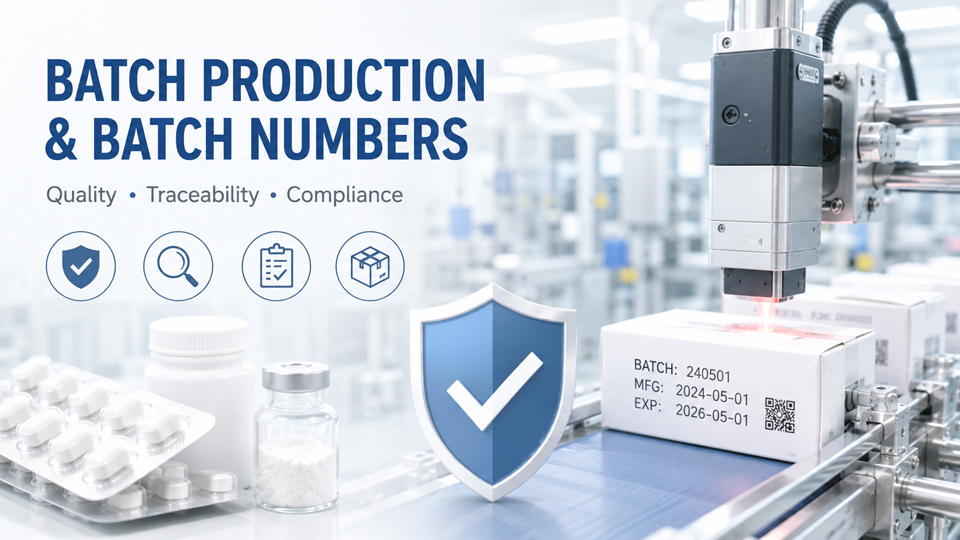
W branży farmaceutycznej, A “seria” zazwyczaj odnosi się do określonej ilości produktu wytworzonego w jednym cyklu produkcyjnym – w oparciu o te same instrukcje produkcyjne – który posiada jednolite cechy jakościowe. Według USA. Definicja FDA, A “seria” to określona ilość substancji leczniczej lub materiału w postaci dawkowania, która ma mieć jednakową jakość.
Produkcja seryjna oznacza wytwarzanie ustawić ilość produktu za jednym razem, następnie rozpoczęcie nowego cyklu dla następnej partii. Wiąże się to z przetwarzaniem surowców na każdym etapie produkcji (mieszanie, granulacja, kompresja, itp.) Do jedna partia, wykonanie wszystkich kroków, następnie czyszczenie sprzętu przed rozpoczęciem kolejnej partii. Różni się od ciągła produkcja, gdzie linia nigdy się nie kończy. W tradycyjnym przetwarzaniu wsadowym, „bieżąca partia musi się zakończyć, zanim będzie można przetworzyć kolejną partię”.
Serie wsadowe są szczególnie powszechne w produkcji farmaceutycznej, ponieważ wiele receptur wymaga ścisłej kontroli i okazjonalnych czyszczenia pomiędzy partiami. Każda partia wytwarza stała liczba jednostek - mowić 100,000 tabletki lub 50,000 kapsułki. Robiąc to, firmy mogą dostosować produkcję do popytu i potrzeb jakościowych. Na przykład, jeśli skład tabletki ulegnie zmianie lub będzie inny tabletkarka jest potrzebne, nowa partia rozpoczyna się od świeżej, w kontrolowanych warunkach. To podejście krok po kroku pomaga w utrzymaniu konsystencja.
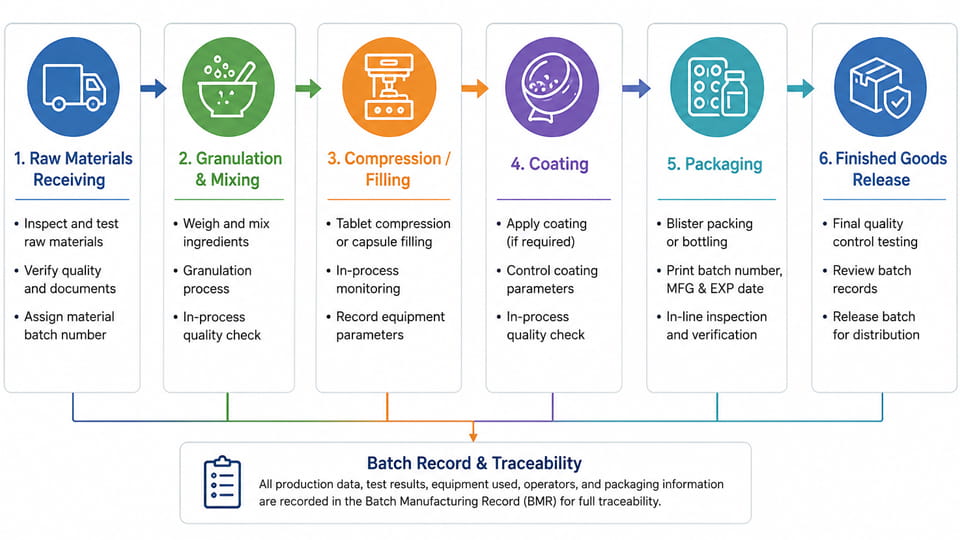
Postać: Uproszczony przepływ produkcji seryjnej w przemyśle farmaceutycznym.
W rzeczywistości, po napełnieniu kapsułki lub sprasowaniu tabletki, linia często się zatrzymuje, zostaje oczyszczony, i rozpoczyna się następna partia. Jest to kamień węgielny GMP, ponieważ zapobiega zanieczyszczeniu krzyżowemu i umożliwia indywidualną kontrolę każdej partii. Jeśli coś pójdzie nie tak (powiedzieć, że test laboratoryjny się nie powiódł), tylko ta partia jest izolowana. Jak zauważa jedno ze źródeł branżowych, „przy użyciu produkcji seryjnej, firmy farmaceutyczne mogą wyprodukować określone ilości produktu, a następnie dostosować swoje priorytety do zmieniającego się popytu”.
A numer partii (czasami nazywany dużą liczbą) to unikalny kod nadawany jednej partii produktu. Jest wybity lub wydrukowany na każdym urządzeniu (lub jego opakowanie) z tej partii. W prostych słowach, numer partii wiąże każdą tabletkę lub fiolkę z dokładną serią produkcyjną. Według ekspertów, „numer partii to unikalny identyfikator przypisany grupie produktów, które zostały wytworzone wspólnie w tych samych warunkach”. Podsumowuje to inny przewodnik branżowy: partia to ilość wyprodukowana w jednej serii, a numer partii identyfikuje tę serię.
Jak wygląda numer partii? Nie ma jednego globalnego formatu – firmy tworzą własne kodowanie. Często numer partii zawiera pewną kombinację data, kod linii lub zakładu, i sekwencja. Na przykład: B12345678-AB, gdzie „B” może oznaczać kod produktu lub kategorię, liczby stanowią kolejny identyfikator partii, a „AB” może wskazywać roślinę lub linię. Podobnie, liczba jak TAB240501-001 można podzielić na „TAB” (kod produktu dla tabletu), „240501” (Móc 1, 2024), i „001” (seria 1 dnia). Inny przykład: CAP250318A03 może oznaczać kapsułki (CZAPKA), data 25-marca-18, linia A, seria 03. Kluczem jest konsekwencja: każda część kodu ma znaczenie.
Niezależnie od formatu, numer partii jest odnotowywany we wszystkich dokumentach produkcyjnych. Jego „konsekwentnie i systematycznie dokumentowane – od produkcji po składowanie”. Zwykle jest drukowany na obu opakowaniach podstawowych (jak butelka pigułki) oraz na opakowaniu wtórnym (jak karton lub pudełko). Krótko mówiąc, numer partii jest łącznikiem pomiędzy produktem na półce a historią jego wytwarzania.
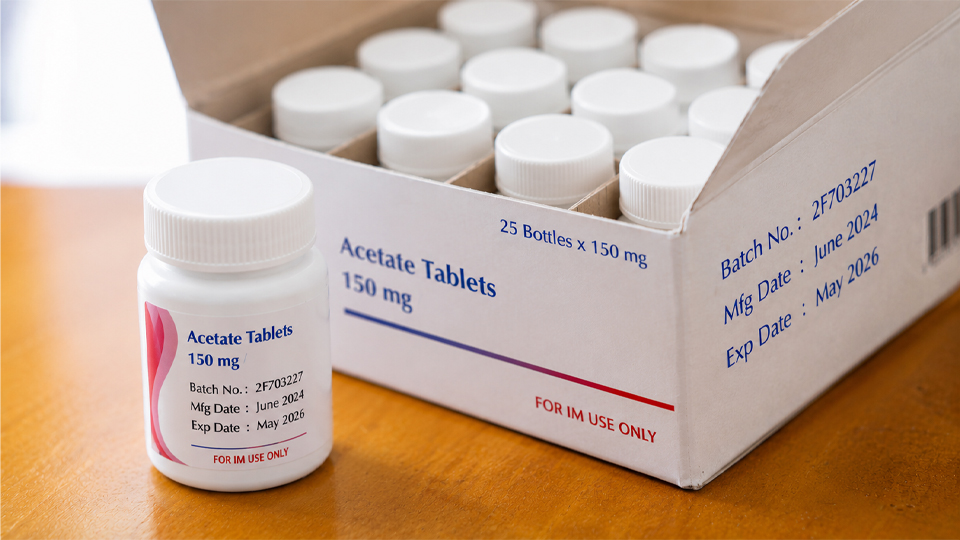
Posiadanie numeru partii może wydawać się tylko dodatkową etykietą, ale tak naprawdę to jest Wymóg GMP i narzędzie o krytycznym znaczeniu dla jakości. Organy regulacyjne na całym świecie nakładają obowiązek numerowania partii produktów farmaceutycznych. Na przykład, zasady CGMP amerykańskiej FDA (21 CFR 211.130) wyraźnie wymagają, aby na etykietach leków znajdowała się informacja o partii lub numer kontrolny „pozwala na ustalenie historii wytwarzania i kontrolę partii”. Innymi słowy, każdy lek sprzedawany w USA musi mieć partię (działka) na nim numer, aby można było prześledzić jego pełną historię. Podobnie, Wytyczne UE i PIC/S GMP jasno określają, że każda partia musi być jednoznacznie zidentyfikowana i zarejestrowana, aby zapewnić jakość produktu i bezpieczeństwo pacjenta.
Dlaczego to takie ważne? Przyczyny możemy pogrupować w identyfikowalność, zgodność, jakość, wspomina, i dochodzenia:
Numery partii są punktami kontrolnymi identyfikowalności. Tworzą bezpośrednie połączenie pomiędzy gotowym produktem a wszystkim, co zostało włożone w jego powstanie. Z numerem partii, możesz odpowiedzieć „Jakie surowce, operatorzy, maszyny, a wyniki testów trafiły do tej partii?”. Na przykład, jeżeli oznaczona jest partia leku BN12345, zespoły ds. jakości dokładnie wiedzą, jakie numery partii składników zostały użyte (mowić, API dużo i substancja pomocnicza nawał), jaką tabletkarkę zastosowano, którzy operatorzy pełnili służbę, a nawet wyniki kontroli w trakcie procesu i końcowych testów kontroli jakości. “BNumery atchów służą jednemu podstawowemu celowi: identyfikowalność”. Pozwalają zlokalizować problemy i zweryfikować każdy krok od początku do końca. Krótko mówiąc, każdy numer partii przypomina szczegółową ścieżkę nawigacyjną w procesie produkcyjnym.
Farmaceutyczny GMP (Dobra Praktyka Produkcyjna) regulamin wymagać tę identyfikowalność. Agencje oczekują, że historia każdej partii będzie rejestrowana. Na przykład, w UE GMP Q&A, inspektorzy zauważają, że partie produktów masowych i partii gotowych powinny być powiązane w sposób identyfikowalny (często przy użyciu powiązanych kodów partii). Ostrzegają, że posiadanie niepowiązanych numerów partii w przypadku produktów zbiorczych w porównaniu z. są ostatnie paczki "niepożądany" ponieważ może to zmylić wysiłki związane z wycofaniem. Na wyższym poziomie, Wytyczne PIC/S stanowią, że firmy muszą przestrzegać zapisy dystrybucji dla każdej partii aby w razie potrzeby można było szybko wycofać dowolną partię. Podobnie, Mam pytanie 7A (dla interfejsów API) mówi, że „powinien istnieć system, dzięki któremu można łatwo określić dystrybucję każdej partii… co umożliwi jej wycofanie”. Innymi słowy, Organy regulacyjne oczekują, że numery partii będą powiązane z całym systemem rejestracji GMP: zapisy dotyczące produkcji seryjnej, zapisy opakowań, dzienniki dystrybucji, itp. Bez numerów partii, spełnienie tych wymagań byłoby niemożliwe.
Posiadanie numeru partii umożliwia systematyczną kontrolę jakości. Każda partia jest testowana indywidualnie: analiza, rozpuszczenie, czystość, sterylność i tak dalej. Jeśli test się nie powiedzie, laboratorium może szybko zidentyfikować partię na podstawie jej numeru i usunąć wszystkie jednostki posiadające ten kod. Jak zauważył jeden z przewodników, „w przypadku wykrycia problemu z jakością, dotkniętą partię można szybko wyizolować i przeanalizować w celu zidentyfikowania i rozwiązania pierwotnej przyczyny”. W rzeczywistości, oznacza to, że niespójne lub niespełniające norm wyniki dotyczą tylko jednej partii, nie cała produkcja. Numer partii wiąże wynik negatywnego testu z rzeczywistym materiałem w partii. Takie podejście gwarantuje podjęcie działań naprawczych (jak ponowne przetwarzanie lub odrzucenie) stosować tylko tam, gdzie jest to konieczne, a nie do innych dobrych partii przez pomyłkę.
Numery serii są niezbędne w przypadku wycofania produktu. Jeśli pojawi się zagrożenie bezpieczeństwa – powiedz, zanieczyszczenie wykryte w badaniach laboratoryjnych lub zdarzenia niepożądane zgłoszone przez pacjentów – firma musi dokładnie określić, których produktów dotyczy problem. Ponieważ każde wysłane pudełko lub butelka ma ten unikalny kod partii, przywołanie może być skierowane tylko na te jednostki. Wytyczne PIC/S mówią, że należy prowadzić rejestry dystrybucji dla każdej partii „w celu ułatwienia przypomnienia”. I eksperci branżowi to potwierdzają: „Identyfikowalność partii jest niezbędna dla skuteczności wycofywania produktów”. GMP Trends ostrzega, że bez unikalnych numerów partii, wspomnienie staje się koszmarem. Jeśli dwa różne produkty mają ten sam numer partii, być może będziesz musiał wyciągnąć z rynku więcej, niż to konieczne, narażając pacjenta na szkodę lub skutki prawne. Z odpowiednim kodowaniem partii, wycofana zostanie tylko problematyczna partia, oszczędność czasu, koszt i zmartwienie. „Zamiast wycofywać wszystkie produkty, należy wycofać jedynie dotknięte partie” w ukierunkowanym przypomnieniu.
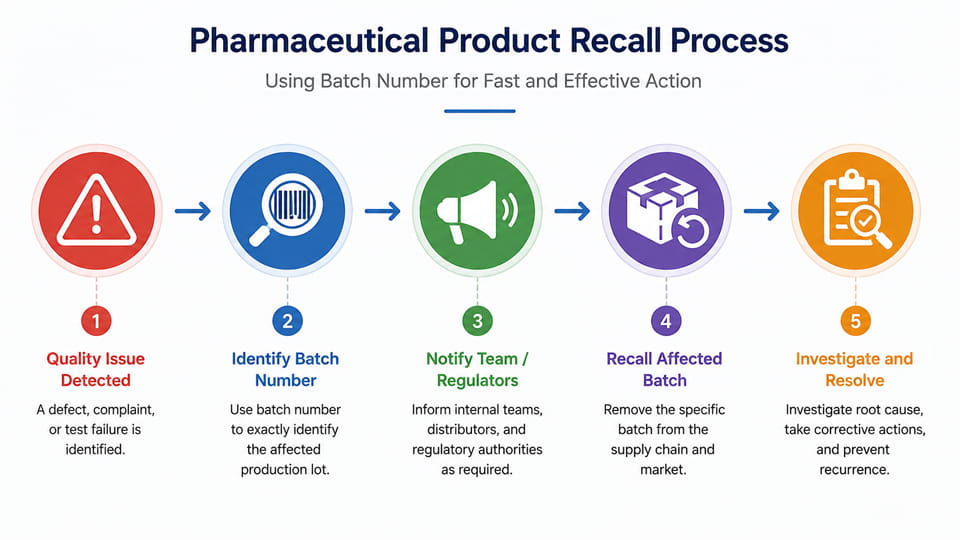
Postać: Uproszczony proces wycofywania produktów z wykorzystaniem numerów partii.
Zawsze, gdy coś pójdzie nie tak – niezależnie od tego, czy jest to skarga klienta, odchylenie, lub nieudany test – numery partii ułatwiają dochodzenie. Zespoły ds. jakości mogą prześledzić wszystkie aspekty tej partii. Wiedzą dokładnie Kto poradził sobie z tym, Kiedy I Gdzie to zostało zrobione, I jakie materiały były używane. „Kto wyprodukował produkt, kiedy został wyprodukowany, gdzie został wyprodukowany, jakich maszyn i surowców użyto”. Dzięki tej informacji nie musisz zgadywać. Na przykład, jeśli twardość tabletu test kończy się niepowodzeniem, osoba zapewniająca kontrolę jakości może sprawdzić, czy ta konkretna partia miała inną wilgotność granulacji lub inną prędkość prasy. Innymi słowy, numery partii eliminują martwe punkty i przyspieszają analizę przyczyn źródłowych.
Podsumowując, numery partii są wymagane przez organy regulacyjne (FDA, EMA/PIC/S, KTO) ponieważ zapewniają pełna identyfikowalność i kontrola każdej wyprodukowanej partii. Bezpośrednio wspierają zgodność z GMP, zapewnienie jakości, i bezpieczne, skuteczne przypomnienia. W rzeczywistości, w branżach regulowanych, takich jak farmacja, numerowanie partii nie jest opcjonalne – jest to wymóg prawny. Jeśli producent nie może prześledzić wady w swojej partii, organy regulacyjne mogą nakładać kary, a wycofania mogą mieć katastrofalnie szeroki zakres.
W wielu branżach, warunki numer partii I numer partii są często używane zamiennie. W farmaceutykach, „numer partii” jest bardziej powszechny (powiązany z GMP i zapisem partii), ale koncepcja jest podobna. Główną różnicą jest zakres:
| Numer partii | Numer partii | |
| Definicja | Identyfikuje pojedyncza seria produkcyjna produktu na jednym zestawie warunków. | Często odnosi się do większej grupy, która może obejmować wiele partii mających tę samą recepturę lub ramy czasowe. |
| Zastosowanie w przemyśle | Standard w farmacji (i biologii) do produkcji seryjnej i testowania wersji. | Powszechne w żywności, kosmetyki, itp.; czasami używany w farmacji, ale może obejmować wiele partii. |
| Identyfikowalność | Powiązany ze szczegółową historią jednej partii (przybory, sprzęt, dokumentacja). | Łączy ze sobą kilka partii, zwykle do grupowania w ramach pobierania próbek lub kontroli jakości, zamiast szczegółowego śledzenia. |
| Przykład | Seria #001 na bieganie 1 stycznia 1, 2024 tabletki antybiotykowej (jeden bieg). | Działka 202401 może zawierać Batch #001 I #002 tych samych tabletek antybiotyków, które zostały wyprodukowane w styczniu 2024. |
A numer partii zwykle odnosi się do jednej konkretnej serii produkcyjnej, mając na uwadze, że a numer partii może obejmować wiele serii wykonanych w podobnych warunkach. W rzeczywistości, niektóre firmy używają ich zamiennie. Ale w ścisłych warunkach GMP, każdy seria ma swój własny zapis i numer. Wiele dokumentów regulacyjnych (jak FDA i PIC/S) faktycznie odnosić się do numer partii lub partii razem, potwierdzając, że są one funkcjonalnie takie same dla celów identyfikowalności.
Numer partii może wyglądać jak prosta kombinacja liter i cyfr, ale za nim kryje się starannie zaprojektowany system identyfikacji. Każda firma farmaceutyczna ustala własne zasady numeracji w ramach wewnętrznych standardowych procedur operacyjnych (standardowe procedury operacyjne), zapewnienie, że żadne dwie partie produkcyjne nie otrzymają tego samego identyfikatora.
Typowy numer partii zazwyczaj łączy w sobie kilka informacji o produkcji. Na przykład:
TAB-240501-001
Zamiast być przypadkowymi postaciami, każda sekcja ma określone znaczenie. “PATKA” może reprezentować produkt w postaci tabletu, “240501” wskazuje datę produkcji, chwila “001” identyfikuje pierwszą partię produkcyjną ukończoną tego dnia.
Niektórzy producenci dołączają również dodatkowe identyfikatory, takie jak linie produkcyjne, warsztaty, lub zmiany. Producent kapsułek, na przykład, może wygenerować numer partii, taki jak CAP-250318-B02, Gdzie “B” odnosi się do linii produkcyjnej B i “02” reprezentuje drugą partię wyprodukowaną podczas tej zmiany.
Dokładny format różni się w zależności od firmy, ale każdy skuteczny system numerowania partii opiera się na trzech podstawowych zasadach:
Zasady te umożliwiają producentom odzyskanie pełnej historii produkcji dowolnego produktu w ciągu kilku minut, dokładnie tego oczekują inspektorzy regulacyjni podczas audytów GMP.
Cały proces produkcyjny każdej partii musi być udokumentowany w A Zapis produkcji seryjnej (BPR), zwany także A Zapis produkcji seryjnej (BMR). Zapisy te służą jako dziennik produkcji każdej partii, wykazujące, że produkt został wytworzony według zatwierdzonej receptury, instrukcje produkcyjne, i wymagania GMP. Zgodnie z przepisami FDA, Dla każdej serii produktu leczniczego należy przygotować rejestr produkcji i kontroli serii, który powinien zawierać pełne informacje dotyczące produkcji i kontroli.
Typowy BPR obejmuje:
The numer partii pojawia się w całym BPR i służy jako kluczowy identyfikator łączący wszystkie zapisy produkcyjne. Po zakończeniu produkcji, BPR musi zostać sprawdzone i zatwierdzone przez Dział Zapewnienia Jakości (Kontrola jakości) departamentu przed zwolnieniem partii. Podczas inspekcji GMP, organy regulacyjne dokładnie sprawdzają, czy informacje zapisane w BPR są zgodne z numerem partii wydrukowanym na gotowym produkcie. Kompleksowy system rejestrowania partii umożliwia producentom szybkie odzyskiwanie zapisów produkcyjnych, wyniki laboratoryjne, i informacje dotyczące dystrybucji przy każdym badaniu jakości, skarga klienta, Lub wycofanie produktu występuje, co czyni go jednym z kamieni węgielnych nowoczesnego zarządzania jakością farmaceutyczną.
Nowoczesne linie pakowania produktów farmaceutycznych są powszechnie zintegrowane z automatycznymi systemami kodowania i kontroli, które to umożliwiają automatycznie drukuj i weryfikuj numery partii w całym procesie pakowania. W zależności od formatu opakowania, różne typy sprzętu wykorzystują informacje o partii na różne sposoby:
Gotowe rozwiązania w zakresie opakowań farmaceutycznych firmy Jinlu Packaging integrują kodowanie, kontrola, i automatyzację w jedną linię produkcyjną. Na przykład, linia do pakowania blistrowego może automatycznie wydrukować unikat numer partii i kod QR na każdym blistrze, a wbudowany system kontroli wizyjnej natychmiast weryfikuje jakość i dokładność druku. Ta zautomatyzowana weryfikacja znacznie zmniejsza liczbę błędów ludzkich, poprawiając jednocześnie identyfikowalność produktu i integralność danych.
Podsumowując, szeroka gama urządzeń do pakowania farmaceutycznego – w tym tabletkarki, maszyny do napełniania kapsułki, Maszyny pakowania pęcherzy, linie do pakowania butelek, maszyny do etykietowania, I maszyny kartonowe—można zintegrować z systemami kodowania atramentowego lub laserowego w celu drukowania numerów partii i innych informacji umożliwiających śledzenie na opakowaniach bezpośrednich lub wtórnych. Automatyzując zarządzanie numerami partii, producenci farmaceutyków mogą poprawić wydajność produkcji, wzmocnić identyfikowalność produktu, i zapewnić zgodność z globalnymi wymaganiami GMP.
Podsumowując, Produkcja seryjna i numerowanie partii stanowią podstawę bezpieczeństwa, zgodna z przepisami produkcja farmaceutyczna. Pozwalają firmom na bezpieczną produkcję leków – wiedząc, że zawsze mogą prześledzić i wyizolować każdy problem. Produkcja seryjna zapewnia jednolitą jakość i dyskretną kontrolę, podczas gdy numery partii zapewniają kotwicę śledzącą. Razem, spełniają zasady GMP i chronią bezpieczeństwo pacjentów. Alternatywa – produkcja bez wyraźnych partii i numerów – jest praktycznie nie do pomyślenia w regulowanym środowisku.
Dla farmaceutyków, inwestowanie w wydajne maszyny pakujące to także inwestycja w identyfikowalność. Koderzy Jinlu Packing, maszyny do etykietowania, kartoniarki i systemy kontroli zostały zbudowane z myślą o GMP – zapewniając, że każda jednostka zawiera prawidłowe informacje o partii. Aby mieć pewność, że następna partia będzie bezpieczna, zgodne i w pełni udokumentowane, rozważać rozwiązania pod klucz które integrują kodowanie partii i automatyczną identyfikowalność.
Gotowy do poprawy identyfikowalności? Poznaj pełną ofertę Jinlu Packing maszyny pakujące farmaceutyki – od koderów partii i etykiet po kartoniarki i kontrolę wizyjną – przeznaczone do druku, zweryfikować, i bezbłędnie zapisuj numery partii. Skontaktuj się z Jinlu aby omówić, jak zbudować linię pakującą, która utrzyma każdą partię na właściwej drodze.
Numer partii (lub numer partii) to unikalny kod nadawany jednej serii produkcyjnej leku. Identyfikuje wszystkie jednostki wykonane razem w tych samych warunkach. Kod łączy ten produkt z dokumentacją produkcyjną (składniki, proces, testy). Esencjonalnie, to identyfikator partii leku.
Numery partii umożliwiają identyfikowalność. Jeśli pojawi się jakikolwiek problem z jakością lub bezpieczeństwem, firmy i organy regulacyjne mogą szybko prześledzić partię na każdym etapie – surowce, sprzęt, operatorzy, wyniki testów, dystrybucja, itp. Jest to wymagane przez zasady GMP i umożliwia wycofanie tylko partii, której dotyczy problem, a nie wszystkiego.
W farmaceutykach, często używa się ich zamiennie, ale czasami z niuansami. Numer partii zwykle odnosi się do jednej konkretnej serii produkcyjnej. Numer partii może czasami odnosić się do grupy partii wyprodukowanych w podobnych warunkach. Wielu producentów traktuje je jako synonimy, ale kluczem jest spójność dokumentacji.
Produkcja seryjna oznacza wytwarzanie skończonej ilości produktu w jednym cyklu. Każda partia przechodzi pełny proces produkcyjny, następnie zostaje zakończony przed rozpoczęciem następnego. To tradycyjny sposób na tablety, kapsułki, itp. powstają – krok po kroku – w odróżnieniu od procesu ciągłego przepływu.
Firmy tworzą numery partii przy użyciu ustalonego formatu. Wspólne elementy obejmują datę (NP., RRMMDD), kod produktu lub rośliny, identyfikator zmiany lub linii, i kolejny numer. Na przykład, „TAB240501-001” może oznaczać tablety z 2024-05-01, seria 001. Niektórzy dodają litery, aby uzyskać więcej informacji. Dokładny format jest różny, ale jest to zdefiniowane w systemie jakości i konsekwentnie stosowane.
W zależności od programu Twojej firmy, numer partii może kodować np. datę produkcji, kod produktu, linia wyposażenia, przesunięcie i kolejność. Celem jest umożliwienie jednoznacznej identyfikacji partii. Na przykład, Yaveon wyjaśnia to w kodzie takim jak B12345678-AB, „B” może wskazywać typ produktu, „12345678” dla konkretnej partii, i „AB” miejsce lub linię.
Identyfikowalność oznacza, że możesz śledzić drogę produktu przez cały proces produkcji. Ma to kluczowe znaczenie dla bezpieczeństwa pacjentów i zgodności z przepisami. Jeśli pojawi się problem dotyczący bezpieczeństwa leku, musisz wiedzieć, których partii może to dotyczyć. Identyfikowalność pozwala odpowiedzieć, „W których partiach wykorzystano ten surowiec?” i „Które jednostki trafiły na jakie rynki?Bez tego, firmy nie mogły przeprowadzić dokładnego wycofania produktów ani dochodzeń. Organy regulacyjne wymagają identyfikowalności w GMP właśnie z tego powodu.
W przypadku wykrycia wady lub zanieczyszczenia leku, firma korzysta z zapisów partii, aby dowiedzieć się, których jednostek produktu dotyczy problem. Powiadamiają organy regulacyjne, następnie poinstruuj hurtowników i apteki o zwróceniu lub kwarantannie numerów serii, których to dotyczy. Ze względu na numery partii, pobierana jest tylko zła partia. Dlatego prowadzimy rejestry dystrybucji „dla każdej partii… aby ułatwić wycofanie”. Po usunięciu produktu, Kontrola jakości bada pierwotną przyczynę, aby zapobiec nawrotom.
BMR (zwany także rekordem produkcji seryjnej) to szczegółowy dziennik wszystkiego, co zostało zrobione podczas produkcji partii. Zawiera nazwę produktu, numer partii, formuły, używany sprzęt, nazwy operatorów, znaczniki czasu, i wszystkie wyniki badań. GMP wymaga, aby BMR zawierał „nazwę i numer partii produktu”. BMR jest zasadniczo „aktem urodzenia” partii.
Produkcja seryjna zapewnia elastyczność w przypadku zakładów wieloproduktowych i prostszą dokumentację dla każdej serii. Łatwiej jest walidować i kwalifikować procesy etap po etapie. Jeśli problem zostanie wykryty na końcu partii, cała partia może zostać złomowana bez wpływu na inne produkty. Produkcja ciągła przynosi korzyści w zakresie wydajności, ale często wymaga dużych inwestycji i rygorystycznych kontroli. Wiele firm farmaceutycznych nadal korzysta z trybu wsadowego, zwłaszcza w przypadku leków na mniejszą skalę lub leków specjalistycznych.
Referencje:
1.Produkcja seryjna\Numer partii—— Wikipedia
2.Pytania i odpowiedzi dotyczące aktualnych wymagań dobrej praktyki produkcyjnej – zapisy i raporty -- NAS. Administracja Żywności i Leków
3.21 CFR § 211.188 – Zapisy dotyczące produkcji seryjnej i kontroli. —— Instytut Informacji Prawnej
4.Q7A Wytyczne dobrej praktyki produkcyjnej dla aktywnych składników farmaceutycznych -- NAS. Administracja Żywności i Leków