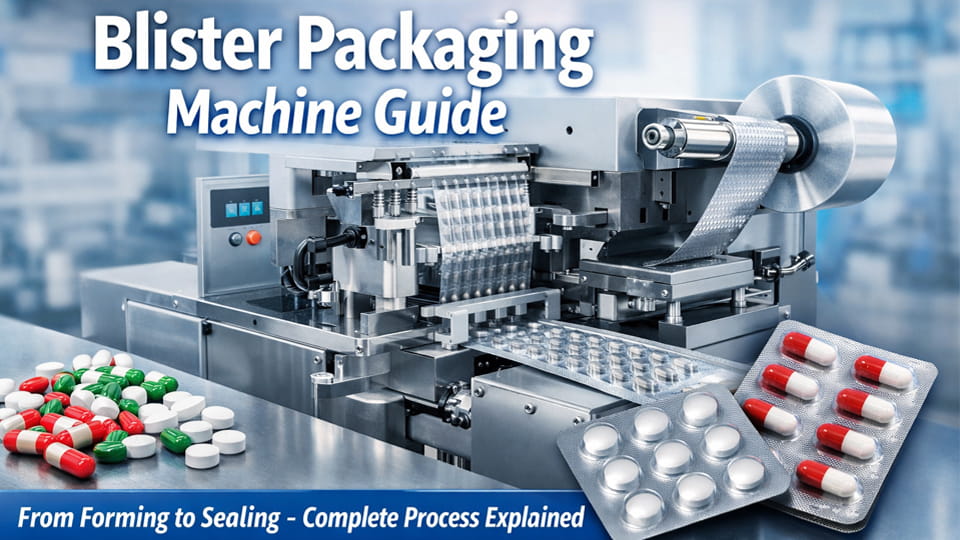

Firmy farmaceutyczne znajdują się dziś pod presją ze wszystkich stron. Szpitale chcą bezpieczniejszego obchodzenia się z lekami. Rynki detaliczne chcą niższych kosztów opakowań. Organy regulacyjne oczekują lepszej identyfikowalności i serializacji. Naraz, producenci starają się poprawić efektywność produkcji bez tworzenia niepotrzebnych odpadów opakowaniowych. Dlatego dyskusja wokół opakowanie jednostkowe I opakowanie zbiorcze w ostatnich latach zyskało na znaczeniu. Jeden format koncentruje się na ochronie poziomu dawki i bezpieczeństwie pacjenta, podczas gdy drugi priorytetem jest prędkość, prostota, i efektywność kosztowa. Żadna z opcji nie jest automatycznie lepsza dla każdego produktu. Właściwy wybór zależy od rodzaju leku, cele produkcyjne, kanał dystrybucji, i możliwości linii pakującej. Dla producentów farmaceutycznych, zespoły zakupowe, i menedżerów operacyjnych, Przed inwestycją w nowe opakowanie konieczne jest zrozumienie rzeczywistych różnic pomiędzy dawką jednostkową a opakowaniem zbiorczym system opakowań farmaceutycznych lub modernizację istniejącego linia pakująca.
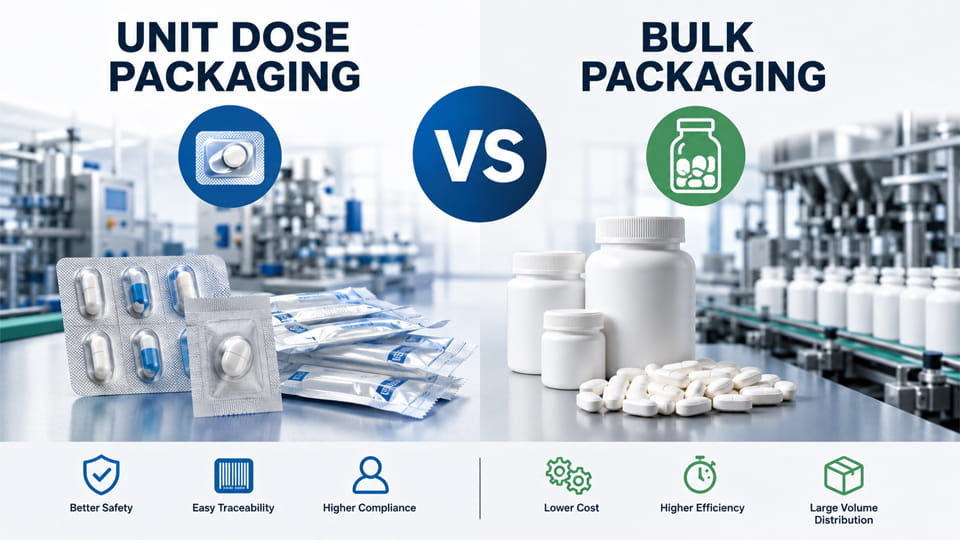
Opakowanie jednostkowe (zwany także opakowanie jednodawkowe) oznacza, że każda dawka leku jest indywidualnie zamknięta w osobnym opakowaniu. Na przykład, jedna pigułka może znajdować się we własnej kieszonce lub torebce typu blister. Jinlu Packing wyjaśnia, że „opakowanie na dawki jednostkowe oznacza, że każda pojedyncza dawka leku jest wstępnie zapakowana i zapieczętowana”. W rzeczywistości, może to być blister zawierający jedną tabletkę, opakowanie ze striptizem (jedna tabletka na wnękę), ampułko-strzykawkę, fiolka, lub saszetka zawierająca jedną dawkę płynu lub proszku. Każde opakowanie posiada etykiety (nazwa leku, dawka, wygaśnięcie) dzięki czemu pielęgniarka lub pacjent może potwierdzić przyjęcie leku bez liczenia tabletek z butelki. W amerykańskich szpitalach, nad 75% leków doustnych jest wydawanych w postaci dawek jednostkowych.

Opakowania jednodawkowe są powszechne w szpitale, kliniki, placówki opieki długoterminowej, i badania kliniczne – zasadniczo wszędzie tam, gdzie najważniejsza jest precyzyjna kontrola dawki i identyfikowalność. Pomagają zapobiegać błędom w dawkowaniu, ponieważ każde opakowanie zawiera dokładnie jedną dawkę i jest wyraźnie oznakowane. Innymi słowy, i notatki Jinlu, opakowania jednostkowe nie wymagają liczenia – „po prostu bierzesz jedno opakowanie i otwierasz je”, ograniczenie błędów obsługi. Inne używane terminy obejmują pojedyncza dawka, jednostka użytkowa, Lub jednostka lekarska opakowanie. Typowe formaty obejmują:
Podsumowując, opakowanie jednostkowe izoluje każdą dawkę indywidualnie, pomagając w bezpieczeństwie, Zgodność pacjenta, i identyfikowalność.
W przeciwieństwie do tego, opakowanie zbiorcze odnosi się do opakowań wielodawkowych lub zbiorczych leków. Typowe formaty masowe obejmują duże butelki na pigułki, słoiki, probówki wielodawkowe, oraz torby lub torby zbiorcze. Na przykład, butelka na receptę na 100 tabletek lub słoiczek witaminowy 30 kapsułki to opakowanie zbiorcze. Te pojemniki trzymają wiele dawki razem. Opakowanie zbiorcze jest normą w przypadku produktów aptecznych konsumenckich, leki dostępne bez recepty, suplementy diety, i większość ogólnych tabletek. Wykorzystywany jest także na pośrednich etapach produkcji (np. duże saszetki lub bębny).

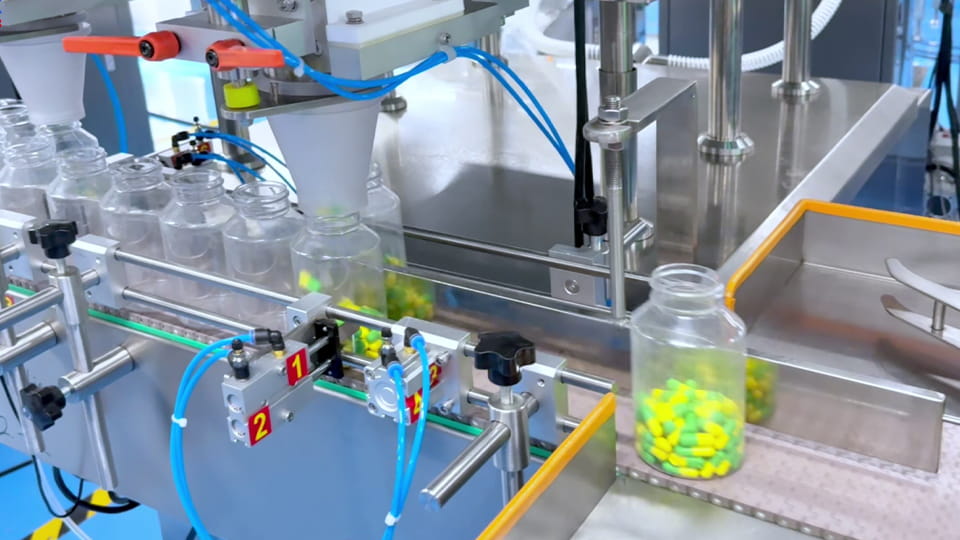
Opakowanie zbiorcze jest zwykle tańsze w przeliczeniu na dawkę i nadaje się do dużych objętości, produkty towarowe. Wyposażenie linii masowych obejmuje maszyny do liczenia tabletek/kapsułek i napełniania butelek, zakrywanie, opieczętowanie, i sprzęt do etykietowania. Na przykład, linia do liczenia tabletek może wykorzystywać automatyczną maszynę liczącą do napełniania butelek, kapsel do ich uszczelnienia, i etykieta do wykończenia. Linie masowe często działają szybciej (licząc setki tabletek na minutę) ale oferują mniejszą kontrolę dawka po dawce niż systemy z pojedynczą dawką. Opakowanie zbiorcze idealnie nadaje się do leki OTC dostępne na rynku masowym, suplementy diety, leki generyczne, oraz każdy produkt, dla którego cena za dawkę ma kluczowe znaczenie, a indywidualna kontrola dawkowania jest mniej istotna.
Poniższa tabela porównuje oba podejścia w odniesieniu do ważnych czynników:
| Czynnik | Opakowanie jednostkowe | Opakowanie zbiorcze |
| Bezpieczeństwo leków | Wysoki. Każda dawka zapieczętowana, zmniejszenie zanieczyszczeń. | Niżej. Wiele dawek w jednym pojemniku. |
| Zgodność pacjenta | Lepsza. Poszczególne dawki są wyraźnie oznaczone; łatwiej zweryfikować. | Niżej. Pacjenci samodzielnie liczą dawki. |
| Identyfikowalność & Serializacja | Doskonały. Łatwe serializowanie/śledzenie każdej dawki. | Ograniczony. Śledzony jest tylko kontener, nie każda tabletka. |
| Koszt opakowania | Wyższe na dawkę. Więcej materiałów opakowaniowych & obsługiwanie. | Niższe na dawkę. Jedno opakowanie mieści wiele jednostek. |
| Wydajność produkcji | Umiarkowany. Więcej kroków na dawkę (np. tworzenie się pęcherzy). | Wyższy. Proste liczenie/napełnianie jest szybsze. |
| Odpady opakowaniowe | Więcej. Opakowania jednodawkowe zwiększają zużycie materiału. | Mniej. Minimalne opakowanie na dawkę (np. jedna butelka vs. 100 pęcherze). |
| Okres trwałości/ochrona | Lepsza. Blistry/fiolki często posiadają folię o wysokiej barierowości. | Umiarkowany. Butelki zbiorcze chronią mniej na jednostkę, chociaż trwałość może być podobna. |
| Najlepsze dla | Szpitale, badania kliniczne, leki o dużej wartości, substancje kontrolowane, spersonalizowane leki. | Detaliczny OTC, leki generyczne, witaminy, suplementy, produkty konsumenckie o dużej objętości. |
Jak zauważa Jinlu Packing, pomyśl o tym jak o butelce 100 tabletki (cielsko) w porównaniu z blistrem z jedną tabletką (dawka jednostkowa). Butelki masowe wyraźnie wygrywają pod względem efektywności kosztowej i szybkości, ale formaty dawek jednostkowych wyróżniają się bezpieczeństwem i kontrolą. Na przykład, Opakowanie blistrowe indywidualnie zabezpiecza każdą tabletkę przed wilgocią i manipulacją, podczas gdy butelki zbiorcze wystawiają wszystkie tabletki na to samo środowisko.

Systemy dawek jednostkowych oferują kilka kluczowych korzyści:
Podsumowując, opakowanie jednodawkowe maksymalizuje bezpieczeństwo, identyfikowalność, i dawkowanie ukierunkowane na pacjenta, kosztem wyższych kosztów pakowania i obsługi. Jak podsumowuje Jinlu, Jednostki dawki jednostkowej są „zaprojektowane tak, aby pomieścić ilość leku przeznaczoną do podania w postaci pojedynczej dawki”, zapewnienie, że „właściwy lek we właściwej mocy dotrze do właściwego pacjenta we właściwym czasie”., za każdym razem".

Cielsko (wielodawkowe) opakowanie ma swoje mocne strony:
Opakowanie zbiorcze błyszczy efektywnością kosztową i skalą, dzięki czemu idealnie nadaje się do produktów o dużej objętości, gdzie ekonomia skali przewyższa potrzebę indywidualnej kontroli dawki. W rzeczywistości, Doświadczenie Jinlu jako dostawcy pokazuje, że linie do butelek masowych (w tym liczenie, zakrywanie, i jednostki etykietujące) stanowią podstawę wielu linii produkcyjnych nutraceutyków i leków generycznych.

Różne rynki końcowe i przypadki użycia mają wyraźne preferencje. Poniższa tabela podsumowuje typowe wybory branżowe:
| Przemysł/przypadek użycia | Preferowane opakowanie |
| Szpitale & Opieka zdrowotna (ostra opieka) | Dawka jednostkowa (pęcherze, paski, strzykawki) |
| Opieka długoterminowa & Apteka LTC | Dawka jednostkowa (karty blistrowe, wstępnie napełnione opakowania) |
| Badania kliniczne & Badania | Dawka jednostkowa (precyzyjna kontrola dawkowania na potrzeby prób) |
| Wysoka moc / Substancje kontrolowane | Dawka jednostkowa (bezpieczeństwo, dawkowanie) |
| Produkcja kontraktowa (CMO produkujące leki szpitalne) | Dawka jednostkowa |
| Bez recepty (OTC) Narkotyki | Cielsko (butelki/tuby z tabletkami, kapsułki) |
| Nutraceutyki & Suplementy | Cielsko (butelki z witaminami, saszetki) |
| Genetyczne leki farmaceutyczne (rynek masowy) | Cielsko (koncentracja na kosztach) |
| Wschodzące zdrowie konsumentów (kosmetyki, kombinacje nutraceutyczne) | Cielsko |
| Weterynaryjny / Zdrowie zwierząt | Cielsko (często sprzedawane są w sprzedaży detalicznej fiolki wielodawkowe lub dodatki paszowe) |
| Zestawy awaryjne / Pierwsza pomoc | Dawka jednostkowa (jednorazowe woreczki do przenoszenia) |
Na przykład, Jinlu zauważa, że systemy dawek jednostkowych powstały w szpitalach, a obecnie „znacznie rozszerzono” je na inne dziedziny ze względu na korzyści związane z bezpieczeństwem. Rzeczywiście, nad 75% z USA. szpitalne leki doustne są dawkowane jednostkowo, odzwierciedlające preferencje sektora. W przeciwieństwie do tego, Na rynkach skierowanych do konsumentów, takich jak suplementy i leki przeciwbólowe OTC, zazwyczaj stosuje się opakowania zbiorcze, ponieważ wymagają niższych kosztów jednostkowych i większej objętości. Środowiska kliniczne i szpitalne sprzyjają kontroli dawkowania w blistrach lub saszetkach, podczas gdy producenci i sprzedawcy detaliczni leków generycznych skupiają się na wydajności linii butelek.
Wybór pomiędzy dawką jednostkową a dawką masową ma znaczny wpływ na koszty. Rozważ następujące czynniki kosztowe:
Podsumowując, opakowania jednostkowe zazwyczaj wymagają wyższych nakładów inwestycyjnych i kosztów opakowania jednostkowego, ale może przynieść oszczędności wynikające z mniejszej liczby błędów i odpadów. Opakowanie zbiorcze zapewnia niższe koszty materiału i produkcji w przeliczeniu na dawkę. „Lepsza” opcja zależy od analizy tych kosztów w połączeniu ze strategią cenową produktu i wymogami zgodności.
Linie do pakowania jednostkowego wykorzystują specjalistyczny sprzęt. Kluczowe maszyny obejmują:
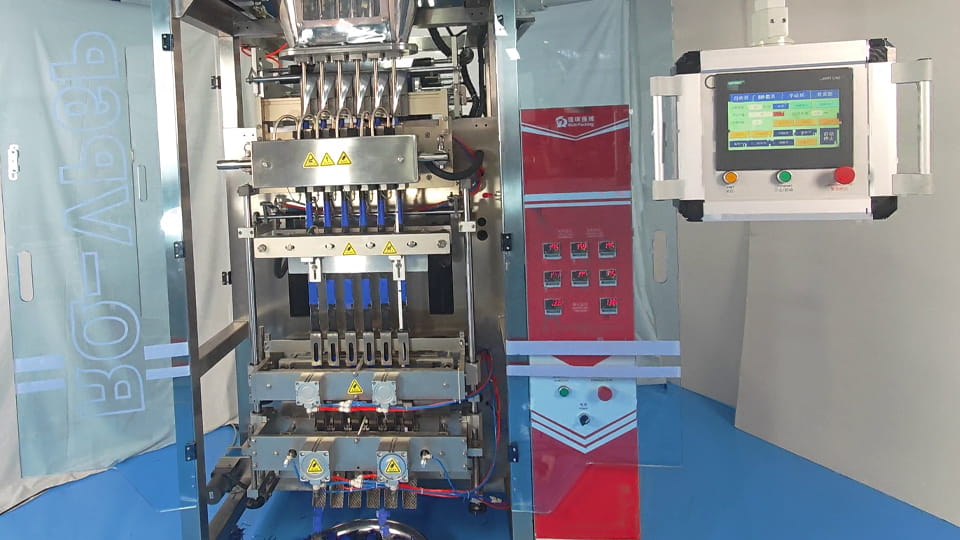
Krótko mówiąc, A linia dawki jednostkowej może składać się z maszyny blistrowej lub saszetkowej (do opakowania pierwotnego), następnie kartoniarz (oraz opcjonalnie etykieciarka lub drukarka). Na przykład, typowa linia leków szpitalnych: Podajnik orientacji tabletek → Maszyna blistrowa → Automatyczna kartoniarka → Pakowaczka do pudełek. Maszyny Jinlu do tych etapów można połączyć w jednym procesie (zobacz to”można podłączyć do maszyn blistrowych”).
[jl_youtube src=”https://www.youtube.com/embed/k0uyybgttcu”]
Linie masowe korzystają ze sprzętu zoptymalizowanego pod kątem szybkości i objętości:
W istocie, A linia do pakowania zbiorczego zazwyczaj wygląda: Urządzenie do rozszyfrowywania butelek → Maszyna do napełniania liczników tabletek → Wstawacz środka osuszającego → Capper → (Uszczelniacz folii) → Etykietka → Kartoniarka. Te modułowe maszyny mogą również obsługiwać różnorodne produkty (Gummy, proszki, płyny) o ile liczenie/napełnianie i zamykanie są dostosowane. Jinlu i strony ilustrują, jak takie linie są zintegrowane.
Na przykład, linia żelków JL-16R „automatycznie kończy cały proces rozszyfrowania butelek, liczenie… wkładanie środka osuszającego, zakrywanie, zgrzewanie i etykietowanie folią aluminiową” pod adresem aż do 80 butelki/min. Te zaawansowane linie podkreślają wydajność i spójność, dzięki czemu idealnie nadają się do pakowania produktów masowych.
Wybór odpowiedniego podejścia zależy od wielu czynników. Skorzystaj z poniższej listy kontrolnej i schematu blokowego jako wskazówek:
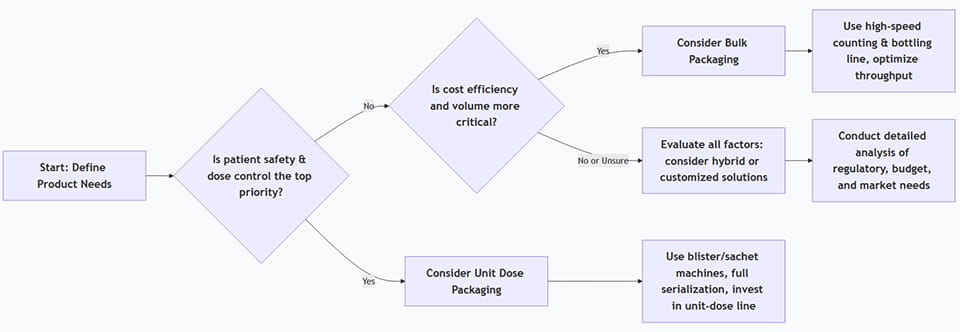
Ten wykres przedstawia uproszczony przewodnik: jeśli bezpieczeństwo medyczne/możliwość śledzenia przewyższają koszty, skłaniać się ku dawce jednostkowej. Jeśli dominuje budżet i wielkość, chyba najlepiej będzie luzem. W prawdziwych przypadkach, strategie mieszane (np. butelka zbiorcza w kartoniku z numerami seryjnymi) można również rozważyć.
Nie ma jednej, uniwersalnej odpowiedzi. Wybór pomiędzy dawką jednostkową a opakowaniem zbiorczym zależy od wymagań produktu i strategii biznesowej. Opakowanie jednodawkowe zapewnia niezrównane bezpieczeństwo, zgodność, i wygoda dla szpitali, badania kliniczne, i leki o dużej wartości, wymaga to jednak większych inwestycji w maszyny (opakowania typu blister lub saszetka, kartoniarze) i materiał opakowaniowy. Opakowanie zbiorcze (butelki, słoiki, rurki) wyróżnia się niskim kosztem i dużą przepustowością, Idealny do sprzedaży detalicznej leków i suplementów, ale daje mniejszą kontrolę nad indywidualnym dawkowaniem.
W rzeczywistości, korzysta wiele firm Zarówno metody dla różnych produktów. Na przykład, lek o wąskim indeksie terapeutycznym może być pakowany w blistry jednodawkowe do sprzedaży szpitalnej, podczas gdy wersja OTC tego samego leku jest sprzedawana w butelkach po 30 sztuk. Podczas projektowania linii, wziąć pod uwagę całkowity koszt posiadania (sprzęt + przybory + błędy) i potrzeb regulacyjnych.
Aby określić najlepsze podejście, przejrzyj powyższe czynniki: rynek docelowy, postać dawki, tom, zasady zgodności, i budżet. Ekspert w dziedzinie maszyn pakujących (Lub Zespół dostosowywania Jinlu) potrafi zaprojektować odpowiednią linię. Na przykład, Jinlu Packing zapewnia rozwiązania pod klucz – od szybkich maszyn blistrowych po zintegrowane linie do liczenia tabletek i butelkowania – w celu zaspokojenia potrzeb zarówno w zakresie dawek jednostkowych, jak i luzem.
Opakowanie jednostkowe oznacza, że każda dawka leku jest indywidualnie zamykana i etykietowana, na przykład jedna tabletka na blister lub jedna saszetka na jedno użycie. Opakowanie zbiorcze przechowuje wiele dawek razem w butelce, pojemnik, lub większy pakiet. Opakowanie jednostkowe skupia się bardziej na bezpieczeństwie, identyfikowalność, i kontrola dawki, podczas gdy pakowanie zbiorcze jest zwykle bardziej opłacalne w przypadku produkcji wielkoseryjnej.
Nie ma jednej odpowiedzi na każdy produkt farmaceutyczny. Opakowanie jednostkowe jest często lepsze dla szpitali, środowiska kliniczne, i leki o wysokiej wartości, ponieważ poprawia bezpieczeństwo i śledzenie leków. W przypadku nutraceutyków zwykle preferowane jest opakowanie zbiorcze, Produkty OTC, oraz dystrybucję detaliczną na dużą skalę, ponieważ zmniejsza koszty pakowania i poprawia szybkość produkcji.
Szpitale powszechnie stosują opakowania zawierające dawki jednostkowe, ponieważ każda dawka jest wyraźnie oznaczona i chroniona do czasu podania. Pomaga to ograniczyć błędy w stosowaniu leków, obsługuje systemy skanowania kodów kreskowych, i poprawia bezpieczeństwo pacjenta podczas wydawania leku.
Tak, w większości przypadków opakowanie zbiorcze wiąże się z niższymi kosztami materiałów opakowaniowych i wyższą wydajnością linii. Linie do napełniania butelek i systemy liczenia tabletek mogą zwykle pracować z większą prędkością niż systemy pakowania pojedynczych dawek. Jednakże, Całkowity koszt powinien również uwzględniać marnotrawstwo leków, praca, wymagania zgodności, i ochrona produktu.
Opakowania zbiorcze są szeroko stosowane:
• Witaminy i suplementy
• Tabletki i kapsułki generyczne
• Leki OTC
• Produkty nutraceutyczne
• Produkty farmaceutyczne sprzedawane w dużych ilościach w handlu detalicznym
Produkty te są często pakowane przy użyciu maszyn liczących, linie do napełniania butelek, maszyny zamykające, i systemy etykietowania.
Typowy sprzęt do pakowania w dawki jednostkowe obejmuje:
• Maszyny pakujące w blister
• Maszyny pakujące w paski
• Maszyny pakujące w saszetki
• Maszyny typu stick-pack
• Maszyny kartonowe
• Systemy kontroli wizyjnej
Te farmaceutyczne maszyny pakujące pomagają tworzyć indywidualnie zamykane dawki, zapewniając lepszą ochronę produktu i identyfikowalność.
Tak. Opakowanie jednostkowe pomaga zmniejszyć ryzyko zanieczyszczenia, nieprawidłowe dawkowanie, oraz błędy w obsłudze, ponieważ każda dawka pozostaje zamknięta do momentu użycia. Wiele placówek opieki zdrowotnej korzysta z systemów dawek jednostkowych, aby zapewnić bezpieczniejsze przepływy pracy i procesy weryfikacji kodów kreskowych.
Tak. Blistry farmaceutyczne to jedna z najpowszechniejszych form opakowań jednostkowych. Każda tabletka lub kapsułka jest przechowywana w osobnej wnęce, co pomaga chronić produkt przed wilgocią, tlen, i skażenia, poprawiając jednocześnie śledzenie dawek.
Opakowania zbiorcze są powszechnie stosowane w:
• Produkcja nutraceutyczna
• Produkcja suplementów
• Detaliczna dystrybucja farmaceutyczna
• Weterynaria
• Wysokowydajna produkcja tabletek i kapsułek
Producenci wybierają luzem opakowania farmaceutyczne, gdy głównymi priorytetami są wydajność produkcji i niższe koszty pakowania.
Najlepszy wybór zależy od kilku czynników, w tym:
• Typ produktu
• Rynek docelowy
• Wymagania regulacyjne
• Budżet opakowań
• Wielkość produkcji
• Wymagania dotyczące okresu przydatności do spożycia
• Kanały dystrybucji
Na przykład, szpitale i produkty kliniczne często korzystają z opakowań jednostkowych, podczas gdy suplementy detaliczne i leki generyczne produkowane w dużych ilościach są zwykle bardziej odpowiednie w przypadku systemów opakowań zbiorczych.
Referencje:
1. Sekcja CPG 430.100 Etykietowanie dawek jednostkowych w postaciach doustnych w postaci stałej i płynnej -- NAS. Administracja Żywności i Leków
2.Podręcznik standardów danych (monografie) Typ opakowania -- NAS. Administracja Żywności i Leków
3.Opakowanie leku —— WikiPedia
4.Wytyczne dotyczące dobrej praktyki produkcyjnej i dobrej praktyki dystrybucyjnej: Pytania i odpowiedzi —— Europejska Agencja Leków
5.ISO 15378 orzecznictwo – Podstawowy materiał opakowaniowy dla standardu medycznego