
Wstęp: Tabletki do żucia zostały zaprojektowane tak, aby takie były żuć zamiast połykać w całości, czyniąc je przyjaznymi dla użytkownika, szczególnie dla dzieci, seniorzy, oraz każdemu, kto ma trudności z połykaniem. Rozpadając się w ustach, produkty do żucia zapewniają wygodę dozowania bez użycia wody, przyjemny smak, i stabilność solidnej tabletki. Są szeroko stosowane leki pediatryczne i suplementy diety (pomyśl o tabletkach z witaminą C lub multiwitaminami do żucia), a nawet w lekach weterynaryjnych. Zgodnie z wytycznymi FDA, producenci muszą zwrócić szczególną uwagę krytyczne cechy jakościowe (CQA) podczas opracowywania tabletek do żucia. Te CQA obejmują takie czynniki, jak twardość tabletki, maskowanie smaku, i jednolitość treści, aby zapewnić bezpieczeństwo i skuteczność. Krótko mówiąc, produkty do żucia łączą w sobie to, co najlepsze w tabletkach (dokładność, stabilność półki) z lepszym Zgodność pacjenta. W tym przewodniku, omówimy, czym są tabletki do żucia, ich korzyści, jak są zrobione, i jakie maszyny pakujące służą do ich obsługi – wszystko z przyjaznego punktu widzenia, perspektywa branżowa.

Tabletki do żucia to a rodzaj oralny stała postać dawkowania przeznaczony do żucia przed połknięciem. W odróżnieniu od tradycyjnych tabletów (które połykasz w całości) Lub tabletki rozpadające się w jamie ustnej (ODTS) które rozpuszczają się na języku, produkty do żucia są rozkładany w ustach podczas żucia. Ułatwia to dawkowanie wielu pacjentom.
Według technologii farmaceutycznej, tabletki do żucia definiuje się jako tabletki „przeznaczone do przeżuwania przez żucie w celu ułatwienia uwolnienia składnika aktywnego(S)”. W rzeczywistości, oznacza to, że produkty do żucia często zawierają składniki takie jak alkohole cukrowe (poliole) które dodają słodyczy i objętości. Można z nich także formować zabawne kształty (zwierzęta, kiery, itp.) aby spodobać się dzieciom. Ponieważ produkty do żucia w jamie ustnej rozpadają się na cząsteczki, można je zrobić większe lub inaczej ukształtowane niż pigułki, które połykasz, a mimo to szybko się rozpuszczają po przeżuciu.
Tabletki do żucia są popularne w kilku segmentach rynku opieki zdrowotnej:
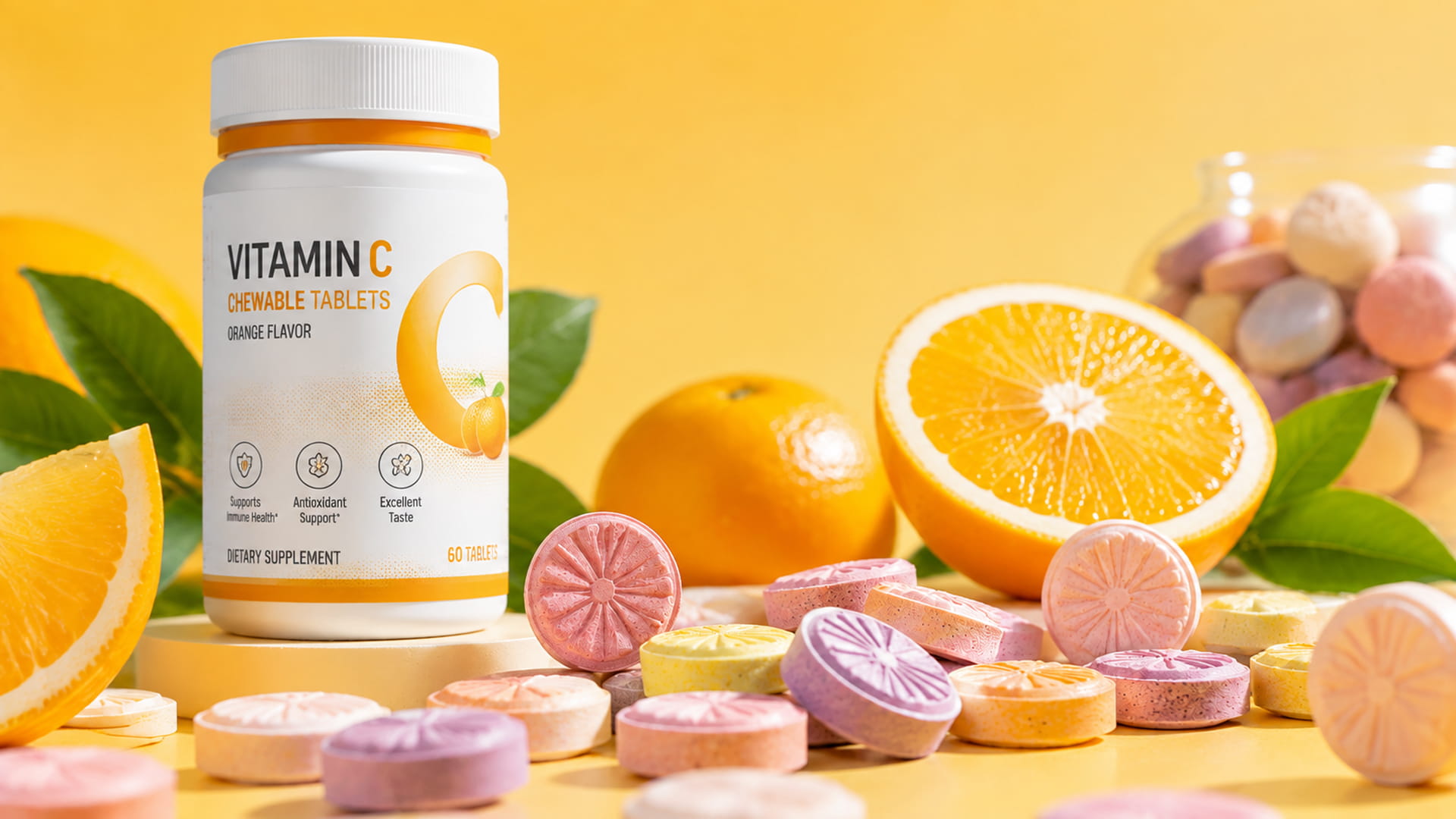
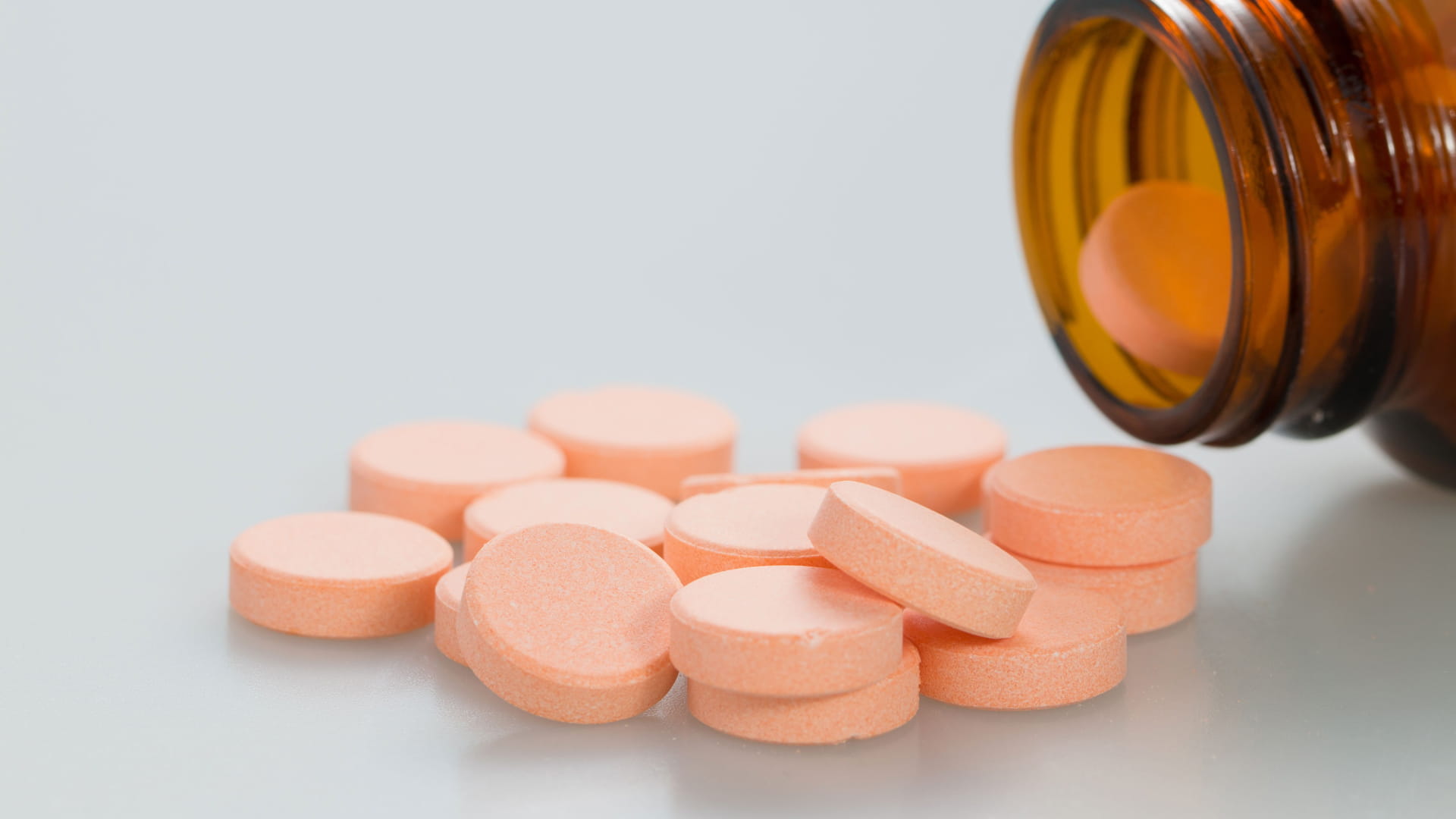
To zdjęcie pokazuje witaminy i suplementy w postaci tabletek do żucia. Witamina C do żucia, multiwitaminy, a tabletki mineralne często wyglądają jak cukierki w jasnych kolorach. Ich kształt i smak sprawiają, że są przyjazną opcją zarówno dla konsumentów dbających o zdrowie, jak i pacjentów.
Formułowanie tabletki do żucia to balansowanie. Tablet musi być smaczne i łatwe do pogryzienia, już mocny i stabilny wystarczy do przenoszenia i przechowywania. To oznacza:
Masowanie smaku & Smakowitość: W przeciwieństwie do tabletek do połykania, produkty do żucia pozostają w ustach, wystawianie narkotyków na kontakt z kubkami smakowymi. Wiele aktywnych leków ma gorzki smak, dlatego formulatorzy dodają słodziki (cukry lub alkohole cukrowe) i środki smakowo-zapachowe, aby tabletka była przyjemna. Dla bardzo gorzkich API, można zastosować cienkie powłoki lub specjalne substancje pomocnicze blokujące smak, aby zapobiec przedostawaniu się nieprzyjemnego smaku do języka. Na przykład, Tabletki witaminowe do żucia często zawierają aromaty owocowe i słodkie bazy (jak sorbitol lub mannitol) w celu poprawy smaku.
Tekstura & Odczucie w ustach: Dobra tabletka do żucia powinna być wystarczająco miękki, aby łatwo się rozbić bez uczucia szorstkości lub zbyt kredowości. Rozmiar cząstek i wybór substancji pomocniczych mają znaczenie: drobno zmielone składniki i „miękkie” wypełniacze (np. mannitol, ksylitol) pomóc tabletce delikatnie kruszyć się podczas żucia. Z drugiej strony, nadal potrzebne produkty do żucia Niektóre twardość, aby nie rozpadły się podczas przechowywania. Wytyczne branżowe sugerują utrzymywanie stosunkowo niskiej twardości tabletek (np. poniżej ~12 kiloponów) chyba że tabletka szybko rozpadnie się w ustach. Stosowanie wysoce ściśliwych substancji pomocniczych i spoiw (jak celuloza mikrokrystaliczna lub niektóre polimery) pomaga utrzymać tabletkę w stanie nienaruszonym podczas pakowania, a jednocześnie nadaje się do żucia w ustach.
Rozpad & Uwolnienie leku: Produkty do żucia muszą się rozpaść i skutecznie uwolnić lek po przeżuciu. Zwykle klasyfikuje się je jako postacie dawkowania o natychmiastowym uwalnianiu, dlatego muszą spełniać te same standardy rozpadu i rozpuszczania, co inne tabletki o natychmiastowym uwalnianiu. W rzeczywistości, oznacza to testowanie tabletek do żucia, aby upewnić się, że rozpuszczą się w wymaganym czasie (często poniżej kilku minut) po przeżuciu. Formulatorzy często zawierają środki rozsadzające (np. glikolan sodowo-skrobiowy) aby pomóc w szybkim rozpadzie i zapewnić stałą biodostępność.
Stabilność: Jak każdy tablet, produkty do żucia mogą być wrażliwe na wilgoć i temperaturę. Ponieważ wiele produktów do żucia (np. witaminy lub musujące produkty do żucia) stosować wypełniacze higroskopijne, receptura musi być stabilna przez cały okres trwałości produktu. Wiąże się to z odpowiednią kontrolą wilgoci podczas produkcji i pakowania. W rzeczywistości, wytyczne regulacyjne (np. Wytyczne dotyczące stabilności FDA) wymagają przedłożenia danych dotyczących stabilności w celu wykazania siły działania i bezpieczeństwa w czasie. Do witamin do żucia o dużej zawartości leku, wymagana jest dodatkowa ostrożność, aby zrównoważyć smak ze składnikami aktywnymi przy jednoczesnym zachowaniu stabilności.
Wspólne substancje pomocnicze: Kluczowe składniki poza API obejmują wypełniacze (rozcieńczalniki) dla masowych, spoiwa do trzymania tabletu razem, smary aby zapobiec przywieraniu, I, ważne, aromaty/słodziki dla smaku. Typowymi wypełniaczami w produktach do żucia są alkohole cukrowe, takie jak mannitol lub sorbitol, lub słodziki, takie jak sacharoza i laktoza. Mannitol, na przykład, jest popularny, ponieważ daje fajne, słodkie odczucie w ustach i pomaga szybko rozpadać się tabletkom. Substancje dezintegrujące (celuloza mikrokrystaliczna, glikolan sodowo-skrobiowy) służą do zapewnienia szybkiego rozbicia w jamie ustnej. Dodatki smakowe (smaki owocowe, mennica, itp.) i barwniki są również powszechne, dzięki czemu tabletki są atrakcyjne dla konsumentów.
Koncentrując się na tych czynnikach – maskowaniu smaku, tekstura, i rozpad – deweloperzy farmaceutyczni tworzą tabletki do żucia, które są zarówno skuteczne, jak i przyjazne dla pacjenta. Właściwa receptura stanowi podstawę sprawnej produkcji i pakowania.
Wyprodukowanie dobrej tabletki do żucia oznacza zrównoważenie jakości farmaceutycznej z akceptowalnością przez pacjenta. Krytyczne atrybuty jakości obejmują:
Spełnienie tych czynników jakości nie jest sprawą trywialną, dlatego też FDA opublikowała specjalne wytyczne dotyczące właściwości tabletek do żucia. W wytycznych kładzie się nacisk na dokumentowanie wszystkich etapów rozwoju i testów w dokumentach regulacyjnych (NDA/ANDA). Jedzenie na wynos: tabletka do żucia jest nadal produktem leczniczym i należy ją traktować z zachowaniem pełnej rygory jakościowej, tylko z przyjaznym dla pacjenta akcentem.
Produkcja tabletek do żucia w dużej mierze przebiega według standardowego procesu produkcji tabletek, z pewnymi specjalnymi poprawkami dotyczącymi żucia i smaku. Poniżej znajduje się przegląd kluczowych etapów produkcji artykułów do żucia:
Na każdym etapie, producenci przestrzegają przepisów cGMP (np. FDA 21 Część CFR 211 w USA) aby zapewnić czystość, precyzja, i identyfikowalność. Nowoczesne tabletkarki często są wyposażone w sterowanie PLC umożliwiające regulację ciśnienia i prędkości, i funkcje, takie jak czujniki siły, aby utrzymać stałą kompresję. Do produktów do żucia, klawiszem jest po prostu „delikatne, ale równomierne” naciśnięcie.
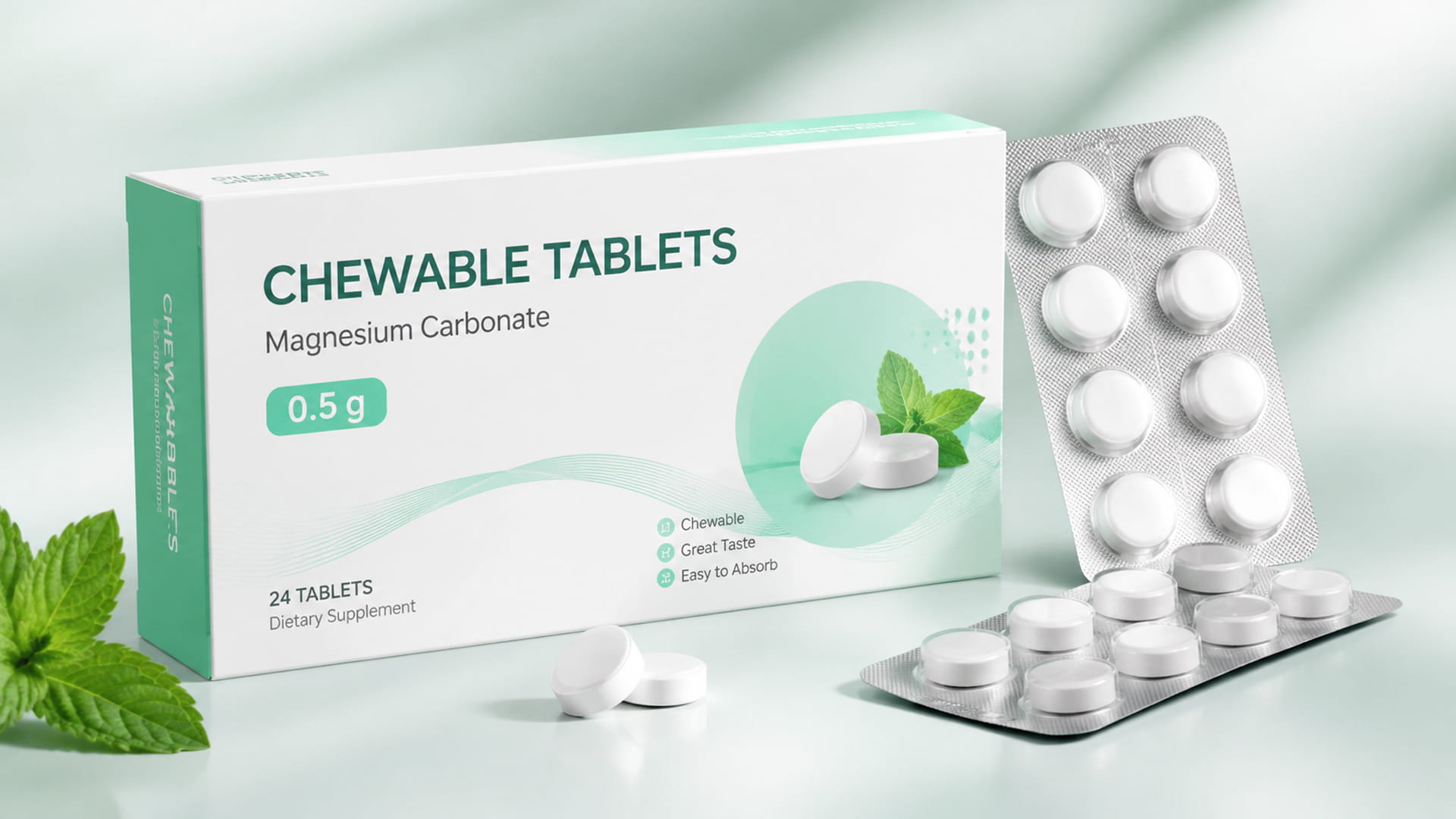
Po produkcji, Tabletki do żucia wymagają odpowiedniego opakowania, aby zachować świeżość i skuteczność. Poniżej przedstawiono typowe podejścia do pakowania i używany sprzęt:


Kartoniarki mogą być w pełni automatyczne (nie jest potrzebny człowiek) i zawierają czujniki zapewniające, że każde pudełko ma odpowiednie wkładki i jest odpowiednio uszczelnione. Korzyści z automatycznego kartonowania obejmują znacznie większą prędkość i spójność w porównaniu z pakowaniem ręcznym. Jak zażartował kiedyś inżynier zajmujący się pakowaniem, kartoniarze dają „profesjonalnie wyglądający, kartony odporne na manipulacje” przy minimalnym nakładzie pracy.
Wskazówka: Jeśli Twoje tabletki do żucia trafią do butelek (np. butelki z witaminami), może nie być pęcherza, ale te butelki często trafiają też do kartonów, zgodnie z tym samym procesem pakowania.
To w pełni zautomatyzowaną linię rozlewniczą jest idealny do produktów do żucia, takich jak tabletki do żucia z witaminą D lub tabletki z wapniem do żucia sprzedawane w butelkach. Dzięki temu każda butelka ma prawidłową liczbę (pomyśl dokładnie 60 Tabletki do żucia witaminy C w słoiczku) i przyspiesza produkcję.
Jakość & Zgodność: Wszystkie te maszyny pakujące muszą spełniać standardy farmaceutyczne. Na przykład, Linie do pakowania blistrów i kartoników są zbudowane zgodnie ze specyfikacjami cGMP (21 CFR 211 w USA) z projektem sanitarnym, identyfikowalność, i protokoły walidacyjne. Systemy wizyjne Inline często sprawdzają poziom napełnienia i szczelność, zapobieganie błędom. Dobre opakowanie gwarantuje jakość produktu: badania pokazują, że wyjęcie pigułki z opakowania przedwcześnie przyspiesza degradację. Krótko mówiąc, inwestując w solidne opakowanie (jak blistry wysokobarierowe i precyzyjne kartoniarki/liczniki) ma kluczowe znaczenie dla zapewnienia bezpieczeństwa tabletek do żucia od fabryki do pacjenta.
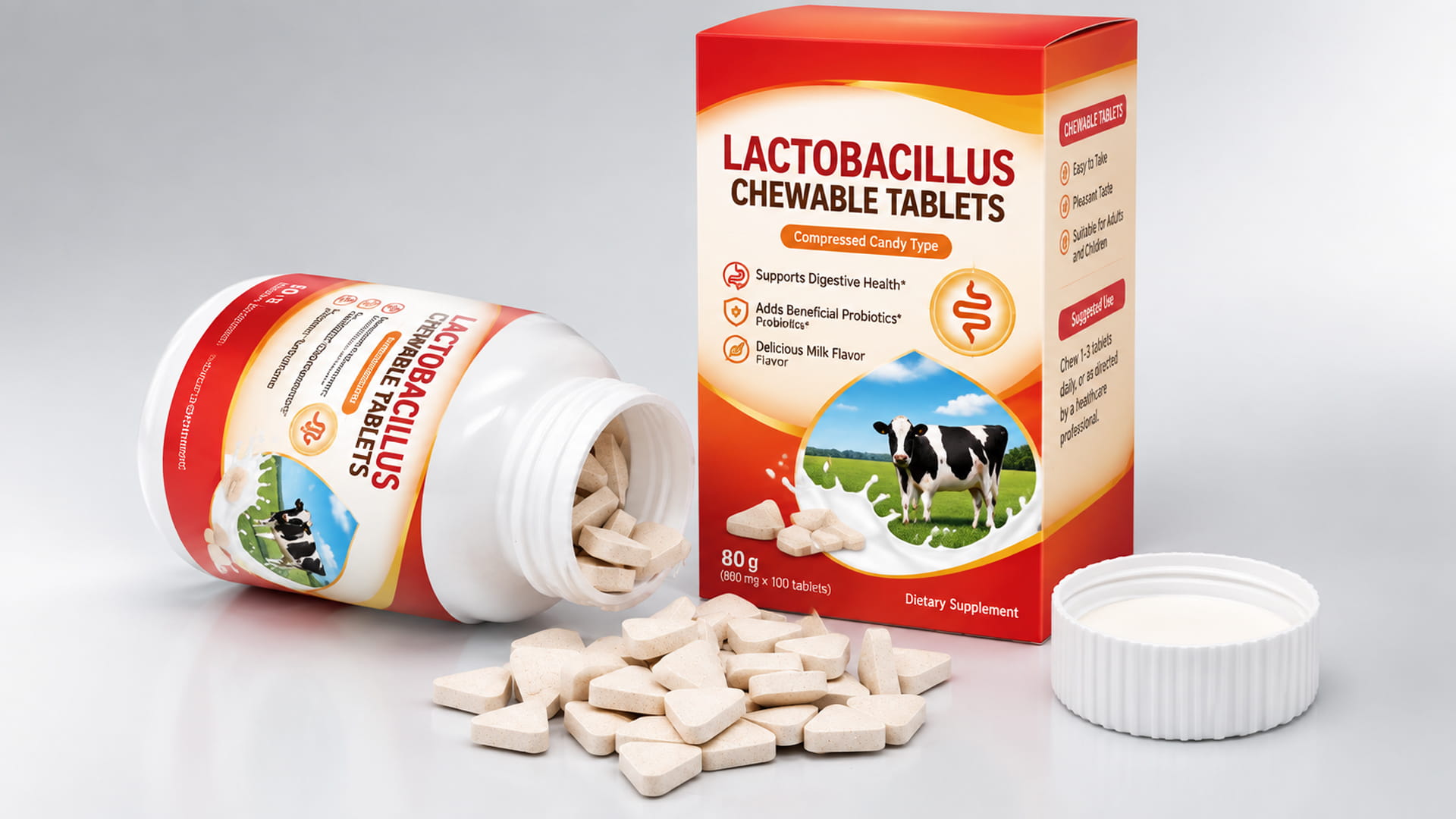
Podsumowując, tabletki do żucia to a przyjazny pacjentowi i wszechstronna postać dawkowania w farmacji. Poprawiają zgodność (nie potrzeba wody!), oraz nowoczesnymi technikami formułowania (słodziki, smaki) mogą smakować całkiem nieźle. Do ich produkcji wykorzystuje się standardowy sprzęt do tabletkowania z kilkoma poprawkami: kompresja pod niskim ciśnieniem, specjalne ciosy, i staranną kontrolę jakości. Kluczową rolę odgrywają także opakowania – maszyny blistrowe, kartoniarze, i linie zliczające zapewniają, że każda tabletka do żucia pozostaje świeża i prawidłowo dozowana w ostatnim opakowaniu.
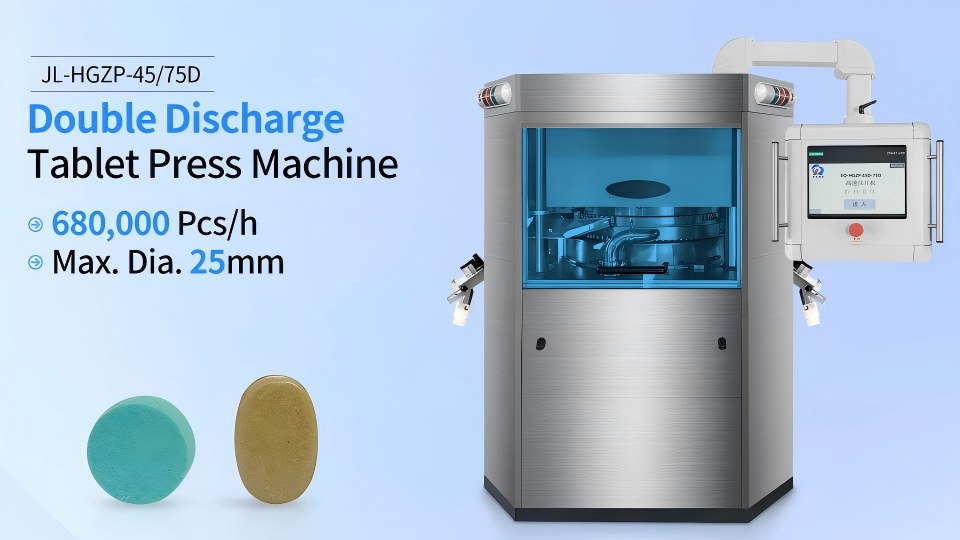
Jeśli zajmujesz się produkcją farmaceutyczną lub nutraceutyczną i zastanawiasz się nad produkcją tabletek do żucia, Pamiętać: odpowiedni partner w zakresie sprzętu może mieć duże znaczenie. Producenci lubią Pakowanie jinlu oferują dostosowane do indywidualnych potrzeb tabletkarki, pakowarki blistrowe, oraz kartoniarki zbudowane do produktów do żucia. Niezależnie od tego, czy potrzebujesz Tablet obrotowy naciśnij za tysiące tabletek do żucia na godzinę lub a szybka linia blistrowa aby zamknąć tabletki z witaminami, Wysokiej jakości sprzęt zapewni wydajność produkcji, a tablety będą przyjazne dla pacjenta.
Gotowy do ulepszenia linii tabletek do żucia? Skontaktuj się z ekspertami z Jinlu Packing dla dostosowanych rozwiązań w zakresie produkcji i pakowania tabletek farmaceutycznych
Tabletka do żucia to doustna stała postać dawkowania przeznaczona do żucia przed połknięciem. Zapewnia łatwiejsze podanie w porównaniu z tradycyjnymi tabletkami i jest powszechnie stosowany w produktach farmaceutycznych, witaminy, i suplementy diety.
Tabletki do żucia są wytwarzane w procesie obejmującym mieszanie materiałów, granulacja lub bezpośrednie prasowanie, prasowanie tabletu, testowanie jakości, i opakowanie. Do wytwarzania tabletek o stałym rozmiarze powszechnie stosuje się tabletkarkę rotacyjną, waga, i twardość.
Głównym wyposażeniem używanym do produkcji tabletek do żucia jest prasa do tabletkowania, mieszalnik proszku, odpylacz tabletek, wykrywacz metali, Blister Packaging Maszyna, maszyna licząca, i kartoniarka. Wybór sprzętu zależy od wydajności produkcyjnej i wymagań dotyczących pakowania.
Główną różnicą jest sposób ich przyjmowania. Zwykłe tabletki połyka się w całości, natomiast tabletki do żucia są przeznaczone do żucia przed połknięciem. Tabletki do żucia zwykle wymagają specjalnych receptur, aby uzyskać lepszy smak, tekstura, i wydajność żucia.
Tak. Tabletkarka rotacyjna może wytwarzać tabletki do żucia poprzez regulację siły ściskania, projektowanie oprzyrządowania, i parametry produkcyjne. Właściwe ustawienia urządzenia pozwalają uzyskać wymaganą równowagę pomiędzy wytrzymałością tabletki a możliwością żucia.
Typowymi przykładami są tabletki do żucia zawierające witaminę C, multiwitaminy do żucia, tabletki wapnia do żucia, tabletki żelaza do żucia, oraz tabletki do żucia z witaminą D. Produkty te są szeroko stosowane w suplementach diety i zastosowaniach farmaceutycznych.
Nie zawsze. Chociaż proces kompresji jest podobny, tabletki do żucia wymagają dodatkowej uwagi w zakresie smaku, odczucie w ustach, twardość, i stabilność preparatu. Producenci muszą dokładnie kontrolować zarówno jakość produktu, jak i wygodę użytkownika.
Typowe rozwiązania w zakresie opakowań tabletek do żucia obejmują opakowania blistrowe, systemy liczenia butelek, i maszyny pakujące. Odpowiednia maszyna pakująca farmaceutyczna pomaga chronić tabletki przed wilgocią i zapewnia dokładność, wydajna produkcja.
Tabletki witaminowe do żucia stają się popularne ze względu na wygodę, łatwe do podjęcia, i bardziej akceptowalny dla dzieci i dorosłych, którzy mają trudności z połykaniem tabletek. Produkty takie jak witamina C do żucia i multiwitaminy do żucia są szeroko stosowane na rynku suplementów.
Wybór linii do produkcji tabletek do żucia zależy od takich czynników, jak rozmiar tabletki, zdolności produkcyjne, poziom automatyzacji, i sposób pakowania. Przy wyborze maszyn producenci produktów farmaceutycznych powinni wziąć pod uwagę zarówno sprzęt do kompresji tabletek, jak i dalsze rozwiązania w zakresie pakowania.
Referencje:
1.Wytyczne dotyczące cech jakościowych tabletek do żucia dla przemysłu —— NAS. Administracja Żywności i Leków
2.Tabletki do żucia: Przegląd zagadnień dotyczących formułowania —— FarmTech
3.Tabletki do żucia: Kompleksowy przegląd —— Azjatycki dziennik badań i rozwoju farmaceutycznego
4.Sformułowanie, Produkcja i ocena tabletek do żucia —— pharmapproach.com
5.Tabletki paracetamolu miękkie do żucia metodą granulacji w stanie stopionym: Formułowanie i charakterystyka —— Narodowa Biblioteka Medyczna