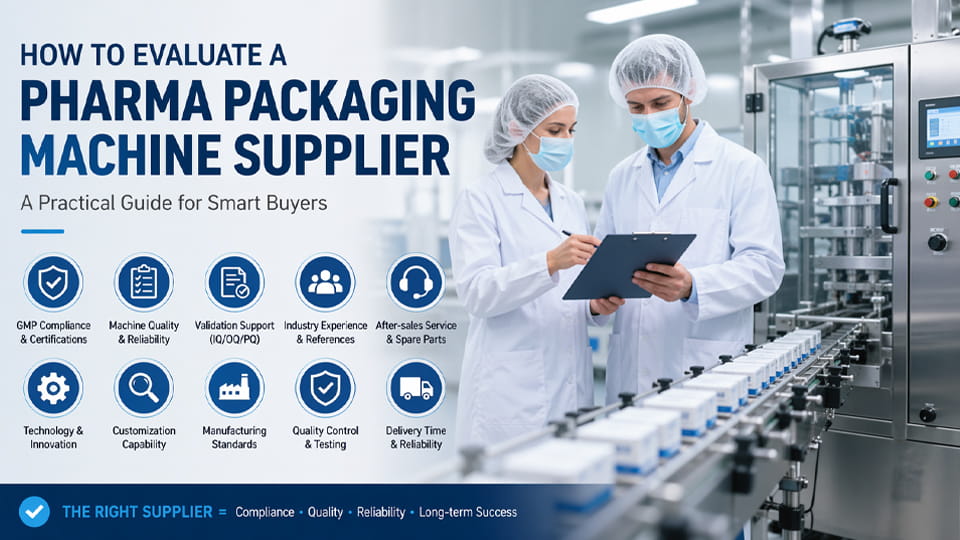

Opakowanie farmaceutyczne musieć zapobiegać zanieczyszczeniom i zapewniać identyfikowalność, według rygorystycznych światowych standardów. Dobre Praktyki Produkcyjne (GMP) wymagają higienicznego projektowania sprzętu, materiały niereaktywne, i pełne kwalifikacje (IR/WH/PQ) maszyn. Kluczowe regulacje obejmują FDA 21 Części CFR 210/211, które wymagają sprzętu nadającego się do czyszczenia i dzienników konserwacji, GMP UE (EudraLex, tom 4) (Część I Rozdz.3 i Załącznik 1) do sterylnego opakowania, I ISO 15378, standard QMS dla podstawowych materiałów opakowaniowych. Wymagania zasadnicze obejmują Kompatybilność materialna, zatwierdzone czyszczenie/CIP, serializacja, I integralność danych (21 CFR część 11/UE, załącznik 11). W tym przewodniku wyjaśniono te standardy i jak wybrać maszyny pakujące zgodne z GMP (pęcherz, napełnianie butelki, kartonowanie, etykietowanie, itp.) dla bezpieczeństwa, identyfikowalne produkty lecznicze.
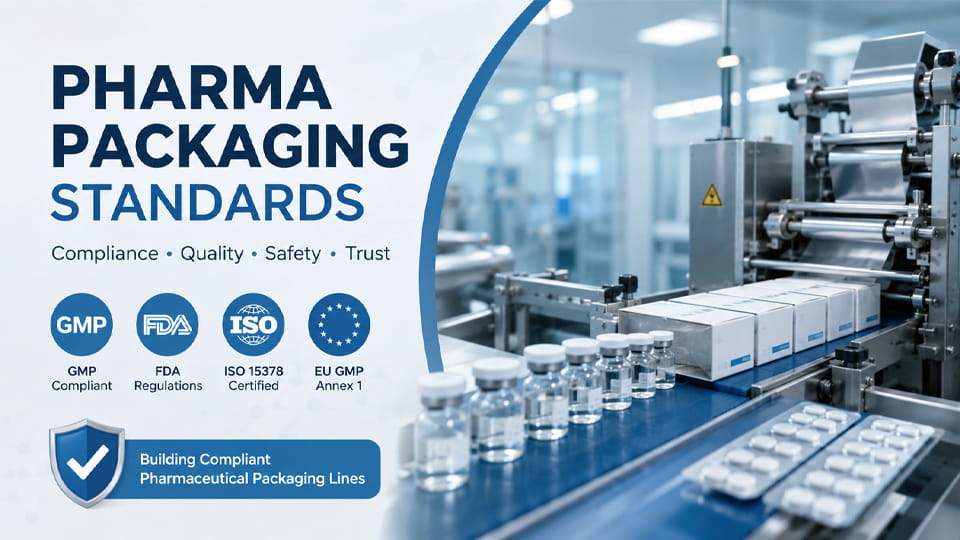
Opakowanie farmaceutyczne jest tak samo ważne jak sam lek – ono chroni tożsamość produktu, potencja i sterylność. WHO zauważa, że opakowanie musi chronić leki przed niepożądanymi substancjami chemicznymi, skażenie biologiczne lub fizyczne oraz, do produktów sterylnych, „należy zachować sterylność”. W rzeczywistości, oznacza to każdy blister, butelka lub opakowanie kartonowe muszą być wyprodukowane i prawidłowo oznakowane zgodnie z GMP, aby zapobiec pomyłkom lub zanieczyszczeniom. Globalni regulatorzy (FDA, EMA, KTO) wymagają, aby procesy pakowania i sprzęt były walidowane i kontrolowane, tak jak w przypadku produkcji leków. Krótko mówiąc, standardy opakowań farmaceutycznych istnieją, aby zapewnić bezpieczeństwo pacjentów poprzez utrzymywanie prawidłowego stanu leków, czyste i identyfikowalne w całej dystrybucji.

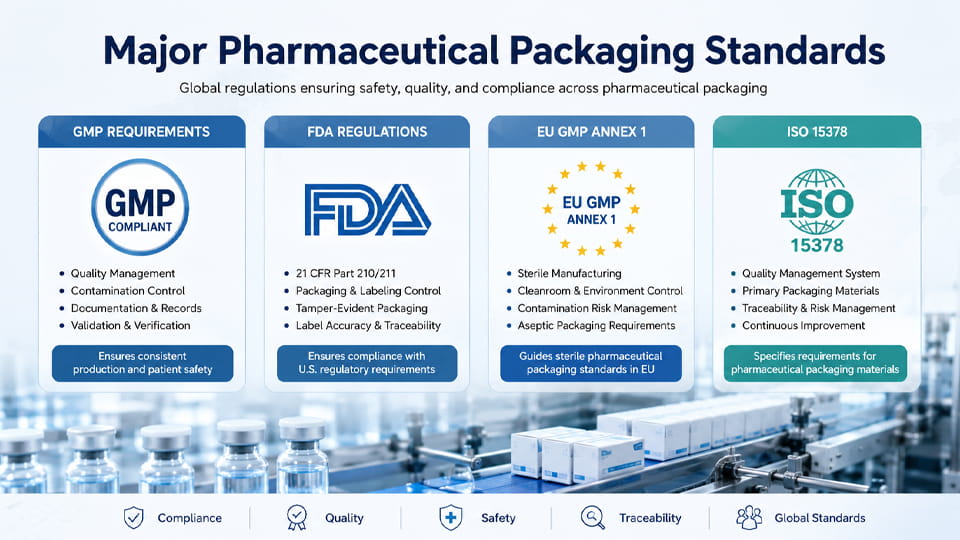
GMP to ogólne ramy dotyczące jakości leków. Do pakowania, Mandaty GMP higieniczna konstrukcja i ścisła kontrola aby zapobiec zanieczyszczeniu krzyżowemu i pomyłkom. Sprzęt musi być zaprojektowany tak, aby był „łatwo i dokładnie oczyścić”, jak twierdzą organy regulacyjne. Na przykład, Wytyczne FDA określają ten sprzęt „powinny być tak skonstruowane i umiejscowione, aby ułatwić czyszczenie… zapobiegać zanieczyszczeniu”. Wytyczne WHO/PIC/S w podobny sposób kładą nacisk na walidację sprzętu i procesów w zakresie projektowania sanitarnego. W istocie, GMP dla opakowań wymaga: stal nierdzewna nadająca się do czyszczenia (często SUS316L) sprzęt, udokumentowane protokoły czyszczenia, pełna kwalifikacja (IR/WH/PQ) i dokładne zapisy dotyczące etykietowania. Praktyki te chronią tożsamość i jakość produktu na każdym etapie pakowania.
W Stanach Zjednoczonych, FDA 21 Części CFR 210 I 211 obejmować produkcję i pakowanie leków. Część 211 (Podczęść D/E) zawiera szczegółowe zasady dotyczące projektowania sprzętu, czyszczenie i kalibracja. Na przykład, cały sprzęt musi działać zgodnie ze specyfikacjami i być czyszczony zgodnie z pisemnymi procedurami. Część 211 wymaga również identyfikacji i oznakowania komponentów, aby zapobiec pomyłkom, oraz utrzymywanie pełnej dokumentacji partii podczas pakowania. Co ważne, 21 Część CFR 11 dotyczy skomputeryzowanego sterowania Linie pakowania: wymaga unikalnych loginów użytkowników, ścieżki audytu i podpisy elektroniczne w celu zapewnienia integralności danych. W rzeczywistości, oznacza to, że nowoczesne maszyny pakujące muszą szyfrować dane wsadowe, ograniczyć dostęp użytkownika, i rejestruj każdą zmianę, zgodnie z przepisami FDA.
Przewodnik UE dotyczący GMP (EudraLex tom 4) jest ściśle zgodny z zasadami FDA dotyczącymi sprzętu. Część I Rozdział 3 (Pomieszczenia i wyposażenie) wymaga, aby sprzęt był „łatwe do czyszczenia” z niereaktywnymi częściami stykowymi. Załącznik 15 (UE) wymaga pełnych kwalifikacji (IR/WH/PQ) wszystkich maszyn. Dla systemów komputerowych, Załącznik UE 11 (nie pokazano tutaj) podobnie wymaga walidacji i bezpiecznych ścieżek audytu, jak część FDA 11. Kluczową aktualizacją jest Załącznik GMP UE 1 (Produkty sterylne), w pełni obowiązujące od 2024. Załącznik 1 podnosi poprzeczkę w zakresie sterylności opakowań: wymaga udokumentowanej strategii kontroli zanieczyszczeń (CCS) i wysokie standardy pomieszczeń czystych (ISO 5/7 oceny), a także technologie barierowe (izolatory/RABS) i zwalidowane metody sterylizacji. Integralność zamknięcia pojemnika (CCI) kładzie się również nacisk na testowanie i kontrolę substancji ekstrahowalnych/wymywalnych zminimalizować ryzyko zanieczyszczenia. Wszystkie linie produkcyjne na terenie UE lub linie eksportowe sterylnych preparatów do wstrzykiwań muszą spełniać te kryteria.
ISO 15378 to międzynarodowy standard dla pierwotne materiały opakowaniowe produktów leczniczych. Określa system zarządzania jakością (Zarządzanie jakością) zgodne z ISO 9001, w odniesieniu do GMP. Innymi słowy, ISO 15378 skupia się na projektowaniu, produkcja i dostawa komponentów opakowań farmaceutycznych (folia blistrowa, butelki, fiolki, itp.), zapewniając, że konsekwentnie spełniają wymagania klientów i wymagania regulacyjne. Podczas gdy ISO 15378 jest skierowany raczej do dostawców materiałów niż producentów sprzętu, producenci maszyn muszą dostosować się do materiałów zgodnych z wymaganiami (np. zatwierdzonych tworzyw sztucznych lub laminatów) i dostarczyć dokumentację (certyfikaty identyfikowalności materiałów) tak, aby końcowe opakowanie podstawowe posiadało certyfikat ISO-15378. Osiągnięcie ISO 15378 Certyfikat potwierdza zaangażowanie w produkcję materiałów opakowaniowych o jakości GMP.
Maszyny pakujące dla branży farmaceutycznej muszą spełniać rygorystyczne kryteria techniczne, aby zachować zgodność z powyższymi normami. Poniższa tabela podsumowuje kluczowe wymagania:
| Wymóg | Kluczowe punkty |
| Higieniczny projekt | Wyposażenie ze stali nierdzewnej (np. 316L), gładkie spoiny, pochyłe powierzchnie. Ramy wspornikowe (izolowane dyski) aby wyeliminować ukryte obszary, umożliwiający czyszczenie. |
| Kompatybilność materiałowa | Wszystkie części mające kontakt z produktem muszą być niereaktywne/niechłonne (316L SS, PTFE, tworzywa sztuczne klasy farmaceutycznej) więc nie mogą wypłukiwać ani wiązać substancji aktywnych. Używaj smarów i uszczelek dopuszczonych do kontaktu z żywnością (PTFE, EPDM) odporny na środki czyszczące. |
| Walidacja sprzętu | Pełny IR/WH/PQ dla każdej maszyny: udokumentowane kwalifikacje instalacyjne, testy funkcjonalne, oraz testy wydajnościowe podczas partii symulowanej lub rzeczywistej. Każda nowa lub zmodyfikowana maszyna musi zostać zakwalifikowana przed użyciem. |
| Czyszczenie & Sanityzacja | Zatwierdzone procedury czyszczenia/CIP przy każdej zmianie produktu. Należy spisać SOP dotyczące sprzątania, wykonywane i okresowo poddawane ponownej walidacji. Tylko obszary kontaktu z produktem wymagają pobierania próbek w celu walidacji. |
| Konserwacja & Kalibrowanie | Planowana konserwacja zapobiegawcza polegająca na wymianie zużytych części. Procedury kalibracji (np. dla wag, przepływomierze) z zapisami (dla FDA 21 CFR 211.68) zapewnić dokładność. Regularne kontrole czujników i elementów wykonawczych zgodnie z SOP. |
| Automatyzacja & Bezpieczeństwo | Funkcje zapobiegania błędom, takie jak kontrola wizyjna, skanowanie kodów kreskowych i automatyczne bramki odrzucające redukują błędy ludzkie. Blokady (np. czujniki drzwi) zatrzymać maszyny w przypadku zacięć. Do oznaczania linii, kamery weryfikują prawidłowe nałożenie etykiety. |
| Integralność danych | Kontrole muszą spełniać wymogi FDA 21 CFR część 11/UE, załącznik 11: bezpieczne konta użytkowników, niezmienne ścieżki audytu, oraz elektroniczne podpisywanie dokumentów. Integracja MES/ERP do zbiorczej archiwizacji rekordów. Cyfrowe dzienniki ustawień i odchyleń. |
| Serializacja & Identyfikowalność | Sprzęt musi umożliwiać drukowanie lub trawienie unikalnych identyfikatorów (np. 2D Kody DataMatrix) na każdym opakowaniu podstawowym. Integracja z systemami śledzenia i śledzenia zapewnia powiązanie każdego kodu z partią/partią. Wiersz musi umożliwiać śledzenie i przypominanie o kodzie. |
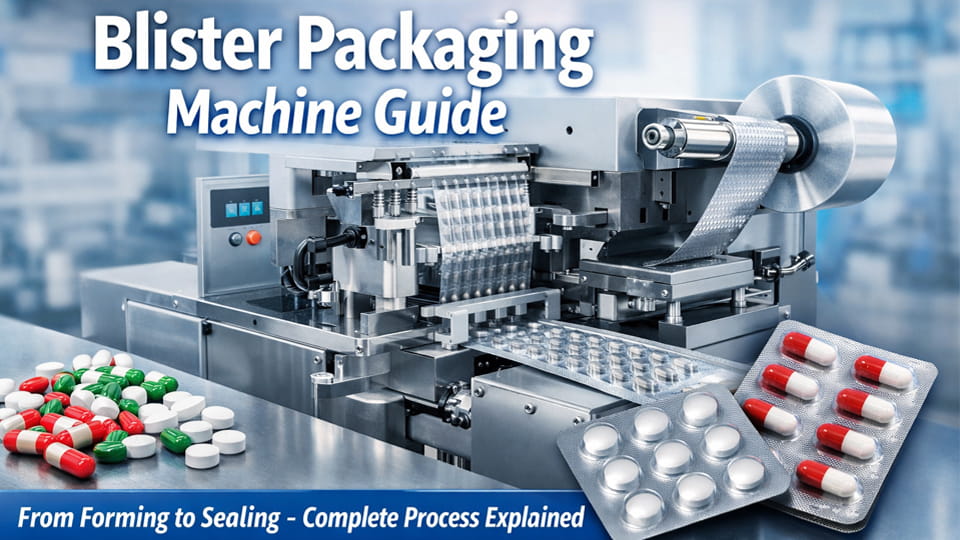
Na przykład, po zamontowaniu nowego linia pęcherzy Lub wypełniacz do butelek, GMP wymaga udokumentowanych testów IQ/OQ/PQ w celu udowodnienia każdej funkcji (objętość wypełnienia, jakość uszczelnienia, odrzuca) spełnia specyfikacje. Podobnie, po każdej partii, maszynę należy czyścić zgodnie z zwalidowaną procedurą. Organy regulacyjne wymagają, aby te procesy czyszczenia były „udokumentowane, zweryfikowane, i okresowo odnawiana”. Automatyczne czyszczenie na miejscu (CIP) powszechne są systemy zawierające płynne wypełniacze lub środki czyszczące na bazie rozpuszczalników do ciał stałych. Powierzchnie krytyczne (leje, dysze, uszczelki) są badane wymazem lub mierzone (np. Całkowity węgiel organiczny) aby potwierdzić, że nie pozostały żadne pozostałości. Krótko mówiąc, musisz być w stanie wykazać na podstawie dokumentacji, że przy każdej operacji napełniania/pakowania korzystano z wykwalifikowanego personelu, maszyna sanitarna.
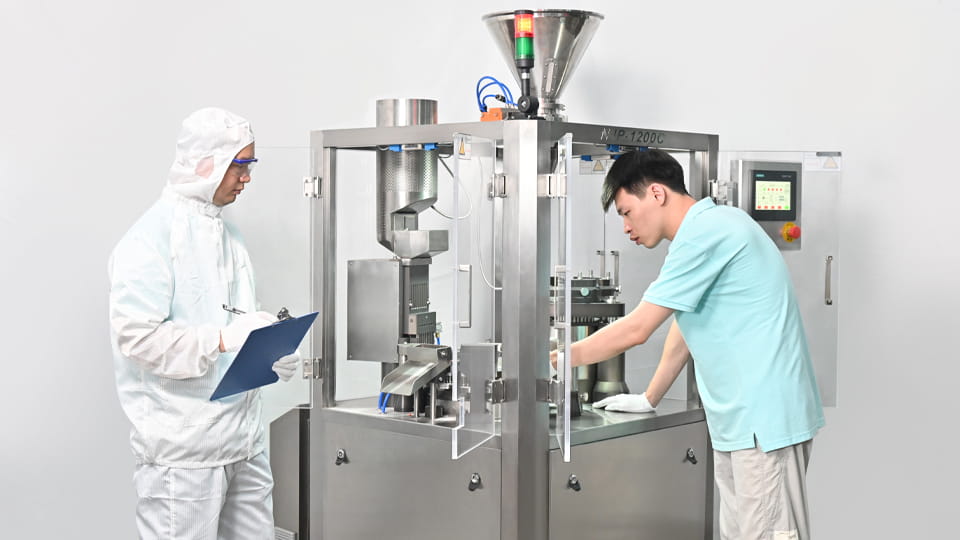
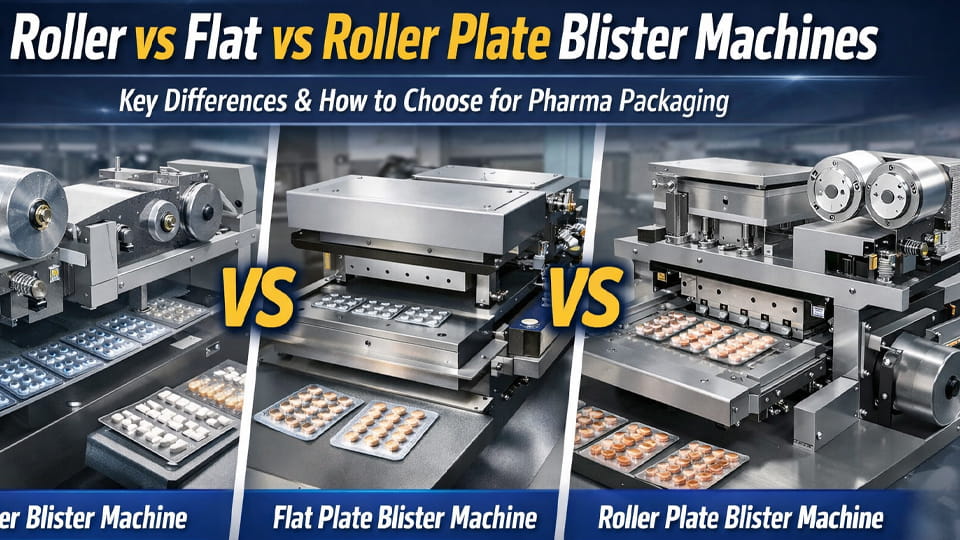
Linie produkcyjne w branży farmaceutycznej korzystać z różnych specjalistycznych maszyn. Kluczowe cechy wspólnego sprzętu związane z GMP obejmują:
Każda z tych maszyn powinna być wybrana z uwzględnieniem projektu GMP (gładkie powierzchnie ze stali nierdzewnej, CIP, W razie potrzeby powietrze HEPA). Szczegółowe przykłady, zobacz strony produktów Jinlu Packing, które podkreślają cechy zgodności, takie jak ramy wspornikowe i certyfikaty CE/GMP.
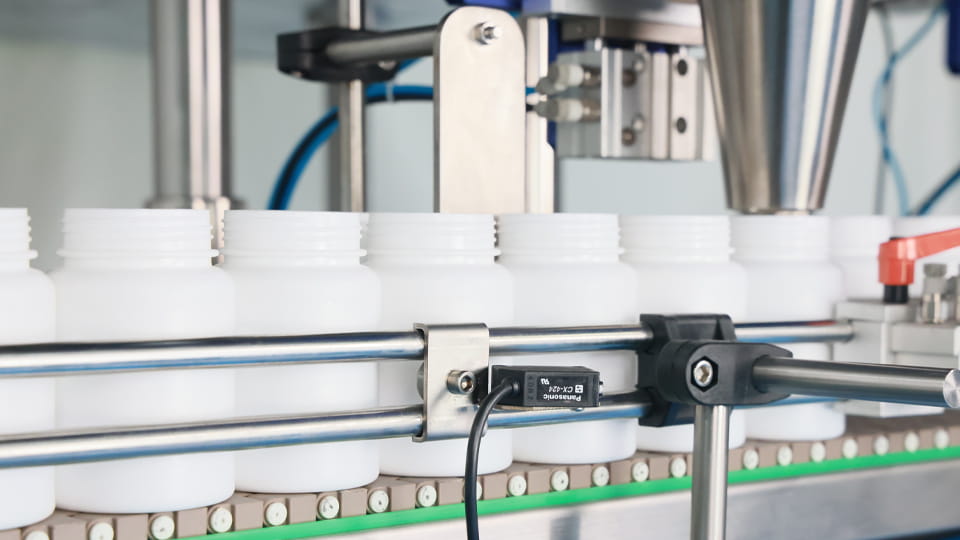
Spełnianie standardów opakowań farmaceutycznych wiąże się z wyzwaniami: wymagania regulacyjne różnią się w zależności od rynku, a każdy nowy lek może wymagać innych specyfikacji opakowania (np. zamknięcia zabezpieczające przed dziećmi, specyficzne powłoki). Walidacja i dokumentacja zwiększają czas i koszty – każdy nowy rozmiar opakowania lub zmiana produktu może spowodować ponowną walidację. Zasady serializacji (DSCSA w USA, FMD w UE, itp.) są złożone i ewoluujące, wymagające regularnych aktualizacji oprogramowania i szkoleń personelu. Wymagania dotyczące pomieszczeń czystych (do produktów sterylnych) podnoszą także koszty obiektu. Wreszcie, śledzenie i potwierdzanie zgodności (poprzez zapisy partii i ścieżki audytu) oznacza solidne oprogramowanie i prowadzenie dokumentacji. Pokonanie tych wyzwań wymaga ścisłej współpracy inżynierów, Kontrola jakości i dostawcy, i wybór adaptowalny, dobrze obsługiwany sprzęt.
Przy wyborze maszyn do linia do pakowania farmaceutyków, postępuj zgodnie z listą kontrolną GMP:
Przyszłość opakowań farmaceutycznych jest coraz bardziej cyfrowa zrównoważony. Serializacja i śledzenie & Namierzać będzie rozwijać się globalnie, prawdopodobnie wykorzystując blockchain do zabezpieczenia łańcuchów dostaw. Inteligentne opakowanie (Tagi RFID, Czujniki NFC) może rozpocząć monitorowanie warunków przechowywania lub zdarzeń manipulacyjnych. Sprzęt ma tendencję do Przemysł 4.0 – linie z czujnikami IIoT i systemami wizyjnymi opartymi na sztucznej inteligencji, które w sposób bardziej niezawodny przewidują awarie lub liczą pigułki. Robotyka do końcowego pakowania (obsługa spraw, paletyzacja) i zaawansowane bariery aseptyczne (np. zamknięte systemy aseptyczne) również rosną. Po stronie materiałów, istnieje nacisk na komponenty opakowań nadające się do recyklingu lub biodegradacji, dlatego maszyny muszą obsługiwać nowe typy folii. Ogólnie, automatyzacja, łączność danych i bezpieczeństwo środowiskowe to kluczowe trendy kształtujące opakowania farmaceutyczne nowej generacji.
Przestrzeganie standardów opakowań farmaceutycznych jest nie podlega negocjacjom dla producentów leków. Rozumiejąc GMP, Wymagania FDA i ISO — a wybierając maszyny zbudowane tak, aby je spełniać — gwarantujesz jakość produktu i bezpieczeństwo pacjentów. Zgodność wymaga rygorystycznego projektu (gładkie powierzchnie 316L, Czyszczenie CIP/COP), pełna walidacja (IR/WH/PQ) i bieżąca dokumentacja (dzienniki konserwacji i audytów). Z przepisami takimi jak FDA 21 CFR i załącznik UE 1, linii farmaceutycznych nie stać na skróty.
Dla rozwiązania w zakresie sprzętu pakującego, współpracę z doświadczonymi dostawcami. Pakowanie jinlu, Na przykład, specjalizuje się w maszynach blistrowych zgodnych z GMP, linie do napełniania płynem, kartonowanie i nie tylko. Nasze maszyny charakteryzują się konstrukcją wspornikową, Materiały klasy FDA i obsługa serializacji od razu po wyjęciu z pudełka. Skontaktuj się z Jinlu Packing już dziś, aby mieć pewność, że Twoja następna linia pakująca spełnia światowe standardy GMP przy pełnym wsparciu walidacyjnym.
Standardy opakowań farmaceutycznych to wymogi regulacyjne, które zapewniają, że opakowania leków nie zanieczyszczają ani nie mieszają produktów. Należą do nich wytyczne GMP wydane przez agencje takie jak FDA i EMA, które wymagają higienicznego projektowania sprzętu, walidacja czyszczenia i szczegółowa dokumentacja. Standardy takie jak ISO 15378 skupić się na zarządzaniu jakością samych materiałów opakowaniowych. Razem zapewniają, że opakowanie chroni jakość leku i zawiera dokładne informacje.
FDA 21 Część CFR 211 obejmuje operacje pakowania. Wymaga to konserwacji sprzętu, oczyszczone i skalibrowane, aby nie miało to wpływu na tożsamość ani czystość leku. Na przykład, Wytyczne FDA stwierdzają, że sprzęt „powinien być skonstruowany tak, aby ułatwić czyszczenie” i ostrzegają, że materiały nie mogą wchodzić w reakcję z lekiem. Systemy komputerowe na linii również muszą być zgodne 21 Część CFR 11 (zapisy elektroniczne i ścieżki audytu).
ISO 15378 to norma ISO dotycząca podstawowych materiałów opakowaniowych produktów farmaceutycznych. Zwiększa ISO 9001 z wymogami GMP, zapewnienie dostawcom materiałów opakowaniowych posiadania systemu zarządzania jakością, który konsekwentnie spełnia standardy klienta i normy prawne. Chociaż nie reguluje bezpośrednio sprzętu, stosowanie materiałów z certyfikatem ISO 15378 na maszynach GMP pomaga spełnić oczekiwania regulacyjne i wymagania klientów dotyczące jakości.
Załącznik 1 Przewodnika UE GMP dotyczy sterylnych produktów leczniczych. Określa rygorystyczne zasady dotyczące aseptycznej produkcji, łącznie z opakowaniami zastrzyków. Kluczowe punkty obejmują wdrożenie strategii kontroli zanieczyszczeń (CCS), korzystanie z sklasyfikowanych pomieszczeń czystych (ISO 5/7), technologia izolacyjna lub barierowa, oraz walidacja etapów sterylizacji/dezynfekcji. Załącznik 1 zgodność gwarantuje to nawet podczas pakowania, sterylne leki pozostają wolne od drobnoustrojów i cząstek stałych – co ma kluczowe znaczenie dla bezpieczeństwa pacjenta.
Pierwszy, sprawdź jego konstrukcję i materiały: powinien być wykonany ze stali nierdzewnej 316L na wszystkich częściach mających kontakt z produktem i nie powinien mieć ukrytych szczelin. Upewnij się, że dostawca zapewnia pełną dokumentację IQ/OQ/PQ. Poszukaj funkcji, takich jak możliwość czyszczenia CIP lub łatwe czyszczenie rozbiórkowe. Potwierdź, że ma możliwość elektronicznego rejestrowania partii (21 Część CFR 11) i wsparcie serializacji (2Kodowanie D). Wreszcie, sprawdź wszelkie znaki certyfikacyjne (Ce, GMP) i poproś o referencje lub raporty z audytów. Maszyna prawdziwie GMP będzie dostarczana ze wsparciem w zakresie walidacji i pełną dokumentacją zgodności.
Prawa serializacji (np. amerykańska ustawa o bezpieczeństwie łańcucha dostaw leków, Dyrektywa UE dotycząca leków sfałszowanych) wymagać umieszczania unikalnego kodu na każdym opakowaniu w celu śledzenia jego przebiegu w łańcuchu dostaw. Urządzenia pakujące muszą wydrukować lub wytrawić te kody (zazwyczaj kody kreskowe 2D) na każdym blistrze lub butelce. Dzięki temu możliwe jest wykrycie podróbek i w razie potrzeby szybkie wycofanie partii. W rzeczywistości, serializacja jest zintegrowana z linią pakującą za pośrednictwem kodera i kamery weryfikacyjnej, z oprogramowaniem łączącym każdy kod z zapisami partii w celu zapewnienia pełnej identyfikowalności.
Kartoniarka GMP powinna mieć gładką powierzchnię, higieniczne powierzchnie i zamknięte podawanie kartonów, aby zminimalizować kurz. Musi zintegrować skanery etykiet i kodów, aby zweryfikować kod partii i zawartość każdego kartonu. Sprawdź, czy urządzenie może wykonać czyszczenie linii (opróżnianie/kontrola pomiędzy produktami) na wytyczne FDA, oraz że umożliwia łatwe czyszczenie aplikatorów kleju do kartonów. Na przykład, wielu kartoniarzy korzysta z próżniowych uchwytów do kartonów i systemów wizyjnych, które wychwytują zacięcia kartonów lub brakujące wkładki, przestrzeganie zasad zapobiegania pomyłkom w 21 CFR 211.
Referencje:
1.21 Część CFR 211 – AKTUALNE DOBRE PRAKTYKI WYTWARZANIA GOTOWYCH PRODUKTÓW FARMACEUTYCZNYCH —— Instytut Informacji Prawnej
2.ISO 15378:2017 Podstawowe materiały opakowaniowe produktów leczniczych —— iso.org
3.Załącznik GMP UE 1: Produkcja sterylnych produktów leczniczych —— gmp-compliance.org
4.Ustawa o bezpieczeństwie łańcucha dostaw leków (DSCSA) --NAS. Administracja Żywności i Leków