
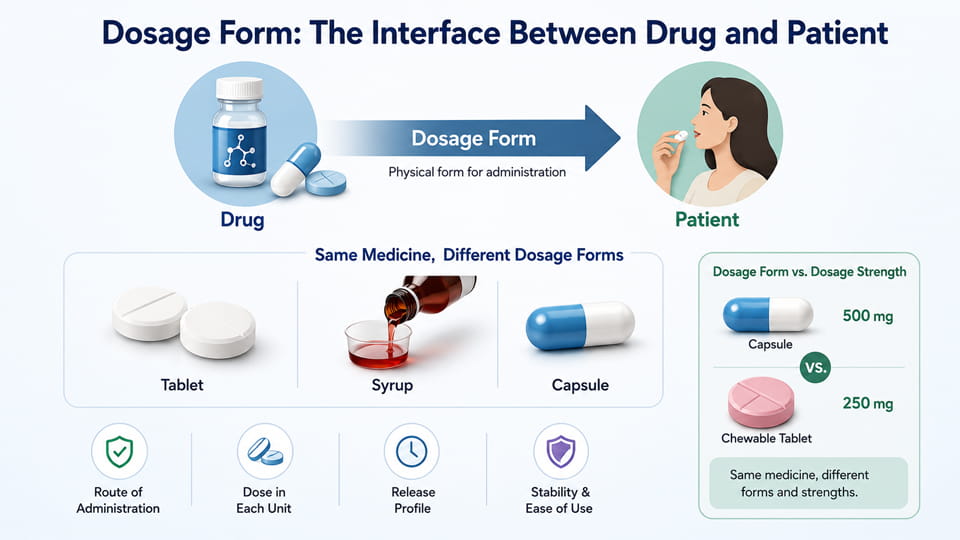
Lek nie jest dostarczany po prostu w butelkach czy pudełkach – on sam przychodzi formy dawkowania. A postać dawkowania jest fizyczne formularz podczas którego przygotowuje się i podaje lek. W aptece, to oznacza narkotyk składnik aktywny łączy się z innymi materiałami (substancje pomocnicze) i uformowano w tabletkę, kapsułka, płyn, krem, lub innym formacie. W prostych słowach, . Definicja postaci dawkowania to „w jaki sposób lek jest formułowany i dostarczany”, tak aby odpowiednia dawka bezpiecznie dotarła do organizmu. Na przykład, jeden powszechny lek może być sprzedawany jako: 500 mg kapsułka lub a 250 mg tabletka do żucia – ten sam lek, różny postać dawkowania.
Zrozumienie postaci dawkowania ma kluczowe znaczenie dla każdego, kto zajmuje się produkcją lub zaopatrzeniem farmaceutycznym. Wybór formy ma wpływ na użytkowanie przez pacjenta, stabilność leku, i metody produkcji. W tym przewodniku, załamiemy się co oznacza postać dawkowania w aptece, dlaczego to ma znaczenie, i rodzaje postaci dawkowania spotkasz. Poruszymy także kwestię nowoczesnego sprzętu (jak tabletkarki i wypełniacze kapsułek) ułatwia produkcję i pakowanie tych form.

Z definicji, A postać dawkowania Jest fizyczna postać produktu farmaceutycznego. Innymi słowy, to sposób, w jaki aktywny lek i wszelkie obojętne składniki są łączone i podawane do podania. Połysk NIH definiuje to po prostu jako „postać fizyczna, w której lek jest wytwarzany lub podawany”. Inne źródło wyjaśnia, że postacie dawkowania są produktami leczniczymi „przedstawiane w określonej formie do użytku,” zawierający mieszaninę składników aktywnych i nieaktywnych, skonfigurowane w określonej formie.
Pomyśl o postaci dawkowania jako o interfejs pomiędzy lekiem a pacjentem. Na przykład, paracetamol występuje w postaci tabletek, syrop, a nawet czopki; są to różne postacie dawkowania tej samej substancji czynnej. Każda forma jest formuła dawkowania – specyficzna receptura aktywnego leku + substancje pomocnicze w kształcie czegoś wygodnego. Jak to ujął jeden z przewodników JinLuPacking, chodzi o wytworzenie stałej postaci dawkowania „przekształcanie cząsteczek leku w stabilną formę stałą” poprzez zmieszanie składników aktywnych spoiwa i wypełniacze. Gotową formą może być okrągła tabletka, otoczka kapsułki, lub saszetka z proszkiem – każda zaprojektowana tak, aby lek mógł być skutecznie podany.
W rzeczywistości, kiedy mówią o tym farmaceuci lub producenci postać dawkowania, biorą pod uwagę takie czynniki jak:
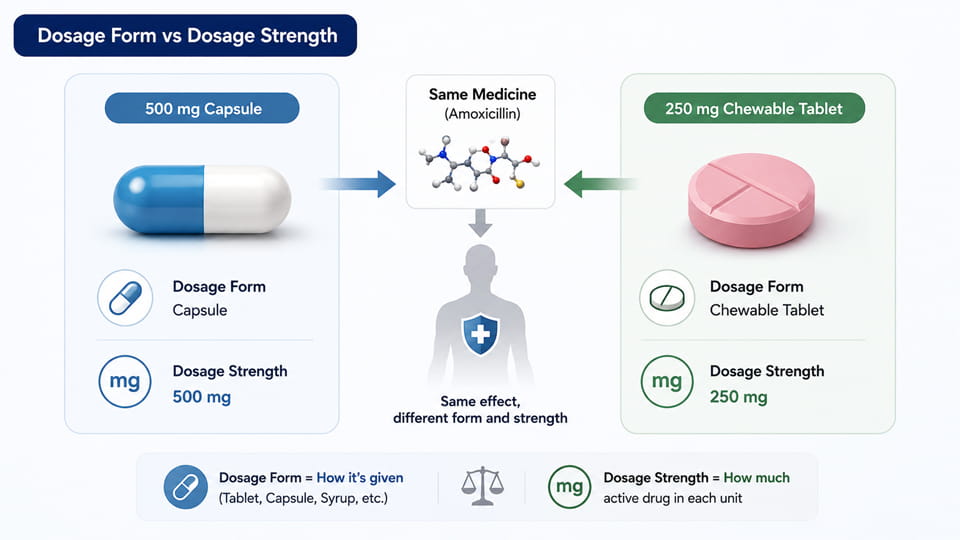
Na przykład, ten sam lek (mowić, amoksycylina) może występować w „postaciach dawkowania”, takich jak: 500 Mg kapsułka lub 250 Mg tabletka do żucia”. Obydwa dostarczają amoksycylinę, ale forma i dawka są różne. To podkreśla różnicę pomiędzy postaciami dawkowania (kapsułka vs tabletka) I Siła dawkowania (500 mg vs 250 Mg).
Wybór właściwej postaci dawkowania jest kluczowy z kilku powodów:
Krótko mówiąc, postacie dawkowania to coś więcej niż „tylko opakowanie”. Odgrywają kluczową rolę w działaniu leku oraz łatwości jego wytwarzania i bezpiecznego stosowania.
Leki można formułować w wielu postaciach, każdy dostosowany do określonych celów. Poniżej znajdują się główne kategorie:

Postać: Kapsułki i tabletki są przykładami stałych postaci dawkowania stosowanych do podawania doustnego.
Stałe postacie dawkowania są najczęściej w przemyśle farmaceutycznym. Należą do nich tablety (sprasowane tabletki w proszku), kapsułki (żelatyna lub HPMC muszle wypełnione proszkiem lub granulkami), oraz proszki lub granulki luzem. Tablety można projektować w wielu odmianach (np. do żucia, musujący, wydanie rozszerzone) kontrolować szybkość uwalniania leku do organizmu. Kapsułki często mają rozpuszczającą się otoczkę, która rozkłada się w żołądku, uwalniając lek.
Dlaczego ciała stałe? Są stabilne i wygodne. Tabletki w postaci stałej zazwyczaj dłużej stoją na półce i nie wymagają przechowywania w lodówce. Każda jednostka zawiera dokładną dawkę leku, więc dawkowanie jest dokładne. Do produkcji, formy stałe są wydajne: nowoczesny Maszyny prasowe tabletu I maszyny do napełniania kapsułki (jak te autorstwa JinLu) może wyprodukować setki tysięcy tabletek na godzinę. Maszyny pakujące w blistry i linie do napełniania butelek następnie pakują te tabletki lub kapsułki w produkty końcowe (karty blistrowe, butelki, paski, itp.).
Przykłady stałych postaci dawkowania:
Uwaga dotycząca sprzętu: Produkcja form stałych wymaga specjalistycznych maszyn. Na przykład, tabletkarkę rotacyjną (jak tabletkarka JinLu) kompresuje proszek w tabletki. Maszyny do napełniania kapsułek (ręczny lub automatyczny) wsypać proszek do otoczek kapsułek. Po uformowaniu, tabletki/kapsułki mogą przejść przez powlekanie, rachunkowość, i sprzęt do pakowania.

Postać: Syrop jest powszechną płynną postacią dawkowania, przydatne dla pacjentów, którzy mają problemy z połykaniem ciał stałych.
Płynne postacie dawkowania obejmują rozwiązania, zawieszenia, emulsje, i syropy. Są idealne, gdy połykanie ciał stałych jest trudne (na przykład dla dzieci lub osób starszych) lub gdy potrzebny jest szybki początek. Przykładami są syropy na kaszel (słodzony w celu zamaskowania smaku narkotyku), krople doustne, i rozwiązania IV.
Dlaczego płyny? Pozwalają elastyczne dawkowanie (możesz odmierzyć łyżkę) i działają dobrze, gdy potrzebne jest szybkie wchłanianie. Na przykład, lek w postaci roztworu dostaje się do krwioobiegu szybciej niż tabletka. Płyny również pomagają zapewnić mniejszy pacjenci otrzymują dokładnie mniejsze dawki.
Uwaga dotycząca sprzętu: Formy płynne często wymagają kadzi mieszających i maszyn napełniających. Po wymieszaniu (np. w granulatorze z mieszadłem szybkoobrotowym lub suszarce ze złożem fluidalnym), płynny lek jest napełniany przez maszyny do napełniania butelek lub pompowany do fiolek (jak ampułki). Na przykład, Oferty JinLuPacking linie do napełniania butelek które można spłukać, wypełnić, i zakręcaj setki butelek na minutę w przypadku syropów lub roztworów.

Postać: Kremy i maści są półstałymi postaciami dawkowania do stosowania miejscowego na skórę.
Półstałe postacie dawkowania są głównie do stosowania miejscowego - to jest, nakładać na skórę lub błony śluzowe. Obejmują one kremy, maści, żele, balsamy, i pasty. Na przykład, krem przeciwgrzybiczy lub maść hydrokortyzonowa pozwala lekowi działać bezpośrednio na problem skórny. Wiele kosmetyków (balsamy do skóry) są także postaciami dawkowania do stosowania miejscowego dla składników aktywnych.
Dlaczego półstałe? Dostarczają lek lokalnie z minimalnymi skutkami ogólnoustrojowymi. Lek dociera do dotkniętego obszaru bez przemieszczania się po całym ciele, zmniejszenie skutków ubocznych. Na przykład, kremy do skóry pozostają głównie na skórze.
Formuła i sprzęt: Przygotowanie kremów i balsamów wymaga zmieszania fazy olejowej i wodnej z emulgatorami. JinLu próżniowy mieszalnik emulgatora przeznaczony jest do łączenia tych niemieszających się ze sobą płynów w stabilny krem lub balsam. Po wymieszaniu, A maszyna do napełniania tub lub linia do napełniania słoików pakuje produkt w tuby, butelki, lub słoiki. Jak wyjaśnia JinLu, emulgator próżniowy „łączy niemieszające się ciecze (olej & woda) w stabilną emulsję” pod próżnią. Ten krok jest niezbędny w przypadku spójnych kremów i żeli.
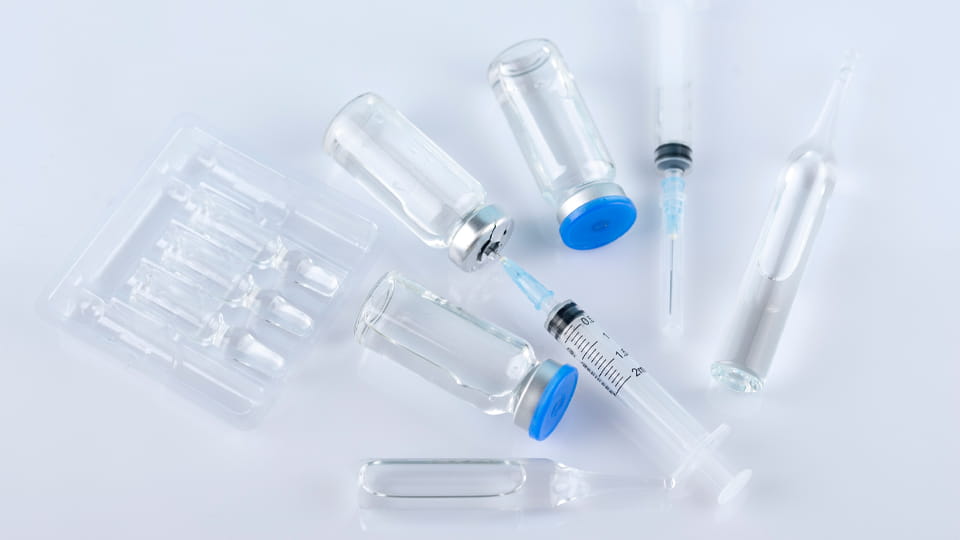
Postać: Do wstrzykiwań przygotowany w fiolkach lub ampułkach.
Oprócz doustnego i miejscowego, pozajelitowe (wstrzykiwalny) form są krytyczne. Zastrzyki obejmują dożylny (IV), domięśniowy (JESTEM), podskórny (SC) zastrzyki i napary. Te płynne postacie dawkowania są sterylne i zaprojektowane tak, aby ominąć trawienie i zapewnić szybkie działanie. Wiele leków ratujących życie (np. szczepionki, insulina, niektóre antybiotyki) używaj form do wstrzykiwań.
Każda z nich jest specjalistyczną formą dawkowania wybraną ze względu na określone korzyści (prędkość, efekt lokalny, wygoda). Ogólny projekt postaci dawkowania jest podstawową częścią preparaty farmaceutyczne – inżynierowie i farmaceuci dostosują recepturę (dawkowanie i forma) do potrzeb pacjenta i właściwości leku.
Farmaceuci i inżynierowie biorą pod uwagę wiele czynników przy wyborze postaci dawkowania leku:
Nic dziwnego, że istnieje tak wiele opcji postaci dawkowania. Każdy równoważy wygodę, skuteczność, i wykonalność. Dobra formuła farmaceutyczna znajduje „najlepszy punkt” pomiędzy potrzebami pacjenta a właściwościami leku.
Ważne jest, aby nie mylić postać dawkowania z Siła dawkowania. The postać dawkowania Jest jak wygląda lek i jak jest zażywany (tabletka, syrop, itp.), podczas gdy Siła dawkowania Jest ile aktywnego leku znajduje się w każdej jednostce. Na przykład, mogą być dwie wersje antybiotyku amoksycyliny: 500 mg kapsułka i 250 mg tabletka do żucia. Tutaj, kapsułka/tabletka jest postacią dawkowania, i liczby (500 Mg, 250 Mg) to moce dawkowania. Obydwa dostarczają pacjentowi amoksycylinę, ale w różnych formach i mocach.
W rzeczywistości, producenci oferują wiele mocy dla każdej postaci, dzięki czemu lekarze mogą łatwo dostosować dawki. Formularz (solidny, płyn, itp.) odpowiada głównie na pytanie „jak to jest podane?" pytanie, podczas gdy siła odpowiada „ile leku zawiera każda dawka”.
Formy dawkowania stanowią pomost pomiędzy opracowywaniem leków a stosowaniem ich przez pacjentów. W aptece, mają na myśli konkret preparaty – tabletki, kapsułki, syropy, kremy, zastrzyki, i nie tylko – które przenoszą do organizmu składniki aktywne. Wybór odpowiedniej formy jest kluczowy: wpływa na wchłanianie leku, jakie to proste dla pacjentów, oraz jak wydajnie można je produkować i pakować.
Nowoczesny sprzęt farmaceutyczny umożliwia niezawodne wytwarzanie dowolnej postaci leku. Na przykład, JinLuPacking oferuje kompletne rozwiązania: wysokoobrotowe tabletkarki do substancji stałych doustnych, maszyny do napełniania kapsułek granulatem, linie do rozlewu cieczy do syropów i preparatów do wstrzykiwań, i maszyny pakujące (pakowarki blistrowe, kapsle do butelek, maszyny liczące) aby dokończyć pracę. Z odpowiednią wiedzą i maszynami, każda postać dawkowania – czy to stabilna tabletka, czy złożony krem – może być wyprodukowana z zachowaniem wysokiej jakości.
Podsumowując, zrozumienie Definicja postaci dawkowania w aptece oznacza uznanie tego forma ma znaczenie. Determinuje doświadczenie pacjenta, działanie leku, i metody wytwarzania. Projektując i dobierając skuteczne formy dawkowania, Inżynierowie farmaceutyczni pomagają zapewnić, że leki są zarówno bezpieczne, jak i wygodne dla użytkowników.
Gotowy do omówienia Twoich potrzeb w zakresie produkcji farmaceutycznej? Niezależnie od tego, czy produkujesz tablety, kapsułki, kremy, lub syropy, nasz zespół może Ci pomóc. Kontakt JinLu Pakowanie w celu zbadania niestandardowych linii produkcyjnych i rozwiązań w zakresie opakowań dla dowolnej postaci dawkowania. Oferujemy sprzęt pod klucz od szybkich tabletkarek po zautomatyzowane linie do pakowania blistrów i napełniania butelek – wszystkie zaprojektowane z myślą o spójnych dostawach, wysokiej jakości formy dawkowania dla Twoich produktów.
Postać dawkowania to postać fizyczna, w której lek jest wytwarzany i podawany pacjentom. Łączy w sobie aktywny składnik farmaceutyczny (API) z substancjami pomocniczymi do tworzenia produktów takich jak tabletki, kapsułki, płyny, kremy, zastrzyki, lub proszki. Właściwa postać dawkowania pomaga zapewnić dokładne dawkowanie, stabilność produktu, i skuteczne dostarczanie leku.
Wiele osób myli te dwa pojęcia.
• Postać dawkowania odnosi się do fizycznej postaci leku, jak tablet, kapsułka, syrop, lub krem.
• Siła dawki odnosi się do ilości substancji czynnej zawartej w każdej jednostce, jak na przykład 250 mg lub 500 Mg.
Na przykład, A 500 mg tabletka i a 500 mg kapsułki mają tę samą moc dawkowania, ale różne postacie dawkowania.
Farmaceutyczne postacie dawkowania są ogólnie podzielone na kilka kategorii:
• Stałe postacie dawkowania (tabletki, kapsułki, proszki)
• Płynne postacie dawkowania (rozwiązania, zawieszenia, syropy)
• Półstałe postacie dawkowania (kremy, maści, żele)
• Postacie dawkowania do wstrzykiwań
• Inhalacyjne i przezskórne postacie dawkowania
Każdy typ został zaprojektowany z myślą o różnych potrzebach terapeutycznych i pacjentach.
Właściwa postać dawkowania wpływa bezpośrednio:
• Wchłanianie leku
• Zgodność pacjenta
• Dokładność dozowania
• Stabilność produktu
• Wydajność produkcji
Na przykład, dzieci mogą preferować płynne postacie dawkowania, podczas gdy dorośli często dla wygody wybierają postacie dawkowania w postaci tabletek lub kapsułek.
Typowe przykłady farmaceutycznych postaci dawkowania obejmują:
• Postać dawkowania tabletki
• Postać dawkowania w kapsułce
• Roztwór doustny
• Syrop
• Zawieszenie
• Roztwór do wstrzykiwań
• Krem
• Maść
• Żel
• Proszek do rozpuszczenia
Każdy preparat farmaceutyczny opracowywany jest w oparciu o właściwości leku i zamierzoną drogę podania.
Doustna stała postać dawkowania jest najpowszechniej stosowaną farmaceutyczną postacią dawkowania na świecie.
Formy dawkowania tabletek i kapsułek są popularne, ponieważ oferują:
• Wysoka wydajność produkcji
• Długi okres przydatności do spożycia
• Dokładne dozowanie
• Łatwy transport
• Ekonomiczna produkcja
Z tego powodu większość farmaceutycznych linii produkcyjnych jest przeznaczona do wytwarzania doustnych dawek stałych.
Typowa linia do produkcji stałych dawek doustnych może obejmować:
• Sprzęt do produkcji tabletów
• Maszyna do napełniania kapsułek
• Mieszalnik o wysokim ścinaniu
• Suszarka ze złożem fluidalnym
• Maszyna do powlekania tabletek
• Maszyna do liczenia tabletek
• Maszyna pakująca w blister
• Linia do napełniania butelek
• Maszyna kartonowa
Nowoczesne farmaceutyczne linie produkcyjne integrują te maszyny w celu zautomatyzowanej i zgodnej z GMP produkcji.
formy odpowiadają różnym potrzebom. Na przykład, antybiotyk może być dostępny w postaci tabletek (dla dorosłych), zawieszenie (dla dzieci), i postać do wstrzykiwań (dla hospitalizowanych pacjentów). Każda forma optymalizuje stabilność, wygoda, lub absorpcji zgodnie z zamierzonym zastosowaniem.
dawka to ilość leku przyjmowana jednorazowo (np. 250 mg). Postać dawkowania to postać fizyczna zawierająca ten lek (np. tabletka 250 mg lub kapsułka 250 mg). Innymi słowy, dawka = ilość leku; postać dawkowania = tabletki, płyn, itp.
jak szybko lek się rozpuszcza. Tabletki muszą się rozpaść, zanim lek się wchłonie, podczas gdy płyny działają szybciej. Tabletki o kontrolowanym uwalnianiu spowalniają rozpuszczanie, aby przedłużyć efekt. Preparaty miejscowe wchłaniają się przez skórę, podczas gdy zastrzyki całkowicie omijają bariery. Wybór formy dobierany jest do właściwości leku i celu terapeutycznego.
Referencje:
1.Formy dawkowania -- NAS. Administracja Żywności i Leków
2.Postać dawkowania i droga podania -- NAS. Administracja Żywności i Leków
3.Farmaceutyczne postacie dawkowania —— usp.org
4.Projekt receptury, wyzwania, oraz rozważania rozwojowe dotyczące kombinacji o ustalonych dawkach (FDC) doustnych stałych postaci dawkowania —— tandfonline.com
5.Formularz dawkowania —— Wikipedia
6.Postacie dawkowania ulegające rozpadowi w jamie ustnej: ulepszenia biofarmaceutyczne i wymogi regulacyjne —— ScienceDirect