Dans l'industrie pharmaceutique, la qualité et la sécurité des patients sont primordiales. Chaque tablette, ampoule, ou le blister doit être produit sous des contrôles stricts pour garantir son efficacité, pur, et en toute sécurité. C'est là Conformité GxP entre. GxP est un terme générique signifiant «Bien x Pratique," où "x" peut être Fabrication, Laboratoire, Clinique, Distribution, etc.. Essentiellement, Les directives GxP sont réglementaires systèmes de qualité que les sociétés pharmaceutiques doit suivre documenter et contrôler tous les processus. Ensemble, ces règles garantissent que les médicaments sont systématiquement produits et contrôlés selon des normes de qualité élevées tout au long de leur développement., fabrication, essai, conditionnement, et diffusion.
Les régulateurs comme le FDA (NOUS. Administration des aliments et des médicaments), Ema (Agence européenne des médicaments), OMS, et d'autres appliquent les normes GxP. Par exemple, les bonnes pratiques de fabrication actuelles de la FDA (CGMP) règles (21 Pièces CFR 210-211) fixer des exigences minimales pour la fabrication, emballage, et conserver les médicaments pour s'assurer qu'ils sont sûrs et qu'ils contiennent les ingrédients et la concentration appropriés. De la même manière, Les lignes directrices de l’OMS et de l’UE couvrent les BPF/BPL/BPD/GVP à l’échelle mondiale. En pratique, les sociétés pharmaceutiques se développent Systèmes de gestion de la qualité et procédures opérationnelles standard (Sops) autour des principes GxP. Chaque lot de produit a des enregistrements traçables du début à la fin. Même les équipements doivent être qualifiés (avec Qualification Installation/Opérationnelle/Performance – IQ/OQ/PQ) et validé pour répondre aux exigences GxP.
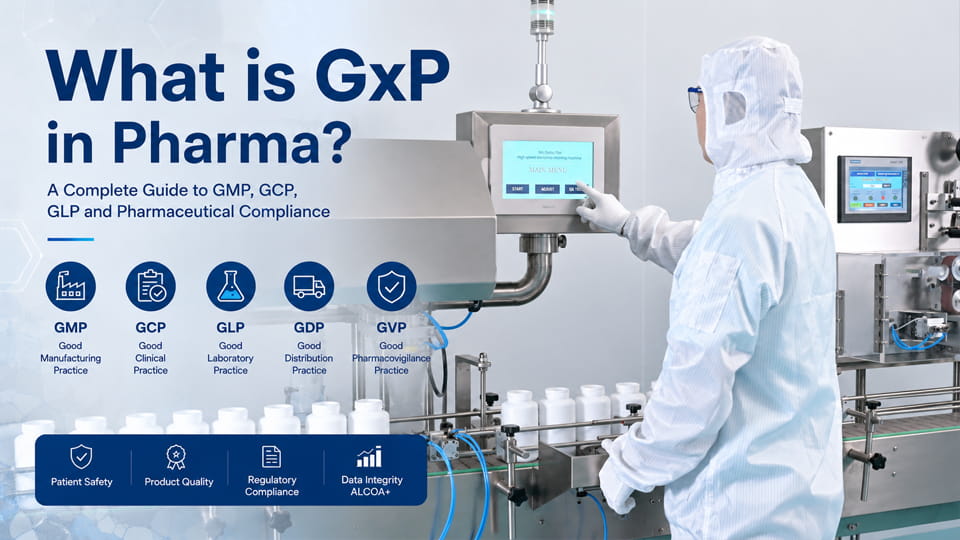
Que signifie GxP dans les produits pharmaceutiques?
L'acronyme GxP représente Bonne pratique « x », où le "G" est « bon » et le "P" est « Pratique ». Le « x » représente diverses disciplines. GxP n'est pas une réglementation unique mais un ensemble de directives de qualité. Les principales disciplines GxP comprennent:
- Bonne pratique de fabrication (GMP): S'assure que les produits sont systématiquement fabriqués et contrôlés selon les normes de qualité. GMP couvre la fabrication, équipement, installations, personnel, et documentation pour minimiser la contamination, confusions, et erreurs.
- Bonnes pratiques de laboratoire (BPL): Régit la conduite des études non cliniques en laboratoire (comme les tests de toxicologie) pour garantir l’intégrité et la reproductibilité des données. BPL garantit que les tests de laboratoire sont bien documentés, vérifiable, et fiable.
- Bonnes pratiques cliniques (GCP): La norme internationale en matière de conception, conduite, surveillance, et rendre compte des essais cliniques. GCP protège les droits des patients, intégrité des données, et garantit que les résultats des essais sont crédibles.
- Bonnes pratiques de distribution (PIB): Définit les normes en matière de stockage, manutention, et transport de produits pharmaceutiques. Le GDP garantit que la qualité des médicaments est maintenue tout au long de la chaîne d’approvisionnement – par exemple, en contrôlant la température, éviter la contamination, et suivi des lots.
- Bonnes pratiques de pharmacovigilance (GVP): Fournit des lignes directrices pour la surveillance de la sécurité des médicaments et la déclaration des événements indésirables après la commercialisation d'un produit.. GVP aide les sociétés pharmaceutiques et les régulateurs à détecter, évaluer, et prévenir les effets secondaires négatifs.
Chaque domaine GxP est appliqué par des réglementations ou des directives spécifiques (Par exemple, FDA 21 CFR pour les BPF/BPL/BPC, EudraLex UE pour les BPF/PIB/GVP, Je lignes directrices, OMS, etc.). Même si les détails diffèrent, l'objectif commun est pour garantir la sécurité des produits pharmaceutiques, efficace, et de haute qualité à chaque étape.
Tableau: Principales disciplines GxP(Types de réglementations GxP)
| Type GxP |
Nom et prénom |
Étape du cycle de vie du produit |
Objectif/Objectif |
| BPL |
Bonnes pratiques de laboratoire |
Recherche sur les médicaments |
Régit les études de laboratoire non cliniques (comme les tests de toxicité) pour garantir la qualité et la traçabilité des données. BPL établit des normes pour les procédures de laboratoire, enregistrement de données, et rapports. |
| GCP |
Bonnes pratiques de laboratoire |
Essais cliniques |
Normes internationales pour les essais cliniques (I-GCP). Couvre la conception des essais, consentement éclairé, surveillance, et un rapport précis des résultats. |
| GMP |
Bonnes pratiques cliniques |
Fabrication |
S'assure que les médicaments sont fabriqués et contrôlés de manière cohérente lors de la fabrication/de l'emballage.. Comprend les normes relatives aux installations/équipements, formation du personnel, Tests de contrôle qualité. |
| PIB |
Bonnes pratiques de distribution |
Entreposage & Logistique |
Assure le bon stockage et le transport des médicaments (Par exemple, température correcte, manipulation sécurisée) afin que la qualité soit maintenue tout au long de la chaîne d'approvisionnement. |
| GVP |
Bonnes pratiques de pharmacovigilance |
Surveillance post-commercialisation |
Lignes directrices pour la surveillance continue de la sécurité des médicaments commercialisés (déclaration des événements indésirables, gestion des risques, communication avec les autorités). |
Pourquoi GxP est-il important dans l'industrie pharmaceutique?
La conformité GxP est essentielle car des vies en dépendent littéralement. Ses principaux objectifs sont:
- Sécurité des patients: Suivre GxP minimise les risques tels que la contamination, confusions, ou erreurs de dosage. Par exemple, Règles BPF (comme un assainissement approprié et un contrôle des processus) aider à prévenir la contamination croisée entre les produits. Sans GxP, des médicaments de qualité inférieure pourraient nuire aux patients ou manquer d’efficacité. Les organismes de réglementation soulignent que « Les règles GxP existent pour une raison: pour protéger les patients ».
- Qualité et cohérence des produits: Les cadres GxP garantissent que chaque lot d'un médicament répond aux mêmes spécifications. Cela inclut une puissance constante, pureté, et stabilité. En appliquant des contrôles rigoureux (par exemple. étalonnage des instruments, méthodes validées, tests en cours), les fabricants peuvent garantir que chaque flacon ou comprimé correspond aux allégations de l'étiquette..
- Conformité réglementaire et confiance: L'adhésion à GxP est légalement obligatoire. Des agences comme la FDA, Ema, MHRA, PMDA, et l'OMS s'appuient sur les inspections et les audits GxP. Les entreprises qui font preuve de solides pratiques GxP renforcent la confiance auprès des régulateurs. Le non-respect peut donner lieu à des lettres d’avertissement, amendes, rappels de produits, ou pire. Comme le note un guide de l’industrie, les régulateurs effectuent des audits pour « vérifier la conformité aux normes GxP » qui soulignent l'intégrité des produits et la sécurité des patients.
- Intégrité des données: Un aspect essentiel de GxP est de garantir que les données sont exactes et dignes de confiance.. Une réglementation moderne (par exemple. FDA 21 Partie CFR 11, Annexe UE 11) exiger que les enregistrements électroniques soient sécurisés, horodaté, et inviolable. Des principes clés comme ALCOA+ (Attribuable, Lisible, Contemporain, Original, Précis, plus Complet, Cohérent, Durable, Disponible) sont utilisés pour juger de la qualité des données. En pratique, cela signifie mettre en œuvre des pistes d'audit sur les logiciels, verrouillage des documents maîtres, et examiner régulièrement les enregistrements de lots. Une intégrité robuste des données est une pierre angulaire de GxP; sans ça, même les produits bien faits ne seraient pas dignes de confiance.
En bref, GxP est le fondement de la gestion de la qualité pharmaceutique. Il assure que chaque étape — des tests en laboratoire à l'emballage final — est effectué sous contrôle, conditions documentées. Par exemple, un guide observe que « La conformité GxP garantit que les médicaments et les produits biologiques sont développés, fabriqué, et testé selon des normes strictes,» éviter une contamination coûteuse ou des erreurs d’étiquetage. Ainsi, GxP protège non seulement les patients, mais soutient également une réputation de marque fiable et un accès au marché pour les sociétés pharmaceutiques..

Comprendre GMP – La norme GxP la plus importante
Bien que tous les domaines GxP soient critiques, GMP (Bonne pratique de fabrication) est souvent considérée comme le fondement de la conformité de la production pharmaceutique. GMP couvre l’ensemble du processus de fabrication des produits pharmaceutiques, y compris les matières premières, équipement, installations, processus, et lignes de conditionnement. Son objectif principal est de minimiser les risques de contamination ou de déviation du produit en appliquant des contrôles et une documentation stricts. Les éléments clés du GMP comprennent:
- Conception des installations et des équipements: L'équipement doit être conçu pour un fonctionnement hygiénique. Cela signifie utiliser des matériaux de qualité pharmaceutique (par exemple. 316L en acier inoxydable), soudures lisses, pas de zones mortes, et un accès facile pour le nettoyage. Pour machines d'emballage, cela pourrait impliquer des convoyeurs en porte-à-faux, pièces à dégagement rapide, et gardes fermés. Une disposition appropriée évite les confusions et facilite la validation du nettoyage (procédures de nettoyage validées).
- Utilitaires et calibrage: Tous les utilitaires (eau, air comprimé, électrique) doit répondre aux spécifications de qualité. Instruments et capteurs (Balance, débitmètres, sondes de température) nécessiter régulièrement étalonnage selon des procédures écrites. La FDA attend explicitement des enregistrements d'étalonnage pour les équipements critiques. Par exemple, une ligne de bouteilles remplies verrait ses pompes volumétriques étalonnées pour garantir l'exactitude de chaque dose.
- Validation et qualification: GMP exige que les équipements et les processus soient qualifiés et validés. Cela implique la qualification de l'installation (QI), Qualification opérationnelle (QO), et qualification des performances (PQ) pour prouver que le système fonctionne comme prévu (discuté en détail ci-dessous). Par exemple, une nouvelle machine d'emballage sous blister doit être testée IQ/OQ/PQ pour confirmer la température de scellage, intégrité du joint, et le système d'indexation répond aux spécifications. Chaque machine critique (charges de capsule, encartonneuses, lignes de remplissage de liquides) doit suivre ce cycle de vie de validation.
- Procédures opérationnelles standard (Sops): Détaillé, des SOP écrites sont obligatoires pour les étapes de fabrication, nettoyage, entretien, et contrôles de qualité. Les opérateurs doivent être formés sur ces SOP et tout changement doit être contrôlé via un système formel de contrôle des changements.. Les auditeurs recherchent des SOP et des dossiers de formation à jour.
- Bonnes pratiques de documentation: GMP souligne que "si ce n'est pas documenté, cela ne s’est pas produit. Toutes les procédures, enregistrements de lots, journaux de nettoyage, et les tests QC doivent être enregistrés de manière lisible et contemporaine. Un dossier de fabrication par lots complété (BMR) doit inclure le rapprochement des matériaux, paramètres de l'équipement, contrôles en cours, et tout écart/correction. Les tendances modernes poussent les enregistrements de lots électroniques (eBR) avec des pistes d'audit sous 21 Partie CFR 11.
- Contrôle de qualité (QC) et libération de lots: Tests de contrôle qualité (par exemple. puissance, stérilité, identification) est réalisée sur les matières premières et les produits finis. Ce n'est qu'après que les départements QA/QC ont examiné toute la documentation et les résultats des tests qu'un lot est publié.. Cette vérification finale est un élément clé du GMP.
Le blog de Jinlu Packing sur les emballages GMP souligne plusieurs de ces exigences. Par exemple, il note que maintenance préventive et étalonnage sont mandatés par GMP (21 CFR 211.68 nécessite des intervalles et des enregistrements définis). Il souligne également automation & prévention des erreurs: les lignes d'emballage GMP modernes utilisent l'inspection visuelle, lecture de codes à barres, et des verrouillages pour éviter les erreurs humaines. L'intégrité des données et les contrôles informatiques sont également couverts par GMP: tous les systèmes informatisés en ligne (par exemple. Automates, systèmes de vision, IHMI) doit se conformer 21 Partie CFR 11 – ce qui signifie des connexions uniques, pistes d'audit, signatures électroniques, et une tenue de dossiers sécurisée. En pratique, cela signifie que le logiciel de contrôle de la machine enregistrera chaque changement de paramètre avec un horodatage et un identifiant utilisateur, et nécessitera la signature électronique d'un responsable pour approuver un lot.
Liste de contrôle BPF pour les équipements d'emballage
Il est utile de visualiser les exigences GMP sous forme de liste de contrôle. Pour machines d'emballage, les fabricants garantissent généralement:
- Conception & Matériels: Construction hygiénique (pièces en acier inoxydable, Sceaux approuvés par la FDA), pas de zones « mortes », surfaces inclinées, démontage facile pour le nettoyage.
- Validation: Complétez IQ/OQ/PQ sur chaque machine. Tests documentés des fonctions (scellage, remplissage, pesée) et performances. (Voir la section Qualification de l'équipement ci-dessous.)
- Nettoyage: Procédures de nettoyage validées avec tests d'écouvillonnage ou de rinçage (utilisant généralement le COT ou des tests spécifiques) et des enregistrements.
- Entretien & Étalonnage: Calendriers de maintenance préventive avec journaux. Calibrage des pompes doseuses, Balance, capteurs pour assurer la précision.
- Contrôles & Automation: Systèmes d'inspection visuelle (Par exemple, détecteurs de métaux, trieuses pondérales) détecter les défauts, capteurs pour éviter les erreurs d'alimentation, se verrouille pour s'arrêter si les portes s'ouvrent.
- Intégrité des données: 21 Partie CFR 11 conformité – pistes d'audit, contrôles d'accès des utilisateurs, signatures électroniques, données sécurisées. Tous les enregistrements (Sops, données par lots, écarts) stocké de manière inaltérable.
- Traçabilité: Prise en charge de la sérialisation/UID, code à barres, relier chaque pack principal aux enregistrements de lots, permettre le rappel si nécessaire. (Les machines Jinlu intègrent souvent des imprimantes d'étiquettes ou des lecteurs de codes pour la traçabilité.)
- Environnemental & Contrôles de ligne: Normes de salle blanche appropriées si nécessaire, contrôles documentés du dégagement des lignes entre les lots, un étiquetage et une manipulation appropriés des matériaux pour éviter les confusions.
En suivant ces contrôles, les fabricants peuvent être sûrs que leurs équipements d'emballage fonctionneront conformément aux directives BPF. Par exemple, machines de remplissage de gélules et machines d'emballage sous blister de Jinlu sont construits avec des fonctionnalités compatibles GMP (surfaces GMP lisses, Capacité CIP, etc.) pour répondre à ces demandes.
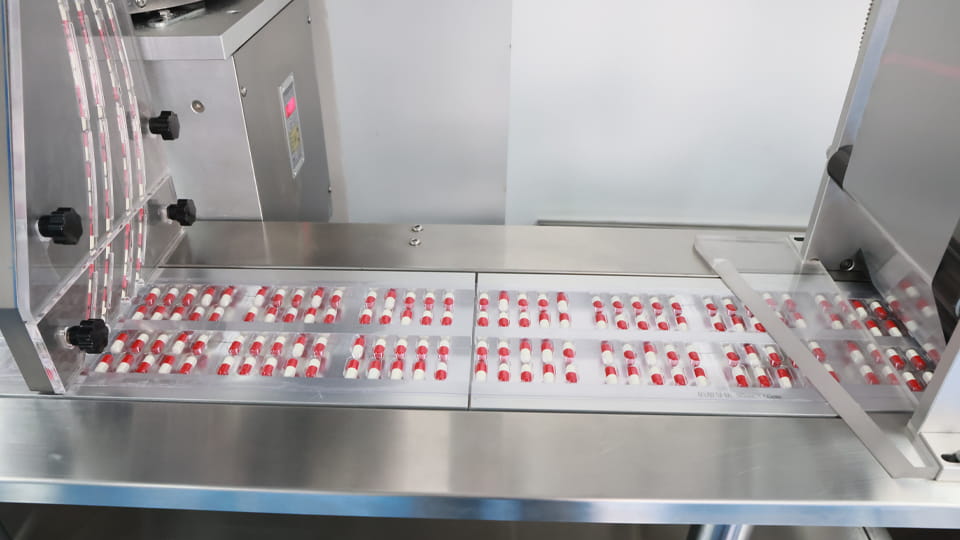
Exigences GxP pour les fabricants d’équipements pharmaceutiques
Les fournisseurs d’équipements d’emballage jouent un rôle essentiel dans GxP. Les acheteurs attendent des machines non seulement robustes et efficaces, mais également conçu pour faciliter la conformité réglementaire. Les principales exigences comprennent:
- Assistance aux qualifications (IR/WH/PQ): Les vendeurs doivent fournir protocoles et aide à la qualification. Cela signifie une qualification d'installation documentée (QI) pour montrer que la machine a été installée correctement, Qualification opérationnelle (QO) pour prouver qu'il fonctionne selon les spécifications, et qualification des performances (PQ) pour vérifier qu'il produit systématiquement un résultat acceptable. Par exemple, Jinlu Packing livre chaque machine avec un kit IQ/OQ/PQ et des protocoles FAT/SAT complets. Ces modèles peuvent souvent être adaptés par l’équipe QA de l’acheteur, gain de temps lors de la validation. Le fournisseur peut également participer à des courses de qualification ou fournir des listes de contrôle d'équipement certifié.
- Dossier de documentation: Avec la machine, les fournisseurs doivent fournir un ensemble complet de documents. Les éléments typiques incluent le Manuel d'utilisation, Liste principale des pièces, Schémas électriques, et Instructions d'entretien. Surtout, GRAISSE (Test d'acceptation en usine) et ASSIS (Test d'acceptation du site) les rapports documentent que la machine a réussi les tests en usine et sur site. Les certificats d'étalonnage de tous les appareils de mesure doivent être inclus. En pratique, un dossier de documentation conforme répertoriera également les spécifications du système, SOP de nettoyage, évaluations des risques, et tout historique de contrôle des modifications.
- Fonctionnalités d'intégrité des données: Les équipements modernes doivent offrir des commandes électroniques conformes aux normes de données GxP. Cela inclut les comptes d'utilisateurs sécurisés (accès basé sur les rôles), signatures électroniques obligatoires pour les actions critiques, et des pistes d'audit complètes de toute modification des paramètres. Par exemple, un écran IHM peut nécessiter la connexion du chef d'équipe pour démarrer la production, et chaque changement de recette ou de réglage est horodaté. Les machines peuvent également prendre en charge la sortie d'enregistrements numériques par lots, intégration avec les systèmes MES/ERP.
- Outils de validation et de test: Certains fournisseurs incluent des outils logiciels pour l'enregistrement des données, étalonnage, ou validation. Il pourrait s'agir d'un logiciel préinstallé pour effectuer des tests de capteurs, ou fonctionnalité intégrée pour verrouiller les paramètres pendant les exécutions PQ. Ces fonctionnalités réduisent les efforts manuels lors de la validation.
- Conception hygiénique et sécuritaire: L'équipement doit être facile à nettoyer et à entretenir. Des fonctionnalités telles que des pièces à dégagement rapide, zones sans produits, et CIP (Nettoyage sur place) les options aident à répondre aux validations de nettoyage. Les matériaux en contact avec le produit doivent être inertes (par exemple. 316LSS, Plastiques approuvés par la FDA). Des dispositifs de sécurité et des verrouillages protègent les opérateurs, mais aussi assurer la conformité (par exemple. la machine s'arrête à l'ouverture).
- Support après-vente: La conformité GxP est en cours. Les fabricants peuvent exiger une requalification ou un réétalonnage périodique. Les fournisseurs doivent proposer des services de cycle de vie: des pièces de rechange (pour un remplacement rapide des pièces validées), contrats d'entretien, et mises à jour de la documentation de validation si des changements surviennent. La volonté d’un fournisseur de fournir des services de qualification sur site (IR/WH/PQ) peut grandement faciliter les efforts de conformité.
Liste de contrôle de qualification de l'équipement: Le tableau ci-dessous résume les étapes et documents typiques pour qualifier une nouvelle machine pharmaceutique:
| Phase |
Activités clés |
Documents typiques |
| Exigences des utilisateurs (URS) |
Définir les spécifications critiques (par exemple. taux de sortie, précision) |
Spécification des exigences des utilisateurs |
| Qualification de conception (QD) |
Vérifier que la conception du fournisseur est conforme à URS |
Rapport d'examen des spécifications de conception |
| Acceptation en usine (GRAISSE) |
Tests en usine des principales fonctions, reflètent souvent les tests de QI/OQ |
Rapport FAT |
| Qualification d'installation (QI) |
Confirmer l'installation correcte: utilitaires, configuration mécanique, documentation (dessins, certificats) |
Protocole de QI & liste de contrôle |
| Qualification opérationnelle (QO) |
Testez toutes les fonctions: performances à vide, contrôles, alarmes, dispositifs de sécurité |
Protocole OQ & résultats |
| Qualification des performances (PQ) |
Exécutez une production complète avec un produit réel: vérifier la qualité de sortie, cohérence, conditions de stress |
Protocole PQ, exécuter des enregistrements, exemples de résultats de tests |
| Version finale |
Examiner tous les dossiers de qualification; Approbation d'assurance qualité pour placer la machine en production GMP |
Rapport de synthèse des qualifications |
(Note: Les machines Jinlu sont livrées avec Modèles IQ/OQ/PQ et un plein Acceptation en usine dossier de documentation, que les clients peuvent adapter selon leurs besoins.) Cette approche structurée - des exigences des utilisateurs au PQ - est requise par des réglementations telles que Annexe BPF de l'UE 15 et les directives de la FDA. Sauter une étape peut entraîner un écart de conformité.
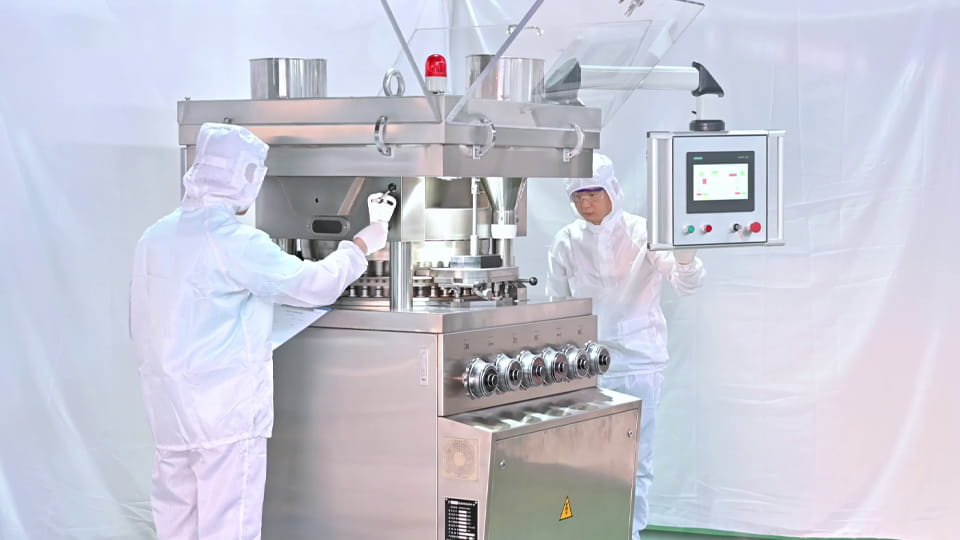
Défis courants en matière de conformité GxP
Même avec des règles claires, les entreprises sont souvent confrontées à des obstacles en matière de conformité GxP. Certains défis fréquents incluent:
- Validation ou documentation incomplète: L’une des lacunes les plus graves est l’utilisation d’équipements sans enregistrements complets de QI/OQ/PQ.. « Sauter la validation,» ou avoir partiel qualification, est considéré comme un « écart fatal des BPF ». De la même manière, les enregistrements de lots et les SOP manquants ou bâclés compromettent la conformité: les inspecteurs sont formés pour rechercher de la documentation. Comme l’a dit un expert: "Si ce n'est pas écrit, cela ne s’est pas produit. Mauvaise tenue des dossiers (fichiers perdus, notes illisibles, versions obsolètes) est un signal d'alarme courant.
- Échecs de maintenance et d’étalonnage de l’équipement: Les régulateurs constatent à plusieurs reprises des problèmes tels que des dates d'étalonnage expirées ou des réparations reportées.. Un capteur cassé ou une balance non calibrée entraînera des données ou un produit suspects. (Par exemple, L’analyse de Sokol note que les étalonnages oubliés et les pièces usées sont « de simples échecs » cela peut déclencher une suspension de lot.) Assurer des journaux de maintenance stricts, utiliser des trackers numériques pour les calendriers d'étalonnage, et donner au personnel les moyens de signaler rapidement les problèmes sont les meilleures pratiques pour surmonter ce problème..
- Problèmes d'intégrité des données: Les lignes GMP modernes reposent sur des systèmes électroniques. Les échecs dans les contrôles de données peuvent interrompre GxP. Les exemples incluent les pistes d'audit désactivées, mots de passe faibles, données copiées/collées au lieu des entrées originales, ou défaut d'examen des journaux électroniques. Les entreprises doivent appliquer les principes ALCOA+ – par ex., en s'assurant que toutes les entrées de données sont Attribuable (lié à un utilisateur), Lisible (clair), Contemporain (enregistré en temps réel), Original/Précis, et Complet/Cohérent. Former les opérateurs et automatiser si possible (par exemple. dossiers verrouillés par ordinateur) aider à prévenir les écrasements ou les omissions manuelles.
- Contrôle des changements et déficiences CAPA: Un processus de gestion du changement robuste est nécessaire pour tout changement (mises à niveau de l'équipement, nouvelles SOP, nouvelles matières premières). Une erreur courante consiste à ne pas documenter un changement ou à ignorer la revalidation après une modification.. De la même manière, incapacité à enquêter correctement sur les écarts (considérer les problèmes comme de simples « erreurs humaines » sans analyse des causes profondes) peut laisser les problèmes persister. Les organismes de réglementation s’attendent à des CAPA solides (actions correctives et préventives) des systèmes pour remédier à tout écart.
- Questions de formation et de culture: GxP exige que tout le personnel soit formé et conscient des procédures qualité. Des programmes de formation inadéquats ou un roulement de personnel élevé peuvent conduire à des violations involontaires.. Construire une culture de la qualité (où le personnel se sent responsable de la conformité et est encouragé à signaler les problèmes) est vital mais souvent lent à se développer.
En résumé, les défis sont souvent organisationnels: documentation, entretien, entraînement, et pratiques en matière de données. Les surmonter signifie investir dans des systèmes (comme un logiciel de gestion électronique de documents ou de suivi d'étalonnage), SOP disciplinées, et des audits internes fréquents. Les entreprises qui abordent ces domaines de manière proactive trouveront la conformité GxP plus fluide lors des inspections officielles..
Comment les sociétés pharmaceutiques parviennent-elles à se conformer aux GxP
Atteindre la conformité GxP est un projet couvrant toute l’organisation. Vous trouverez ci-dessous une séquence typique d'étapes (illustré dans l'organigramme) qu'une entreprise pharmaceutique suit pour construire un système conforme:
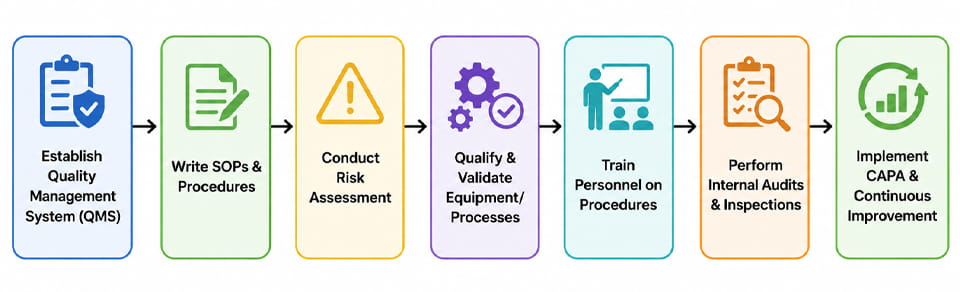
- Système de gestion de la qualité (SGQ): Commencez par définir la structure organisationnelle de la qualité (par exemple. manuel de qualité, politiques). Cela inclut l'attribution de rôles et de responsabilités liés à la qualité.
- Élaborer des SOP & Documentation: Rédiger et approuver les procédures standards de production, essai, changer de contrôle, écarts, etc.. Assurez-vous que chaque processus est clairement documenté.
- L'évaluation des risques: Effectuer des évaluations formelles des risques (par exemple. AMDEC) pour identifier les paramètres et contrôles critiques du processus. Cela indique sur quoi concentrer la validation et le suivi..
- Qualification des équipements/procédés (IR/WH/PQ): Comme dans la section précédente, qualifier tous les équipements et procédés de fabrication. Maintenir des protocoles et des rapports de validation détaillés.
- Entraînement: Opérateurs ferroviaires, ingénieurs, et le personnel AQ/CQ sur les procédures approuvées, les principes GxP, et l'utilisation du matériel.
- Audits internes: Effectuer des auto-inspections de routine ou des audits simulés pour vérifier le respect et détecter les problèmes (par exemple. vérifier les enregistrements de lots, journaux environnementaux, état d'étalonnage).
- CAPA: Chaque fois qu’un écart ou une constatation est identifié (en interne ou par un régulateur), enquêter sur la cause profonde, appliquer des actions correctives, et mettre à jour les procédures pour éviter que cela ne se reproduise.
- Amélioration continue: Utiliser les données (par exemple. analyse des tendances à partir de rapports de fabrication ou de journaux de plaintes) pour conduire des améliorations de la qualité et optimiser les processus.
Chaque étape revient en arrière si nécessaire – par ex., un changement constaté lors de l'audit entraîne la mise à jour des SOP et le recyclage. Les entreprises utilisent également la gestion des risques qualité (QRM) et qualité dès la conception (QBD) principes pour systématiser cette approche. Le organigramme ci-dessus illustre ce processus cyclique.
La relation entre GxP et les équipements d'emballage
Moderne pharmaceutique lignes de conditionnement sont complexes et doivent incarner directement les principes GxP. Chaque machine sur la ligne – des redresseurs de bouteilles aux blisters en passant par les encartonneuses – doit être conçue et utilisée de manière à respecter les BPF.. Voici les connexions clés:
- Conception hygiénique: Les machines d'emballage sont construites pour éviter la contamination. Par exemple, un machine d'emballage en cloque aura une section de formage fermée et des pistes d'alimentation lisses, afin que le produit n'entre pas en contact avec le sol ou les surfaces poussiéreuses. Les outils et pièces destinés aux zones de contact avec le produit sont généralement en acier inoxydable ou en plastique de qualité médicale., s'aligner sur les exigences en matière de matériaux GMP.
- Prêt pour la validation: L'équipement d'emballage doit être entièrement qualifié. Les fournisseurs conçoivent souvent des machines pour une validation facile: zones accessibles aux capteurs (pour les contrôles d'étalonnage), capacité à exécuter des courses à vide et à plein, et des performances stables. Les clients s'attendent à ce que les machines aient des spécifications (SOP et manuels) qui sont directement liés aux activités IQ/OQ/PQ.
- Enregistrements de lots et traçabilité: Chaque étape d'une ligne GMP est documentée. Les machines d'emballage automatisées s'intègrent souvent à un logiciel pour enregistrer les numéros de lots, vitesses de ligne, et sortie. Par exemple, une ligne d'embouteillage peut automatiquement étiqueter chaque bouteille avec un code de lot et un horodatage. Ces codes sont liés au cycle de production. Les systèmes peuvent également enregistrer le poids ou compter les rejets (par exemple. capsules sous-remplies signalées par une trieuse pondérale en ligne). Ces données font partie du dossier de lot électronique. En bref, les machines d'emballage aident à maintenir traçabilité de chaque unité, ce qui est une exigence réglementaire.
- 21 Partie CFR 11 Conformité: Comme mentionné plus tôt, contrôles informatisés sur les équipements d'emballage (comme l'interface homme-machine et l'automate) doit se conformer aux règles relatives aux enregistrements électroniques. Cela signifie que les opérateurs se connectent avec des identifiants uniques, et aucun paramètre ne peut être modifié sans autorisation. Journaux de données (par exemple. paramètres, résultats des tests) doit être sécurisé et horodaté. De nombreuses machines modernes incluent désormais des niveaux d'accès utilisateur (opérateur vs. superviseur) et des fonctionnalités de journal d'audit pour répondre à ces besoins.
- Réduction des erreurs et automatisation: L'emballage automatisé réduit les interventions manuelles, ce qui réduit les erreurs humaines (un focus GxP). Par exemple, machines de remplissage de gélules de Jinlu peut fonctionner à grande vitesse avec un dosage précis, minimiser le besoin de correction manuelle. De même, encartonneuses automatisées assurer une étanchéité constante. Pour la conformité, cela signifie moins de risques de composants mal choisis ou d'étiquettes erronées – ce qui est crucial lors de l'emballage de différents produits côte à côte.
- Caractéristiques réglementaires: Nouvelles réglementations comme DSCSA (USA) ou fièvre aphteuse (UE) exiger des numéros de série sur les paquets individuels. Les machines d'emballage sont souvent équipées d'imprimantes de codes 2D et de caméras de vision pour appliquer/vérifier ces codes. De telles caractéristiques montrent comment les lois du marché (au nom de la traçabilité GxP) fonctions de l'équipement de forme.
- Prise en charge de la conformité: L'équipement de Jinlu, Par exemple, est prêt pour les BPF et est souvent accompagné d'un support pour la qualification et la traçabilité. Une remplisseuse de capsules typique peut comporter un CIP (nettoyage sur place) système et une trémie d'alimentation amovible pour la stérilisation. UN ligne de blister peut inclure des portes de protection avec des verrouillages de sécurité pour empêcher le fonctionnement lorsqu'elles sont ouvertes. Ces détails de conception prennent directement en charge GMP.
En choisissant des machines d'emballage en tenant compte du GxP, les sociétés pharmaceutiques facilitent la conformité. Par exemple, installer un Jinlu Machine de remplissage de capsule ou encartonneuse signifie que l'acheteur possède déjà une machine construite selon les normes pharmaceutiques, avec documentation (comme FAT/SAT) prêt pour la validation. Finalement, un équipement bien conçu est la clé de voûte d’un processus de fabrication conforme.

Conclusion
GxP est le fondement de la qualité pharmaceutique. Ce n'est pas seulement un ensemble de règles, mais un engagement à l'échelle de l'entreprise pour assurer la sécurité, médicaments efficaces. À la base, GxP garantit que "Les produits pharmaceutiques sont bien faits." Bonne pratique de fabrication (GMP) est la partie la plus importante du GxP pour la production de médicaments, couvrant la conception des équipements hygiéniques, processus validés, et une documentation rigoureuse. Autres composants comme BPL, GCP, PIB, et GVP abordent différentes étapes (études de laboratoire, essais, distribution, et pharmacovigilance, respectivement), mais tous partagent l’objectif de protéger les patients.
Équipement d'emballage pharmaceutique joue un rôle essentiel dans la conformité GxP. Machines comme les remplisseuses de gélules, emballeurs de blisters, et les encartonneuses doivent être construites et validées pour répondre aux normes BPF – par exemple, être facile à nettoyer, prise en charge des enregistrements de lots électroniques, et maintenir la traçabilité. En choisissant Machines prêtes aux BPF et en suivant les protocoles de qualification (IR/WH/PQ), les entreprises peuvent intégrer les principes GxP dans leurs lignes de production.
Prêt à garantir la conformité GxP dans votre ligne de production? Considérez l’équipement d’emballage avancé de Jinlu Packing, qui est conçu pour les environnements GMP. Contacter Jinlu pour demander un devis ou en savoir plus sur nos machines de remplissage de gélules conformes aux BPF, emballeurs de blisters, et lignes d'encartonnage.
FAQ sur GxP dans le secteur pharmaceutique
Que signifie GxP?
GxP signifie « Bonnes Pratiques ». Il s'agit d'un terme général désignant diverses directives de qualité dans le domaine pharmaceutique.. Le « x » peut être M (Fabrication), L (Laboratoire), C (Clinique), D (Distribution), etc.. Autrement dit, Bonne pratique de fabrication (GMP), Bonnes pratiques de laboratoire (BPL), Bonnes pratiques cliniques (GCP), etc..
GMP fait-il partie de GxP?
Oui. GMP (Bonne pratique de fabrication) est l'un des composants majeurs de GxP. GxP est le parapluie, et GMP fait spécifiquement référence à la fabrication. Alors quand on parle de conformité GxP, Les BPF sont souvent la priorité car elles régissent la production et l’emballage.. D'autres pièces comme GLP ou GVP font également partie de la famille GxP.
Quelle est la différence entre GxP et GMP?
GxP est la vaste catégorie de toutes les « bonnes pratiques » en pharmacie (couvrant le développement jusqu'à la distribution). GMP n'est qu'une de ces pratiques, concentré sur la production. Considérez GxP comme l'ensemble du cadre de qualité, et GMP en tant que section traitant des normes de fabrication des sols.
Qui réglemente la conformité GxP?
Les agences de régulation appliquent GxP. Aux États-Unis, la FDA supervise les BPF et les BPL, et la FDA/NIH supervisent les BPC dans les essais cliniques. En Europe, Ema (et des organismes nationaux comme la MHRA) appliquer les directives BPF et BPC de l'UE. L’OMS publie des directives internationales GxP que de nombreux pays adoptent. Chaque pays peut avoir sa propre version, mais FDA, Ema, L'OMS est la principale autorité référencée à l'échelle mondiale.
Qu'est-ce que 21 Partie CFR 11 et pourquoi est-ce important pour GxP?
21 Partie CFR 11 est une réglementation de la FDA américaine sur les enregistrements électroniques et les signatures électroniques. Pour GxP, cela signifie tout système informatisé qui génère des enregistrements (comme une IHM de machine ou un logiciel LIMS) doit avoir des contrôles pour que les enregistrements soient sécurisés, horodaté, et ne peut pas être altéré. Par exemple, le système de contrôle d'une machine d'emballage sous blister aura besoin de connexions sécurisées et d'une piste d'audit pour les modifications des paramètres. Conformité à la partie 11 est obligatoire aux États-Unis et guide les autres régions (Annexe UE 11) sur les systèmes électroniques.
Les machines de conditionnement pharmaceutique doivent-elles être conformes aux GxP?
Absolument. Tout équipement utilisé pour fabriquer ou emballer des médicaments doit répondre aux critères de conception et de validation GxP. Cela signifie des machines d'emballage (charges de capsule, machines à cloques, charges liquides, encartonneuses, etc.) devrait avoir une conception hygiénique, fonctionnement validé, et fonctionnalités d'intégrité des données. Par exemple, une ligne de conditionnement doit suivre des procédures de nettoyage documentées (une exigence BPF) et utiliser des systèmes qui enregistrent les données par lots. Dans de nombreux cas, les fournisseurs d'équipements d'emballage annoncent des machines « conformes aux BPF » ou « prêtes pour la FDA ». Lors de la sélection de l'équipement, les fabricants demandent des fonctionnalités telles que des pièces de contact en acier inoxydable, nettoyage facile, et protocoles IQ/OQ/PQ complets. L'équipement de Jinlu, Par exemple, est conçu en tenant compte de ces normes pour prendre en charge un environnement réglementé par GxP.
Références:
1.Bonnes pratiques de fabrication -- OMS
2.TRS 986 – Annexe 2: Bonnes pratiques de fabrication de l'OMS pour les produits pharmaceutiques: Grands principes -- OMS
3.Lignes directrices de l'OMS pour la production pharmaceutique -- OMS
4.Conseils sur les bonnes pratiques de fabrication et les bonnes pratiques de distribution: Questions et réponses —— Agence européenne des médicaments
5.Conseils de la MHRA sur l'intégrité des données GxP —— gov.uk
6.Guide de bonnes pratiques GAMP: Fonctionnement des systèmes informatisés GxP —— ispe.org