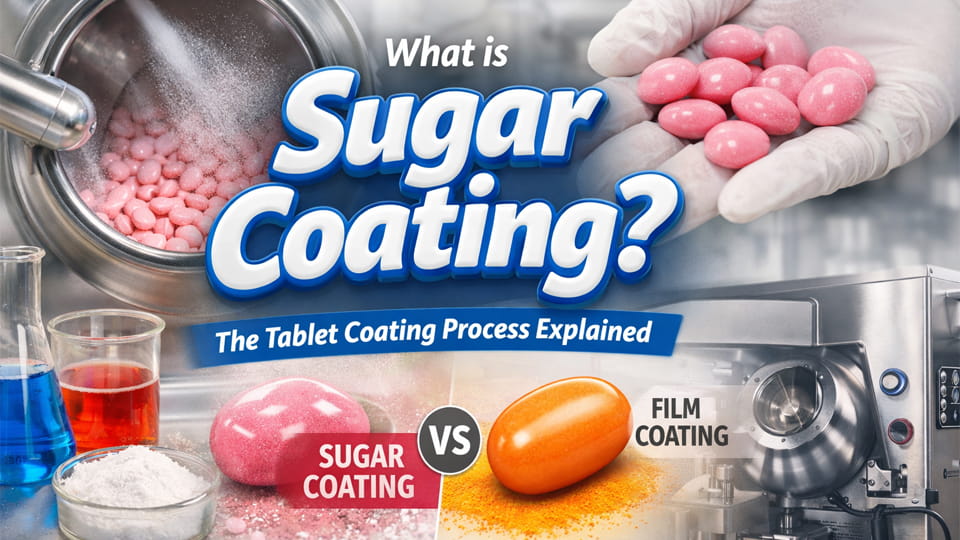
Sugar coating, or tablet coating with sugar remains an evergreen classic manufacturing technique across pharmaceuticals, Chinese patent medicine, dietary supplements and convenience snack sectors. Most production enterprises will prioritize key concerns when selecting coating machine: is the industrial sugar coated tablets coating machine capable of stable sugar tablet coating operation? What key roles does sugar coating play for coated tablets and granules? What is the standardized workflow of professional sugar tablet coating processing? How to effectively solve sugar coating problems including surface cracking, color unevenness and layer peeling?
The answer is straightforward: Industrial professional coating machines perfectly adapts to sugar tablet coating processing of various coated tablets and pills. It performs well in both small-batch formula trials and commercial mass production. Coated tablets finished goods come with smooth round appearance, even color tone, free of cracking and color spots, fully complying with pharmaceutical and food production specifications as well as market aesthetic standards.
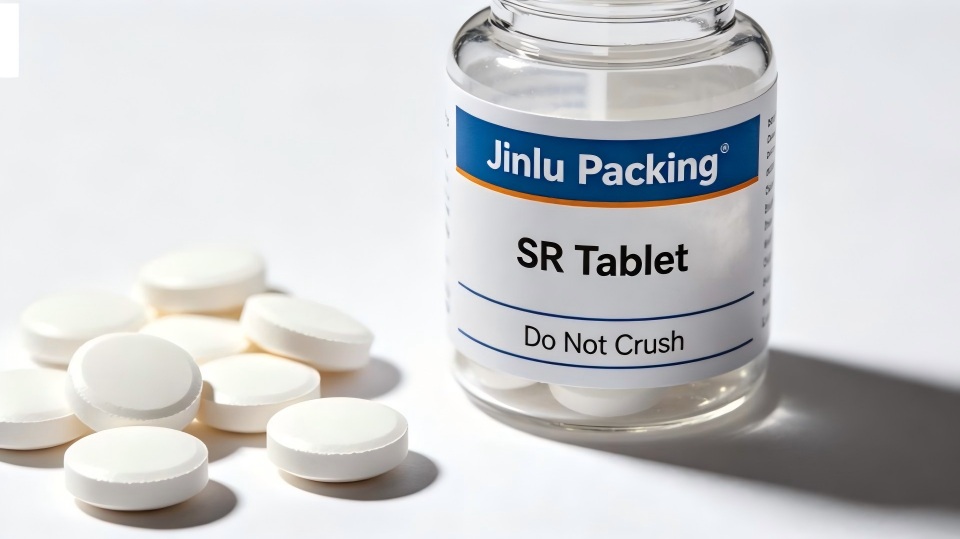
Sugar coating serves far more than aesthetic purposes. It is an essential safeguard for product quality and medication experience. Many people may wonder what does sugar coating mean or define sugar coating for pharmaceutical use – essentially, sugar coating definition refers to a process of applying a protective, flavor-masking layer to tablets or pills, widely used in pharmaceutical and food industries.
Uncoated tablets and Chinese herbal medicines usually carry intense bitterness and sharp medicinal smell. The sugar coat, a key part of coating for tablets, effectively masks unpleasant flavors, delivers a sweet taste, and improves compliance among seniors and kids. This is one of the values of pharmaceutical tablet coating.
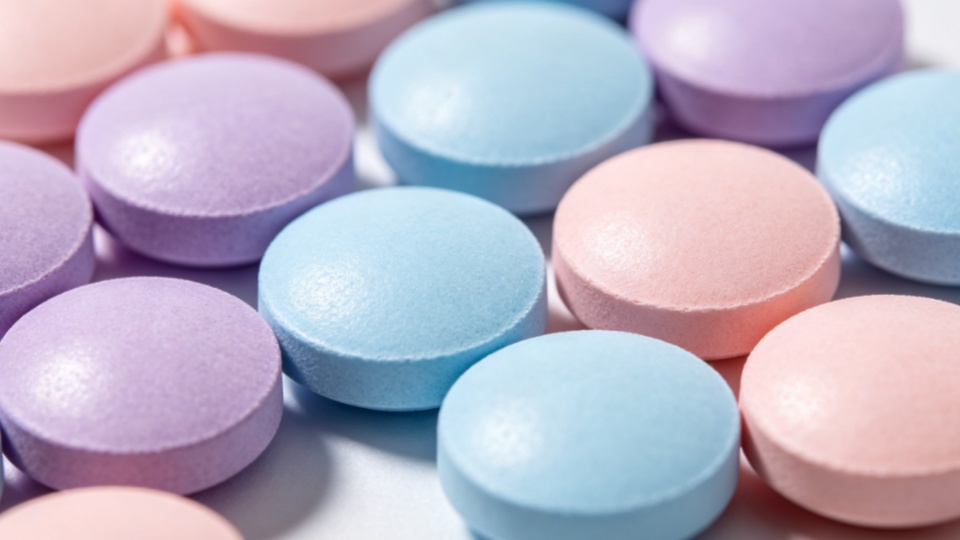
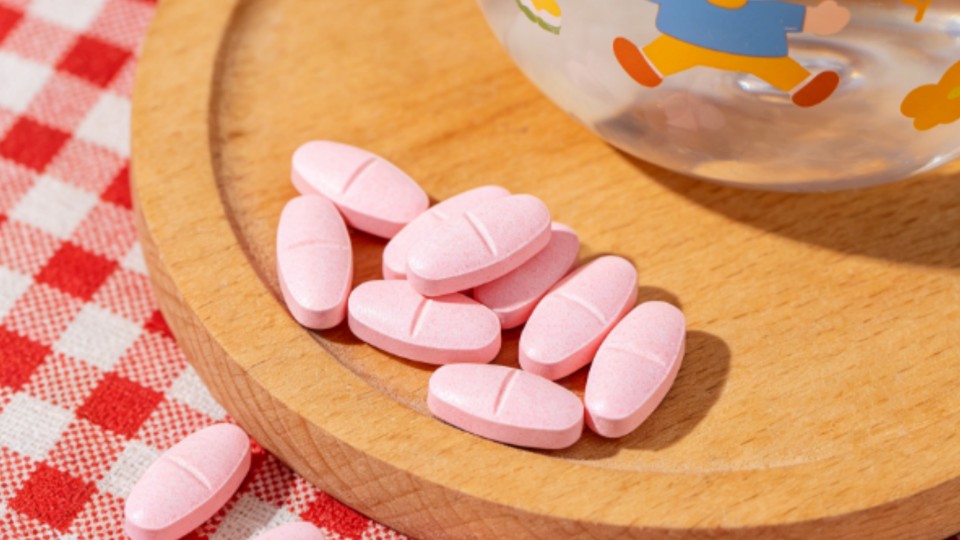
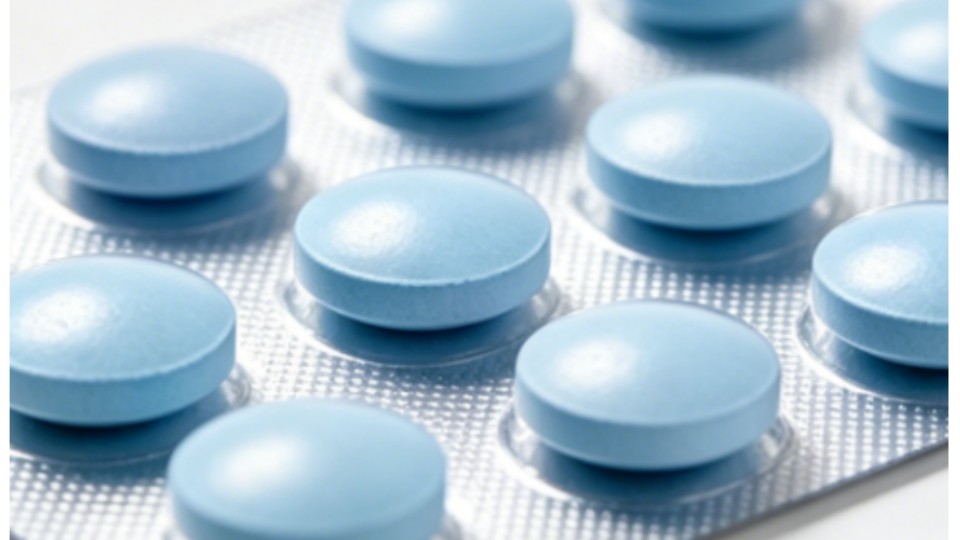
Finished sugar coated tablets come with shiny, round and smooth texture in customized colors. Compared with bare tablets, they present a premium shelf image and greatly boost consumers’ purchase desire. This visual upgrade is a direct benefit of high-quality coating of tablets.
The sugar coat creates a compact protective barrier against humidity, air and dust. It protects coated tablets from dampness, mold growth, color fading and efflorescence, maintains the stability of active ingredients and extends product shelf life significantly. This protective function is a key requirement for pharmaceutical coating.
Irregular uncoated tablets become well-rounded with smooth edges after multi-layer sugar coating. They are fracture-resistant and perfectly compatible with blister packaging, bottle packaging and other automatic production lines, cutting production waste rate. This standardization is crucial for coating on tablets in large-scale production.
Custom sugar coating colors help differentiate product specifications, therapeutic effects and categories, simplifying internal production management and consumer market recognition. This is a practical application of pharmaceutical tablet coating in production management. This is a practical application of pharmaceutical tablet coating in production management.
Sugar coating is widely applied in the food and traditional Chinese medicine industries. Through repeated spraying of syrup and talcum powder, a smooth, shiny sugar coat is formed on the material surface. This process, a key part of pharmaceutical processing coating service, not only effectively covers unpleasant tastes and odors, but also enhances product palatability and visual texture. A common concern among many manufacturers is that coating tablets with sugar is prone to uneven color, cracking and bursting. Professional coating machines can solve these problems perfectly with precise control technologies: keep the sugar content of syrup stable, adopt the small-dose, multi-spray method, adjust the hot air temperature to 40-50℃ to prevent sugar coating from cracking due to rapid drying, control the pot rotation speed to ensure uniform material tumbling, and accurately match the talcum powder dosage. Finally, a sugar coating layer with uniform color, smooth surface and crack resistance is formed, which is suitable for both small-batch traditional product manufacturing and large-scale standardized production of sugar coated tablets.
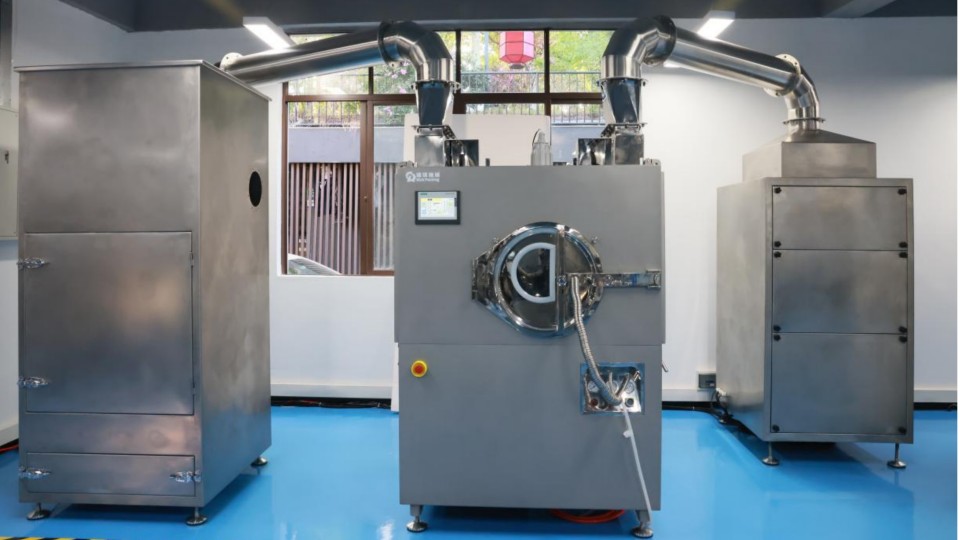
The sugar coated tablets process adheres to the core principle of uniform spraying and controlled drying. It operates through the perfect coordination of transmission unit, spray gun feeding system, hot air circulation system and intelligent control module – key components of any high-quality tablet coating machine.
Tablets keep rolling evenly inside the angle-adjustable coating pan with full 360°turnover without dead corners. Syrup and powder materials are atomized and sprayed uniformly onto the tablet surface. Constant hot air maintained at 40-50℃ performs gradual drying and curing, allowing the sugar coat to build up layer by layer. The coating machine supports saving multiple sugar coating recipes for one-click loading, delivering stable and identical batch quality without repeated parameter adjustment. This efficiency is why coating machine in pharmaceutical industry is widely favored by manufacturers.
Professional coating machines automatically complete the entire process with standardized technology and strong stability, ensuring consistent coating of tablet quality:
Dilute syrup is sprayed and dried at low temperature to form an isolation film on the tablet surface. This layer blocks the penetration of medicinal ingredients, fills in the uneven edges and corners, and creates a smooth base for the following coating for tablets steps. This is a foundational step in pharmaceutical coating.
Alternately spray syrup and talcum powder in layers, feed materials in small batches multiple times, and dry while tumbling. This step gradually rounds the sharp edges of the tablets, making their shape plump and regular for high-quality coated tablets.
High-concentration pure syrup is sprayed, followed by slow air-drying at a constant temperature. A thick and dense pure sugar surface layer is formed, which lays the foundation for the smooth and round texture of the final sugar coated tablets. This step is optimized in professional coating machine pharmaceutical models.
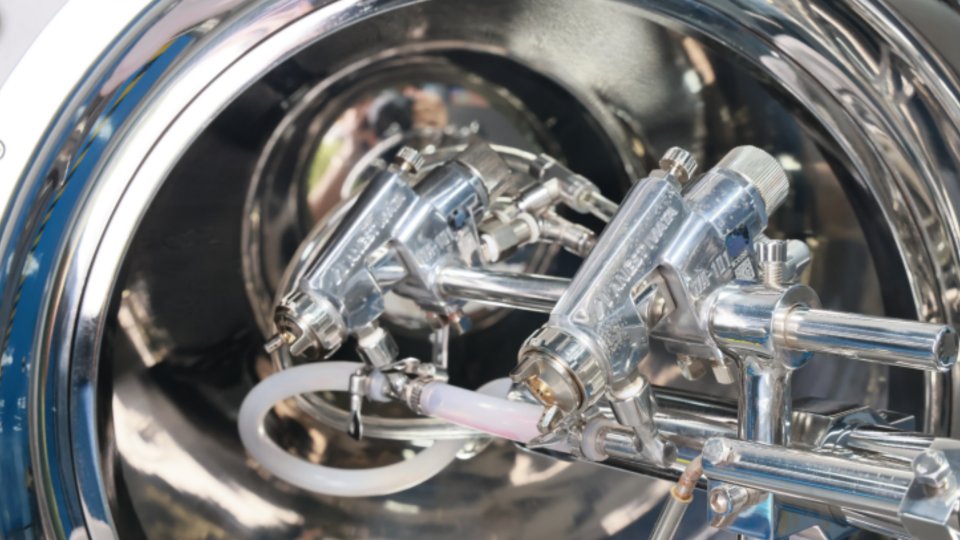
Jinlu spray gun, imported from Japan, boasts the advantages of uniform atomization, stable spray rate, solvent corrosion resistance, and easy cleaning and disinfection. It is a standard accessory for pharmaceutical-grade coating machine.
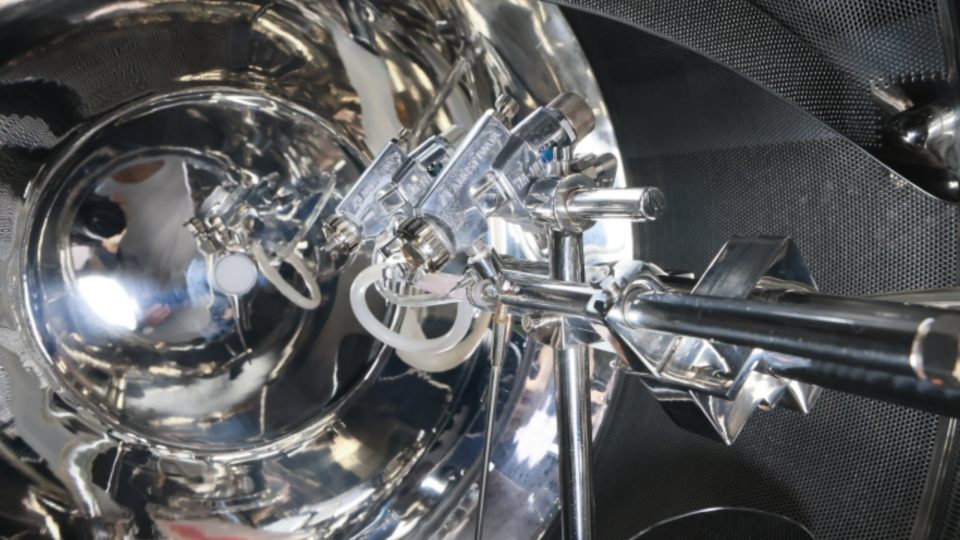
The installation position and angle of the spray gun are specially designed. Only when it matches the movement trajectory of the materials in the coating pan can the optimal sugar coating effect be achieved, ensuring perfect coating on tablets.
Prepare edible color paste for uniform spray coloring, control temperature for slow drying, ensuring no color difference, no spots and no uneven color on the entire batch of coated tablets. This precision is a key feature of advanced coating machine for tablets.
Add edible polishing wax, use the low-speed tumbling friction of the pot body for natural polishing. After cooling, the surface is crystal clear, bright and hard, not easy to crack or peel, delivering premium sugar coated tablets that meet market standards.
[jl_youtube src=”https://www.youtube.com/embed/LFJJ-cEpfCk”]
Many manufacturers still use manual methods or outdated coating machines for sugar coating, which often lead to common defects like uneven color, surface cracking, rapid drying-induced cracking, and inconsistent coating thickness, which are issues that professional coating machine in pharmaceutical industry can solve easily.
Professional automatic coating machines can effectively address these pain points with the following features:
No matter it is laboratory R&D small-batch test, pilot scale-up sampling, or large-scale mass production in pharmaceutical and health food manufacturing plants, there are corresponding suitable coating machine models: small-sized tablet coating machines are flexible and compact, enabling quick and convenient product changeover; Industrial-grade high-efficiency coating machines feature large output, stable forming effect and high coating uniformity, which fully meet the GMP production specifications for coating machine pharmaceutical applications.
As a traditional and indispensable process, sugar coating remains the mainstream option for Chinese patent medicines, health care products and food tablets. A professional automatic coating machine can not only deliver high-quality sugar coating results with shiny surface, even color, no cracking and no peeling for sugar coated tablets and coated tablets, but also standardize the production process, reduce labor costs, stabilize batch consistency and achieve compliant mass production.
If your products require classic sugar coating, selecting a professional coating machine can solve the pain points of unstable process, finished product flaws and inefficient production in one go, promoting the synchronous upgrading of product appearance and quality, whether you need coating for tablets in small batches or large-scale pharmaceutical processing coating service.
An industrial sugar coating machine is pharmaceutical and food processing equipment used to apply multiple layers of sugar syrup onto tablets, pills, candies, or confectionery products. The machine rotates the products while spraying coating solution and drying them with heated air to create a smooth, glossy finish.
A sugar coating machine works by continuously tumbling tablets or candies inside a rotating coating pan or perforated drum. During rotation, sugar syrup is sprayed onto the product surface while hot air dries each layer. The process repeats multiple times until the desired coating thickness, color, and gloss are achieved.
The sugar coating process usually includes several stages:
• Sealing
• Sub-coating
• Smoothing or syruping
• Coloring
• Polishing
Each step helps improve tablet appearance, taste masking, and moisture protection.
Sugar-coated tablets offer several benefits, including:
• Better taste masking for bitter medicines
• Improved tablet appearance
• Easier swallowing
• Enhanced patient compliance
• Additional protection against moisture and oxidation
These advantages make sugar coating popular in pharmaceutical and nutraceutical products.
Industrial sugar coating machines are widely used in:
• Pharmaceutical manufacturing
• Nutraceutical production
• Candy and confectionery processing
• Food supplement manufacturing
• Herbal tablet production
They are commonly used for coating tablets, pills, gummies, and candies.
Sugar coating creates a thick, glossy, sweet outer layer and is mainly used for taste masking and visual appeal. Film coating uses a thin polymer layer that is faster to apply and better suited for controlled drug release and moisture protection. Film coating also adds less weight to tablets compared to sugar coating.
Sugar coating machines can coat various products, including:
• Pharmaceutical tablets
• Herbal pills
• Nutritional supplements
• Chewable tablets
• Gummies
• Hard candies and confectionery products
Modern machines can also handle sugar-sanded and sticky products with specialized designs.
Common sugar coating defects include:
• Tablet sticking
• Uneven coating thickness
• Cracking
• Color inconsistency
• Surface roughness
• Excessive drying or moisture problems
These issues are usually caused by improper syrup viscosity, drying conditions, or pan speed settings.
Manufacturers can improve coating quality by:
• Controlling spray rate and airflow
• Maintaining proper drying temperature
• Using uniform tablet cores
• Optimizing pan speed
• Monitoring syrup concentration and viscosity
• Using automatic coating machines with PLC control systems
Modern automated coating systems help ensure consistent coating thickness and production efficiency.
Automatic sugar coating machines improve production efficiency, reduce labor costs, and provide more consistent coating quality. Compared with traditional manual coating pans, automated systems offer better process control, reduced material waste, improved hygiene, and compliance with pharmaceutical cGMP standards.
References:
1.Statistical evaluation of tablet coating processes: influence of pan design and solvent type (2010) —— repositorio.usp.br
2.Pharmaceutical Coating and Its Different Approaches, a Review —— MDPI
3.RESEARCH AND REVIEWS: JOURNAL OF PHARMACY AND PHARMACEUTICAL SCIENCES Techniques of Tablet Coating: Concepts and Advancements: A Comprehensive Review —— ResearchGate
4.Sugar Coating Process and its Problems in Pharmaceuticals ——Pharmaguideline