
GMP so với cGMP là một trong những câu hỏi phổ biến nhất trong sản xuất dược phẩm—và vì lý do chính đáng. Mặc dù hai thuật ngữ này có liên quan chặt chẽ với nhau, chúng không giống nhau. Hiểu được sự khác biệt là điều cần thiết đối với các nhà sản xuất dược phẩm, người mua thiết bị, quản lý sản xuất, và nhóm chất lượng vì những tiêu chuẩn này ảnh hưởng đến mọi giai đoạn sản xuất, từ thiết kế cơ sở và xác nhận quy trình đến lựa chọn thiết bị và chất lượng sản phẩm. Đặc biệt, các “Hiện hành” TRONG Thực hành sản xuất tốt hiện tại (cGMP) phản ánh kỳ vọng rằng các nhà sản xuất liên tục áp dụng các công nghệ cập nhật, hệ thống, và thực hành chất lượng thay vì dựa vào các phương pháp lỗi thời.
Cho dù bạn đang đầu tư vào một dây chuyền đóng gói chai mới, nâng cấp dây chuyền sản xuất hiện có, hoặc chuẩn bị kiểm tra theo quy định, sự hiểu biết GMP so với cGMP có thể giúp bạn đưa ra quyết định sáng suốt hơn. Trong hướng dẫn này, chúng tôi sẽ giải thích những khác biệt chính giữa GMP và cGMP, phác thảo của họ yêu cầu tuân thủ, và cho thấy hiện đại như thế nào thiết bị đóng gói dược phẩm hỗ trợ an toàn hơn, hiệu quả hơn, và sản xuất tuân thủ đầy đủ.
Thực hành sản xuất tốt (GMP) là khuôn khổ đảm bảo chất lượng toàn cầu cho ngành dược phẩm. WHO định nghĩa GMP là khía cạnh đảm bảo chất lượng nhằm đảm bảo sản phẩm được sản xuất và kiểm soát nhất quán theo tiêu chuẩn chất lượng phù hợp. Tương tự, Cơ quan Dược phẩm Châu Âu (Ema) mô tả GMP là tối thiểu tiêu chuẩn mà nhà sản xuất thuốc phải đáp ứng trong quá trình sản xuất. Trong thực tế, GMP bao gồm thiết kế cơ sở, thiết bị, nguyên liệu thô, Đào tạo nhân sự, thủ tục bằng văn bản, và thử nghiệm. Mục tiêu là đảm bảo mỗi lô đều có chất lượng cao, phù hợp với mục đích sử dụng của nó, và phù hợp với thông số kỹ thuật của nó.
Trong khi WHO, EMA và các cơ quan quản lý khác gọi nó là “GMP,” thuật ngữ này về cơ bản có thể thay thế được với cGMP bên ngoài Hoa Kỳ. Trong thực tế, Hướng dẫn của WHO lưu ý rằng GMP “còn được gọi là ‘cGMP’ hoặc ‘hiện hành’ GMP” trong một số bối cảnh. Đối với nhiều nhà sản xuất quốc tế, đáp ứng các hướng dẫn của GMP có nghĩa là đạt được kết quả chất lượng tương tự mà sau này FDA nhấn mạnh với cGMP.
Thực hành sản xuất tốt hiện tại (cGMP) là thuật ngữ của FDA cho các quy định này tại Hoa Kỳ. FDA định nghĩa cGMP là hệ thống đảm bảo thiết kế phù hợp, giám sát và kiểm soát các quy trình và cơ sở sản xuất. Giống như GMP, cGMP nhằm mục đích đảm bảo rằng các sản phẩm thuốc có bản sắc, sức mạnh, chất lượng và độ tinh khiết mà họ yêu cầu. Trong thực tế, các quy định của FDA bao gồm rõ ràng mọi thứ, từ độ sạch của cơ sở và thiết bị đến trình độ nhân sự và lưu trữ hồ sơ (21 Bộ phận CFR 210 Và 211).
Sự khác biệt quan trọng là chữ “C” trong cGMP là viết tắt của hiện hành. Điều này có nghĩa là các công ty phải sử dụng các công nghệ cập nhật, thiết bị và quy trình. Như FDA lưu ý, hệ thống và thiết bị “đỉnh cao” 10 hoặc 20 nhiều năm trước bây giờ có thể không đạt được cGMP, bởi vì tiêu chuẩn chất lượng và công nghệ tiến bộ theo thời gian. Tóm lại, cGMP có tất cả các yêu cầu chất lượng giống như GMP nhưng nhấn mạnh vào việc cải tiến và hiện đại hóa liên tục. Việc tuân thủ cGMP được thực thi thông qua các cuộc kiểm tra của FDA, và việc không đáp ứng các tiêu chuẩn này về mặt pháp lý sẽ khiến thuốc bị “pha trộn”.,” ngay cả khi nó vượt qua các bài kiểm tra trong phòng thí nghiệm.
Trong khi GMP và cGMP hướng tới cùng một kết quả (an toàn, thuốc chất lượng cao), sự khác biệt nằm ở sự nhấn mạnh và cách sử dụng. Bảng dưới đây tóm tắt những khác biệt cốt lõi:
| Diện mạo | GMP (Thực hành sản xuất tốt) | cGMP (GMP hiện tại, FDA) |
| Thuật ngữ | “Thực hành sản xuất tốt” – được WHO sử dụng, Ema, PIC/S, vân vân. | “Thực hành sản xuất tốt hiện tại” – thuật ngữ của FDA |
| Bối cảnh quy định | Tiêu chuẩn toàn cầu được nhiều nước áp dụng (AI, PIC/S, EU GMP) | Quy định cụ thể của Hoa Kỳ (21 CFR 210–211) |
| Tập trung | Đáp ứng các tiêu chuẩn chất lượng đã được thiết lập một cách nhất quán | Đạt tiêu chuẩn Và luôn cập nhật công nghệ/quy trình |
| Yêu cầu công nghệ | Nói chung là tĩnh (đáp ứng các tiêu chuẩn cơ bản) | Phải sử dụng các thiết bị và phương pháp được xác nhận mới nhất |
| Tài liệu | Cần có SOP và hồ sơ kỹ lưỡng | Tài liệu thậm chí còn nghiêm ngặt hơn (hồ sơ điện tử, dấu vết kiểm toán) |
| Xác thực | Dự kiến xác nhận quy trình và làm sạch | Trình độ thiết bị (IR/WH/PQ) và quy trình xác nhận bắt buộc |
| Hệ thống chất lượng | Hệ thống quản lý chất lượng tiêu chuẩn | QMS dựa trên rủi ro nâng cao; chu kỳ cải tiến liên tục |
| Kiểm tra & Cập nhật | Kiểm tra định kỳ để xác minh việc tuân thủ GMP | Như nhau, nhưng FDA mong đợi những cập nhật liên tục; những gì đã tuân thủ có thể trở nên lỗi thời |
| Phạm vi quy định | TÔI/TÔI: tuân thủ do EMA thực thi & cơ quan quốc gia | CHÚNG TA: tuân thủ được thực thi bởi FDA; việc không tuân thủ dẫn đến hành động pháp lý |
Về bản chất, cGMP là GMP cộng thêm kỳ vọng bắt kịp các phương pháp thực hành tốt nhất hiện đại. Như một phân tích ngành giải thích, cGMP “tập trung vào cải tiến liên tục và có nghĩa là các tiêu chuẩn và công nghệ cập nhật nhất đang được sử dụng để đảm bảo chất lượng, trong khi GMP được coi là một bộ nguyên tắc”. Về mặt thực tế, cGMP đáp ứng tất cả các yêu cầu của GMP, nhưng cần nhấn mạnh thêm rằng các công ty phải tích cực nâng cấp quy trình và tài liệu.
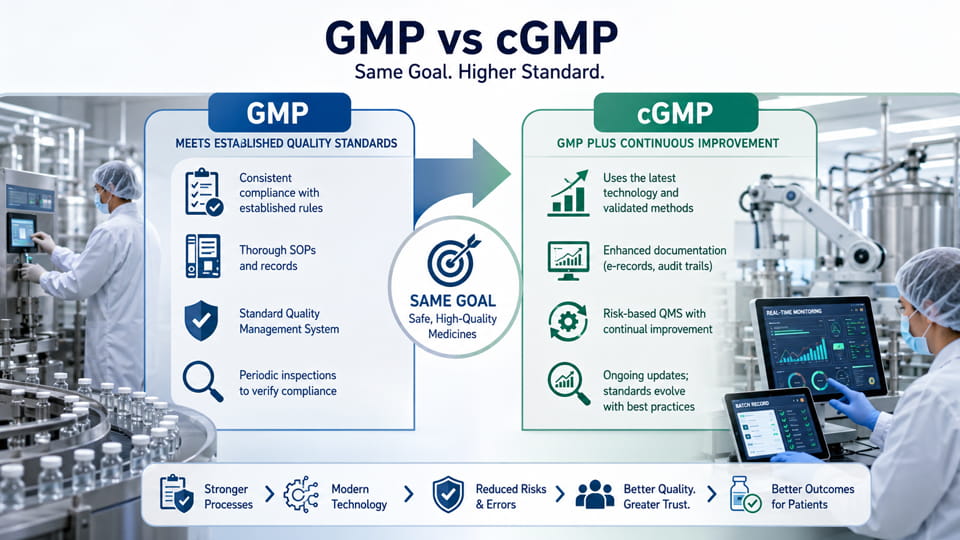
“Hiện tại” trong cGMP không chỉ là một từ thông dụng: nó báo hiệu rằng cơ sở vật chất, máy móc và hệ thống chất lượng không bao giờ trở nên lỗi thời. Ví dụ, nếu một phương pháp sản xuất cũ hoặc một thiết bị nào đó bị phát hiện là kém chất lượng, Tiêu chuẩn cGMP có nghĩa là công ty nên triển khai các giải pháp mới hơn. Cách tiếp cận này thúc đẩy sự đổi mới: các công ty áp dụng cGMP đầu tư vào hồ sơ lô điện tử, hệ thống kiểm tra tự động, giám sát dữ liệu thời gian thực và những tiến bộ khác giúp nâng cao chất lượng và giảm sai sót.
Chữ “c” trong cGMP nhấn mạnh một điểm đơn giản nhưng quan trọng: tuân thủ có nghĩa là sử dụng hiện hành kiến thức và công nghệ. Điều này quan trọng vì khoa học và thiết bị dược phẩm phát triển nhanh chóng. Phương pháp làm sạch hợp lệ là gì 20 nhiều năm trước có thể không còn đáp ứng các tiêu chuẩn ô nhiễm ngày nay, và các công cụ mới (như hệ thống quản lý chất lượng kỹ thuật số) cung cấp khả năng truy xuất nguồn gốc tốt hơn so với nhật ký giấy.
Các cơ quan quản lý thường kỳ vọng rằng các nhà sản xuất sẽ tích cực cải thiện. Ví dụ, Hướng dẫn của FDA lưu ý rằng thiết bị phải được chế tạo và đặt ở vị trí thuận tiện cho việc vệ sinh và ngăn ngừa ô nhiễm - ngụ ý rằng các thiết kế phải thích ứng khi chúng ta tìm hiểu thêm về kiểm soát ô nhiễm. Nếu việc khử trùng tốt hơn hoặc có sẵn nguyên liệu, cGMP kêu gọi kết hợp chúng. Điểm nổi bật của Jinlupacking: “‘Hiện tại’ trong cGMP nhấn mạnh rằng các nhà sản xuất phải sử dụng các công nghệ và hệ thống cập nhật," cái mà thúc đẩy cải tiến liên tục trong quá trình sản xuất.
Trong thực tế, điều này có nghĩa là các cơ sở phải có hệ thống chất lượng để xem xét và sửa đổi các quy trình khi các quy định hoặc tiêu chuẩn ngành cập nhật. Phần 21CFR của FDA 11 (cho hệ thống máy tính) là một ví dụ: nó đã được thêm vào để giải quyết các hồ sơ và chữ ký điện tử. Theo cGMP, các công ty dược phẩm phải kết hợp thông tin đăng nhập duy nhất, kiểm tra các dấu vết và tính năng bảo mật vào thiết bị và phần mềm máy tính của họ. Nếu một công ty tiếp tục chỉ sử dụng nhật ký giấy, nó sẽ không đáp ứng được các tiêu chuẩn hiện hành.
Một lĩnh vực quan trọng khác là tính toàn vẹn dữ liệu. Cơ quan quản lý hiện đang xem xét kỹ lưỡng hồ sơ lô điện tử, yêu cầu tất cả các thay đổi đều có thể truy nguyên được đối với người dùng được ủy quyền. Hướng dẫn tuân thủ được tham chiếu lưu ý rằng 21 Phần CFR 11 “bắt buộc người dùng phải đăng nhập duy nhất, kiểm tra dấu vết và chữ ký điện tử để đảm bảo tính toàn vẹn dữ liệu”. Đó không phải là một phần ban đầu của GMP nhiều thập kỷ trước. Vì thế, cGMP ngày nay có nghĩa là nâng cấp thiết bị và điều khiển để mọi hoạt động trong dây chuyền sản xuất (thay đổi cài đặt máy, cảnh báo chất lượng) được ghi lại và bảo vệ.
Tóm lại, “hiện tại” trong cGMP có nghĩa là không bao giờ ngủ quên trên vòng nguyệt quế cũ. Nó thúc đẩy các công ty thường xuyên xác nhận thiết bị mới, đào tạo lại nhân viên về các phương pháp tốt hơn, và nắm bắt các phương pháp thực hành chất lượng mới nhất. Điều này dẫn đến việc cải thiện liên tục sự an toàn và tuân thủ của sản phẩm. Qualityze lưu ý rằng lý do chính khiến cGMP quan trọng là nó “thúc đẩy cải tiến liên tục” – đảm bảo các công ty luôn sử dụng công nghệ mới nhất để đảm bảo chất lượng.
Dù được gọi là GMP hay cGMP, một số yêu cầu cốt lõi được áp dụng phổ biến trong sản xuất và đóng gói dược phẩm. Những yếu tố chung này rất cần thiết cho việc tuân thủ theo FDA, Quy tắc của WHO hoặc EMA:
Các cơ quan quản lý như WHO tuyên bố rằng GMP định nghĩa “các biện pháp và hoạt động chất lượng cho cả việc sản xuất và kiểm soát thuốc”.,” và đảm bảo mọi thứ từ “quy trình [hiện tại] được xác định rõ ràng, được xác nhận và xem xét” để đảm bảo nhân sự và cơ sở “phù hợp cho sản xuất”. Trong thực tế, điều này bao gồm tất cả mọi thứ được liệt kê ở trên.
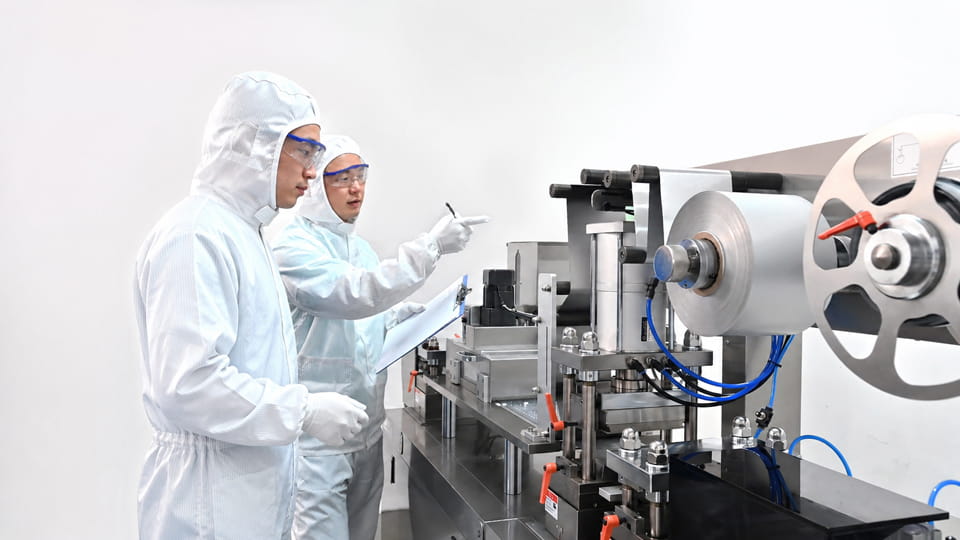
Tại khu vực đóng gói, các tiêu chuẩn thường chuyển thành các quy tắc thiết kế cụ thể (BẰNG Ghi chú hướng dẫn tuân thủ của Jinlu). Ví dụ, máy móc trong dây chuyền GMP phải dễ dàng làm sạch (thép không gỉ mịn, không có vết nứt hoặc chân chết) và được xác nhận đầy đủ. Tài liệu như Chứng chỉ lắp đặt (chỉ số IQ), Trình độ chuyên môn hoạt động (OQ), và trình độ thực hiện (PQ) được yêu cầu trước và trong quá trình sản xuất. Nếu không có những điều khiển này, một cuộc kiểm toán sẽ đánh dấu sự không tuân thủ.
Tiêu chuẩn bạn phải đáp ứng tùy thuộc vào thị trường của bạn:
Ví dụ, FDA khuyến nghị rõ ràng rằng các cơ sở bán hàng trên toàn cầu phải tuân thủ tiêu chuẩn GMP hiện hành. Tương tự như vậy, EMA tuyên bố rằng “bất kỳ nhà sản xuất thuốc nào dành cho thị trường EU đều phải tuân thủ EU GMP bất kể họ đặt trụ sở ở đâu.”. Trong thực tế, các công ty dược phẩm hàng đầu xây dựng cơ sở vật chất để đáp ứng FDA cGMP làm cơ sở và sau đó điều chỉnh cho phù hợp với các biến thể địa phương (như ngôn ngữ ghi nhãn hoặc tài liệu).
Cuối cùng, sự lựa chọn không phải là/hoặc: dược phẩm hiện đại được kỳ vọng sẽ đáp ứng được cả câu chữ và tinh thần của GMP. Cho dù bạn gọi nó là GMP hay cGMP, thực hành tại chỗ – phòng sạch, thiết bị được xác nhận, QC nghiêm ngặt, và hồ sơ kỹ lưỡng - tất cả đều là một phần của cùng một nền văn hóa chất lượng.
Khi lựa chọn máy móc đóng gói dược phẩm, người mua nên tìm kiếm các tính năng hỗ trợ cụ thể các nguyên tắc GMP/cGMP:
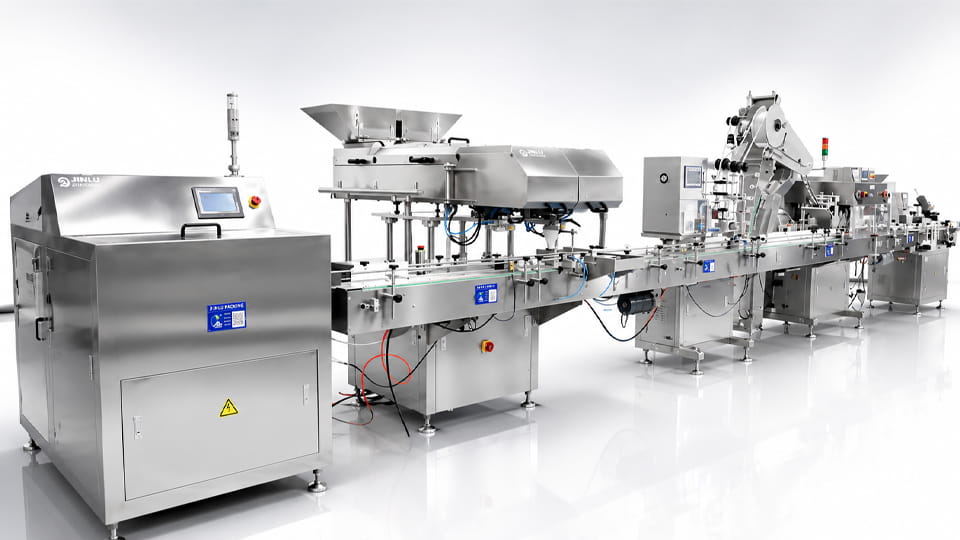
Nhân vật: Dây chuyền đóng gói chai dược phẩm hiện đại tích hợp công nghệ xếp chồng, điền vào, giới hạn, niêm phong và ghi nhãn với tính năng kiểm tra tích hợp. Những máy này sử dụng kết cấu thép không gỉ vệ sinh và cảm biến để kiểm soát chất lượng.
Bằng cách đảm bảo các tính năng này, người quản lý mua sắm có thể tin tưởng rằng dây chuyền đóng gói của họ sẽ hỗ trợ sản xuất tuân thủ. Ghi chú Jinlu gốc, máy móc của chúng tôi được chế tạo bằng những vật liệu tốt nhất và kết cấu tinh xảo theo tiêu chuẩn CE và GMP, và nhà đóng gói túi của chúng tôi đáp ứng các yêu cầu sản xuất của cGMP.
Tuân thủ GMP và đặc biệt là cGMP mang lại lợi ích đáng kể:
Tóm lại, Tuân thủ GMP/cGMP không chỉ là gánh nặng pháp lý – nó còn bảo vệ bệnh nhân, xây dựng niềm tin, và đảm bảo một hoạt động kinh doanh đáng tin cậy. Nó cũng mang lại cho các công ty lợi thế bằng cách nâng cao hiệu quả và cho phép phân phối toàn cầu.
GMP và cGMP là nền tảng của chất lượng dược phẩm, đảm bảo rằng mọi sản phẩm đều được sản xuất an toàn và nhất quán. Tóm lại, GMP cung cấp khuôn khổ thiết yếu của vệ sinh, tài liệu và xác nhận, trong khi cGMP bổ sung yêu cầu cải tiến liên tục và công nghệ hiện đại. Đối với thiết bị đóng gói, điều này có nghĩa là đầu tư vào tự động, máy được xác nhận làm từ vật liệu vệ sinh.
Và chọn Jeinlu, chúng tôi chế tạo máy móc của mình có lưu ý đến những tiêu chuẩn này. Bằng cách chọn thiết bị tuân thủ cGMP của Jinlu - như của chúng tôi Máy làm đầy viên nang tự động, Máy ép viên, Máy đóng gói vỉ, Máy đóng thùng Và Máy đếm – bạn có thể xây dựng một bản xác thực đầy đủ, dây chuyền sản xuất sẵn sàng kiểm toán. Mỗi máy đều có tài liệu và thiết kế hợp vệ sinh cần thiết cho việc kiểm tra GMP và FDA.
Sẵn sàng để đảm bảo đáp ứng sản xuất của bạn (c)tiêu chuẩn GMP? Liên hệ với các chuyên gia của Jinlu ngay hôm nay để thảo luận về các yêu cầu về dây chuyền đóng gói của bạn hoặc yêu cầu báo giá. Nhóm của chúng tôi sẽ giúp điều chỉnh gói thiết bị phù hợp để đảm bảo sản phẩm của bạn luôn tuân thủ, an toàn và chất lượng cao.
GMP đề cập đến các yêu cầu cơ bản về “Thực hành tốt sản xuất” đối với sản xuất thuốc. cGMP là viết tắt của “GMP hiện hành”.,” nghĩa là những yêu cầu đó cộng với sự mong đợi cải tiến liên tục. Trong cGMP, nhà sản xuất phải sử dụng thiết bị hiện đại, phương pháp và hệ thống chất lượng. Nói cách khác, cGMP cho biết thêm rằng các quy trình thường xuyên được xem xét và hiện đại hóa.
“c” là viết tắt của “hiện tại,” nhấn mạnh rằng một công ty phải luôn đáp ứng các quy định và tiêu chuẩn mới nhất. Nó đảm bảo các nhà sản xuất không dựa vào các phương pháp lỗi thời. Như Scilife giải thích, cGMP có nghĩa là sử dụng các hệ thống và công nghệ hiện đại để đáp ứng những kỳ vọng pháp lý ngày nay, thay vì các phương pháp cũ hơn có thể không còn phù hợp.
Đúng. Hoa Kỳ. quy định của FDA (21 Bộ phận CFR 210 Và 211) được viết là cGMP. Theo luật, bất kỳ sản phẩm dược phẩm nào của Hoa Kỳ. thị trường phải được sản xuất theo Thực hành Sản xuất Tốt hiện hành. Việc không tuân thủ có thể dẫn đến thư cảnh báo hoặc ngừng hoạt động.
Nếu chỉ sử dụng các thực hành GMP lỗi thời, công ty có nguy cơ thất bại trong việc kiểm tra. Cơ quan quản lý mong đợi bằng chứng về công nghệ hiện tại và xác nhận. Theo cGMP, chỉ đáp ứng các hướng dẫn cũ là không đủ. Ví dụ, việc sử dụng nhật ký giấy thay vì hồ sơ điện tử đã được xác thực có thể được trích dẫn. Trong thực tế, Tuân thủ cGMP có nghĩa là ngay cả khi một quy trình có lịch sử GMP, nó phải được xem xét với các tiêu chuẩn ngày nay.
Hầu hết các thị trường dược phẩm trên thế giới đều đưa ra các yêu cầu giống như GMP. Qua 100 các nước đã áp dụng tiêu chuẩn GMP của WHO vào luật quốc gia. Thuật ngữ khác nhau (một số người nói GMP, một số cGMP, một số chỉ đơn giản là “GMP”), nhưng hầu như tất cả các cơ quan quản lý lớn (FDA, Ema, AI) yêu cầu hệ thống chất lượng tương đương cGMP.
Bản thân WHO thường đề cập đơn giản đến “GMP,nhưng định nghĩa nó một cách rộng rãi. Trong tài liệu của WHO, “GMP (còn được gọi là cGMP hoặc 'GMP hiện tại')” mô tả việc đảm bảo chất lượng để đảm bảo sản phẩm được sản xuất nhất quán theo tiêu chuẩn chất lượng. Vì thế, WHO sử dụng các thuật ngữ thay thế cho nhau. Khái niệm “hiện hành” được đưa vào tất cả các hướng dẫn hiện đại của GMP, ngay cả khi WHO không phải lúc nào cũng sử dụng chữ “c.”
Tuyệt đối. Thiết kế thiết bị rất quan trọng để đáp ứng tiêu chuẩn GMP. Ví dụ, máy móc phải dễ dàng vệ sinh (không gỉ, không có kẽ hở ẩn) và nên hỗ trợ tự động hóa và thu thập dữ liệu. Thiết bị được thiết kế kém có thể dẫn đến ô nhiễm hoặc lẫn lộn. Ngược lại, thiết bị phù hợp (giống như máy móc của Jinlu) được xây dựng với các tính năng GMP để đảm bảo tuân thủ.
Xác nhận thiết bị là ghi lại rằng máy móc hoạt động như dự định. chỉ số IQ (Trình độ lắp đặt) xác minh máy được thiết lập chính xác theo thiết kế. OQ (Trình độ chuyên môn hoạt động) kiểm tra xem mỗi chức năng có hoạt động trong các điều kiện khác nhau không. PQ (Trình độ chuyên môn) chứng minh thiết bị luôn đạt được đầu ra cần thiết trong quá trình sản xuất thực tế. Đây là những yêu cầu tiêu chuẩn của GMP để chứng minh thiết bị phù hợp để sử dụng.
Máy móc tuân thủ tự động hóa việc kiểm soát chất lượng và ghi lại dữ liệu. Ví dụ, máy làm đầy viên nang tự động cân nhắc liều lượng chính xác và loại bỏ viên nang xấu, loại bỏ lỗi của con người và ô nhiễm. Hệ thống dữ liệu tích hợp tự động ghi lại thông tin lô với các bản kiểm toán, thỏa mãn quy tắc toàn vẹn dữ liệu. Bằng cách lựa chọn thiết bị có các tính năng này, một công ty làm cho việc tuân thủ cGMP trở nên khả thi hơn nhiều.
Máy của Jinlu được thiết kế để sản xuất dược phẩm với sự cân nhắc đầy đủ về nhu cầu GMP. Họ cung cấp các mẫu IQ/OQ/PQ hoàn chỉnh và hỗ trợ, xây dựng không gỉ chất lượng cao, và tự động hóa tiên tiến (chẳng hạn như hệ thống tầm nhìn tích hợp và thiết kế vệ sinh) để giúp đảm bảo đường dây của bạn luôn tuân thủ. Dịch vụ của họ bao gồm hỗ trợ tài liệu và kiểm tra FAT/SAT tại chỗ để hợp lý hóa quy trình kiểm tra chất lượng của bạn.
Tài liệu tham khảo:
1.Q&A về yêu cầu CGMP -- CHÚNG TA. Cục Quản lý Thực phẩm và Dược phẩm
2.Nguyên tắc chất lượng: chế tạo —— Cơ quan Dược phẩm Châu Âu
3.Thực hành sản xuất tốt hiện tại (Cgmp) Quy định -- CHÚNG TA. Cục Quản lý Thực phẩm và Dược phẩm
4.Thực hành sản xuất tốt -- AI
5.TRS 986 – Phụ lục 2: Thực hành tốt sản xuất dược phẩm của WHO: Nguyên tắc chính -- AI
6.EudraLex – Âm lượng 4 – Thực hành sản xuất tốt (GMP) hướng dẫn —— Ủy ban Châu Âu
7.Hướng dẫn GMP —— ispe.org