Giới thiệu: Viên nhai được thiết kế để nhai thay vì nuốt toàn bộ, làm cho chúng thân thiện với người dùng, đặc biệt là đối với trẻ em, người cao tuổi, và bất cứ ai gặp khó khăn khi nuốt. Bằng cách phân hủy trong miệng, đồ nhai cung cấp sự tiện lợi của việc định lượng không cần nước, hương vị dễ chịu, và sự ổn định của một viên thuốc rắn. Chúng được sử dụng rộng rãi cho thuốc nhi khoa và bổ sung dinh dưỡng (hãy nghĩ đến những viên vitamin C nhai hoặc vitamin tổng hợp), và thậm chí cả thuốc thú y. Theo hướng dẫn của FDA, nhà sản xuất phải đặc biệt chú ý đến thuộc tính chất lượng quan trọng (CQA) khi phát triển viên nhai. Các CQA này bao gồm các yếu tố như độ cứng của máy tính bảng, che mùi vị, và đồng nhất nội dung để đảm bảo an toàn và hiệu quả. Tóm lại, nhai kết hợp tốt nhất của máy tính bảng (sự chính xác, kệ ổn định) tốt hơn Tuân thủ bệnh nhân. Trong hướng dẫn này, chúng ta sẽ tìm hiểu xem viên nhai là gì, lợi ích của họ, chúng được tạo ra như thế nào, và loại máy đóng gói nào được sử dụng để xử lý chúng – tất cả đều từ một doanh nghiệp thân thiện, quan điểm ngành.
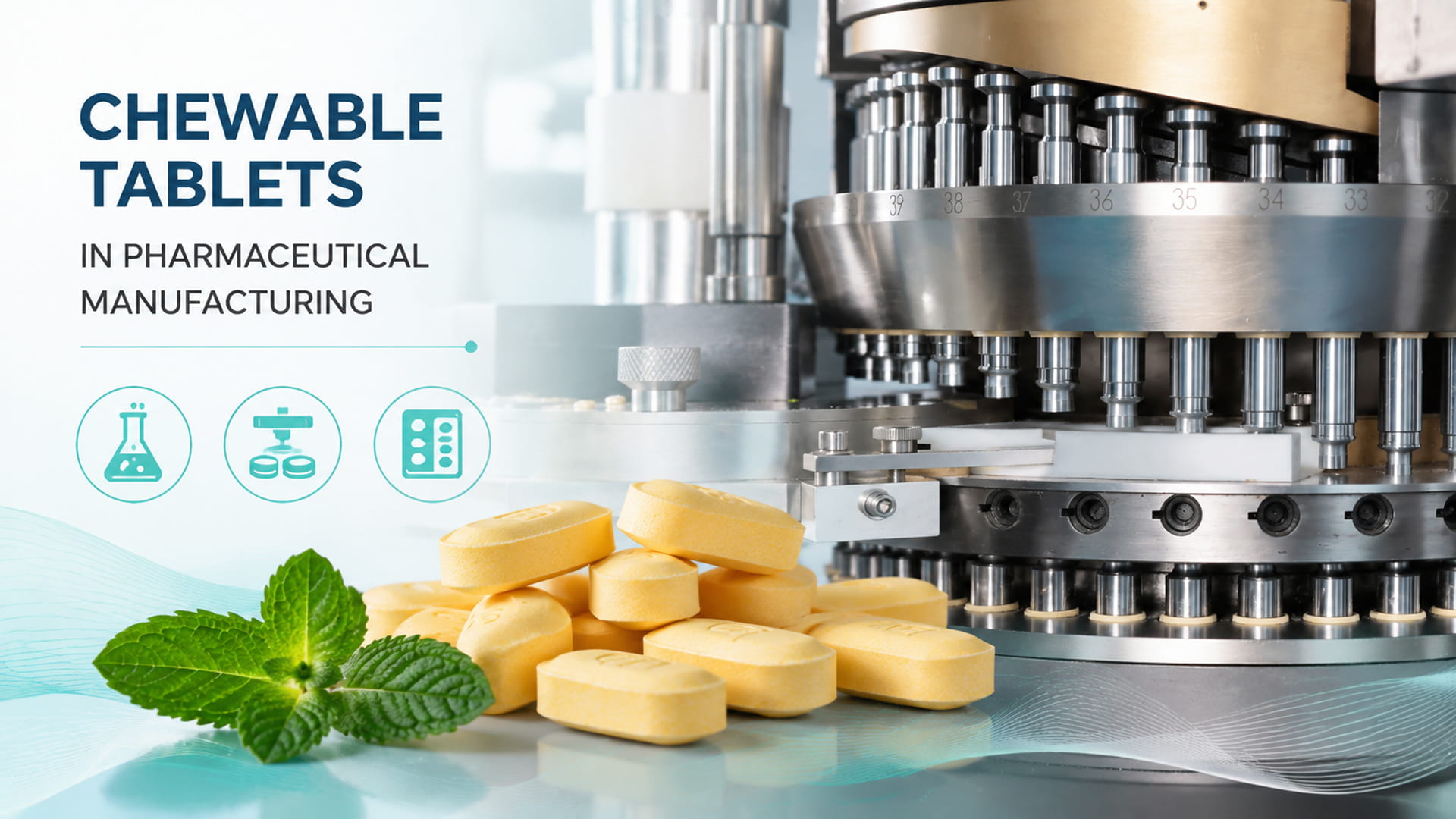
Viên nhai là một kiểu truyền miệng dạng bào chế rắn được thiết kế để nhai trước khi nuốt. Khác với máy tính bảng thông thường (thứ mà bạn nuốt trọn) hoặc viên thuốc tan trong miệng (ODT) hòa tan trên lưỡi, đồ nhai là bị phá vỡ trong miệng bằng cách nhai. Điều này làm cho việc dùng thuốc dễ dàng hơn đối với nhiều bệnh nhân.
Theo Công nghệ dược phẩm, Viên nhai được định nghĩa là viên “được thiết kế để xử lý bằng cách nhai nhằm tạo điều kiện giải phóng hoạt chất.(S)”. Trong thực tế, điều này có nghĩa là đồ nhai thường chứa các thành phần như rượu đường (polyol) thêm vị ngọt và số lượng lớn. Chúng cũng có thể được đúc thành những hình dạng ngộ nghĩnh (động vật, trái tim, vân vân.) để kêu gọi trẻ em. Vì đồ nhai vỡ thành từng hạt trong miệng, chúng có thể được thực hiện lớn hơn hoặc có hình dạng khác hơn những viên thuốc bạn sẽ nuốt, nhưng vẫn tan nhanh sau khi nhai.
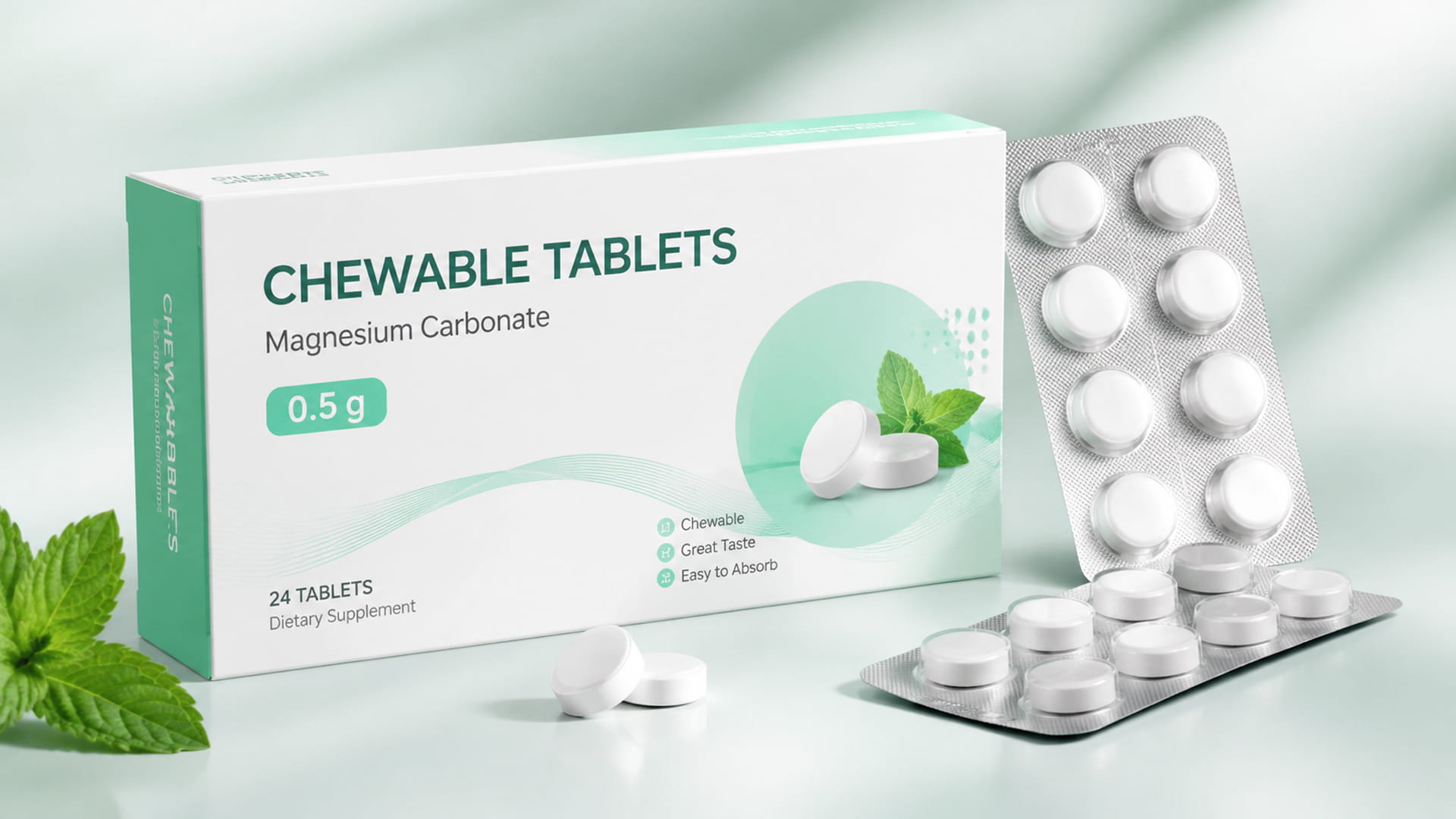
Máy tính bảng nhai được phổ biến ở một số phân khúc của thị trường chăm sóc sức khỏe:
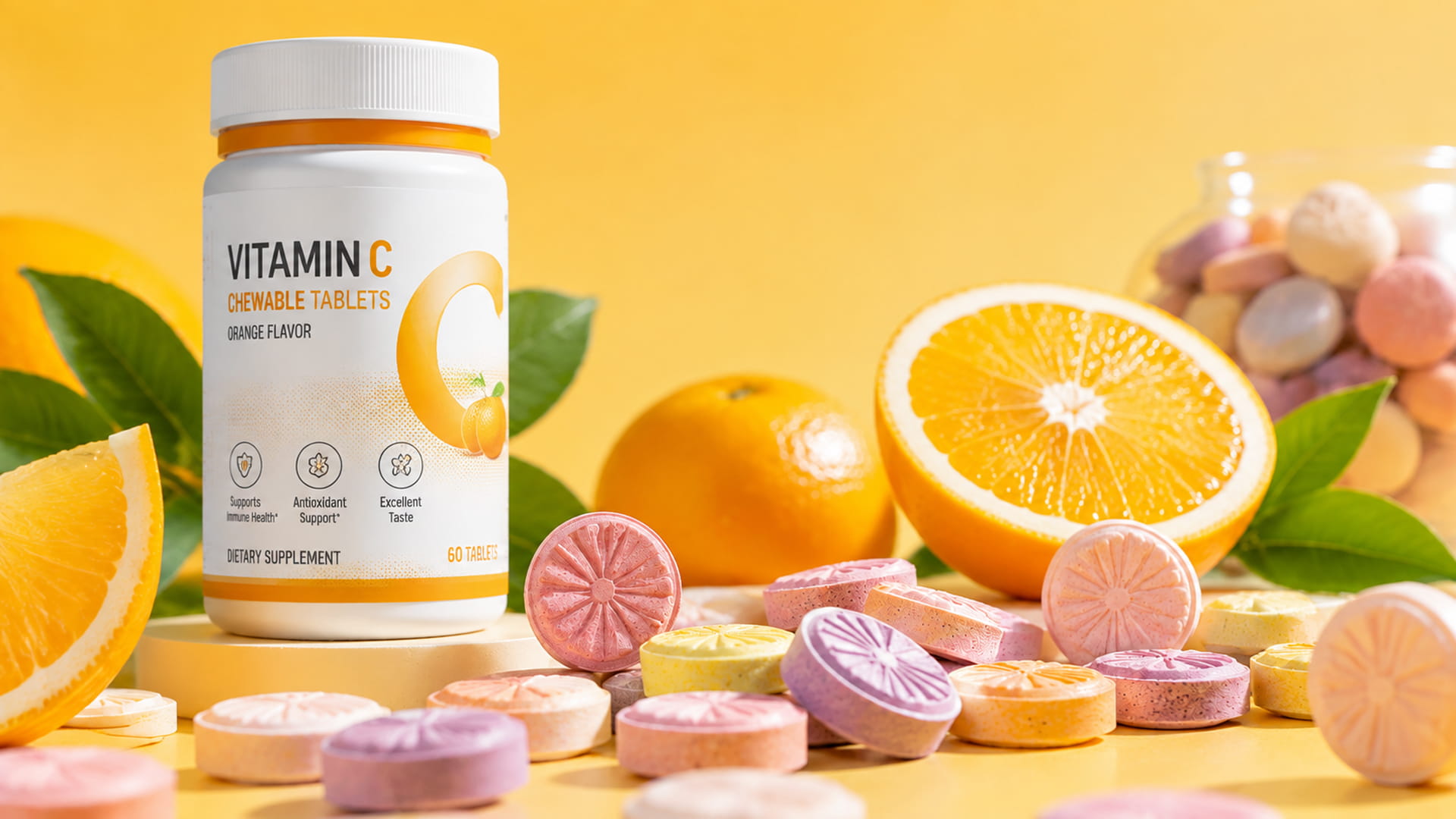
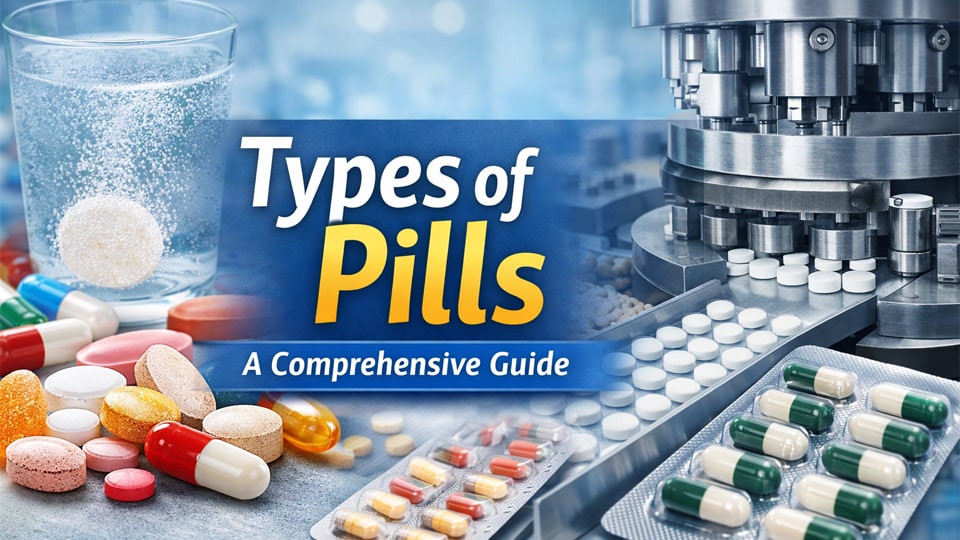
Bức ảnh này cho thấy vitamin và chất bổ sung ở dạng viên nhai. Vitamin C dạng nhai, vitamin tổng hợp, và viên khoáng chất thường trông giống như những viên kẹo có màu sắc tươi sáng. Yếu tố hình thức và hương vị của chúng làm cho chúng trở thành một lựa chọn thân thiện cho cả người tiêu dùng và bệnh nhân quan tâm đến sức khỏe.
Tạo ra một viên thuốc nhai là một hành động cân bằng. Máy tính bảng phải được ngon miệng và dễ nhai, chưa mạnh mẽ và ổn định đủ để xử lý và lưu trữ. Điều này có nghĩa:
Nếm mặt nạ & Tính ngon miệng: Không giống như viên nén có thể nuốt được, nhai ngồi trong miệng, để thuốc tiếp xúc với vị giác. Nhiều hoạt chất có vị đắng, nên các nhà pha chế thêm chất làm ngọt (đường hoặc rượu đường) và các chất tạo hương vị để làm cho viên thuốc trở nên dễ chịu. Đối với các API rất cay đắng, Có thể dùng lớp phủ mỏng hoặc tá dược chặn vị đặc biệt để ngăn mùi vị khó chịu đến lưỡi. Ví dụ, viên vitamin nhai thường có hương vị trái cây và vị ngọt (như sorbitol hoặc mannitol) để cải thiện hương vị.
Kết cấu & cảm giác trong miệng: Một viên thuốc nhai tốt nên đủ mềm để phá vỡ trơn tru mà không cảm thấy khó chịu hoặc quá phấn. Kích thước hạt và chất lượng lựa chọn tá dược: nguyên liệu được xay mịn và chất độn “mềm” (ví dụ. manitol, xylitol) giúp viên thuốc vỡ vụn nhẹ nhàng khi nhai. Mặt khác, đồ nhai vẫn cần một số độ cứng để chúng không bị vỡ khi bảo quản. Hướng dẫn của ngành đề nghị giữ độ cứng của máy tính bảng tương đối thấp (ví dụ. dưới ~12 kilopond) trừ khi viên thuốc tan nhanh trong miệng. Sử dụng tá dược và chất kết dính có tính nén cao (như cellulose vi tinh thể hoặc một số polyme nhất định) giúp giữ nguyên viên thuốc trong quá trình đóng gói nhưng vẫn có thể nhai được trong miệng.
Sự tan rã & Phát hành thuốc: Viên nhai phải phân hủy và giải phóng thuốc một cách hiệu quả sau khi nhai. Chúng thường được phân loại là dạng bào chế giải phóng ngay lập tức, vì vậy chúng phải đáp ứng các tiêu chuẩn về độ rã và hòa tan giống như các viên nén giải phóng ngay khác. Trong thực tế, điều này có nghĩa là kiểm tra các viên nhai để đảm bảo chúng hòa tan trong thời gian cần thiết (thường dưới vài phút) sau khi nhai. Các công thức bào chế thường bao gồm các chất phân hủy (ví dụ. tinh bột natri glycolat) để hỗ trợ sự phân hủy nhanh chóng và đảm bảo sinh khả dụng ổn định.
Sự ổn định: Giống như bất kỳ máy tính bảng nào, đồ nhai có thể nhạy cảm với độ ẩm và nhiệt độ. Vì có nhiều đồ nhai (ví dụ. vitamin hoặc viên nhai sủi bọt) sử dụng chất độn hút ẩm, công thức phải ổn định trong suốt thời hạn sử dụng của sản phẩm. Điều này liên quan đến việc kiểm soát độ ẩm thích hợp trong quá trình sản xuất và đóng gói. Trong thực tế, hướng dẫn quy định (ví dụ. Hướng dẫn về độ ổn định của FDA) yêu cầu gửi dữ liệu về độ ổn định để chứng minh hiệu lực và độ an toàn theo thời gian. Dành cho vitamin nhai có lượng thuốc cao, cần chăm sóc thêm để cân bằng hương vị với các hoạt chất trong khi vẫn duy trì được sự ổn định.
Tá dược thông thường: Các thành phần chính ngoài API bao gồm chất làm đầy (chất pha loãng) cho số lượng lớn, chất kết dính để giữ máy tính bảng lại với nhau, chất bôi trơn để chống dính, Và, quan trọng, hương liệu/chất làm ngọt cho hương vị. Chất độn điển hình trong đồ nhai là rượu đường như mannitol hoặc sorbitol, hoặc chất ngọt như sucrose và lactose. manitol, ví dụ, được ưa chuộng vì nó mang lại cảm giác mát mẻ, cảm giác ngọt ngào trong miệng và giúp viên thuốc tan nhanh. chất tan rã (cellulose vi tinh thể, tinh bột natri glycolat) được sử dụng để đảm bảo phân hủy nhanh chóng trong miệng. Phụ gia hương liệu (hương vị trái cây, cây bạc hà, vân vân.) và chất tạo màu cũng là những chất phổ biến để làm cho máy tính bảng trở nên hấp dẫn đối với người tiêu dùng..
Bằng cách tập trung vào những yếu tố này—che đậy vị giác, kết cấu, và phân hủy—các nhà phát triển dược phẩm tạo ra những viên thuốc nhai vừa hiệu quả vừa thân thiện với bệnh nhân. Công thức phù hợp đặt nền tảng cho quá trình sản xuất và đóng gói trơn tru.
Sản xuất một viên thuốc nhai tốt có nghĩa là cân bằng giữa chất lượng dược phẩm với sự chấp nhận của bệnh nhân. Các thuộc tính chất lượng quan trọng bao gồm:
Việc đáp ứng được những yếu tố chất lượng này không hề đơn giản, đó là lý do tại sao FDA công bố hướng dẫn đặc biệt về các thuộc tính của viên nhai. Hướng dẫn nhấn mạnh việc ghi lại tất cả các bước phát triển và thử nghiệm trong hồ sơ pháp lý (NDA/ANDA). Đồ mang đi: viên nhai vẫn là sản phẩm thuốc và phải được xử lý một cách nghiêm ngặt về chất lượng, chỉ với một bước ngoặt thân thiện với bệnh nhân.
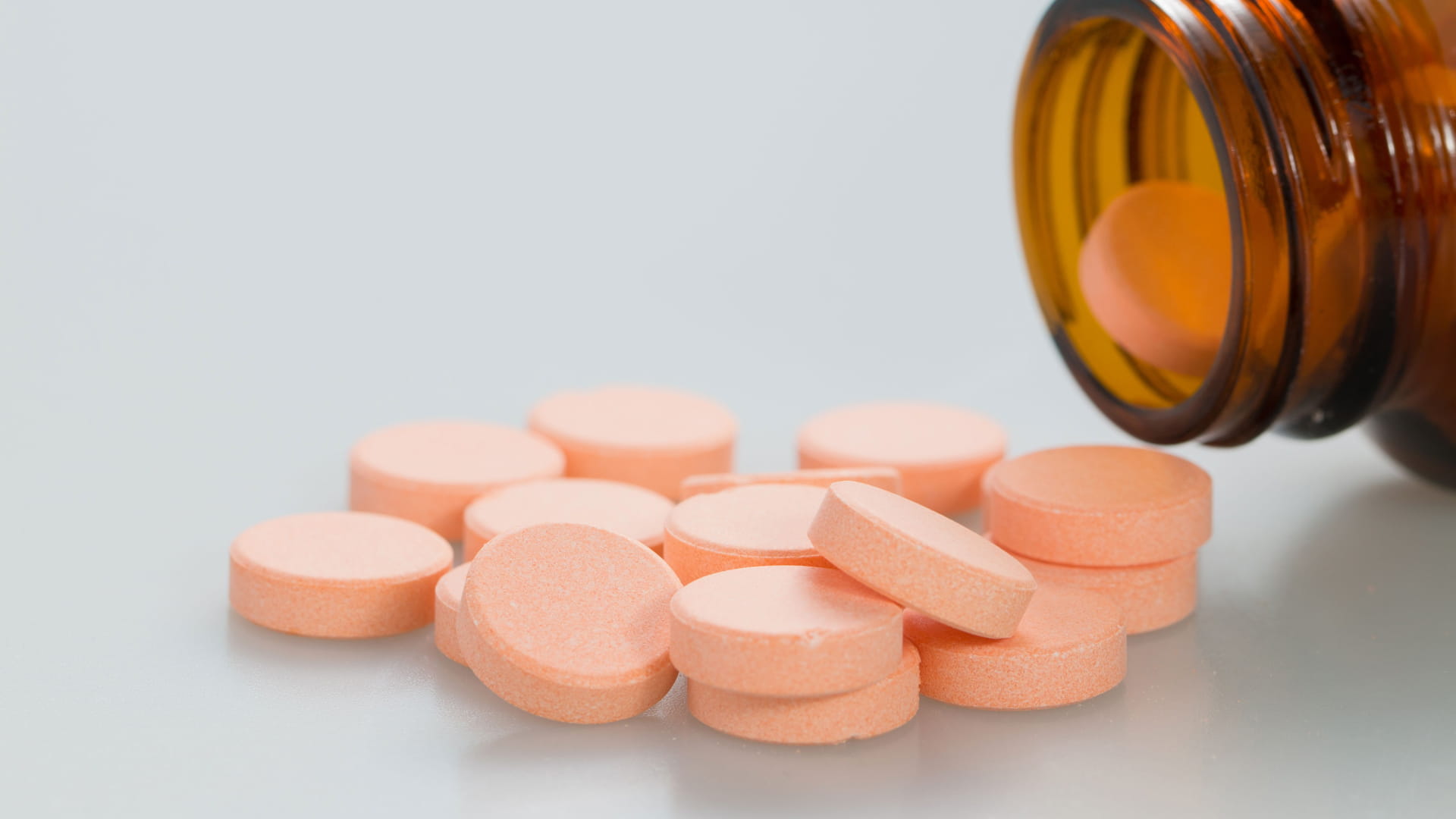
Việc sản xuất máy tính bảng nhai phần lớn tuân theo quy trình sản xuất máy tính bảng tiêu chuẩn, với một số điều chỉnh đặc biệt về độ nhai và hương vị. Dưới đây là tổng quan về các bước chính trong sản xuất đồ nhai:
Ở mỗi giai đoạn, nhà sản xuất tuân thủ quy định cGMP (ví dụ. FDA 21 Phần CFR 211 ở Mỹ) để đảm bảo sạch sẽ, độ chính xác, và truy xuất nguồn gốc. Máy ép viên hiện đại thường có bộ điều khiển PLC để điều chỉnh áp suất và tốc độ, và các tính năng như cảm biến lực để duy trì độ nén ổn định. Đối với đồ nhai, một phím chỉ đơn giản là nhấn “nhẹ nhàng nhưng đồng đều”.
Sau khi sản xuất, viên nhai cần có bao bì phù hợp để luôn tươi mới và hiệu quả. Dưới đây là các phương pháp đóng gói và thiết bị phổ biến được sử dụng:


Thùng carton có thể hoàn toàn tự động (không cần người điều hành) và bao gồm các cảm biến để đảm bảo mỗi hộp đều có phần chèn phù hợp và được niêm phong đúng cách. Lợi ích của việc đóng thùng tự động bao gồm tốc độ và tính nhất quán cao hơn nhiều so với đóng gói thủ công. Như một kỹ sư đóng gói đã từng châm biếm, thùng carton đưa “trông chuyên nghiệp, thùng carton chống giả mạo” với lao động tối thiểu.
Mẹo: Nếu viên nhai của bạn bỏ vào chai (ví dụ. chai vitamin), có thể không có vết phồng rộp, nhưng những chai đó cũng thường được cho vào thùng carton, theo cùng một quy trình đóng thùng.
Điều này hoàn toàn dây chuyền đóng chai tự động lý tưởng cho các sản phẩm nhai như vitamin D nhai hoặc viên canxi nhai được bán trong chai. Nó đảm bảo mỗi chai có số lượng chính xác (suy nghĩ chính xác 60 viên vitamin C nhai mỗi lọ) và đẩy nhanh tốc độ sản xuất.
Chất lượng & Sự tuân thủ: Tất cả các máy đóng gói này phải đáp ứng tiêu chuẩn dược phẩm. Ví dụ, dây chuyền đóng vỉ và đóng thùng được xây dựng theo thông số kỹ thuật cGMP (21 CFR 211 ở Mỹ) với thiết kế vệ sinh, truy xuất nguồn gốc, và các giao thức xác nhận. Hệ thống quan sát nội tuyến thường kiểm tra mức chiết rót và độ kín, ngăn ngừa lỗi. Đóng gói đẹp đảm bảo chất lượng sản phẩm: các nghiên cứu cho thấy việc lấy một viên thuốc ra khỏi bao bì sẽ làm tăng tốc độ thoái hóa sớm. Tóm lại, đầu tư vào bao bì chắc chắn (như vỉ có rào cản cao và thùng/quầy tính tiền chính xác) là rất quan trọng để giữ an toàn cho viên nhai từ nhà máy đến bệnh nhân.
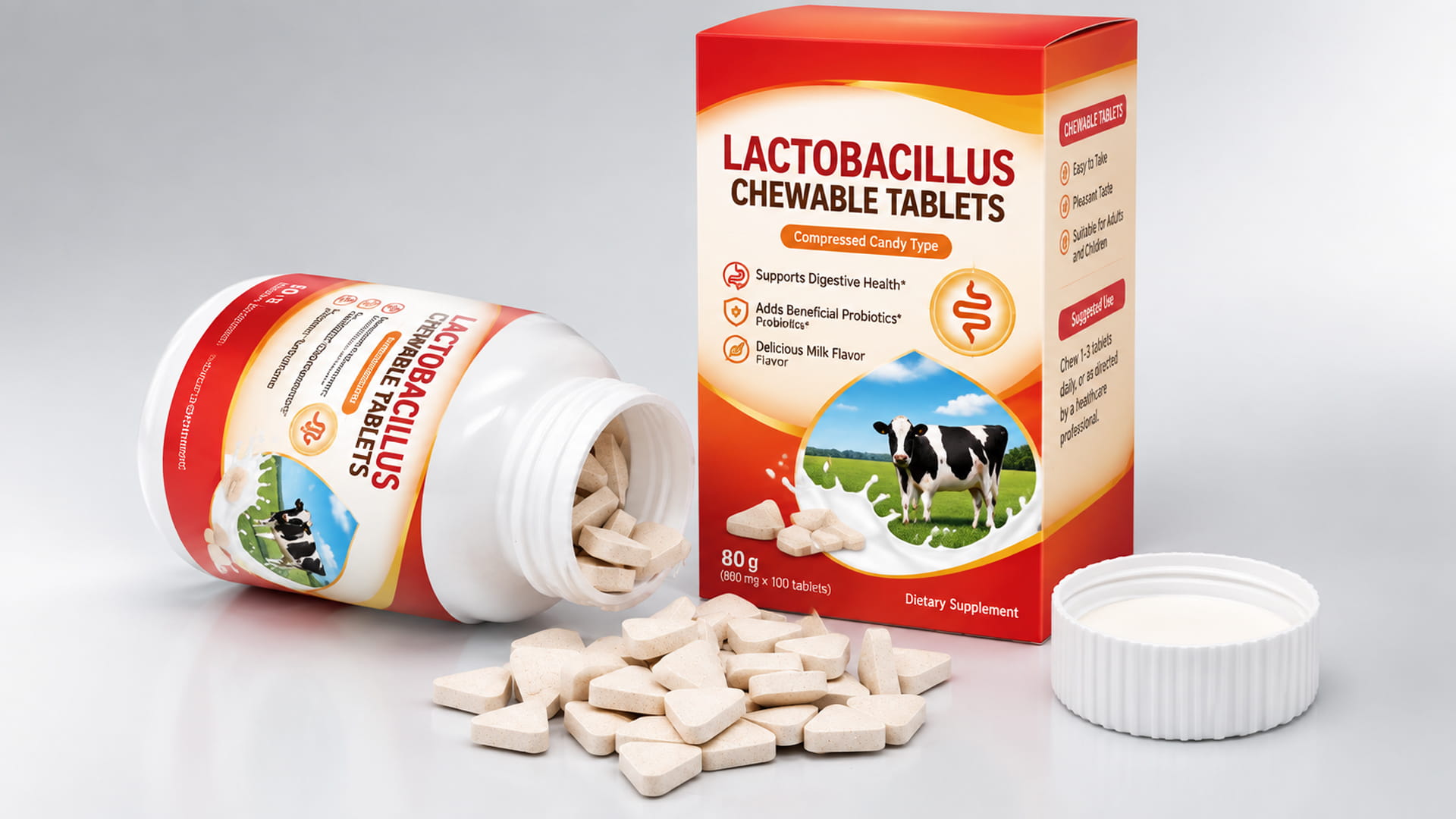
Tóm lại, viên nhai là một thân thiện với bệnh nhân và dạng bào chế đa năng trong dược phẩm. Họ cải thiện sự tuân thủ (không cần nước!), và với kỹ thuật bào chế hiện đại (chất làm ngọt, hương vị) chúng có thể có vị khá ngon. Sản xuất của họ sử dụng thiết bị máy tính bảng tiêu chuẩn với một vài điều chỉnh: nén áp suất thấp, cú đấm đặc biệt, và kiểm soát chất lượng cẩn thận. Bao bì cũng đóng một vai trò quan trọng – máy đóng vỉ, thùng giấy, và các dây chuyền đếm đảm bảo mỗi viên nhai luôn tươi và được định lượng chính xác trong gói cuối cùng.
Nếu bạn đang sản xuất dược phẩm hoặc dinh dưỡng và đang khám phá sản xuất máy tính bảng nhai, nhớ: đối tác thiết bị phù hợp có thể tạo ra sự khác biệt lớn. Các nhà sản xuất thích Đóng gói Jinlu cung cấp máy ép máy tính bảng tùy chỉnh, máy đóng gói vỉ, và thùng carton được chế tạo cho các sản phẩm nhai. Cho dù bạn cần một máy ép viên quay cho hàng ngàn viên thuốc nhai mỗi giờ hoặc một đường vỉ tốc độ cao để niêm phong các tab vitamin của bạn, thiết bị chất lượng sẽ giúp bạn sản xuất hiệu quả và máy tính bảng của bạn thân thiện với bệnh nhân.
Sẵn sàng nâng cao dòng máy tính bảng nhai của bạn? Liên hệ với các chuyên gia tại Jinlu Packing cho các giải pháp đóng gói và sản xuất máy tính bảng dược phẩm phù hợp
Viên nhai là dạng bào chế rắn dùng qua đường uống được thiết kế để nhai trước khi nuốt. Nó cung cấp khả năng quản lý dễ dàng hơn so với máy tính bảng truyền thống và thường được sử dụng cho các sản phẩm dược phẩm, Vitamin, và thực phẩm bổ sung.
Viên nhai được sản xuất thông qua quy trình bao gồm trộn nguyên liệu, tạo hạt hoặc nén trực tiếp, ép máy tính bảng, kiểm tra chất lượng, và bao bì. Máy ép viên quay thường được sử dụng để tạo ra kích thước viên thuốc phù hợp, cân nặng, và độ cứng.
Thiết bị chính dùng để sản xuất viên nhai bao gồm máy ép viên, máy trộn bột, máy tính bảng, máy dò kim loại, Máy đóng gói phồng rộp, máy đếm, và máy đóng thùng. Việc lựa chọn thiết bị phụ thuộc vào năng lực sản xuất và yêu cầu đóng gói.
Sự khác biệt chính là cách chúng được thực hiện. Viên nén thông thường được nuốt cả viên, trong khi viên nhai được thiết kế để nhai trước khi nuốt. Viên nhai thường yêu cầu công thức cụ thể để đạt được hương vị tốt hơn, kết cấu, và hiệu suất nhai.
Đúng. Máy ép viên quay có thể tạo ra viên nhai bằng cách điều chỉnh lực nén, thiết kế dụng cụ, và các thông số sản xuất. Cài đặt máy phù hợp giúp đạt được sự cân bằng cần thiết giữa độ bền của viên thuốc và khả năng nhai.
Ví dụ phổ biến bao gồm viên nhai vitamin C, vitamin tổng hợp dạng nhai, viên canxi nhai, viên sắt nhai, và viên nhai vitamin D. Những sản phẩm này được sử dụng rộng rãi trong các ứng dụng bổ sung dinh dưỡng và dược phẩm.
Không phải lúc nào cũng vậy. Mặc dù quá trình nén tương tự, viên nhai cần chú ý thêm đến hương vị, cảm giác trong miệng, độ cứng, và độ ổn định của công thức. Nhà sản xuất cần kiểm soát kỹ cả chất lượng sản phẩm lẫn trải nghiệm người dùng.
Các giải pháp đóng gói phổ biến cho viên nhai bao gồm đóng gói dạng vỉ, hệ thống đếm chai, và máy tính carm. Một máy đóng gói dược phẩm phù hợp giúp bảo vệ viên thuốc khỏi độ ẩm và đảm bảo độ chính xác, Sản xuất hiệu quả.
Viên vitamin dạng nhai đang trở nên phổ biến vì tiện lợi, dễ dàng lấy, và dễ chấp nhận hơn đối với trẻ em và người lớn gặp khó khăn khi nuốt thuốc. Các sản phẩm như vitamin C nhai và vitamin tổng hợp nhai được sử dụng rộng rãi trên thị trường thực phẩm bổ sung.
Việc lựa chọn dây chuyền sản xuất viên nhai phụ thuộc vào các yếu tố như kích thước viên, năng lực sản xuất, mức độ tự động hóa, và phương pháp đóng gói. Các nhà sản xuất dược phẩm nên xem xét cả thiết bị nén viên thuốc và giải pháp đóng gói tiếp theo khi lựa chọn máy móc.
Tài liệu tham khảo:
1.Hướng dẫn về thuộc tính chất lượng dành cho viên nhai dành cho ngành công nghiệp —— CHÚNG TA. Cục Quản lý Thực phẩm và Dược phẩm
2.Viên nhai: Đánh giá về các cân nhắc trong công thức —— PharmTech
3.Viên nhai: Đánh giá toàn diện —— Tạp chí Nghiên cứu và Phát triển Dược phẩm Châu Á
4.Xây dựng, Sản xuất và đánh giá viên nhai— pharmaproach.com
5.Viên nén Paracetamol nhai mềm bằng phương pháp tạo hạt tan chảy: Công thức và đặc tính —— Thư viện Y khoa Quốc gia