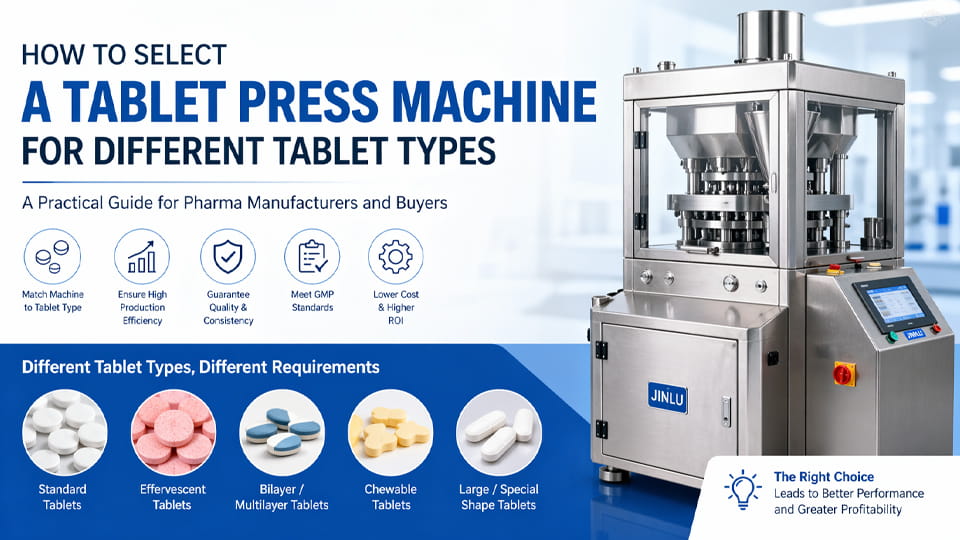

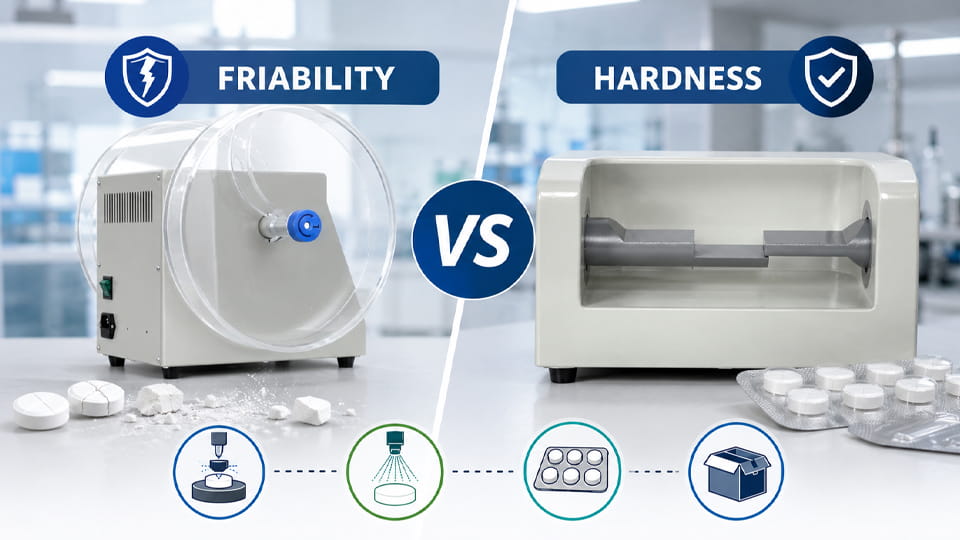
TRONG sản xuất máy tính bảng, độ cứng Và tính dễ vỡ là hai thước đo chất lượng quan trọng. độ cứng (lực phá vỡ) cho chúng ta biết một chiếc máy tính bảng có thể chịu được áp lực bao nhiêu trước khi nó bị nứt. Độ mài mòn đo lường mức độ dễ bị sứt mẻ hoặc ăn mòn trên bề mặt của máy tính bảng khi bị rơi hoặc cầm nắm. Nói cách khác, kiểm tra độ cứng nội lực, trong khi kiểm tra độ dễ vỡ độ bền bề mặt. Cả hai đặc tính này đều ảnh hưởng đến quá trình xử lý tiếp theo – từ cách nén viên thuốc đến cách chúng được phủ và cuối cùng là đóng gói. Bài viết này giải thích tại sao độ dễ vỡ và độ cứng lại quan trọng, mỗi cái được kiểm tra như thế nào, và cách chúng ảnh hưởng đến việc nén máy tính bảng, lớp phủ, và chất lượng bao bì trên dây chuyền sản xuất thực tế.
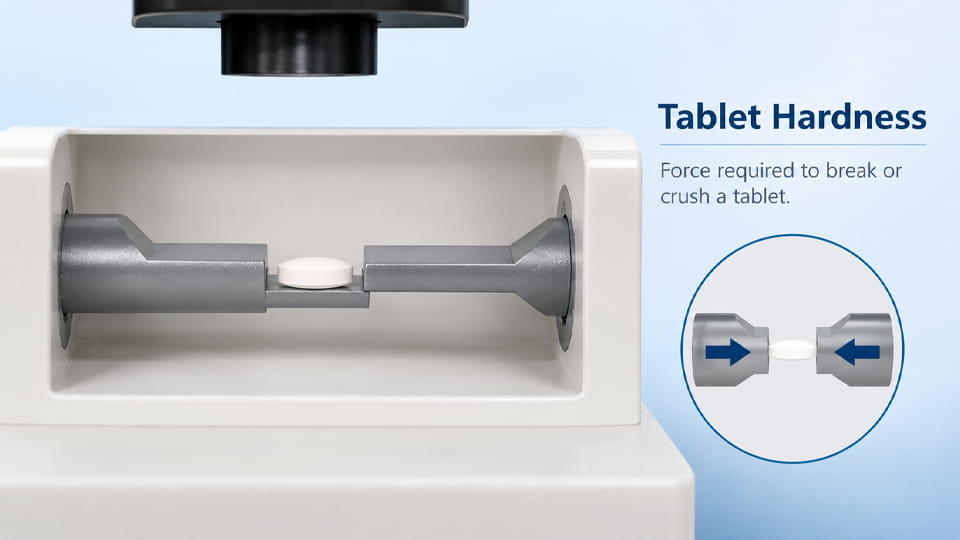
Độ cứng của máy tính bảng (về mặt kỹ thuật “lực phá vỡ máy tính bảng”) là lực cần thiết để làm vỡ một viên thuốc bằng cách nén. Trong thực tế, độ cứng được đo bằng cách đặt viên thuốc vào giữa hai đe hoặc trục lăn và tác dụng lực cho đến khi nó gãy. Máy đo độ cứng hiện đại (thủ công hoặc kỹ thuật số) đo lực cực đại tính bằng kilogam hoặc newton. Lực bẻ gãy máy tính bảng là rất quan trọng đối với kiểm soát chất lượng: máy tính bảng phải đủ mạnh để chịu được việc xử lý, Bao bì, và vận chuyển mà không bị vỡ. Hoa Kỳ. và dược điển châu Âu quy định các phương pháp tiêu chuẩn hóa cho độ cứng (lực phá vỡ) kiểm tra. Một số tài liệu trong ngành thích thuật ngữ này hơn “lực phá vỡ” vượt qua “độ cứng,” vì trong khoa học vật liệu, “độ cứng” thường có nghĩa là khả năng chống lại sự lõm vào bề mặt, trong khi thử nghiệm máy tính bảng đo cường độ nén.
Độ cứng của máy tính bảng bị ảnh hưởng bởi các thông số về công thức và quy trình. Cao hơn lực nén thường tạo ra những viên thuốc cứng hơn, trong khi các yếu tố trong công thức như chất kết dính và chất bôi trơn cũng ảnh hưởng đến độ cứng. Ví dụ, tăng chất kết dính (ví dụ. PVP hoặc HPMC) thường làm tăng sức mạnh của máy tính bảng, trong khi đó có quá nhiều chất bôi trơn (magie stearat) có thể làm suy yếu liên kết giữa các hạt. Kích thước của máy tính bảng, hình dạng, và độ xốp cũng đóng vai trò: viên dày hơn hoặc đặc hơn thường cần nhiều lực hơn để phá vỡ.
Độ cứng quá thấp (nén dưới mức) khiến máy tính bảng bị nứt, vỡ vụn hoặc chip một cách dễ dàng. Độ cứng quá cao, Tuy nhiên, có thể có nhược điểm: máy tính bảng rất cứng có thể tan rã từ từ hoặc hòa tan quá chậm trong cơ thể. Một chiếc máy tính bảng quá cứng cũng có thể bệnh nhân khó nuốt. Như vậy, thiết kế máy tính bảng phải cân bằng giữa sức mạnh cơ học với hiệu suất. Trong thực tế, nhà sản xuất đặt ra phạm vi chấp nhận (ví dụ. 4–10kg hoặc hơn) cho lực phá vỡ trong quá trình sản xuất.
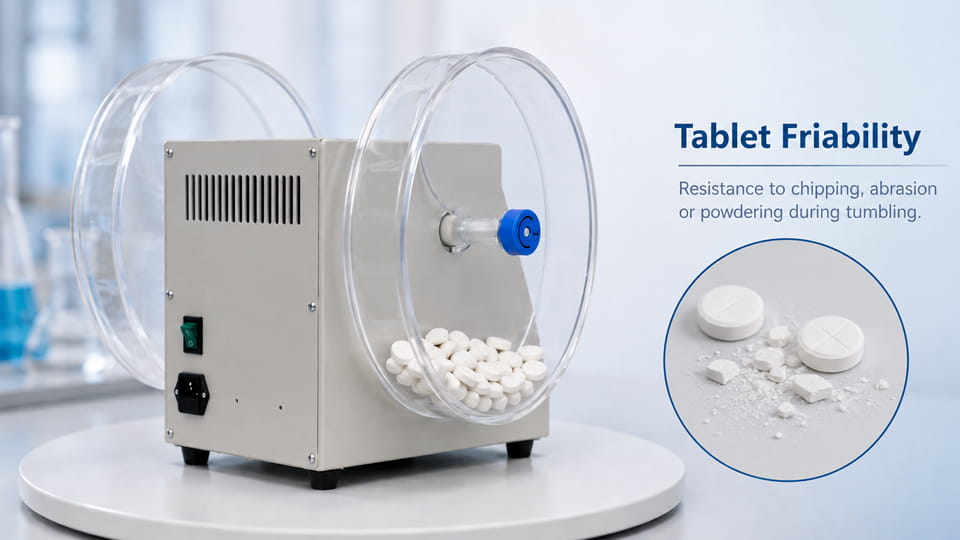
Độ dễ vỡ của máy tính bảng là thước đo mức độ dễ dàng vỡ vụn hoặc mất khối lượng của máy tính bảng khi chịu tác động cơ học, chẳng hạn như nhào lộn hoặc tác động. Kiểm tra độ bền liên quan đến việc đặt các viên thuốc đã được khử bụi vào một cái trống quay (Roche bở), thông thường ở tốc độ 25 vòng/phút, và bắt họ phải chịu 100 các cuộc cách mạng. Mỗi vòng quay sẽ làm rơi và thả các viên thuốc xuống một độ cao cố định để mô phỏng lực căng trong quá trình xử lý và vận chuyển. Sau bài kiểm tra, máy tính bảng được thu thập, và mọi bụi bẩn đều được loại bỏ. Các viên thuốc được cân trước và sau để xác định tỷ lệ giảm cân, được báo cáo là tính dễ vỡ. Ví dụ, các USP <1216> và Ph.Eur. chuyên khảo mô tả thủ tục này.
Độ dễ vỡ càng thấp, máy tính bảng càng có khả năng chống mài mòn hoặc sứt mẻ cao hơn. Giới hạn độ giòn có thể chấp nhận được theo quy ước 1,0% giảm cân. Máy tính bảng mất nhiều hơn ngưỡng này, hoặc có vết nứt hoặc vỡ rõ ràng trong quá trình thử nghiệm, không đáp ứng được tiêu chí về độ dễ vỡ. Tính dễ vỡ của máy tính bảng giải quyết cụ thể độ bền sau nén – nó mô phỏng bề mặt của viên nén ứng suất vật lý trong chảo phủ, băng tải, chất độn chai, đường phồng rộp, và bao bì. Độ dễ vỡ cao biểu hiện dưới dạng chip trên cạnh máy tính bảng, vết nứt có thể nhìn thấy, hoặc bụi quá mức. Do đó, độ dễ vỡ là một thuộc tính chất lượng được liên kết chặt chẽ với độ chắc chắn của bao bì và xử lý..
Những thử nghiệm này nghe có vẻ giống nhau nhưng thăm dò những ứng suất khác nhau. Nói một cách đơn giản:
Hãy tưởng tượng hai máy tính bảng: một thử nghiệm tại 20 kP (kilopond) lực nghiền (rất khó khăn) và một tại 5 kP (mềm mại). Bạn có thể nghĩ rằng 20 Máy tính bảng kP không thể phá hủy, nhưng nếu các cạnh của nó giòn, nó vẫn có thể mất 2–3% khối lượng trong thùng dễ vỡ – gấp đôi giới hạn chấp nhận được. Trong thực tế, một chiếc máy tính bảng có thể “cực kỳ cứng—cần một lực đáng kể để nghiền nát—nhưng lại giòn một cách đáng ngạc nhiên.”. Điều này cho thấy tại sao cả hai các bài kiểm tra là cần thiết. Bảng dưới đây tóm tắt sự khác biệt:
Tóm lại: độ cứng chống lại nghiền nát, trong khi tính dễ vỡ chống lại sứt mẻ. Một thiết kế máy tính bảng mạnh mẽ cân bằng cả hai: nó phải tồn tại dưới áp lực của máy ép và máy móc mà không bị bám bụi, nhưng vẫn hòa tan đúng cách.
| tham số | Độ cứng của máy tính bảng (Lực phá vỡ) | Tính dễ vỡ của máy tính bảng |
|---|---|---|
| Nó đo lường những gì | Khả năng chống lại một lực tác dụng duy nhất (nén hoặc căng) gây gãy xương | Khả năng chống mài mòn lặp đi lặp lại, sự va chạm, và sứt mẻ (giảm cân khi bị ngã) |
| Loại ứng suất điển hình | Tải trọng nén lớn hoặc uốn ba điểm một lần cho đến khi hư hỏng | Nhiều lần ngã/ngã (thường xuyên 100 phép quay) mô phỏng xử lý các cú sốc |
| Mục đích chính | Đánh giá độ bền phá vỡ của máy tính bảng (độ bền của công thức khi nén) | Đánh giá độ bền trong quá trình vận chuyển, lớp phủ, và bao bì |
| Đầu ra thử nghiệm | Giá trị lực phá vỡ (ví dụ. tính bằng Newton hoặc kp) | Phần trăm giảm cân sau khi thử nghiệm (và kiểm tra trực quan xem có hư hỏng không) |
| Liên kết đến chất lượng | Đặt tham số nén; đảm bảo máy tính bảng không bị nứt dưới tác dụng lực | Đặt cài đặt dây chuyền đóng gói; đảm bảo máy tính bảng tồn tại trong lớp phủ/vận chuyển |
| Có thể thay thế bằng thử nghiệm khác? | KHÔNG. Căng thẳng khác nhau; cần đo lường riêng của mình. | KHÔNG. Cơ sở thử nghiệm khác nhau; không thể thay thế kiểm tra độ cứng. |
Bảng trên nhấn mạnh rằng độ cứng và độ bở đo lường các khía cạnh khác nhau. độ cứng (lực phá vỡ) là một bài kiểm tra căng thẳng một lần, trong khi các cuộc kiểm tra độ dễ vỡ lặp đi lặp lại những cú sốc ở mức độ thấp. Điều quan trọng, một chiếc máy tính bảng có thể cứng rắn nhưng dễ vỡ hoặc ngược lại. Ví dụ, một viên thuốc có lực bẻ gãy cao vẫn có thể thất bại trong bài kiểm tra độ dễ vỡ các cạnh của nó có dễ bị sứt mẻ hoặc nếu liên kết bên trong không đồng đều. Tóm lại, độ cứng và độ dễ vỡ có liên quan nhưng không thể thay thế cho nhau – cả hai đều phải được đánh giá.
Máy kiểm tra độ cứng của máy tính bảng tác dụng một lực có kiểm soát lên một viên thuốc cho đến khi nó bị gãy. Trong một thử nghiệm điển hình, hai cái đe phẳng (đĩa) cầm máy tính bảng – một chiếc cố định, một người đang di chuyển. Người thử ghi lại lực lúc đứt. Người kiểm tra thủ công (dựa trên mùa xuân như Monsanto) và máy kiểm tra kỹ thuật số hiện đại (với các tế bào tải và chỉ số điện tử) là phổ biến. Máy kiểm tra điện tử cung cấp kết quả chính xác, các phép đo lặp lại và thường đo đường kính và độ dày đồng thời. Trong quá trình thử nghiệm, các yếu tố như định hướng máy tính bảng (dành cho máy tính bảng mặt phẳng) hoặc đồ đạc đặc biệt (cho những hình dạng khác thường) được kiểm soát cẩn thận để đảm bảo kết quả nhất quán. Lực đứt đo được giúp kiểm soát chất lượng: lô chỉ được chấp nhận nếu độ cứng nằm trong phạm vi xác định cho công thức đó.
MỘT dễ vỡ hoặc máy kiểm tra độ dễ vỡ của viên thuốc trong một cái trống trong suốt để mô phỏng việc xử lý. Các bước chính (theo USP/Ph.Eur.) là: 1. Hút bụi và cân mẫu viên (ví dụ. 6.5 g hoặc 10 máy tính bảng). 2. Đặt máy tính bảng vào trống quay có tab nâng bên trong. 3. Quay với tốc độ 25 vòng/phút trong 100 các cuộc cách mạng (4 phút). 4. Xóa máy tính bảng, loại bỏ bụi bẩn, cân lại. 5. Tính toán % giảm cân: .
Nếu như bất kỳ máy tính bảng nào bị nứt hoặc vỡ sau khi nhào lộn, lô thất bại ngay lập tức. Nếu không thì, nếu giảm cân toàn bộ >1%, phép thử được lặp lại ba lần và sử dụng giá trị trung bình. Trong thực tế, máy tính bảng đi qua hiển thị chip hoặc bụi tối thiểu. Kết quả độ mài mòn hướng dẫn các quyết định trước khi phủ và đóng gói: tổn thất cao thúc đẩy việc cải tổ hoặc thay đổi quy trình.
Phương pháp thử nghiệm giả định viên nén không bao. Viên nén bao cũng có thể được kiểm tra, nhưng chúng thường có độ bở thấp hơn đơn giản là do vỏ. Ngược lại, viên sủi bọt hoặc có độ xốp cao có thể yêu cầu kiểm soát độ ẩm đặc biệt trong quá trình thử nghiệm. Hình dạng và kích thước máy tính bảng ảnh hưởng đến hành vi nhào lộn; đối với hình dạng không đều, đế trống có thể nghiêng ~ 10° để đảm bảo chuyển động ngẫu nhiên. Trong mọi trường hợp, tiêu chuẩn bổ sung (USP, Ph.Eur.) xác định thiết bị và quy trình. Thực hành trong phòng thí nghiệm hiện đại cũng kiểm tra hiệu chuẩn của máy đo độ cứng và độ mài mòn và chạy QC với máy tính bảng tham chiếu tiêu chuẩn thường xuyên.

Cả hai thuộc tính đều phụ thuộc vào công thức và chế biến. Các yếu tố chính bao gồm loại/nồng độ chất kết dính, lực nén, và hình dạng máy tính bảng. Ví dụ:
Bởi vì có rất nhiều biến số quan trọng, nhà sản xuất đặt phạm vi mục tiêu thay vì các giá trị đơn lẻ. có không có độ cứng “hoàn hảo” phổ quát; nó phụ thuộc vào sản phẩm dạng bào chế, mục đích sử dụng, và bao bì. Một loại vitamin nhai và phủ phim thuốc giảm đau có thể có mức độ cứng tối ưu rất khác nhau, ngay cả khi chúng nặng như nhau.
Công đoạn nén trên máy ép viên quyết định phần lớn đến độ cứng. Trong thực tế:

Tóm lại, tối ưu hóa các thông số và công thức nén là điều cần thiết. Như ghi chú hướng dẫn khắc phục sự cố của JinluPacking, “nếu máy tính bảng quá mềm, họ có thể sứt mẻ, phá vỡ, hoặc thể hiện tính dễ vỡ cao. Nếu quá khó, chúng có thể chống lại lớp phủ hoặc hòa tan chậm.”. Bằng cách điều chỉnh lực nén và hàm lượng chất kết dính, các nhà sản xuất có thể nhắm đến những chiếc máy tính bảng chịu được áp lực quá trình mà không vượt quá độ cứng.
Lớp phủ máy tính bảng (phim hoặc Lớp phủ đường) rất nhạy cảm với sức mạnh của máy tính bảng lõi. Trong quá trình phủ, viên thuốc được đổ vào chảo quay và phun dung dịch lên chúng. Sự nhào lộn này tạo ra ứng suất cơ học và độ ẩm. Đây là cách độ cứng và độ giòn phát huy tác dụng:
Sau khi viên thuốc được ép và phủ, họ di chuyển đến Dòng đóng gói – máy vỉ, thùng giấy, hoặc dây chuyền đóng chai. Sức mạnh của máy tính bảng cũng rất quan trọng ở đây:

Để có được những viên thuốc chất lượng hàng đầu đáp ứng nhu cầu về lớp phủ và đóng gói, hãy ghi nhớ những điểm này:
Trong thực tế, mục tiêu là một chiếc máy tính bảng “Đủ cứng để tồn tại trong quá trình xử lý nhưng không quá cứng đến mức không vượt qua được các bài kiểm tra độ hòa tan.”. Nhiều nhà sản xuất biểu đồ lực nén, độ cứng, và tính linh hoạt trong thời gian thực để sớm phát hiện xu hướng (Ví dụ, độ cứng thay đổi đột ngột có thể báo hiệu sự thay đổi trong nguồn cấp bột hoặc độ ẩm).
Tóm lại, độ cứng và độ dễ vỡ là hai mặt của cùng một đồng tiền về chất lượng máy tính bảng. Độ cứng đảm bảo sức mạnh cốt lõi của máy tính bảng khi bị nén, trong khi độ bền đo độ bền bề mặt chống mài mòn. Cân bằng hợp lý, họ đảm bảo rằng các viên thuốc có thể di chuyển qua các khay phủ và máy đóng gói mà không bị sứt mẻ hoặc vỡ. Máy tính bảng quá mềm sẽ tạo ra các khuyết tật về bụi và lớp phủ, trong khi những viên thuốc quá cứng có thể chống lại dung dịch phủ hoặc mang lại trải nghiệm kém cho bệnh nhân.
Dành cho nhà sản xuất dược phẩm và kỹ sư đóng gói, chú ý đến cả hai bài kiểm tra là rất quan trọng. Đảm bảo tích hợp kiểm tra độ bền và độ cứng vào các điểm kiểm tra chất lượng của bạn, và điều chỉnh công thức/nén khi cần thiết. Bằng cách làm như vậy, bạn sẽ giảm thiểu việc từ chối tốn kém và đảm bảo hoạt động trơn tru trên dây chuyền đóng gói vỉ, máy đóng thùng, hoặc dây chuyền đóng chai.
Sẵn sàng tối ưu hóa dây chuyền sản xuất và đóng gói máy tính bảng của bạn? Đội ngũ của JinluPacking có nhiều thập kỷ kinh nghiệm trong lĩnh vực nén và đóng gói dược phẩm. Cho dù bạn cần một máy ép viên tốc độ cao, máy hút bụi, hoặc một giải pháp đóng gói vỉ tùy chỉnh, chúng tôi có thể giúp đảm bảo máy tính bảng của bạn luôn nguyên vẹn từ khi ấn đến bệnh nhân. Liên hệ với chúng tôi để thảo luận về cách máy móc và kiến thức chuyên môn của chúng tôi có thể hỗ trợ mục tiêu sản xuất của bạn.
KHÔNG. độ cứng (lực phá vỡ) đo lực cần thiết để làm gãy một viên thuốc dưới một tải trọng duy nhất. Độ mài mòn đo độ bền của máy tính bảng khi bị mài mòn nhiều lần, thể hiện như % giảm cân trong bài kiểm tra trống. Họ đánh giá các đặc tính khác nhau.
Đúng. Một chiếc máy tính bảng có thể có lực phá vỡ cao (cứng) nhưng vẫn bị sứt mẻ ở các cạnh nếu liên kết hạt của nó kém. Một chiếc máy tính bảng như vậy có thể dễ dàng bị vỡ khi bị rơi, mang lại độ dẻo cao. Ngược lại, một viên thuốc có độ cứng vừa phải có thể dễ vỡ nếu nó có hình dạng chắc chắn. Vì vậy cả hai bài kiểm tra đều cần thiết.
Tiêu chuẩn chung của ngành là giảm cân 1,0% sau khi kiểm tra độ dễ vỡ. Nhiều nhà sản xuất đặt 0,5–1% làm thông số kỹ thuật cho máy tính bảng thông thường. Một số sản phẩm (ví dụ. máy tính bảng rất lớn hoặc bất thường) có thể có tiêu chí đặc biệt, Nhưng 1% là một hướng dẫn điển hình.
Độ cứng có thể ảnh hưởng đáng kể đến độ hòa tan. Một viên thuốc quá cứng có thể tan rã từ từ, trì hoãn phát hành thuốc. Các thử nghiệm theo quy định đã chỉ ra rằng những viên thuốc rất cứng (bị nén ở lực cao) có thể nằm ngoài thông số độ hòa tan vì ma trận máy tính bảng quá chặt. Ngược lại, một viên thuốc rất mềm có thể tan rã nhanh chóng nhưng có thể bị vỡ sớm. Độ cứng tối ưu đảm bảo phân hủy kịp thời mà không bị vỡ.
Nguyên nhân phổ biến bao gồm chất kết dính không đủ, độ ẩm tạo hạt không đúng, nén không đủ, chất bôi trơn dư thừa, và các tá dược giòn. Ví dụ, viên có quá ít chất kết dính hoặc hạt quá khô có xu hướng dễ vỡ hơn. Một giải pháp điển hình là điều chỉnh công thức (ví dụ. chất kết dính hiệu quả hơn) hoặc tối ưu hóa quá trình tạo hạt ướt và sấy khô.
Không phải lúc nào cũng vậy. Độ nén cao hơn thường làm tăng độ cứng và có thể làm giảm độ giòn ban đầu, nhưng nó có giới hạn. Lực quá mức có thể dẫn đến giới hạn, cán màng hoặc thay đổi độ hòa tan. Cũng, nếu công thức có sai sót (ví dụ. ràng buộc kém), chỉ đơn giản là tăng áp lực có thể không giải quyết được tình trạng dễ vỡ. Tốt nhất nên tối ưu hóa cả công thức và lực ép cùng nhau.
Bởi vì chúng giải quyết các ứng suất cơ học khác nhau. Độ cứng đảm bảo máy tính bảng có thể tồn tại sau một lực nghiền (quan trọng cho việc nén và cắt), trong khi tính dễ vỡ đảm bảo nó có thể chịu đựng được những cú va đập liên tục (quan trọng cho lớp phủ, xử lý, và bao bì). Chỉ bằng cách đánh giá cả hai, nhà sản xuất mới có thể tự tin rằng máy tính bảng sẽ duy trì tính toàn vẹn trong toàn bộ chuỗi sản xuất và phân phối.
Thiết kế thiết bị là rất quan trọng. Ví dụ, Máy đóng thùng tốc độ cao sử dụng cảm biến và máng đệm để làm chậm máy tính bảng một cách nhẹ nhàng (ngăn ngừa vỡ khi va chạm). Băng tải chân không với những khúc cua mượt mà giúp giảm sốc. Dây chuyền đóng chai thường có ống mềm dẻo và chuyển tiếp chậm. Hệ thống xử lý máy tính bảng được thiết kế tốt giúp giảm độ rung, giọt, và ma sát, trực tiếp làm giảm sự vỡ và tạo bụi.
Tài liệu tham khảo:
1.Kiểm tra độ cứng của máy tính bảng —— Wikipedia
2.TÔI 4 Phụ lục QB 9 Tính dễ vỡ của máy tính bảng – Hướng dẫn khoa học —— Cơ quan Dược phẩm Châu Âu
3.Phụ lục Q4B 9: Chương chung về tính dễ vỡ của máy tính bảng -- CHÚNG TA. Cục Quản lý Thực phẩm và Dược phẩm
4.Sự phụ thuộc của tính dễ vỡ vào các đặc tính cơ học của viên nén và phương pháp dự đoán cho hỗn hợp nhị phân —— Chuyên gia@Minnesota
5.Ảnh hưởng của độ ẩm và độ nghiền đến độ bở của viên và độ hòa tan trong ống nghiệm —— Thư viện trực tuyến Wiley