
Thuốc không chỉ có trong chai hoặc hộp – nó được cung cấp dạng bào chế. MỘT dạng bào chế là vật chất hình thức trong đó một loại thuốc được chuẩn bị và quản lý. Trong hiệu thuốc, điều này có nghĩa là thuốc hoạt chất được kết hợp với các vật liệu khác (tá dược) và định hình thành một chiếc máy tính bảng, viên nang, chất lỏng, kem, hoặc định dạng khác. Nói một cách đơn giản, các định nghĩa dạng bào chế là “cách bào chế và phân phối thuốc” để đưa đúng liều lượng đến cơ thể bạn một cách an toàn. Ví dụ, một loại thuốc thông thường có thể được bán dưới dạng 500 viên nang mg hoặc một 250 viên nhai mg – cùng loại thuốc, khác biệt dạng bào chế.
Hiểu các dạng bào chế là chìa khóa cho bất kỳ ai trong lĩnh vực sản xuất hoặc mua sắm dược phẩm. Việc lựa chọn hình thức ảnh hưởng đến việc sử dụng của bệnh nhân, sự ổn định của thuốc, và phương pháp sản xuất. Trong hướng dẫn này, chúng ta sẽ tan vỡ ý nghĩa của dạng bào chế trong hiệu thuốc, tại sao nó lại quan trọng, và các loại dạng bào chế bạn sẽ gặp phải. Chúng ta cũng sẽ đề cập đến cách thiết bị hiện đại (như máy ép viên và chất độn viên nang) làm cho việc sản xuất và đóng gói các biểu mẫu này trở nên dễ dàng hơn.
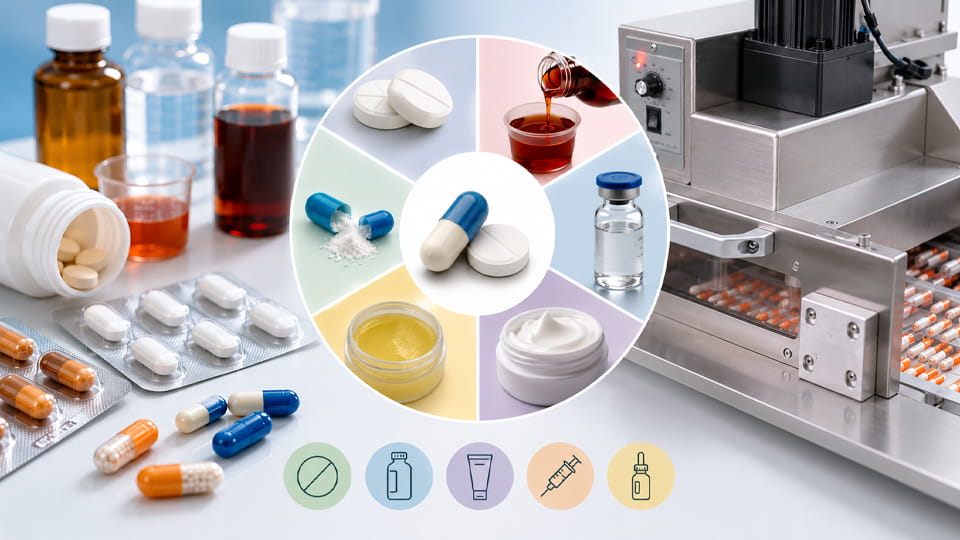
Theo định nghĩa, Một dạng bào chế là hình thức vật lý của một sản phẩm dược phẩm. Nói cách khác, đó là cách kết hợp thuốc hoạt tính và bất kỳ thành phần trơ nào và trình bày để sử dụng. Thuật ngữ NIH định nghĩa nó đơn giản là “dạng vật chất mà thuốc được sản xuất hoặc sử dụng”. Một nguồn khác giải thích rằng dạng bào chế là sản phẩm thuốc “được trình bày dưới dạng cụ thể để sử dụng,” chứa hỗn hợp các thành phần hoạt động và không hoạt động, được cấu hình thành một hình thức cụ thể.
Hãy nghĩ về dạng bào chế như giao diện giữa thuốc và bệnh nhân. Ví dụ, Paracetamol có dạng viên, xi-rô, và thậm chí cả thuốc đạn; đây đều là những dạng bào chế khác nhau của cùng một hoạt chất. Mỗi hình thức là một công thức liều lượng - một công thức cụ thể của hoạt chất thuốc + tá dược được định hình thành một cái gì đó thuận tiện. Như một hướng dẫn của JinLuPacking đã nói, việc tạo ra một dạng bào chế rắn là khoảng “biến phân tử thuốc thành dạng rắn ổn định” bằng cách trộn các hoạt chất với chất kết dính và chất độn. Dạng hoàn thiện có thể là một viên thuốc tròn, vỏ viên nang, hoặc một gói bột – mỗi gói được thiết kế sao cho thuốc có thể được vận chuyển một cách hiệu quả.
Trong thực tế, khi dược sĩ hoặc nhà sản xuất nói về dạng bào chế, họ đang xem xét các yếu tố như:
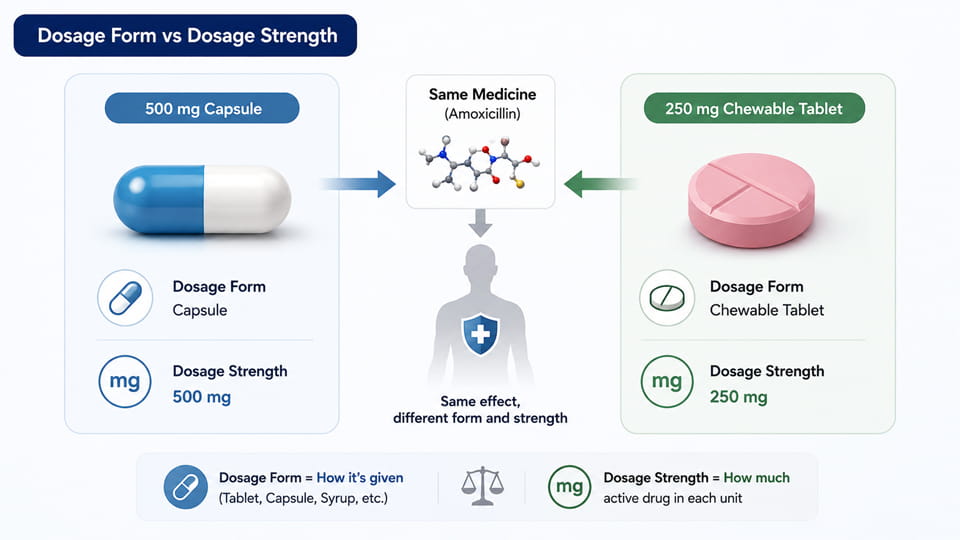
Ví dụ, cùng một loại thuốc (nói, amoxicillin) có thể có “dạng bào chế” như 500 mg viên nang hoặc một 250 mg viên nhai”. Cả hai đều cung cấp amoxicillin, nhưng hình thức và liều lượng khác nhau. Điều này nhấn mạnh sự khác biệt giữa dạng bào chế (viên nang vs máy tính bảng) Và cường độ liều lượng (500 mg vs 250 mg).
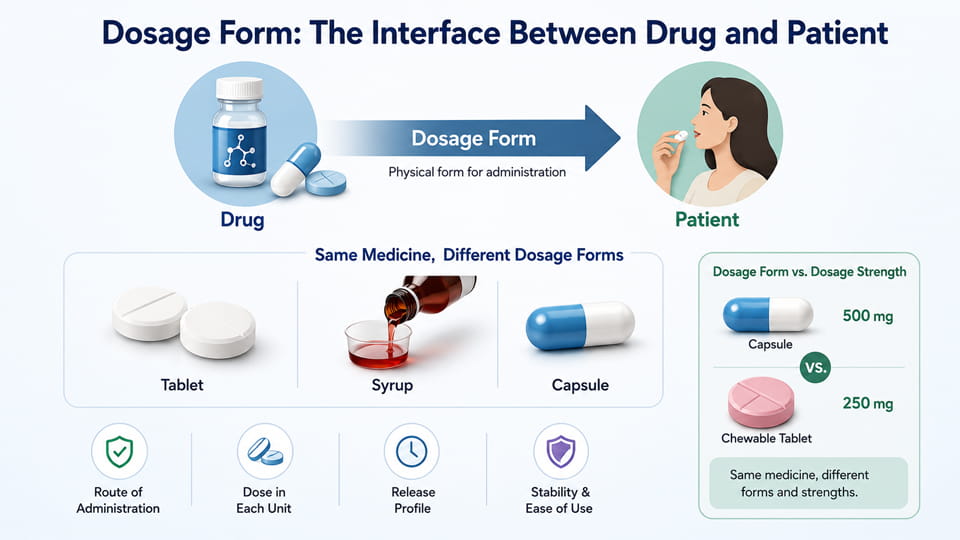
Việc chọn dạng bào chế thích hợp là rất quan trọng vì nhiều lý do:
Tóm lại, dạng bào chế không chỉ đơn thuần là “đóng gói”. Chúng đóng một vai trò quan trọng trong việc một loại thuốc hoạt động tốt như thế nào và nó có thể được sản xuất và sử dụng một cách an toàn dễ dàng như thế nào..
Thuốc có thể bào chế thành nhiều dạng, mỗi phù hợp với mục đích cụ thể. Dưới đây là các danh mục chính:
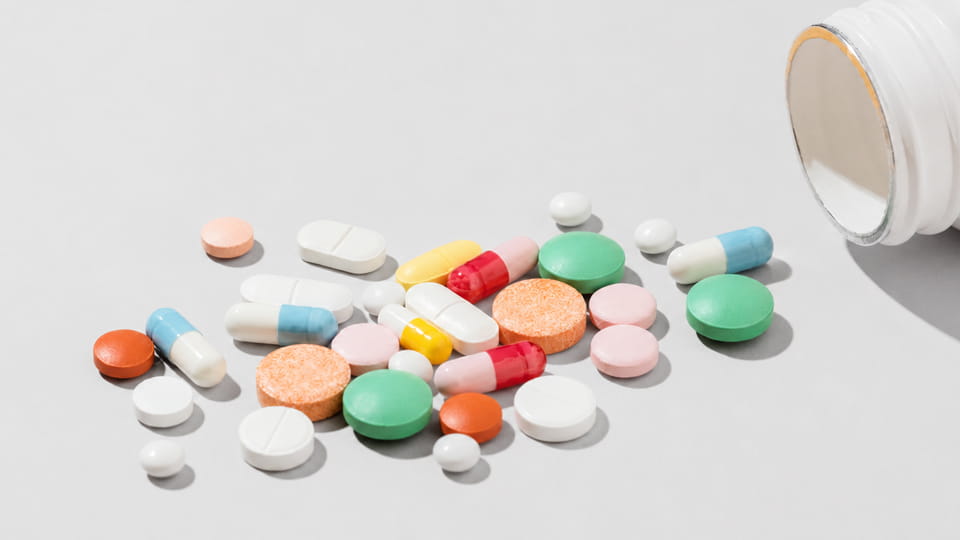
Nhân vật: Viên nang và viên là những ví dụ về dạng bào chế rắn được sử dụng để truyền qua đường miệng.
Dạng bào chế rắn là phổ biến nhất trong ngành công nghiệp dược phẩm. Chúng bao gồm máy tính bảng (thuốc bột nén), viên nang (gelatin hoặc HPMC vỏ chứa đầy bột hoặc viên), và bột hoặc hạt số lượng lớn. Máy tính bảng có thể được thiết kế với nhiều loại khác nhau (ví dụ. nhai được, sủi bọt, phát hành mở rộng) để kiểm soát tốc độ thuốc được giải phóng vào cơ thể. Viên nang thường sử dụng vỏ hòa tan sẽ vỡ ra trong dạ dày để giải phóng thuốc.
Tại sao chất rắn? Chúng ổn định và thuận tiện. Thuốc dạng rắn thường để được lâu hơn trên kệ và không cần bảo quản lạnh. Mỗi đơn vị chứa một liều lượng thuốc chính xác, vì vậy việc định lượng là chính xác. Để sản xuất, dạng rắn có hiệu quả: hiện đại Máy ép máy tính Và Máy làm đầy viên nang (giống như của JinLu) có thể sản xuất hàng trăm ngàn viên thuốc mỗi giờ. Máy đóng gói vỉ và dây chuyền đóng chai sau đó đóng gói những viên thuốc hoặc viên nang này thành sản phẩm cuối cùng (thẻ vỉ, chai, dải, vân vân.).
Ví dụ về các dạng bào chế rắn:
Lưu ý thiết bị: Sản xuất các dạng rắn cần có máy móc chuyên dụng. Ví dụ, một máy tính bảng quay (giống như Máy ép viên của JinLu) nén bột thành viên. Máy làm đầy viên nang (thủ công hoặc tự động) thả bột vào vỏ viên nang. Sau khi hình thành, viên/viên nang có thể đi qua lớp phủ, đếm, và thiết bị đóng gói.
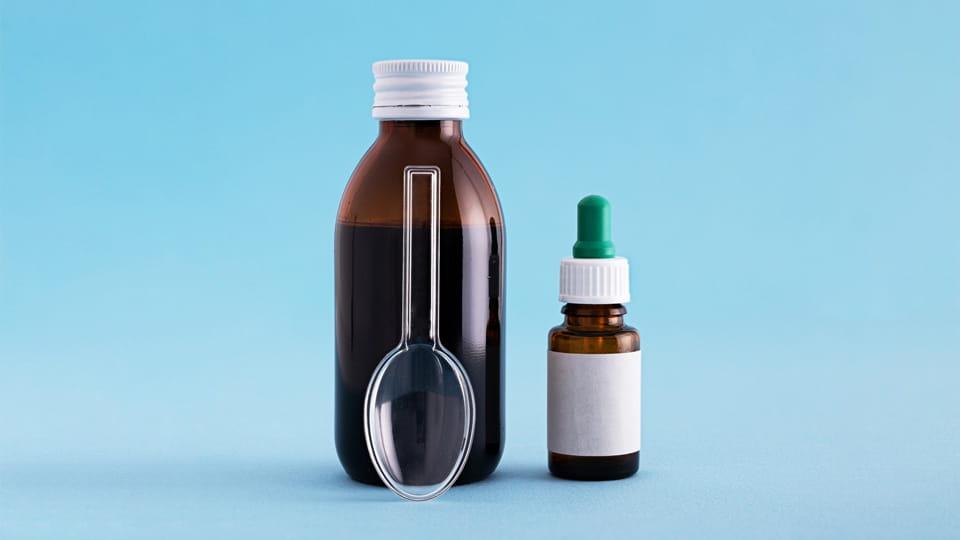
Nhân vật: Xi-rô là dạng bào chế lỏng phổ biến, hữu ích cho những bệnh nhân gặp khó khăn khi nuốt chất rắn.
Dạng bào chế lỏng bao gồm giải pháp, đình chỉ, nhũ tương, và xi-rô. Đây là những sản phẩm lý tưởng khi khó nuốt chất rắn (chẳng hạn như cho trẻ em hoặc người già) hoặc khi cần khởi phát nhanh. Ví dụ như xi-rô ho (làm ngọt để che giấu mùi vị thuốc), giọt uống, và giải pháp IV.
Tại sao chất lỏng? Họ cho phép liều lượng linh hoạt (bạn có thể đong một thìa) và hoạt động tốt khi cần hấp thu nhanh. Ví dụ, thuốc ở dạng dung dịch đi vào máu nhanh hơn viên nén. Chất lỏng cũng giúp đảm bảo nhỏ hơn bệnh nhân nhận được liều lượng nhỏ hơn chính xác.
Lưu ý thiết bị: Dạng lỏng thường yêu cầu thùng trộn và máy chiết rót. Sau khi trộn (ví dụ. trong Máy tạo hạt trộn tốc độ cao hoặc máy sấy tầng sôi), thuốc lỏng được đổ đầy bởi máy rót chai hoặc bơm vào lọ (như ống tiêm). Ví dụ, Ưu đãi của JinLuPacking dây chuyền đóng chai có thể rửa sạch, đổ đầy, và đóng nắp hàng trăm chai mỗi phút cho xi-rô hoặc dung dịch.
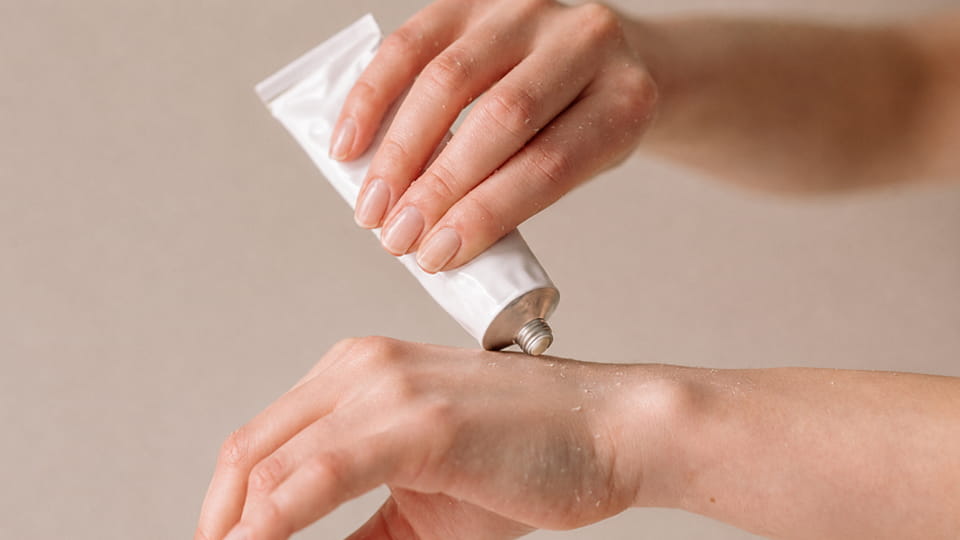
Nhân vật: Kem và thuốc mỡ là dạng bào chế bán rắn bôi ngoài da.
Dạng bào chế bán rắn là chủ yếu để sử dụng tại chỗ – đó là, bôi lên da hoặc niêm mạc. Chúng bao gồm kem, thuốc mỡ, gel, nước thơm, và bột nhão. Ví dụ, kem chống nấm hoặc thuốc mỡ hydrocortisone cho phép thuốc tác động trực tiếp lên vấn đề về da. Nhiều mỹ phẩm (kem dưỡng da) cũng là dạng bào chế dùng ngoài cho hoạt chất.
Tại sao bán rắn? Họ giao thuốc tại địa phương với tác dụng toàn thân tối thiểu. Thuốc đi đến vùng bị ảnh hưởng mà không đi khắp cơ thể, giảm tác dụng phụ. Ví dụ, kem dưỡng da chủ yếu lưu lại trên da.
Công thức và thiết bị: Làm kem và lotion đòi hỏi phải trộn pha dầu và nước với chất nhũ hóa. của JinLu máy trộn nhũ hóa chân không được thiết kế để kết hợp các chất lỏng không thể trộn lẫn này thành một loại kem hoặc kem dưỡng da ổn định. Sau khi trộn, Một máy làm đầy ống hoặc dây chuyền đóng lọ đóng gói sản phẩm vào ống, chai, hoặc lọ. Như JinLu giải thích, chất nhũ hóa chân không “kết hợp các chất lỏng không thể trộn lẫn (dầu & Nước) thành nhũ tương ổn định” dưới chân không. Bước này rất cần thiết cho kem và gel đồng nhất.
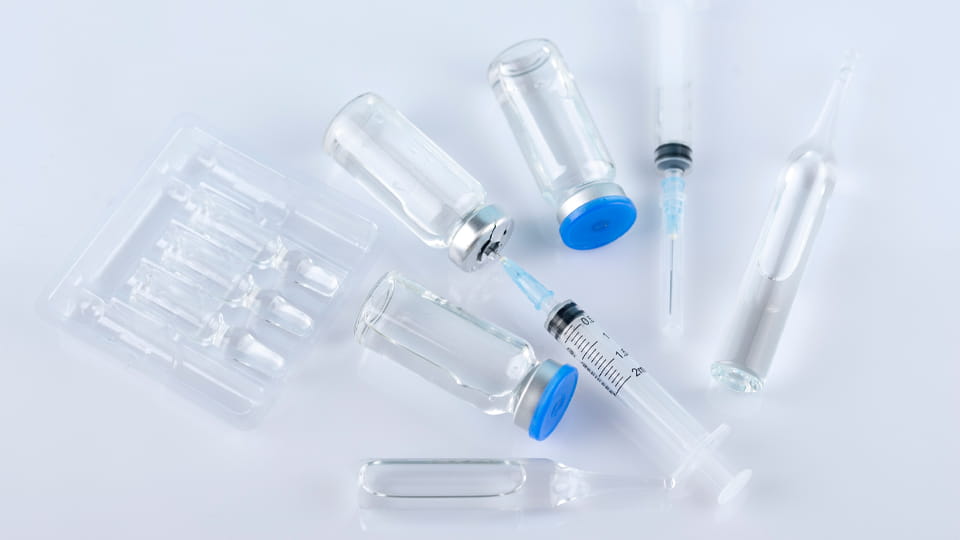
Nhân vật: Thuốc tiêm được bào chế trong lọ hoặc ống tiêm.
Ngoài dạng uống và bôi tại chỗ, ngoài đường tiêu hóa (tiêm được) hình thức rất quan trọng. Thuốc tiêm bao gồm truyền tĩnh mạch (IV), tiêm bắp (TÔI), dưới da (SC) tiêm và truyền. Các dạng bào chế lỏng này được vô trùng và được thiết kế để bỏ qua quá trình tiêu hóa để có tác dụng nhanh.. Nhiều loại thuốc cứu mạng (ví dụ. vắc-xin, insulin, một số loại kháng sinh) sử dụng các dạng tiêm.
Mỗi loại trong số này là một dạng bào chế chuyên biệt được lựa chọn vì những ưu điểm cụ thể (tốc độ, hiệu ứng cục bộ, sự tiện lợi). Thiết kế tổng thể của dạng bào chế là phần cốt lõi của công thức dược phẩm – các kỹ sư và dược sĩ sẽ điều chỉnh công thức (liều lượng và hình thức) để phù hợp với nhu cầu của bệnh nhân và đặc tính của thuốc.
Dược sĩ và kỹ sư cân nhắc nhiều yếu tố khi lựa chọn dạng bào chế cho thuốc:
Không có gì ngạc nhiên khi có rất nhiều lựa chọn về dạng bào chế. Mỗi cân đều tiện lợi, hiệu quả, và tính khả thi. Công thức dược phẩm tốt tìm ra “điểm phù hợp” giữa nhu cầu của bệnh nhân và đặc tính của thuốc.
Điều quan trọng là không nhầm lẫn dạng bào chế với cường độ liều lượng. Các dạng bào chế là thuốc trông như thế nào và nó được dùng như thế nào (viên thuốc, xi-rô, vân vân.), Trong khi cường độ liều lượng là có bao nhiêu hoạt chất trong mỗi đơn vị. Ví dụ, hai phiên bản của kháng sinh amoxicillin có thể: 500 viên nang mg và 250 viên nhai mg. Đây, viên nang/viên nén là dạng bào chế, và những con số (500 mg, 250 mg) là những điểm mạnh về liều lượng. Cả hai đều cung cấp amoxicillin cho bệnh nhân, nhưng ở những hình thức và sức mạnh khác nhau.
Trong thực tế, Nhà sản xuất tạo ra nhiều thế mạnh cho từng dạng để bác sĩ có thể điều chỉnh liều lượng dễ dàng. Biểu mẫu (chất rắn, chất lỏng, vân vân.) chủ yếu trả lời câu hỏi “nó được đưa ra như thế nào?" câu hỏi, trong khi độ mạnh trả lời “mỗi liều chứa bao nhiêu thuốc”.
Dạng bào chế là cầu nối giữa việc phát triển thuốc và việc sử dụng thuốc của bệnh nhân. Trong hiệu thuốc, chúng có nghĩa là cụ thể công thức – máy tính bảng, viên nang, xi-rô, kem, tiêm, và hơn thế nữa – mang các hoạt chất vào cơ thể. Việc lựa chọn hình thức phù hợp là rất quan trọng: nó ảnh hưởng đến cách hấp thu thuốc, thật dễ dàng cho bệnh nhân, và nó có thể được sản xuất và đóng gói hiệu quả như thế nào.
Thiết bị dược phẩm hiện đại giúp sản xuất bất kỳ dạng bào chế nào một cách đáng tin cậy. Ví dụ, JinLuPacking cung cấp giải pháp hoàn chỉnh: máy ép viên tốc độ cao cho chất rắn uống, máy làm viên nang cho hạt, dây chuyền làm đầy chất lỏng cho xi-rô và thuốc tiêm, và máy đóng gói (máy đóng gói vỉ, nắp chai, máy đếm) để hoàn thành công việc. Với chuyên môn và máy móc phù hợp, bất kỳ dạng bào chế nào – dù là dạng viên ổn định hay dạng kem phức hợp – đều có thể được sản xuất với chất lượng cao.
Kết luận, sự hiểu biết định nghĩa dạng bào chế trong hiệu thuốc có nghĩa là nhận ra điều đó vấn đề về hình thức. Nó quyết định trải nghiệm của bệnh nhân, hành động ma túy, và phương pháp sản xuất. Bằng cách thiết kế và lựa chọn các dạng bào chế hiệu quả, kỹ sư dược phẩm giúp đảm bảo thuốc vừa an toàn vừa tiện lợi cho người dùng.
Sẵn sàng thảo luận về nhu cầu sản xuất dược phẩm của bạn? Cho dù bạn đang sản xuất máy tính bảng, viên nang, kem, hoặc xi-rô, nhóm của chúng tôi có thể giúp đỡ. Liên hệ JinLuĐóng Gói để khám phá các dây chuyền sản xuất và giải pháp đóng gói tùy chỉnh cho mọi dạng bào chế. Chúng tôi cung cấp thiết bị chìa khóa trao tay từ máy ép viên tốc độ cao đến dây chuyền đóng vỉ và đóng chai tự động - tất cả đều được thiết kế để mang lại sự nhất quán, dạng bào chế chất lượng cao cho sản phẩm của bạn.
Dạng bào chế là dạng vật lý trong đó thuốc được sản xuất và sử dụng cho bệnh nhân. Nó kết hợp các thành phần dược phẩm hoạt động (API) với tá dược để tạo ra sản phẩm như viên nén, viên nang, chất lỏng, kem, tiêm, hoặc bột. Dạng bào chế phù hợp giúp đảm bảo liều lượng chính xác, sự ổn định của sản phẩm, và phân phối thuốc hiệu quả.
Nhiều người nhầm lẫn hai thuật ngữ này.
• Dạng bào chế đề cập đến dạng vật lý của thuốc, chẳng hạn như một chiếc máy tính bảng, viên nang, xi-rô, hoặc kem.
• Liều lượng đề cập đến lượng hoạt chất có trong mỗi đơn vị, chẳng hạn như 250 mg hoặc 500 mg.
Ví dụ, Một 500 máy tính bảng mg và một 500 viên nang mg có cùng hàm lượng nhưng dạng bào chế khác nhau.
Các dạng bào chế dược phẩm thường được chia thành nhiều loại:
• Dạng bào chế rắn (máy tính bảng, viên nang, bột)
• Dạng bào chế dạng lỏng (giải pháp, đình chỉ, xi-rô)
• Dạng bào chế bán rắn (kem, thuốc mỡ, gel)
• Dạng bào chế tiêm
• Dạng bào chế qua đường hô hấp và qua da
Mỗi loại được thiết kế để đáp ứng nhu cầu điều trị và bệnh nhân khác nhau.
Dạng bào chế đúng sẽ ảnh hưởng trực tiếp:
• Hấp thu thuốc
• Sự tuân thủ của bệnh nhân
• Liều lượng chính xác
• Tính ổn định của sản phẩm
• Hiệu quả sản xuất
Ví dụ, trẻ em có thể thích dạng thuốc lỏng hơn, trong khi người lớn thường lựa chọn dạng bào chế dạng viên hoặc viên nang cho thuận tiện.
Các ví dụ về dạng bào chế dược phẩm phổ biến bao gồm:
• Dạng bào chế dạng viên
• Dạng bào chế viên nang
• Dung dịch uống
• Xi-rô
• Đình chỉ
• Dung dịch tiêm
• Kem
• Thuốc mỡ
• Gel
• Bột pha chế
Mỗi công thức dược phẩm được phát triển dựa trên đặc tính của thuốc và đường dùng dự định.
Dạng bào chế rắn dùng đường uống là dạng bào chế dược phẩm được sử dụng rộng rãi nhất trên toàn thế giới.
Các dạng bào chế dạng viên và viên nang rất phổ biến vì chúng mang lại:
• Hiệu quả sản xuất cao
• Thời hạn sử dụng lâu dài
• Liều lượng chính xác
• Giao thông dễ dàng
• Sản xuất tiết kiệm chi phí
Đây là lý do tại sao hầu hết các dây chuyền sản xuất dược phẩm được thiết kế để sản xuất thuốc dạng rắn qua đường uống.
Dây chuyền sản xuất thuốc rắn dùng qua đường uống điển hình có thể bao gồm:
• Thiết bị sản xuất máy tính bảng
• Máy làm viên nang
• Máy trộn cắt cao
• Máy sấy tầng sôi
• Máy phủ viên thuốc
• Máy đếm viên
• Máy đóng vỉ
• Dây chuyền chiết rót chai
• Máy đóng thùng
Dây chuyền sản xuất dược phẩm hiện đại tích hợp các máy này để sản xuất tự động và tuân thủ tiêu chuẩn GMP.
hình thức đáp ứng nhu cầu khác nhau. Ví dụ, một loại kháng sinh có thể có sẵn dưới dạng viên nén (dành cho người lớn), đình chỉ (dành cho trẻ em), và dạng tiêm (cho bệnh nhân nhập viện). Mỗi hình thức tối ưu hóa sự ổn định, sự tiện lợi, hoặc hấp thụ cho mục đích sử dụng dự định.
liều lượng là lượng thuốc uống một lần (ví dụ. 250 mg). Dạng bào chế là dạng vật lý chứa thuốc đó (ví dụ. viên 250mg hoặc viên nang 250mg). Nói cách khác, liều lượng = số lượng thuốc; dạng bào chế = viên nén, chất lỏng, vân vân.
thuốc hòa tan nhanh như thế nào. Viên nén phải tan rã trước khi thuốc được hấp thu, trong khi chất lỏng hoạt động nhanh hơn. Viên nén giải phóng có kiểm soát hòa tan chậm để kéo dài tác dụng. Thuốc bôi được hấp thụ qua da, trong khi thuốc tiêm hoàn toàn vượt qua được rào cản. Việc lựa chọn dạng phù hợp với đặc tính của thuốc và mục tiêu điều trị.
Tài liệu tham khảo:
1.Dạng bào chế -- CHÚNG TA. Cục Quản lý Thực phẩm và Dược phẩm
2.Dạng bào chế và đường dùng -- CHÚNG TA. Cục Quản lý Thực phẩm và Dược phẩm
3.Dạng bào chế dược phẩm -- usp.org
4.Thiết kế công thức, thử thách, và cân nhắc phát triển cho sự kết hợp liều cố định (FDC) các dạng bào chế rắn dùng qua đường uống --tandfonline.com
5.Dạng bào chế —— Wikipedia
6.Dạng bào chế có thể phân tán: cải tiến dược phẩm sinh học và các yêu cầu quy định —— Khoa họcTrực tiếp